

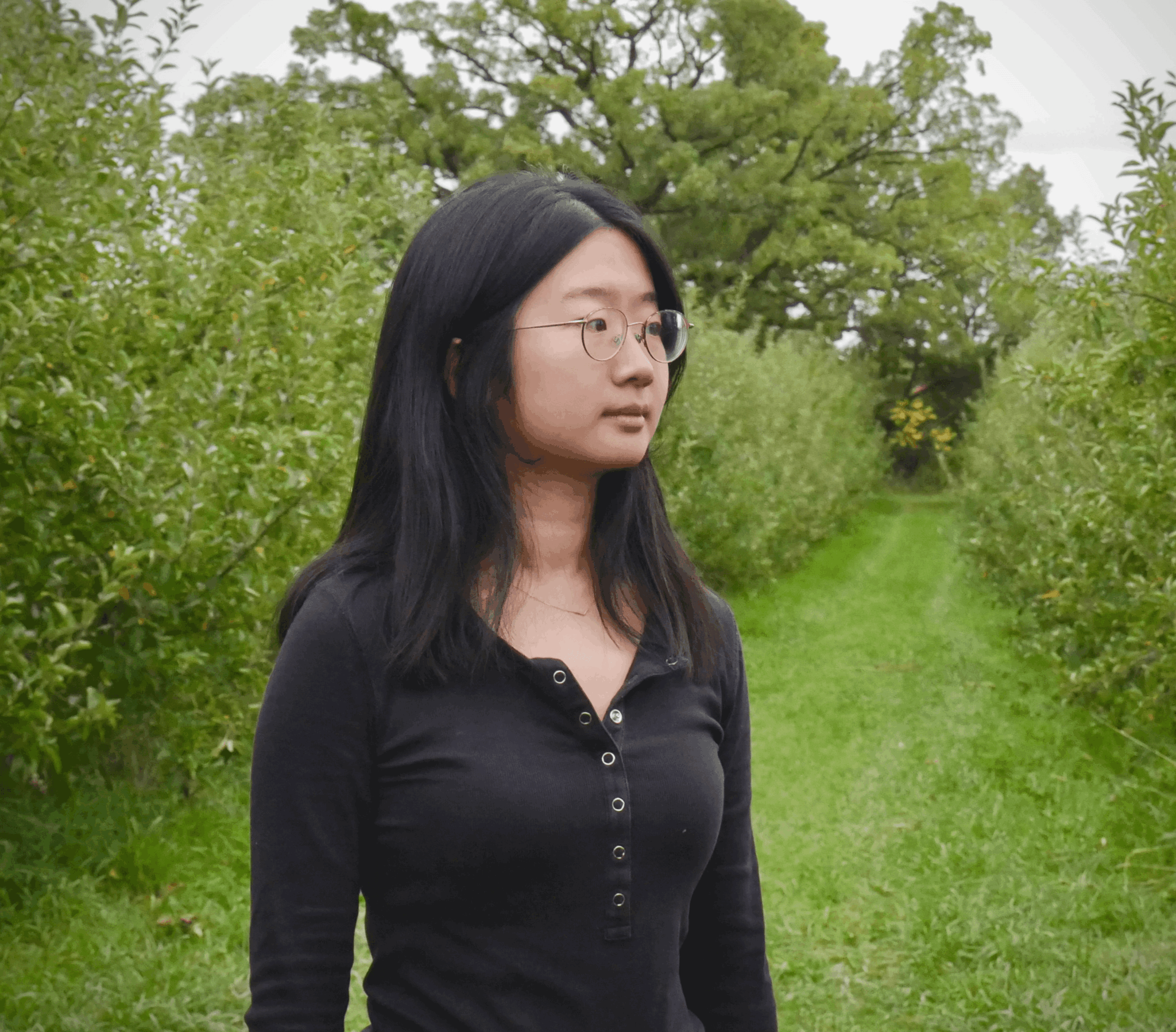

We recently connected with Anne Liao and have shared our conversation below.
Anne, looking forward to hearing all of your stories today. Can you talk to us about how you learned to do what you do?
For me, learning the craft as a sound designer and composer has always been about learning the tools and techniques that turn my ideas into something audible—and sometimes even visible—in multimedia art. I completed my Master of Music at Indiana University, studying Computer Music Composition with Dr. John Gibson and Dr. Chi Wang. They provided invaluable guidance and resources on how to use audio-sculpting tools, be creative with interactive electronics, and refine my listening skills. YouTube tutorials have also been some of my best crash-course teachers, helping me troubleshoot coding issues in a visual programming language called Max/MSP, as well as giving me ideas about various sonic-transformation possibilities. I learned by experimenting—pulling sounds apart, transforming them, and trying out various processes in DAWs and audio-programming environments such as Max/MSP—to continually reimagine the sonic potential of the original recorded or synthesized material.
I think the best way for me to speed up the learning process with any audio tool is to create more mini-projects—small, focused experiments that are more technique-driven. Instead of waiting for a big project to force me to learn something, I’ve found that building short vignettes, transforming sounds with specific techniques, or giving myself narrow creative challenges accelerates my understanding much more quickly. Mini-projects make the learning cycle shorter: you try something, hear the result, adjust, and try again. That rapid repetition is what really builds fluency.
Critical listening is essential in composing, mixing, and sound design. Getting to know my sounds—whether it’s the ideas I hear in my head and try to jot down on staff lines, or the textures I’ve captured on a field-recording trip—is crucial. It makes me more aware of the character and affordances of each sonic ingredient. Just like cooking or painting, understanding your materials is what allows you to be intentional. When you know how a sound behaves, how it blends, how it contrasts, or how it reacts to processing, you’re no longer guessing—you’re shaping.
That understanding turns the tools from obstacles into extensions of my imagination. It helps me choose the right elements instead of fighting the wrong ones, and it frees me to focus on expressing the idea rather than battling the technique.
Awesome – so before we get into the rest of our questions, can you briefly introduce yourself to our readers.
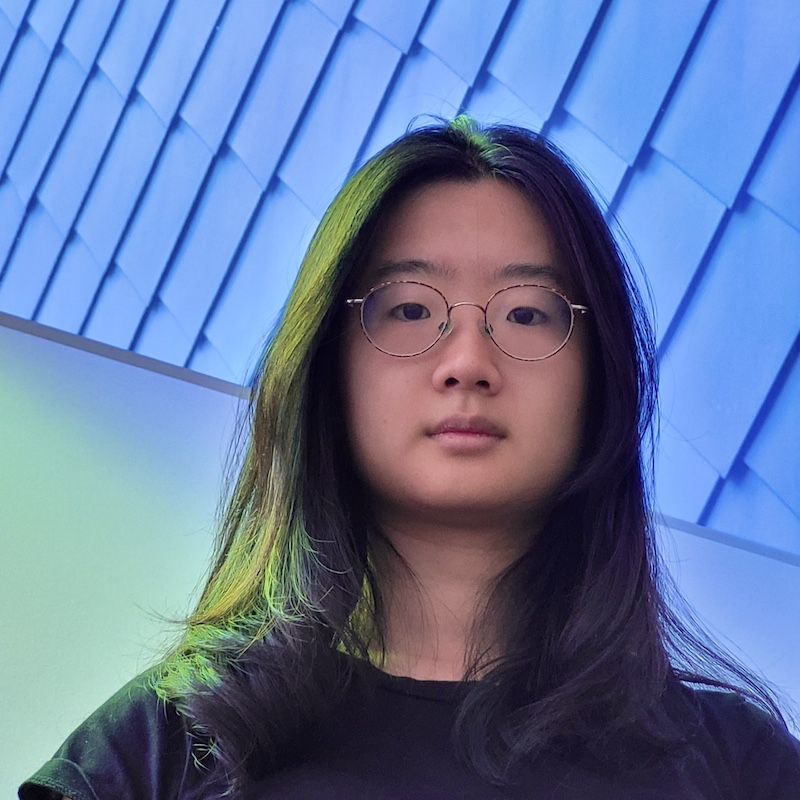
I am a composer, sound designer, and multimedia artist whose work explores the intersection of nature, technology, and the unexpected beauty of noise. I was drawn into this field through a fascination with the hidden musicality of the world around us—from the textures of everyday sounds to the unpredictable behavior of malfunctioning machines. That curiosity naturally led me toward electronic music, DIY circuitry, and eventually building my own sensor-based instruments to expand the sonic possibilities available to me.
In my practice, I compose with timbre as my primary material, shaping sound the way others might sculpt clay or mix pigments. I create original compositions, sound designs, interactive installations, and custom-built sensor instruments. What sets my work apart is my approach to sourcing sound from a wide spectrum of mediums—everything from synthesized waves to field recordings of thunder, mosquitoes, or rustling leaves, to amplified microscopic sounds like tiny bubbles escaping from a melting ice cube.
I’m most proud of the ways my projects invite people to listen differently. If there’s one thing I want potential collaborators or listeners to know, it’s that my practice is driven by curiosity, experimentation, and an interest in the subtle nuances in sound. My work is for anyone interested in discovering new sonic terrains and engaging with music beyond the traditional frame.
What do you find most rewarding about being a creative?
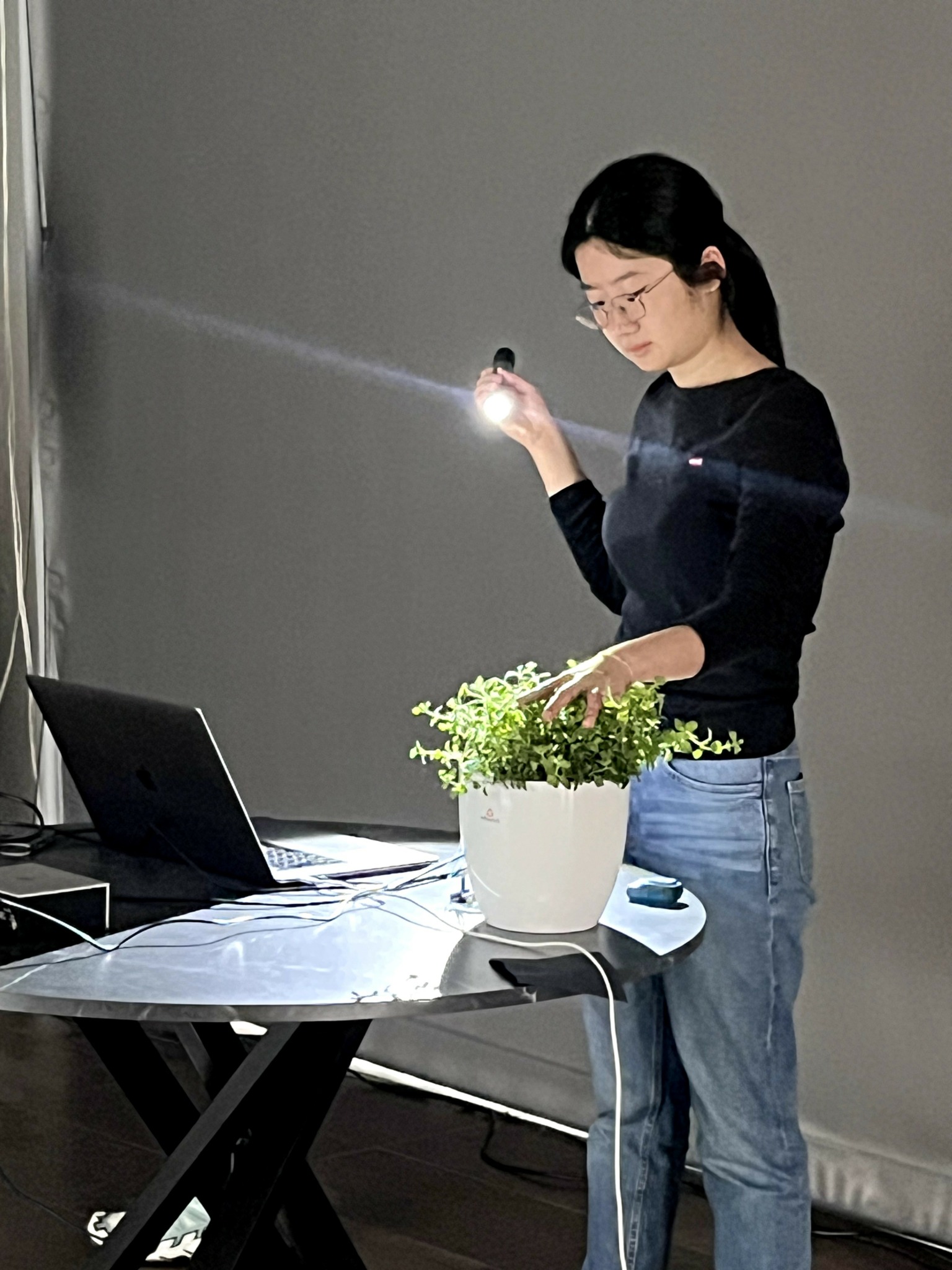
For me, the most rewarding aspect of being an artist is the process of transforming an idea from something abstract into a tangible creative outcome. I’m especially drawn to that moment when a concept or phenomenon starts to take form—whether it becomes a musical composition, a visual piece, or a multidisciplinary work that incorporates sensors or interactive elements. I am listening to the idea, shaping it, but also letting it shapes me. There’s something incredibly fulfilling about guiding an idea through different mediums and watching it evolve into an experience that others can feel, see, or engage with. That journey from the intangible to the expressive is what keeps me creating.
Is there something you think non-creatives will struggle to understand about your journey as a creative? Maybe you can provide some insight – you never know who might benefit from the enlightenment.
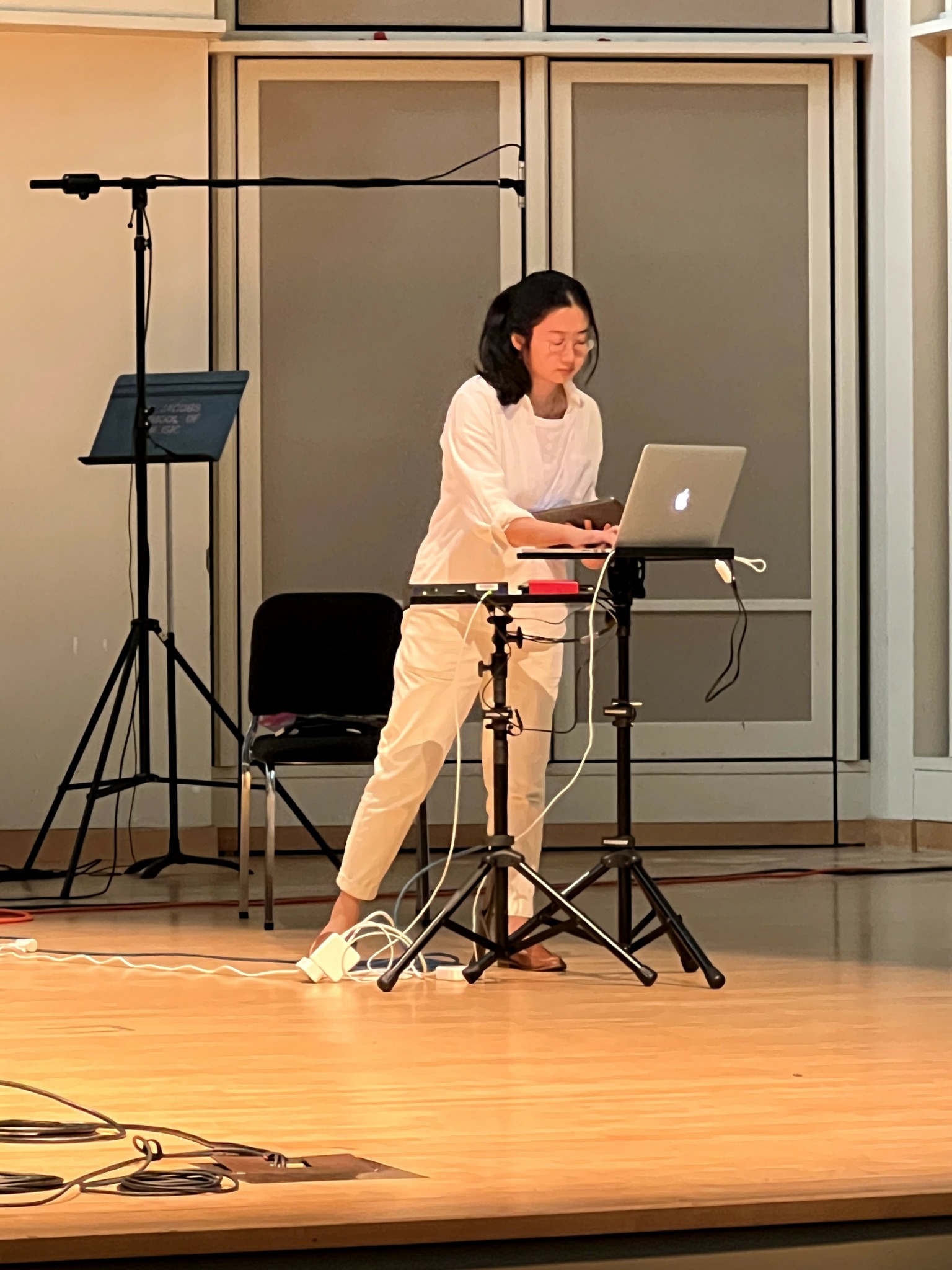
I think the non-linearity of the creative process is worth mentioning. The relationship between a concept and the final artwork isn’t a simple one-to-one mapping. It’s not just a matter of having an idea and then making it. It involves research, exploration, and a great deal of experimentation—often through trial and error. For me, the journey usually means moving through ambiguity, sifting through the ideas I want to work with, experimenting with how they might be realized in sound, and letting the work shift until it reveals the form it wants to take. From the outside, that stage can look like uncertainty or drifting, but for a creative, that in-between space is where the real transformation happens. Recognizing that creativity isn’t just execution but deep exploration might help others appreciate the depth behind the final outcome.
Contact Info:
- Website: https://annlzn.com
- Facebook: Anne Liao
- Youtube: https://www.youtube.com/@anneliao8970
- Soundcloud: https://soundcloud.com/user-954879267
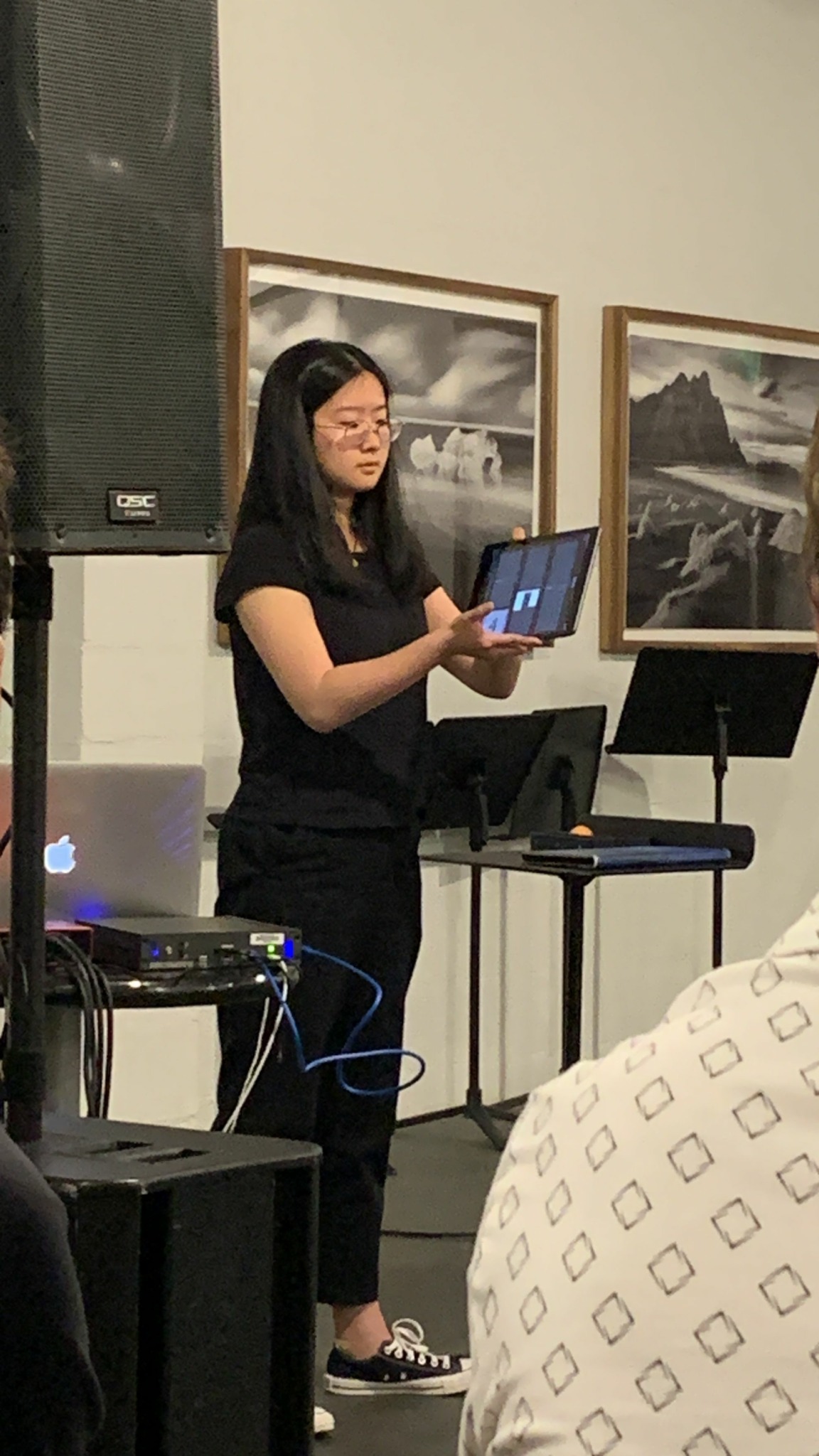
Image Credits
Personal photo: Zaira Castillo
photo1: Alexey Logunov
photo2: Tianyi Wang
photo3: Jeewon Kim
photo4: Badie Khaleghian