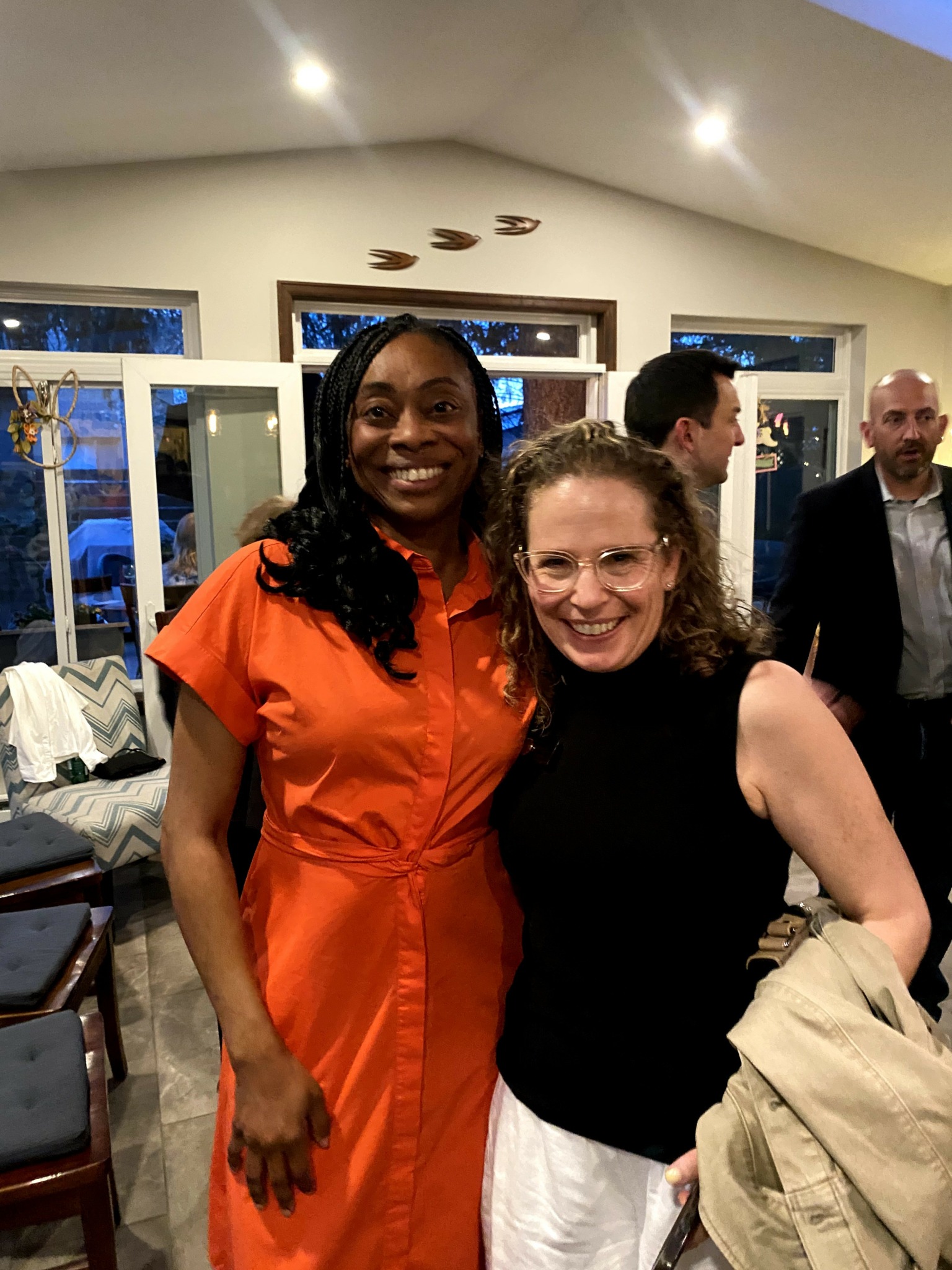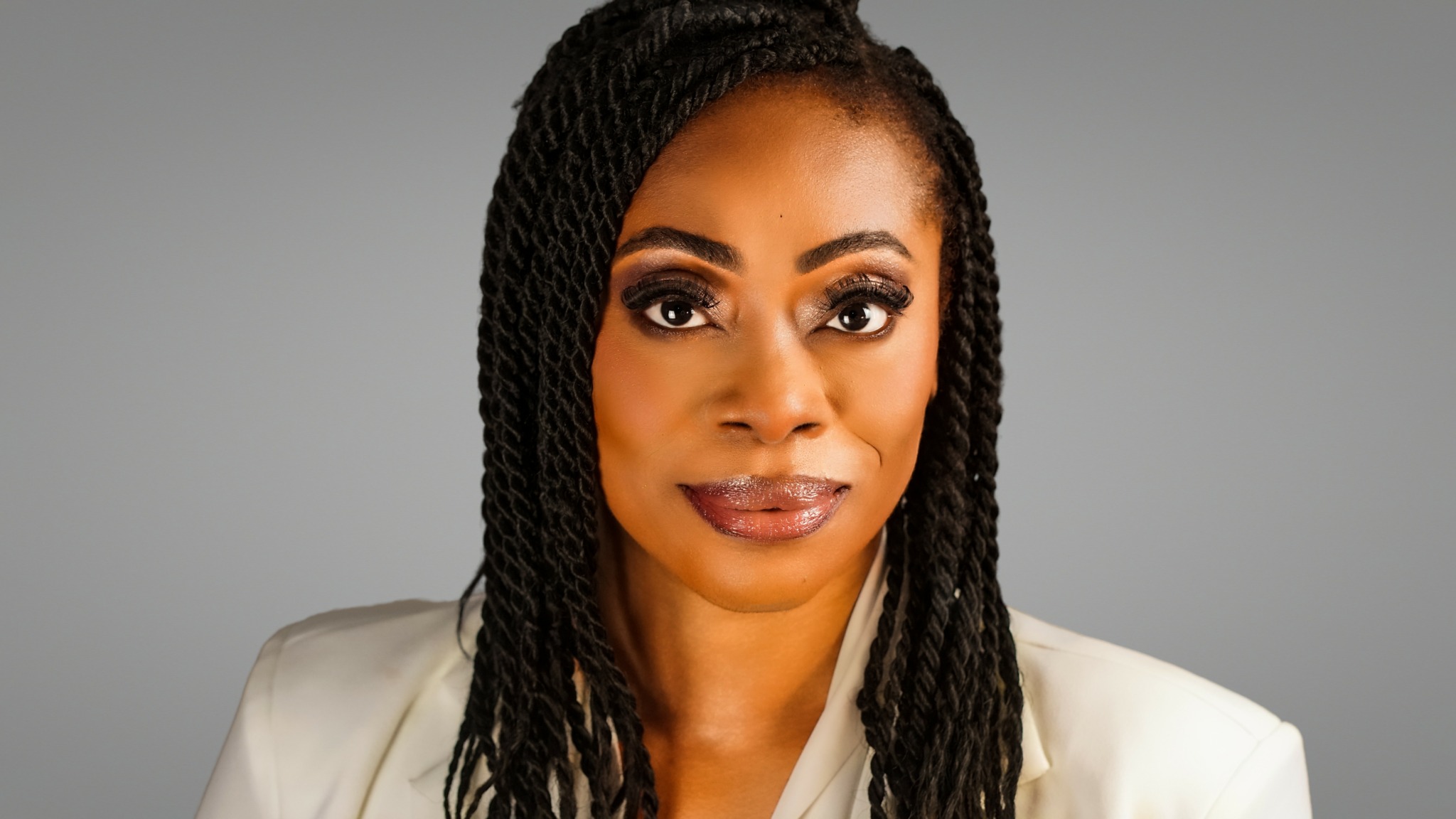

We recently connected with Anne Keke and have shared our conversation below.
Anne, looking forward to hearing all of your stories today. Can you open up about a risk you’ve taken – what it was like taking that risk, why you took the risk and how it turned out?
The risk didn’t start as a single moment, it built over time.
It came from years of sitting in rooms where decisions were being made about students, families, and communities I know deeply. I understood how the system worked. I knew the policies, the process, the pressure points. But I also saw where things fell short—where lived experience didn’t always make it into the final decision.
For a long time, I did what many people do. I showed up. I advocated. I worked within the system, believing that if I pushed hard enough from the outside, I could help shape what was happening on the inside.
But eventually, that stopped feeling like enough.
The first time I ran for office, it wasn’t even something I had planned. I was asked to run.
And that ask forced me to confront a question I had been avoiding: What if I stepped forward instead of staying on the sidelines?
Running for office was a risk because it meant shifting from influence to accountability.
It meant putting my name, my values, and my judgment in front of the public and asking people to trust me. It meant knowing that not everyone would agree with me—and some would be openly critical. It meant accepting that I might lose, publicly, after putting everything into it.
And it also meant asking a harder question: What would it mean if I won?
Because winning isn’t just validation—it’s responsibility. It’s owning decisions that affect real people’s lives.
I took that risk.
I knocked on doors where no one knew me. I had conversations with people who didn’t always agree with me. I learned how to listen in a different way—not just as an advocate, but as someone who might be directly accountable for the outcome.
There were moments that stayed with me. People who said they felt unseen and unheard. People who were skeptical but willing to engage. And people who reminded me why stepping forward mattered in the first place.
Running changed me.
It made me more grounded in my values and clearer about why leadership matters. It taught me that courage isn’t about being certain—it’s about moving forward even when you’re not.
And now, I’m being asked again.
This time, the decision feels different—not because the risk is smaller, but because I understand it more clearly.
I am stepping forward to run as a State Representative for House District 41 in Aurora. Not because it’s easy, but because I’ve seen what’s at stake—and I believe leadership should reflect the people it serves.
The risk is still there. The visibility. The scrutiny. The possibility of losing.
But what’s changed is this: I know now that staying on the sidelines is the bigger risk.
Because when you’ve seen the gaps, when you understand the system, and when you’re asked to lead—you don’t wait for someone else.

Awesome – so before we get into the rest of our questions, can you briefly introduce yourself to our readers.
I didn’t set out thinking I would one day run for office. My path into this work started much closer to the ground, with students, families, and a deep belief that our public systems should actually work for the people they’re designed to serve.
My professional and personal work has largely centered around education and public policy. I’ve spent years engaging with school systems, sitting in boardrooms, working through policy decisions, and advocating for students and families, especially those whose voices are too often overlooked. That work eventually led me to serve on the Aurora Public Schools Board of Education, where I’ve had the responsibility of helping make decisions that directly impact thousands of students and families.
What I’ve come to understand through that experience is that policy isn’t abstract, it’s personal. Every vote, every decision, every line in a budget translates into real outcomes in people’s lives.
In terms of what I provide, it’s not a traditional product or service, it’s leadership rooted in lived experience, thoughtful decision-making, and a willingness to engage directly with the community. I see my role as helping bridge the gap between systems and the people navigating them every day.
The problem I have spent years working on is one that doesn’t have a simple fix, how do we build systems, especially in education, that are more responsive, more equitable, and more accountable? How do we make sure families feel seen, heard, and reflected in the decisions being made?
What sets me apart, I think, is how I approach that work.
I don’t see leadership as something that happens above people, it has to happen alongside them. I listen first. I ask hard questions. I try to bring both lived experience and a clear understanding of systems into every decision. And I’m willing to sit with complexity instead of rushing to easy answers.
I am also not afraid to step into difficult conversations. Whether it’s navigating competing priorities on a school board or talking with community members who strongly disagree, I believe progress requires honesty, not avoidance.
What I am most proud of isn’t a single decision or policy, it is the trust I have built with people in my community. The moments when someone says, ” I don’t always agree with you, but I know you are listening.” That matters to me.
I am also proud of taking the step to lead when asked, to move from advocating within the system to helping shape it. That’s not an easy transition, and it comes with real responsibility.
And that’s ultimately what has led me to this next step.
I am now running for State Representative in House District 41 in Aurora because I’ve seen firsthand how decisions made at the state level impact what happens locally, in our schools, in our communities, and in people’s day-to-day lives.
I want people to know that my work is grounded in service. I’m not interested in politics for its own sake, I am interested in outcomes. I care about whether policies actually improve people’s lives, whether systems are working the way they should, and whether communities feel represented in the process.
If there is one thing I want people to take away, it is this: I take the responsibility of leadership seriously. I listen, I learn, and when it’s time to decide, I do so with a clear understanding of who those decisions affect.
And I am willing to be accountable for that.
We’d love to hear a story of resilience from your journey.
Resilience, for me, hasn’t been about one dramatic moment, it’s been about staying in the work, especially when it gets uncomfortable.
One moment that stands out happened during my time on the Aurora Public Schools Board of Education. We were in the middle of a decision that had strong opinions on all sides, families, educators, community members, everyone cared deeply, and not everyone agreed.
I remember sitting in that space, listening to hours of public comment. Some people were frustrated. Some were angry. Some felt like the system had already failed them. And in those moments, it would have been easier to retreat, to shut down, to become defensive, or to default to what felt politically safe.
But I didn’t.
Instead, I stayed present. I listened, even when it was hard to hear. I asked questions, even when the answers weren’t clear. And I had to make a decision knowing that no matter what, not everyone would be satisfied.
That’s a different kind of pressure, the kind where you know your choice will directly affect people’s lives, and you still have to move forward.
After the vote, there was criticism. There always is. Moments where I questioned whether I got it exactly right, or whether I could have done more. But resilience showed up in what came next.
I didn’t disengage.
I kept showing up to meetings. I kept talking to families. I kept listening, even to people who strongly disagreed with me. And over time, something important happened, not everyone changed their mind, but they saw that I was consistent. That I wasn’t avoiding the hard parts of leadership.
But if I am being honest, some of the deepest resilience in my life didn’t come from a boardroom, it came from personal loss.
Within just a few months, I lost my father, my mother, and my beloved brother.
There’s no preparing for that kind of grief. It shifts everything. There were moments where continuing forward felt incredibly heavy, where the weight of loss and the pull of responsibility were in constant tension.
And yet, I found a way to keep going.
Not because the pain disappeared, but because I understood that the work still mattered. That the community I serve still needed steady leadership. That even in the middle of grief, there was purpose in continuing to show up.
That experience taught me a different kind of courage, the kind that doesn’t come from certainty or strength in the traditional sense, but from choosing, day after day, to rise above pain and keep moving forward.
It reshaped how I understand resilience.
It’s not about never struggling. It’s about continuing to engage, even when things are uncertain, even when life is heavy, even when the path forward isn’t clear.
That same resilience is what carried me into running for office the first time, when I was asked to step forward, and it is what’s guiding me now as I run again for State Representative in House District 41 in Aurora, Colorado.
Because putting yourself out there publicly, inviting scrutiny, and choosing to lead anyway, that requires resilience too.
What I have learned is that resilience isn’t loud. It is steady. It is choosing, over and over again, to stay committed to the work and the people you serve, even when it would be easier to step back.
And for me, that’s what leadership requires.
Any stories or insights that might help us understand how you’ve built such a strong reputation?
I think my reputation has been built less on any single achievement and more on consistency over time.
People may not always agree with me, and in public service, that’s inevitable, but they know what they are getting. I show up prepared. I listen seriously. And I make decisions based on what I believe is right, even when it’s not the easiest or most popular path.
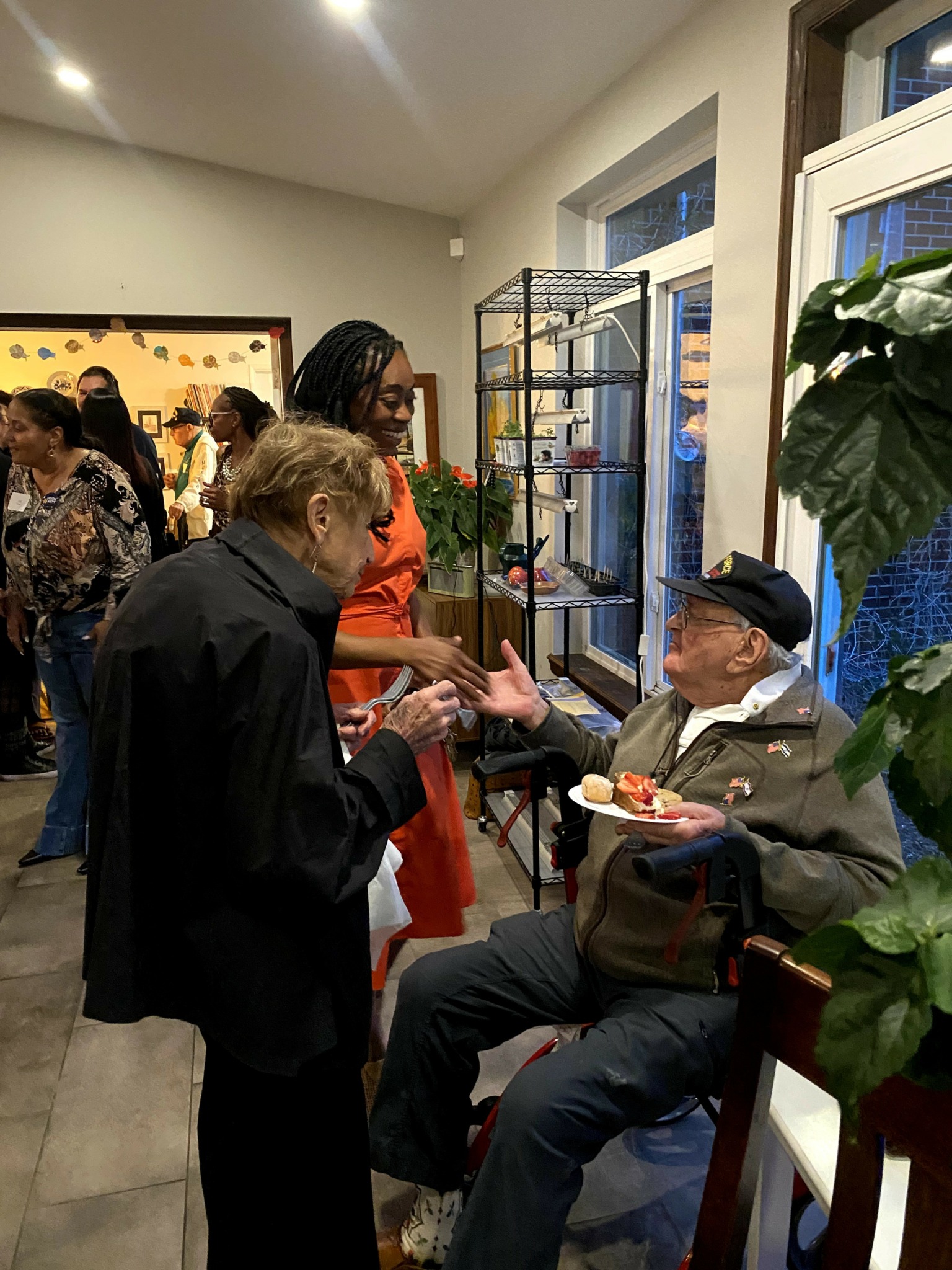
One of the biggest factors has been my willingness to engage directly with the community. I don’t avoid difficult conversations. Whether it’s sitting through long meetings, listening to critical feedback, or having one-on-one conversations with people who see things differently, I’ve tried to approach all of it with respect and openness.
I also think trust comes from being grounded in both lived experience and a clear understanding of systems. I have spent years not just observing how things work, but actively participating, whether that is through policy discussions, board decisions, or community advocacy. That combination helps people feel that I’m not speaking in abstractions, I understand the real impact of decisions.
Another important piece is accountability. In public-facing roles, it is easy to shift blame or avoid ownership when things are complex. I have tried to do the opposite, to stand by my decisions, explain my reasoning, and remain accessible even when there’s disagreement.
And honestly, resilience has played a role too. People have seen me continue to show up through difficult moments, both professionally and personally. That kind of steadiness builds credibility over time.
If I had to sum it up, I’d say my reputation is built on trust, consistency, and a genuine commitment to the people I serve. Not perfection, but presence, integrity, and a willingness to do the work, even when it’s hard.
Contact Info:
- Website: https://annekeke.com
- Instagram: https://www.instagram.com/annekekeforcolorado/
- Facebook: https://www.facebook.com/anne.keke.902
- Linkedin: https://www.linkedin.com/in/annkeke/