

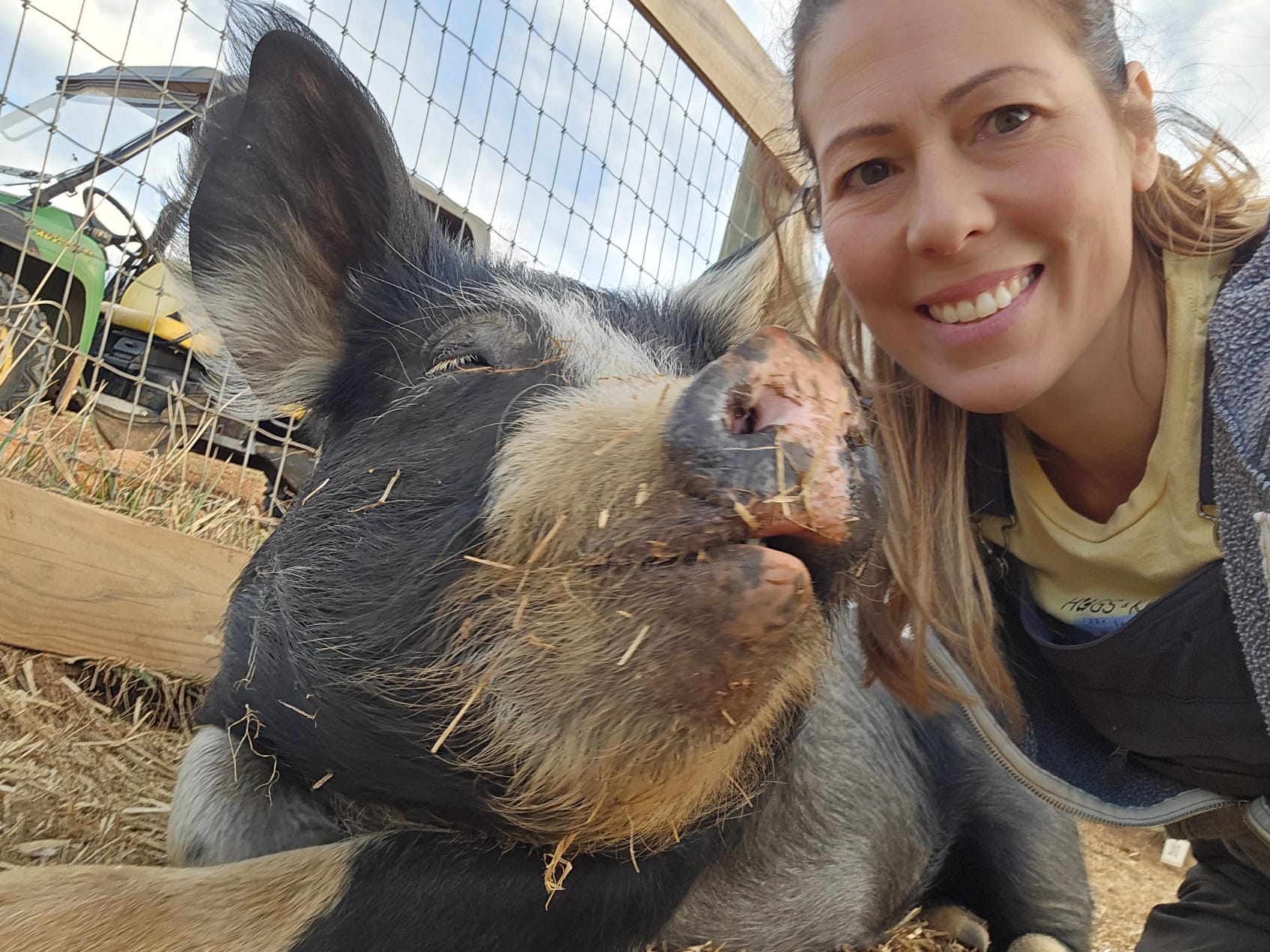

We were lucky to catch up with Anne recently and have shared our conversation below.
Anne, appreciate you joining us today. Let’s jump to the end – what do you want to be remembered for?
I hope my legacy will be to have helped people to see the value of all animals’ lives. I built a sanctuary for farmed animals and initially, it was to rescue a few farm animals who are normally disregarded. For the future, I have no idea if the nonprofit will endure or the torch passed, but I hope that during this journey, I will have represented the animals’ point of view well enough to make people pause and think deeply about how humans treat animals.
Anne, before we move on to more of these sorts of questions, can you take some time to bring our readers up to speed on you and what you do?
I haven’t eaten meat in almost 20 years. I started by making food choices of a vegetarian and pescetarian, which lasted 6 years. During that time, I learned so much about agricultural processes, marketing around food, and misconceptions of nutrition. Thereafter, I decided to go vegan and haven’t looked back ever since. As a vegan, rescuing animals from exploitation was always in the back of mind, similar to how people think of what they would do if they won the lottery. However it became a reality during covid when my personal life shifted to a rural living situation. Making my dream of running a nonprofit micro-sanctuary actually became possible.
I did not grow up on a farm. I had no experience caring for farmed animals. I had rescued cats from city streets, but nothing more involved than that. It was pure will to make a dream happen that drove me to move forward. I researched, read, connected with rescue community, volunteered at other sanctuaries and learned everything I could. I had no idea how much building barns or fences or transporting animals, or proper veterinary care, or what food would cost. I did not focus on constraints, but rather how to make things happen. I knew myself to be a person “who gets things done” and that is exactly what I did.
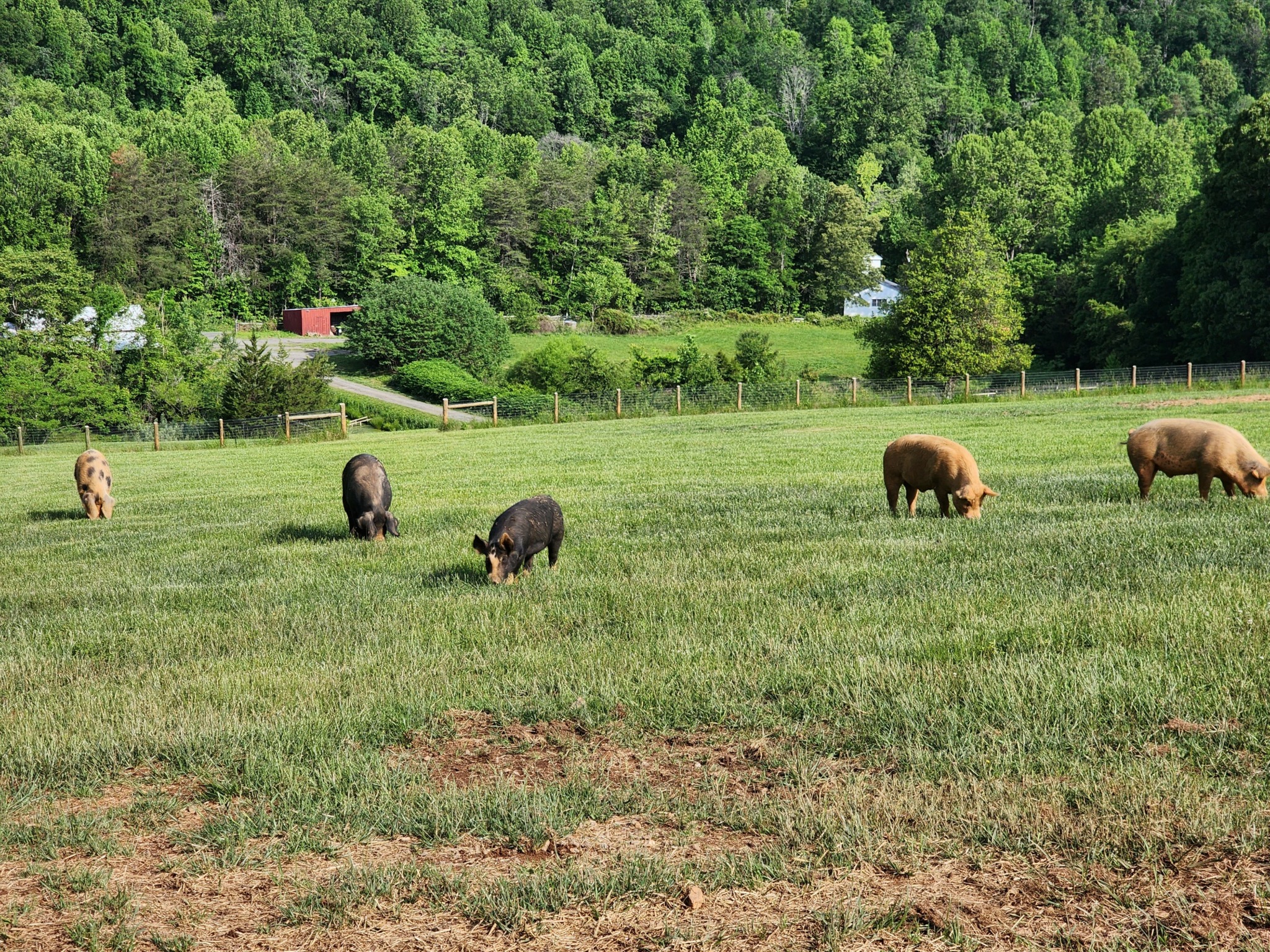
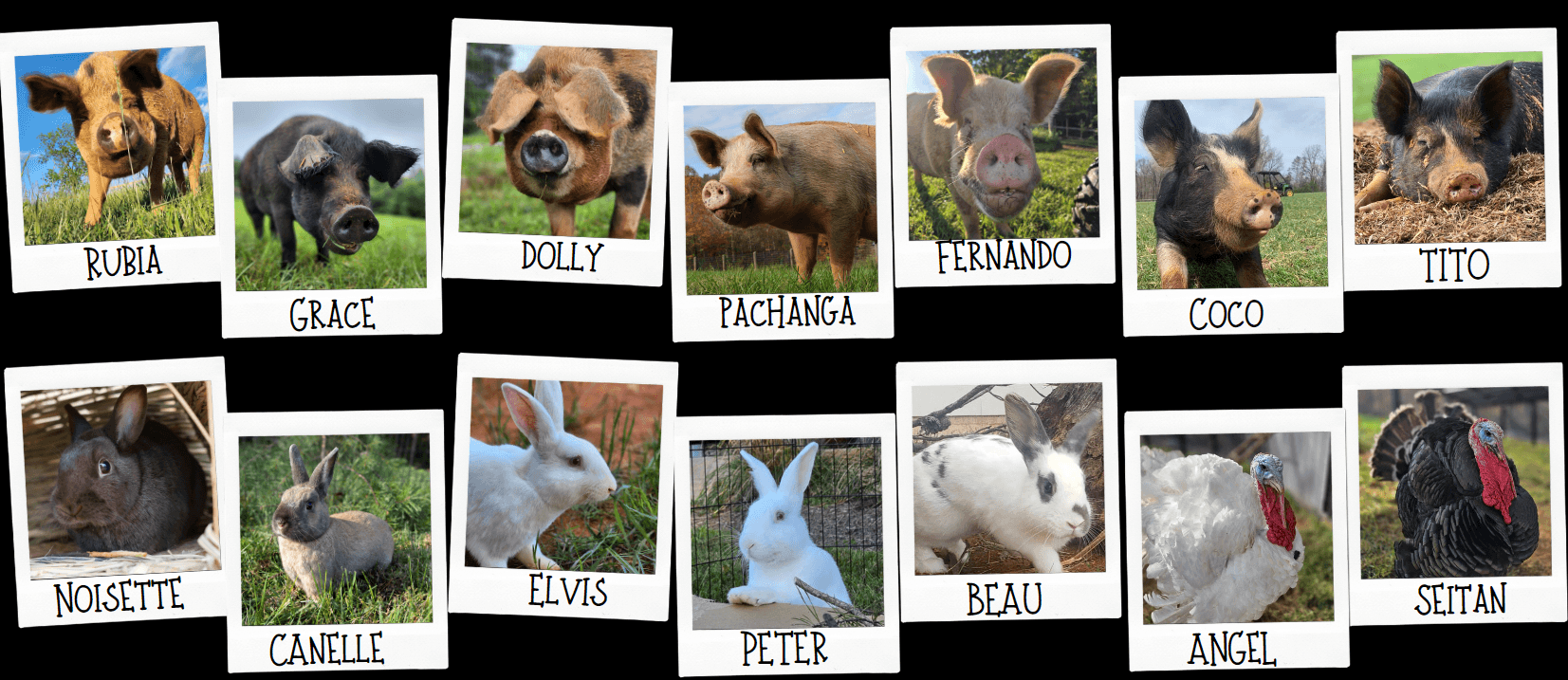
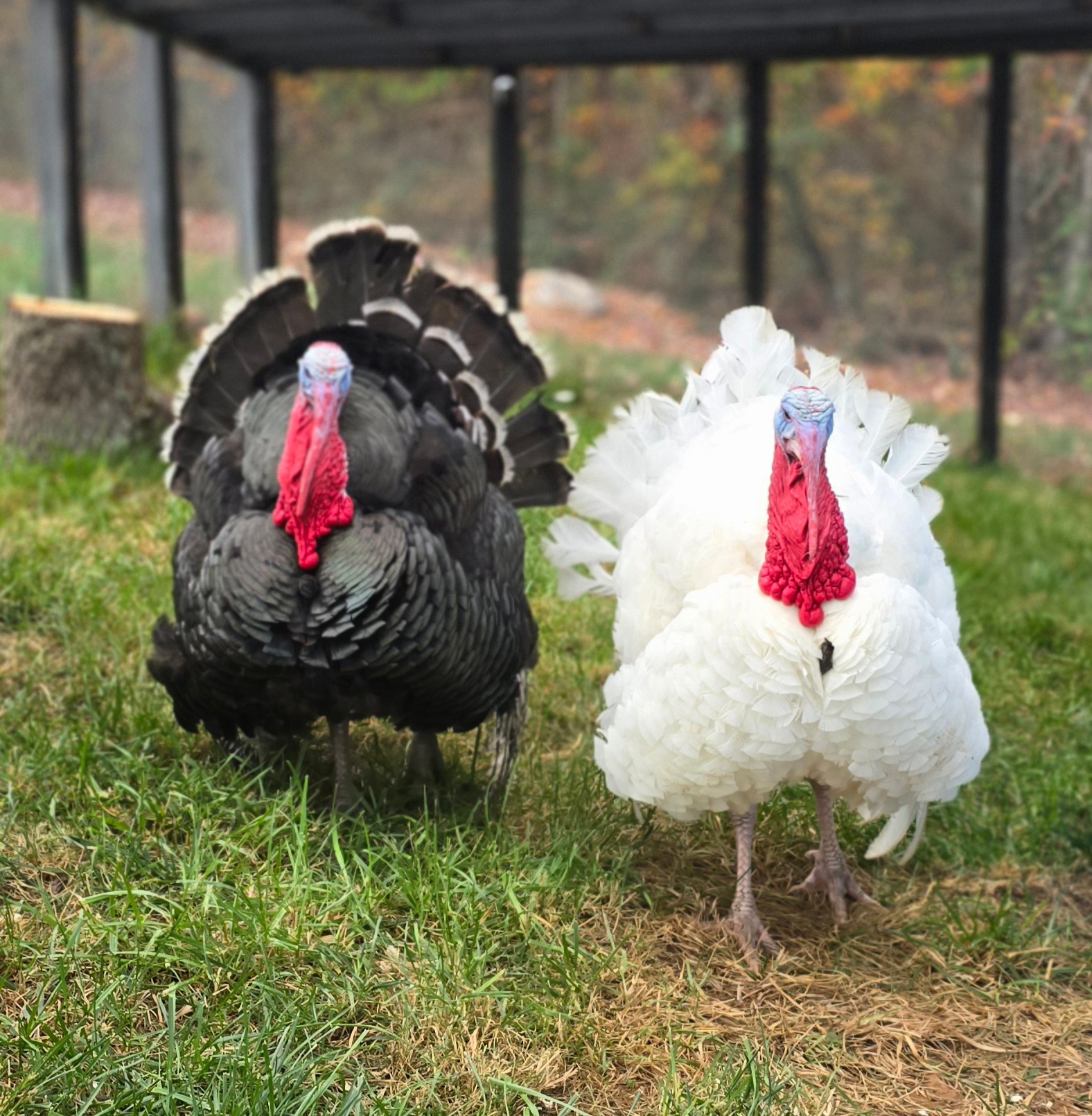
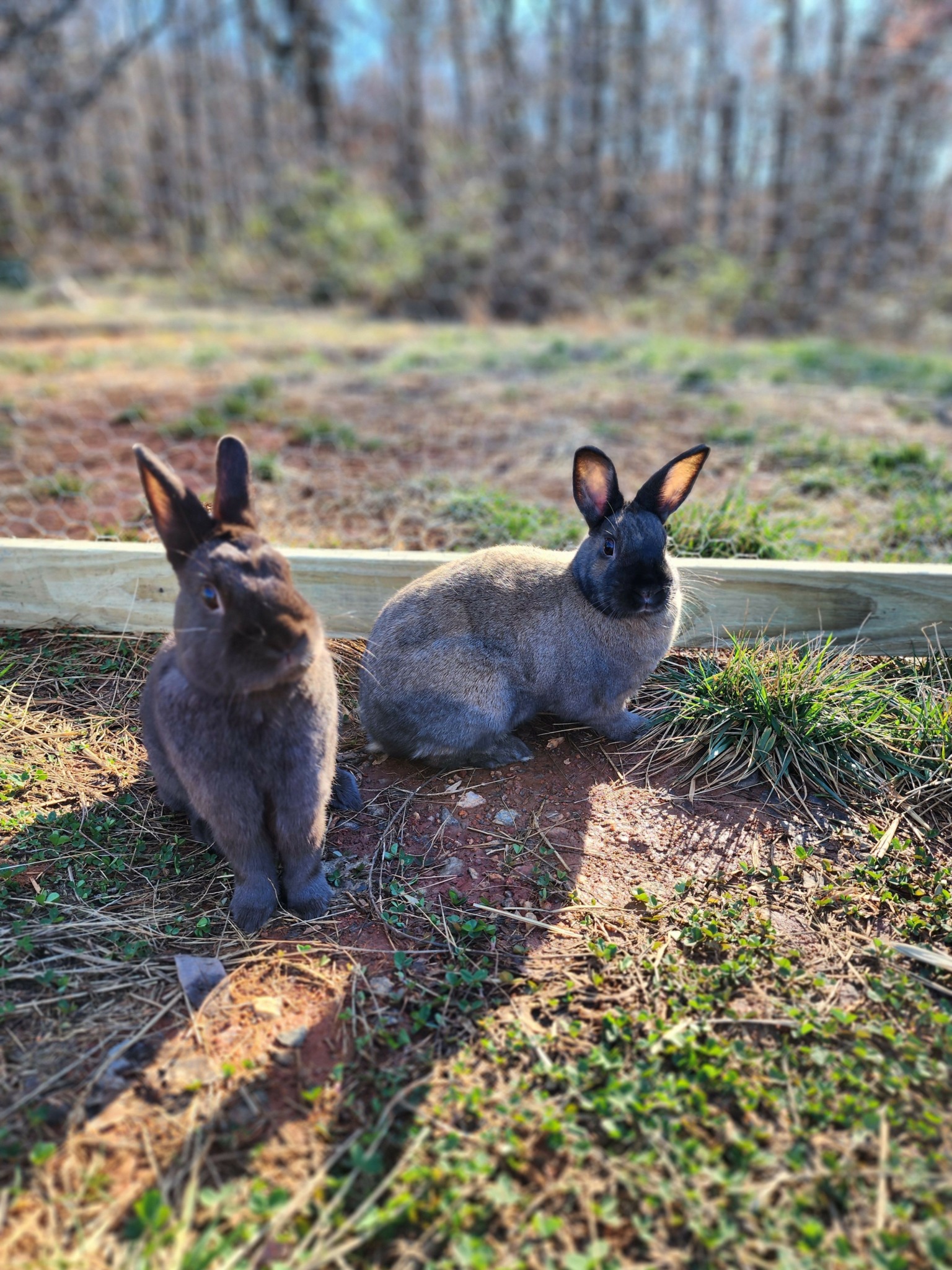
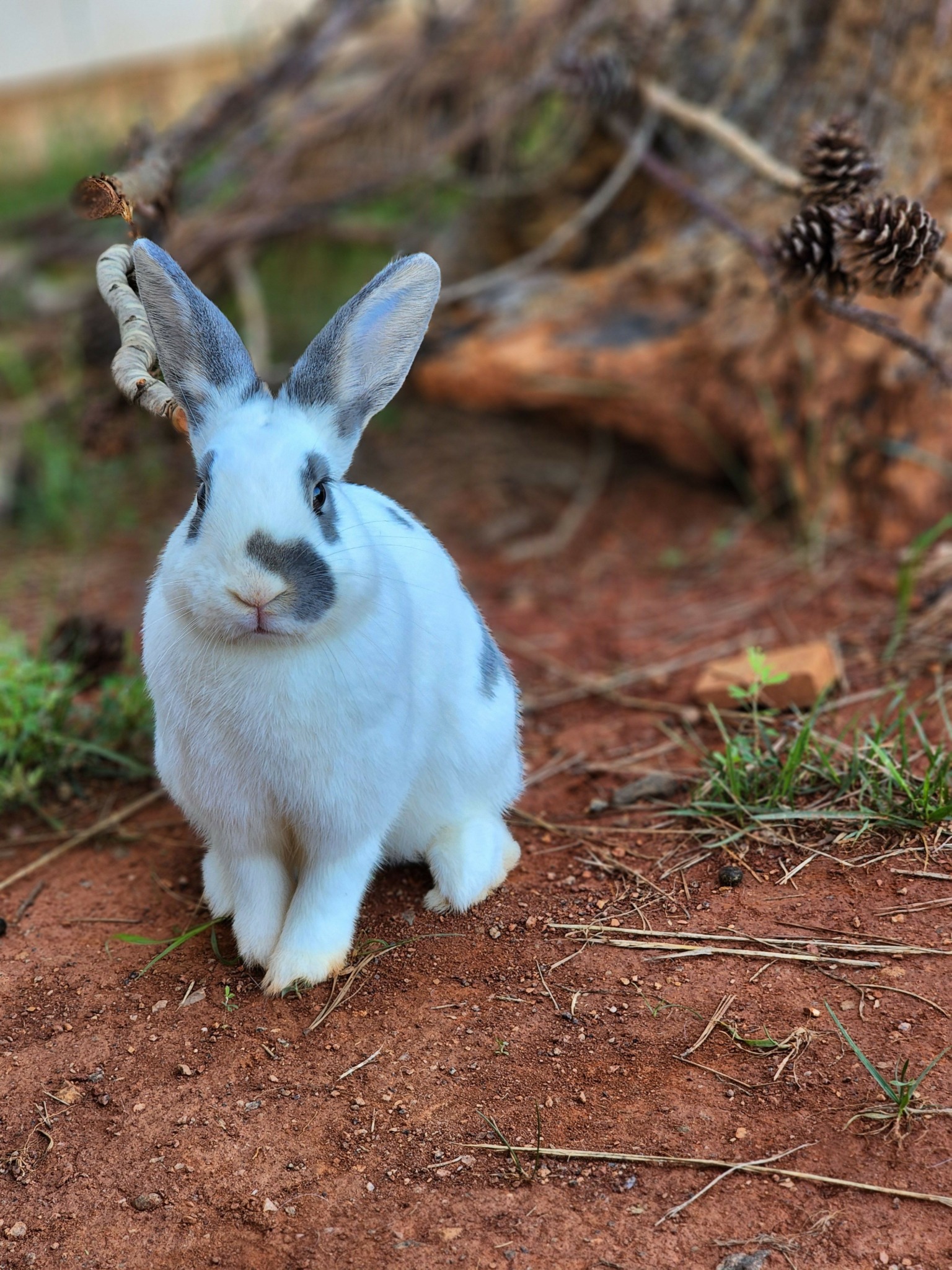
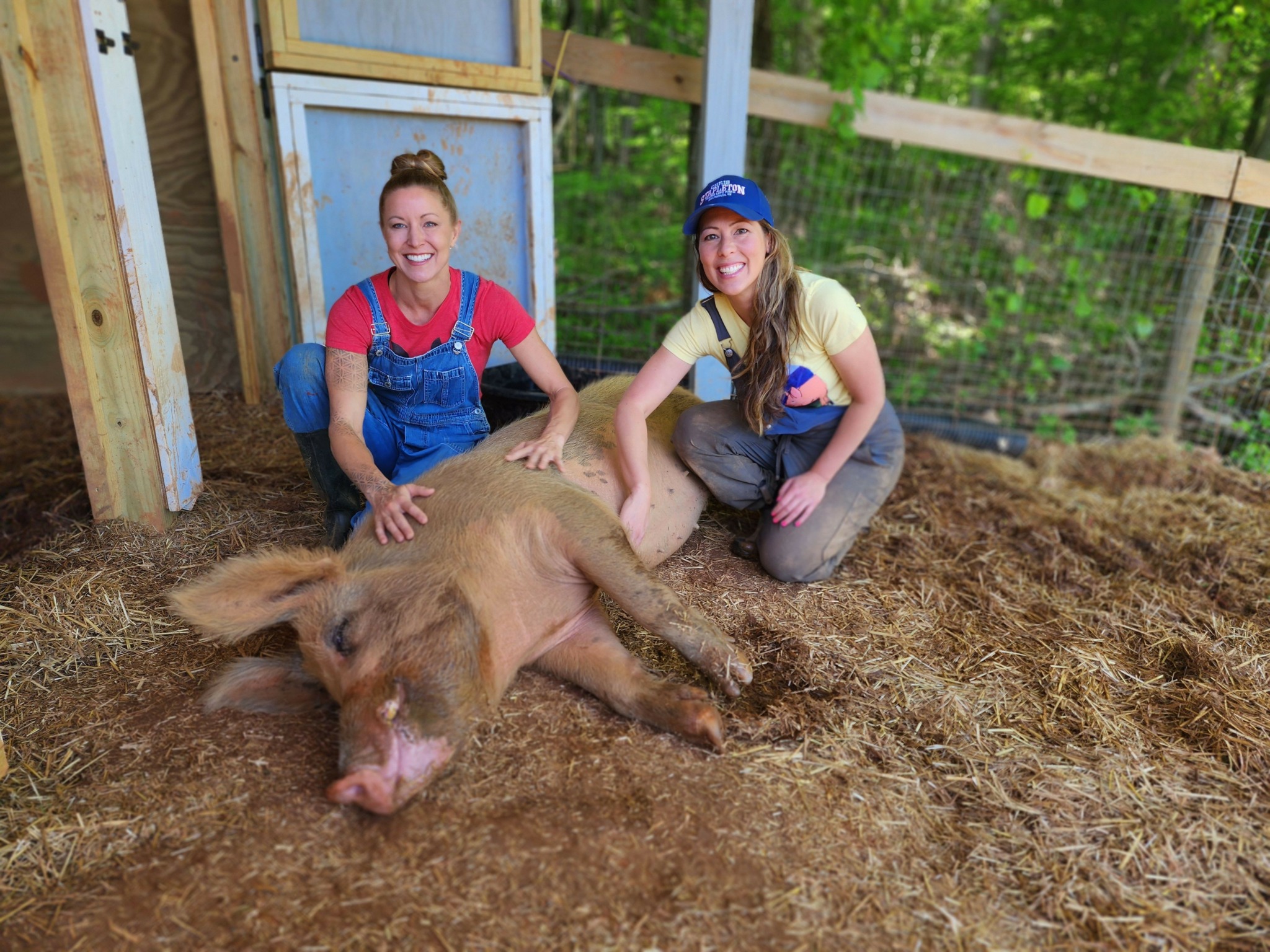
Hogs & Kisses Farm Sanctuary began in 2020 and we’ve continued our mission to create the best possible life for farm animals while inspiring compassion for all living beings. We provide sanctuary to 7 very large, sexy hogs, 5 rascally rabbits, and 2 stunning turkeys. The impact of our nonprofit is to provide unwavering support to neglected or abused animals and to educate the public on animal welfare.
Sanctuaries started in the 80s as a reaction to the abuses of animals in factory farming. Typical sanctuaries are hundreds of acres and care for hundreds of animals, and are usually well-funded. Since these beginnings, other people who want to make a difference for animals, but may not have large property or large funds, create their own sanctuaries, just on a smaller scale. A major benefit for the animals in a micro-sanctuary setting is the deep, personal care they receive. It is already extremely rare for any farm animal to be saved and be allowed to live their lives at a sanctuary. However at a micro-sanctuary, the animals are usually treated more like companion animals, much like cats and dogs, and are given the experience of being truly cherished.
I am most proud of “just doing it.” Whether that was getting started, rescuing animals, expanding each year, building a community of volunteers and supporters, pursuing donations and grants, or educating the public, ultimately doing the things I say I will do is what I am most proud of doing.
The main thing I want followers to know about Hogs & Kisses is that is a place full of love, not just for animals, but for people too. We want visitors to feel enriched from meeting our animals and learning how we can transform our relationship to animals.
We’d love to hear about how you met your business partner.
Our nonprofit consists of a small but scrappy board member team. One of them is a very good friend of mine named, Ella Magers. She and I have been friends for about 20 years. We met while living on South Beach in Miami, FL as we knew the same circle of friends. She was the main catalyst in introducing me to a vegan lifestyle. I had been eating vegetarian and pescetarian for 6 years prior, and Ella shared vegan nutrition benefits and the realities of agriculture, which lead me to eating plant-based. Then my personal life took a turn where I moved to rural farm country and started rescuing farm animals. I could not think of a better person to ask to join our board and help me get the sanctuary started, than Ella. It was a full circle moment, as her influence helped me to choose veganism, and then I was able to ask her to join me in saving more animal lives.
Do you have multiple revenue streams – if so, can you talk to us about those streams and how your developed them?
As a nonprofit, we provide a public service. Our animals are not products, yet maintaining a long and healthy life for them is very expensive. Therefore, we fundraise, however to create more security and prepare for recessions or possibly future pandemics, we needed to build a revenue stream. We built a bed-and-breakfast on our sanctuary to allow the community to stay and experience the beauty of nature and learn all about sanctuary life. One hundred percent of the proceeds go to our rescued animals. This give customers a win-win feeling by having a great experience and knowing that it continues the mission of our nonprofit.
Contact Info:
- Website: https://www.hogsandkisses.org
- Instagram: https://www.instagram.com/hogskisses
- Facebook: https://www.facebook.com/hogskisses
- Youtube: https://www.youtube.com/@hogskissesfarmsanctuary133
- Other: Tshirts – hogsandkisses.threadless.com
Calendars – sanctuary-calendars.printify.me
Micro, But Mighty Documentary – https://youtu.be/o8pjzKJl33I?si=NVXLIqmR4CTuV80e
Onsite BnB – airbnb.com/h/hogskisses
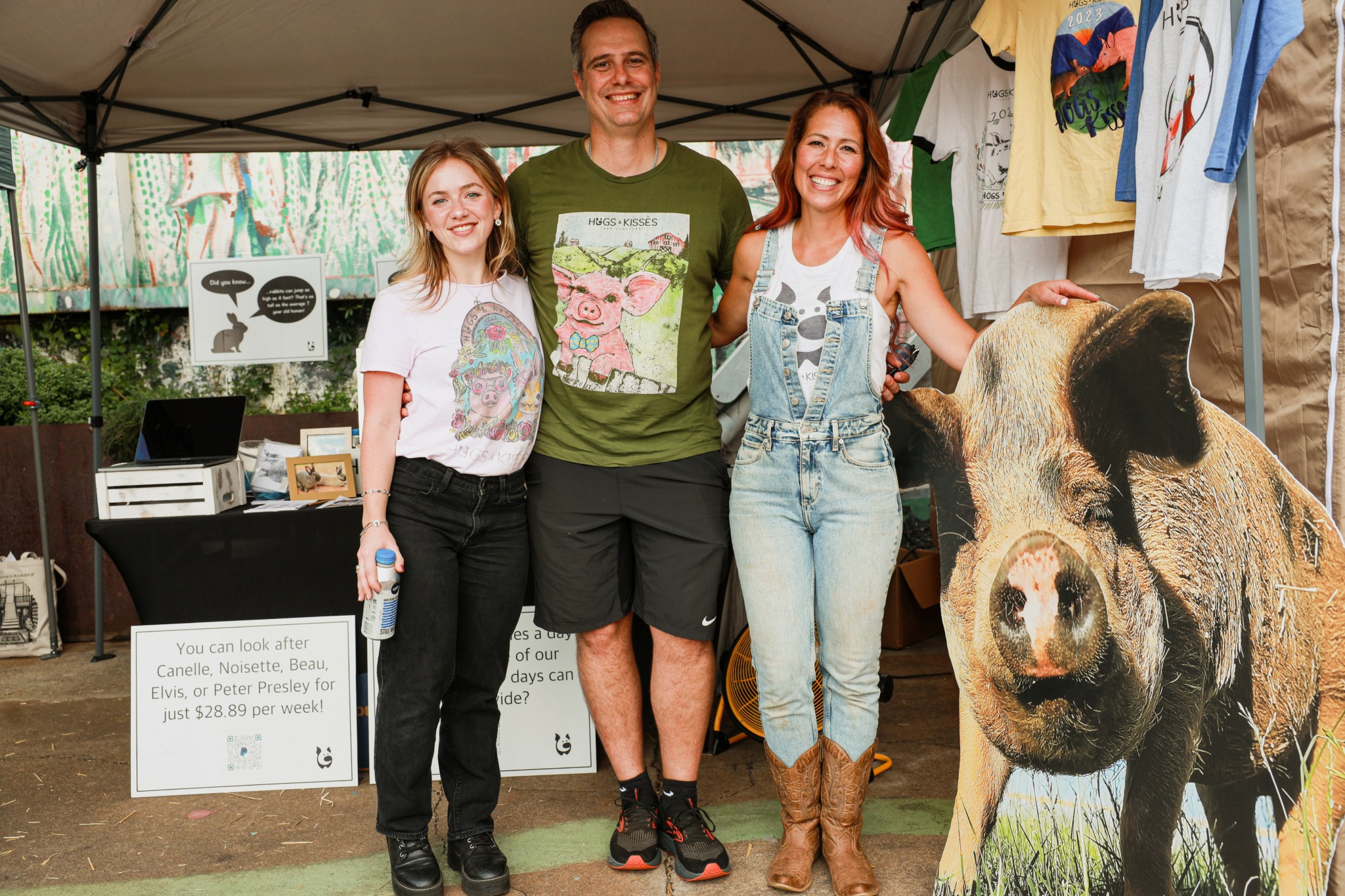
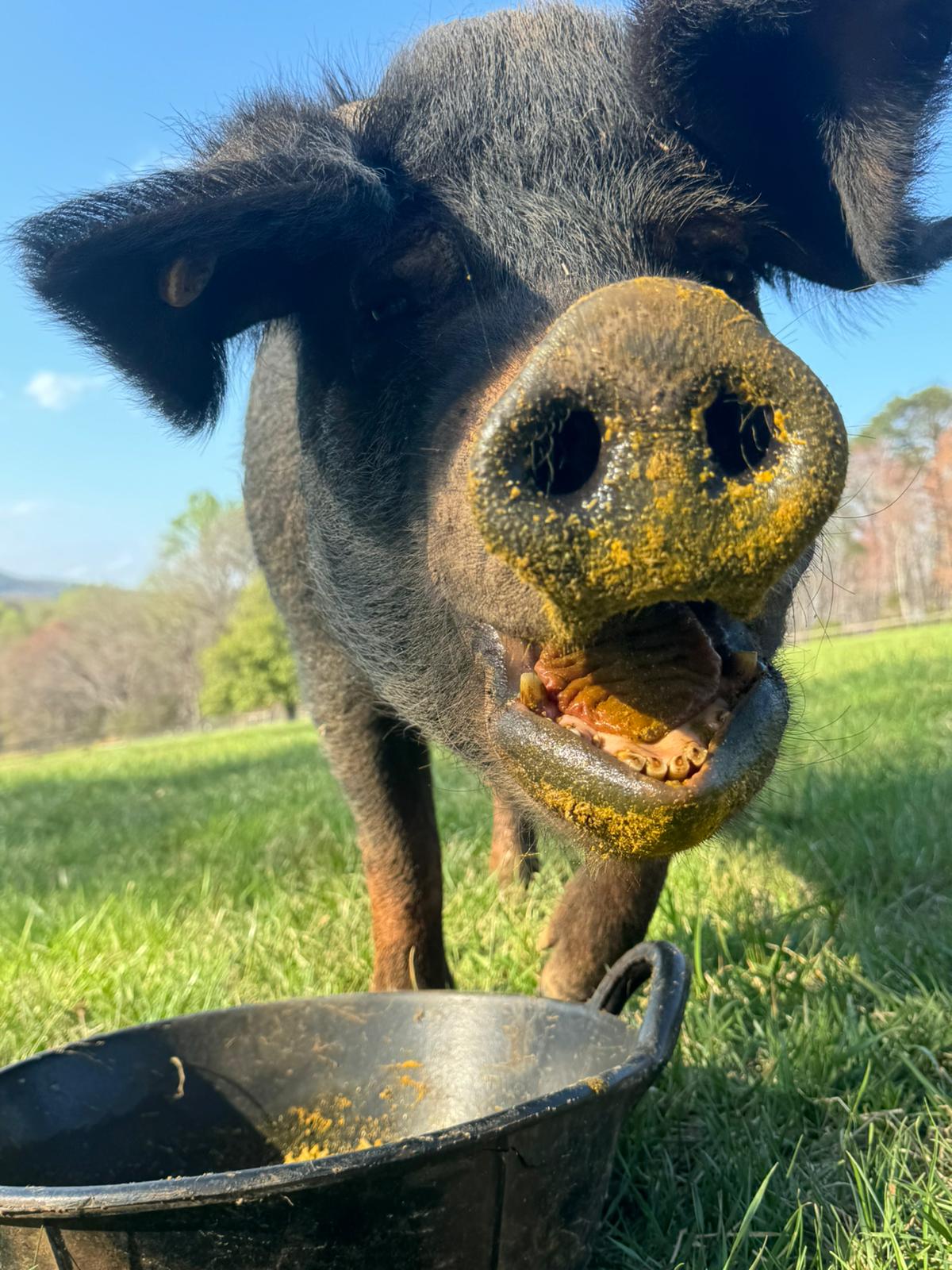
Image Credits
All photos were taken by me or on my camera, except for the one at the festival (only pic with 3 people). It was taken by the festival photographer, and I do not know the name, only that it was shared with us by the festival organizers.