

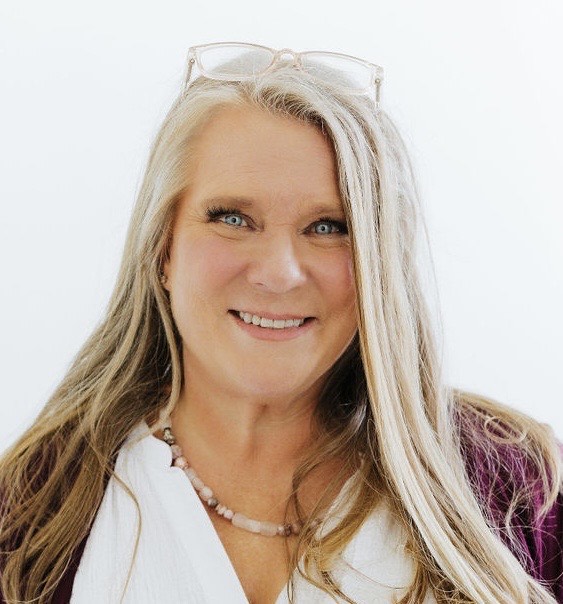

Alright – so today we’ve got the honor of introducing you to Annah Elizabeth. We think you’ll enjoy our conversation, we’ve shared it below.
Annah, thanks for taking the time to share your stories with us today One of our favorite things to hear about is stories around the nicest thing someone has done for someone else – what’s the nicest thing someone has ever done for you?
There are moments in life that forever alter our understanding of what kindness really means.
The kindness that stands out most in my life wasn’t necessarily an intentional act—though it was an unexpected gift.
Before the birth of my first child, I worked in a custom industry business where I often spent months with clients. Many of them knew I was expecting. When I returned to work eight weeks after an emergency C-section and the death of my newborn son, Gavin—who lived just twenty-six minutes—many of those familiar faces—those who hadn’t heard the outcome—would ask enthusiastically, “How’s the baby?”
Each time, I could only manage, “I’m sorry… he didn’t make it.” Those were the same words the hospital nurse had spoken to me when I first woke from anesthesia and cried out, “Where’s my baby?”
In an instant, I could see the impact my words had on their previous excitement as their upturned smiles shifted. Their eyes would widen ever so slightly, and though subtle, I could sense the way their bodies leaned back—an almost imperceptible attempt to retreat from what they had just heard.
I’d reach across the counter to pat their hands and say, “It’s okay,” and I’d often add what others had told me—what I had tried to tell myself: “I’m young; I can have more children.” But inside, I wasn’t sure I believed it.
Then one day this special gift arrived from one of those customers. The same exchange played out, but when I said, “It’s okay,” the woman standing across from me looked me in the eye and gently said, “No—it’s not okay.”
At the time, her words felt like validation, like she’d given me permission to acknowledge how truly tragic it was. Years later, I realized the full magnitude of that moment. Her words—“No, it’s not okay”—offered in truth and empathy, planted the seed for one of the most powerful tenets of my work today, a foundational element of The Five Facets® Philosophy on Healing: <i>What happened to you is not okay. But you can be okay in the face of it.</i>
This woman’s four simple words reshaped my understanding of kindness forever.
As always, we appreciate you sharing your insights and we’ve got a few more questions for you, but before we get to all of that can you take a minute to introduce yourself and give our readers some of your back background and context?
Even as a young girl, I always wanted to help people—to be a helper. What I didn’t know then was what form that desire would eventually take, or that those simple acts of caring were part of my divine calling.
Looking back, I can see that I was already living that instinct to help. I was the girl feeding the stray mama cat that showed up on our doorstep (much to my parents’ chagrin), making sure my younger siblings made it safely to and from our walk to school, and likely offering help to anyone I noticed who needed it. That’s been a constant thread throughout my life, even if I can’t recall every human example. I do remember assisting my swim coach in teaching the six-and-under swimmers when I was just eleven—already finding joy in helping others learn and feel supported.
It was Gavin’s death, and the seven-year string of losses that followed, that refined that calling and shaped how I now show up in the world. During that time, I experienced multiple miscarriages, complicated pregnancies, a six-week psychiatric stay for severe depression, and one final pregnancy. Six weeks before that child was born, I discovered that my husband and my best friend were having an affair, which further compounded the grief I was already carrying. Those years felt as though my life was shattering around me, and yet, even then, something within me kept searching for understanding and meaning.
In the midst of all that pain, one question drove me forward:
“How is it that some people go on to live happy, fulfilled lives following tragedy, mishap, or mayhem—while others succumb to drugs, despair, a life of void, or suicide?”
That question became the catalyst for everything I do today. The answers to that and thousands more questions led me to create The Five Facets® Philosophy on Healing, a pioneering framework that provides a structured, accessible way to understand the whole self and navigate conflict, grief, and life transitions. Through The Five Facets of Healing by Annah Elizabeth programs, I help people recognize and harness their inherent strengths to heal and transform the human side of themselves.
My other signature offering, HeartWise Healing Solutions by Annah Elizabeth, bridges the science of The Five Facets® with soul-centered practices, creating what I call “full-spectrum healing.” This is where evidence-based human development meets intuitive and energetic modalities such as energy medicine and spiritual guidance. It’s where science meets spirit—and where people rediscover their own innate wisdom, strength, and peace.
I work with individuals and organizations through coaching, workshops, speaking engagements, and online programs—all designed to help people heal, evolve, and thrive. Whether someone is navigating the death of a loved one, the end of a relationship, a health crisis, a career shift, or any major life transition, my goal is the same: to help them find calm, clarity, and confidence in the face of whatever struggle they are facing.
What I’m most proud of isn’t the recognition or the stages I’ve spoken on—it’s witnessing the transformation in others. It’s watching someone who thought they’d never smile again laugh for the first time in years. It’s seeing a parent, a leader, or a professional reclaim hope and begin to live a life they love, even in the face of adversity.
At its core, my work is about restoring humanity to healing—reminding people that they are not broken, that what happened to them is not okay, but that they can be okay in the face of it. And most importantly, that living a life you love is not just a luxury, it’s a birthright.
Through all of it, my purpose remains simple: to meet people where they are, walk beside them through their transformation, and help them heal it their way.
Learning and unlearning are both critical parts of growth – can you share a story of a time when you had to unlearn a lesson?
There are many lessons I’ve had to unlearn, and most of them hinge on the lies we’ve been told for generations about grief. Here are the three most impactful.
Myth #1: Loss = death.
One of the earliest tasks I undertook in my own healing was to create autonomy between loss, grief, and healing.
I discovered that much of our confusion and overwhelm comes from how these experiences get tangled together—like a ball of yarn with no clear beginning or end.
Here’s how I define them:
• Loss is any event where someone or something—tangible or abstract—goes missing from your life.
• Grief is your individual response to that loss event, and it can occur across any or all of The 5 Facets of the Self—Academic, Emotional, Physical, Social, and Spiritual.
• Healing is the resolution of the conflict that comprises your grief, also across your 5 Facets.
When we separate these out and name them clearly, it empowers us to understand what we’re actually navigating. Because loss isn’t just about death—it includes divorce, infertility, health challenges, financial setbacks, job transitions, betrayals, and countless other events that alter the shape of our lives.
Myth #2: Grief lasts forever; you just learn to live with it.
Truth: Grief often feels forever when you’re in the midst of it. There’s even a mathematical explanation for why time seems to stretch endlessly during pain—but the short version is this: Grief doesn’t have to last forever. You can integrate the experience, honor it, and go on to achieve full-spectrum healing. I’m living proof that healing is possible. I no longer mourn any aspect of my son’s death.
Myth #3: Child loss is the “worst” loss.
After Gavin died, I was introduced to that notion—and for a while, I believed it. But when I discovered my husband’s affair with my best friend, I was stunned to realize that my grief around that betrayal felt as consuming as the pain of my son’s death. I remember thinking, “I’ve already survived the worst possible thing a Human can experience—why am I crying over spilt milk?”
That’s exactly how it felt at the time—like I was weeping over something I should’ve been able to brush off or clean up with a few strokes of a mop. But that comparison only compounded my suffering until I recognized the truth: pain cannot be ranked or measured. Every loss is personal, and every story deserves compassion.
Unlearning these myths about grief not only changed my life—they became some of the core pillars within my healing programs. These truths have also helped thousands of others free themselves from unnecessary suffering and create their own healing moments—each one a step closer to full-spectrum healing for themselves.
Can you tell us about a time you’ve had to pivot?
I’ve had a few pivotal moments, but two stand out most clearly.
For about the first ten years after discovering The 5 Facets of the Self and their role in both our suffering and our success, I traveled anywhere I could share what I’d learned—whenever I could rub two nickels together, as the saying goes. One of my first presentations was in a small-town library in upstate New York, arranged by a dear friend.
I knew the awarenesses I’d uncovered—the understanding of how we heal—needed to reach more people. I also knew I needed a way for the work to sustain itself: to cover travel expenses and reach audiences beyond my own backyard. As I reflected on how to make that possible, I was intuitively led to life coaching. Fifteen years ago, that wasn’t the booming industry it is today, but I dove deep into studying it. That exploration helped me organize the data and patterns I’d been collecting into what became the five core modules of The Five Facets® Philosophy on Healing.
That was the first pivot.
The second came when I realized that, despite knowing from day one that my work was about healing, I had been unintentionally avoiding my own target audience. For years, I hesitated to engage with grief and bereavement organizations because I worried that by emphasizing “healing,” people might think I believed grief had an expiration date.
Eventually, it dawned on me that everything I do is about giving people tools to transcend their turmoil—whether they’re in the raw depths of grief or seeking to transform another area of their life. That realization was liberating.
Today, through The Five Facets® by Annah Elizabeth and HeartWise Healing Solutions by Annah Elizabeth, I serve both: those in active grief and those who simply want to elevate their lives. My focus is on helping people recognize that healing isn’t a destination—it’s a process made up of countless micro-moments. Each one moves us closer to peace, purpose, wholeness, and to living our best personal, professional, and philanthropic life, no matter our circumstances.
Contact Info:
- Website: https://www.annahelizabeth.com
- Instagram: @annahelizabethheals
- Facebook: https://www.facebook.com/AnnahElizabethHealGrief/
- Linkedin: https://www.linkedin.com/in/annah-elizabeth/
- Youtube: @annahelizabethheals
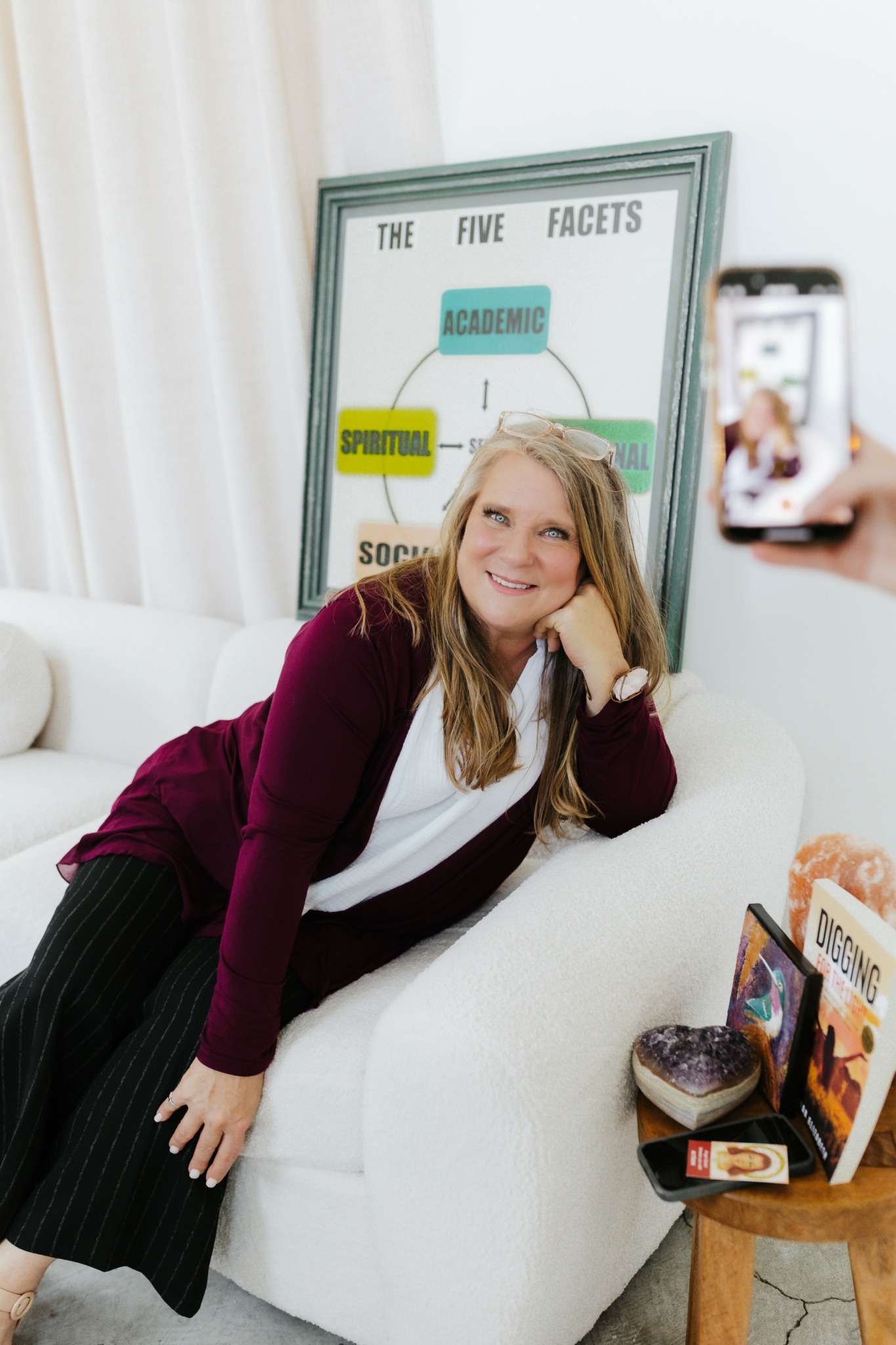
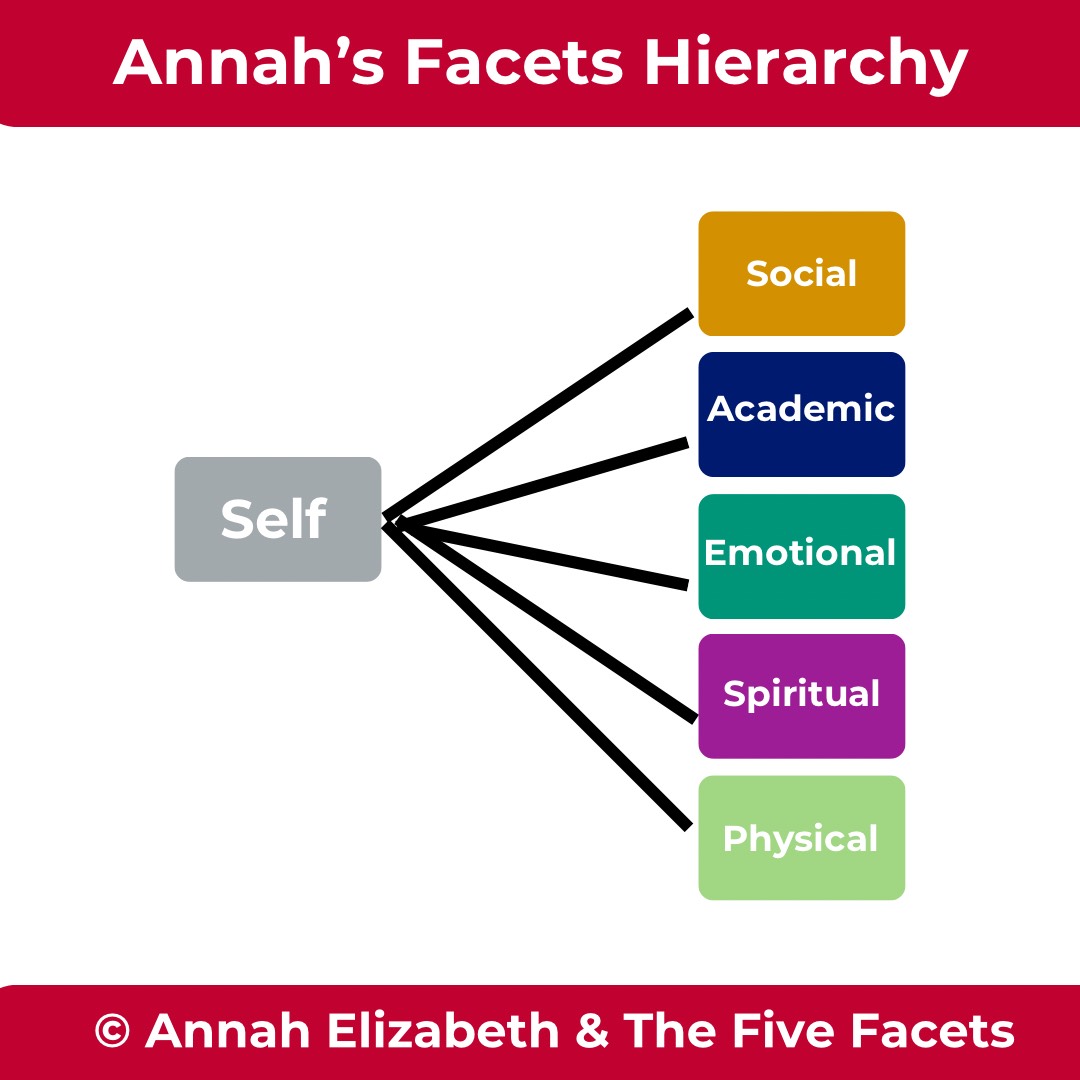

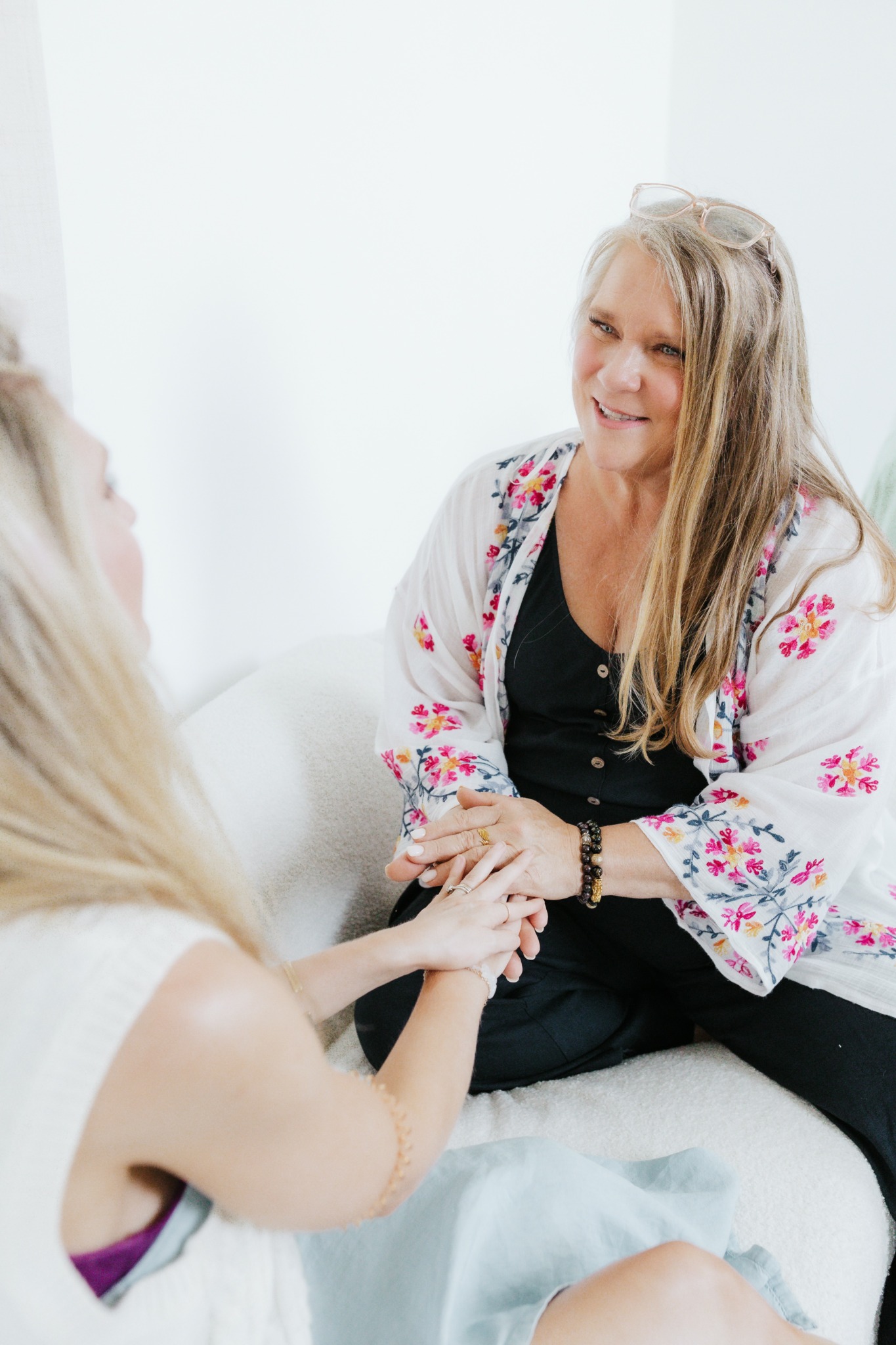

Image Credits
Kristin Guynn Photography (1, 4, 5, 6, 8, and headshot)
Annah Elizabeth: 2, 3, 7