
We were lucky to catch up with Anna Rollins recently and have shared our conversation below.
Anna , thanks for taking the time to share your stories with us today Do you have an agent or someone (or a team) that helps you secure opportunities and compensation for your creative work? How did you meet you, why did you decide to work with them, why do you think they decided to work with you?
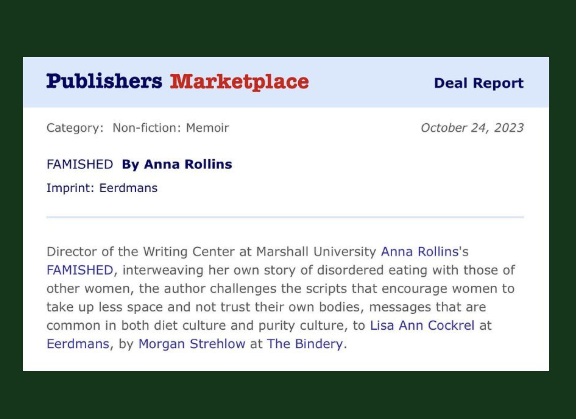
My agent is Morgan Strehlow with the Bindery Agency — and I was the very first client she signed.
Here’s a bit of backstory: after I finished a draft of my memoir manuscript, I queried over 100 agents in my path toward publication.
At this point, I was ready to give up. I’d gone on a walk with a dear friend one day and told her I was going to set my book project aside — in part because my husband and I had decided we were ready to grow our family. Later that same day, I received a message from a person I’d connected with in a private Facebook group related to a topic in my memoir (purity culture).
For my book proposal, I’d conducted dozens of interviews with women about their experiences in purity culture — and Morgan was one of the people I’d interviewed.
She asked me if I had an agent. I said no. She said she loved essays I’d published online, and that she was about to join The Bindery Agency as a literary agent. Then she requested that I send my book proposal to her on her first day.
That’s what I did — and several weeks later, I signed with her. In the call where we discussed our potential partnership, she told me she couldn’t stop thinking about my book concept (examining the rhyming scripts of purity culture and diet culture). She said it kept her up at night thinking about it, and she wanted my book to exist in the world. My book was her first deal (and she worked her tail off for me!). I will be forever grateful.
Awesome – so before we get into the rest of our questions, can you briefly introduce yourself to our readers.
As a millennial teenager, I composed personal work online, in outlets like Livejournal, Xanga, and emailed ‘zines. I wrote the copy for a semi-successful Olsen twins fan site, too, and I was very devoted to this work.
During undergrad in college, I studied English (creative writing), and then I went on to get my MA in English (specializing in linguistics).
For almost fifteen years, I taught English and directed the Writing Center at Marshall University. During that time, I published consistently in scholarly outlets — but it wasn’t until the pandemic (and after the birth of my second child) that I began writing my own creative work again.
Around the year 2022, I finished a draft of my memoir, and I placed over fifty essays in popular and literary outlets in an effort to find an agent and audience.
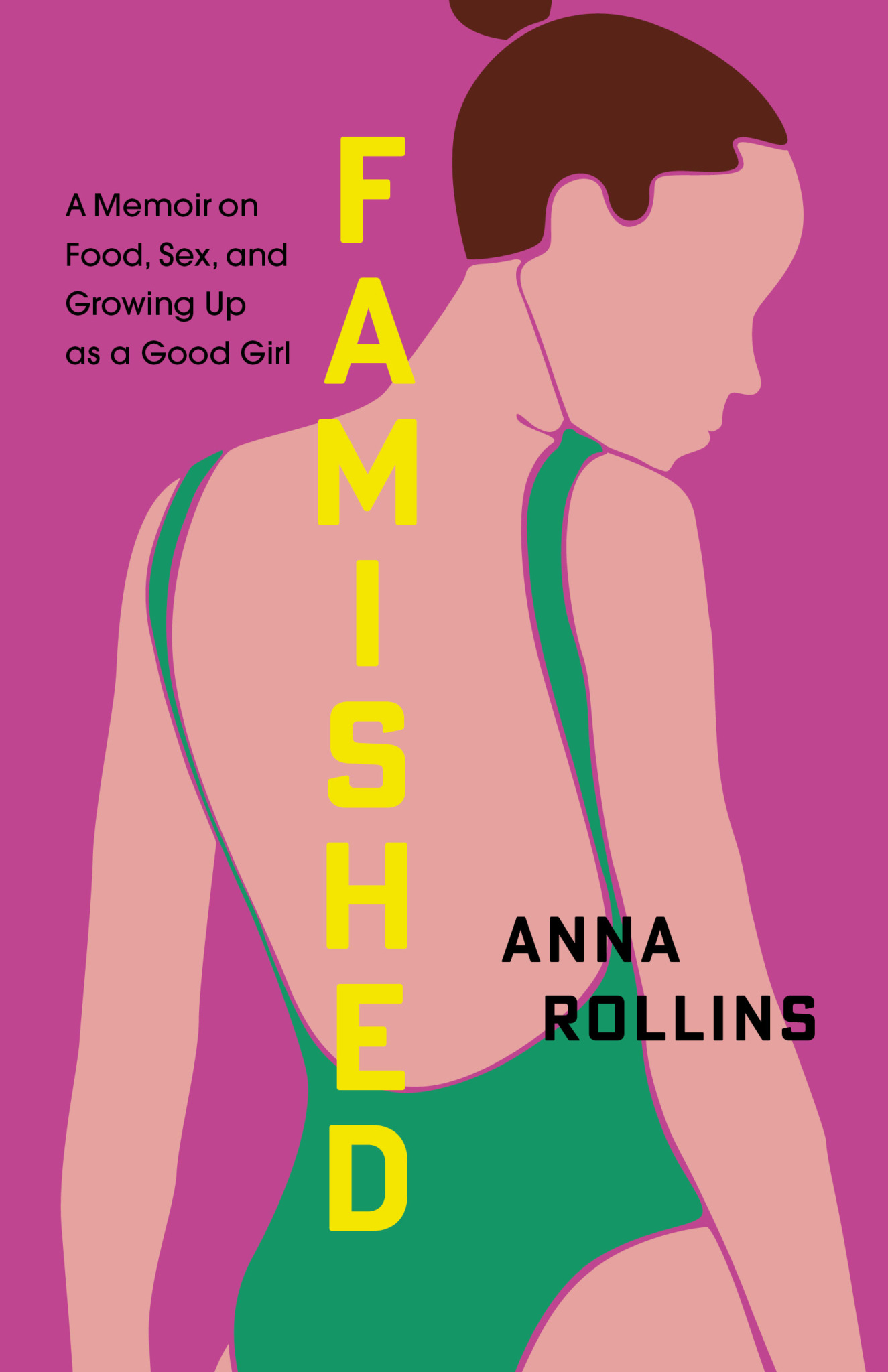
After partnering with Morgan, I signed a book deal for my reported memoir, Famished: On Food, Sex, and Growing Up as a Good Girl at the end of 2023. In my memoir, I examine the rhyming scripts of evangelical purity culture and diet culture. My book is available for pre-order now and will be released on December 9, 2025.
I run a Substack where I talk about craft, process, and pitching tips related to particular bylines. For the longest time, part of the reason I didn’t publish creative work was because I really didn’t know how to get started. I knew nothing about pitching popular outlets.
I taught myself a lot during the pandemic (thanks to some excellent coaches, and also some free podcasts and webinars). As a teacher, I am really passionate about sharing what I have learned with others. I also incorporate my academic background related to linguistics (specifically, genre analysis) in all of my teaching.
Are there any books, videos, essays or other resources that have significantly impacted your management and entrepreneurial thinking and philosophy?
When I was first getting started in trying to publish creative work, books like Sue Shapiro’s The Byline Bible, Estelle Erasmus’s Writing That Gets Noticed, and Courtney Maum’s Before and After the Book Deal were so incredibly helpful to me in learning the logistics regarding how to get work out into the world.
I also love podcasts like #AmWriting, The Shit No One Tells You About Writing, Author’s Edge, and Jenna Kutcher’s the GoalDigger Podcast (for marketing advice).
How can we best help foster a strong, supportive environment for artists and creatives?
Well, one thing I’ve come to terms with is that if you’re going to live a creative life, your life won’t look like everyone else’s. As someone who often longs to fit in, this can be hard for me. When I prioritize my ability to create, I have to protect my time and energy. And as a mother to three children, this becomes even more tricky.
So, this has meant a lot of things: I don’t spend money in the same way other people might (for instance, I might go on fewer/no vacations so that I can save that money for childcare so that I can write). I don’t sign up for all of the kid activities so that I can protect my time (I don’t deprive my children — but I consider my desire to create in addition to their desires). I’m probably not going to be making stunning outfits for my children’s spirits weeks — because that is not a place I want to funnel my limited energy. My meals are often boring and repetitive. I simplify a lot of components of my day so that I can think less about logistics and more about my projects.
Like anyone, my life has privileges and limitations. I feel guilt when I think about how much inequality there is in society, and how hard it is for people to meet their own basic needs (much less their creative needs). So, I believe robust social safety nets are good for everyone and naturally lead to a more creative ecosystem.
Contact Info:
- Website: http://annajrollins.com
- Instagram: http://instagram.com/annajrollins
- Other: http://annajrollins.substack.com/subscribe