

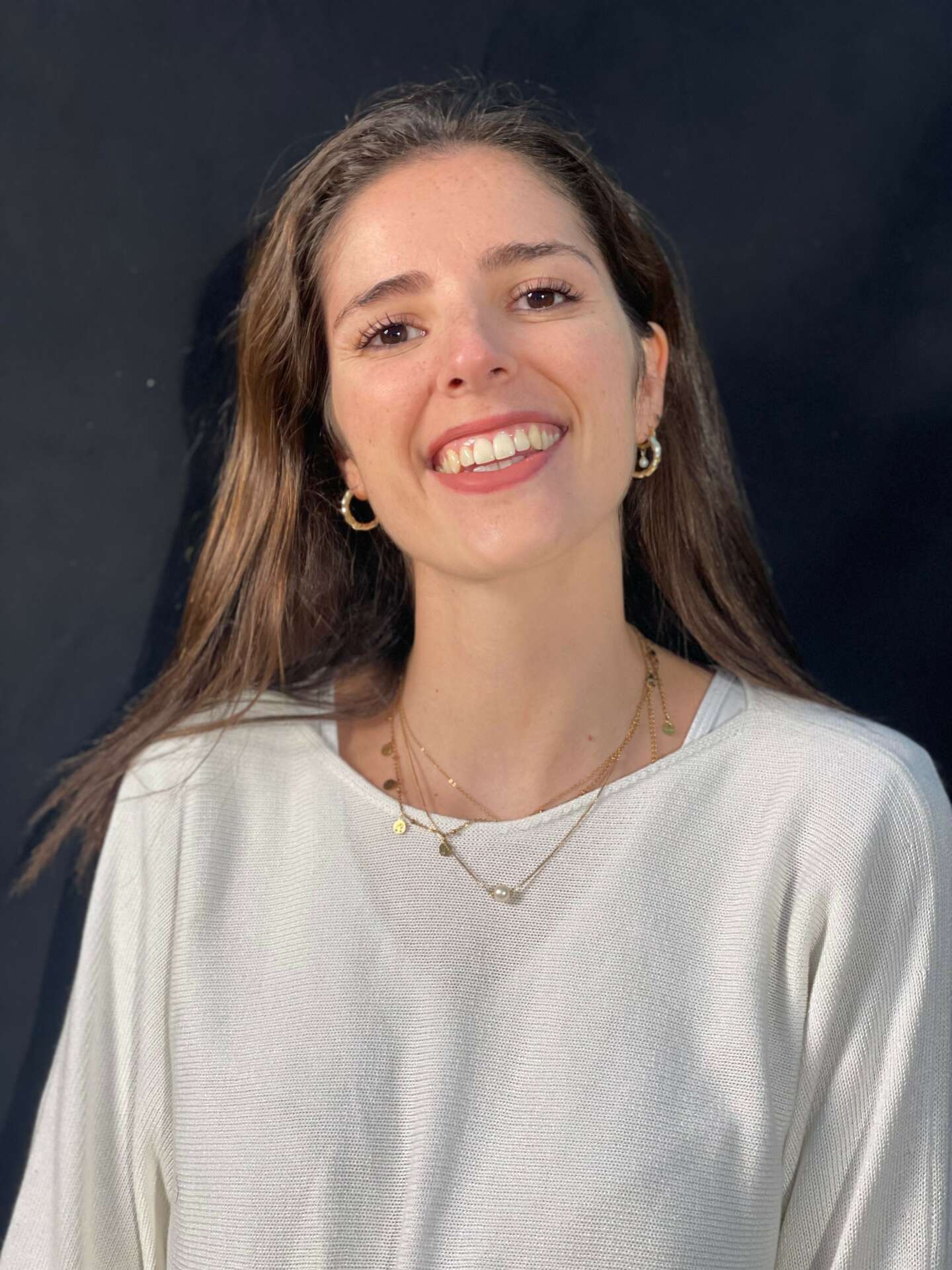

Alright – so today we’ve got the honor of introducing you to Anna Pujolras. We think you’ll enjoy our conversation, we’ve shared it below.
Hi Anna, thanks for joining us today. Are you able to earn a full-time living from your creative work? If so, can you walk us through your journey and how you made it happen?
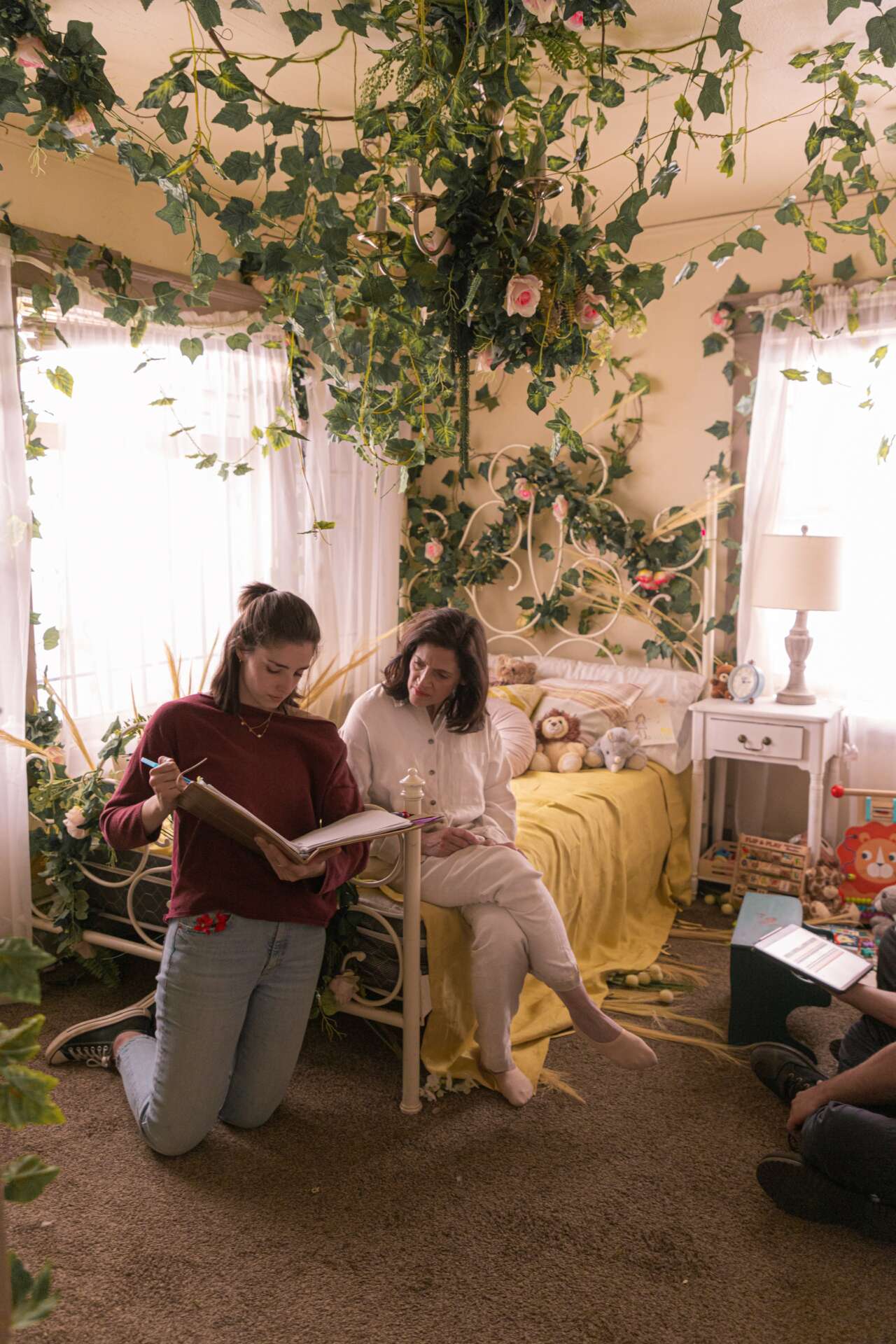
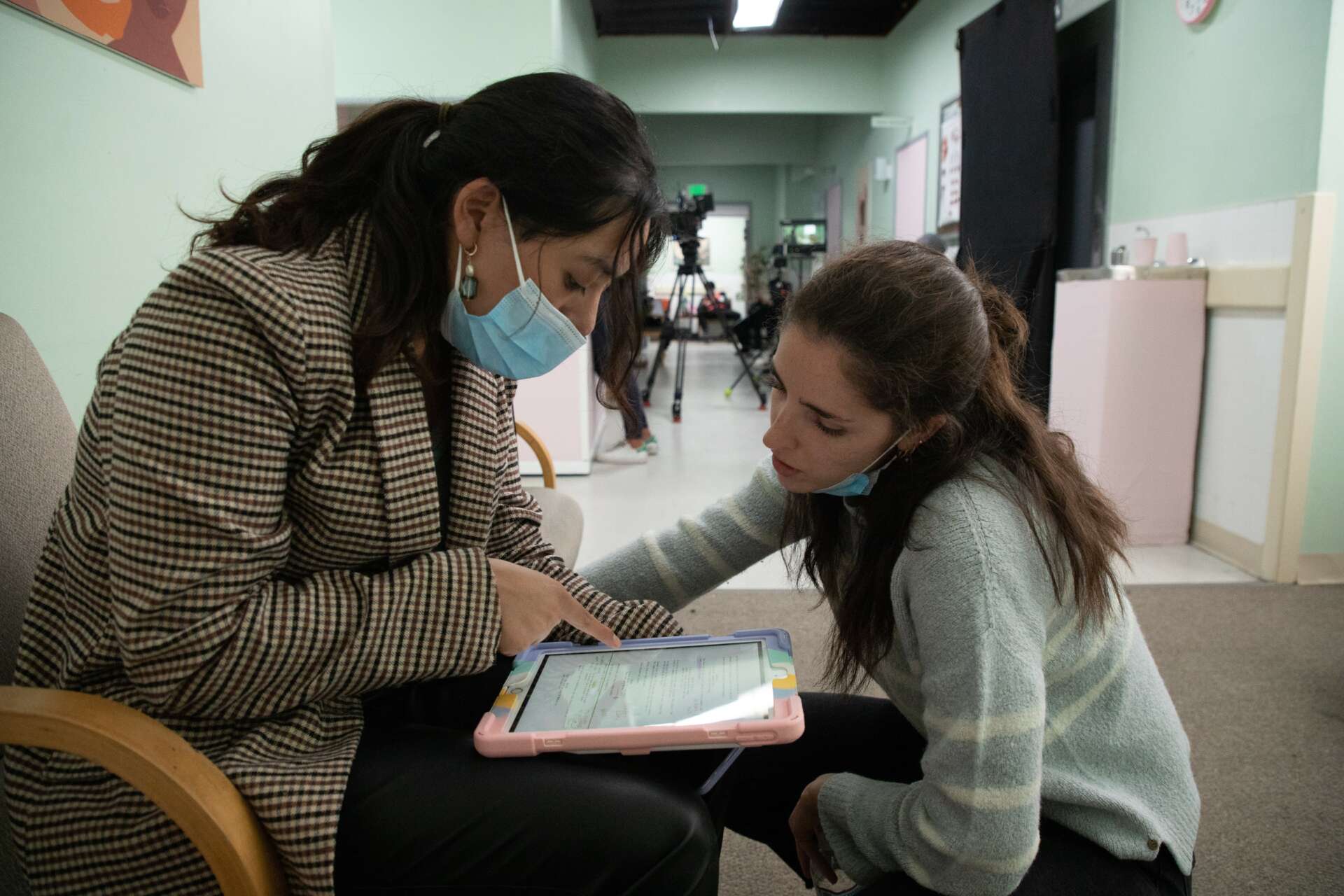
I was able to earn a full-time living from my creative work relatively quickly because, like a lot of creatives, I didn’t stick to only one skill. So I was able to take jobs all related to the entertainment industry but not specific to one role. I’ve worked as a screenwriter, which is primarily my profession, but I’ve also constantly had the role of script supervisor on set, I’ve produced some events, and I’ve been a production assistant. Screenwriting is a very solitary job, and it wasn’t until I started going on shoots as the script supervisor that I truly started branching out into the industry, networking and fully understanding there are many ways to be a part of the creative process and make a full-time living out of it.
I definitely would have gone to set sooner had I known the many opportunities I’d have in my screenwriting career by taking other types of roles during a shoot. On set, people get to see your work ethic and learn first-hand the kind of professional you are and that’s the best type of networking you can have. Even if you’re not doing the role you traditionally want to end up doing in your career, being on set enhances your chances of getting known and having consistent gigs in the future.
Awesome – so before we get into the rest of our questions, can you briefly introduce yourself to our readers.
I’m a screenwriter from Spain who came to the US for a MFA and started working right away at an agency on the literary side to know more about the American industry by representing some of its writers. Although screenwriting was the goal, navigating a new country and learning the ins and outs of the entertainment industry came first. So, I took any job possible on set to meet people and get writing opportunities from there. This industry is smaller than it appears, and to my advantage, word spread fast about my screenwriting services and the quick turnaround I can provide. From directors who have an idea but don’t know quite how to put it onto paper yet to producers who have a script that needs finessing before going into production, I’d get recommended by friends, colleagues, and people who’ve seen my work on set.
Understanding the client is the most important part and at the beginning of every project, I sit down with the person who hired me to fully get their creative intention and make the collaboration as smooth as possible. It’s not about what I want to put on a script, but what works best for the idea that gets presented to me, considering the market, the audience, and always putting a bit of my touch on it. Because I work with various formats and genres, my favourite challenge is adapting any script to the circumstances of the production and the budget, while still having the essence that my client approached me with. By being a character writer, someone who focuses on the characters more than the plot when developing a project and having them drive the story, my clients know that my main focus is having well-rounded characters to make the story feel organic and real, always remembering that entertaining is the main goal for our audience.
What else should we know about how you took your side hustle and scaled it up into what it is today?
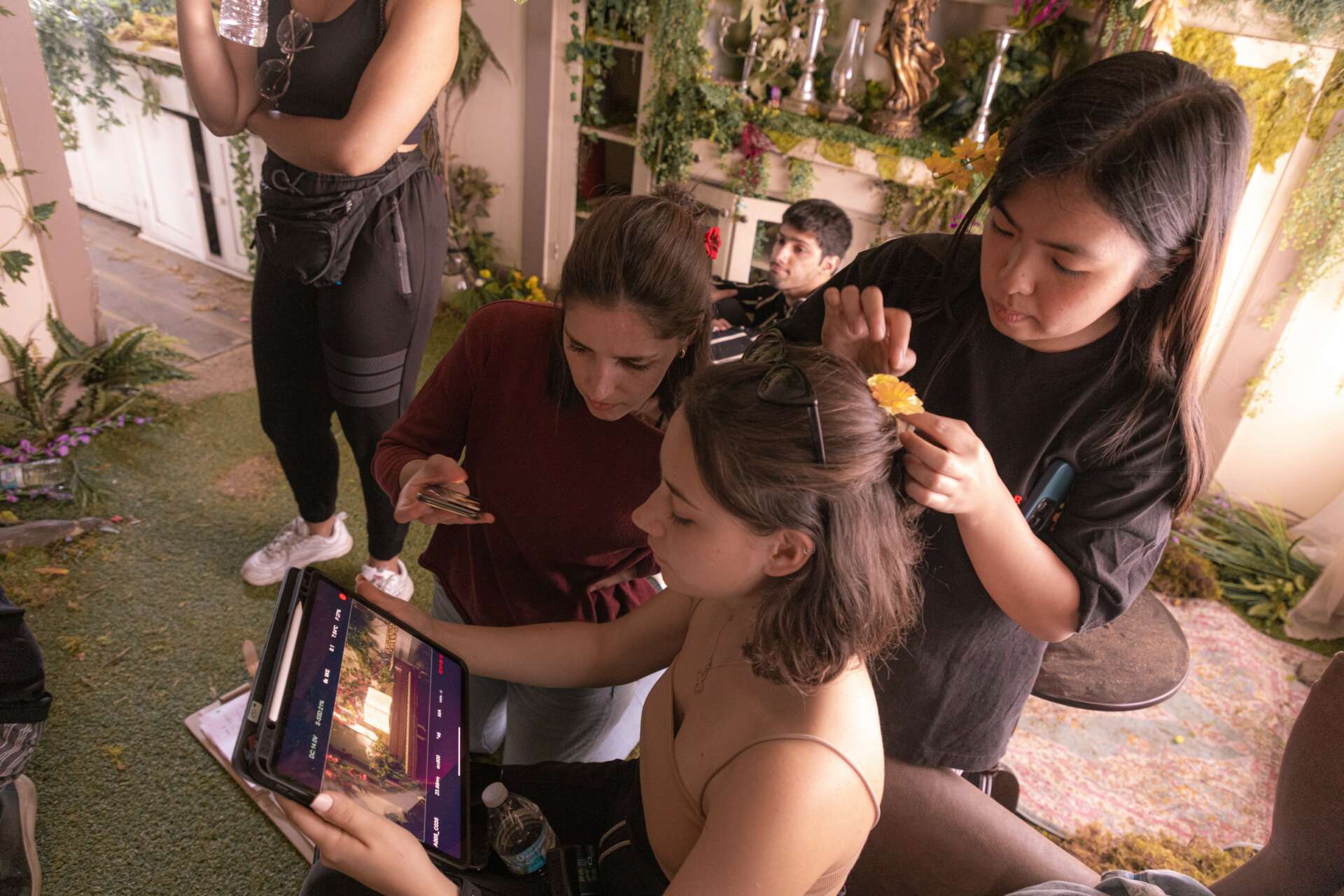
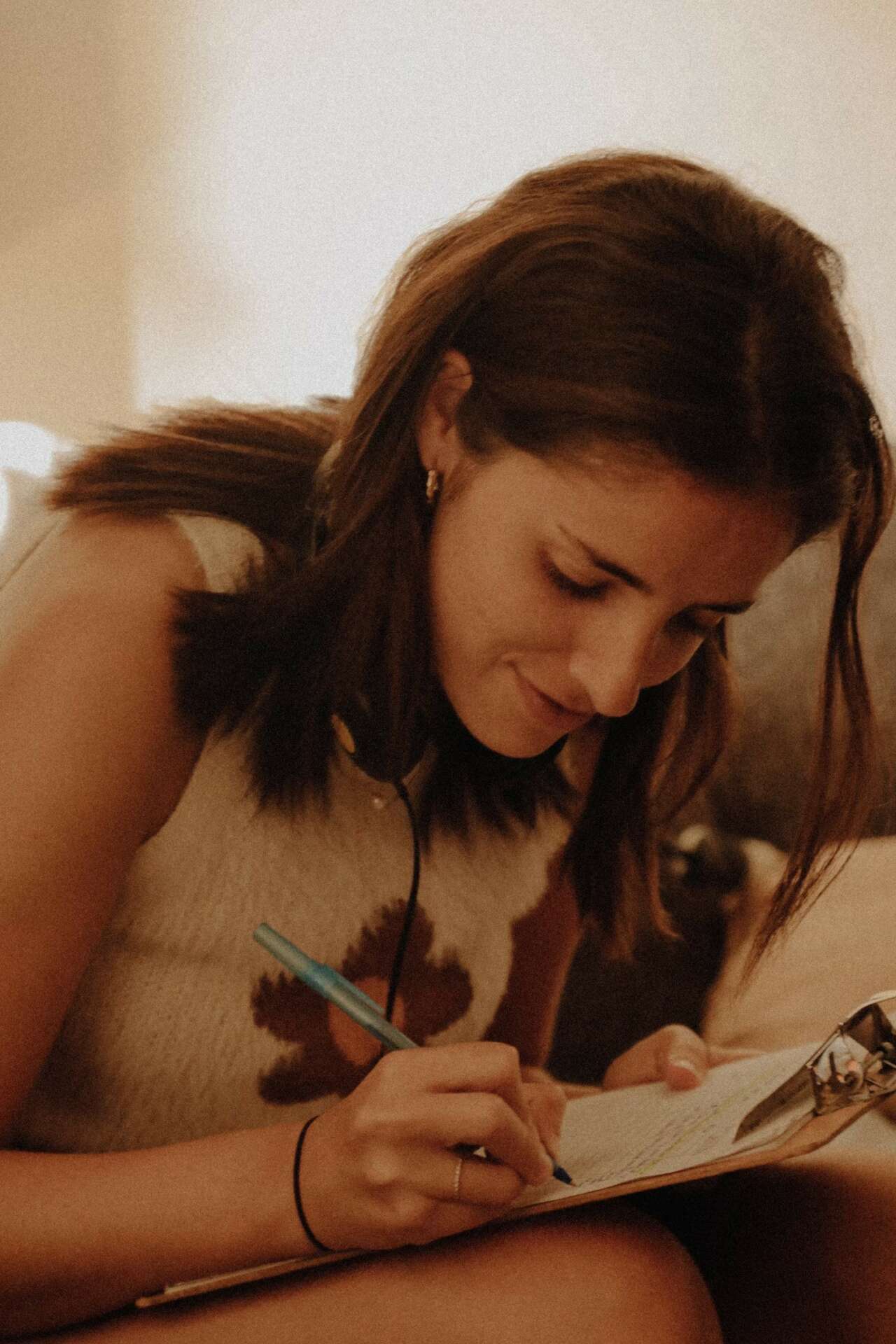
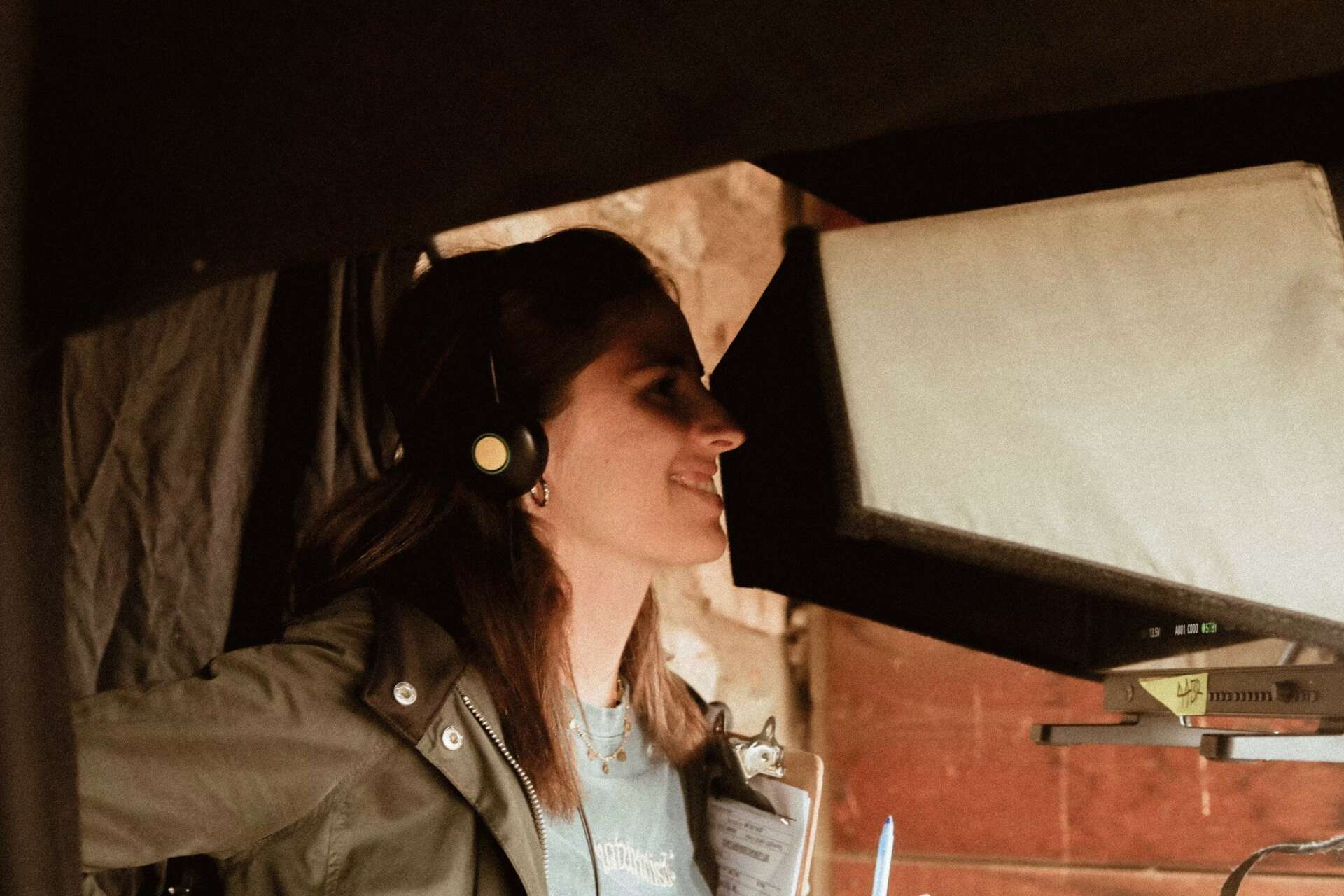
I began script supervising because a friend needed one for his shoot, and me working with scripts as a screenwriter, it fell into my territory. I had learned about script supervising back in university but hadn’t had much practice, and once I started doing it in a couple of shoots for friends, it became a side hustle. At one point, I was on set every other week with that role. Although I’ve managed to work simultaneously mainly as a screenwriter and a script supervisor, there was a time when script supervising was providing the income.
While my career is still screenwriting, script supervising comes and goes depending on how many projects are in production and how many sets I can get my hands on. There are periods when development is in full force, and all I’m doing is writing, but sometimes I have to be on hot set next to the monitor being the script supervisor. It is the best feeling when I get to do both for the same project, and most clients prefer it. If I’m involved in the development as a screenwriter then it’s easier to be the script supervisor because I know the script like the back of my hand, and if there are any changes needed on the spot it is guaranteed the screenwriter will be on set to do any rewriting required.
What’s the most rewarding aspect of being a creative in your experience?
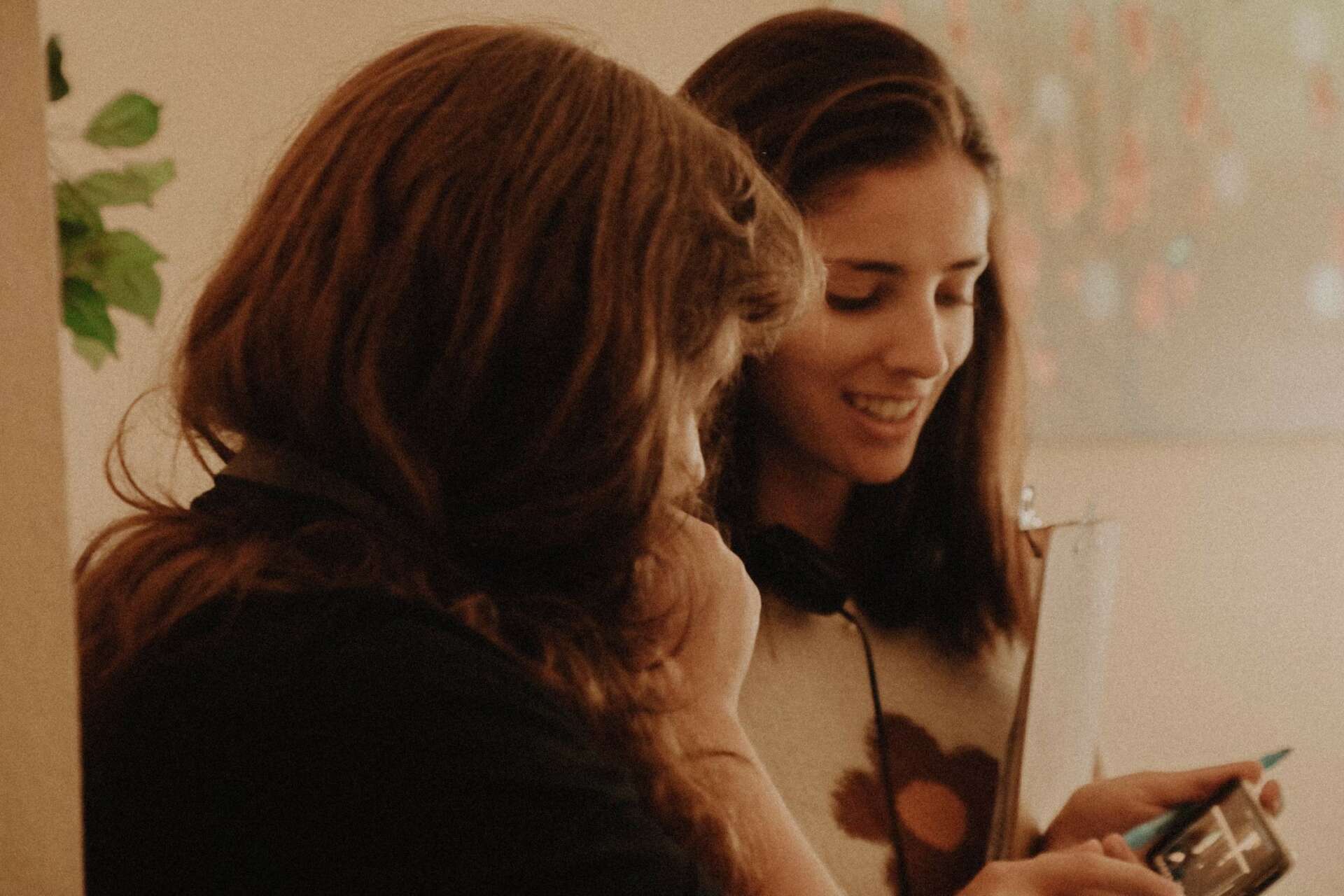
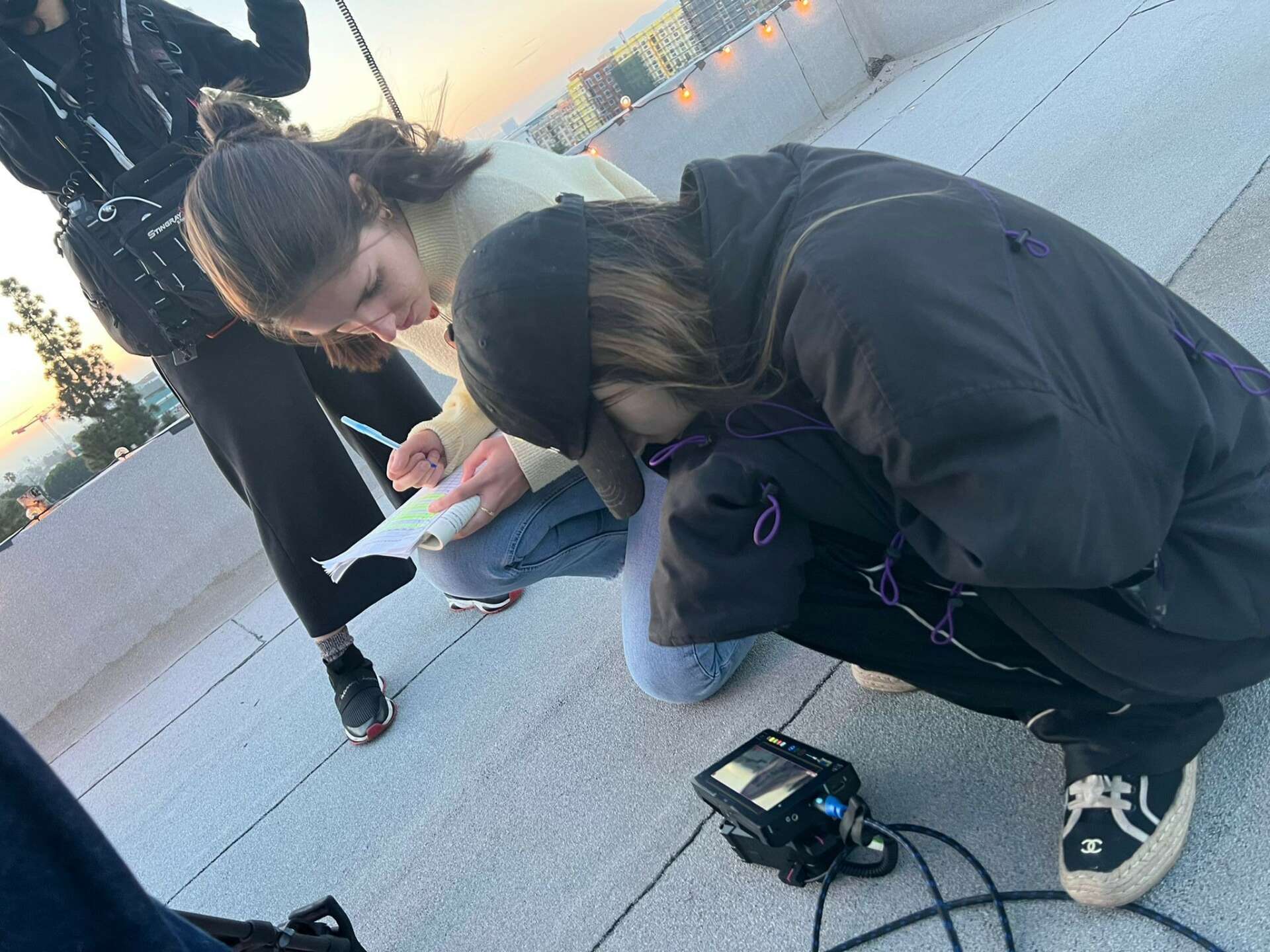
Working creatively can be a very collaborative experience, and it’s my favourite part of my job. In a city like Los Angeles where everyone is from somewhere else, it is the most satisfying feeling to make a connection with someone who might be a stranger, a friend, a colleague, or a client, but you’re bonded over art. I’ve met many people during my time as a creative, but I truly get to know someone once I creatively understand them. Especially with clients, when they trust you with their vision and their ideas, you feel the responsibility to deliver the best product for them. But they have to be very vulnerable for me to do my job and know why they had a certain idea in the first place. I’m close friends with most clients I’ve had because once that creative connection is formed, it’s quite hard to break it even if the project is done.
Contact Info:
- Instagram: https://www.instagram.com/annapujolras/
- Linkedin: https://www.linkedin.com/in/annapujolras/