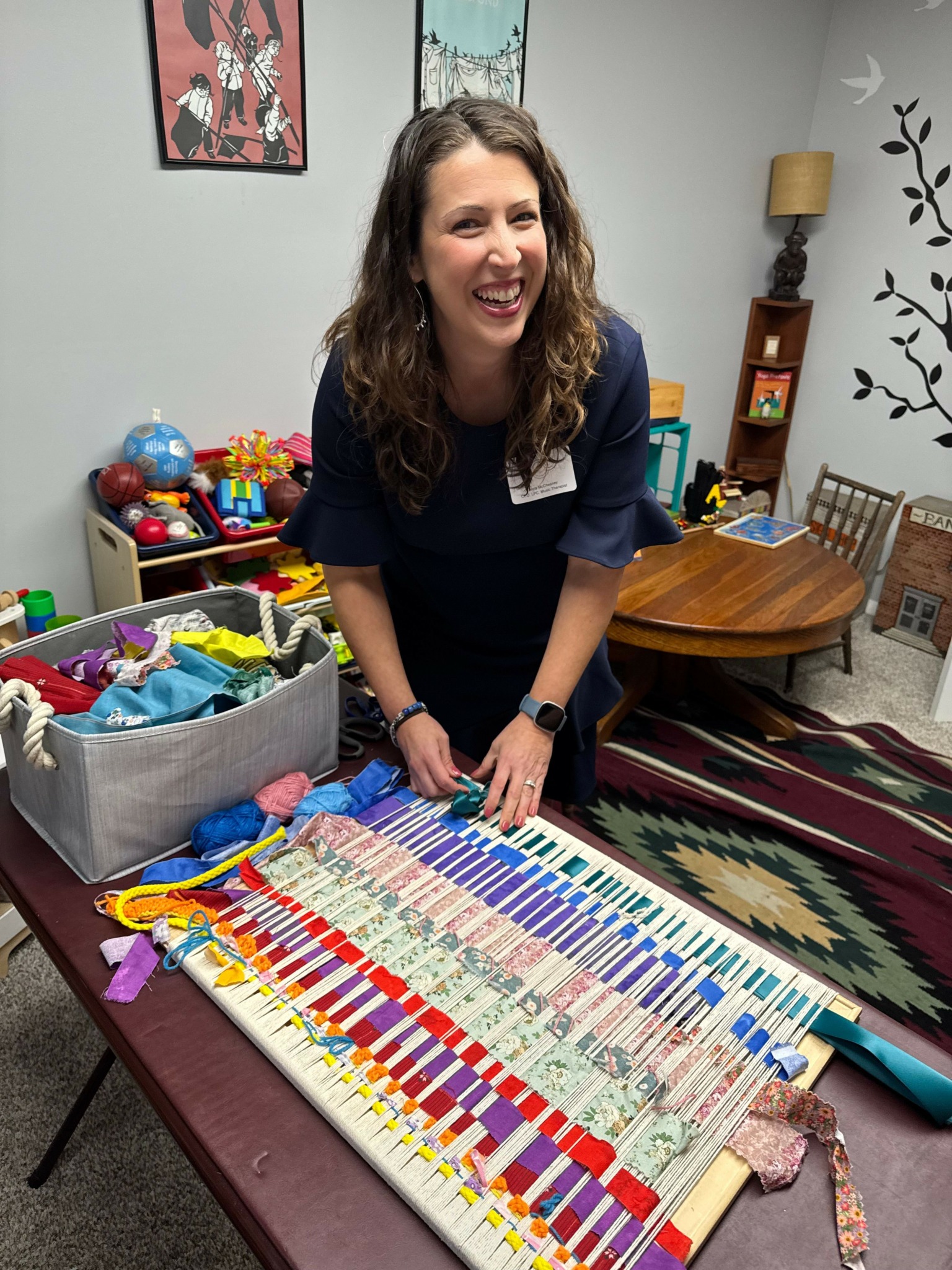

We caught up with the brilliant and insightful Anna Mcchesney a few weeks ago and have shared our conversation below.
Anna, thanks for taking the time to share your stories with us today Can you talk to us about your team building process? How did you recruit and train your team and knowing what you know now would you have done anything differently?
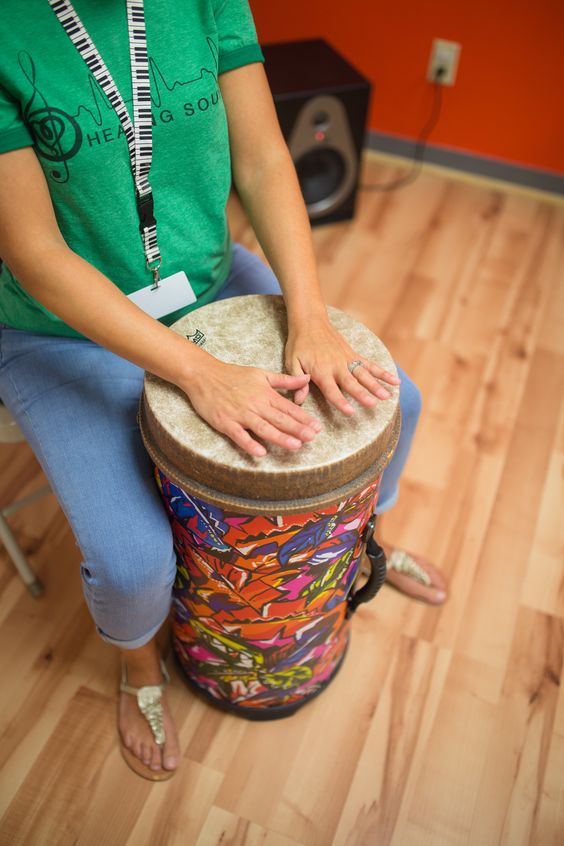
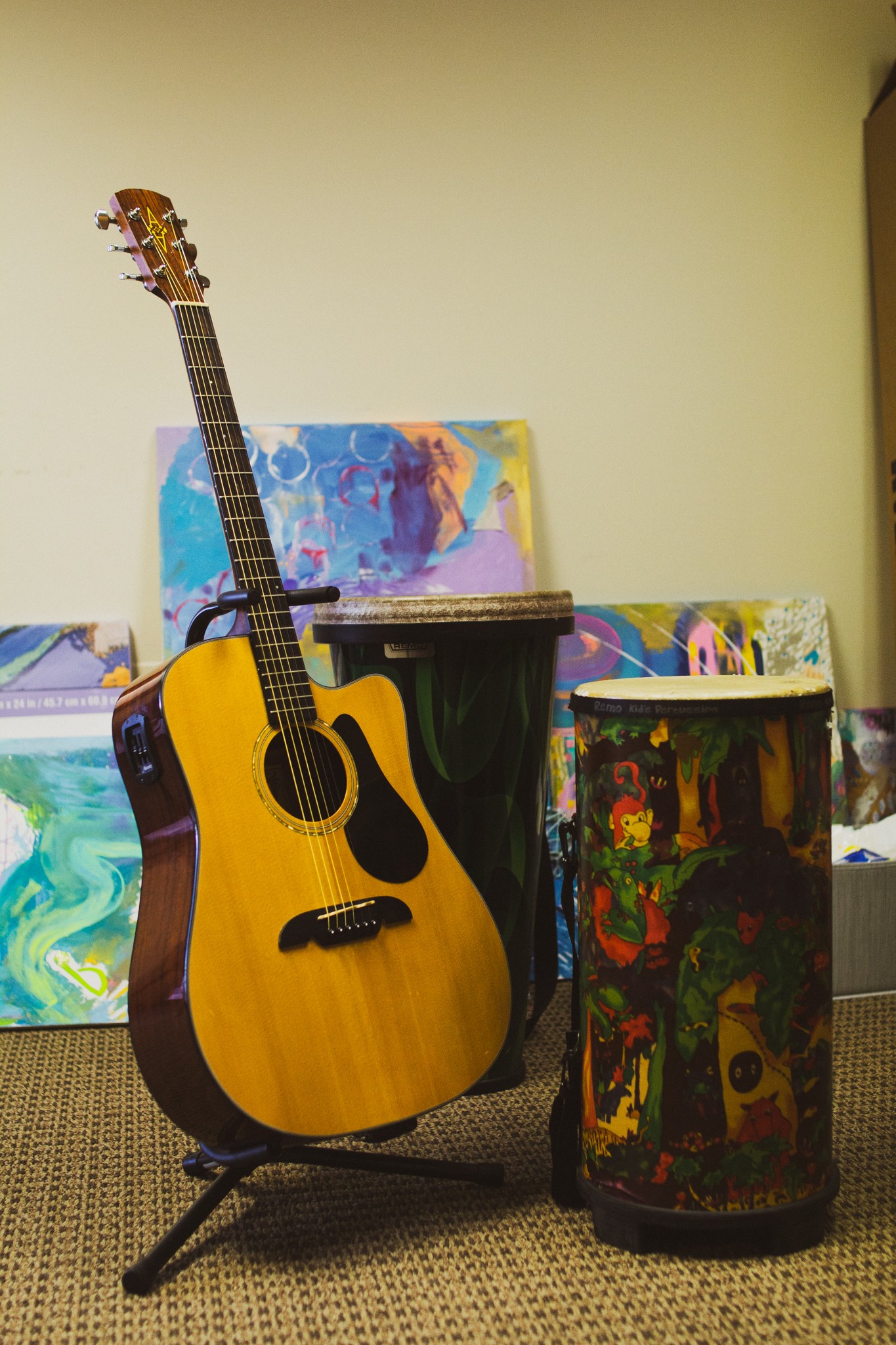
In the beginning, The Center for Creative Healing, formally Healing Sounds provided only music therapy services. Prior to that, I had spent thirteen years working as a music therapist within State Operated Programs in Virginia, collaborating with art therapists and teachers. That experience helped me see the power of different creative modalities, and when I transitioned to private practice, I knew I wanted to offer more than just music therapy.
In the beginning, it was a steep learning curve. While my education had prepared me to be an effective therapist, nothing had quite prepared me for the realities of business ownership. I had to learn how to navigate finances, marketing, and the logistics of running a practice while still providing high-quality therapy services. But I was driven by my vision: to create a space where people could cultivate authentic self-expression and find meaningful personal growth through creative arts therapies.
As the demand for services grew, I realized I couldn’t do it all alone. The first step was bringing on additional music therapists to meet the needs of the community. Recruiting those first team members was a mix of excitement and apprehension. I wanted to find professionals who not only had strong clinical skills but also believed in the mission of creative healing. Some of my early hires were colleagues I had met through my work in State Operated Programs—people I knew shared my passion for this work.
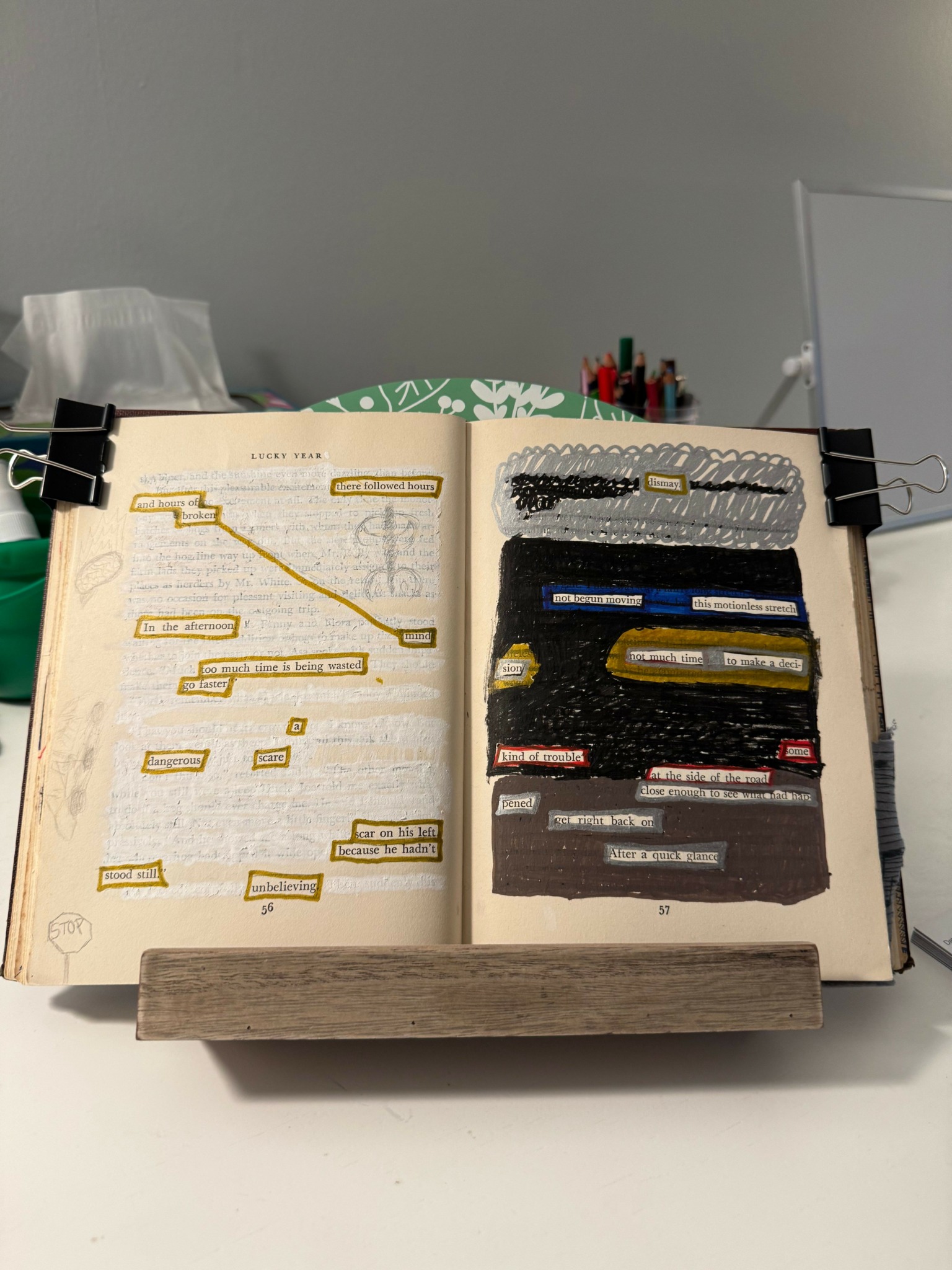
Expanding into art therapy felt like a natural next step. I had long admired the field, and I wanted to ensure that my practice offered a broad range of creative therapies. As I built the art therapy team, I leaned on my network and sought professionals who could help shape this new offering. The interview process focused heavily on alignment with our mission, flexibility, and willingness to work collaboratively in an interdisciplinary setting.
Then, as our art therapy services took off, we layered in play therapy to better serve children and families. Each stage of growth required thoughtful hiring and training. I prioritized finding professionals who not only brought clinical expertise but also fit within our culture of creativity and mutual support. As our team expanded, so did our infrastructure. We added administrative support, supervisors, and a director of operations to ensure we could continue growing sustainably.
Looking back, would I have done anything differently? Probably. There were moments where I underestimated the time and resources needed for certain transitions. I learned that business growth isn’t just about adding new services—it’s about ensuring that the foundation is strong enough to support that growth. If I were starting today, I might have sought out business mentorship earlier or structured our expansion plans differently. But at the same time, every challenge has been a learning experience, and I wouldn’t trade the journey for anything.
Today, The Center for Creative Healing is a thriving group practice, built on the principles of collaboration, creativity, and dedication to client care. Each new hire, each new service, and each challenge along the way has shaped the practice into what it is now. And I know the journey isn’t over—there’s always more to learn, more to refine, and more ways to make a lasting impact through creative arts therapy.
Great, appreciate you sharing that with us. Before we ask you to share more of your insights, can you take a moment to introduce yourself and how you got to where you are today to our readers.
The Evolution of Our Practice
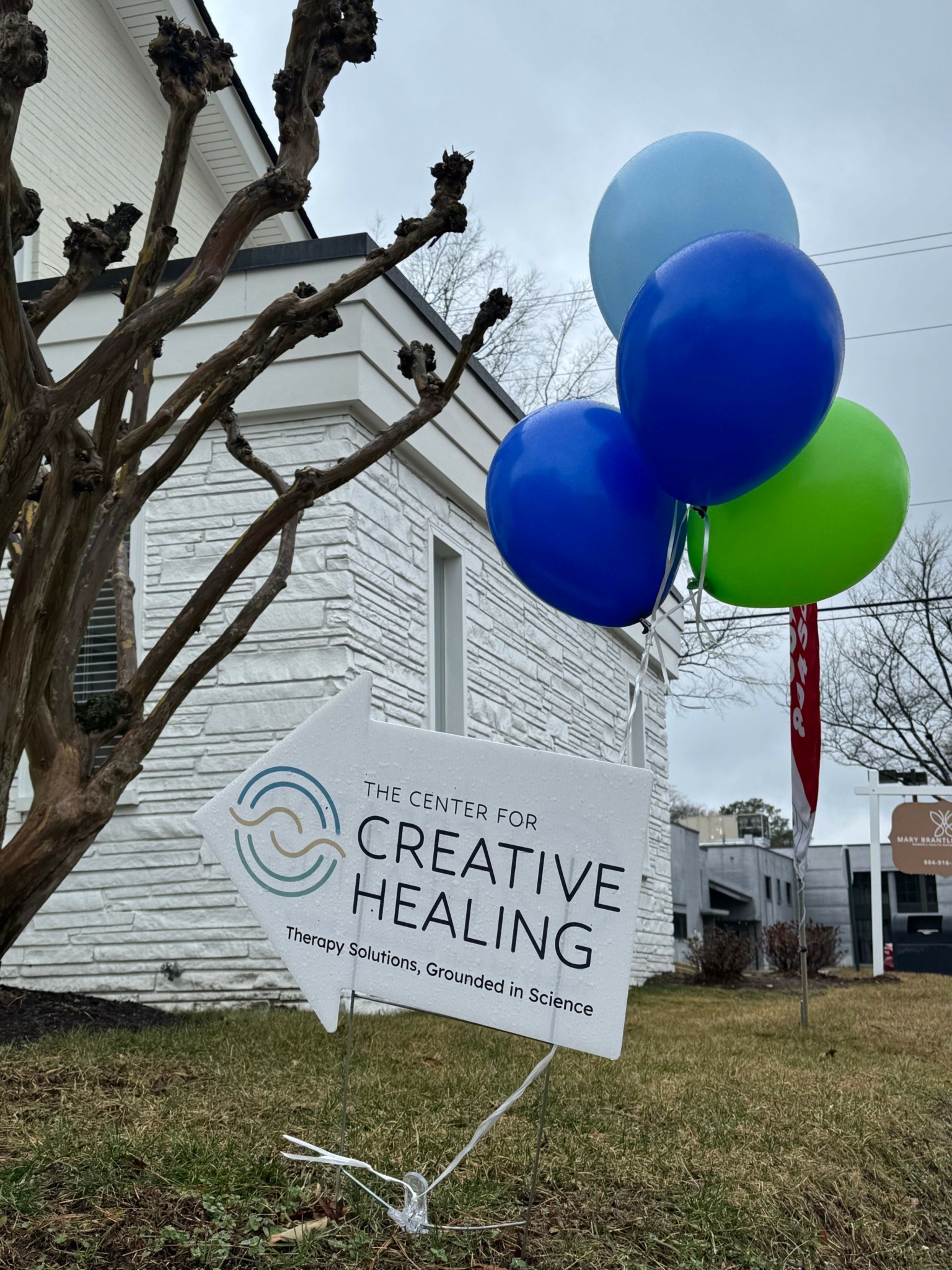
Fifteen years ago, Healing Sounds began as a solo music therapy practice with a simple mission: to harness the power of music for healing. Over the years, as our community’s needs evolved, so did we. In 2018 I joined the team as a music therapist and licensed professional counselor and prepared to put my heart and soul into growing the practice. Soon afterwards, I became sole owner. Four years ago, we expanded into a group practice, bringing together talented therapists from various creative disciplines. Our team now includes experts in music therapy, art therapy, play therapy, and counseling, all dedicated to improving mental health through creative therapies, grounded in science. That lead to our name change: The Center for Creative Healing.
Why the Change?
As we grew, we realized our name, Healing Sounds, no longer captured the breadth of services we provide. Many people associated us solely with music therapy (or even sound healing), which often led to confusion and not knowing about the other transformative therapies we offer. We wanted a name that fully represented the diverse, integrative approach we take towards creative healing.
The Thought Process Behind the Rebrand
Rebranding was not a decision we made lightly. It involved a lot of introspection, discussion, and planning. Here are the key steps we took on this journey:
Listening to Our Community: We gathered feedback from clients, therapists, and community members to understand their perceptions of our name and logo and how our services have impacted them. Their insights were invaluable in shaping our new identity.
Defining Our Core Values: We revisited our mission and values, ensuring they aligned with the broader range of therapies we offer. We wanted our new name to encapsulate the holistic and inclusive nature of our practice.
Collaborative Creativity: We worked with a team of branding specialists to select a name that resonated with our values and story. We wanted a name that was inclusive of all the therapies we offer and that communicated the support we provide within practice.
Introducing The Center for Creative Healing
We chose “The Center for Creative Healing” because it embodies our commitment to providing a wide array of creative therapies to support community members in their journey towards healing. Our new name reflects our holistic approach and the diverse expertise of our team. It gives us the space to grow and evolve while staying true to our roots in being a place where creative therapists can thrive.
Any advice for growing your clientele? What’s been most effective for you?
The most effective strategy for growing our clientele has been a combination of word-of-mouth referrals, a commitment to providing high-quality services, and differentiating ourselves through a strong focus on creativity. Satisfied clients and professionals who witness the impact of our work naturally become advocates, sharing their positive experiences with others. Additionally, by integrating creative arts therapies in a way that sets us apart from traditional therapy practices, we attract individuals seeking an innovative and expressive approach to mental health. This unique positioning, combined with a dedication to excellence, has allowed us to build a thriving and continuously growing practice.
Does your business have multiple or supplementary revenue streams (like a ATM machine at a barbershop, etc)?
At The Center for Creative Healing, we’ve built multiple streams of income that allow us to expand access to creative therapies while maintaining financial sustainability. Our core revenue comes from individual therapy services, offered through both insurance and self-pay options. This ensures that clients have flexible ways to receive the support they need.
In addition to direct therapy services, we actively pursue grant funding to expand access for underserved populations. A significant example is our recent grant from the Commonwealth Neurotrauma Initiative Trust Fund, which allows us to provide free music and art therapy for survivors of Traumatic Brain Injury (TBI) in the Richmond area. Grants like these help us reach individuals who might not otherwise have access to specialized creative therapies.
We also generate income through partnerships with community organizations, offering group therapy services in schools, hospitals, and other settings. These agreements allow us to bring creative healing into environments where it can have a broad impact.
Another key revenue stream comes from professional development. We provide workshops and in-service training to other organizations looking for creative approaches to team building, mental health support, and professional growth. By sharing our expertise with other professionals, we not only generate income but also advocate for the importance of creative arts therapies in diverse settings.
Having multiple streams of income has been essential to our growth. It allows us to serve a wider range of clients, invest in our team, and continue expanding our reach within the community.
Contact Info:
- Website: https://creativehealing.center
- Instagram: https://www.instagram.com/creativehealing.center/#
- Facebook: https://www.facebook.com/healingsoundsmt/