

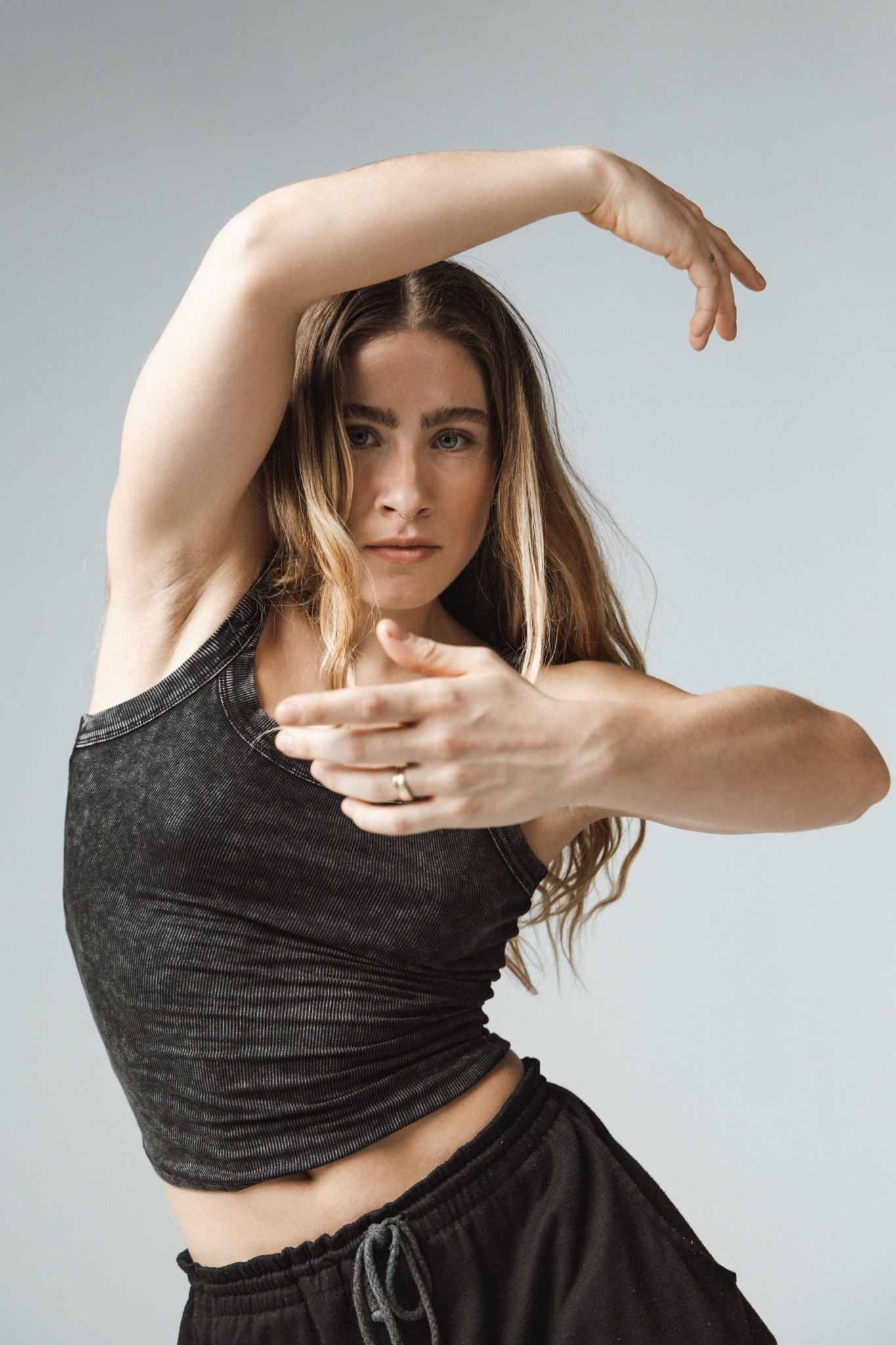

We caught up with the brilliant and insightful Anna a few weeks ago and have shared our conversation below.
Alright, Anna thanks for taking the time to share your stories and insights with us today. Are you able to earn a full-time living from your creative work? If so, can you walk us through your journey and how you made it happen?
Making a living from dance work is not what it used to be, and the financial landscape of this career is still rapidly evolving. A dancer in a major city used to be able to work for a few part-time companies (or one full-time company, if you were lucky) and make enough to get by. This was the world my teachers and professors taught me about and trained me for. The dance world had already been changing at that point, but by the time I graduated college it was an entirely different beast.
Nowadays, full-time dance companies in the States are few and far between – some of them have folded completely, and many of them have shifted to project-based work. And the part-time companies that do exist work fewer and fewer hours due to shrinking funding and tighter turn-around times within the grant funding structure. Not to mention the fact that thousands of young dancers graduate from college degree and training programs each year, ever-increasing the number of artists vying for jobs that simply don’t exist.
When I lived in New York City, my main income was from working at a physical therapy clinic as a PT aide. Among other freelance projects, I was lucky enough to work for Rovaco Dance Company, which is a part-time company that had consistent hours I could rely on and work I was interested in. But at the time I saw no way out of the “part-time dancer” model for my life. Having my life fully funded by my art was never something I needed in order to qualify my work as a “success”. Rather, I wanted to be a full-time artist because it is what my soul demanded! I wanted to dive deeper into my work in every way possible, which required less time spent at a survival job.
It’s unfortunate, but the people who get paid the LEAST in the dance world… are the dancers. Thus, a big step for me towards a life fully funded by my artistry was diversifying. Once I started teaching dance, not only did I discover a new passion of mine, but I also had a new revenue stream to support me when performing projects dried up. The same thing happened when I started independently choreographing – I had a new way to engage with my artistic practice, a new gateway to performing (pro tip: when you’re the choreographer, you can hire yourself as a dancer!), and yet another new stream of revenue.
For nearly three years now – after lots of time spent establishing myself, making connections, and growing as an artist, I – have only worked dance-related jobs. It’s still a never-ending puzzle of contracts and budgeting and emailing and auditioning, but I am so grateful that I get to dedicate my time and energy directly into the art form I love every day.
Great, appreciate you sharing that with us. Before we ask you to share more of your insights, can you take a moment to introduce yourself and how you got to where you are today to our readers.
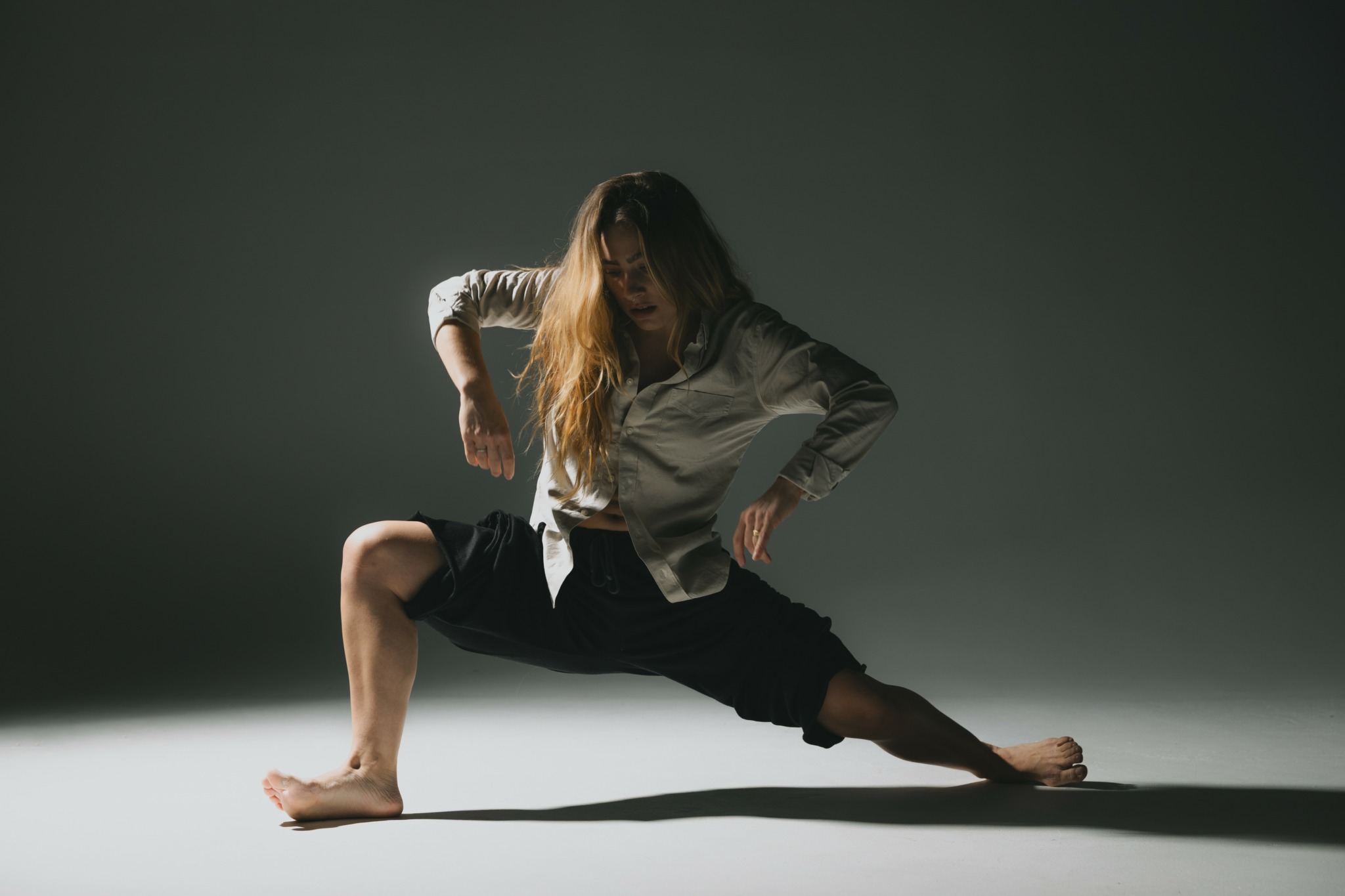
I am a freelance dancer, choreographer, and educator, working in The Twin Cities and beyond. These three titles are constantly intermingling and informing one another.
I have a wide range of movement influences in my body, from my background in hip hop and martial arts, to my studies in classical modern dance and contemporary floorwork. I have often found myself in physical theatre spaces, learning from and collaborating with dramaturgs, directors, actors, and opera singers. With my background in music, I see my body as an instrument or a voice – this can be seen in how I interpret movement as a dancer, and often shows up in my choreography.
I work from a place of experimentation, athleticism, somatic attentiveness, rhythmic complexity, dynamic nuance, humanity, compassion, and generosity. As a maker, it is important to me to create work that, no matter how abstract, finds a way to welcome people in.
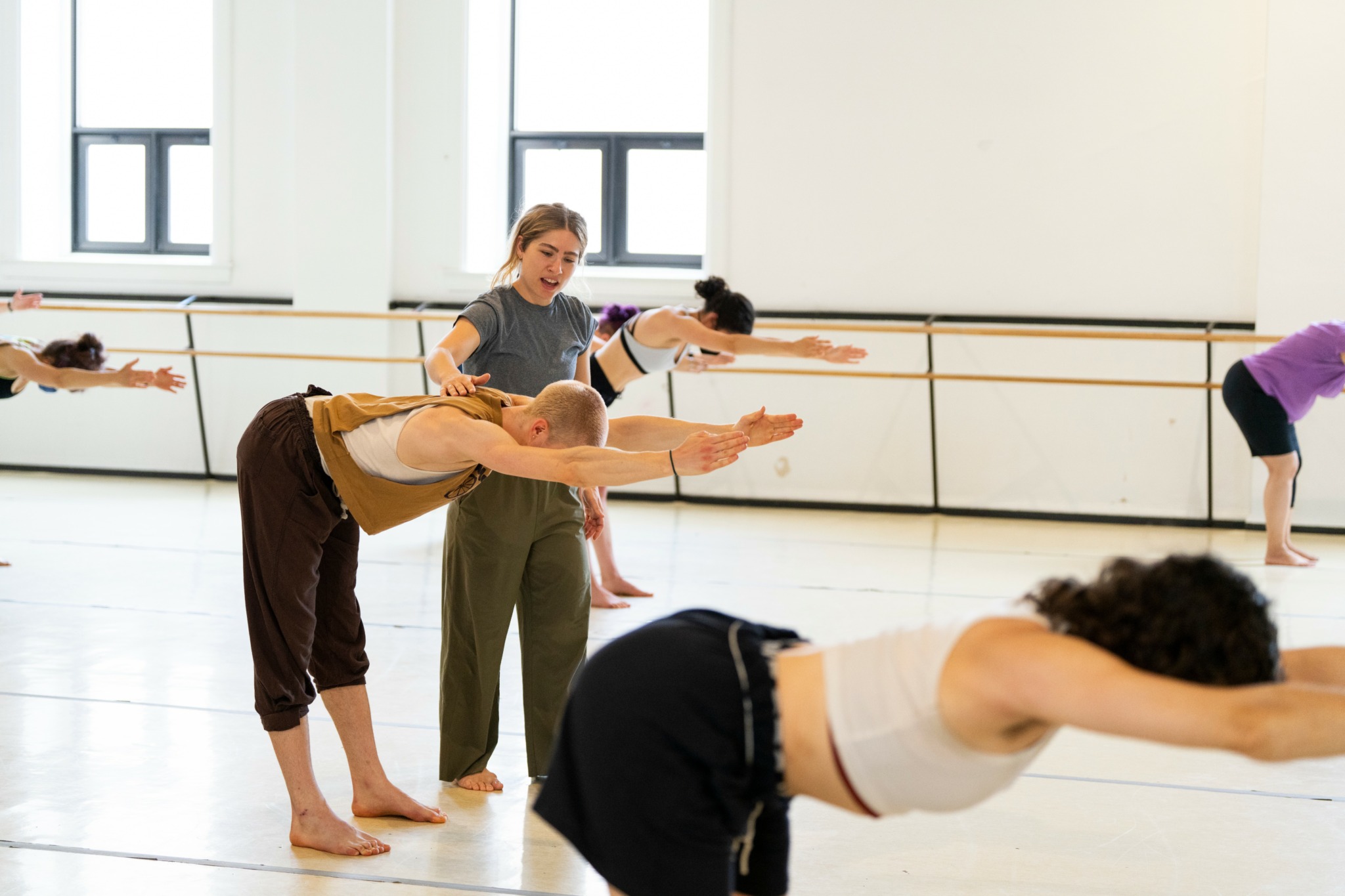
I am also passionate about sharing the power of movement through education. I hold a Master’s Degree in Human Movement Science, and I am invested in educating and empowering dancers of all ages with knowledge about their bodies. I offer classes in contemporary floorwork and the Horton technique, and I am proud of how many people from all walks of life feel welcomed and encouraged in my classes.
How can we best help foster a strong, supportive environment for artists and creatives?
Ok, I’m actually going to flip this question on its head a bit and ask: What can artists do to best support our society? Because I think this will actually bring mutual support in return.
I believe that, among other things, being an artist is an incredible responsibility. Artists help us to see what we cannot see, they help us process our humanity, they illuminate our world with beauty, they offer escape, they force us to look at ourselves, they inspire us to see what is possible, they challenge our assumptions and systems, they connect us to each other, and they communicate what is beyond words.
So yes, being an artist is about personal enjoyment and expression, but it is also about so much more than that. PARTICULARLY if you want to make art your profession. As a professional dancer, not only am I asking people to watch me dance, but I am asking them to pay me for it! So, I MUST consider what my work offers and how it engages other people besides myself.
I often hear people say they are reluctant to see dance for fear that they won’t “get it”, and I think: Dance? You mean that thing that all humans for all time have done and is a unique part of being human?? You won’t get it??? How did we get here????
The reality is that people feel alienated by dance that is overly academic and self-absorbed. They feel estranged from dance that is elitist, insular, impenetrable, and quite frankly tedious to watch. On top of that, folks are increasingly disconnected from their own bodies because of technological and societal changes. And we wonder why ticket sales are dropping…?
A core tenant of who I am as an artist comes from Mr. Alvin Ailey: Dance came from the people and it should always be delivered back to the people.
To me, delivering dance back to the people is not just making dance available to see, but it is making dance that invites people in. Which is NOT at all to say that you must make your art commercial or more “easily consumable”, or that your art must always be deeply moving – I firmly believe that this can done even with the wackiest, most abstract work! All it takes is a moment of consideration outside of oneself.
If we want support as artists, we must invite others in.
We often hear about learning lessons – but just as important is unlearning lessons. Have you ever had to unlearn a lesson?
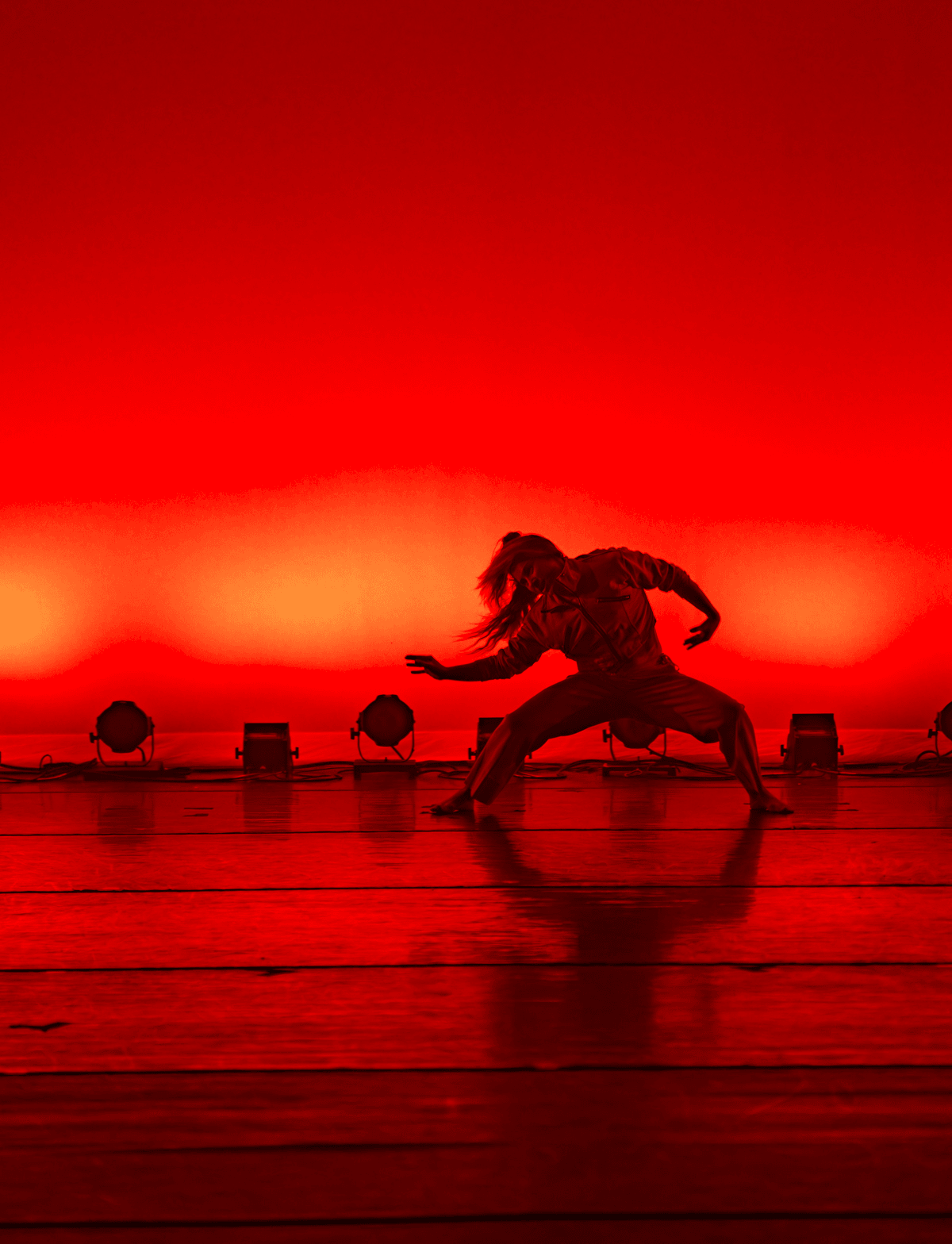
I have had to unlearn a lot of things about my body. For example, having strong glutes and quads that actually LOOK strong (aka aren’t thin) did not ruin my dancing, and in fact made me much a more capable and powerful dancer. It also did not completely derail my ballet training, my turnout, and my lines – in fact, ballet actually feels better than it ever has! In general, I have had to unlearn a lot of the things I was told about a body that looks like mine – short and athletic – and what it can or cannot do.
Contact Info:
- Website: https://www.annapinault.com
- Instagram: @anna_pinault
- Other: TikTok: @annapinault8
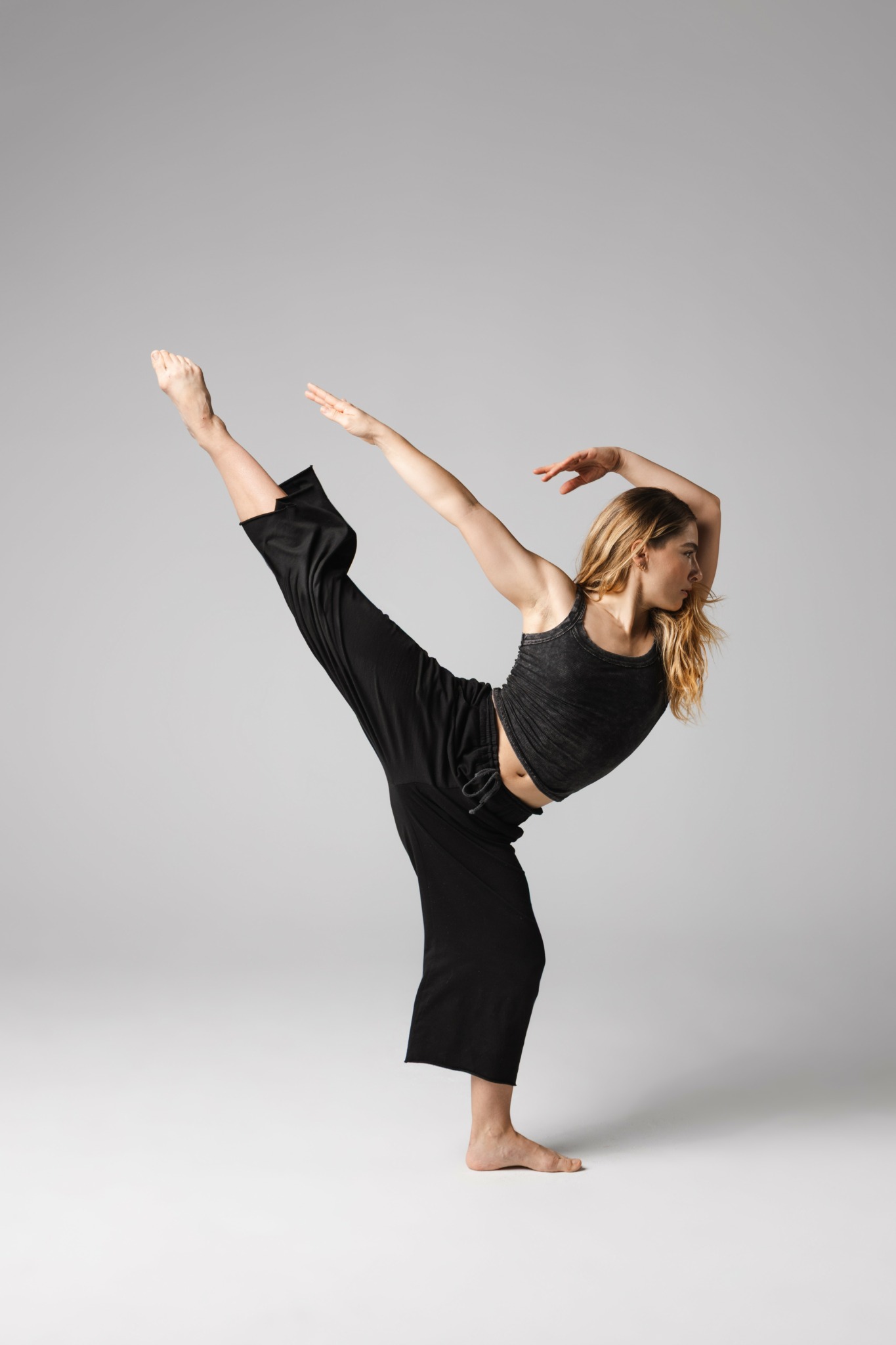
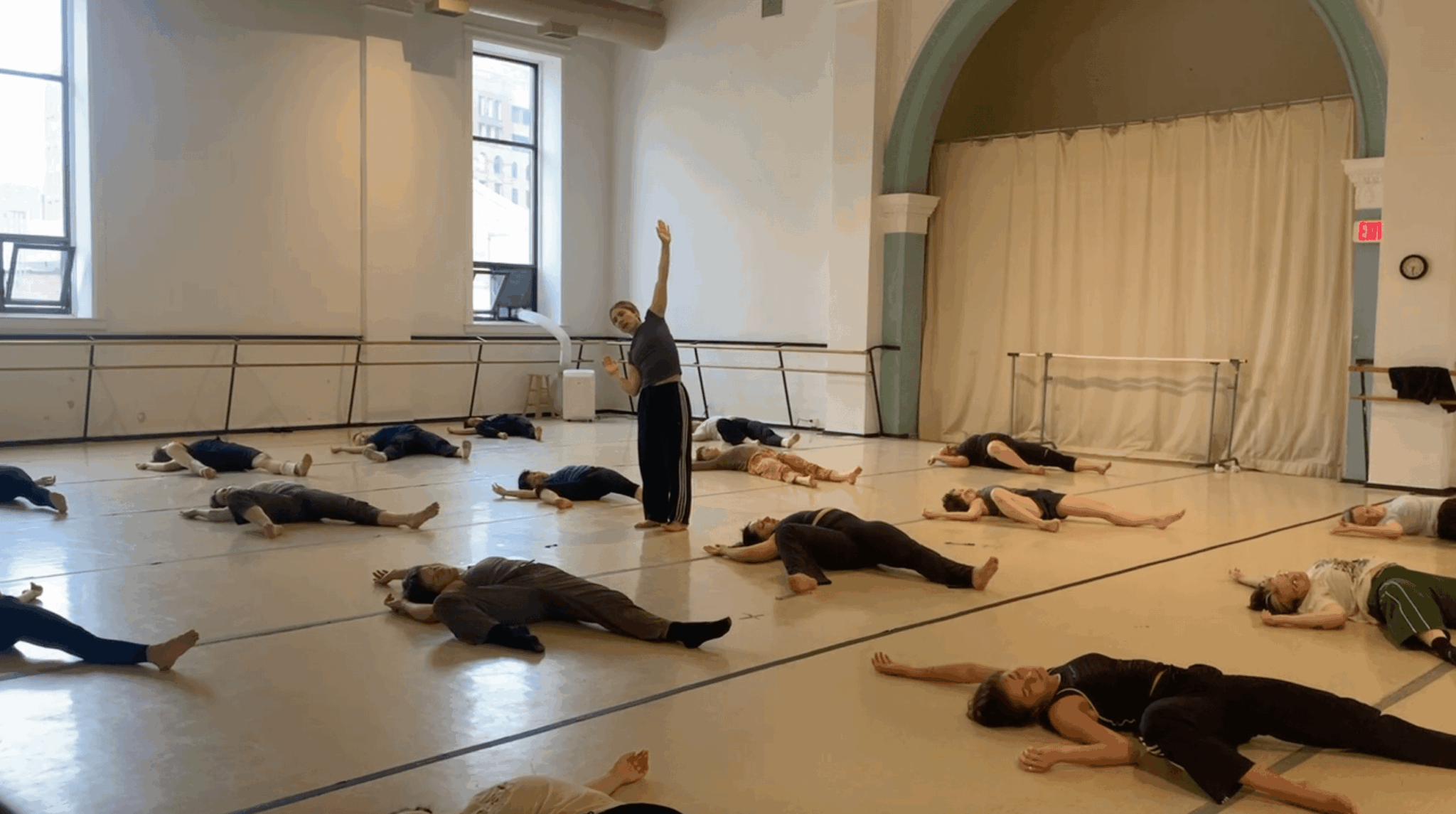
Image Credits
Laura Sukowatey
Bill Cameron
Jayme Halbritter