

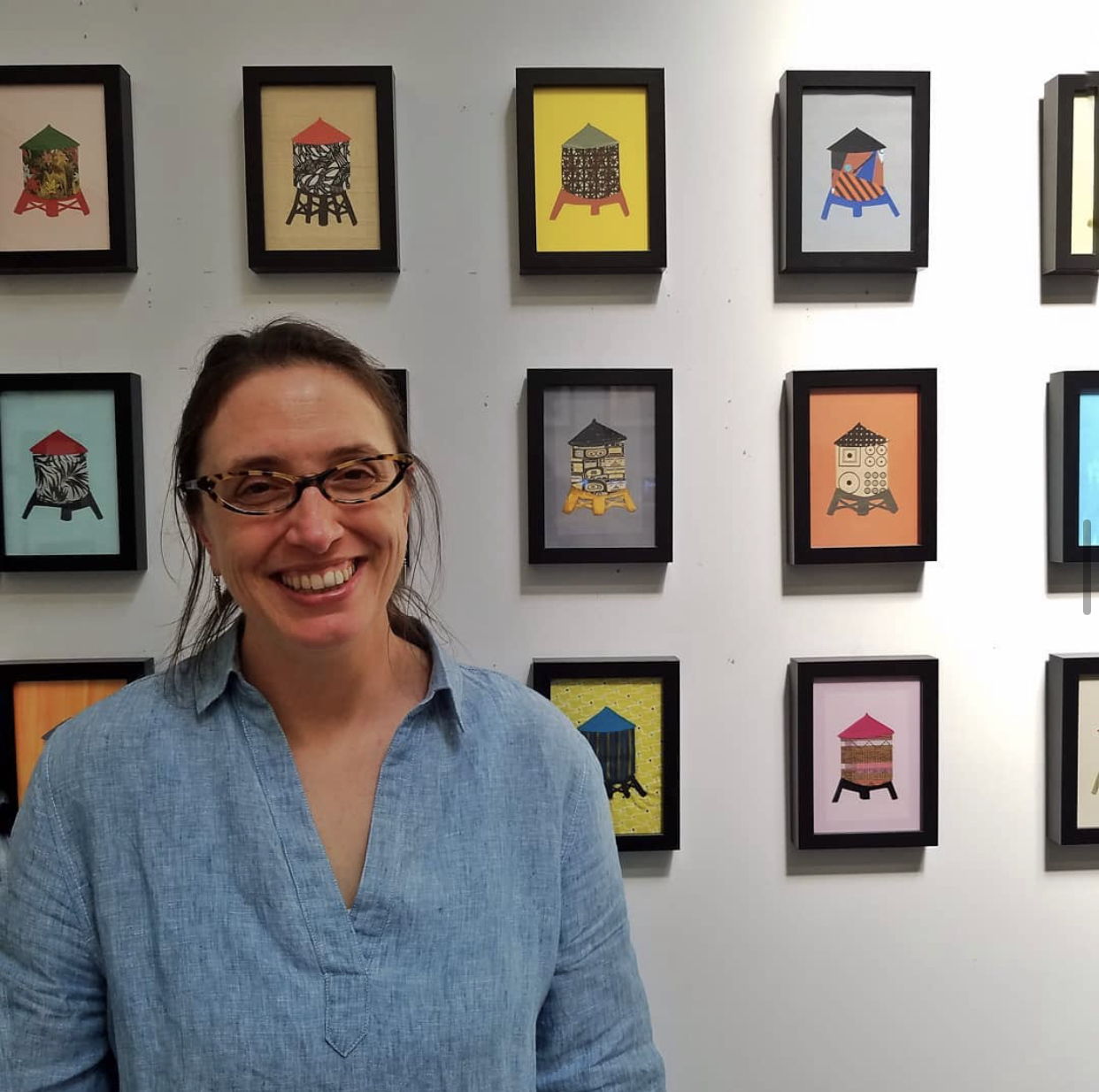

We’re excited to introduce you to the always interesting and insightful Ann Cofta. We hope you’ll enjoy our conversation with Ann below.
Hi Ann, thanks for joining us today. Learning the craft is often a unique journey from every creative – we’d love to hear about your journey and if knowing what you know now, you would have done anything differently to speed up the learning process.
Learning and building skills is an ongoing part of my art making. I have taken countless classes and workshops in all types of media, and they have been an essential part of my growth as an artist. Those tactics are not always utilized immediately, but they are there in reserve. Sometimes years later an idea for a project will come to me, and suddenly that method will lead to the creative solution.
Fortunately, living in New York City means there are many venues that offer opportunities for learning. I also consult with other colleagues and arts professionals in their areas of expertise about specific techniques. Ultimately I’ve found the best way to learn is to produce art consistently. It’s like the classic joke where a tourist asks the New Yorker how to get to Carnegie Hall, and the New Yorker responds: practice, practice, practice! If I get stuck, I move on to another project and come back to the first one when I’m ready. Every achievement, no matter how small, is progress.
Ann, before we move on to more of these sorts of questions, can you take some time to bring our readers up to speed on you and what you do?
I have always created art, and became an art educator early in my adult life. I was fortunate to be in spaces where art was nurtured and encouraged. Spending time in those environments and sharing ideas fed my own creativity. It was sometimes challenging finding time to make art, but I managed to always be producing some type of work. Much of what I create can be done almost anywhere, allowing for continuous progress on projects. I moved from teaching to being a full-time artist in 2020. This has given me room and space to experiment and evolve, as new ideas surface during the daily practice of creating.
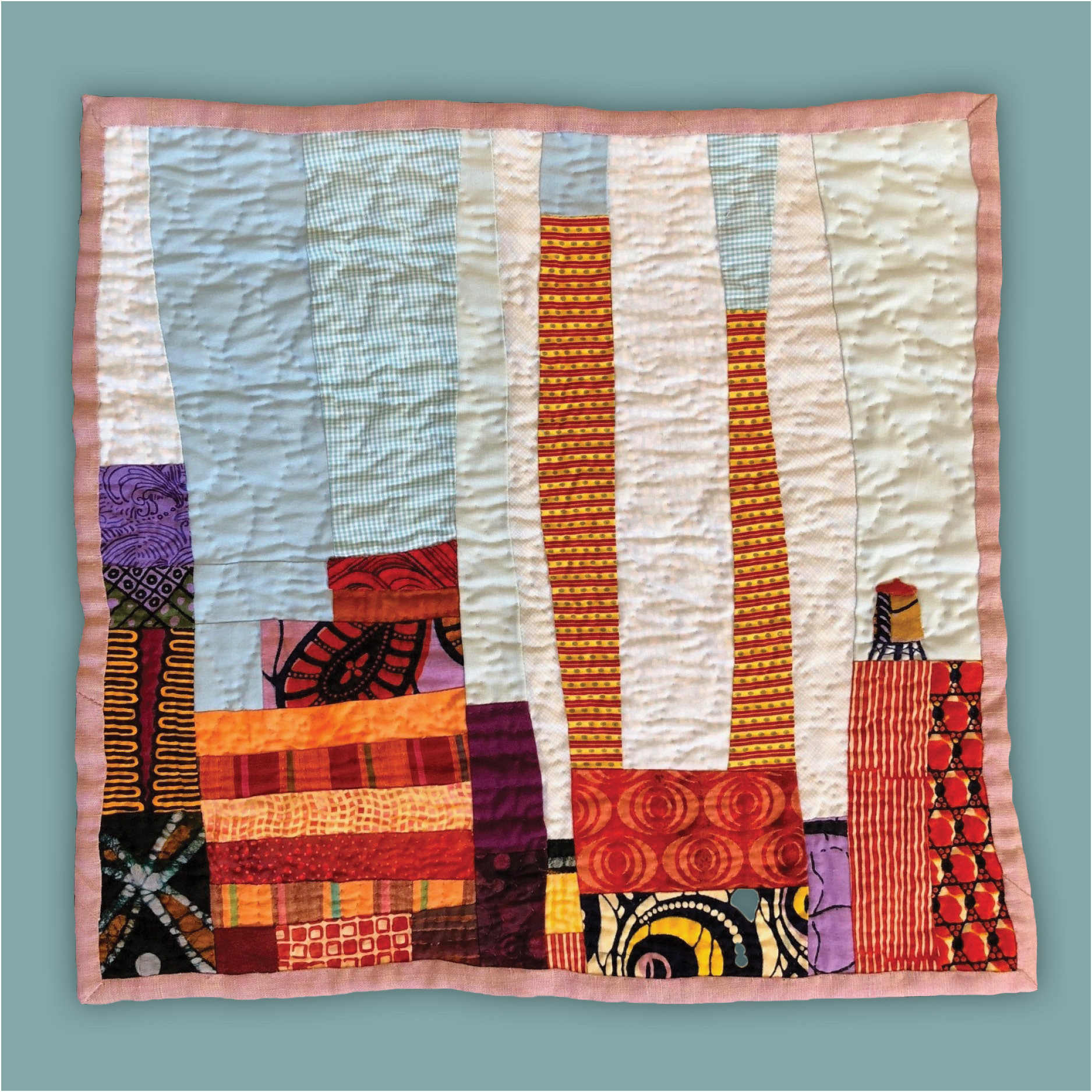
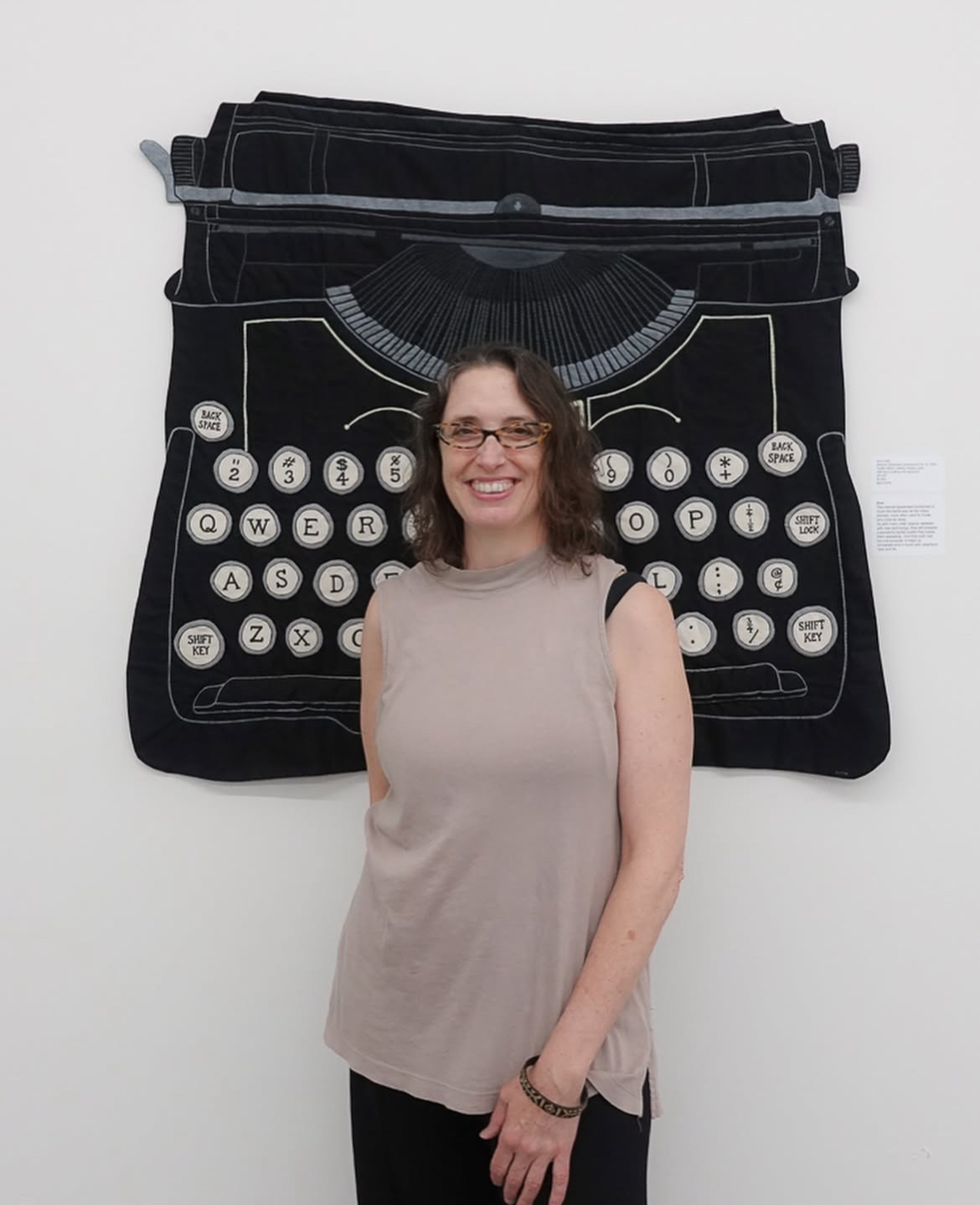
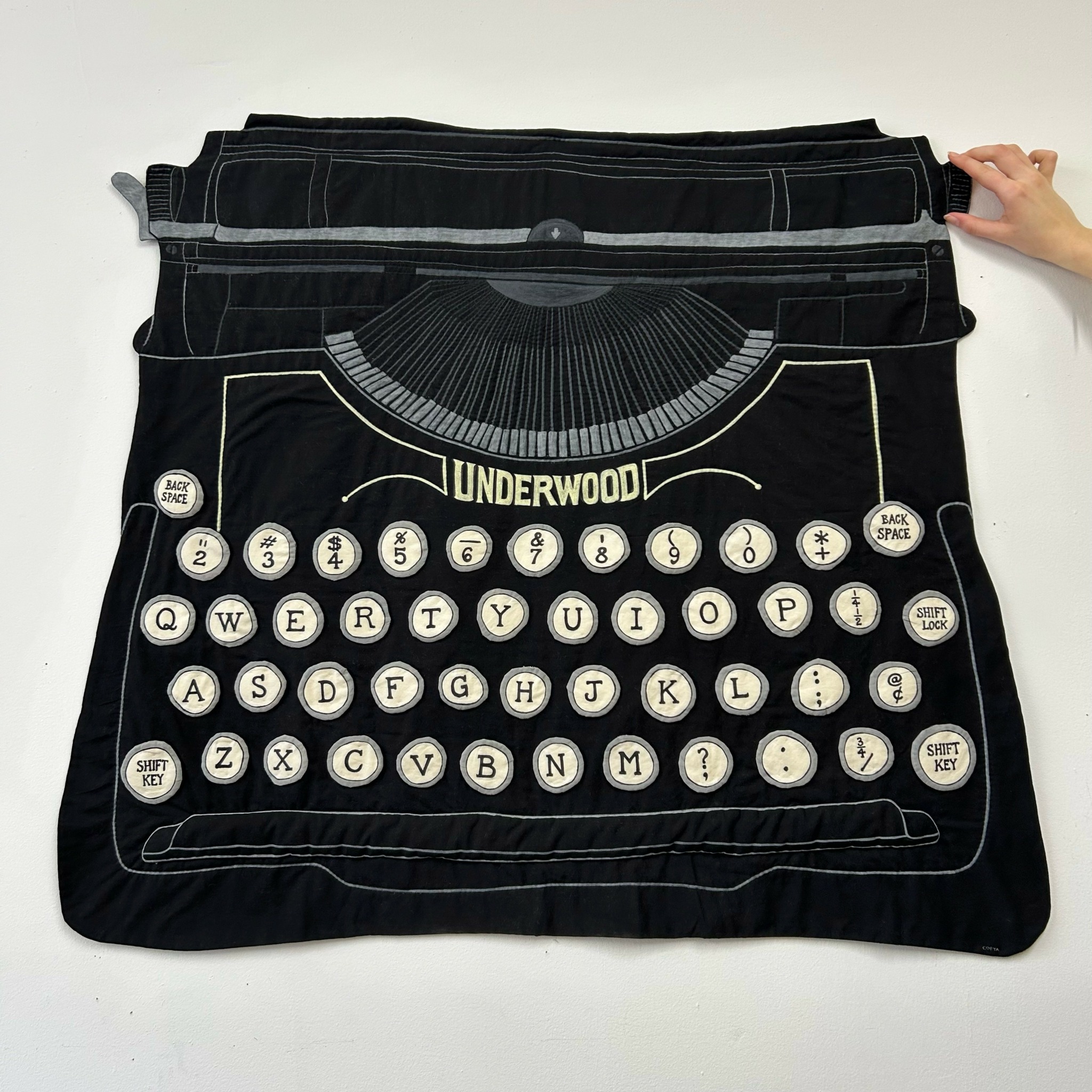
I am a visual artist who primarily uses textiles. The flat constructions I create with fabric utilize a variety of sewing techniques. My work is focused on exploring relationships between objects, time and memory. The imagery tends to be universally recognizable, but things that others may overlook. Something like a typewriter might make someone remember a person or a time in their lives, as it does for me. Those dialogues that allow us to share our stories create connections that are an important way we relate to one another.
I often use scale as a way of drawing attention to objects. It’s a fun and playful way of engaging the viewer, making the big art pieces hard to ignore. They are bold and demand to be seen. My salt shaker series began with some life size works, with little grains of spilled salt embroidered onto the fabric. Then I imagined large salt crystals made from pompoms pouring out of a giant shaker. The newly completed piece is four feet long, and is the featured work in my current solo show.
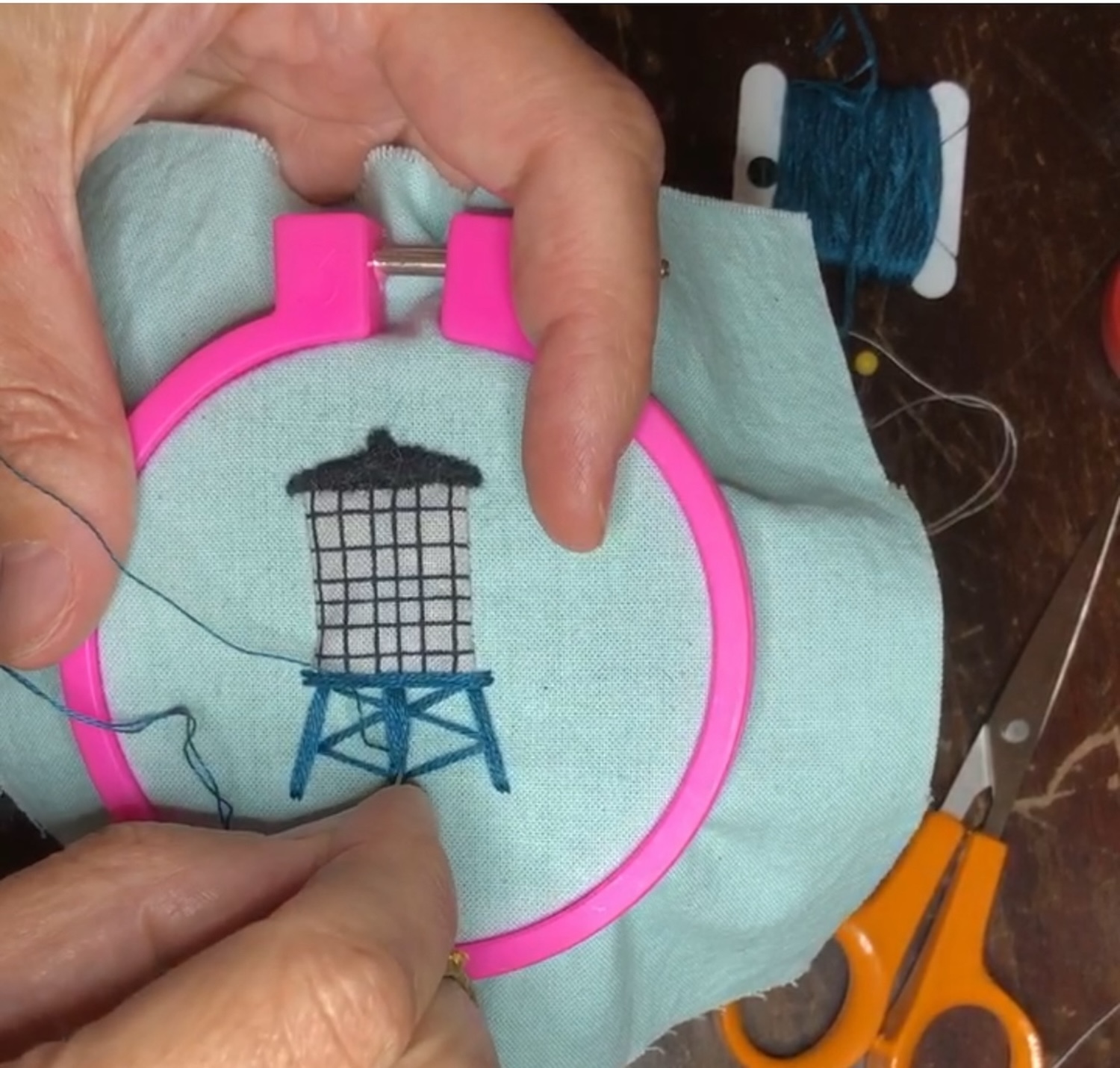
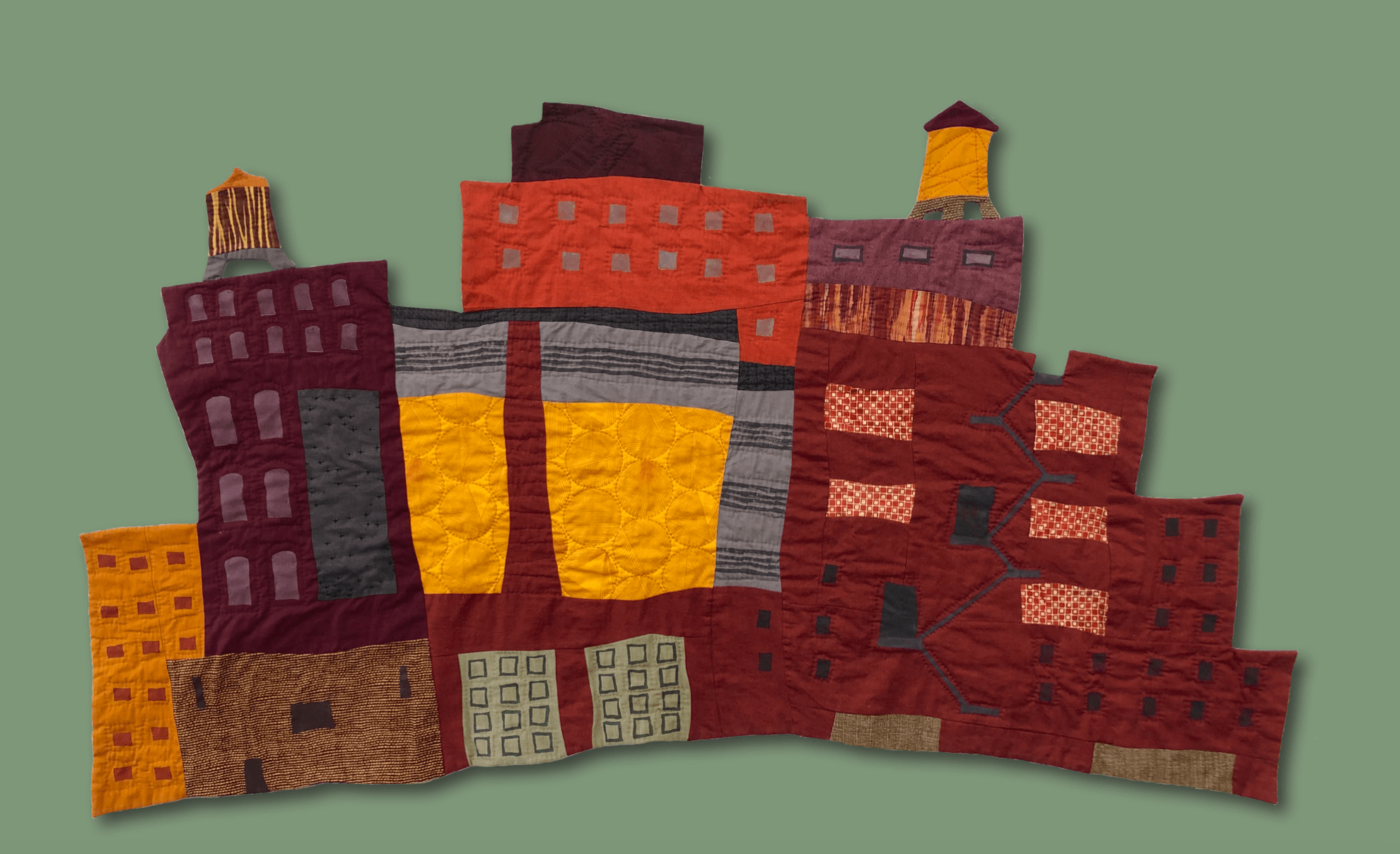
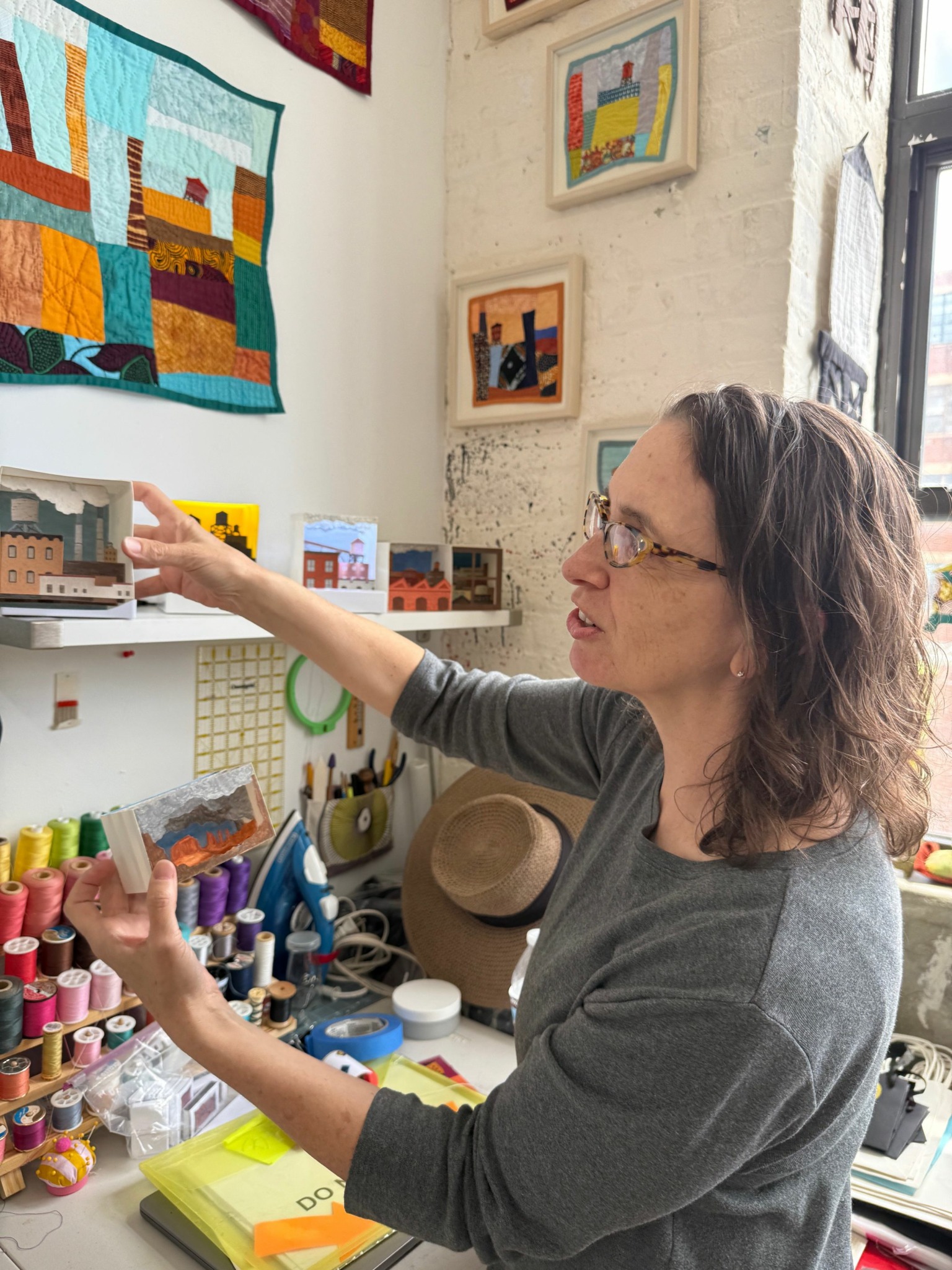
As a longtime resident of New York City, the urban environment has influenced the imagery of my work as well. Familiar structures like old buildings and iconic water towers have character and history. They define the city and their presence is grounding, fostering a sense of connection to a place. To create these cityscapes, I take small pieces of different fabrics that are unusable on their own, and bring them together to create an entity that is larger, stronger and greater than the sum of its individual parts. I employ embroidery and quilting techniques on the surface of the textile works. The imperfection of hand stitching reveals the significance of human touch, and references the roots of these traditional art forms. At a time when AI can generate images in nanoseconds, I feel it is important to be creating work that is completely original and unique.
As an artist, I am delighted when a work sells, because it means it is being seen and appreciated. A special moment for me occurred a few years ago. A local man and his teenage daughter had seen my work in an exhibit and asked if they could visit my studio. She ended up choosing two pieces which he purchased for their apartment. He then revealed that until then he had only had posters on his walls, and that mine was the first actual artwork he ever owned.
What’s the most rewarding aspect of being a creative in your experience?
Art communities, particularly in Brooklyn and Queens, are incredibly supportive and welcoming. I regularly meet new people at exhibits, and have thoughtful and engaging conversations. These exchanges are genuine, and often lead to future opportunities and ways of connecting. Artists show up for one another, and there is mutual respect and appreciation for the work that goes into being a creative.
Are there any books, videos or other content that you feel have meaningfully impacted your thinking?
In the book “Big Magic” Elizabeth Gilbert shares her own struggles with self-doubt, something many of us can relate to. She convinces artists and writers to face their fears and stay on a creative path, even if that route is not a conventional one. Her writing is funny and encouraging, and it reminds us to trust ourselves and our inspirations.
“The Gap and the Gain” by Dan Sullivan is also a great resource. Sullivan asks us to reframe how we measure our own progress and the typical standards people use. This approach to acknowledging growth and achievement leads to a more positive mindset no matter what field you work in.
Contact Info:
- Website: https://anncofta.com
- Instagram: @anncofta
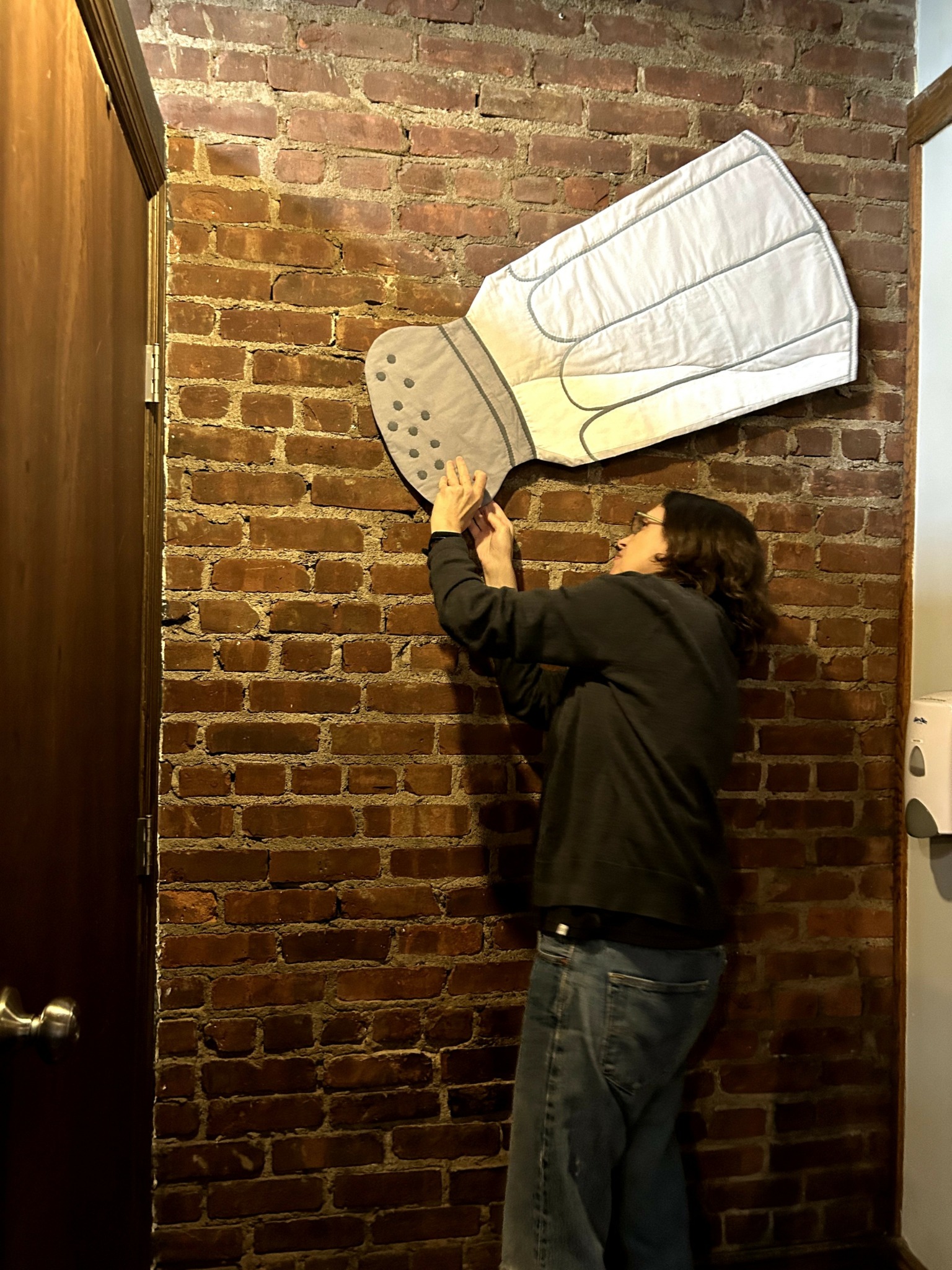

Image Credits
For the very first image (the Personal Photo) please credit Corey Phillips Fowler