
Alright – so today we’ve got the honor of introducing you to Anika Hussen. We think you’ll enjoy our conversation, we’ve shared it below.
Hi Anika, thanks for joining us today. We’d love to hear the backstory behind a risk you’ve taken – whether big or small, walk us through what it was like and how it ultimately turned out.
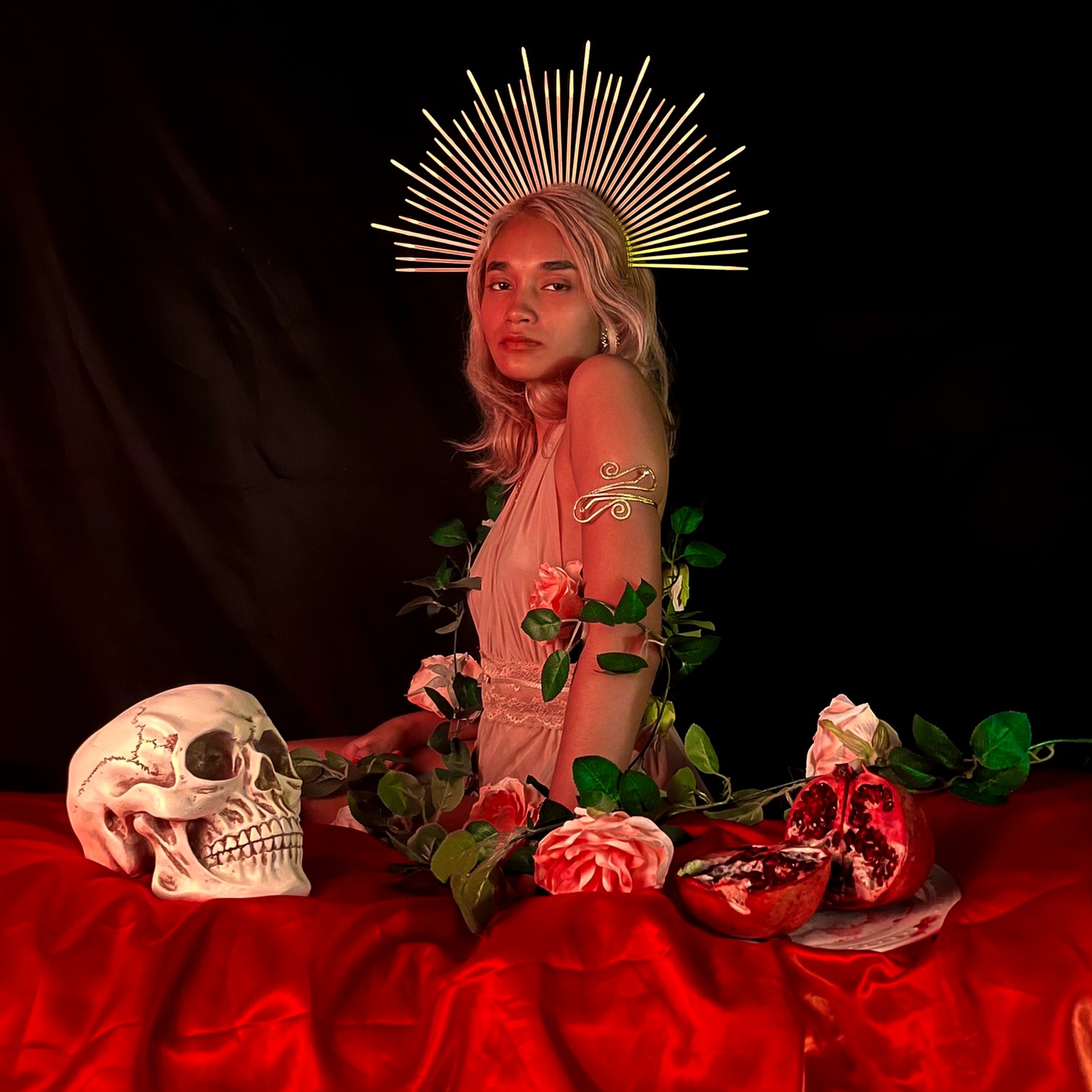
The biggest risk I have taken was choosing a creative career and moving from New York to Los Angeles on my own. As a South Asian girl from an immigrant family, that was not the path anyone imagined for me. My parents already took the biggest risk by leaving their country. So the expectation was that I would choose something stable, practical, and guaranteed. Engineers, doctors, lawyers. Careers like that.
I always believed I could succeed in those fields, but it took me a long time to believe that my passions were equally valid. There was a moment in high school when a friend heard me analyzing a commercial and said, “You should make movies.” I laughed it off, but deep down it stayed with me.
Transferring to NYU and creating my own major that combined storytelling with technology was the first big step into the unknown. Then the real leap happened when I moved to Los Angeles during COVID. I had no connections, no family nearby, and the industry was completely shut down. I could have gone home, but something in me said I needed to stay.
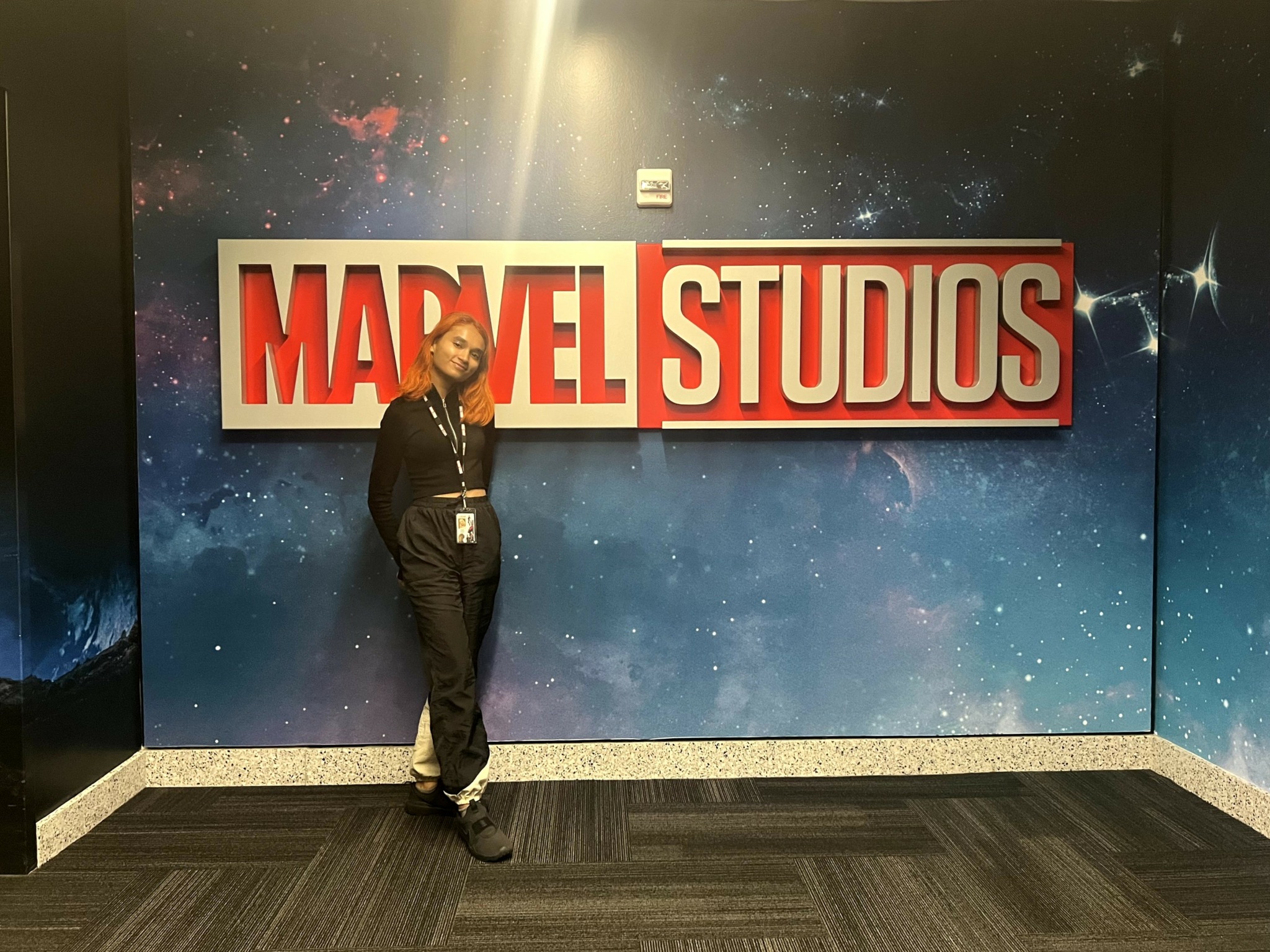
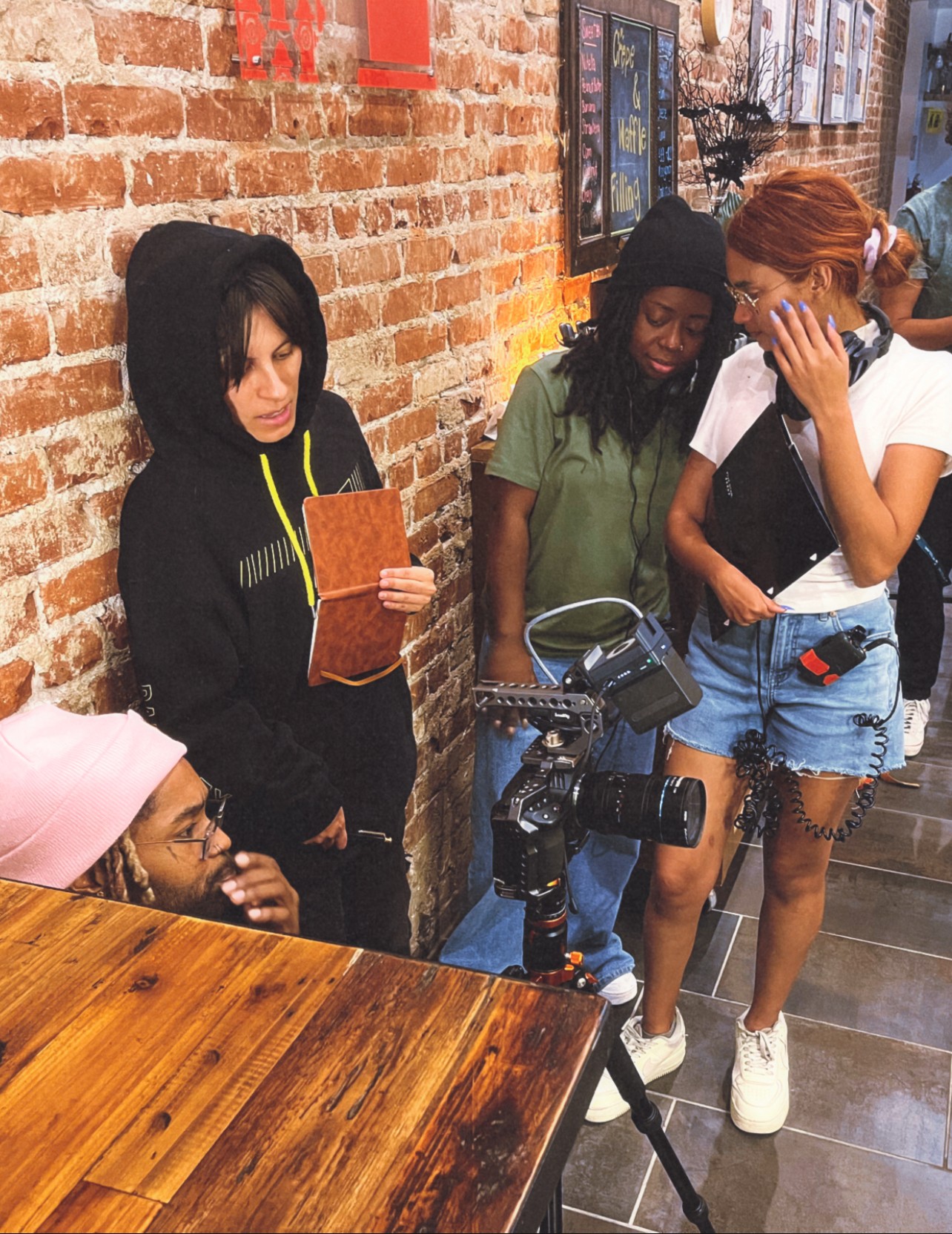
That risk led me to the work I do now at Marvel Studios and gave me the confidence to co-direct Girl Dinner, a film that reflects my own identity and personal experiences. I am proud that I built a path that did not exist for me before.
I think that is what risk-taking is. You do it even when it scares you, and then you do it again. Eventually, uncertainty becomes a signal that you are growing. And you begin to welcome the discomfort, because you know what can come out on the other side.
Anika, love having you share your insights with us. Before we ask you more questions, maybe you can take a moment to introduce yourself to our readers who might have missed our earlier conversations?
I grew up in Queens, NYC, truly a melting pot of stories, and as the girl who watched everything. I spent hours memorizing Bollywood films with my cousins, diving into Reddit theory threads after my favorite YA TV episodes dropped with my friends, and replaying shots that lingered in my mind like background music. Film has always been in my blood.
However, like a lot of brown kids from immigrant families, filmmaking was never presented to me as a “real” career. The hustle mindset was strong, which meant stability first, creativity later. I was always on the fence with this ideology, delusively believing I could have both at the same time. But it wasn’t until one of my early internships at RYOT Films that my professional career plans clicked into place. I watched a VR film about a Bangladeshi woman who became the first from her country to climb all seven summits. The filmmaker’s iPhone zoomed in on her face as she waved her flag and realized this…this was the lane for me. I could combine immersive tech, social impact, and storytelling. I realized I couldn’t wait around for someone else to tell those stories forever.
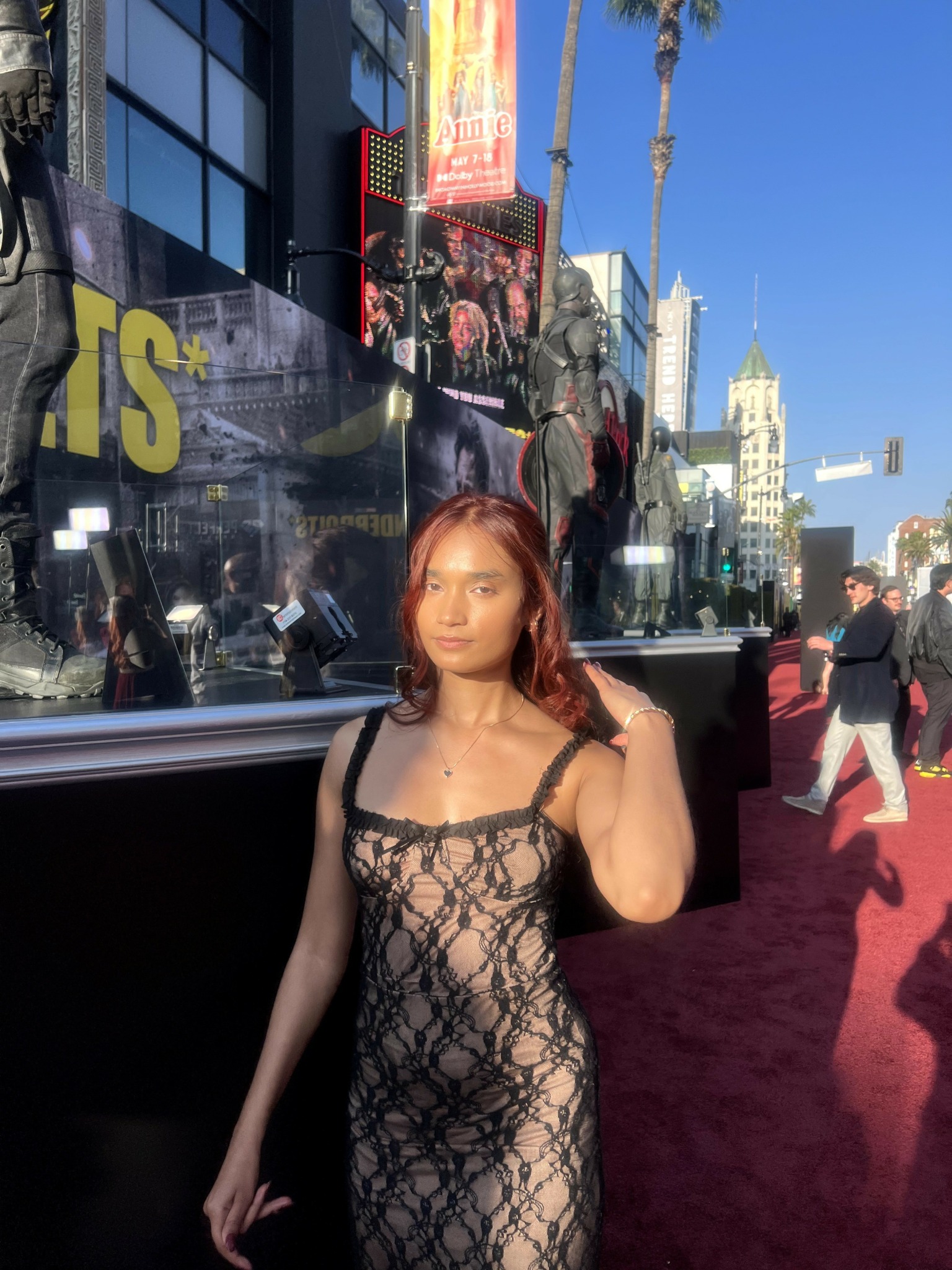
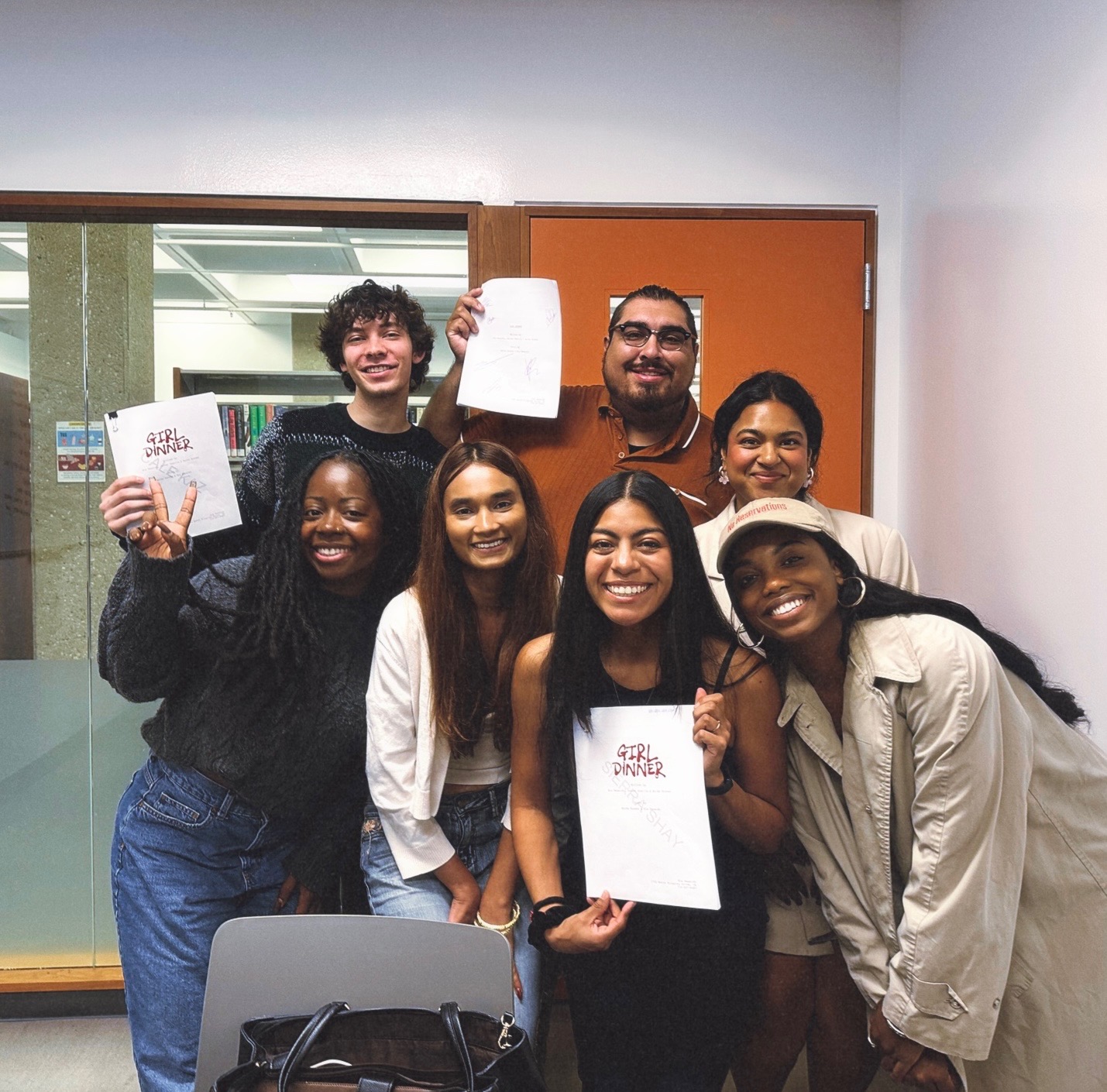
This led me to my NYU days, where I studied immersive and empathetic filmmaking and learned to merge tech, art, and emotion. That same spirit carried me into the professional world from Hulu to Dolby to Marvel Studios, where I got to help build the future of entertainment. But somewhere along the way, being deep in the corporate side made me lose sight of my desire to tell my own stories. Meeting Nia Raasikh, my co-director, and Javier Padilla, my co-writer, on Girl Dinner, reignited that spark. Together, we’re telling a story about messy, loving, complicated women of color that moves beyond tropes and into truth. Now I’m balancing both my corporate career in the entertainment industry and making the kinds of stories I used to dream about seeing.
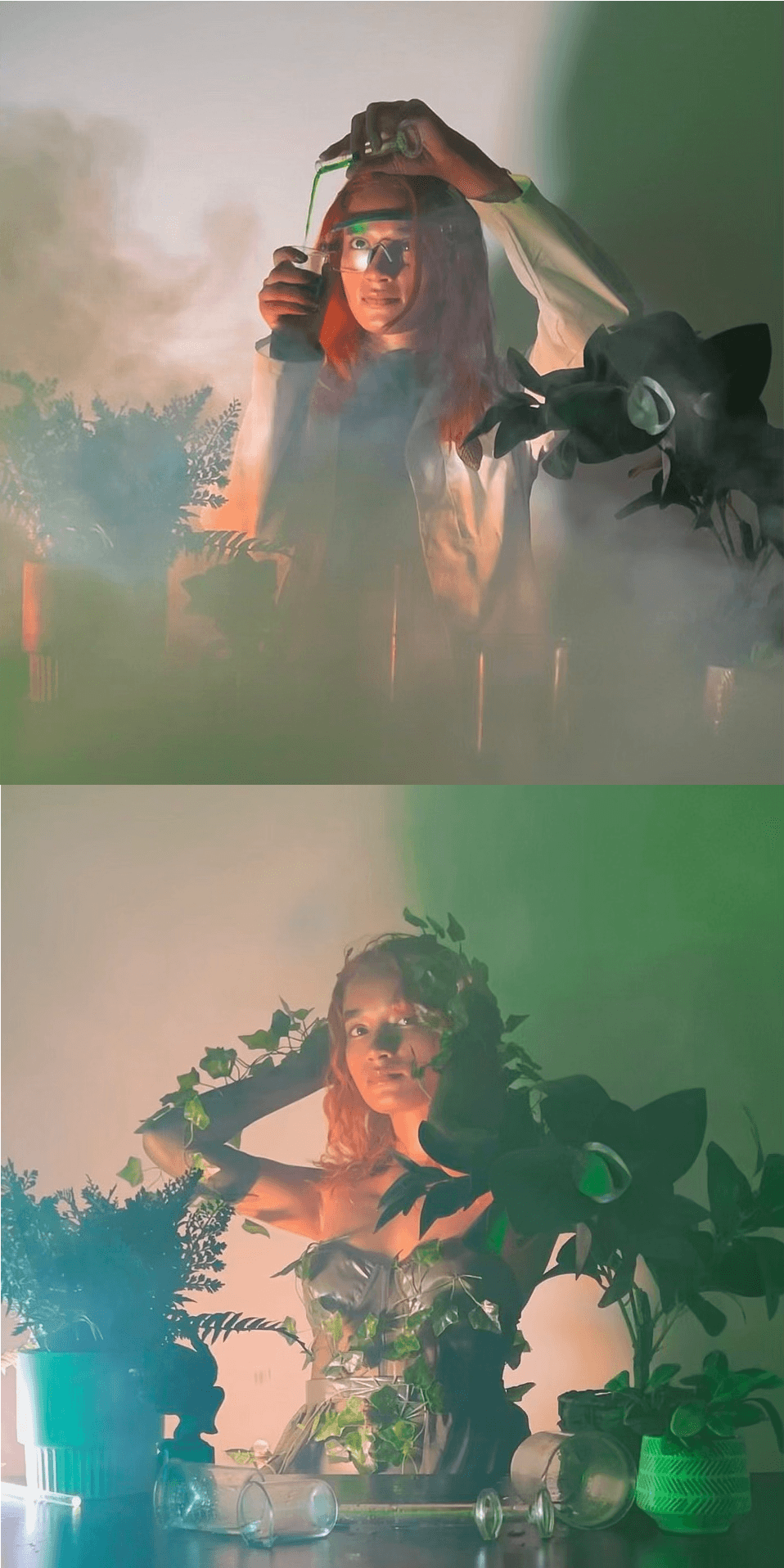
I plan to continue my independent directing journey with stories deeply rooted in my NYC upbringing, South Asian heritage, and a love for experimenting across genres, especially fantasy—think Dev Patel’s Monkey Man meets Ryan Coogler’s Sinners.
Is there mission driving your creative journey?
Yes, there is a very clear mission behind my creative journey. I want to tell stories that center South Asian and other underrepresented voices in ways that feel bold, specific, and honest. I grew up surrounded by the encompassing energy of NYC, the humor and chaos of immigrant family life, and friendships that are messy and beautiful. I want to bring those experiences to the screen across genres that have not always included us: fantasy, thriller, coming of age, and anything grounded in emotional truth.
I want to create space for people like me to see themselves in great media, not only for us to feel represented, but also for the world to understand us through empathetic lenses that we have not been historically granted. Our stories are universal, layered, and worthy of the same scale and imagination as anyone else’s.
At the same time, I care deeply about how audiences enter a story. I love working with technology that brings viewers closer, whether through Dolby Vision and dynamic range that mimics the human eye, or through fan experiences that make the line between real life and story feel invisible. I want to help shape a future where stories are not just watched, but experienced.
So my mission is twofold. I want to expand who gets to be centered on screen, and I want to expand how we connect with the worlds we build. If my work can make someone feel seen and also make audiences feel something new, then I know I am heading in the right direction.
Do you think there is something that non-creatives might struggle to understand about your journey as a creative? Maybe you can shed some light?
Yes. One thing I think non-creatives sometimes struggle to understand is that creativity and innovation are not opposite directions. They are meant to move together.
I have spent my career in the middle of two very different worlds. On one side, I have been surrounded by engineers and technical innovators who think strategically and practically. On the other side, I have worked with filmmakers and artists who lead with intuition, emotion, and vision. Both sides are brilliant, but both also have blind spots.
Sometimes, technical people assume that creativity is easy. They may believe that if you build the right tool, anyone can tell a story. But creative work takes a different kind of strength. You have to accept that your first idea might not be great, and you must keep creating anyway. You train your ability to tell a story the same way you train a muscle. It takes years of practice, failure, and growth.
On the other hand, some creative people resist new tools and ways of working. There is a fear that technology like CGI, VFX, or other innovative technologies could replace artistry. But I see those tools as extensions of our imagination. When used with intention, they help us express ideas that once felt impossible. They can make stories more immersive, more emotional, and more expansive.
So my insight is this: neither path is more difficult or more important. Creativity without innovation can become outdated. Innovation without creativity has no heart. The future of entertainment depends on both sides respecting each other, learning from each other, and building together.
That is the space I love to be in. Helping bridge those two worlds so audiences can feel stories in ways they never have before.
Contact Info:
- Instagram: https://www.instagram.com/anika_hssn
- Linkedin: https://www.linkedin.com/in/anikahussen/
- Other: Girl Dinner Short Film : https://www.instagram.com/girldinner.short