
We’re excited to introduce you to the always interesting and insightful Angelique Kopacz. We hope you’ll enjoy our conversation with Angelique below.
Angelique, looking forward to hearing all of your stories today. Did you always know you wanted to pursue a creative or artistic career? When did you first know?
When I was in college, studying at Penn State University, I was going down a path studying psychology. As a junior, I was taking professional development courses to see where we wanted our degrees to take us. I have always had a passion for art since I was a child, I actually wanted to study art in college, but I was advised against it as it wasn’t seen as stable or lucrative. With this in mind, I knew I wanted to study art therapy. I wanted to be able to offer therapy through a creative outlet for those who needed more or felt stifled by cognitive behavioral therapy. In order to follow this path, I changed campuses to be closer to home and started taking art courses at Penn State Abington. There is where I felt like I found something life changing, a creative drive and an artistic family that supported me. I ended up participating in multiple exhibitions with my sculptures and prints, winning awards, and studying printmaking abroad in Ireland. I felt at home in this department and that’s when I decided that this is me, this is what I’ve been searching for. I am going to study art as a visual artist. I left behind my desires of studying art therapy, and went on to grad school to study Book Arts & Printmaking.
As always, we appreciate you sharing your insights and we’ve got a few more questions for you, but before we get to all of that can you take a minute to introduce yourself and give our readers some of your back background and context?
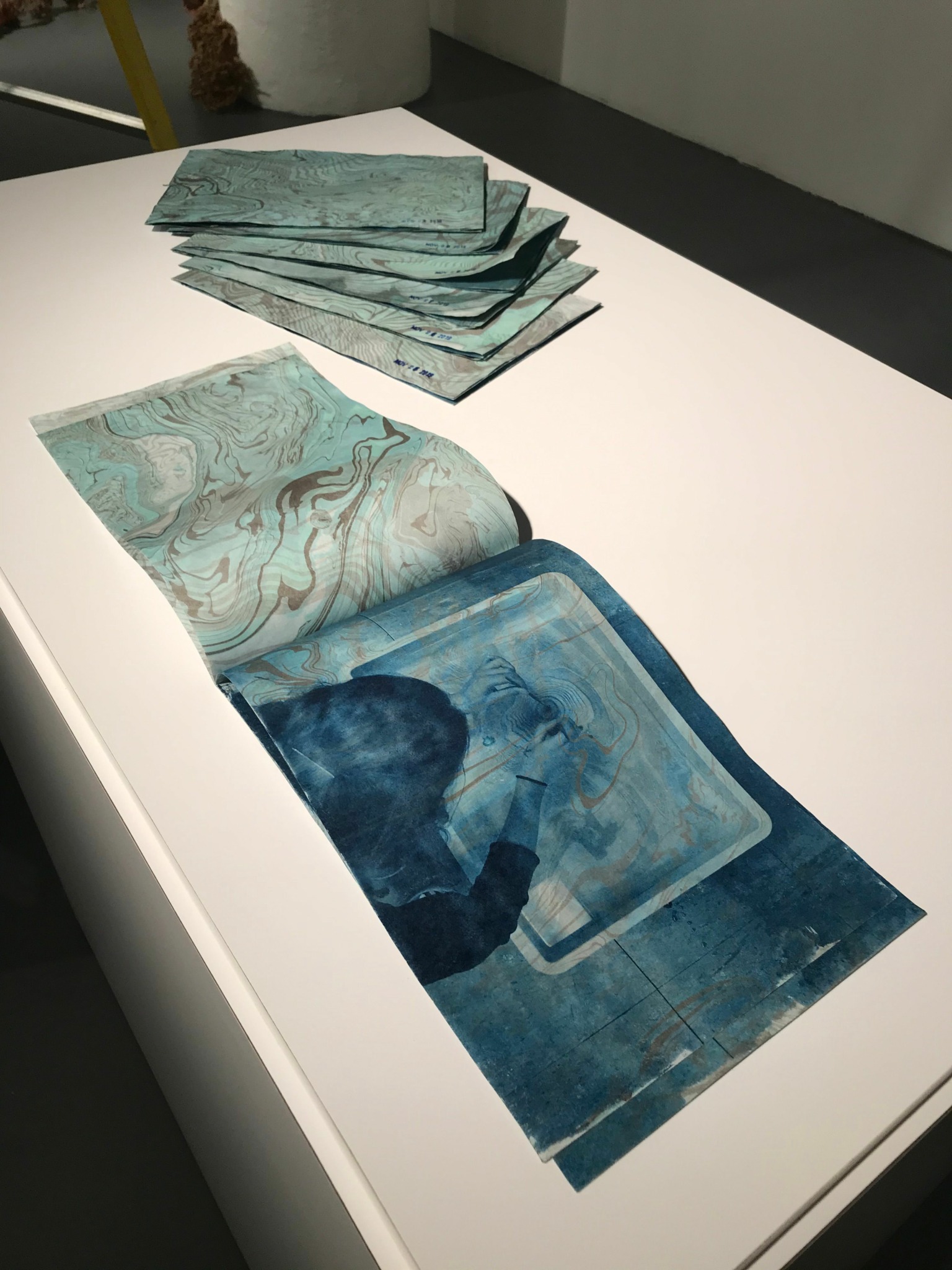
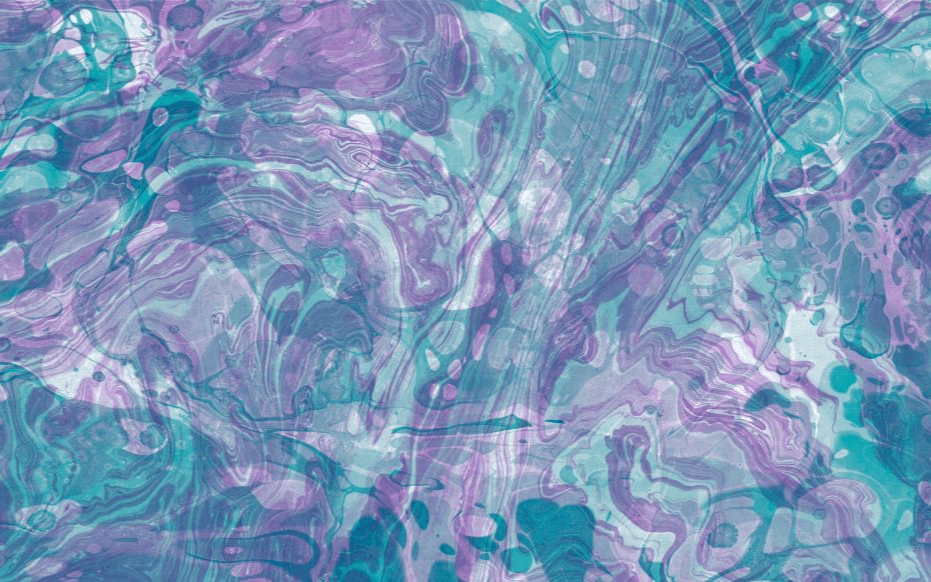
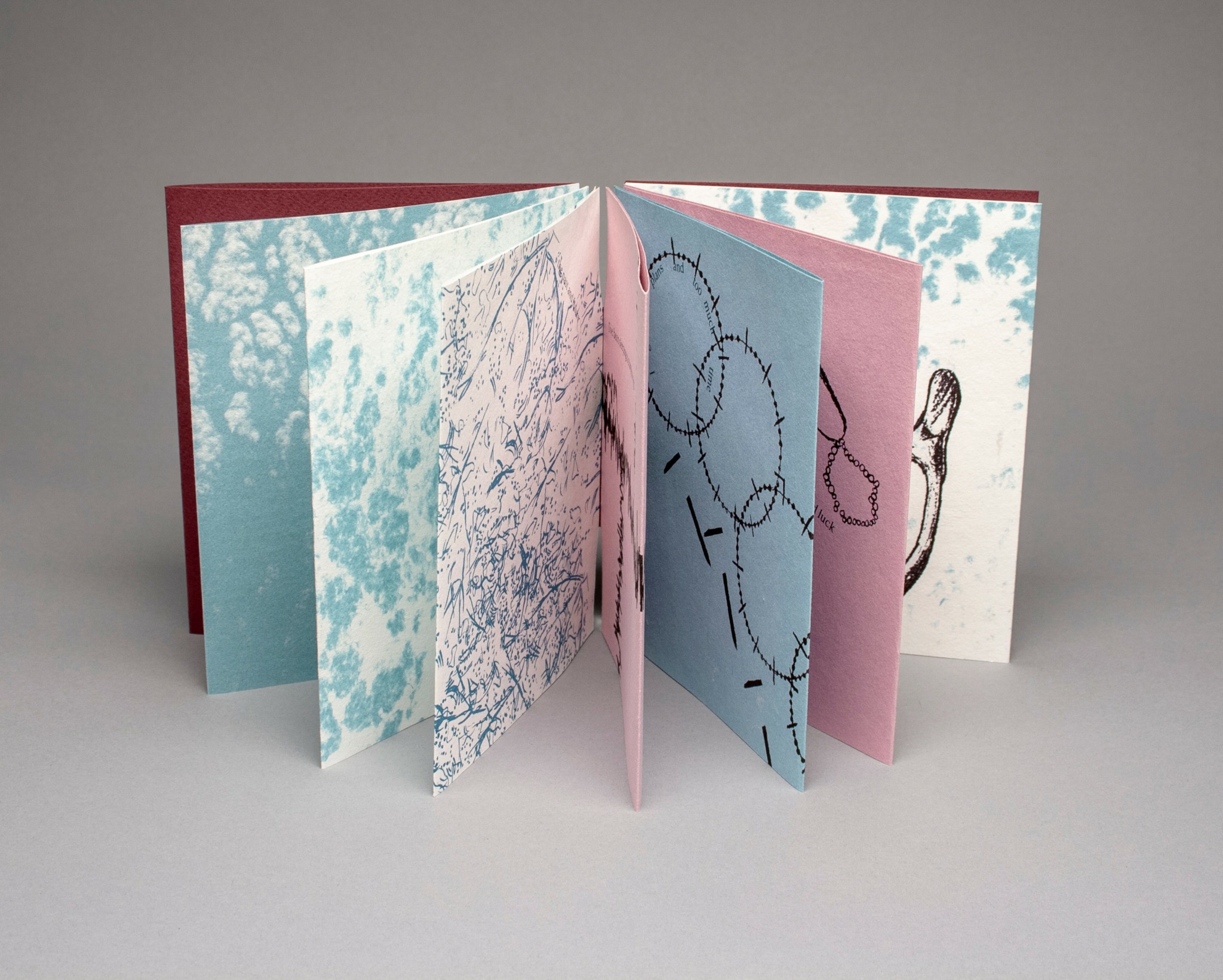
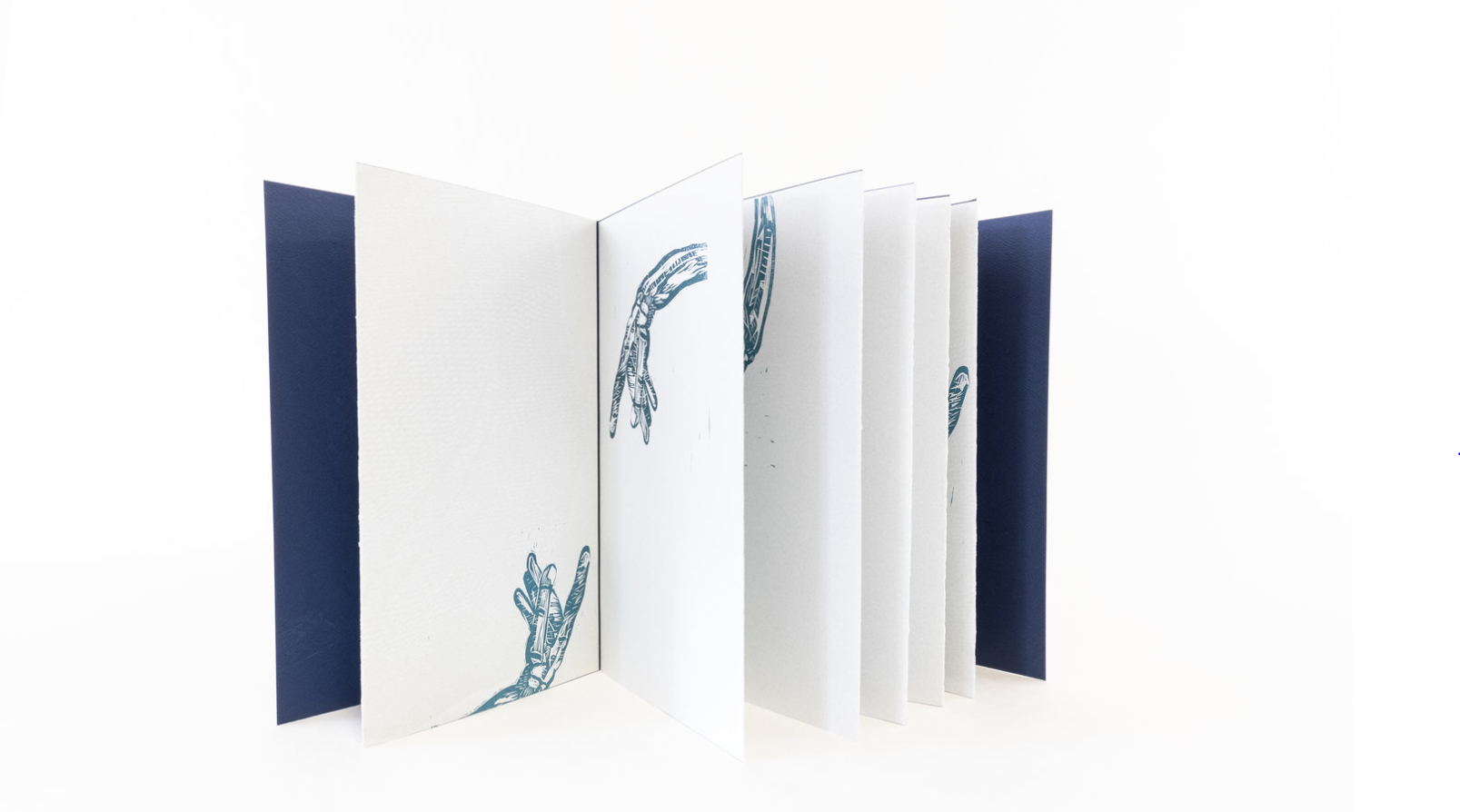
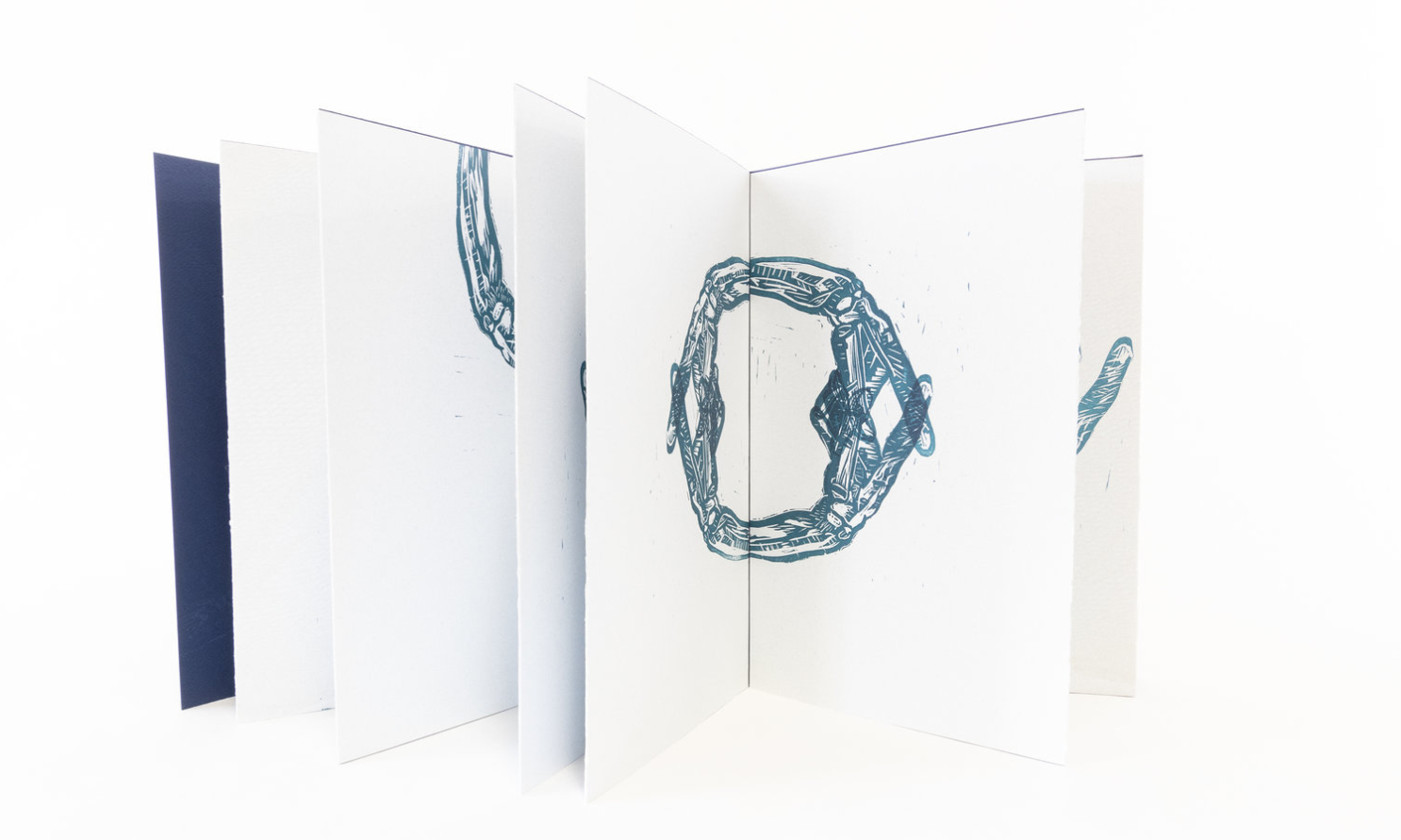
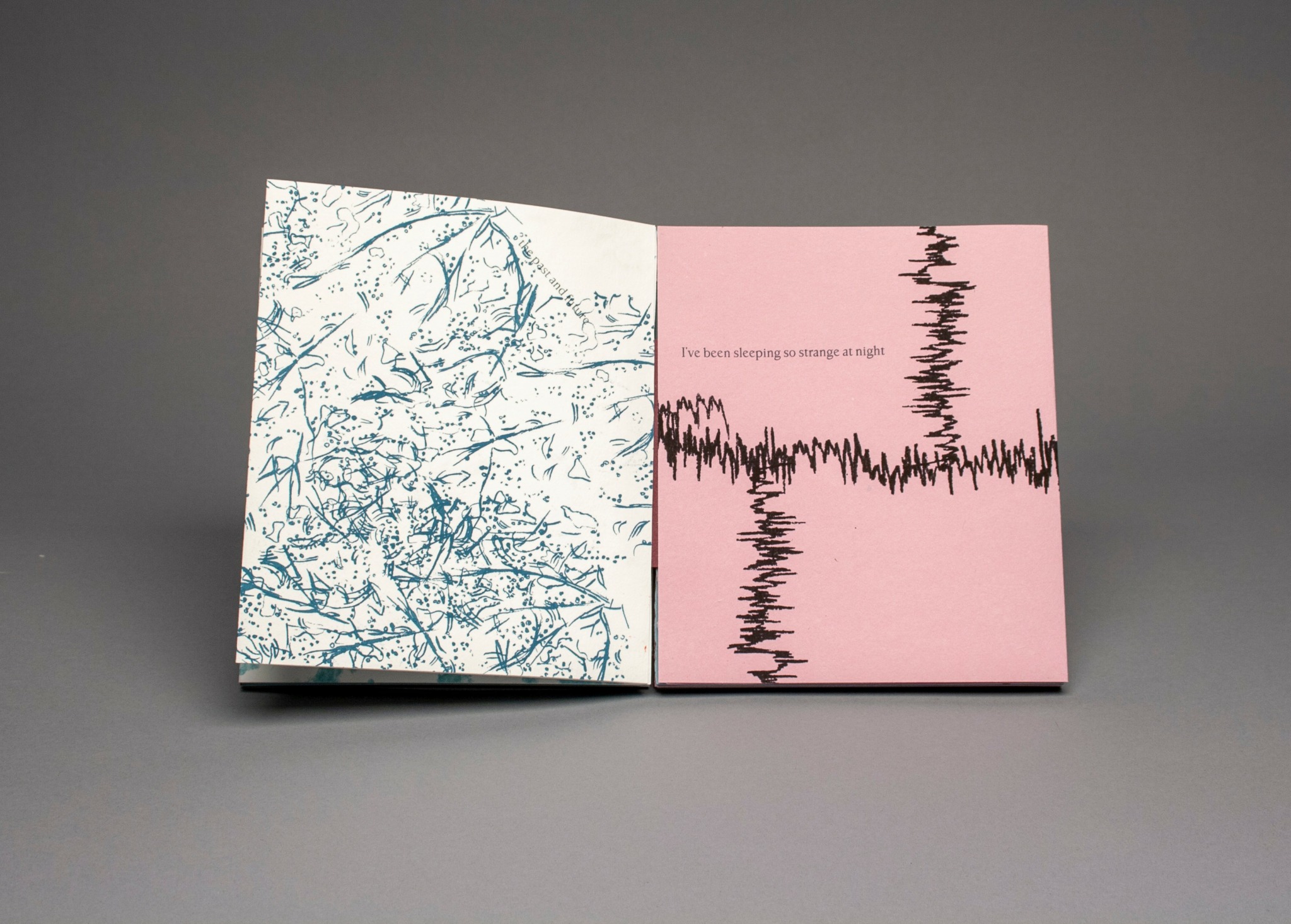
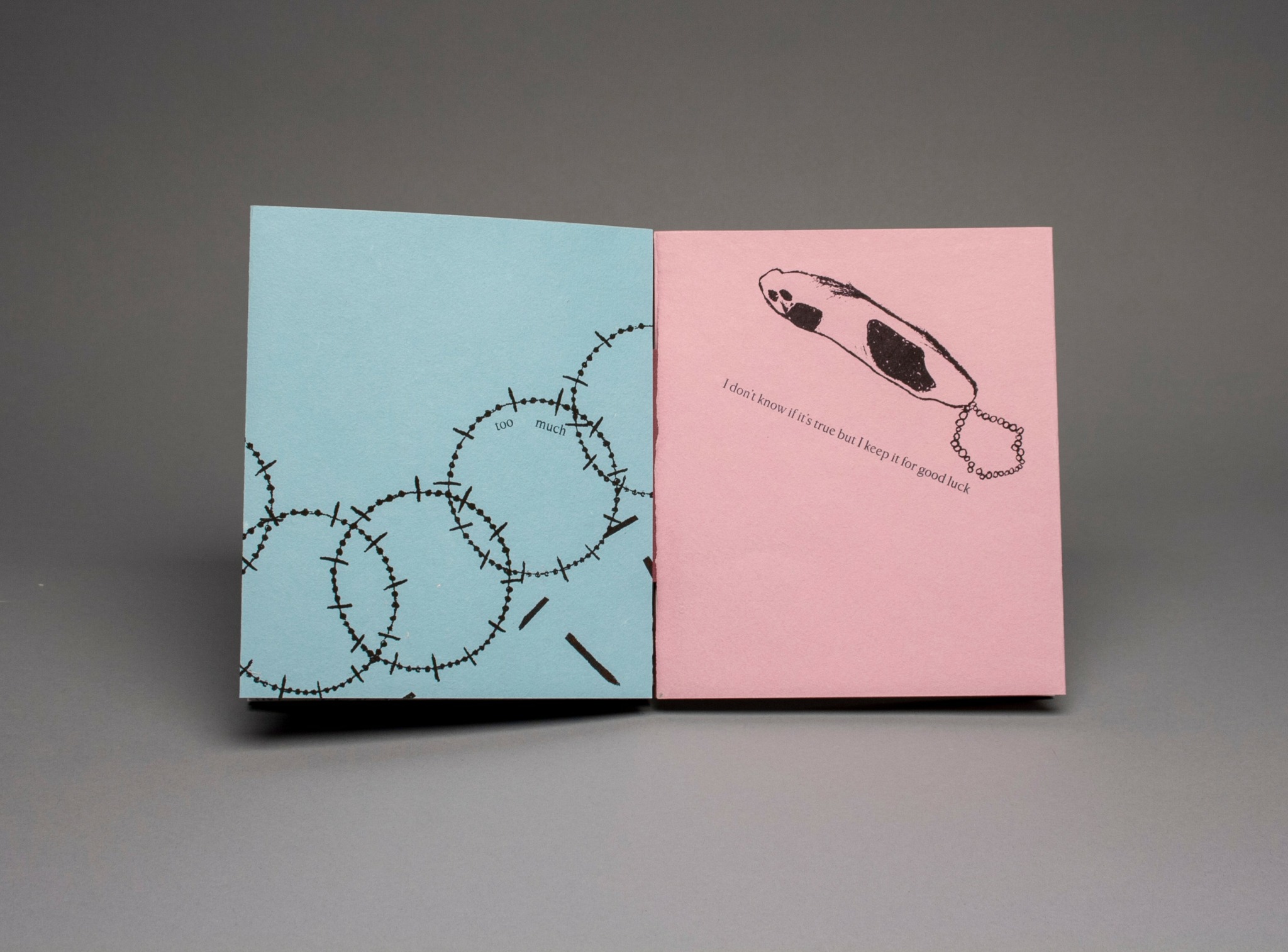
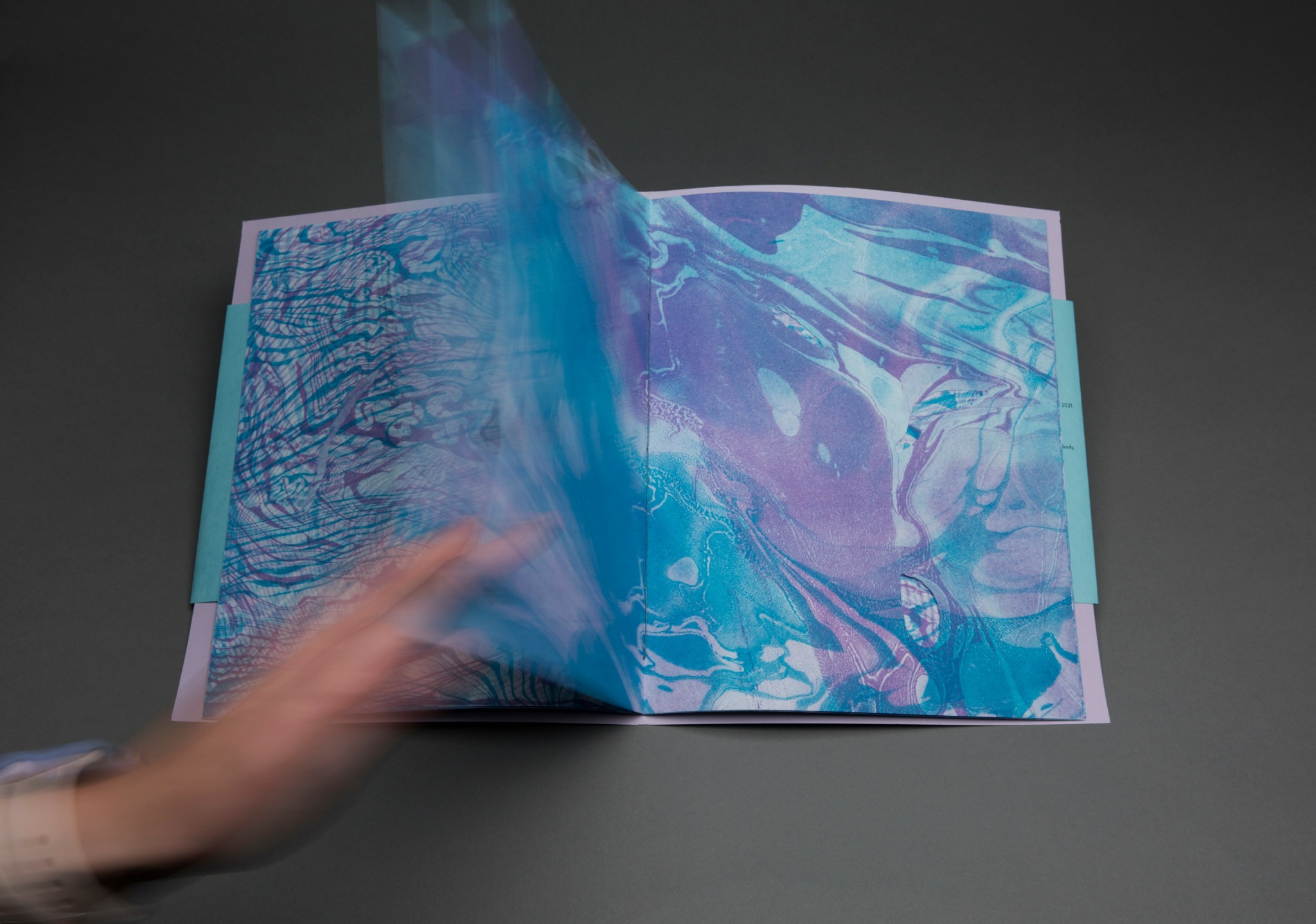
I was born and raised in Philadelphia, PA where I continue my practice. My work explores mental illness and its impact on the human condition. I am interested in examining the relationship between the mind and body — how they work together or conflict with one another in attempt to remain well. Using routine or a ritual practice, as the foundation for my work stabilizes my ability to function and create work. I enjoy printing for dissemination of information, so I prefer making pamphlets and zines over fine bindings. I love to mix print techniques throughout my work, but my favorites include cyanotype, suminagashi, and screenprinting. When I am not in the studio, I enjoy photographing my walks, thrifting ceramics, and vending prints, totes, and jewelry at local art fairs.

In your view, what can society to do to best support artists, creatives and a thriving creative ecosystem?
I believe to be able to support artists and creatives in this day and age would be to stop using AI art. I understand for some this may be a fun and easy way to get results, but it is killing our industry. We need to be able to move away from this generated garbage and commission artists. Some local artists rely on commissions to keep their practice afloat, and I think in order to keep the art culture alive and thriving we need to hire artists.
What’s the most rewarding aspect of being a creative in your experience?
The most rewarding aspect of being an artist is when viewers feel seen through your work. I love when a viewer looks through my art and feels an emotion, whether it be positive or negative. Through art we are expressing ourselves in a way that creates community. We are allowing our experiences to be shared experiences through visual communication. It is a very beautiful feeling and it’s the main reason why I keep going in my practice.
Contact Info: