

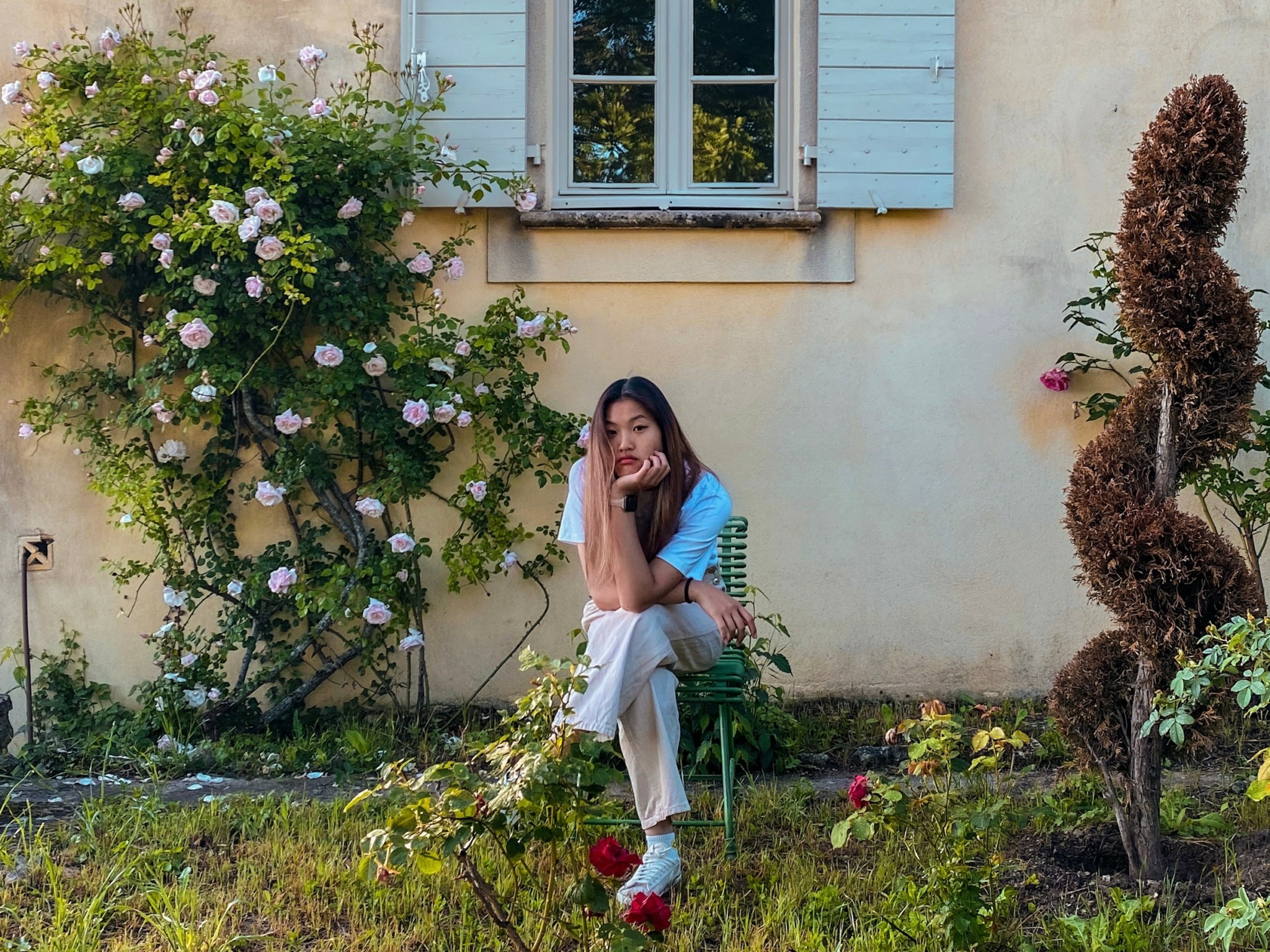

We caught up with the brilliant and insightful Angeline Tjia a few weeks ago and have shared our conversation below.
Angeline, appreciate you joining us today. Can you take us back in time to the first dollar you earned as a creative – how did it happen? What’s the story?
Receiving my first commission was a truly unforgettable experience. It marked the moment when my passion turned into a professional pursuit, and it came with a mix of excitement, nerves, and curiosity. The project involved creating a custom illustration, and what made it even more special was that I got to collaborate with a dear friend and fellow artist, Izma Anwar.
The client’s brief was clear but also left room for creative interpretation, which was both thrilling and a little intimidating for a first-timer like me. Discussing ideas and expectations with the client was a completely new experience. I had to learn on the spot how to articulate my creative vision while listening carefully to their needs. The back-and-forth conversations taught me the importance of asking the right questions and maintaining clarity throughout the process.
Working with Izma added another dimension to the experience. It was my first time collaborating with another artist, and it opened my eyes to the value of teamwork in a creative setting. We brainstormed ideas together, shared sketches, and built off each other’s input to create something stronger than either of us could have done alone. Having someone to bounce ideas off of made the process much less daunting and more dynamic. Izma’s perspective challenged me to think outside my usual approach, and we both grew from the collaboration.
One of the most valuable lessons I learned was how to balance individual creativity with shared goals. The project wasn’t just about making something visually appealing. It was about creating a piece that fulfilled the client’s vision while staying true to our own artistic styles. Navigating that balance taught me the importance of compromise and adaptability in professional work.
When we finally delivered the finished piece, the client’s satisfaction made everything worth it. Seeing their positive reaction and knowing that they appreciated our work filled me with pride. It felt like a validation of my abilities and a milestone in my journey as an artist.
That first commission wasn’t just a job. It was the beginning of my career as a professional creative. It taught me how to communicate effectively, work collaboratively, and meet expectations. Most importantly, it gave me the confidence to pursue more opportunities and continue growing as an artist.
Great, appreciate you sharing that with us. Before we ask you to share more of your insights, can you take a moment to introduce yourself and how you got to where you are today to our readers.
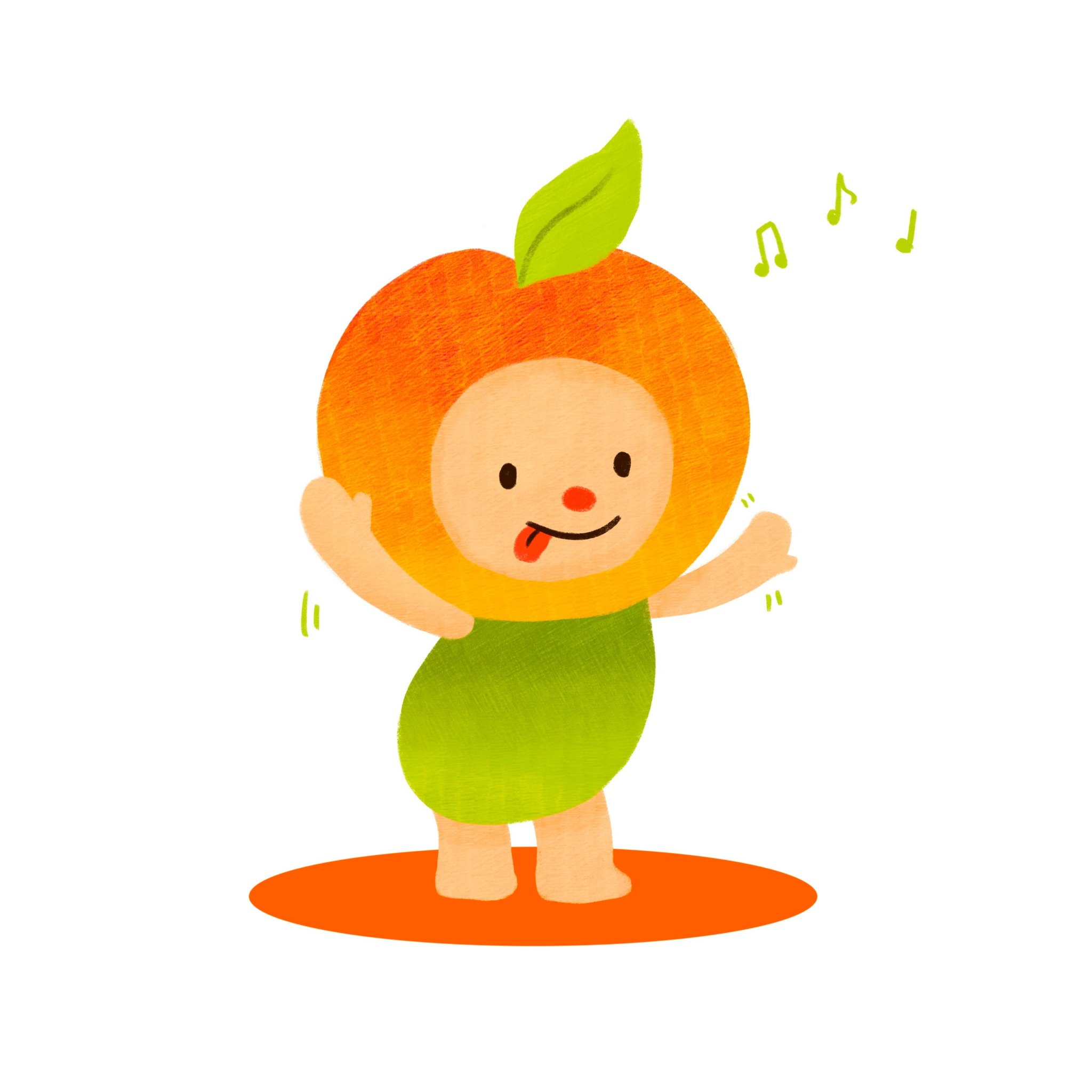
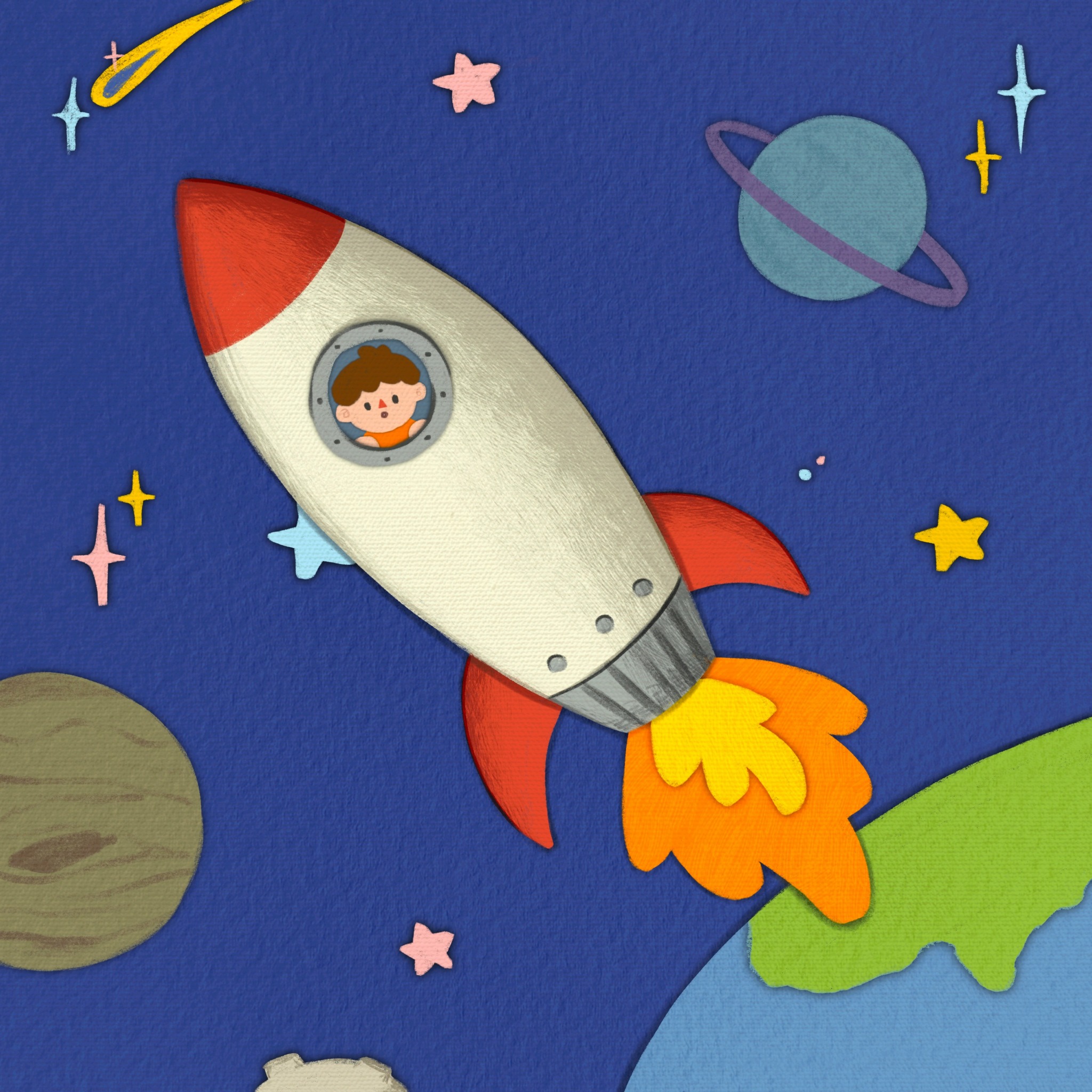
Hi! My name is Angeline Tjia, and I’m an illustrator with a passion for storytelling and creative exploration. My journey into illustration began with a love for visual problem-solving and the joy of bringing concepts to life. Over the years, I’ve developed a fascination for using art to connect ideas with emotions and to inspire new perspectives.
I specialise in crafting unique illustrations that explore motifs, symbolism, and narratives across a range of applications. From children’s books to conceptual art. I also enjoy working on projects that push the boundaries of traditional styles or challenge me to experiment with new mediums, such as motion design.
The problems I solve for my clients often revolve around visualising abstract or complex ideas in a clear and engaging way. Whether it’s developing character designs for a story or brand, creating layouts that capture attention, or infusing a project with cultural or symbolic depth, my goal is always to deliver work that resonates with the intended audience.
What sets me apart is my curiosity and openness to experimentation. I approach every project as an opportunity to explore and grow while staying true to the message at hand. My work is not just about aesthetics, but also about creating meaningful experiences.
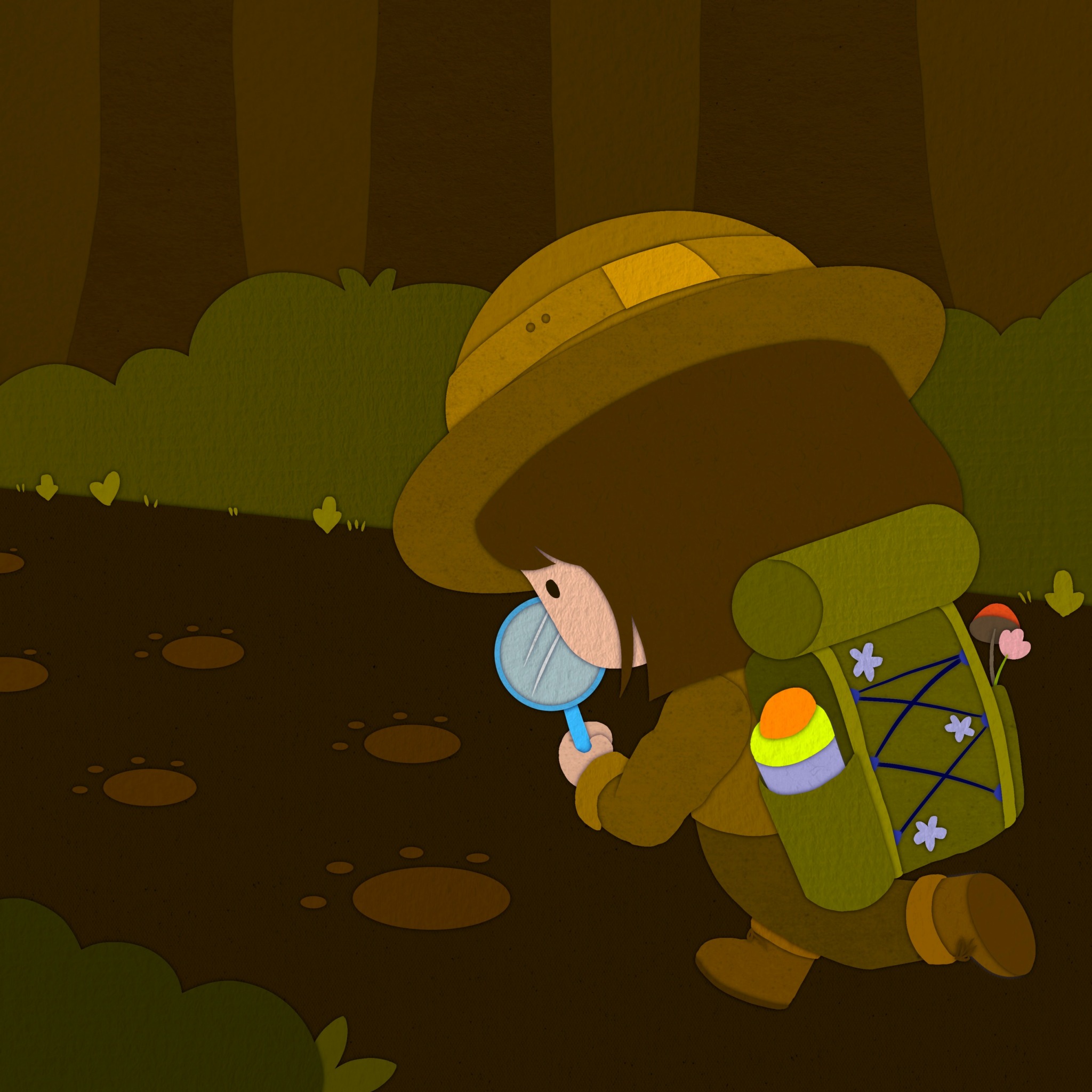
One project I’m particularly proud of is a children’s book I illustrated based on the Singaporean legend of Bukit Merah. It allowed me to celebrate my community while honing my skills in character design, text placement, and limited colour palettes. Projects like this remind me why I love what I do: to tell stories that matter and inspire others.
To anyone considering working with me, I want you to know that I’m not just an illustrator but a collaborator. I thrive on creative partnerships and bringing shared visions to life. I’m excited to keep exploring new styles, media, and ideas while delivering thoughtful, high-quality work that stands out and makes an impact.
What’s a lesson you had to unlearn and what’s the backstory?
For a long time, I avoided promoting my work, believing it would seem self-centred. I thought that if my work was good enough, it would speak for itself and attract the recognition it deserved. However, I started noticing that opportunities often went to those who weren’t afraid to confidently share their projects, speak about their creative process, and celebrate their achievements. I began to feel invisible. Not because my work lacked quality, but because I wasn’t giving it the platform it needed.
This realisation pushed me to confront my ingrained beliefs and unlearn the idea that self-promotion equates to arrogance. I came to understand that being confident in your work and valuing your contributions isn’t boastful, it’s necessary. Especially as an artist. It’s about finding a balance, sharing your achievements and ideas in an authentic way that resonates with others while remaining grounded and open to growth.
Relearning how to confidently share my work and talk about my accomplishments in a healthy manner has been a journey. It’s been about shifting my mindset. Instead of seeing self-promotion as bragging, I now see it as connecting with an audience, building relationships, and inviting people into my creative world. This learning curve has also helped me see the importance of framing my achievements in a way that highlights their value to others, whether that’s through inspiring someone, solving a problem, or telling a story that resonates.
This lesson hasn’t just helped me professionally, it’s also been a personal transformation. It’s taught me that embracing my worth and being proud of my work doesn’t diminish my humility. It enriches my ability to contribute meaningfully to the creative community. Sharing my journey has allowed me to open up to collaborations, new opportunities, and connections I would have missed otherwise.

Is there something you think non-creatives will struggle to understand about your journey as a creative? Maybe you can provide some insight – you never know who might benefit from the enlightenment.
One thing non-creatives often struggle to understand about the creative journey is the amount of invisible work that goes into it. A finished piece might look effortless, as if the idea came together in an instant. In reality, every project requires hours, or even weeks, of experimentation, problem-solving, and emotional investment. Creativity is not just about talent. It is a process filled with trial and error, self-doubt, and ongoing learning.
For example, people may think inspiration happens naturally, but it often takes effort to find. We spend time researching, brainstorming, and immersing ourselves in ideas. Sometimes, we revisit failed attempts to find new ways forward. It is not just about making something that looks good. It is about creating something meaningful that communicates effectively.
Another challenge is the vulnerability of sharing creative work. When we put our projects out into the world, we are not just showing a skill. We are revealing a piece of ourselves, whether it is our ideas, perspectives, or even fears. This can feel intimidating, especially when society often undervalues creative work or only measures its worth by commercial success.
Handling criticism and rejection is another part of the journey that is not easy. Constructive feedback helps us grow, but it can still be hard to hear. Every time someone says no, it can feel like a personal rejection, not just a rejection of the work itself. It takes time and resilience to learn how to separate the two and to keep pushing forward.
People also might not realise how much business knowledge is needed to succeed as a creative. We are not just artists. We have to be marketers, negotiators, project managers, and strategists. Balancing the need to earn a living with staying true to our vision can feel like walking a tightrope.
For those outside the creative field, I encourage curiosity and support. Asking us about our process can help you see the effort and thought behind the work. Supporting creatives by celebrating their work, paying fairly, or even acknowledging their value makes a big difference. These small actions help create a world where creativity can thrive.
Contact Info:
- Website: https://www.thegrowingideas.com
- Instagram: https://www.instagram.com/thegrowingideas
- Linkedin: www..linkedin.com/in/angeline-tjia/
Image Credits
Angeline Tjia (The Growing Ideas)