
Alright – so today we’ve got the honor of introducing you to Angela Rustici. We think you’ll enjoy our conversation, we’ve shared it below.
Angela, appreciate you joining us today. When did you first know you wanted to pursue a creative/artistic path professionally?
Opening a box of Crayola crayons for the first time sent me into a world of color that I would continue to explore for a lifetime. Just that smell alone can ignite a need to create. I was around age 5 and was asked to make a card at home for my teacher. I had no idea where to begin. My mother sat down to help me and drew an outline of a few tulips and grass and showed me how to color it in. With that new box of crayons and that card to color in, I was off. That one joyful moment spun off a lifetime of creativity.
Awesome – so before we get into the rest of our questions, can you briefly introduce yourself to our readers.
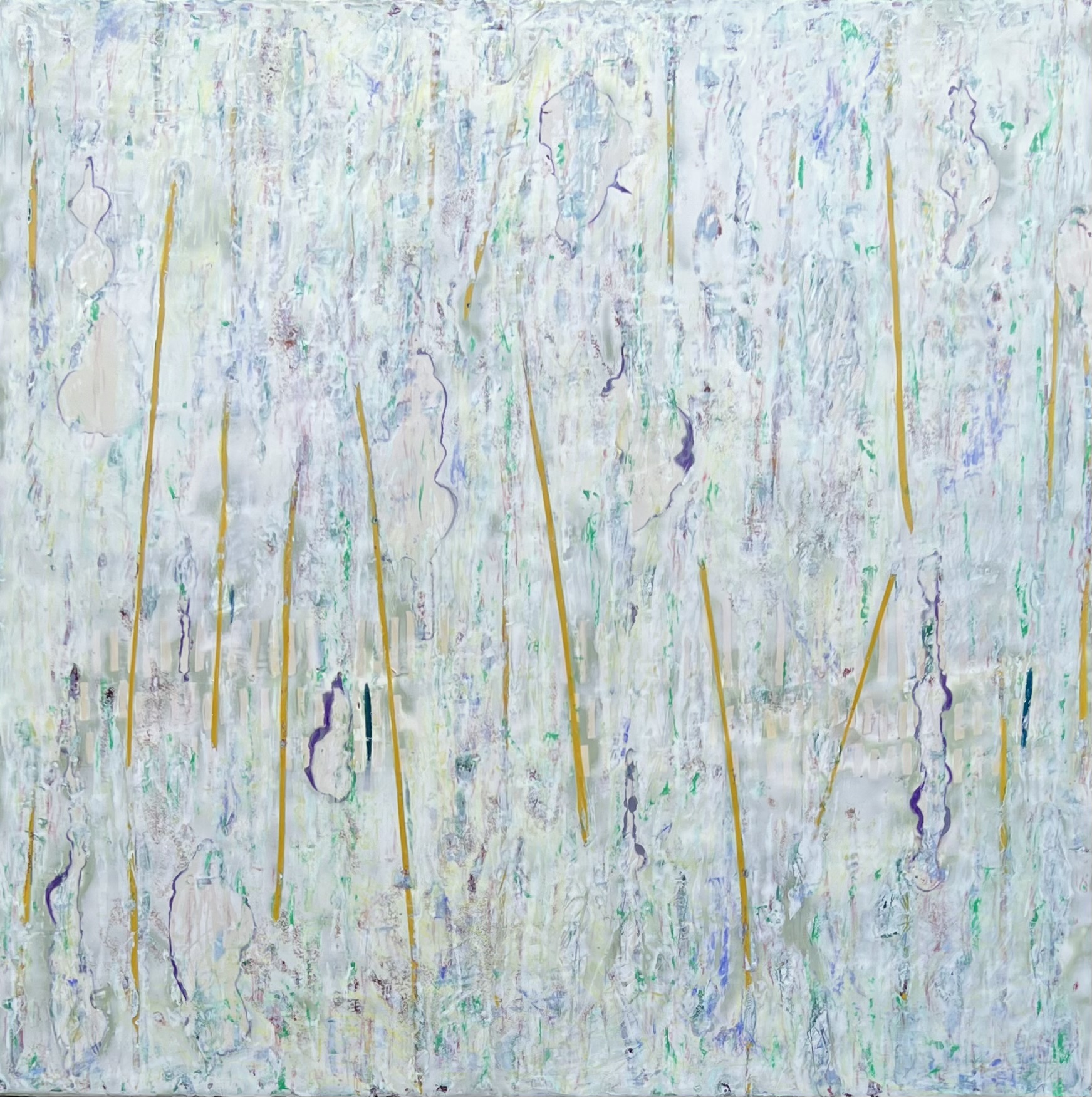
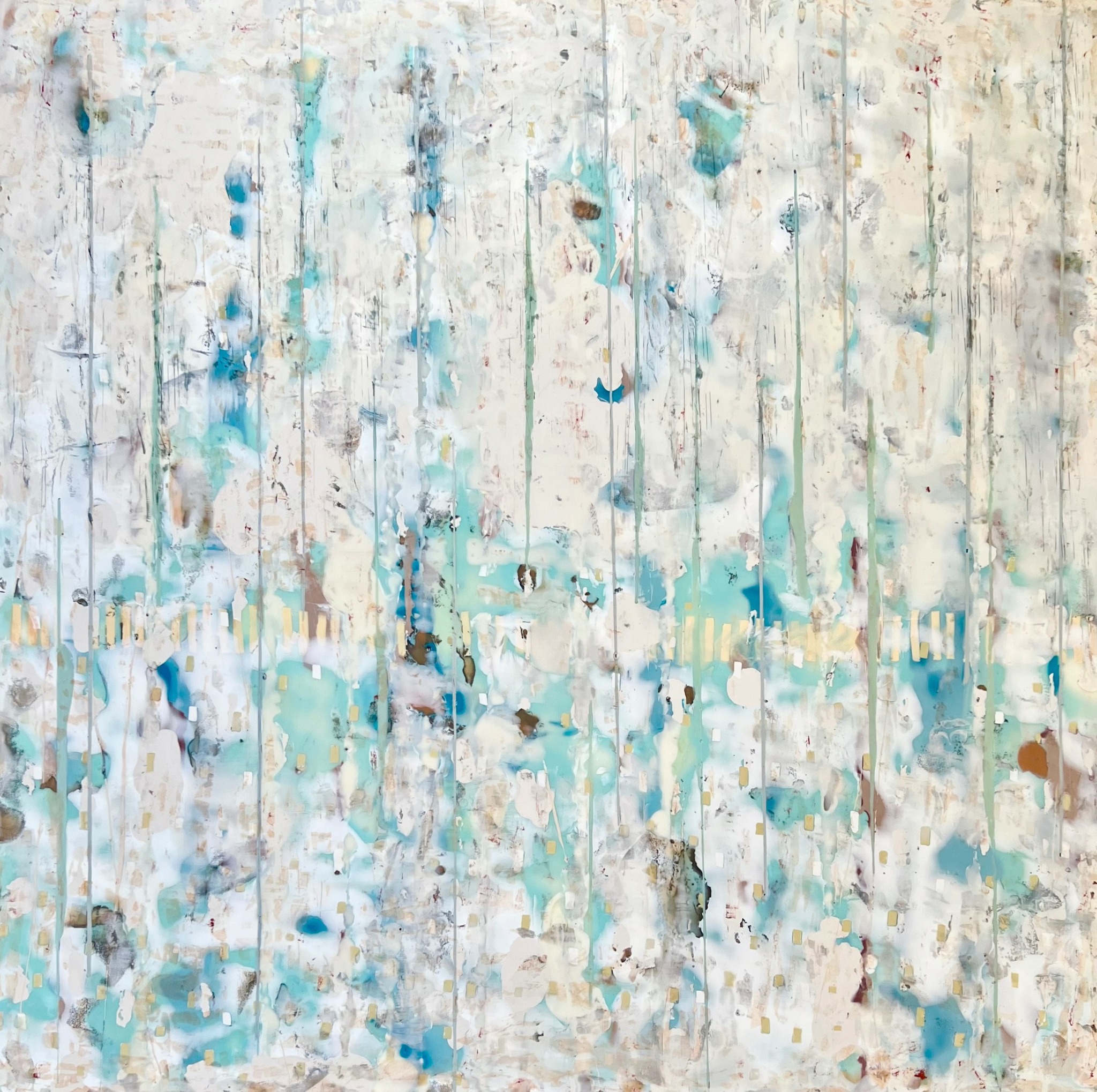
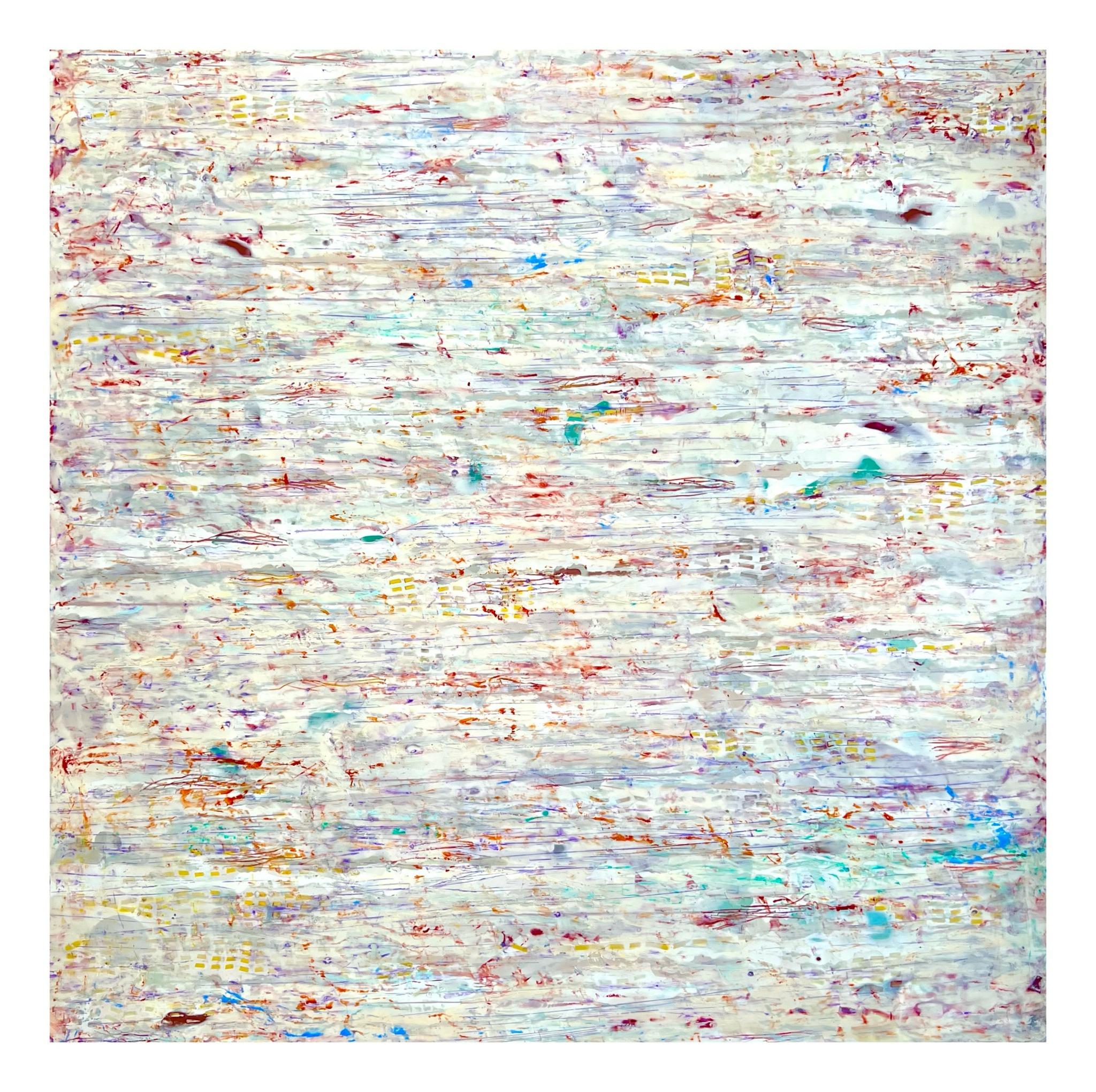
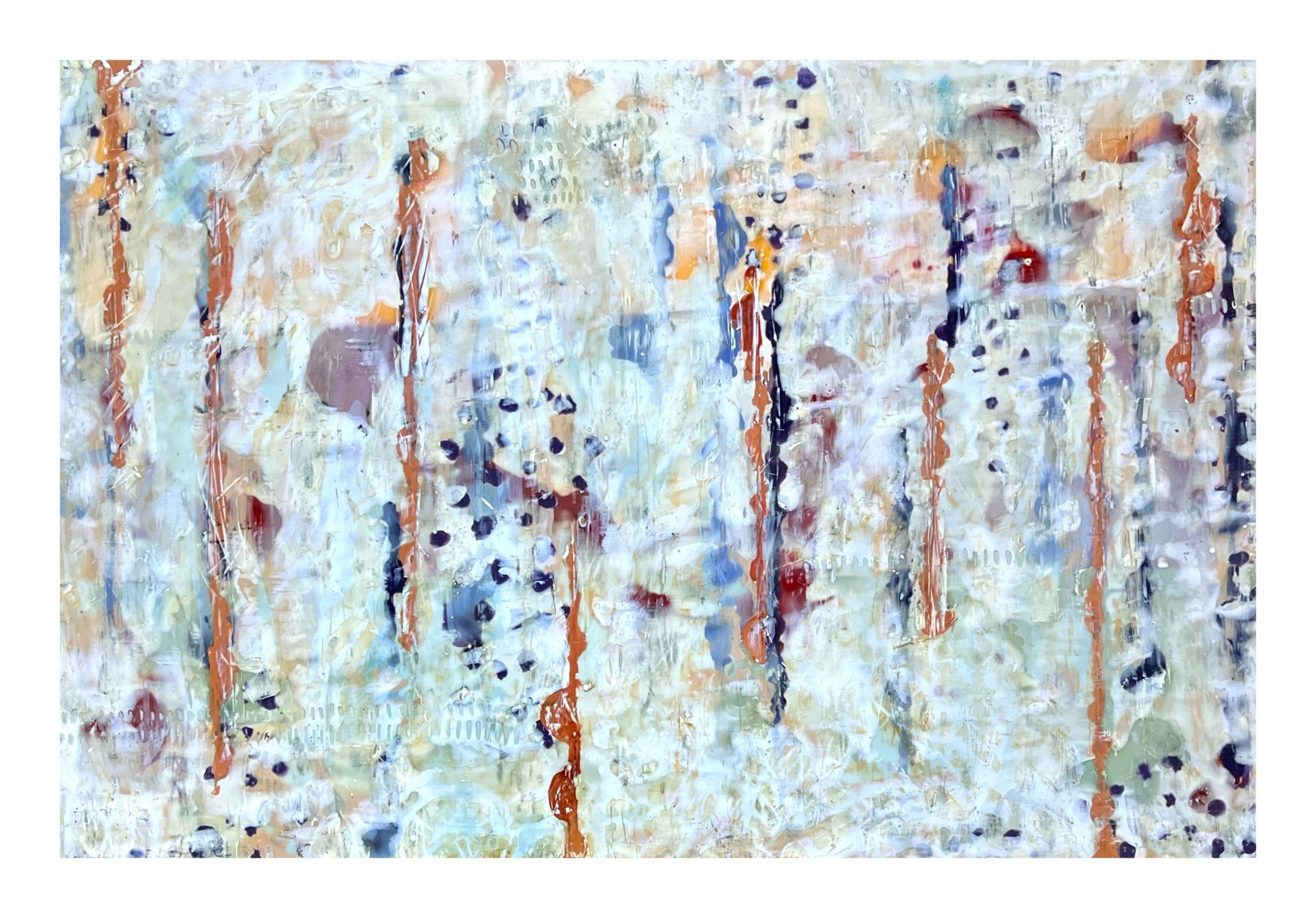
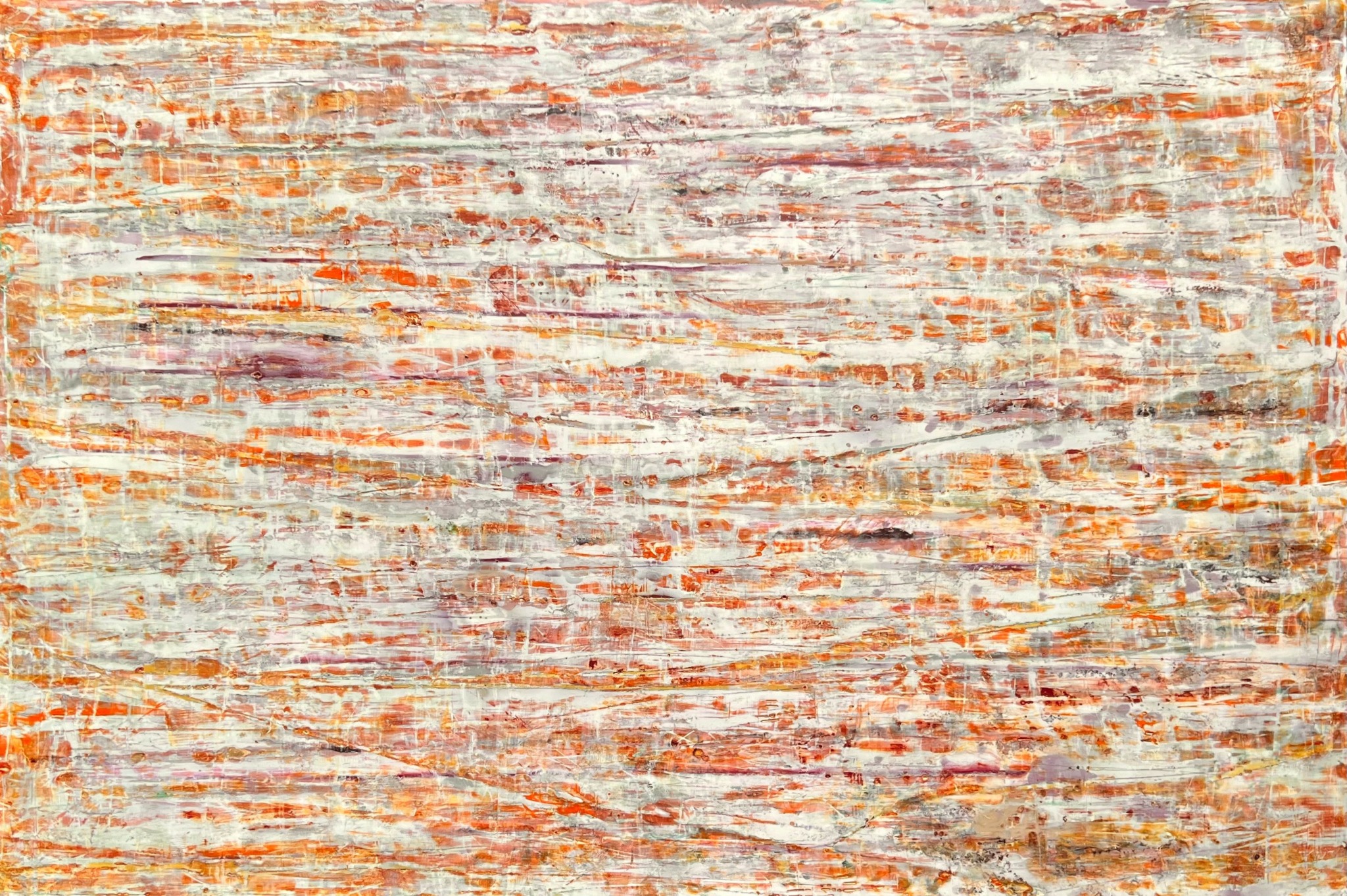
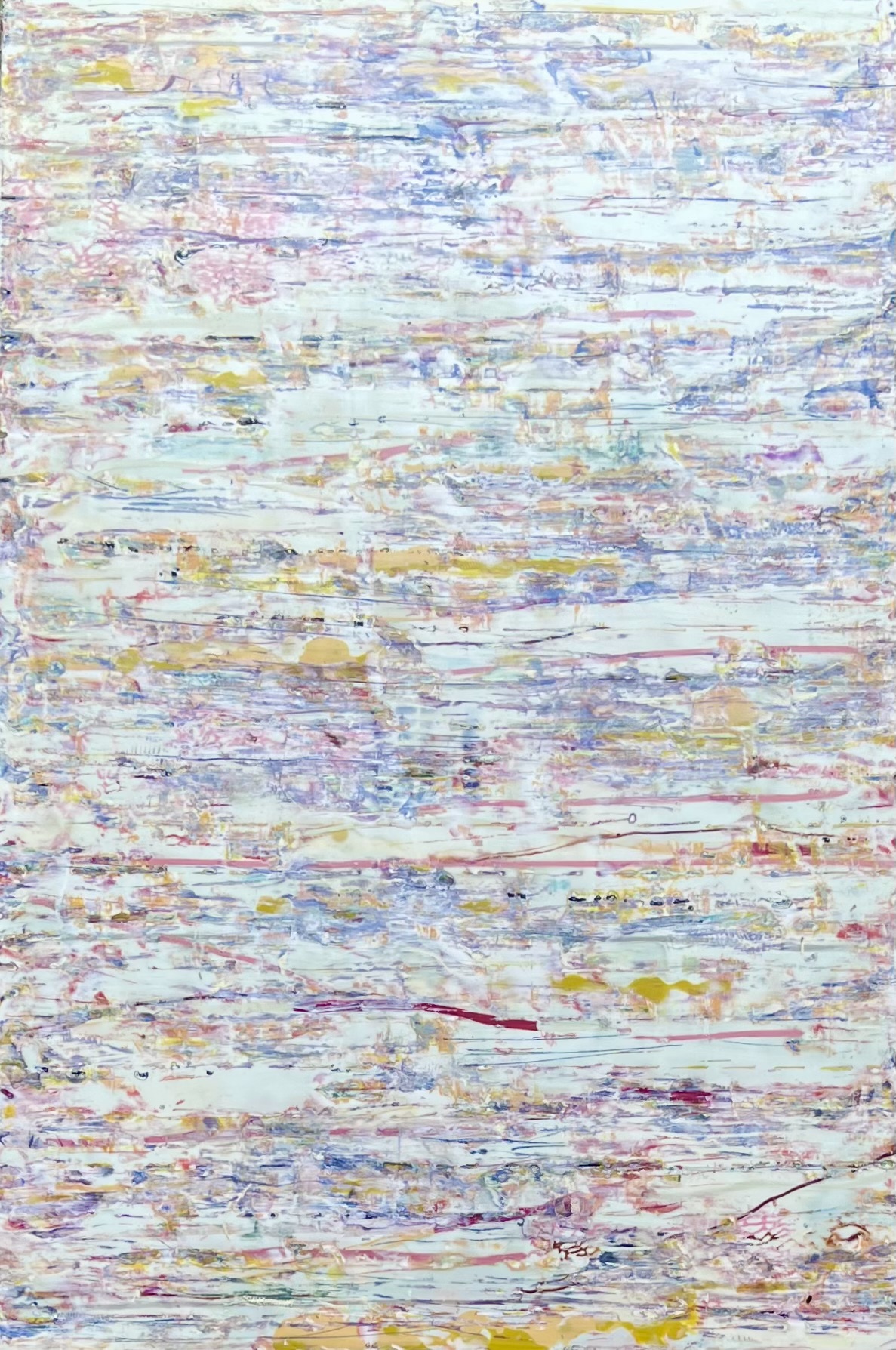
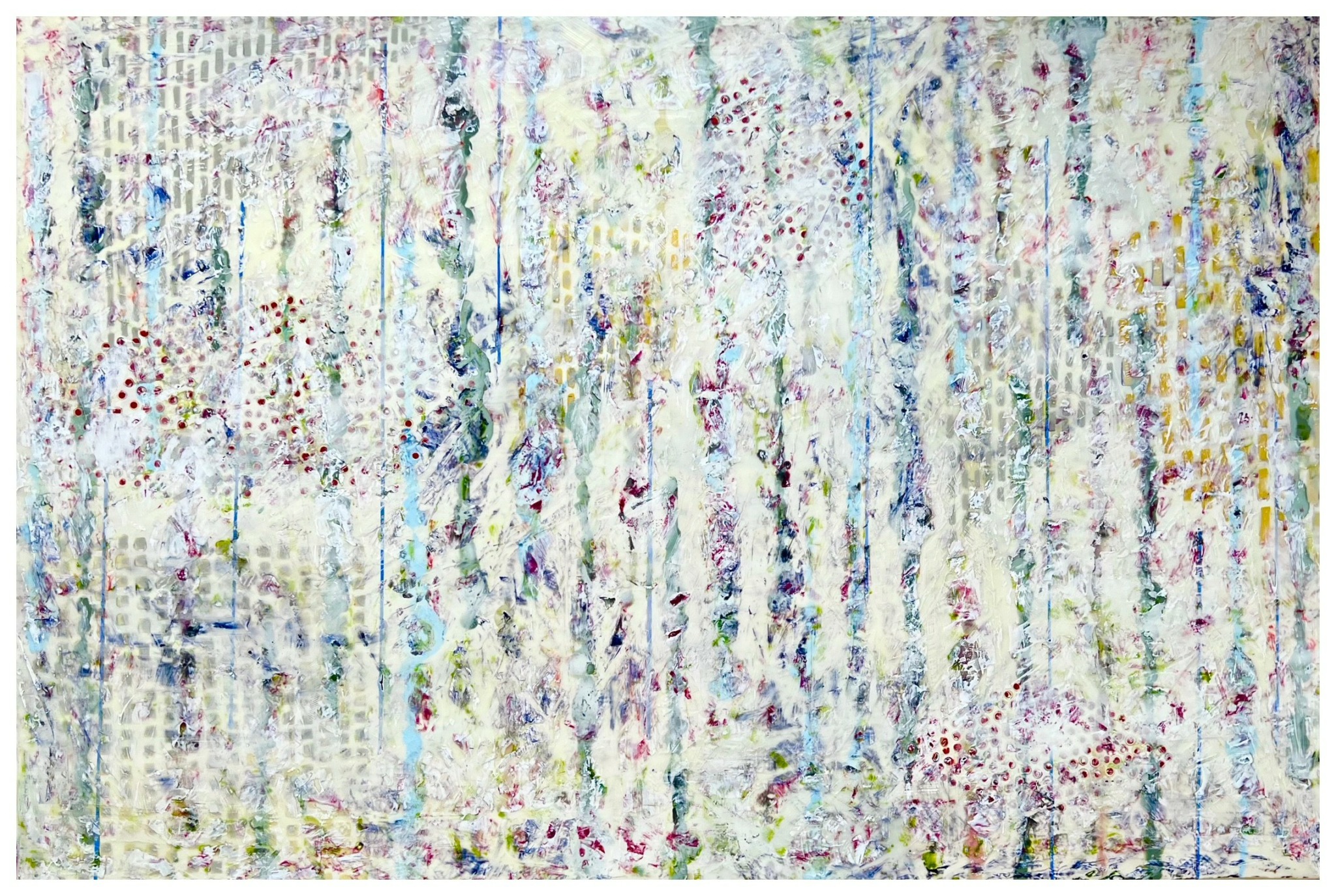
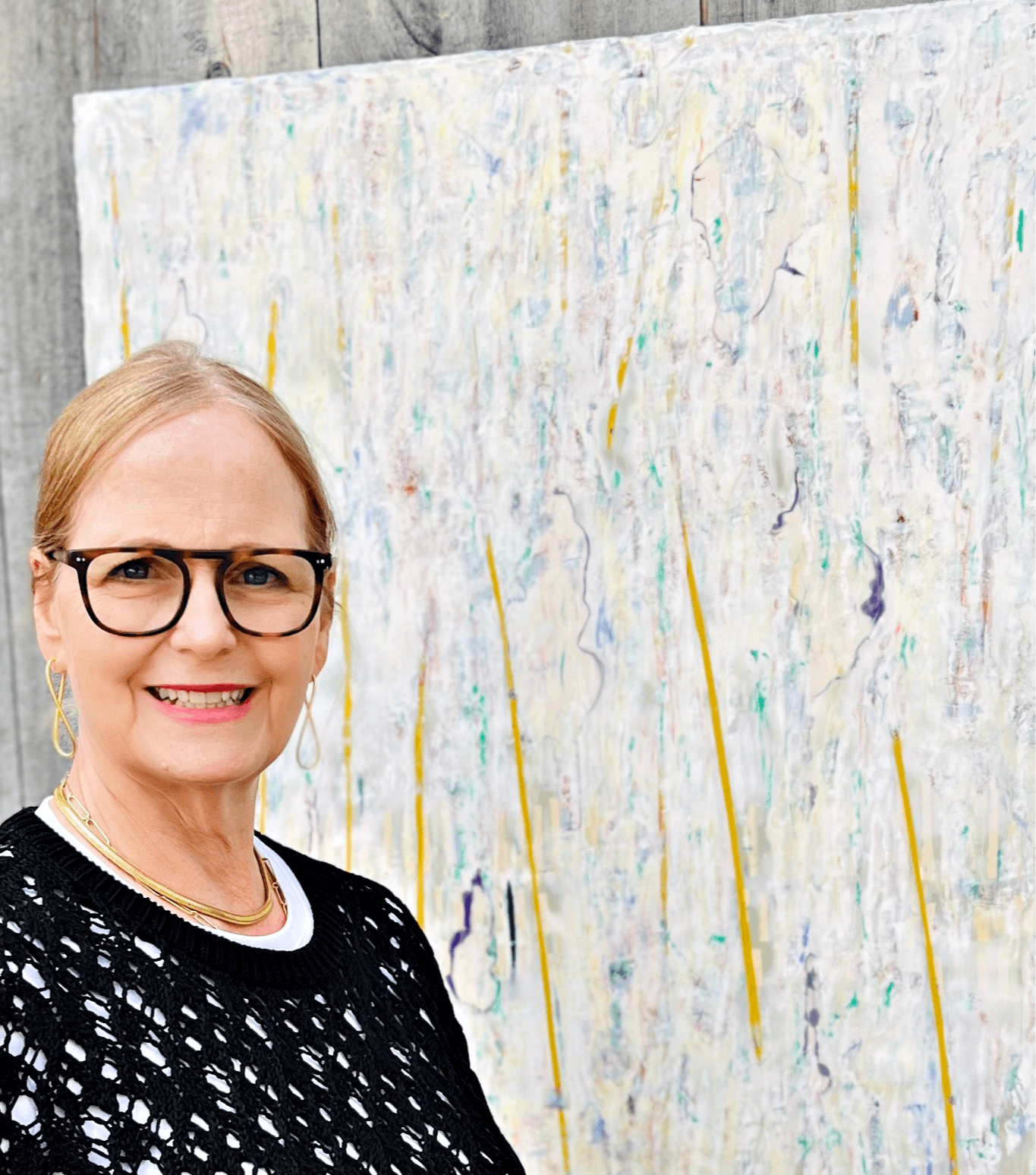
I am an artist residing in Ridgefield, Connecticut, working primarily in encaustic and oil paint with a focus on abstraction and surface tension. Encaustic is a mixture of beeswax and pigment which is heated and applied to the surface; in my case I use wood panels. Encaustic dates back to the 4th century and can be found throughout art history, including well known artists such as Jasper Johns and Diego Rivera.
Art allows me to connect my internal world with the external world. The act of painting creates a space where I get to be uniquely me, quiet the world and create a new language. Being an artist is an exploration. It is an exploration of the materials, the world around me, the layers of memories and my connection to them. Since my work is not representational, I rely on my senses and memory to guide me through each journey. This practice allows me to engage in the river of my life, to connect, understand, and engage in ways that I would not do otherwise.
With the understanding that I am working abstractly and working with a very seductive medium, the initial concept begins somewhat loose. I want to work with a specific palette and I am often working back to front. I will generate patterns; sometimes linear and sometimes organic. I need to determine what colors are going to be part of the undercurrent of the painting and how that color will present itself in the final layer. Each piece has anywhere from 12 to 20 layers of wax. Each layer is its own story in terms of luminosity, opaqueness, texture, patterns. I repeat many of my marks to obtain consistency and cohesion in each layer of wax. They are a way for me to mark time and create patterns. I continuously scrape away some of the surface to expose what is beneath. There is the element of chance in every piece. Painting in encaustic challenges the hard decisions and encourages intuition. It is a meditative process.
For you, what’s the most rewarding aspect of being a creative?
I believe that humans are instinctively creative and curious creatures. Art encourages people to think differently. I like when people engage with my work. It fosters community which is so necessary to the artist who often works alone.
One of the most rewarding aspects of being an artist is that I get to tell a story and create the language in which to tell it. I love the idea that how and what I paint is solely unique to me. For me it is necessary to make art and to paint. It is a meditative practice. It requires discipline: To show up each day and give my all to my work.
Can you tell us about a time you’ve had to pivot?
I have spent most of my life pivoting. Right out of high school I studied business and liberal arts. One of my professors saw something in my art, encouraged me to focus on the fine arts, and gave me a list of schools to apply to.
Pivot: I moved 3000 miles away to study painting and printmaking at the San Francisco Art Institute. It gave me a great foundation in the fine arts, however, did not provide me with any skills to make a living.
Pivot: I started a jewelry business not too long after graduating that lasted 20 years, providing me with an income and giving me the flexibility to raise my children. There were many pivots as a business owner to meet the demands of the market. I was successful, stressed out and eventually not satisfied. I created very little art during this time.
Pivot: I took a very part-time job with a luxury clothing brand that turned into full-time and then into management. Ten years later, successful, stressed out and unsatisfied. During this time, I returned to painting, took several workshops, spent weekends and evenings painting. I eventually began showing and selling my work. It felt like I was working two jobs and living two very different lives.
Pivot: I was able to leave my job and paint full time. In my mind, I am satisfied, successful and not stressed out. Gratitude!
Everything I did prior to painting full-time, is important and part of me. Pivoting is important and shows resilience. Pivoting doesn’t happen overnight. Pivoting is a process that begins way before it actually happens. Being a full time artist right out of college was not a reality nor an option. My advice, is do what you need to do, but always keep your eye on the ball. You never know where it will lead you.
Contact Info:
- Website: https://www.angelarustici.com/
- Instagram: https://www.instagram.com/angelarusticiart/
- Facebook: https://www.facebook.com/angela.rustici/
- Linkedin: https://www.linkedin.com/in/angelarustici/