

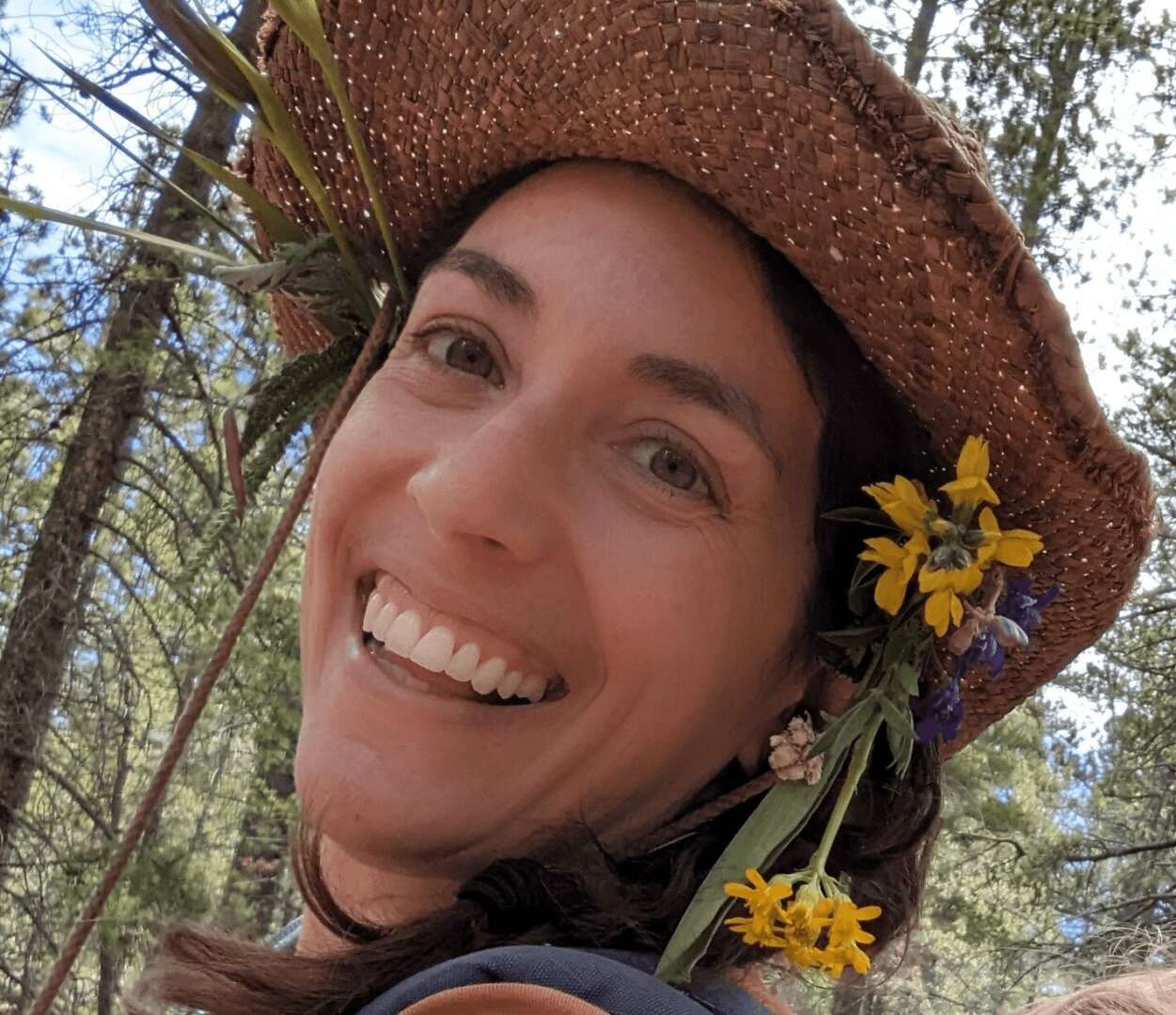

Alright – so today we’ve got the honor of introducing you to Angela Marchant. We think you’ll enjoy our conversation, we’ve shared it below.
Hi Angela, thanks for joining us today. We’d love to hear the backstory behind a risk you’ve taken – whether big or small, walk us through what it was like and how it ultimately turned out.
I am the sole breadwinner of my family. My wife, an RN, left her hospital job in late 2020. Two healthcare workers alternating shifts to care for our toddler was difficult, to say the least. Six months prior to the pandemic, I started my first job after training at a community health center, providing primary care and obstetric care to all ages inaa a wonderfully diverse, medically and socially complex patient community. Facing the complexities of racism and classism as they impact peoples health was a privilege and very challenging. I loved my patients. But over time, seeing 20 patients a day, delivering babies at night, and finding time to care for my two children became too challenging. My nervous system couldn’t take it anymore. I had been running on empty for many years. After a beautiful pregnancy ending with an emergency cesarean under general anesthesia, then struggles with breastfeeding because of a restrictive tongue tie and going back to work in the harried primary care world, I battled postpartum anxiety. And I survived. Part of my survival, it became clear, meant I needed to leave the frenetic place that had driven me to the ground. I wondered if primary care was the place for me. I had feared burning out, and now that fear became a reality. As an osteopath, I cherish caring for my patients from a holistic perspective. I decided to stop practicing obstetrics but continue primary care. But as the solo income earner for my family, needed to find another source of income. I decided to start an osteopathic manual medicine practice one day a week. And it was wonderful. Being my own boss, supporting patients in their transformation and healing, taking time to listen and be with them, use my hands to help facilitate healing was what I was craving. And I realized that patients needed it as much as I did. They needed a comprehensive primary care approach with an osteopathic perspective. I decided to leave my employed job, the salary, health insurance and other benefits, and take the leap. I submitted my notice and spent nights after my kiddos went to bed working on opening my practice. In May 2024 Tallgrass Osteopathic Family Medicine Direct Primary care opened our doors and arms to patients. We have been slowly growing, building a practice with sustainability at its center, for both doctor and patient. While I am living off savings, working a side gig at urgent care to keep my family afloat and keep my student loans paid, I don’t dread going to work anymore. I actually love it, am eager to hear from my patients and support their healing journeys.
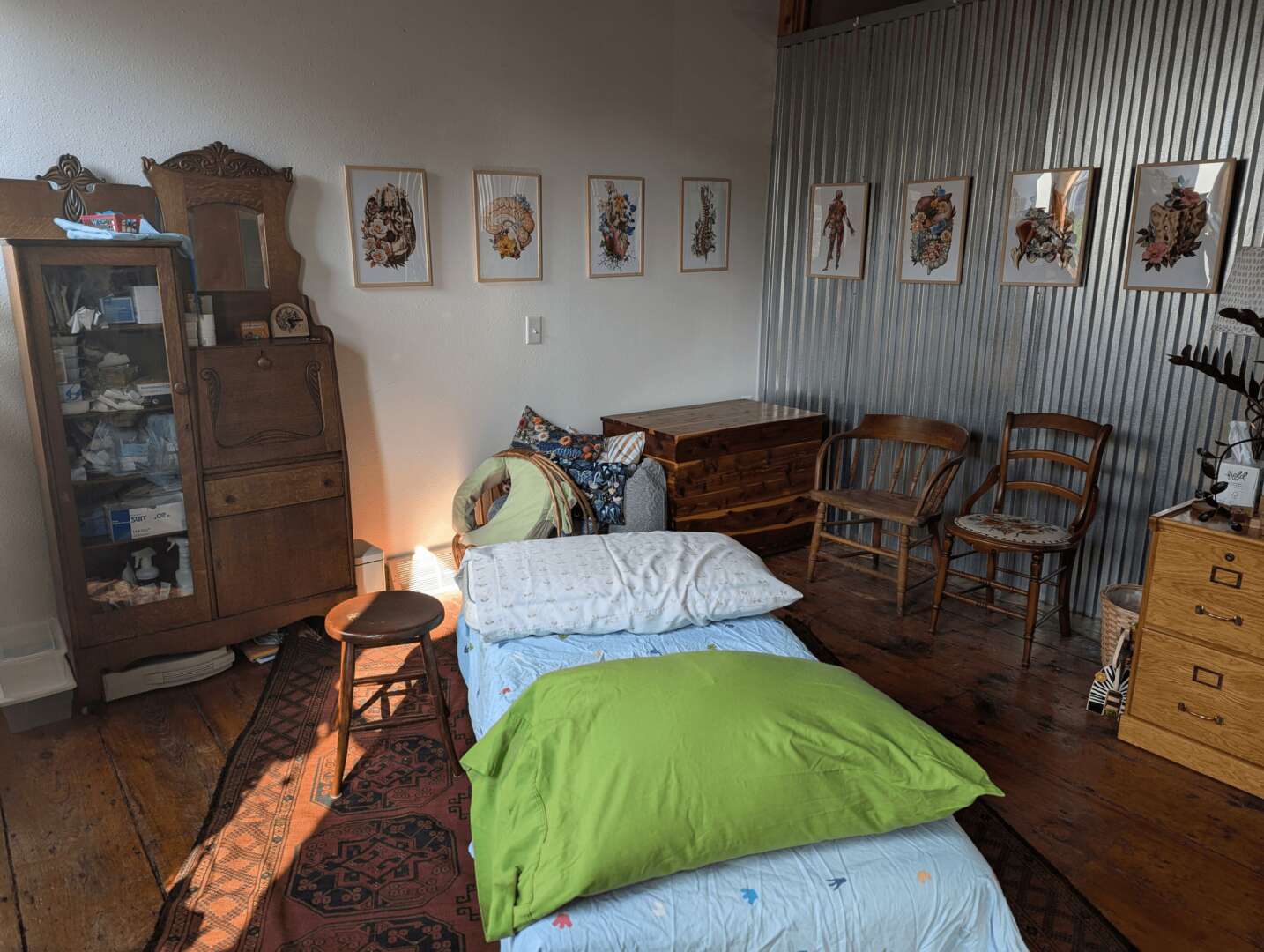
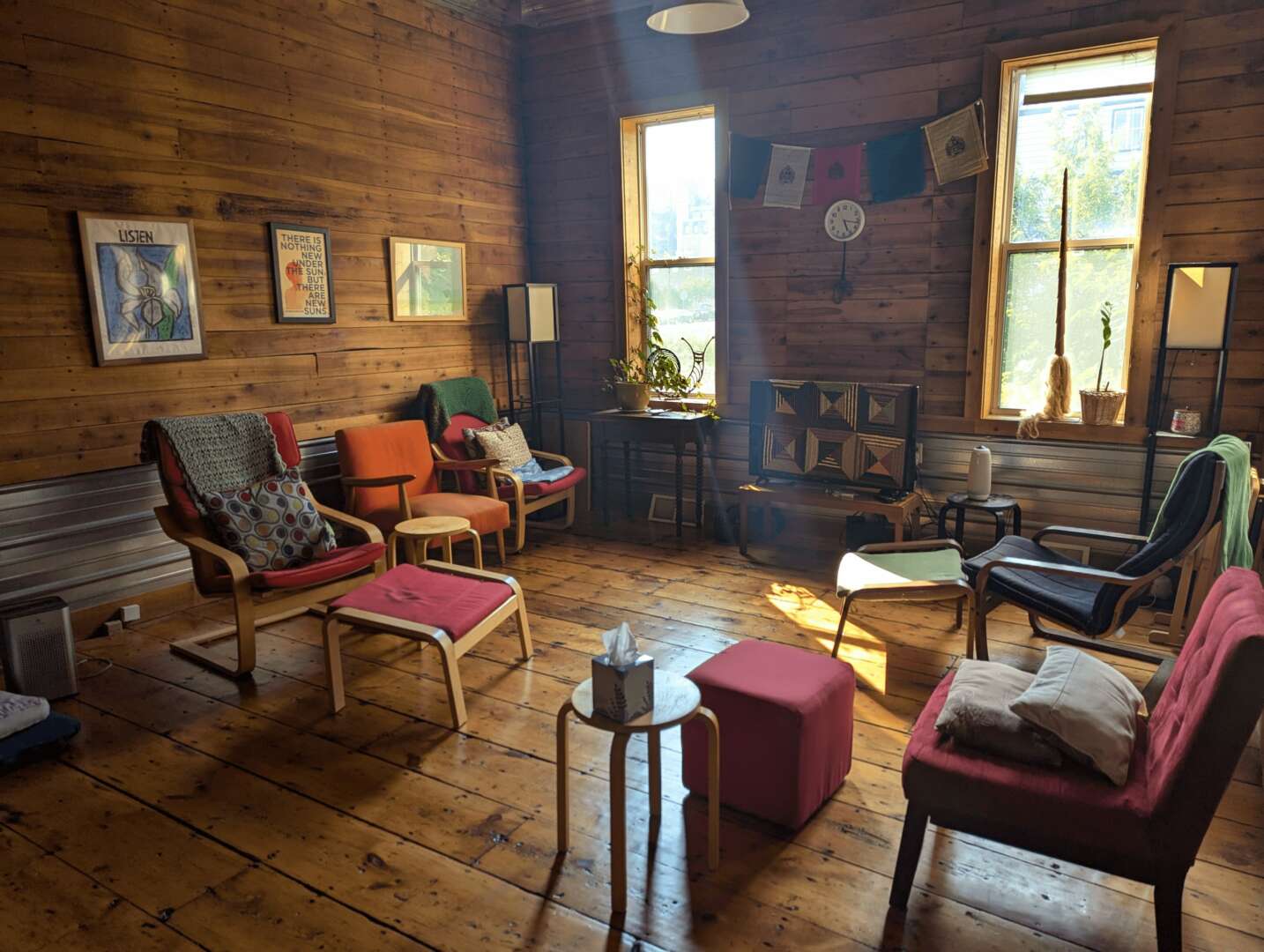
As always, we appreciate you sharing your insights and we’ve got a few more questions for you, but before we get to all of that can you take a minute to introduce yourself and give our readers some of your back background and context?
Osteopathic medicine is a holistic approach to health. We find the health not the disease. It is founded under the knowing that structure is related to function, and if you can optimize the structure then the function will follow. We use manual medicine to do this together with whole person philosophy. Many forms of Western bodywork have a risen from osteopathy: chiropractic, craniosacral, myofascial release, visceral manipulation, physical therapists use osteopathic techniques such as strain-counterstrain and muscle energy. The list goes on. Patients who feel like they aren’t being heard, that there aren’t solutions in the traditional healthcare system, often land in the hands of an osteopath to help them sort through issues. I see a lot of babies with torticollis, plagiocephaly, breast-feeding challenges, parents with over supply or under supply, breast and chest pain, anxiety and depression. I see people with knee pain and edema that won’t resolve with physical therapy or other traditional treatments. Low back pain in folks who want to avoid invasive procedures and surgery. I see lots of people with pelvic floor discomfort and constipation, recovering from birth or trauma. Folks who are working to heal from chronic migraines or concussions or whiplash. People who are in big life transitions such as menopause, or losing jobs, gender discovery or early parenting who want support from a physician who will actually lay hands on them and listen to what their body needs. I integrate this type of treatment into my primary care practice, so that kiddos with frequent ear infections can get antibiotics but also can get osteopathic treatment to help their bodies heal. So that babies who are struggling with developmental delays and their parents who are nervous about the long term outcomes for their babies can feel supported and heard and that they’re actually doing something and not just waiting for their fears to become realized. I have a patient I started seeing early in my career. She was 20 years old but walked around like an old lady. She had to wear sunglasses because the light was too bright, she couldn’t work and was on disability Medicare and Medicaid. She had suffered a lot of trauma, chronic pain, and strange reactions and was overwhelmed. Through osteopathy, through hard work with therapy, she is now a bright shining star: she recently got married, no longer qualifies for disability, has health insurance through her employer and is no longer on Medicare or Medicaid. She’s a beautiful success story. It took many years of work, many treatments, lots of patience and time, and she is a new woman. Osteopathy is a beautiful way to really meet a person where they’re at and promote their health.
Osteopathy is a beautiful compliment to direct primary care. I can see anybody for osteopathy but patients who join my direct primary care practice get a discount, and it’s included free for children. Direct Primary Care is a model that does not utilize health insurance. Patients pay an affordable monthly membership fee and all Primary Care is directly with their doctor. It’s a response to the broken healthcare system, taking out the middleman, avoiding the markups that insurance institutes, bringing the care back into healthcare.
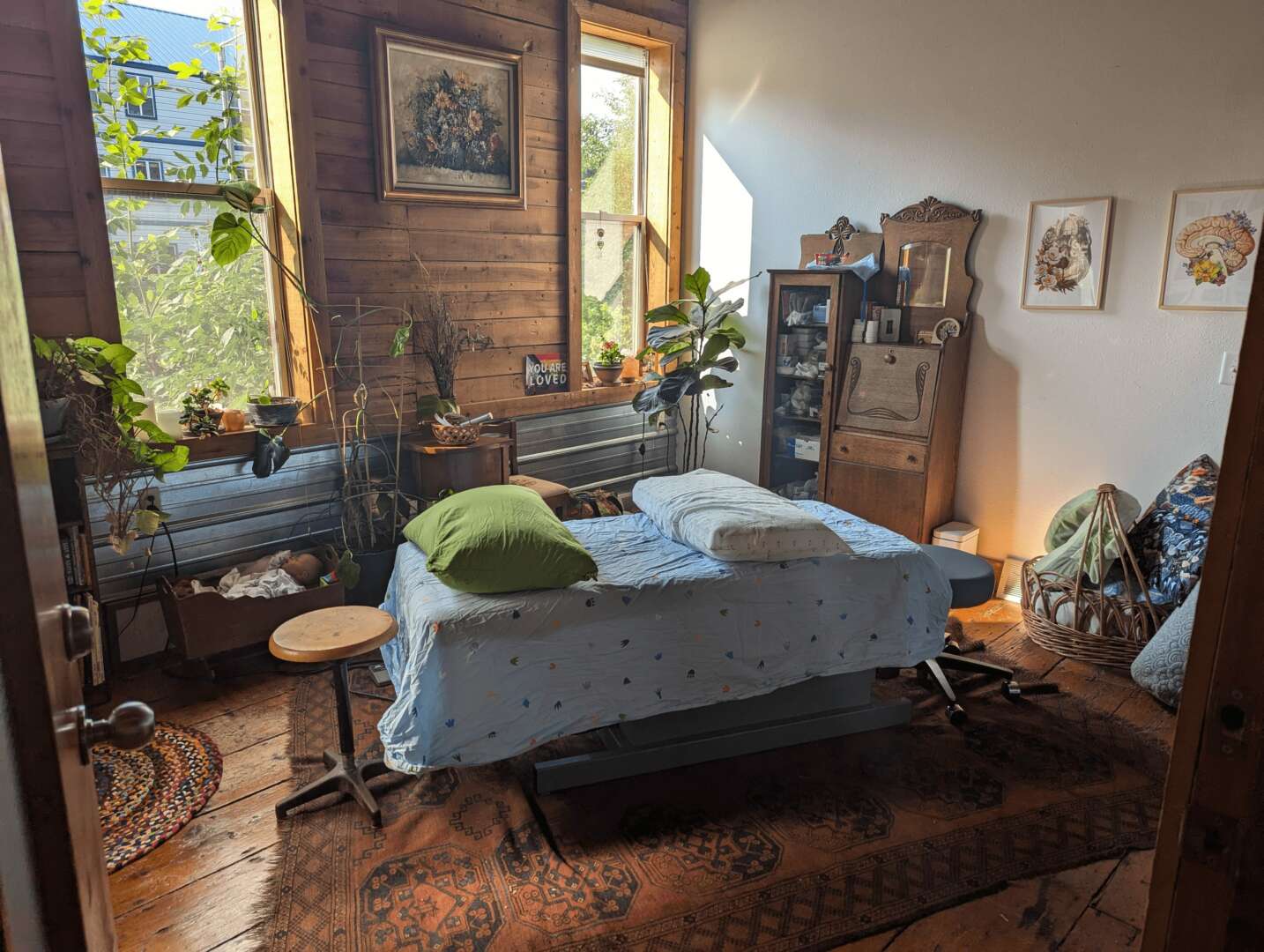

Can you talk to us about how your funded your firm or practice?
When I opened Tallgrass, I did not want to go into debt. I have plenty still from medical school. I paid myself $1000 back that I initially invested for start up costs, and then have used all the money I earned from my initial osteopathic practice to fund my primary care practice. The osteopathic practice supports the growth of the primary care practice. I’m about to start paying myself, just two months into starting the DPC. Having a diversity of services and options to support patient and families has been a wonderful complement and financial security for me. I’m looking forward to adding breastfeeding medicine consultations and group support, second opinion consultations as well as fertility services especially for LGBTQ families as I have more capacity.

We’d love to hear a story of resilience from your journey.
Doctors are worked to death. In medical school every month I got a new job, a new clinical rotation where I had to be there early in the morning and stay until late at night, learning the skills I needed to become a doctor. And in internship and residency, I worked 80 hours a week regularly. I was up all night for weeks on end and then would switch to day shift and then alternating and going back to nights. At the end of my 3 year residency we had our first child. So after my training was done, I was beyond sleep deprived from residency and that first year of parenting. Six months later, just as I was getting the hang of my first job as an attending, the pandemic hit. And a new level of stress was interrupting my ability to rest. In our culture, in our grind culture, we just don’t rest. Phones and pings and fast fashion and fast food big bang boom. Osteopathy has taught me how to regulate my nervous system and to deeply rest. I don’t Think I do it well, but I keep coming back to it. It’s like a muscle I regularly have to work out, otherwise I forget how to exercise it. Even if I lay on my own table for a few minutes a week, that’s a win. Or if I go on a walk with a friend or paint a painting. I relish in the small successes. Because I’ve been part of grind culture for so long. Especially as a new business owner, there’s so many things to do and be thinking about and networking not to mention taking care of patients. Different teachers and guides have reminded me: Meditate. Land on the Earth. Look at the sky. Go on a hike. Explore the prairie. In 2020, when we couldn’t safely be in the presence of any strangers, I would take my toddler to a native remnant Prairie. We went weekly. The Oak Savannahs of southern Wisconsin are one of the most endangered landscapes in the world. The small plot of land that has become a good friend has never been tilled. The diversity of the plants there is incredible. It’s up on a drumlin, a dry hill, and the stunning subtle beauty of the tallgrass prairie has saved my life over and over. It is the namesake of my second child and of my practice. The ability to be present, to follow the pace of my kids, to lay on the earth on that prairie, and to keep returning to it over and over even when the darkness enveloped, the depths of postpartum depression and pandemic isolation made it hard to see the light. The earth teaches me, reminds me of my/our resilience. Reminds me of divine stillness.
Contact Info:
- Website: https://www.tallgrassosteopathy.com
- Instagram: https://www.instagram.com/tallgrassosteopathy
- Facebook: https://www.facebook.com/tallgrassosteopathy
- Linkedin: http://www.linkedin.com/company/tallgrass-osteopathic-family-medicine/
- Yelp: http://www.linkedin.com/company/tallgrass-osteopathic-family-medicine/
- Other: https://www.tiktok.com/@tallgrassosteopathy


Image Credits
Angela Marchant DO