

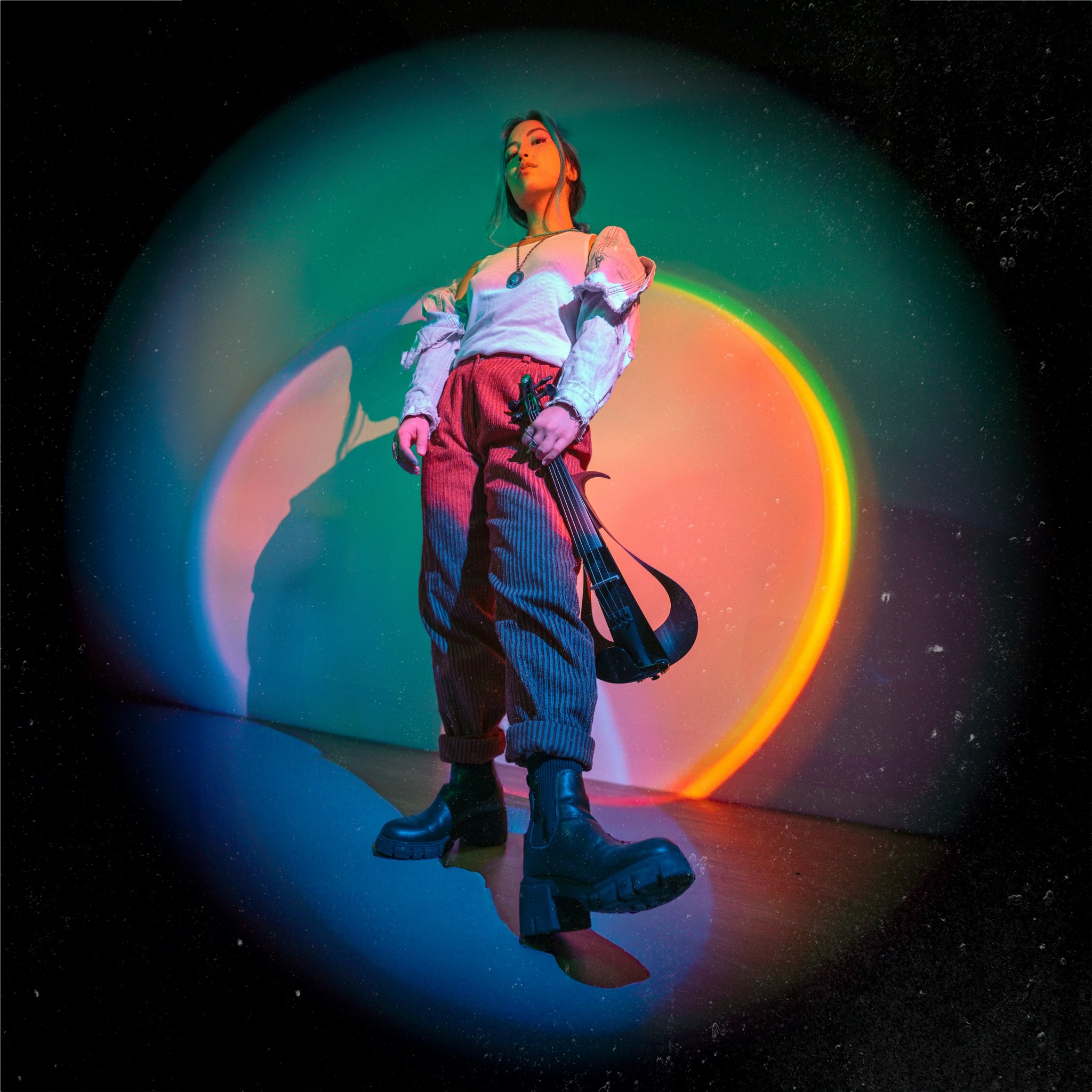

We recently connected with Angela Hsieh and have shared our conversation below.
Alright, Angela thanks for taking the time to share your stories and insights with us today. When did you first know you wanted to pursue a creative/artistic path professionally?
I grew up in a house full of sound—my sister on clarinet, my brother and I on violin, all of us on piano. At any moment, someone was either flying through a scale or stuck replaying the same bar of music for the thirteenth time. For a solid decade, we sounded terrible and the household was chaos. I feel bad, but also grateful our parents stuck with it. They were the ones who started it—Taiwanese immigrants who moved to New York in their early teens. They couldn’t afford a piano, so my mom practiced on a paper keyboard taped to her desk. They moved often—eventually landing in San Francisco, raising us three kids, and later relocating to Shanghai, China when I was three.
Growing up in China as a Taiwanese American, my parents always instilled in me the importance of exploring music and speaking both languages fluently. One of their favorite stories to share is the one when I was three. It all began while they were watching a Chinese period drama with a really distinct theme song. Shortly after, they described how I climbed onto the piano bench and started playing the theme song. I don’t quite remember that, but I do remember being eight, playing along to The Lion King on VHS, trying to match the emotion on screen.
Fast forward to high school, I had my first clunky Windows laptop and started recording into Sound Recorder—the one with the red circle button. You could only record 60 seconds unless you hacked it, which of course I tried. No MIDI, just raw audio and lots of clipping when I tried to layer beats, keys, and violin. I saved it all in a private folder—my little archive nobody knew about.
Because of my parent’s upbringing, music was never framed as a career path—it was just something you did. You practiced, even when you didn’t want to. To them, practicing an instrument every day teaches perseverance, patience, and attention to detail. Creative careers—especially music—are seen as unstable and financially risky. For immigrant parents especially, who may have sacrificed a lot for the next generation’s future, the idea of “being an artist” didn’t align with their definition of success or security. Pursuing music professionally often felt like gambling with your future.
Somewhere in those in-between moments, I started to find my voice through music. I played piano at home and violin in school orchestras throughout middle and high school, often performing film scores—Star Wars, Pirates of the Caribbean, and other early 2000s blockbusters. I knew I wouldn’t follow the classical path forever, but I was drawn to how music worked in film. It didn’t have to take the spotlight to be powerful—it could sit quietly beneath a scene and shift the entire mood.
I remember looking up Hans Zimmer in high school and not finding any information on Wikipedia. Film scoring felt like a totally distant world—something other people did. Still, I kept following that curiosity. When I left Shanghai for college in Berkeley, I put composing on full pause, and with it, any belief that music could be my future. I found myself in finance in New York. Two years in, I realized I had to experience the farthest thing from music to finally be sure I was ready to come back to exploring this world again.
Angela, love having you share your insights with us. Before we ask you more questions, maybe you can take a moment to introduce yourself to our readers who might have missed our earlier conversations?
I’m a composer and multi-instrumentalist based in Los Angeles, creating music for film, dance, and visual media. My work spans a range of formats—scoring documentaries, collaborating with choreographers, building live performance pieces, and composing original music across disciplines. At the core of it all, I use sound as a way to tell stories, hold emotion, and connect across experiences.
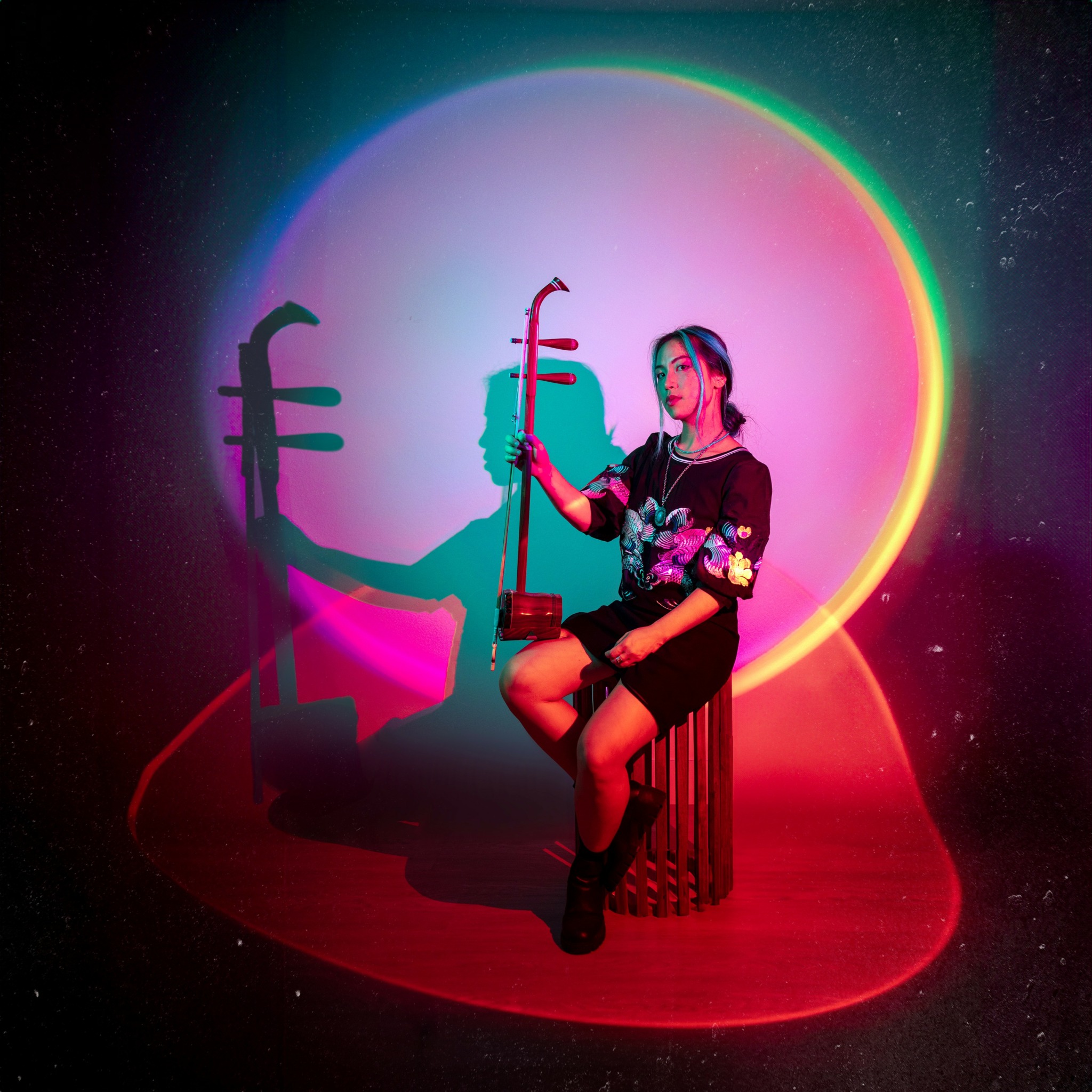
Over time, my sound has evolved to blend orchestral textures with electronic, ambient, and folk elements. I also play the erhu, a traditional Chinese string instrument I’ve been reconnecting with in recent years—it’s become both a creative tool and a way to explore my cultural roots through music.
I’m especially drawn to cross-cultural or multi-disciplinary collaborations —projects that exist in the in-between, where identities overlap and different influences blend together. Having lived in different cities and moved between cultures—from the fast pace of New York life to the layered contrasts of Shanghai to the political openness of Berkeley, where I studied—I’ve learned to pay close attention to the textures of people and place. All of these experiences have influenced my perspective, and music has become a natural outlet for the things I observe and absorb.
Is there mission driving your creative journey?
At the core of my creative journey is a curiosity about the world. Some of my favorite cross-cultural and multi-disciplinary collaborations focused on identity, third culture experiences, nature, human relationships, social impact, and movement.
My mom is Buddhist, and growing up, besides the endless squeaks from music practice, our home was often filled with chanting—wood blocks clicking, rhythms repeating, pots clattering in the kitchen. My parents regularly hosted sessions in our living room. My dad also had us running at 6 a.m. every other day, rain or shine, starting when we were tiny. At the time, none of it made much sense, but looking back, that rhythm and structure stayed with me. I think it’s part of why I’m drawn to work that feels thoughtful, layered, and grounded in something deeper than what’s immediately visible—work that leans into the importance of mental and physical care, and leaves space for processing.
Scoring documentaries has become one of the most fulfilling parts of my craft. I worked on a film about a Nepalese woman who returned home to start an art center after surviving trafficking, and another about a climber who summited El Capitan after years of being underestimated. I love the challenge of turning lived experience into sound and spend a lot of time shaping textures and tones through my instruments. The goal is always to support the emotional landscape of the story. I’d love to score a film for A24 or National Geographic someday—these works often live in emotional gray areas or expansive natural spaces where music can really breathe.
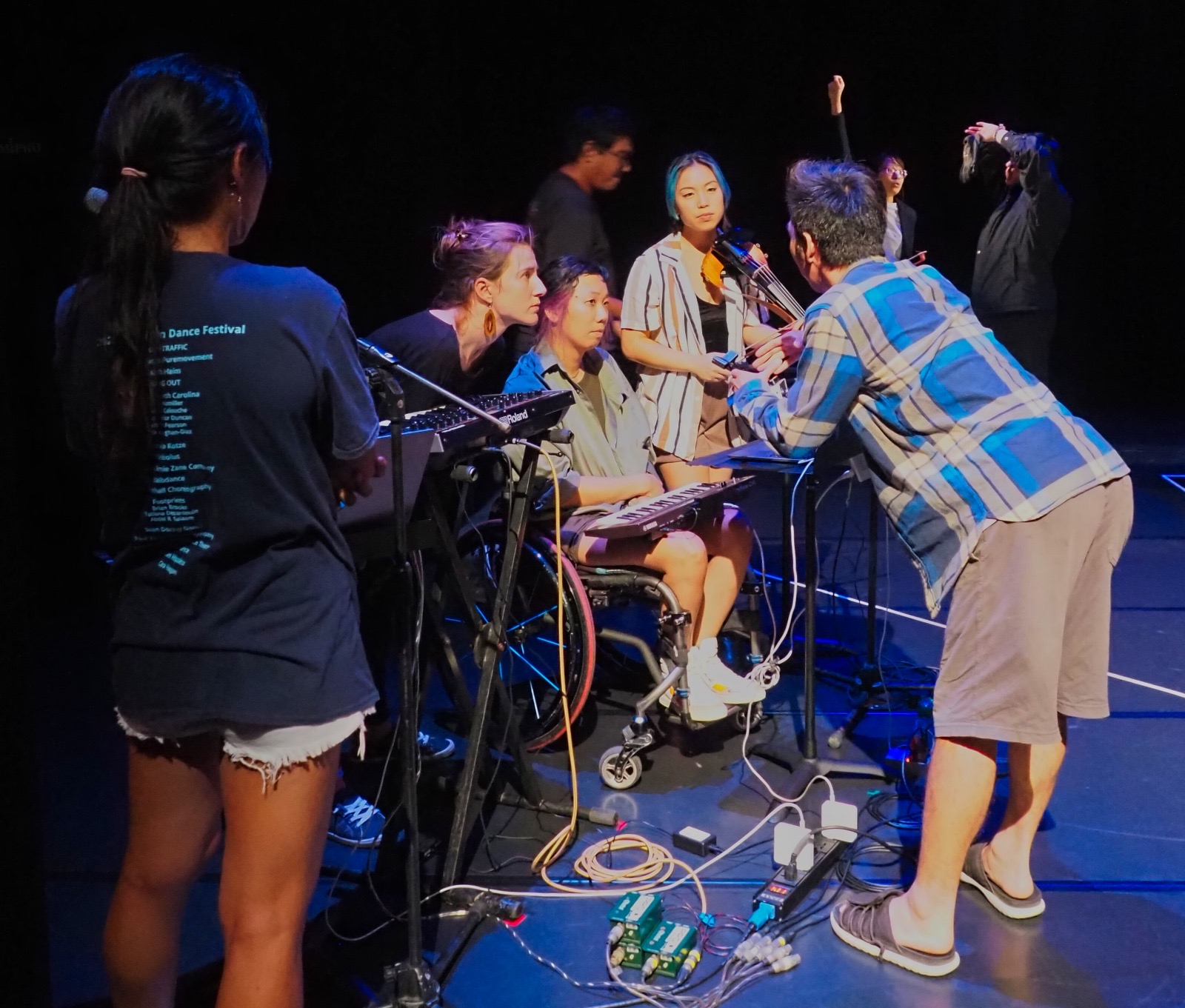
Last year, I had the opportunity to tour with my close friend and collaborator ONIKHO across Taiwan, Japan, and most recently Palm Springs. One of the highlights was performing with Resident Island Dance Theatre, a physically integrated dance company. Their work redefines movement by bringing together dancers of all abilities, creating performances that are both powerful and deeply human. I played electric violin live to a piece ONIKHO, Holly Mead, and myself created through shared improvisation. This was one of the most rewarding multi-media collaborations I’ve done and the experience reminded me that music is really about connecting and listening. Being in Taiwan was also especially meaningful—it’s where my parents are from, and having them there felt like a beautiful thing we got to share.
Have you ever had to pivot?
One of the biggest pivots in my life was leaving finance to return to music. I grew up in Shanghai in the late ’90s—before the high-rises and bullet trains—when the city was still a patchwork of old tile buildings, street food stalls, and tangled power lines, moving between international school in English by day and orchestra rehearsals in Chinese after class, weaving through the streets with my friends, siblings, and violin case. Life moved fast—structured and chaotic, modern and traditional—and even when I wasn’t composing, music was how I found quiet within the noise.
In college I drifted away from it. I stopped playing and didn’t share anything for almost six years. After graduating, I ended up in finance in New York—long hours, spreadsheets, constant motion. Late at night when I had come home, I’d quietly tinker with Ableton, trying to teach myself how to work with MIDI. The learning curve felt steep. The gap between what I wanted to make and what I actually knew how to make was huge and overwhelming.
Eventually, something had to give. On a whim, I applied to Berklee College of Music’s film scoring program in Valencia, Spain. When I got in, I quit my job, packed up, and flew to Spain. It was terrifying and freeing. I’m grateful I had the chance to take that leap—and give myself the space to try.
If I could share one thing with anyone thinking about pivoting, it’s this: it’s never too late, and there are always ways to reconnect with what you care about. At Berklee, I met a 55-year-old who had spent his whole career in construction and was just starting his journey into film scoring.
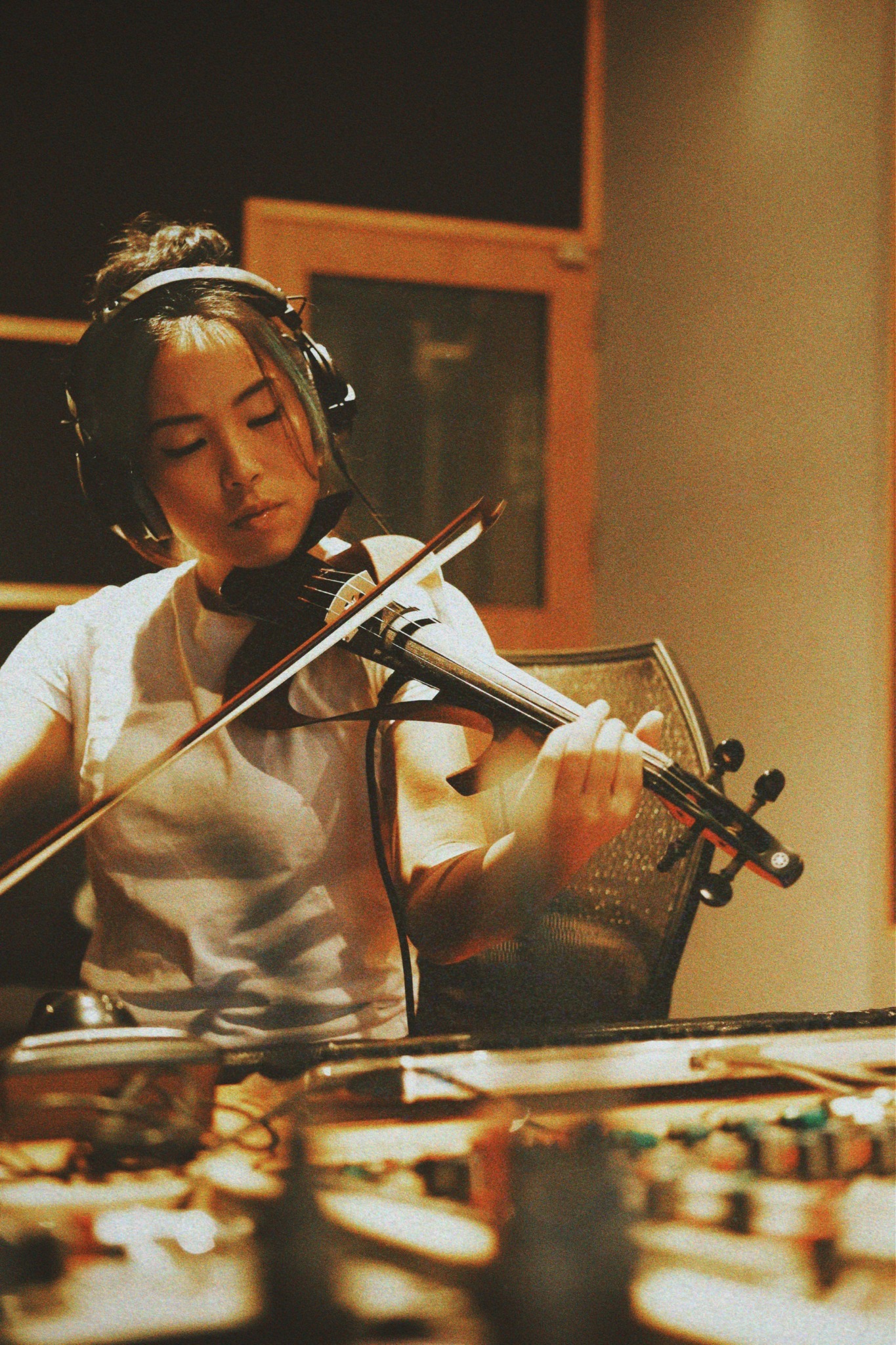
My time in Valencia was short, but it reconnected me with the part of myself that thrives on learning, moving between cultures, and following creative sparks. It was a lot of firsts: I struggled through orchestrations, built digital mockups, picked up the violin again after six years, and found a community of artists to grow with. For the first time, I experienced what it’s like to share music, exchange feedback, and lean into the discomfort that comes with making something on the spot. In many ways, it felt like coming full circle.
Since then, I moved to the Bay Area and eventually to Los Angeles. It started with a local producer meetup called “Beer and Beats”—where I met some of my closest friends (there was always too much of both)—and sharing music online just to see what might resonate. Over time, that turned into scoring films, collaborating with dancers and filmmaker friends, and exploring work that blurs mediums. Along the way, I’ve crossed paths with artists I probably never would have met otherwise. I don’t always know exactly where it’s all going, but I trust that each experience plants a seed for what comes next.
Contact Info:
- Website: https://www.angelahsiehmusic.com
- Instagram: angelahsiehmusic
- Youtube: @angelahsiehmusic
- Soundcloud: https://soundcloud.com/angelahsiehmusic
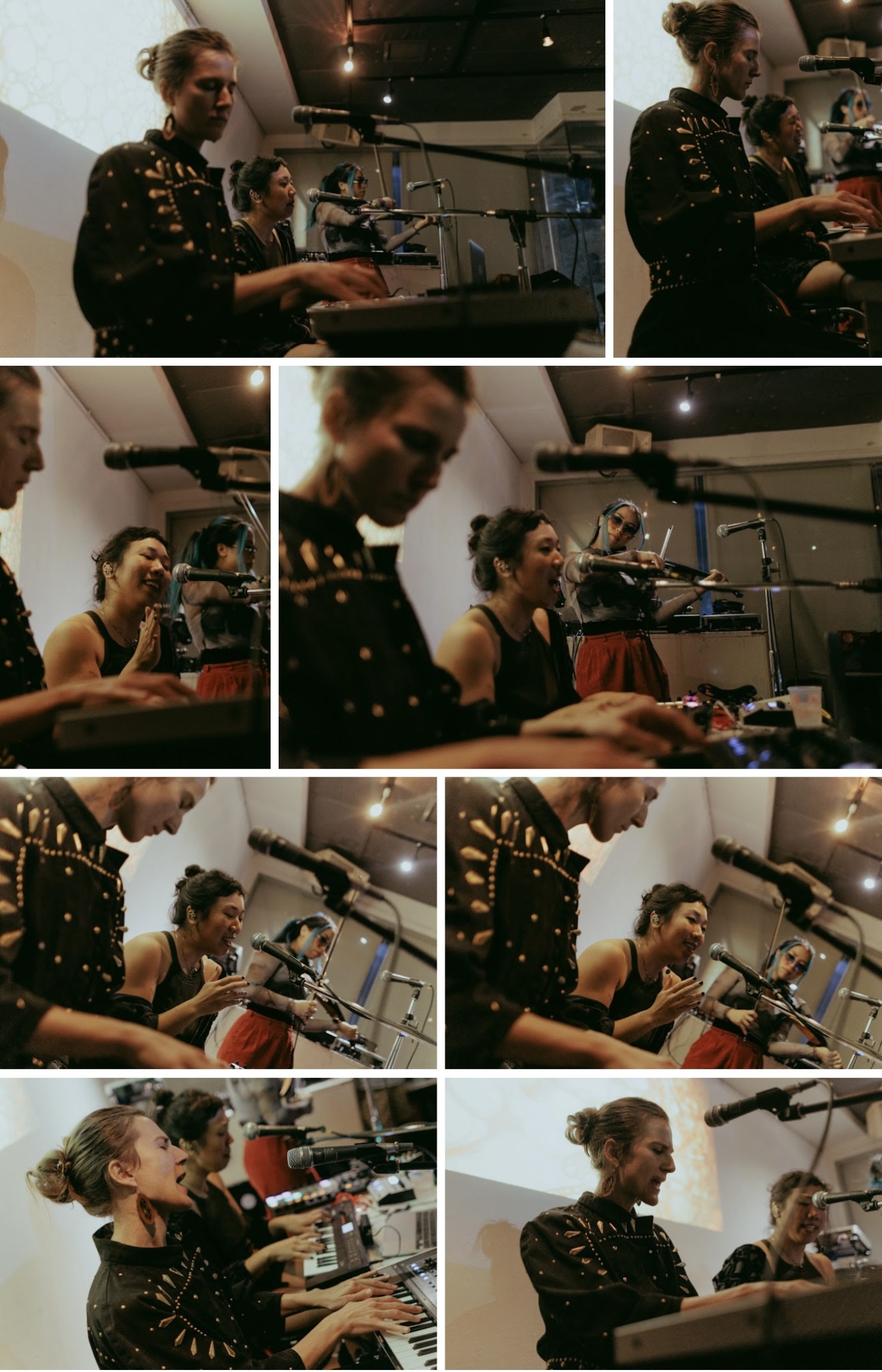
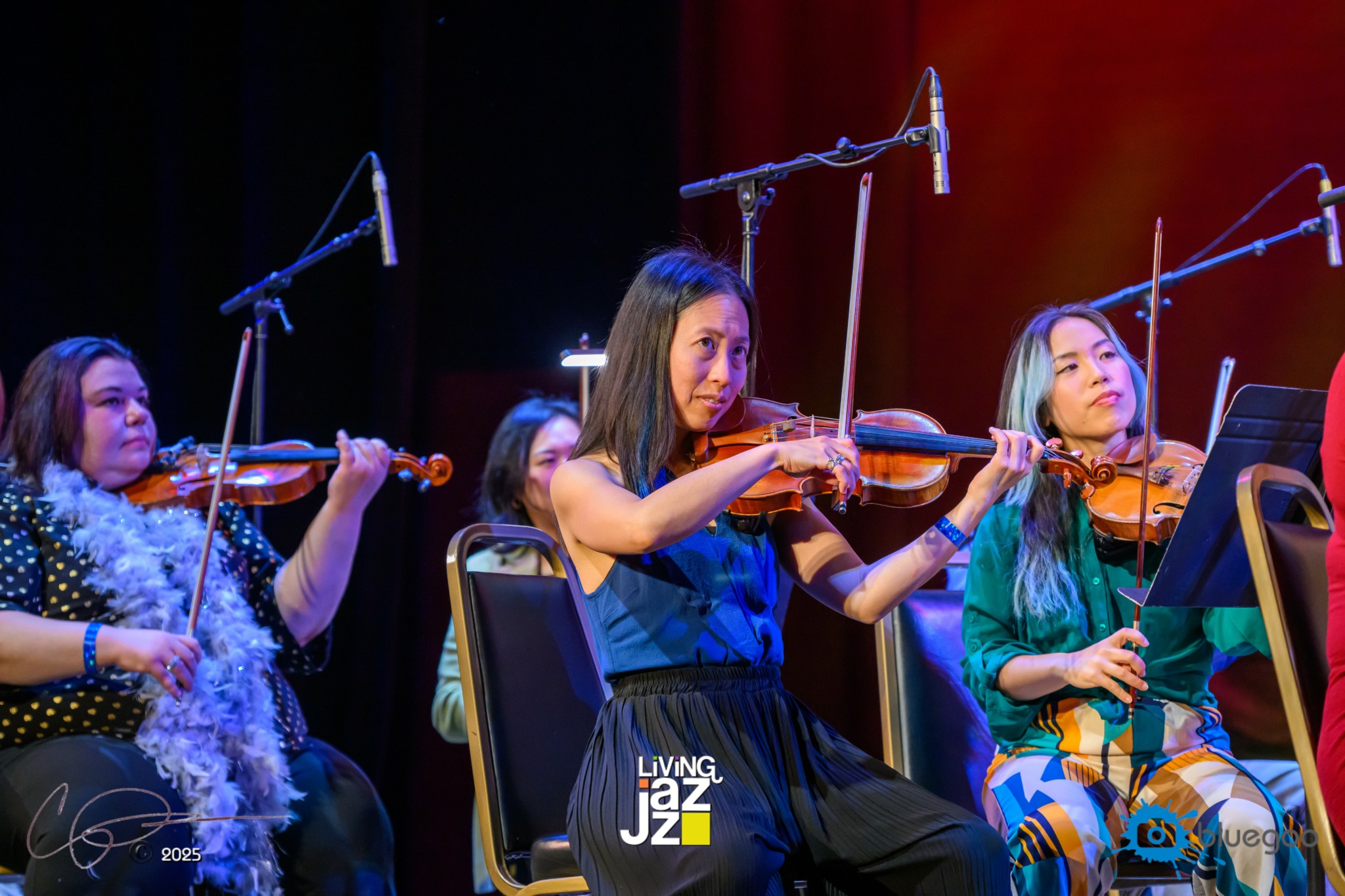
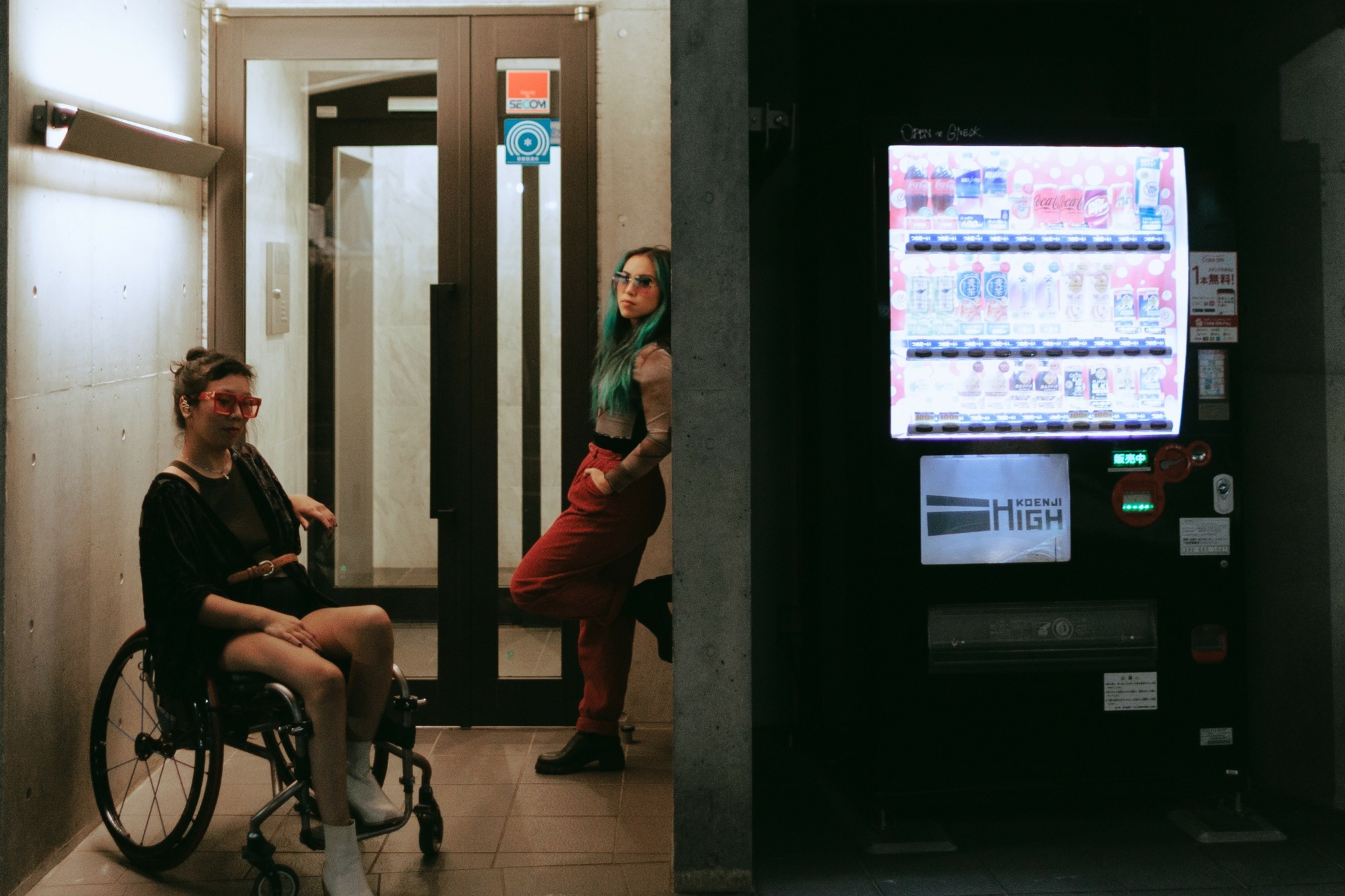
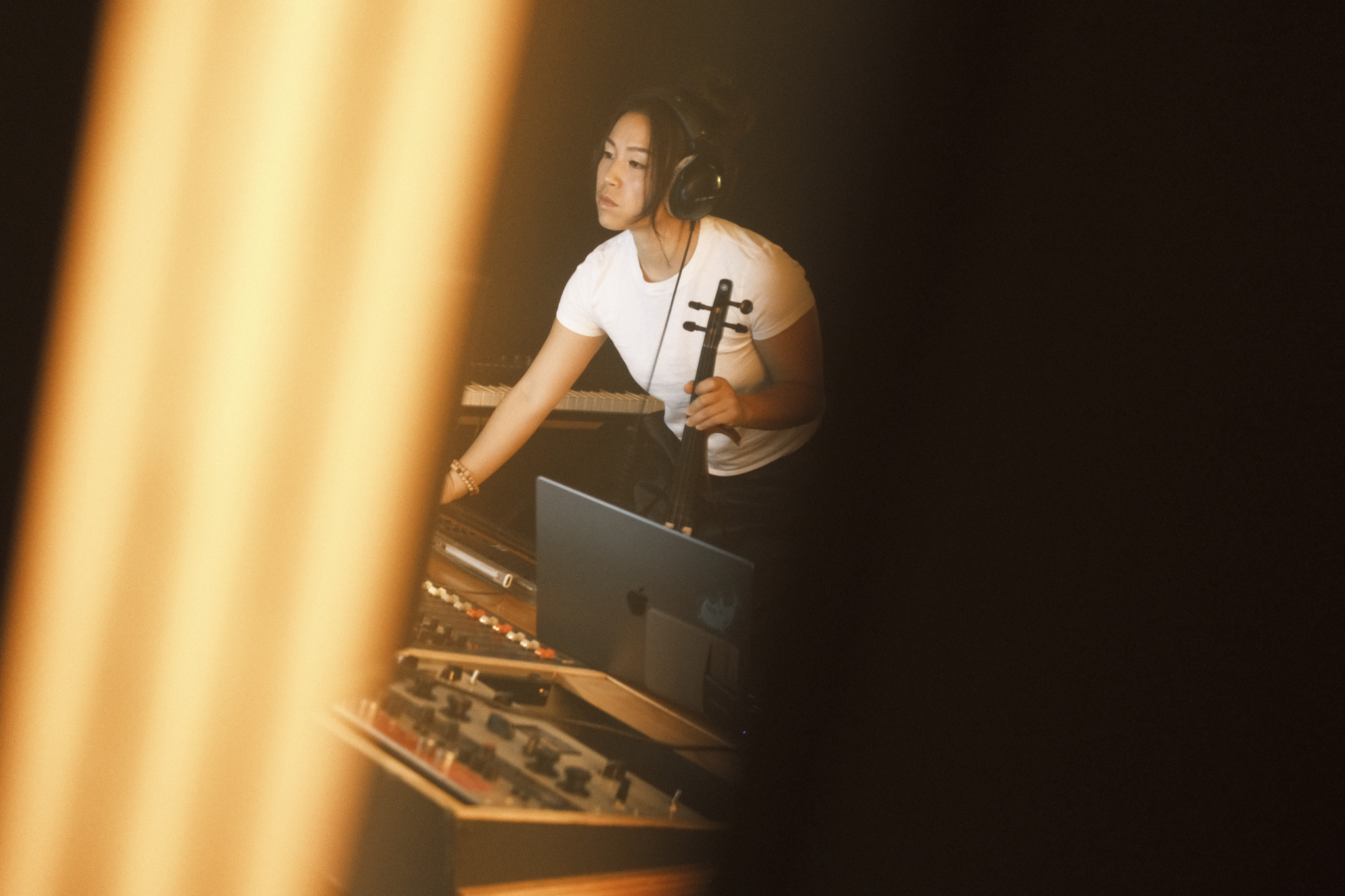
Image Credits
Mar Mizunaka, John Ross, 周芝妤, Living Jazz