

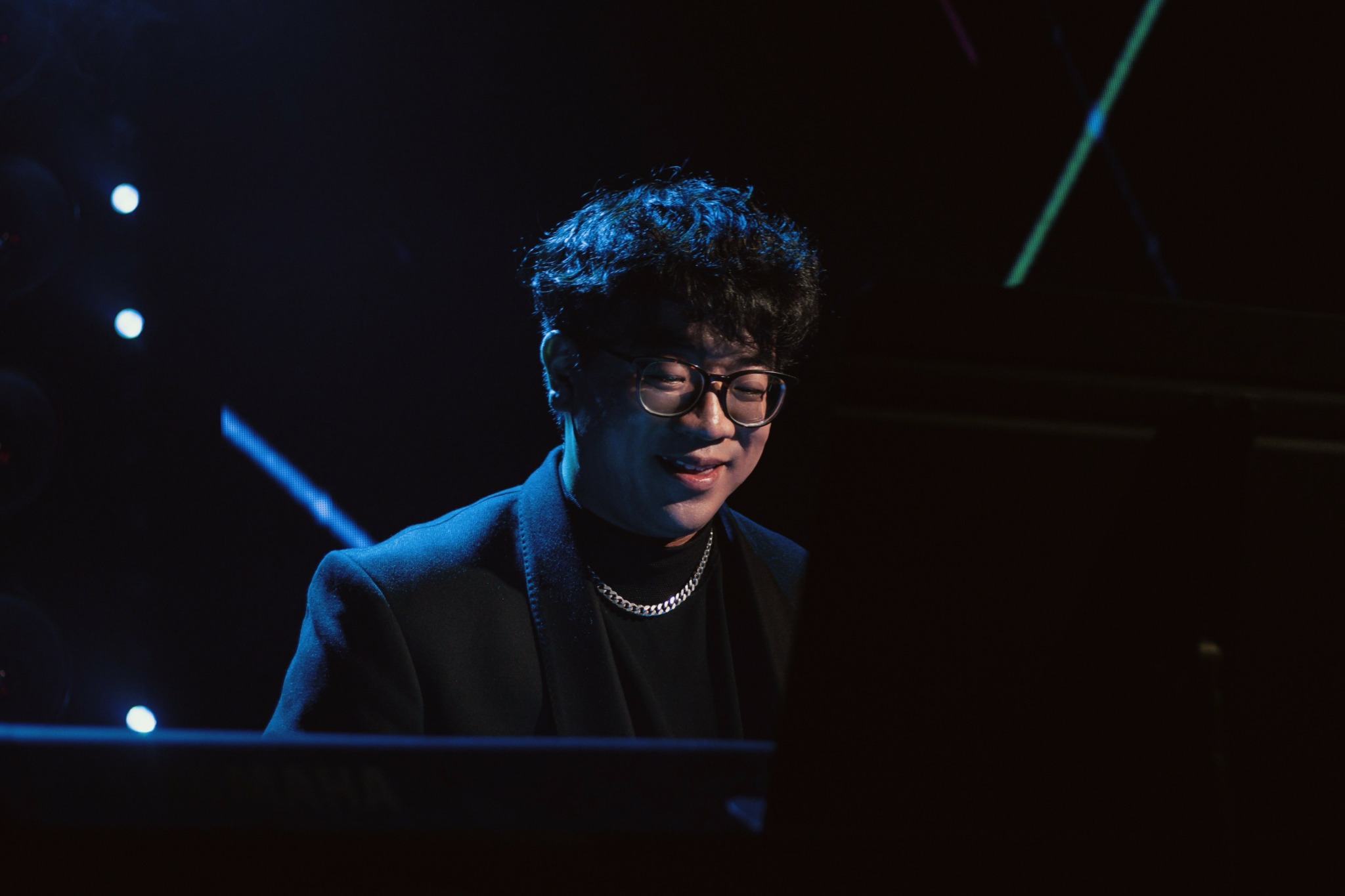

We recently connected with Andy Li and have shared our conversation below.
Andy, looking forward to hearing all of your stories today. Do you wish you had started sooner?
Looking back, I’m really glad I started my creative journey when I did. I began with classical piano at a young age, which gave me a deep sense of discipline and a strong foundation in music theory. But as I grew, I found myself drawn to visual arts, and later, to the possibilities of integrating technology into my performances. Each phase of my career came at the right time—I wasn’t just learning new skills, but gaining new perspectives. If I had rushed into multimedia before mastering piano, or before discovering my love for photography, I wouldn’t have the same depth in my work that I have now. Timing shaped my creative voice.
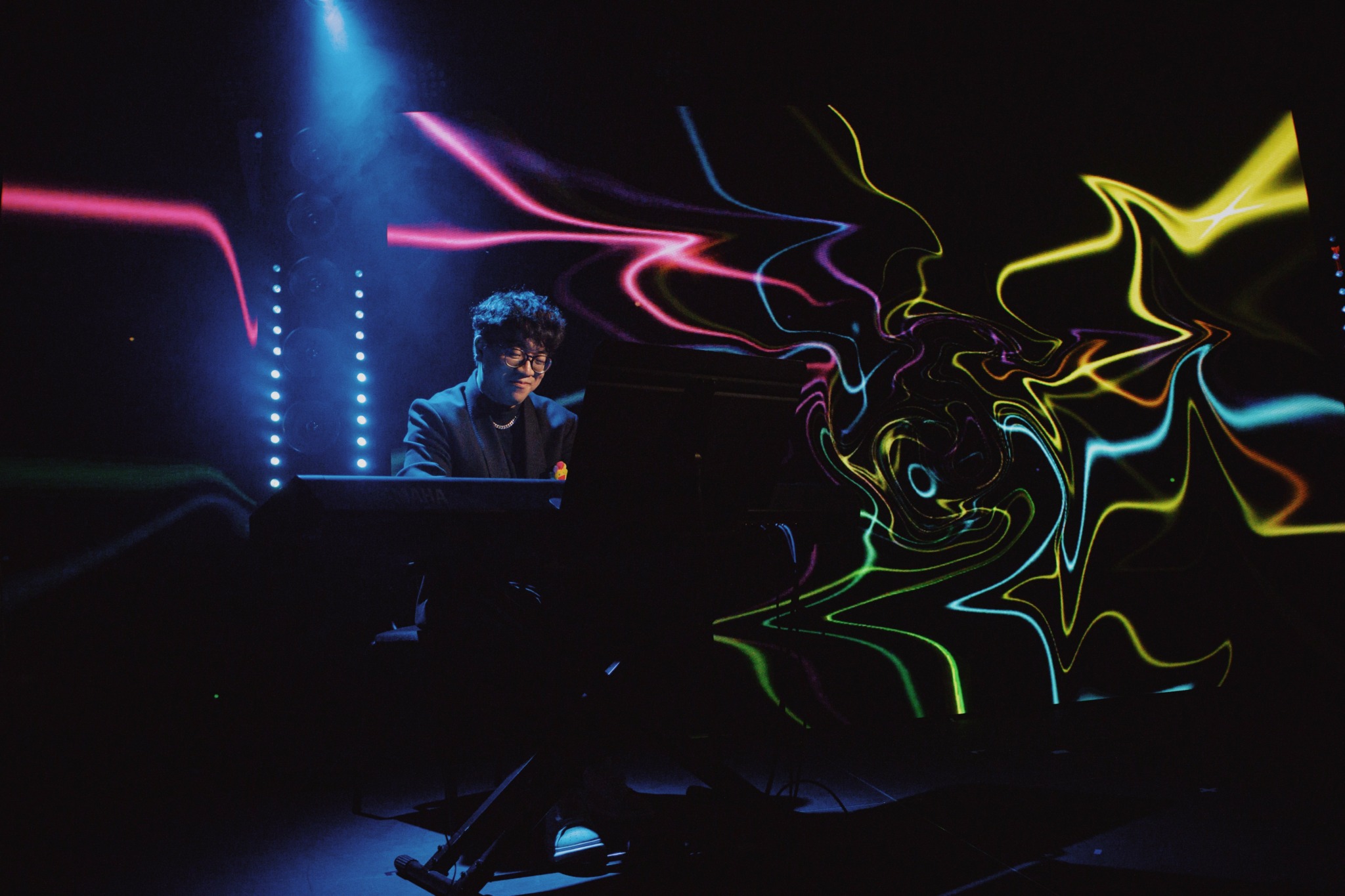
If I had started later, maybe I would have missed out on some key opportunities, like developing my technical skills at BerkleeNYC or collaborating on innovative projects like ‘Gateway,’ where I got to fuse everything I love—music, visuals, and tech. I think we sometimes romanticize the idea of starting sooner, but the truth is, those early steps were crucial. They gave me the confidence and the tools to evolve. In the end, it’s not about wishing things had gone differently—it’s about appreciating the path as it unfolded.
As always, we appreciate you sharing your insights and we’ve got a few more questions for you, but before we get to all of that can you take a minute to introduce yourself and give our readers some of your back background and context?
About Me and My Work:
I’m Andy Li, a Multimedia Artist & Live Performance Designer. My journey began with classical piano, which became the foundation of everything I do today. Music was my first language, but over time, I discovered that my creativity couldn’t be limited to just one medium. As I grew, I found myself drawn to photography, visual arts, and eventually the possibilities of integrating technology into live performances. Now, at iANDY Studio, my work is all about merging these different worlds—music, art, and technology—into experiences that resonate on multiple levels.
At iANDY Studio, I focus on the artist and the music. My role is to help musicians and performers amplify their vision. I collaborate closely with artists to create live performances where music drives the visuals, and where every element feels interconnected. Whether it’s a DJ set with reactive visuals or a live music show with real-time projections, my goal is to turn every performance into an immersive experience.
What Sets My Work Apart:
What sets my work apart is the seamless fusion of music and visual design. I don’t see them as separate entities—they’re two sides of the same coin. For example, in my project “Gateway” at BerkleeNYC, I blended live piano with interactive visuals that responded directly to the music. This wasn’t just about adding visuals for the sake of it; it was about creating a space where the audience could feel the music in new ways, where they could see the sound come to life. My background in classical music gives me a deep emotional understanding of music, and my knowledge of technology allows me to translate that into something visual and dynamic.
What I Solve:
Artists often have an incredible vision for their music, but translating that into a live experience that fully represents their art can be challenging. That’s where I come in. I work with musicians to bring their ideas to life, whether that’s through curating a live show, designing multimedia elements, or ensuring that every technical detail enhances the performance. I’m there to bridge the gap between the music and the experience, making sure that the audience not only hears the music but feels fully immersed in it.
What I’m Most Proud Of:
I’m proudest of the moments when everything clicks—the music, the visuals, the energy of the room. For example, when I organized events in New York, I was able to create spaces where artists could perform in a way that felt authentic to them, while also giving the audience an experience that was greater than just a live show. Watching the reactions from both the artists and the crowd made me realize the power of what I do—it’s about creating a connection between the art and the people experiencing it.
At iANDY Studio, my mission is to push creative boundaries, to show that live performances can be more than just sound or visuals—they can be an immersive world where the two are intertwined. My passion lies in helping artists amplify their music through thoughtful design and technology, creating performances that resonate long after the final note.
What can society do to ensure an environment that’s helpful to artists and creatives?
From my experience, I’ve learned that the biggest support artists need is access—to spaces, resources, and a network that allows them to explore their creativity without restrictions. When I started organizing events through iANDY Studio, one of the biggest challenges was finding venues that were affordable yet offered the technical infrastructure needed for a modern, multimedia performance. This is where society could really step up—providing accessible, well-equipped spaces where artists can focus on creating instead of worrying about logistics or costs.
Another key element is fostering collaboration. Artists thrive in communities where ideas can be exchanged freely. When I put together shows at venues, what made those events special wasn’t just the music or the visuals—it was the sense of community. We brought together different kinds of artists, and the energy in the room became something bigger than any of us individually. Society can support that by building more platforms—both physical and digital—where artists from various disciplines can come together, share resources, and collaborate.
Lastly, financial and educational support is crucial. Grants, affordable education, and mentorship opportunities would help artists at every stage of their careers. The more we invest in creative minds, the more vibrant our culture becomes. When society gives artists the freedom and support to experiment, we all benefit from the innovation and connection that comes from their work.
Are there any resources you wish you knew about earlier in your creative journey?
One of the most challenging moments I’ve faced happened during an event I organized at a bar in Bushwick. The night had started off strong—great energy, a solid lineup of artists, and a good crowd. But halfway through the night, an unexpected issue came up when one of the artists accidentally broke a venue rule, and things started to unravel quickly. The bar management wasn’t happy, and suddenly we were facing the possibility of the event being shut down.
In that moment, I realized that I had to step up and take control of the situation. The music stopped, and the energy in the room shifted. Instead of letting it escalate further, I grabbed the mic and went up on stage to talk directly to the crowd. I kept things light but clear, addressing the issue without making it a big deal, and refocused everyone’s attention on keeping the vibe positive. To smooth things over, I decided to give away some of our event merch to the crowd—it wasn’t planned, but it helped shift the energy back in our favor.
That night really taught me what resilience looks like in a high-pressure moment. It wasn’t just about managing logistics anymore—it was about diffusing a situation, keeping the crowd engaged, and making sure the event stayed on track despite the hiccups. We managed to turn things around, and although it wasn’t perfect, the event continued, and people left on a high note. It was one of those moments where I learned that sometimes the unexpected can be an opportunity to step up and lead.
Contact Info:
- Website: https://iandystudio.com
- Instagram: @iandy_lee @iandy_studio
- Linkedin: https://www.linkedin.com/in/andyli7
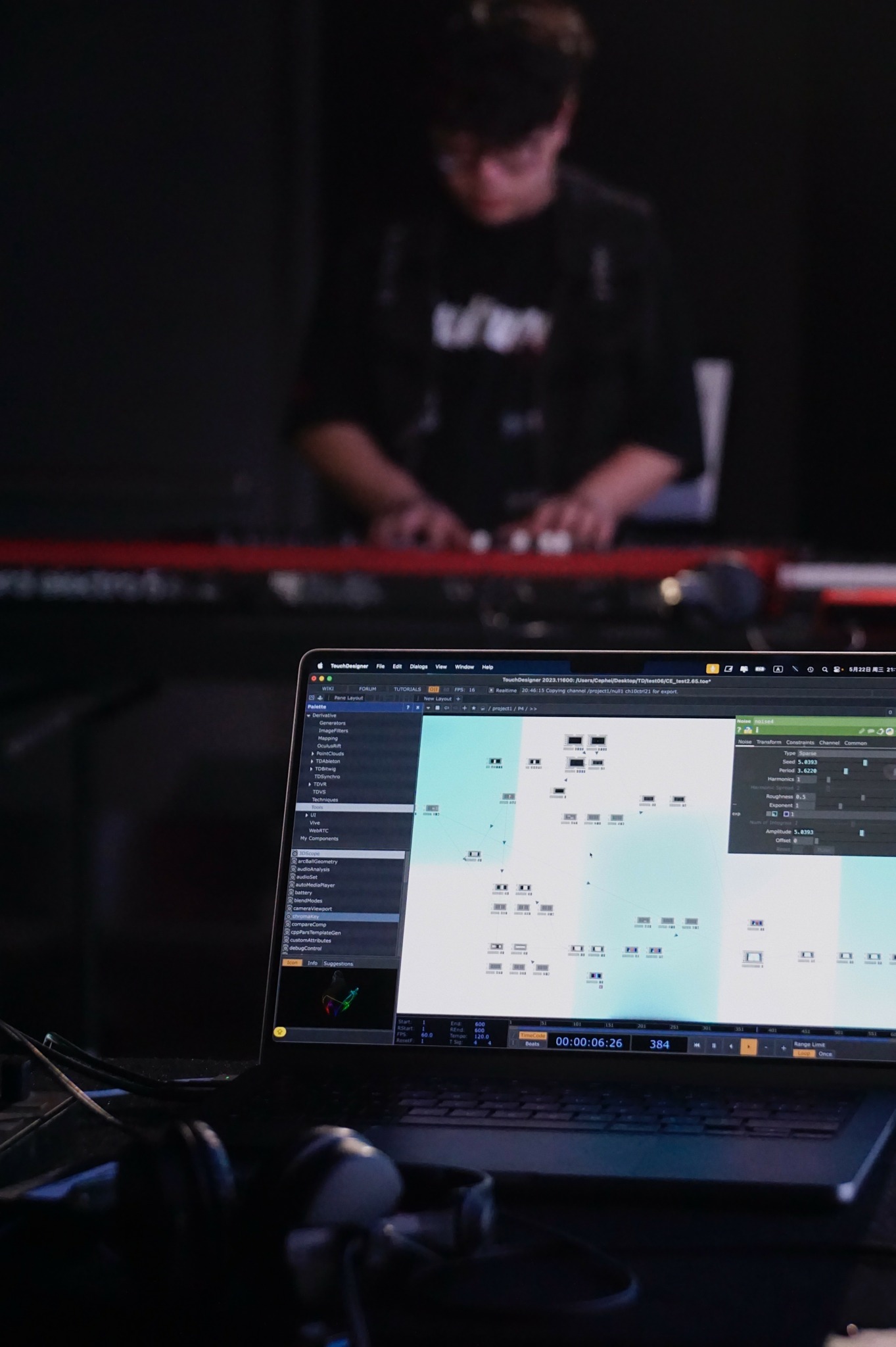
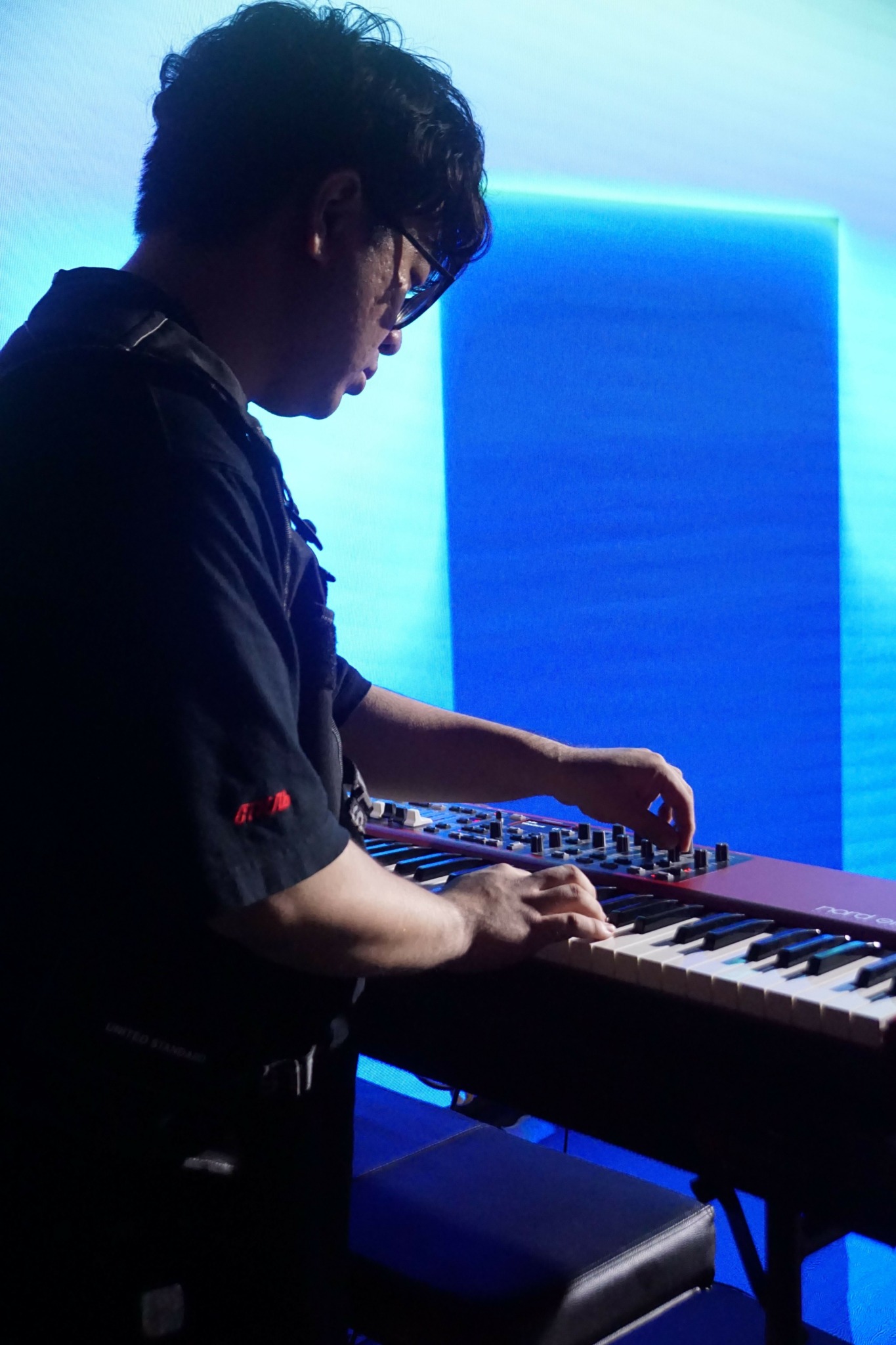
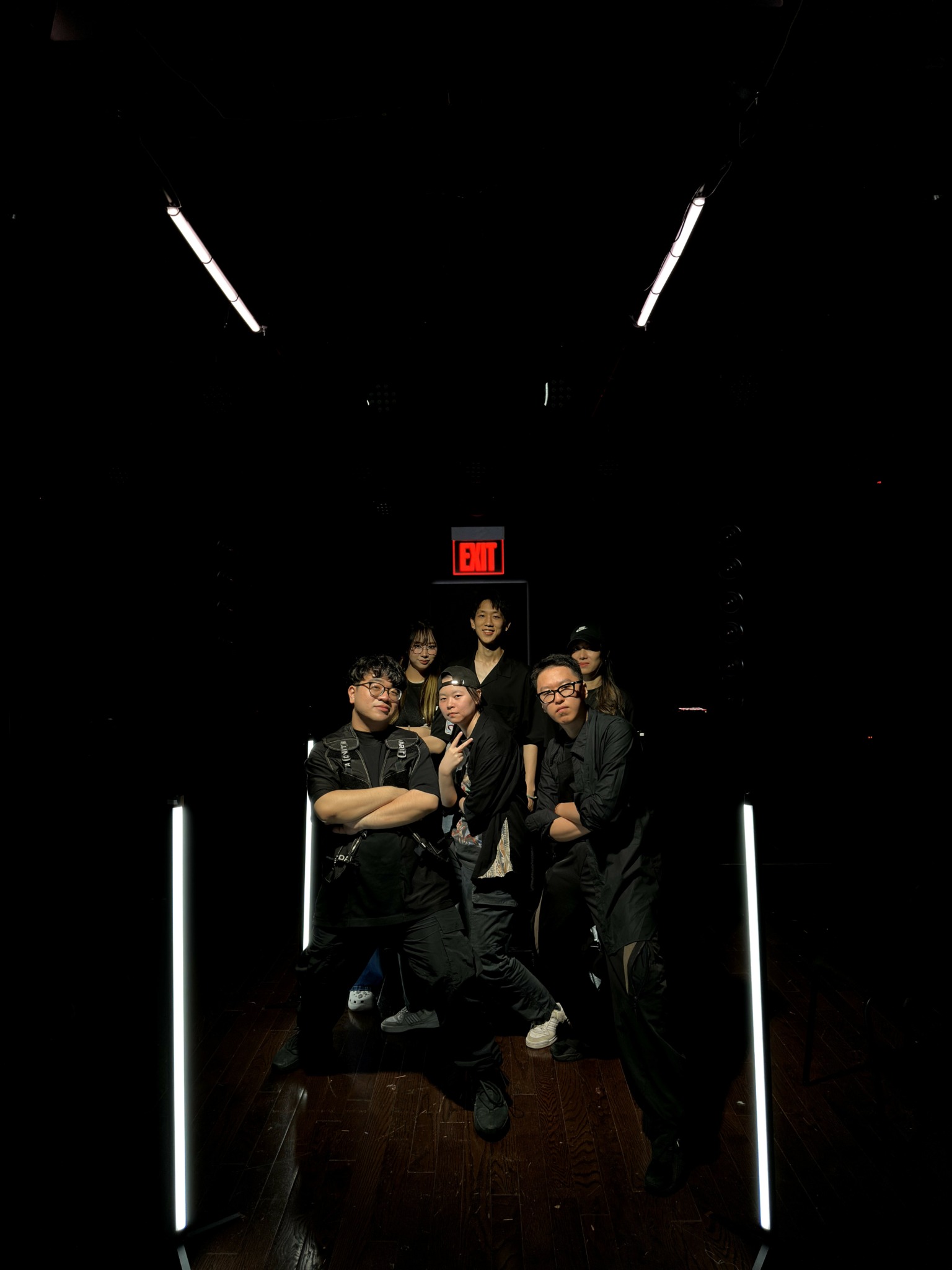
Image Credits
Proudmany Dheva-aksorn, Tze-Yu Juang