

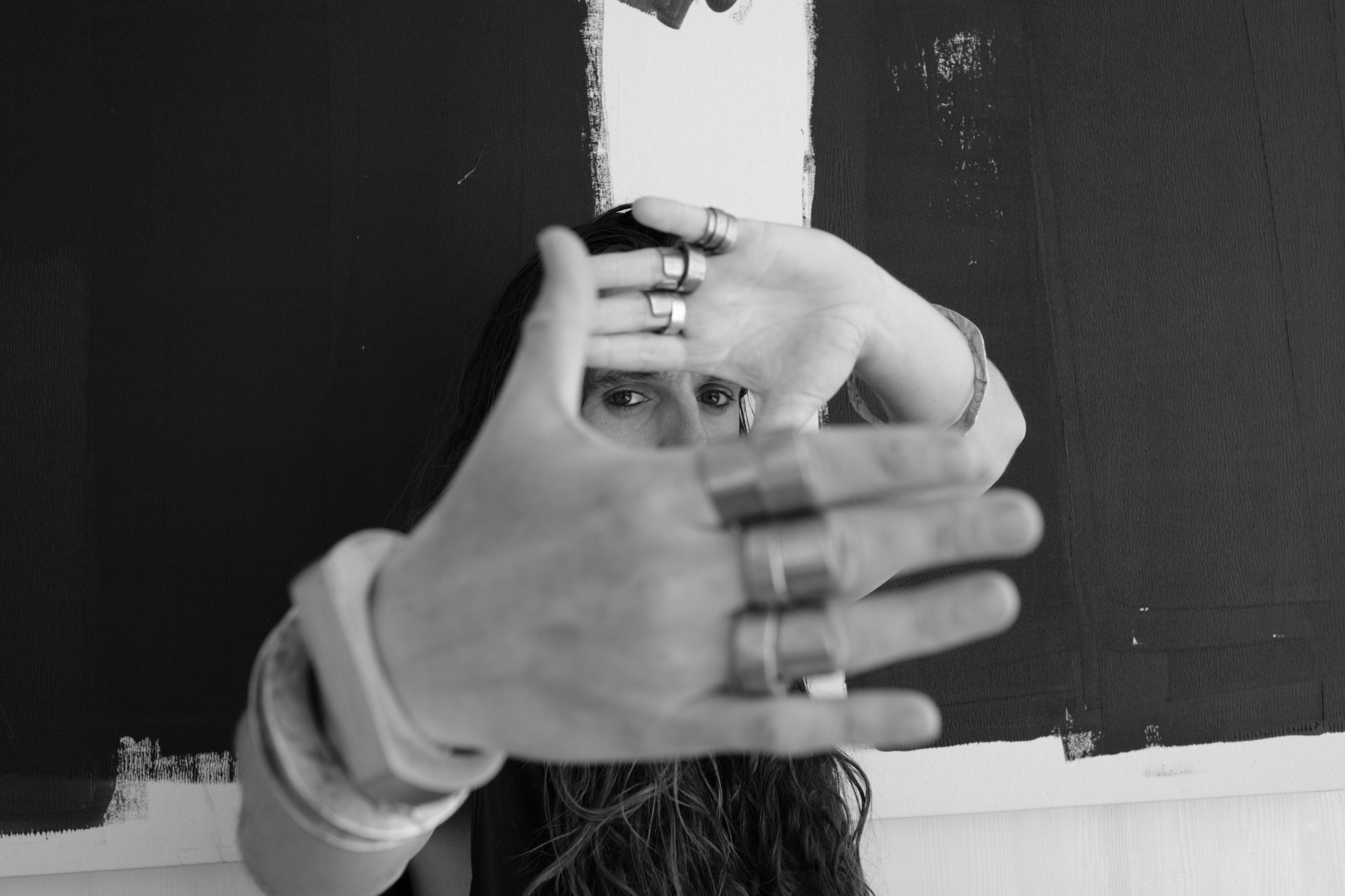

We caught up with the brilliant and insightful Andy Le Max a few weeks ago and have shared our conversation below.
Andy, thanks for taking the time to share your stories with us today Can you talk to us about how you learned to do what you do?
I studied sound engineering — not to make music, but to understand what sound is. The structure and form. The physics. The way it moves through a room. It taught me that sound is something you can shape. Manipulate. Like clay. Like brass.
I never properly learned music theory. That used to feel like a weakness, but I think it’s often helped — to follow instinct. To listen differently.
Most of what I’ve learned hasn’t come from music. It’s come from daydreaming. Reading about spiders. Swimming in the sea. Holding hands. A million tiny threads.
The biggest obstacles are always internal — ego, doubt, pressure. But those, too, are part of the process. Some ideas just need more time. And some never resolve.
As always, we appreciate you sharing your insights and we’ve got a few more questions for you, but before we get to all of that can you take a minute to introduce yourself and give our readers some of your back background and context?
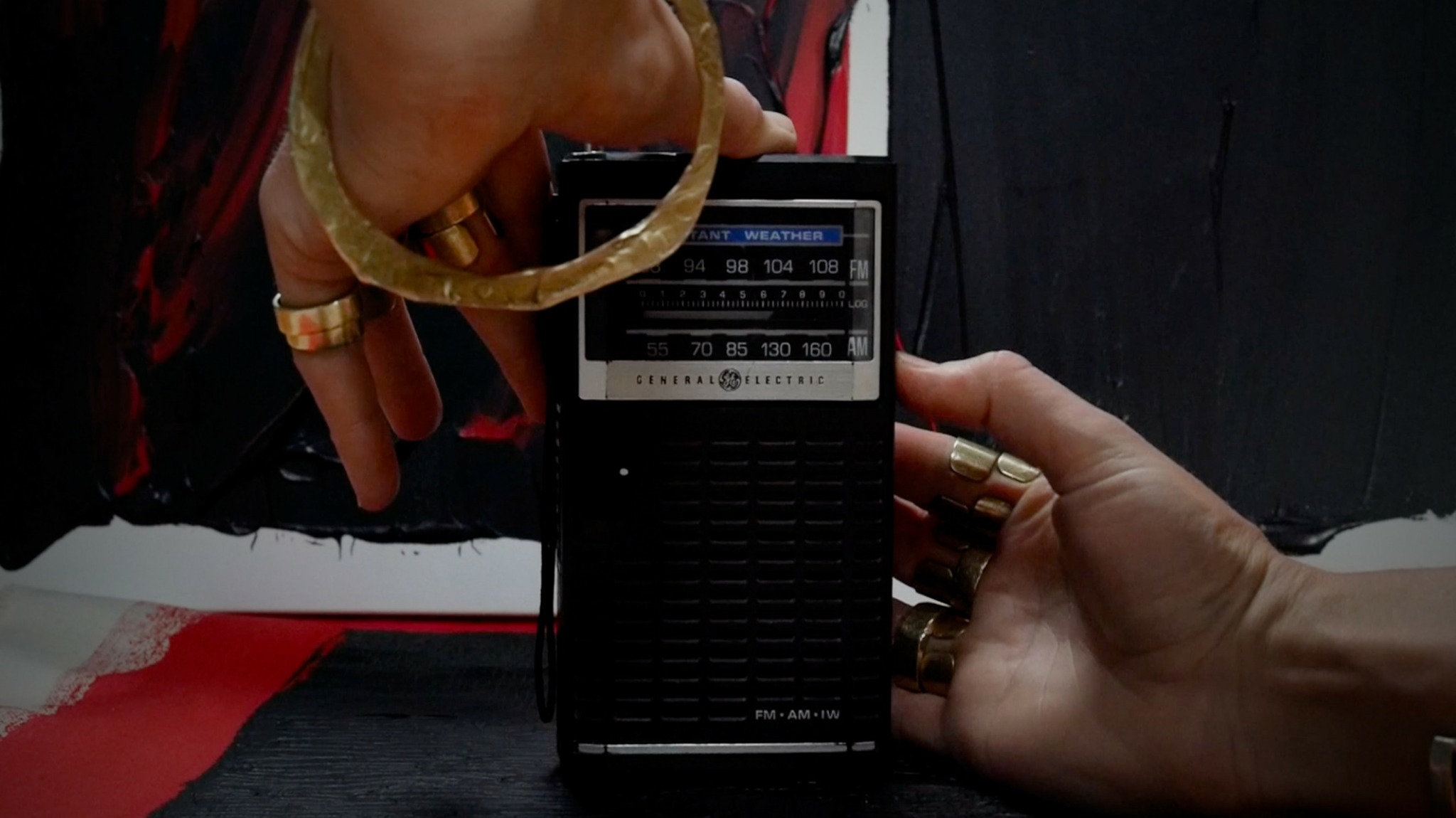
I run an interdisciplinary art and sound design studio called Phony. We sculpt sonic environments — adding, subtracting, directing sound for space, performance, narrative, and emotion.
I studied sound engineering and started out in recording studios, then moved through record labels, marketing, and academia. I fell in love with John Cage’s work — maestro. His approach cracked something open. I wrote chapters about sound, ran an experimental label, and eventually built my own studio to bring it all together.
Now I work across two tracks: One side is commercial — composing and supervising sound for video, editorial, fashion, and events. I help brands tell stories through sound — from custom music to sonic logos, from one-off pieces to full sound systems for physical spaces. The other side is artistic — immersive, physical, often raw. I create sonic installations, performances, and sometimes paintings.
Recent works include:
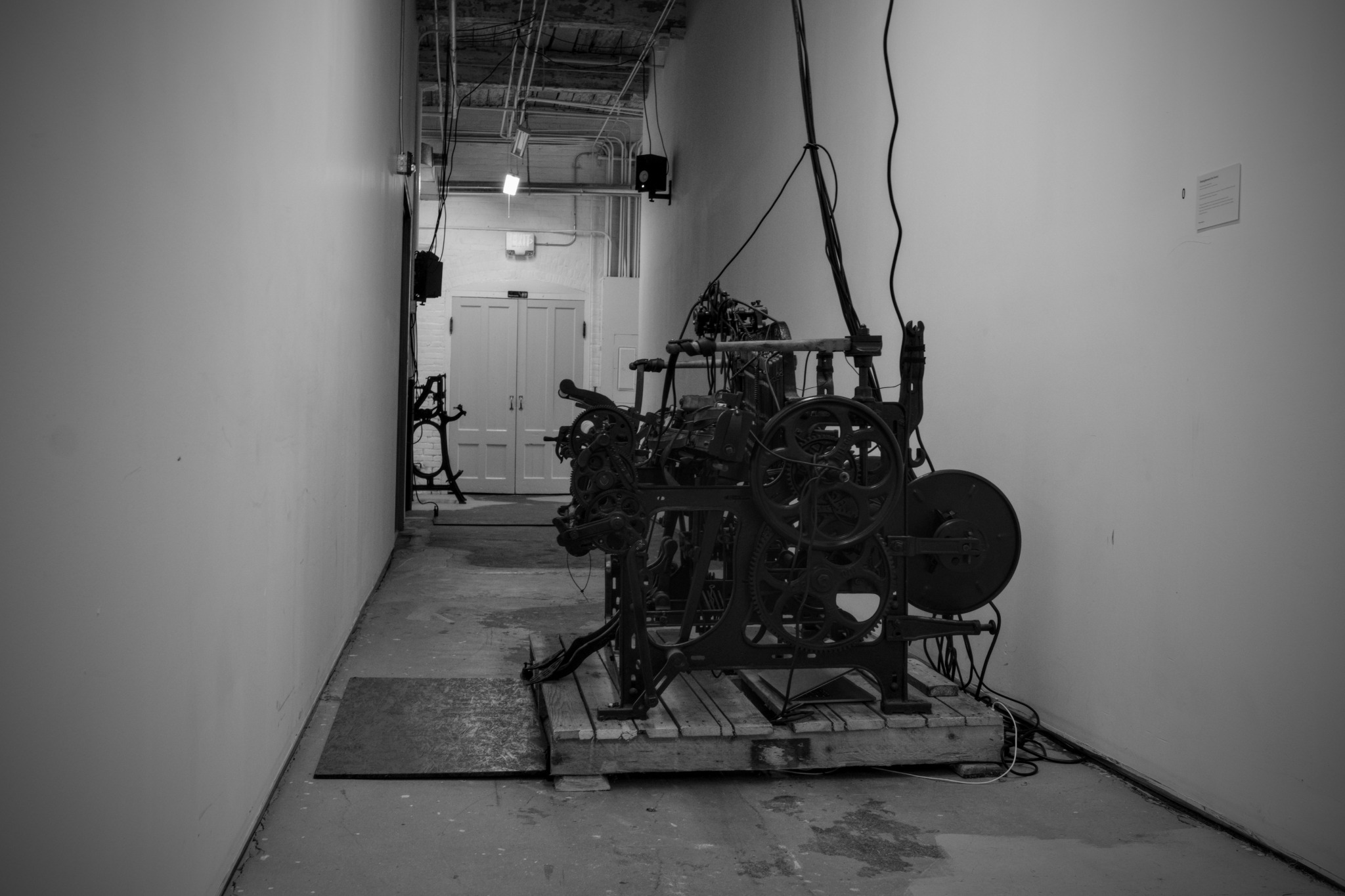
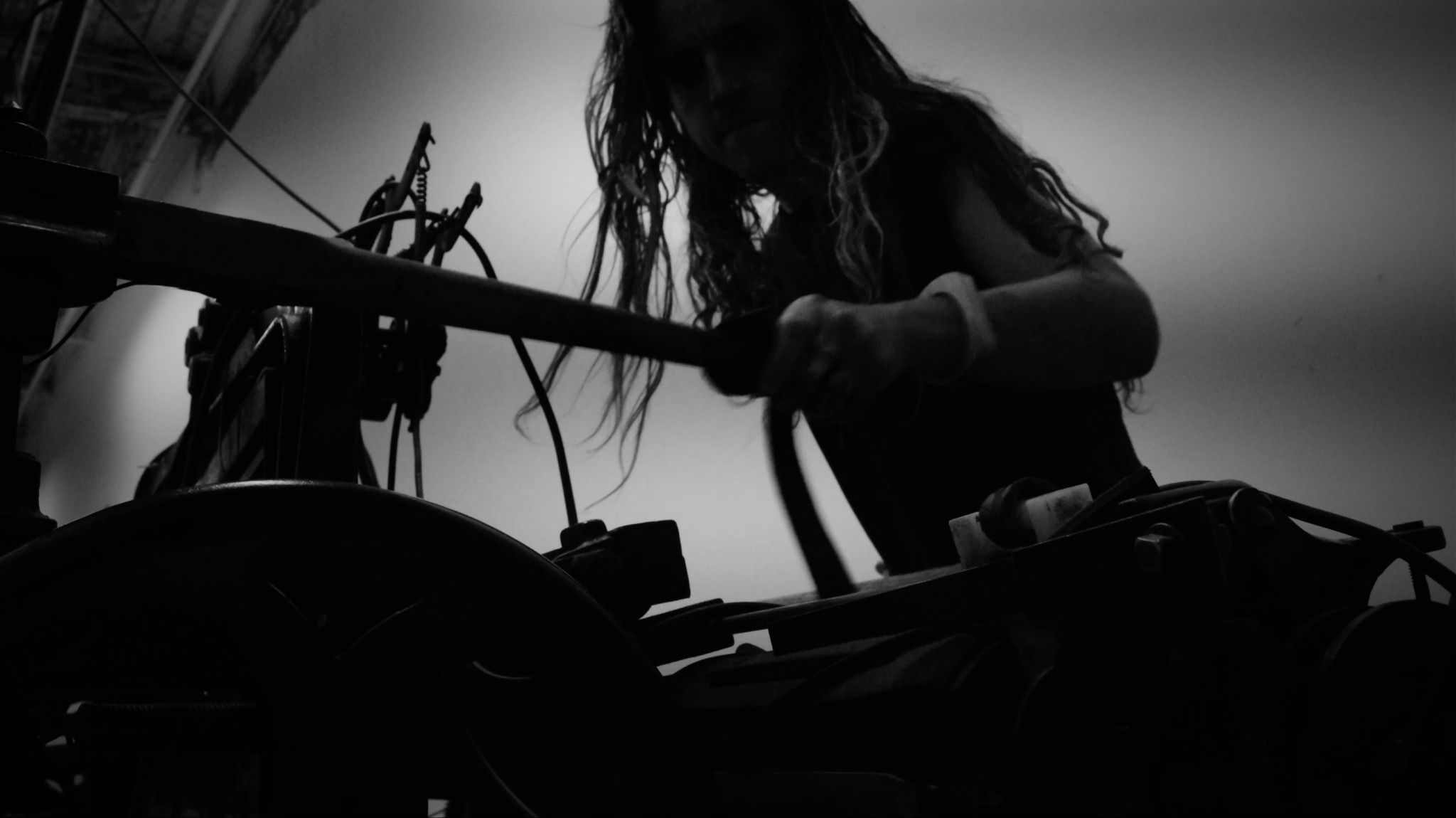
Entanglement (for loom): a month-long installation in Massachusetts built around a 100-year-old cast-iron loom. Visitors activated the loom like an instrument, triggering bursts of industrial sound layered into a quadrophonic soundscape.
HEAVY HEAVY: an ongoing performance series in New York — live, intense, surround-sound immersion that blurs ritual and industrial music.
Sub Luna Collective: more traditional sound baths, still built with a sense of reverence and weight — with the community, for the community.
Through all of this, I’m on a mission to reframe perception and amplify experience through the power of sound — not just as a medium, but as a physical and spatial force.
Are there any resources you wish you knew about earlier in your creative journey?
I wish I’d known that you just have to do the reading. There’s no single book — but the knowledge is out there. Experts have done the work. You just have to absorb. Input. Synthesize. Act. Self-doubt, how to play the trumpet, write a press release, DJ? There are hundreds of books on that.
One of the most valuable skills I’ve worked on is research. Reading deeply, widely, obsessively. It moves everything forward.
Is there a particular goal or mission driving your creative journey?
Yes. Sound has shaped every part of my life. As a teenager, music gave me a sense of belonging. Later, it became study. Then work. Now it’s creative practice.
I believe in the transformative power of sound. It holds memory, tension, presence. It shapes emotion. Directs attention. Alters space. It can heal. It can disorient. It can save us.
Contact Info:
- Website: https://www.phonystudio.com
- Instagram: https://www.instagram.com/phonystudio/
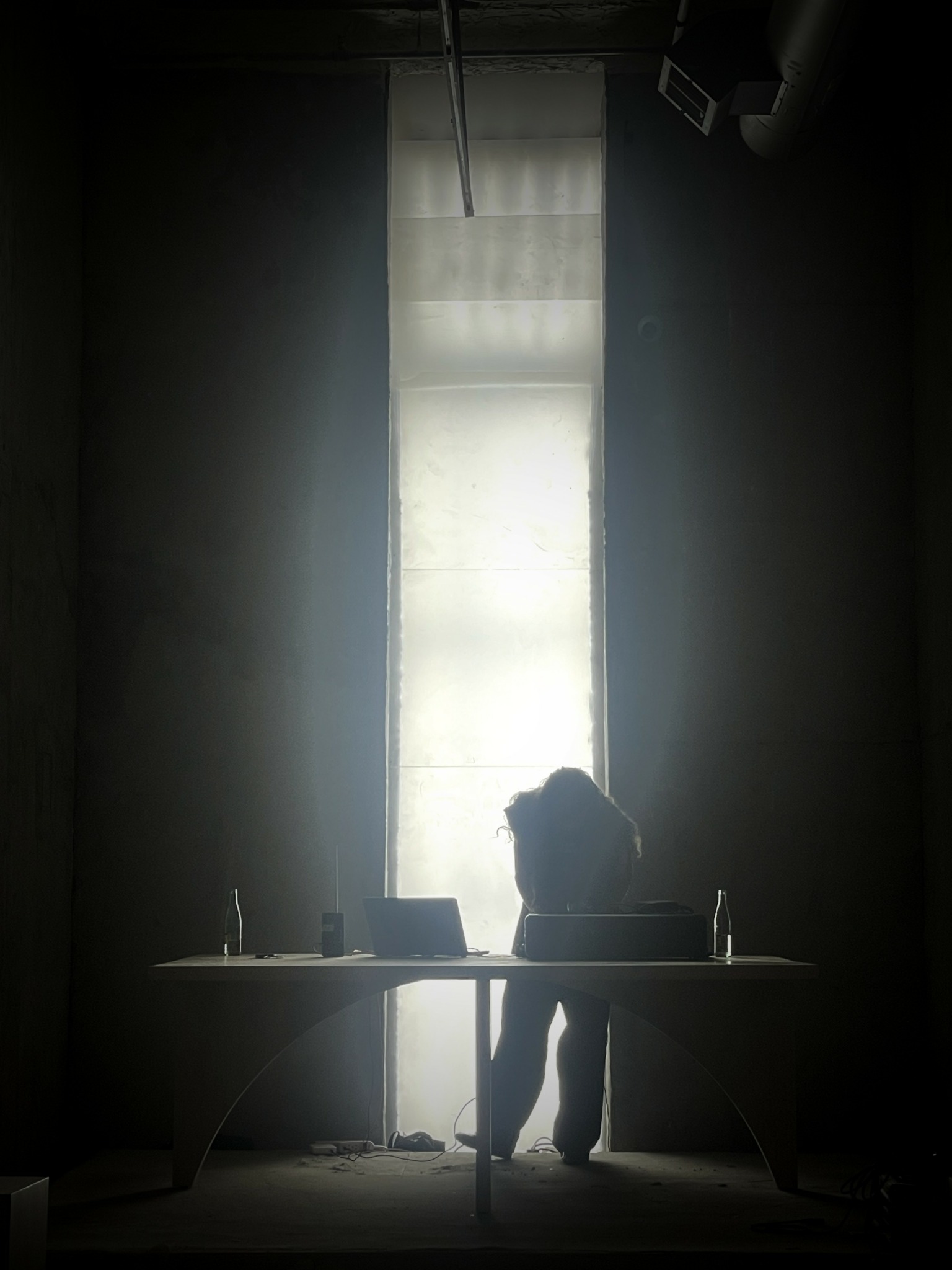
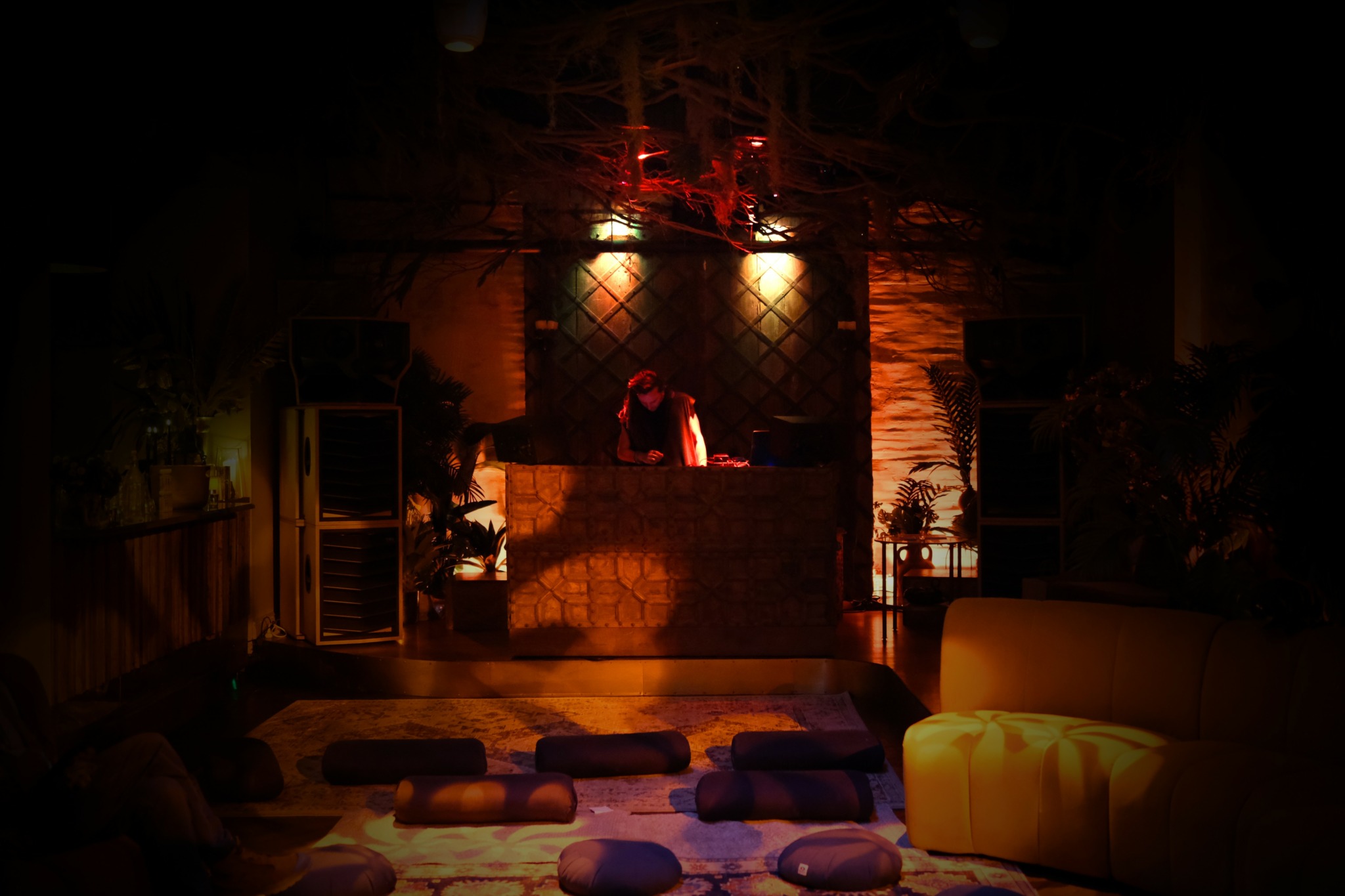
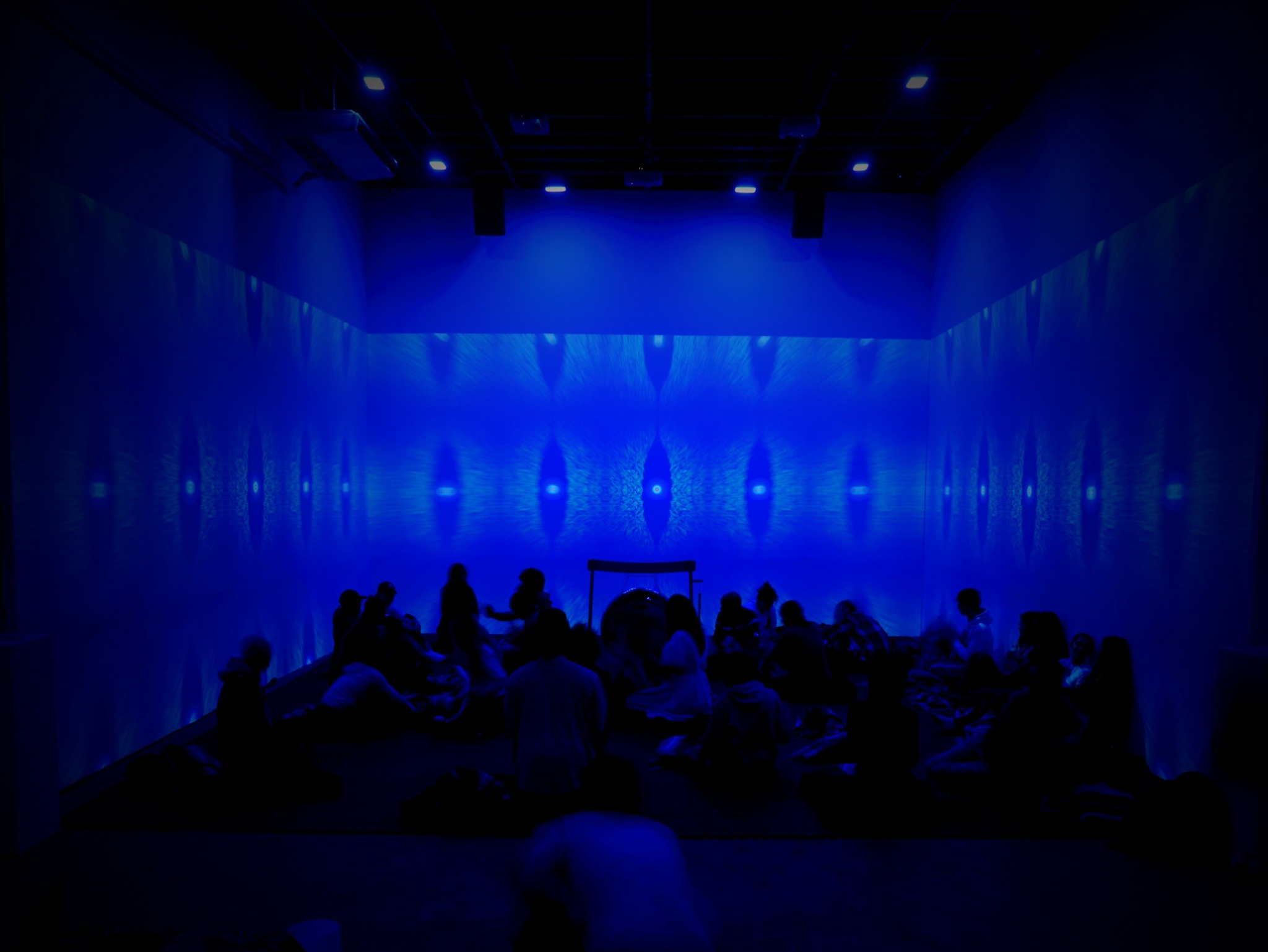
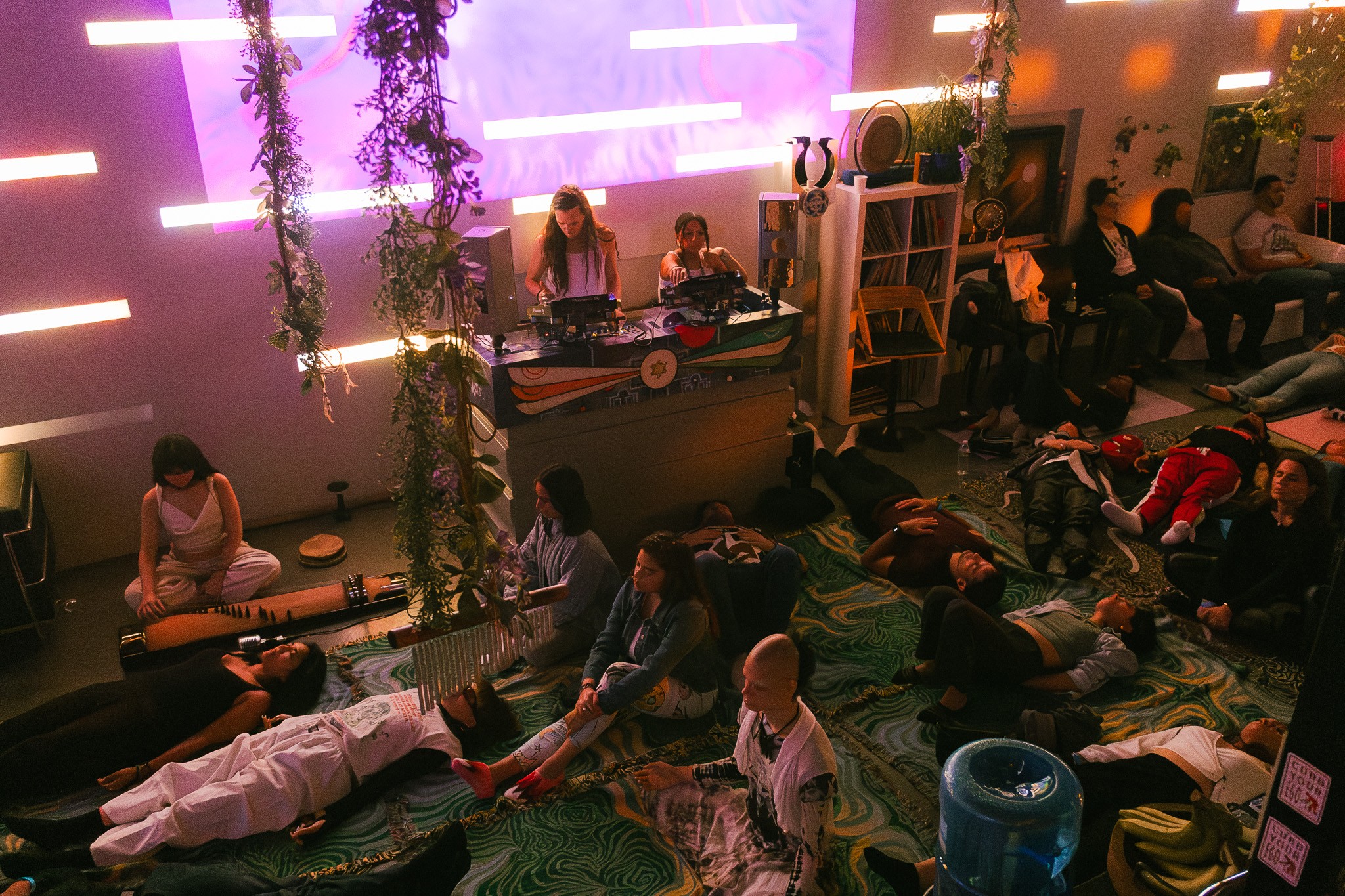
Image Credits
Andy le Max/ Phony Studio