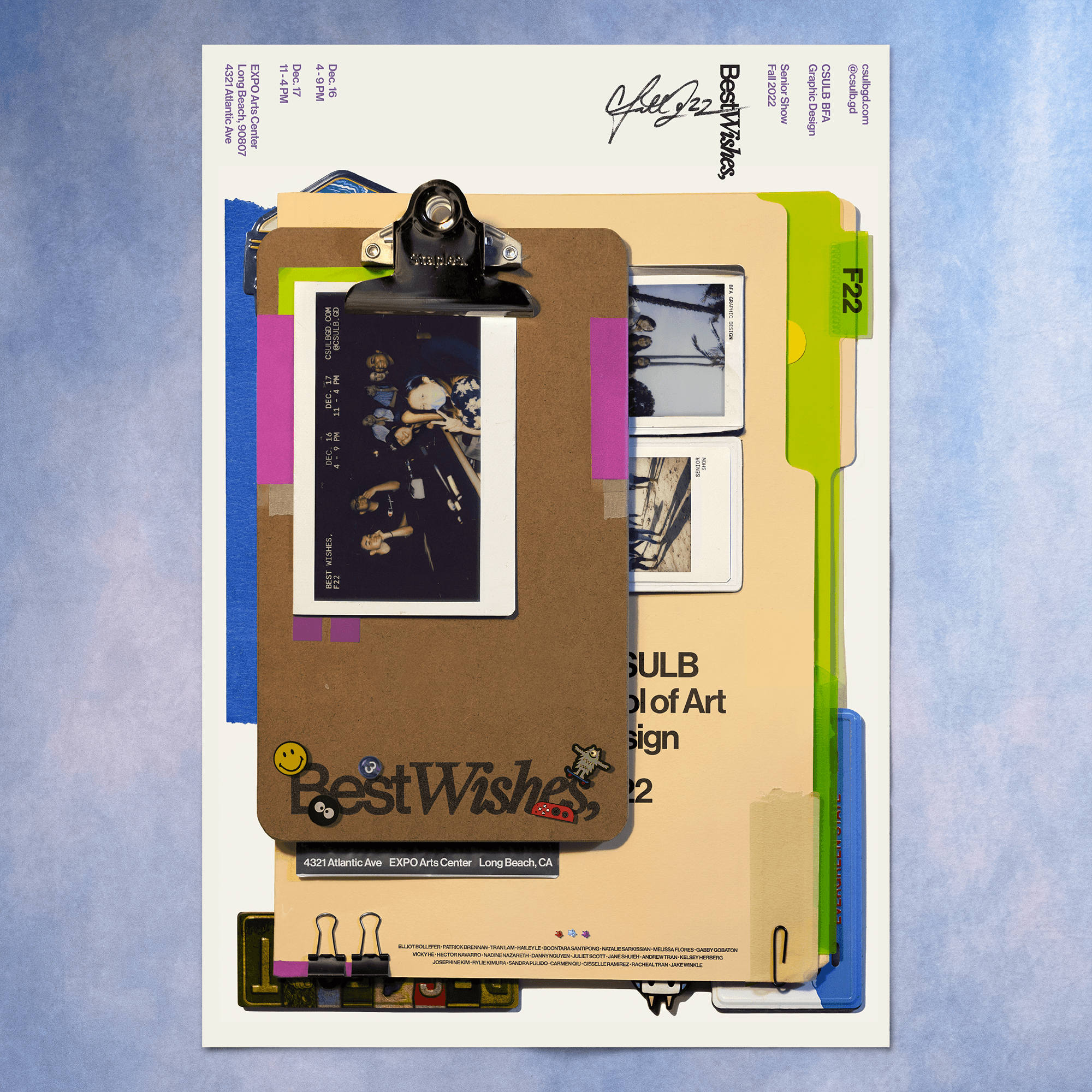
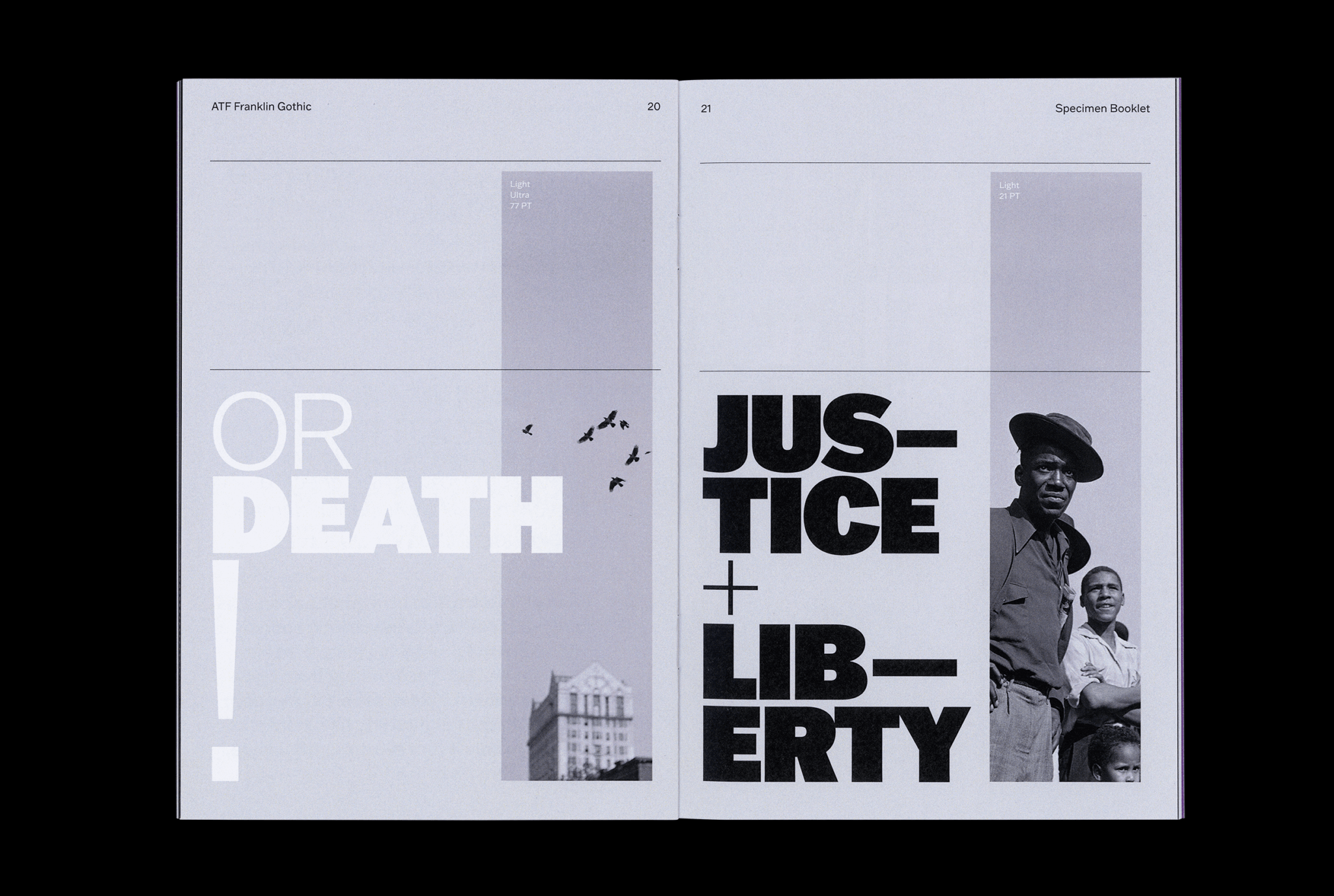
We were lucky to catch up with Andrew Tran recently and have shared our conversation below.
Andrew, thanks for taking the time to share your stories with us today Learning the craft is often a unique journey from every creative – we’d love to hear about your journey and if knowing what you know now, you would have done anything differently to speed up the learning process.
Like most people in creative fields, I first learned by teaching myself, and like most creatives, I started out with a cracked version of Photoshop. While this taught me the basics of software, it wasn’t until university that I started learning about what really matters: design principles––fundamentals like composition, hierarchy, and balance.
Studying design in a formal classroom setting, and having your work critiqued by peers and professors, skyrocketed my rate of learning. They saw problems in my projects that I couldn’t see myself until they were pointed out. This helped me quickly train my eye, which is the most important tool a designer can have. They also taught me to design with intention, instead of just creating images that look cool, and made sure that I could explain my reasoning behind every decision, such as a choice of typeface or style of image making.
By far the largest obstacle to my learning process was a fear of failure. In college I was extremely neurotic about making perfectly crafted, ready-to-launch work that I often eschewed more inventive approaches to my projects in favor of forms that were tried and true. While this resulted in work that was polished, they also lacked imagination to me. Near the end of my program I pushed myself more to stay out of my comfort zone, and even in my current job I’ll always aim for the more imaginative solution whenever possible, even if I’m not entirely confident that I could execute it with a high level of craft.

Great, appreciate you sharing that with us. Before we ask you to share more of your insights, can you take a moment to introduce yourself and how you got to where you are today to our readers.
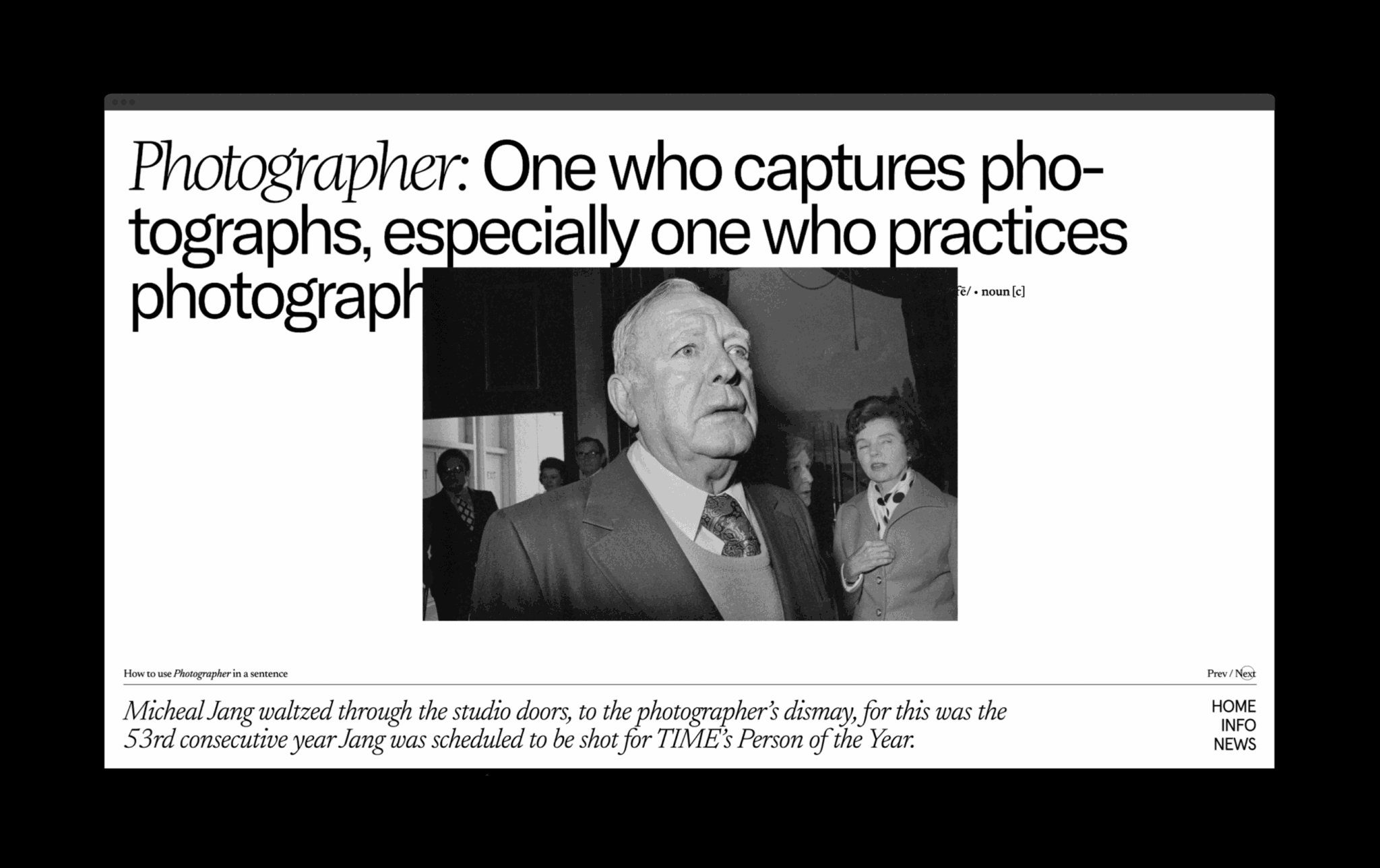
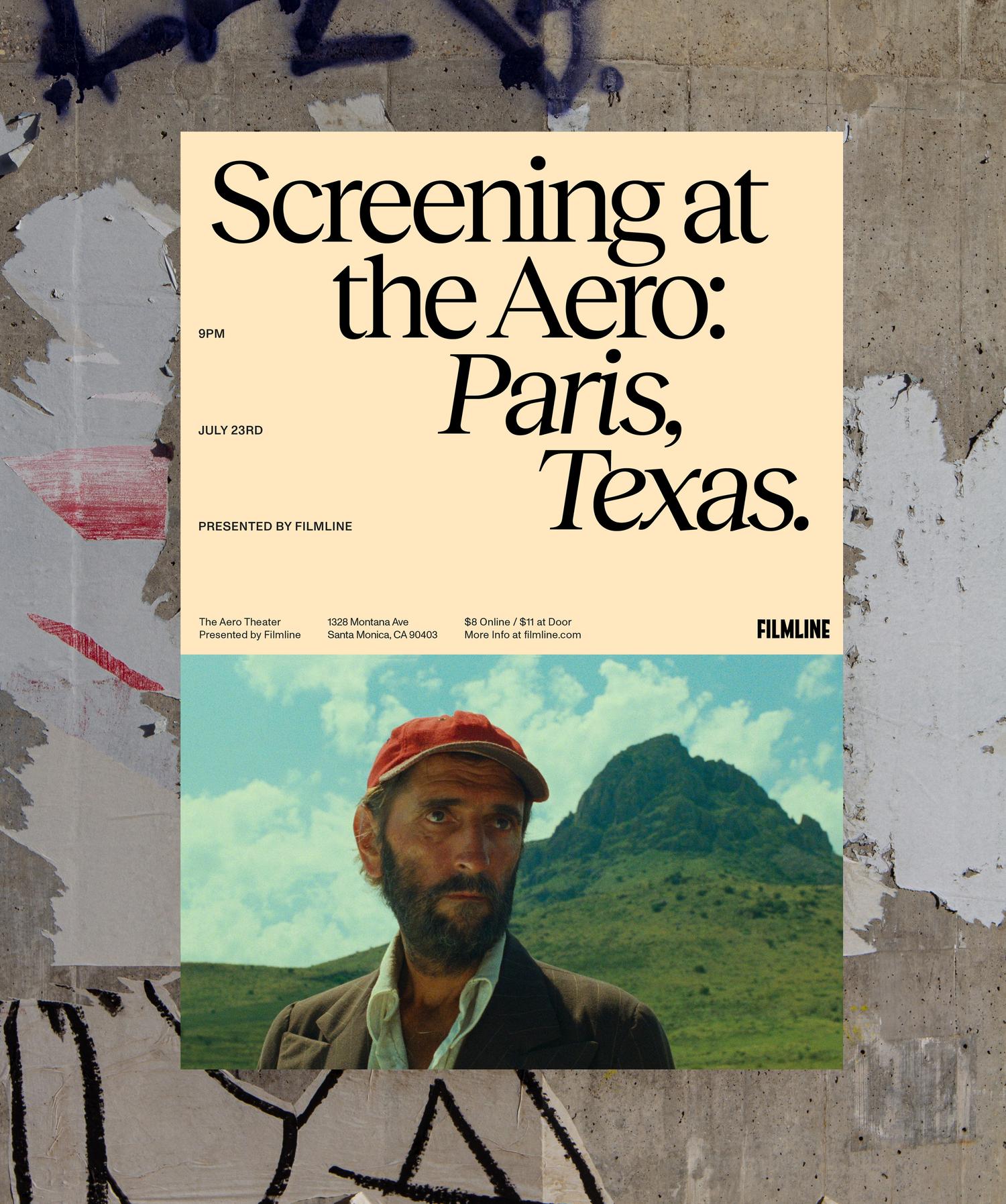
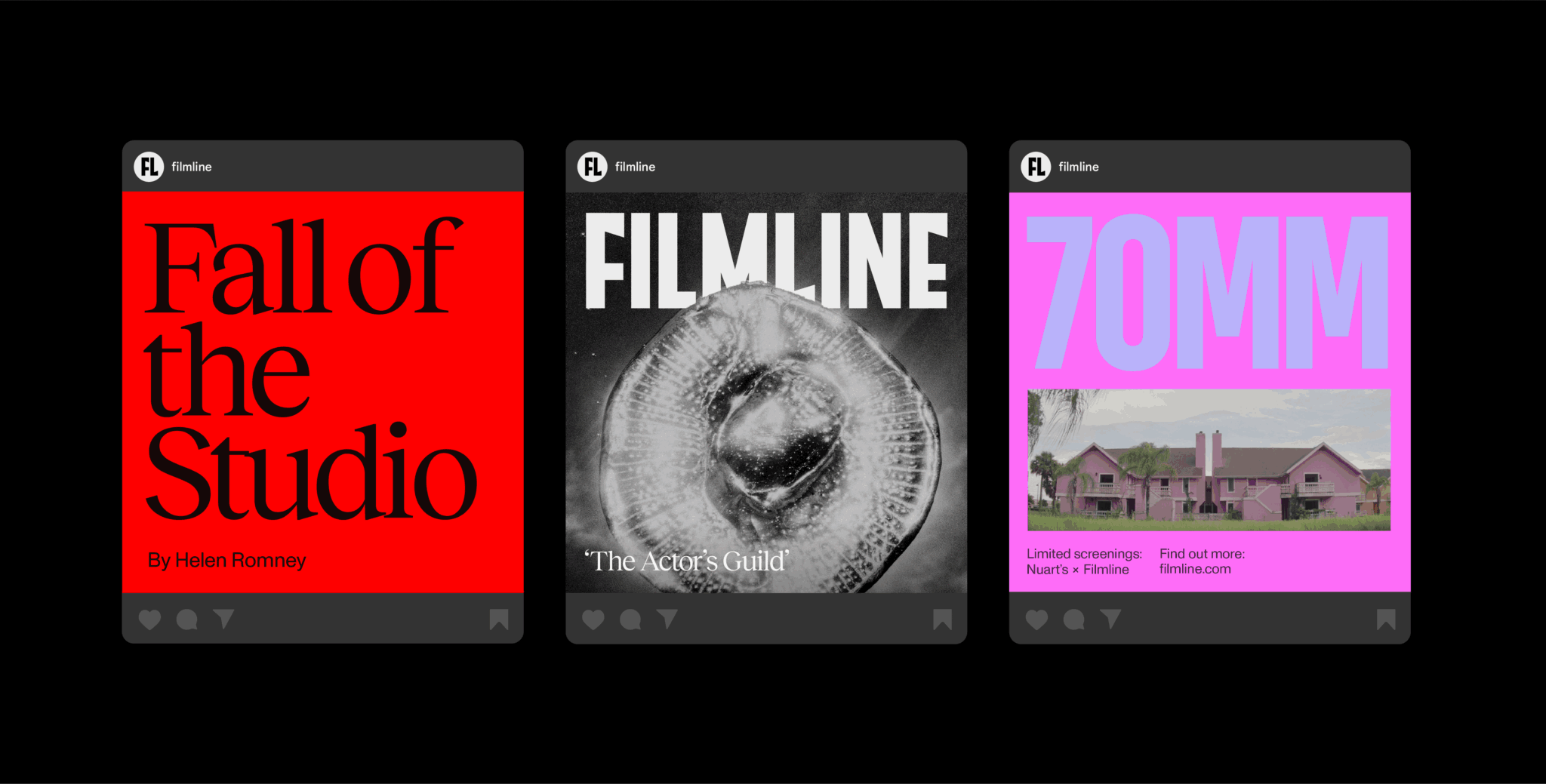
I’m a graphic designer, so in my day-to-day I mainly deal with type and image. Although I feel comfortable working in any field in design, my specialities are in branding and editorial design. I enjoy the challenge of devising a visual language to differentiate a brand from others, which often involves a deep dive into a brand’s history and discovering the unique story that only that brand can tell. And I really enjoy editorial design, partly because I’m an avid reader, and partly because editorial design distills graphic design down to its fundamentals: typography, imagery, and layout.
I think what sets me apart from others is that I understand the principles of graphic design really well, especially when it comes to typography and how it can be used in a composition, which allows me to work in many different styles. I also don’t limit my influences to just graphic design. When I work on a project, whether it be for a client or my own, I always try to look to other subjects for guidance, whether it be to art history, architecture, or even filmmaking. Chances are, the problem I’m working on at the moment is simply paraphrased from one that’s been solved before.
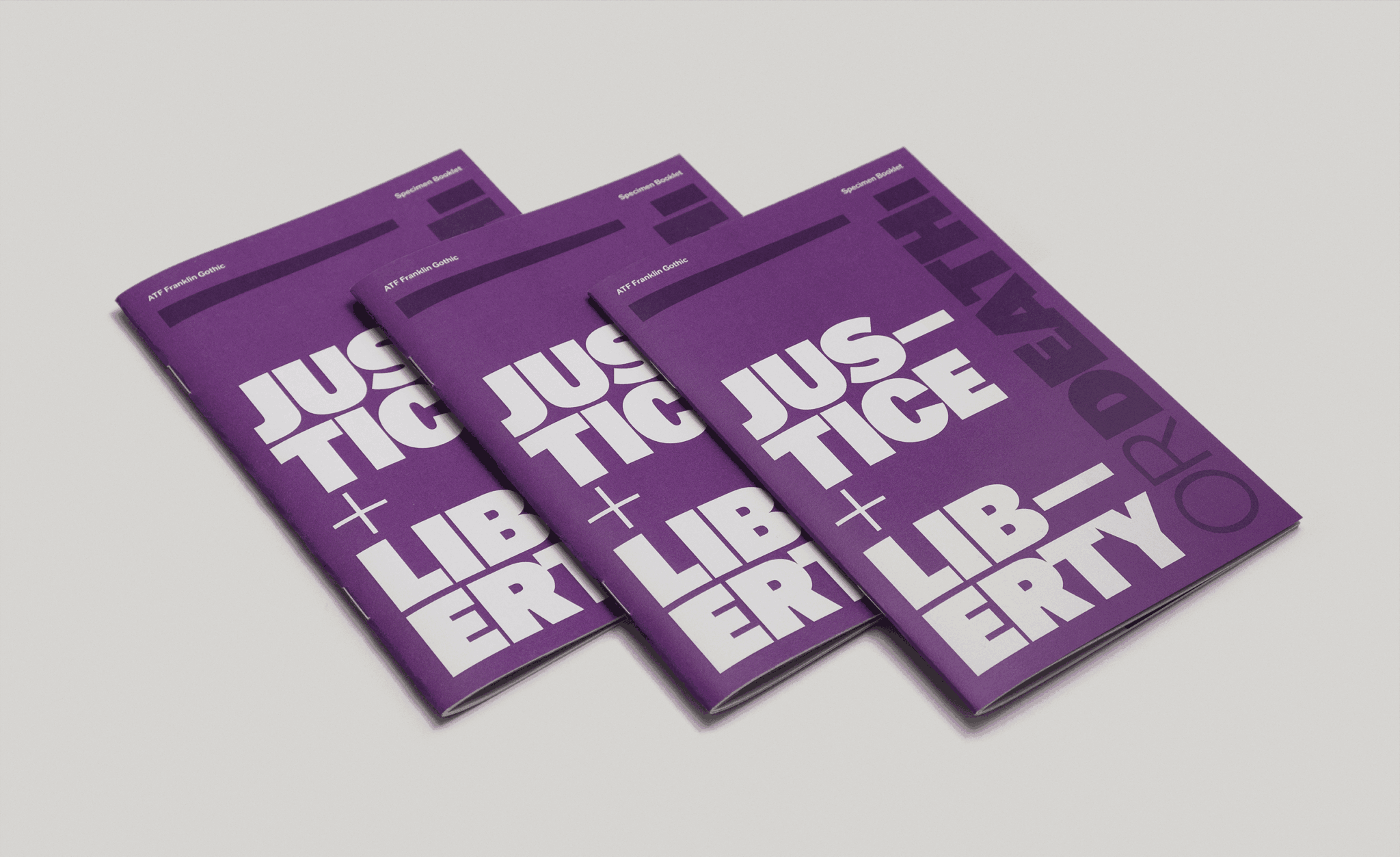
Learning and unlearning are both critical parts of growth – can you share a story of a time when you had to unlearn a lesson?
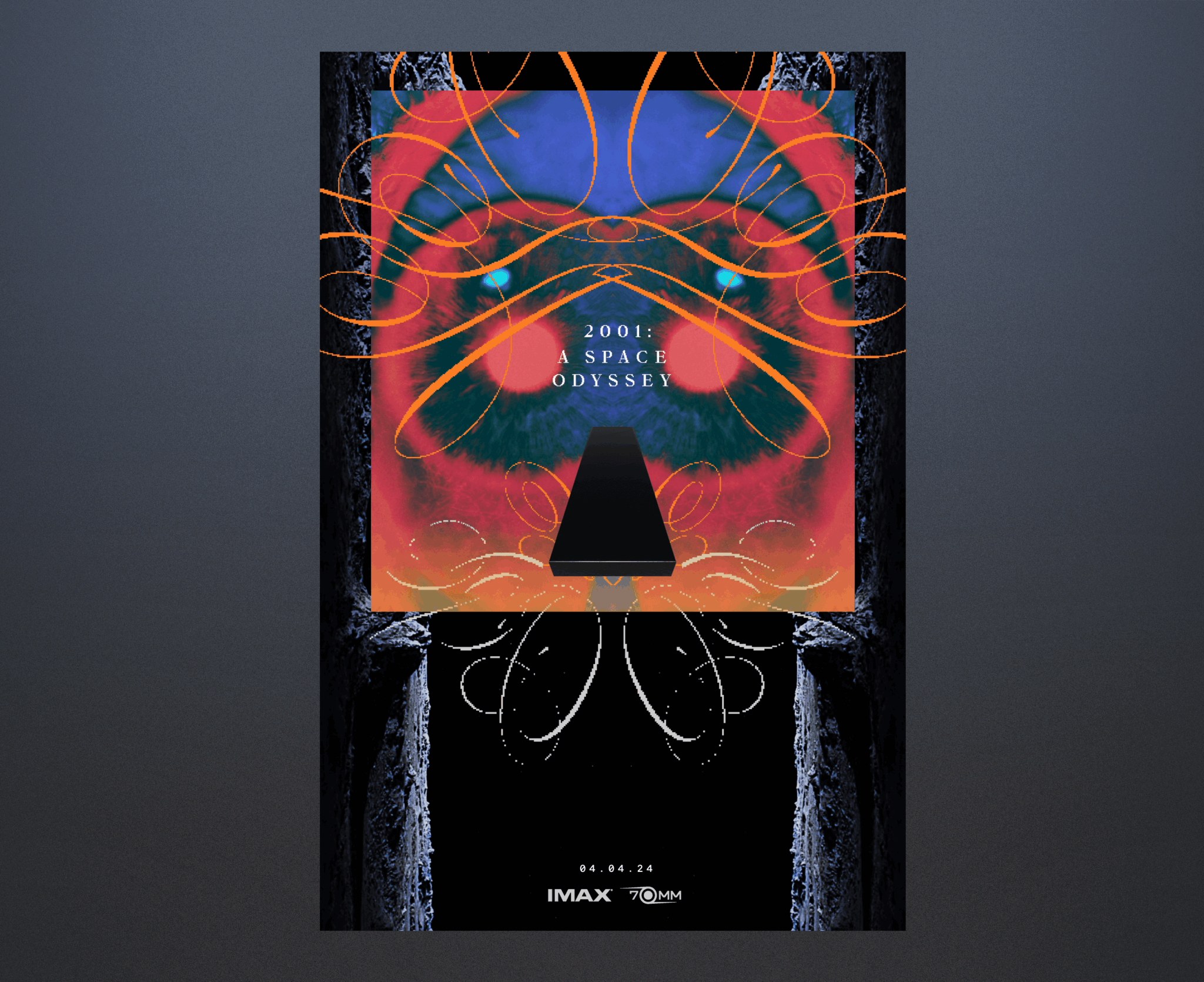
This is really specific to design, but as a consequence of being obsessed with designers like Chris Ashworth, for a short while I used to be convinced that a strong composition was the only thing that mattered to creating beautiful work, more so than image making, and that you could make a compelling piece out of literally anything, even discarded junk, as long as it had an interesting layout that used negative space elegantly.
In university I created a project based on this mindset and tried to design a poster using only one weight in one size of one typeface. I failed spectacularly. To put it simply, it turned out super boring. That failure taught me that to create beautiful, memorable work, you need both a strong composition and strong imagery. To draw an analogy to music, a good song is both well-structured––composition––and interesting sonically––imagery. Just one or the other isn’t enough.

What do you find most rewarding about being a creative?
I think there’s few things more rewarding than bringing an idea in your head to fruition. I start losing that spark for life when I haven’t created something in a long time. Toiling over the work, iterating until there’s nothing else to iterate, and diving deep into the details––it can be grueling while you’re in the moment, but seeing the end result, after everything’s done, always brings me immense joy. And everyday I feel incredibly grateful that I get to do this for a living.
Contact Info:
- Website: https://andrewvtran.com/
- Instagram: andrewvtran
- Linkedin: https://www.linkedin.com/in/avinht/