
We recently connected with Andrew Huynh and have shared our conversation below.
Andrew, appreciate you joining us today. Let’s start with education – we’d love to hear your thoughts about how we can better prepare students for a more fulfilling life and career.
As an only child of immigrant parents, I’ve often had to navigate the education system on my own, specifically in the pathway through high school. My parents, though incredibly supportive, were unfamiliar with the structure of American high schools and the pathway to college, which left me without the guidance that many of my peers already had. I didn’t know how to build a strong resume, what AP classes were and which ones I should take, or which extracurriculars really mattered. More importantly, though, I had little exposure to the range of careers that existed beyond the traditional paths of being a doctor or lawyer. This lack of early mentorship made me realize how vital it is for students, especially those from first- and second-generation families, to have access to mentors who can help them dream much bigger and plan more innovatively.
If I could change one thing about the education system, it would be to integrate career exploration and mentorship much earlier in a student’s journey. We spend years learning math, science, and literature- much of which helps build our academic profile, but very little time learning about ourselves- our interests, strengths, and what a fulfilling career might look like. Schools need to offer more structured opportunities for students to interact with professionals from a variety of fields, ideally through regular mentorship programs, job shadowing, or project-based learning tied to real-world industries. For many students like me, understanding what’s possible is the first step toward a much more informed future.
This realization is what inspired me to join FirstGen Mentors- a nonprofit created by students, for students. I remember sitting in a school career seminar in 7th grade where a guest speaker discussed a career called a “Futurist Consultant”, something I had never heard of before. That moment opened my eyes to the sheer diversity of careers that exist outside of the more traditional roles I had been exposed to. Now, through our organization, we’re connecting first- and second-generation students with expert & college mentors who can provide that same spark of possibility, while offering the guidance and encouragement many of us didn’t have growing up. By rethinking how we expose students to life after high school, we can empower them to make more informed, inspired choices about their futures.
Awesome – so before we get into the rest of our questions, can you briefly introduce yourself to our readers.
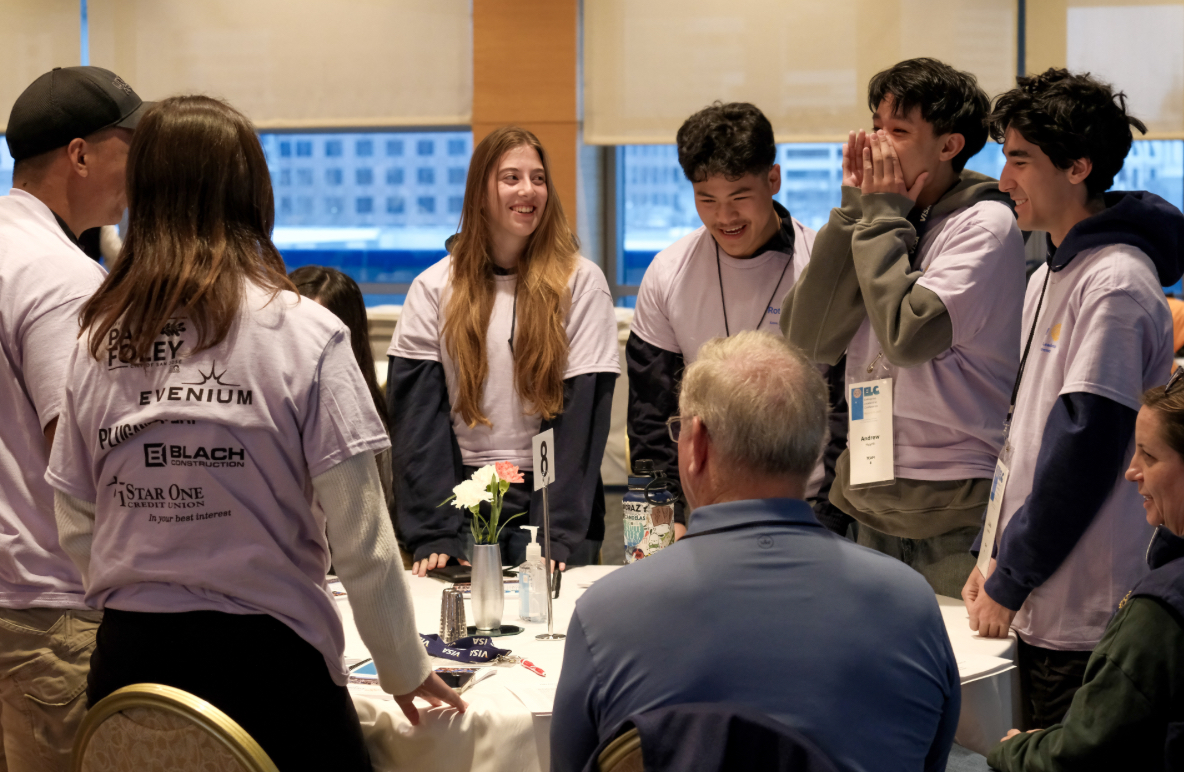
Hello! I’m Andrew Huynh and I am a rising high school senior! Within the academic scene, I’m extremely passionate about bridging business innovation with equity in public education. My journey began in first grade when I sold handmade paper bracelets at recess (haha!), a simple act that sparked a lifelong curiosity about entrepreneurship. Over the years, especially in high school, that curiosity evolved into a deeper understanding of how business and policy can work hand in hand to drive social change. I focus my research and advocacy on how businesses are stepping into leadership roles in education reform- shaping policy agendas, funding initiatives, and launching solutions aimed at improving equitable access to quality education. While these efforts offer powerful opportunities, they also present complex challenges like funding disparities, uneven influence, and potential conflicts of interest. My work is centered on advancing solutions that are both innovative and ethical, ensuring business involvement enhances, rather than hinders, equitable outcomes.
What I believe sets me apart is my commitment to connecting two worlds that are often seen as separate: business and public education. I’ve met countless students and seen many impressive initiatives, some focused on entrepreneurship, others on policy advocacy, but rarely do I find efforts that bridge both in service of a greater mission: equity in education. That gap is what drives me. I believe that business isn’t just about startups or profits but a powerful tool for systemic change, especially in education.
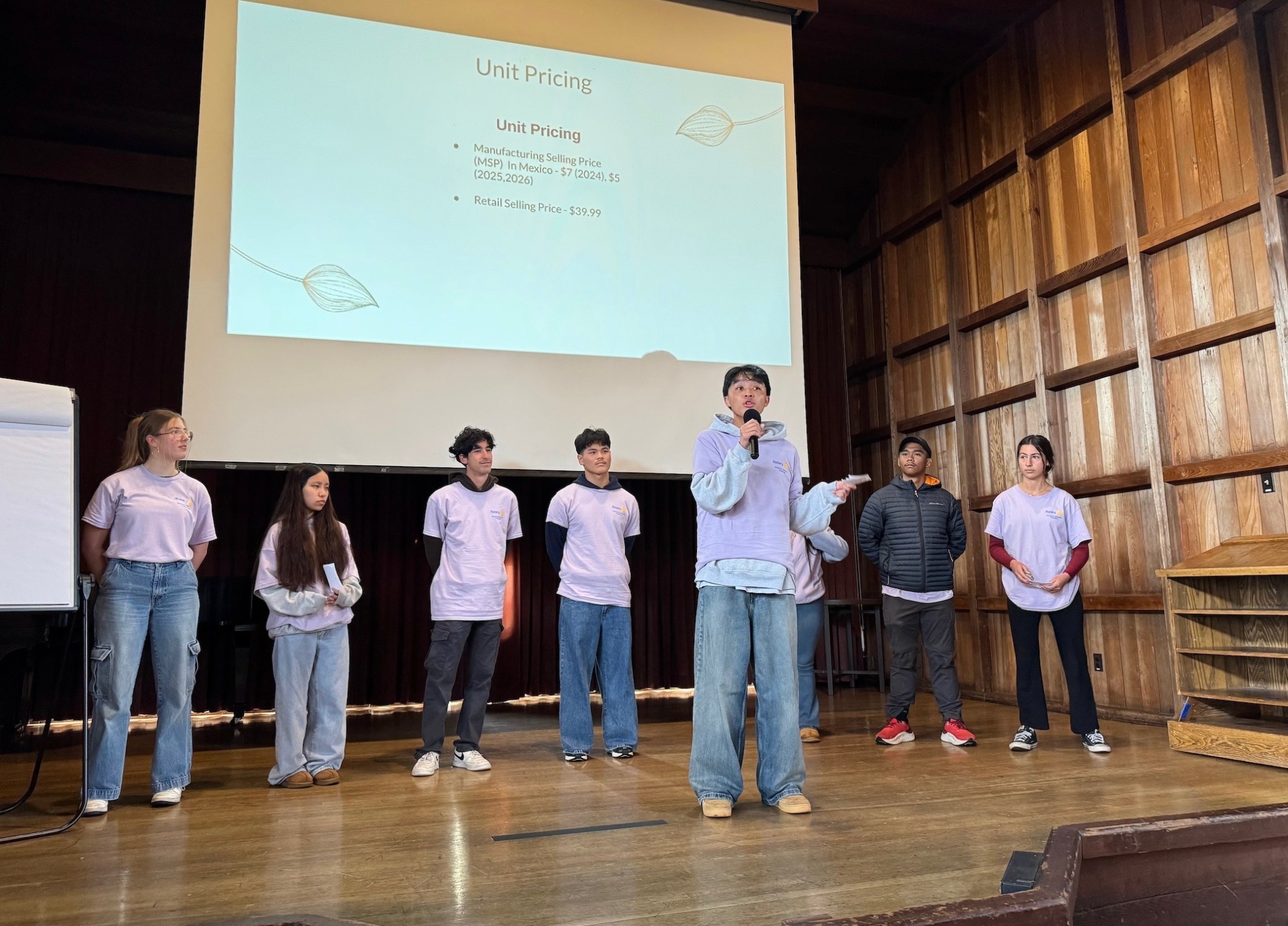
Through my role as Chief Marketing Officer at FirstGen Mentors, I amplify that mission by supporting first- and second-generation students with the mentorship and resources they often lack, ranging from resume support to career preparation. I want students to know that innovation and impact aren’t out of reach, and when we connect them, we can reimagine what equity in education truly looks like. In just a few months since our founding this year, we’ve onboarded over 20 career professionals as mentors and reached over 3,000 students globally and recently released our first podcast episode! Additionally, as the Co-Chief Operations Officer at BusinessForKids, we’re a 501(c)(3) certified nonprofit helping students see how business skills can be used to address real problems in their schools and communities. Since our founding in 2022 we’ve hosted over 30 events in different middle and community schools, impacted over 1,500 students, and built a passionate team of 125+ youth volunteers, all committed to making business education inclusive, engaging, and community-driven.
Learning and unlearning are both critical parts of growth – can you share a story of a time when you had to unlearn a lesson?
One of the biggest lessons I’ve had to unlearn is the idea that success has to happen on my timeline- that if something doesn’t work out immediately, it means I’ve failed. I wholeheartedly used to believe that if I didn’t get the position I wanted, win the award, or achieve the goal right away, I must not have been good enough and that there was something wrong with me (which isn’t true!). That mindset weighed heavily on me during times like not being re-elected to my school’s Key Club officer board or even failing at a regional competition I had spent months preparing for. Over time, though, especially this past year as I complete the infamous junior year of high school, I’ve become a firm believer that what’s meant for you will come to you- and more importantly, that you won’t receive the opportunity unless you’re truly ready for it. That shift in mindset helped me stop viewing rejection as a door closing, and instead as redirection toward something better suited for my growth.
I learned that failure isn’t failure at all if you haven’t given up. Although others might claim that’s cliche to say, some of my most meaningful breakthroughs happened right after moments that felt like personal low points. When I let go of the pressure to “succeed” instantly and focused on learning and showing up, telling myself “whatever happens, happens,” things started falling into place. I was promoted to a higher position in my nonprofit, expanded our impact to reach more students globally, and even aced all of my classes last semester! Those wins didn’t come from perfection- they came from persistence, reflection, and trust in the process. Now I see setbacks as part of the journey, not the end of it.
Let’s talk about resilience next – do you have a story you can share with us?
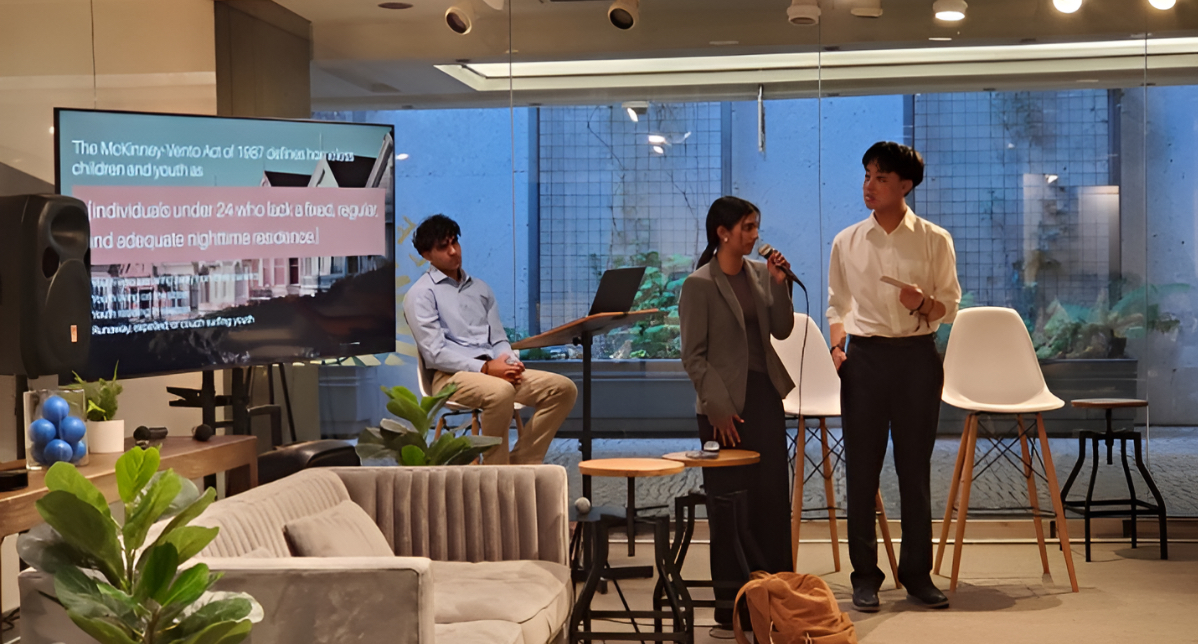
I constantly find myself wrestling with self-doubt, even in moments when I’ve prepared extensively and done everything “right.” Whether it’s giving a simple class presentation or pitching a meaningful partnership to a local business for one of my nonprofit initiatives, I still feel that lingering voice in my head whispering, “are you really enough for this?” Google calls it imposter syndrome, but to me, it feels like a quiet, internal weight I’ve carried for years. It’s not just about feeling out of place in a specific moment, but questioning if I even belong in the spaces I’ve worked so hard to enter. It’s this deep-rooted fear that no amount of preparation can quiet because it isn’t really about what I’ve done; it’s about how I’ve come to measure my own worth against impossible standards. When you’re the first in your family to navigate a certain path, there’s often an unspoken pressure to prove that every opportunity you receive isn’t a mistake or a coincidence, and to do “better” and be “better.”
For me, this self-doubt hasn’t gone away, but I’ve started to build a relationship with it, one where I acknowledge it without letting it define me. I’ve learned that bravery isn’t the absence of fear, but it’s showing up despite it. And every time I push through, even with trembling hands or a shaky voice as I hold my notecards, I gain just a little more trust in myself. I’m learning to celebrate not just the outcomes, but the courage it takes to stand in spaces I once thought weren’t meant for me.
Contact Info:
- Website: https://www.firstgenmentors.org/
- Linkedin: https://www.linkedin.com/in/andrew-huynh-8602b7310