



We recently connected with Andrew DePalma and have shared our conversation below.
Andrew , thanks for taking the time to share your stories with us today Can you talk to us about how you learned to do what you do?
My advice to anyone who wants to learn something new is to pick something that they are excited about rather than picking something they think they should want to do. Think of the thing that keeps you up at night. The thing that your mind drifts to when you are supposed to be paying attention to something else. It helps you when you climb over the inevitable walls that you will encounter in your learning process.
When I started building, I had very little skill. I have always enjoyed working with my hands but I was not very skilled when it came to building things. In fact, I really was pretty bad at it. I didn’t have a lot of attention to detail and I was notoriously terrible at measuring things correctly. I wouldn’t say that when I started out building, I had a natural aptitude for it.
The first thing that I tried to do to learn to build and use tools was take a class. It was a community class that cost something like $200 and was taught by a retired high school wood shop teacher. This was a good idea in theory but it did not really build my confidence. There were so many people who seemed to accel far beyond me despite us all starting at a relatively similar place.
I actually stopped for a long time after that class was over and thought that I had done a little experiment that was over. Fast forward a few years, I landed myself into a job that was pretty stressful and I needed something in my life that would help me take my mind off things. About the same time, I bought a house and had a long to do list that I wanted to tackle. Those things weren’t fine furniture building but the projects required me to learn more about basic tools, practice measuring, cutting, etc. What was nice about this type of environment versus a classroom was that it allowed me to work at my own pace. If I needed to spend more time to learn something, I could spend as much time as I needed until I understood it without fear of holding others up or feeling any embarrassment.
From there, I would say an obsession began to develop. I don’t use that lightly. I was obsessed. Building became a release for me. The process of growth and progress were outlets to help keep me grounded in the present and not worry about external career factors. I just loved every minute of what I was doing in my garage….and before I knew it, it would be 3am and I would be wishing it was the weekend so I could sleep for a few hours and get back to what I was doing.
Now, I’m not recommending that type of thing but I don’t do moderation very well. From there, I started consuming as many YouTube videos as I could. One of the best things you can do with YouTube is to create folders by topic and save useful videos into those folders. When you are learning something new, you are going to watch countless videos, some good and some bad. But it is so much easier to find the ones you want to continually reference when you have a playlists by topic. There are also some ways to watch those videos that really help too. I watch most from my phone so that I can quickly tap the screen to jump ahead by 10 second intervals to relevant places. Skipping long and pointless intros or when they are explaining something I already understand. It’s also really useful to learn to watch things at a faster playback speed when the info is not challenging to understand and then slow it down to normal or rewind it when you need to comprehend some challenging parts.
I am a very visual learner so videos were helpful to build a good knowledge base to where I could eventually start reading books about the topics of building. It took time for books to be helpful because building is such a visual medium. Books tend to skip steps or assume you are at a certain knowledge point. But once I was in a place where those were helpful, books became a resource for deeper knowledge then YouTube could provide. Videos were helpful with techniques, but books provided theory and detail that would never show up in different mediums.
The last thing that I think is so essential when learning something new is just to try things. You are going to mess things up. Just assume it and be ok with it. And don’t be paralyzed by the desire for perfection. Just start putting the things you are learning into practice in real time and it will greatly accelerate your learning curve.
Great, appreciate you sharing that with us. Before we ask you to share more of your insights, can you take a moment to introduce yourself and how you got to where you are today to our readers
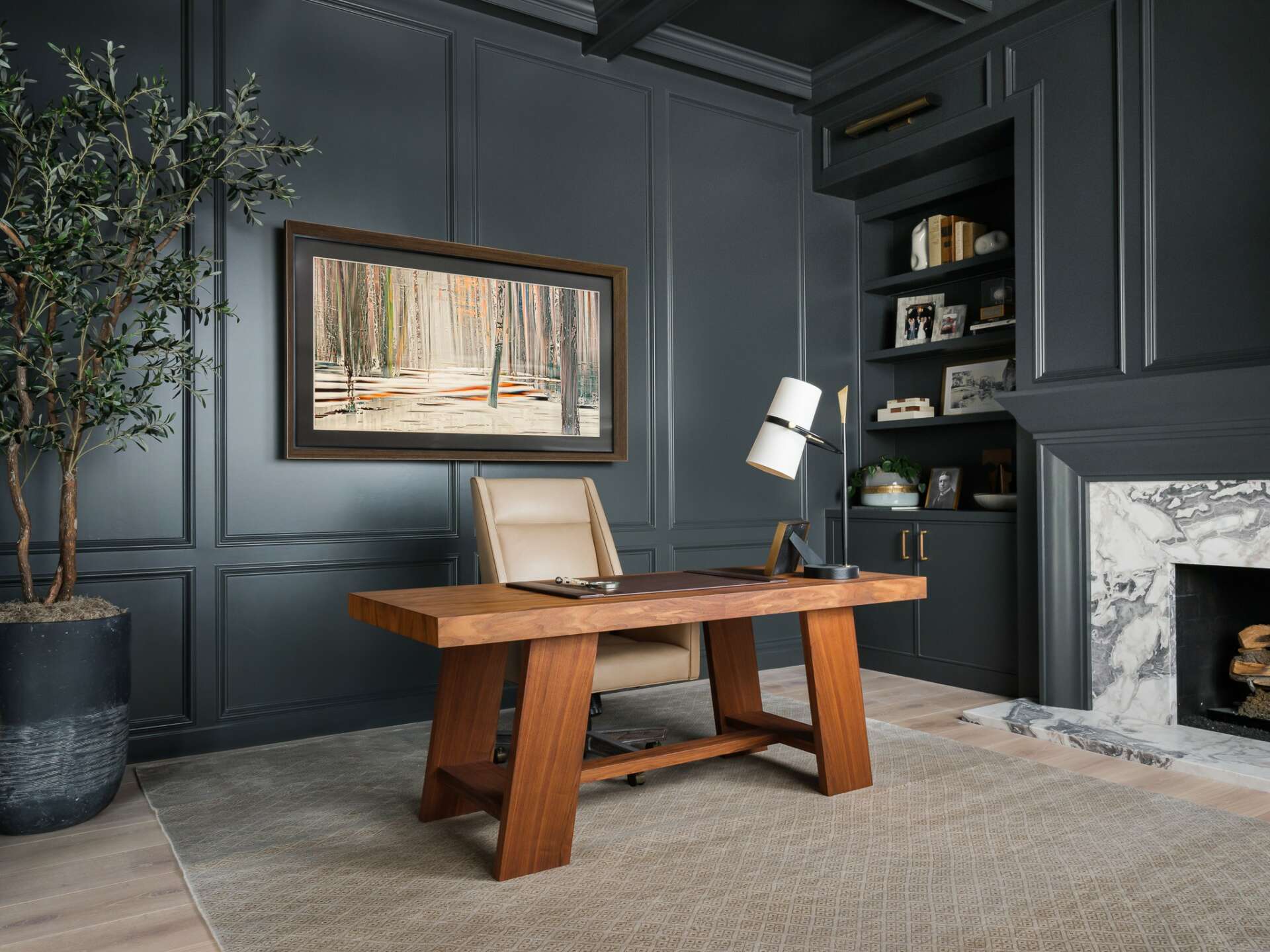
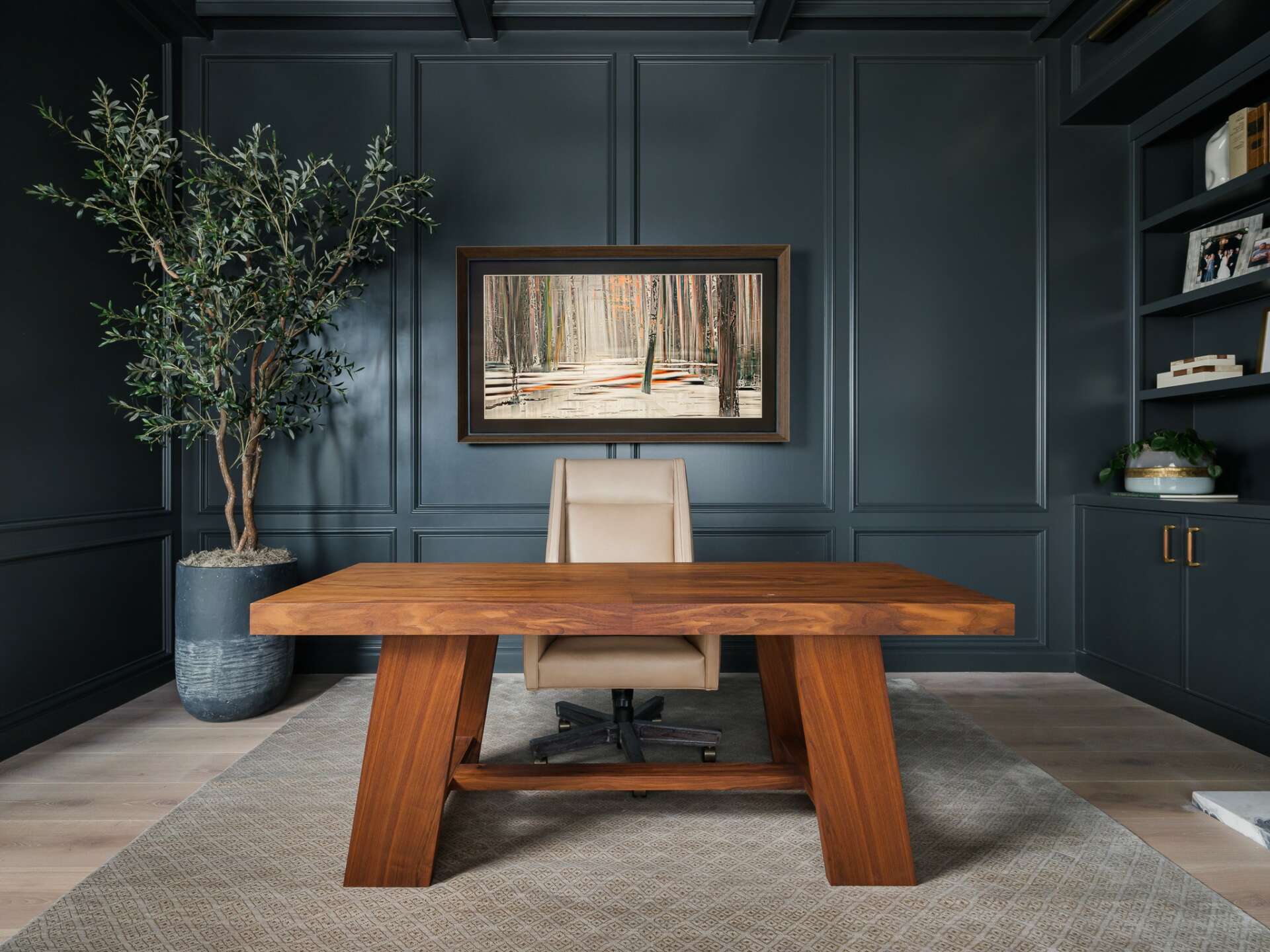
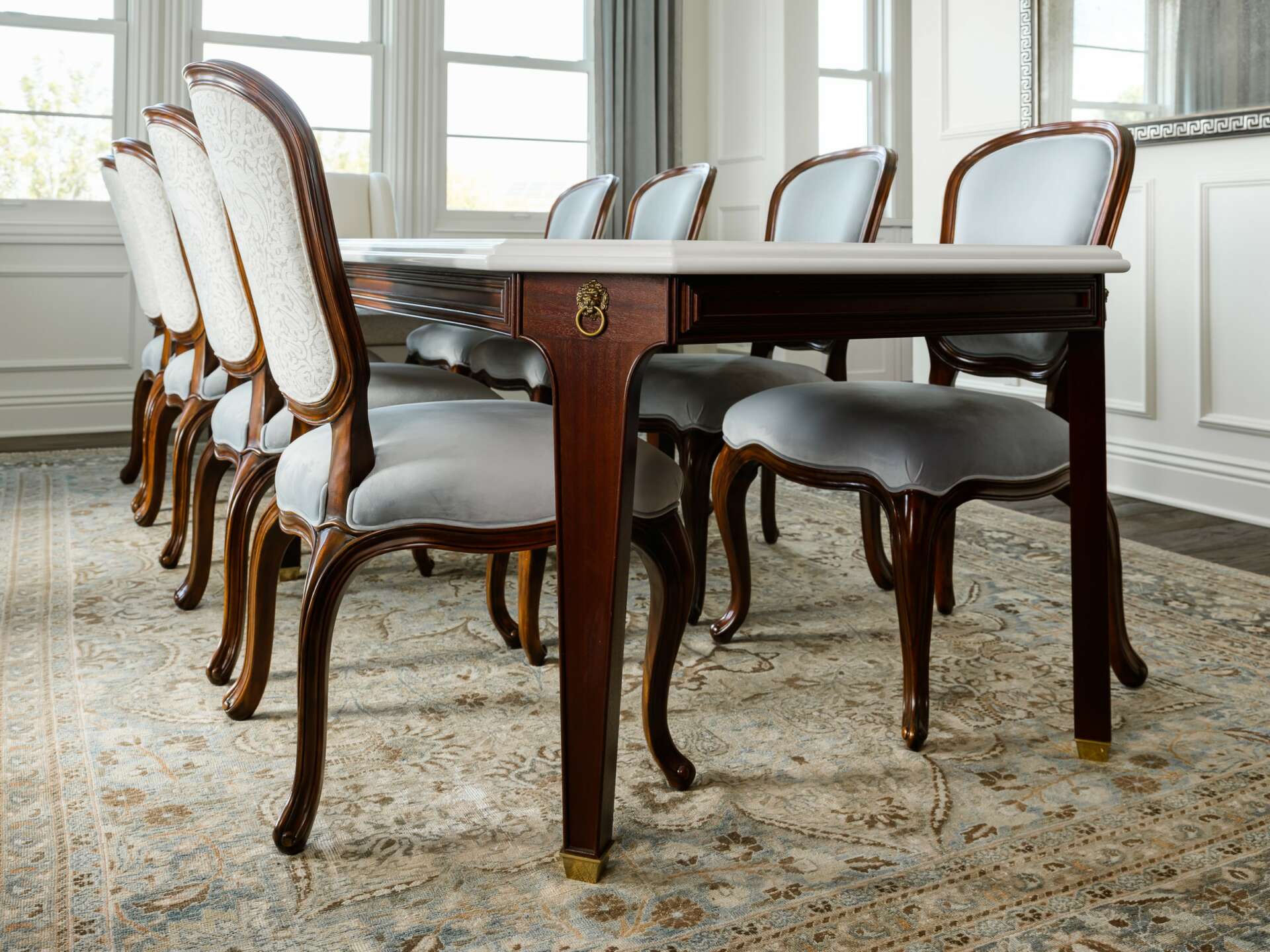
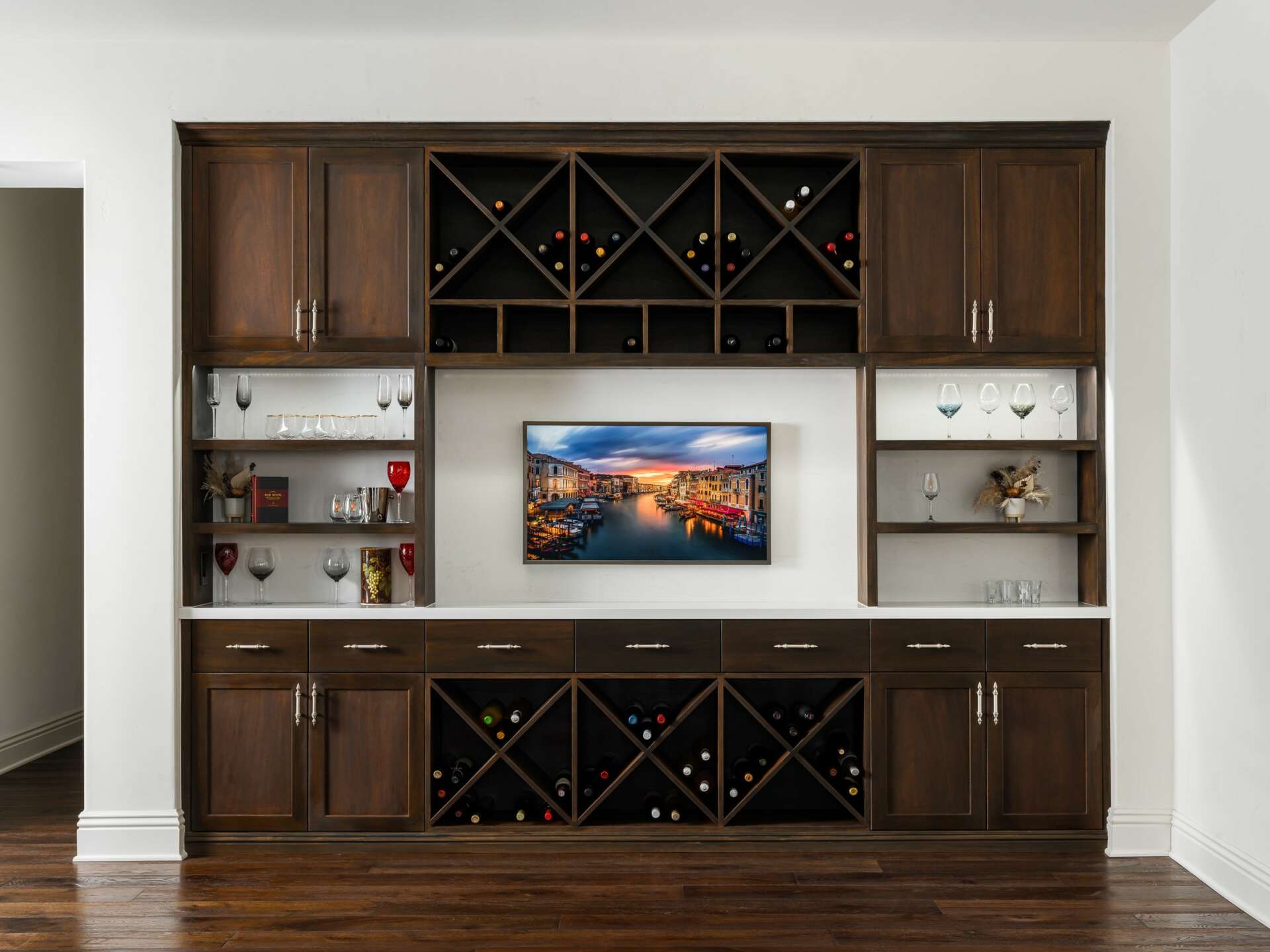
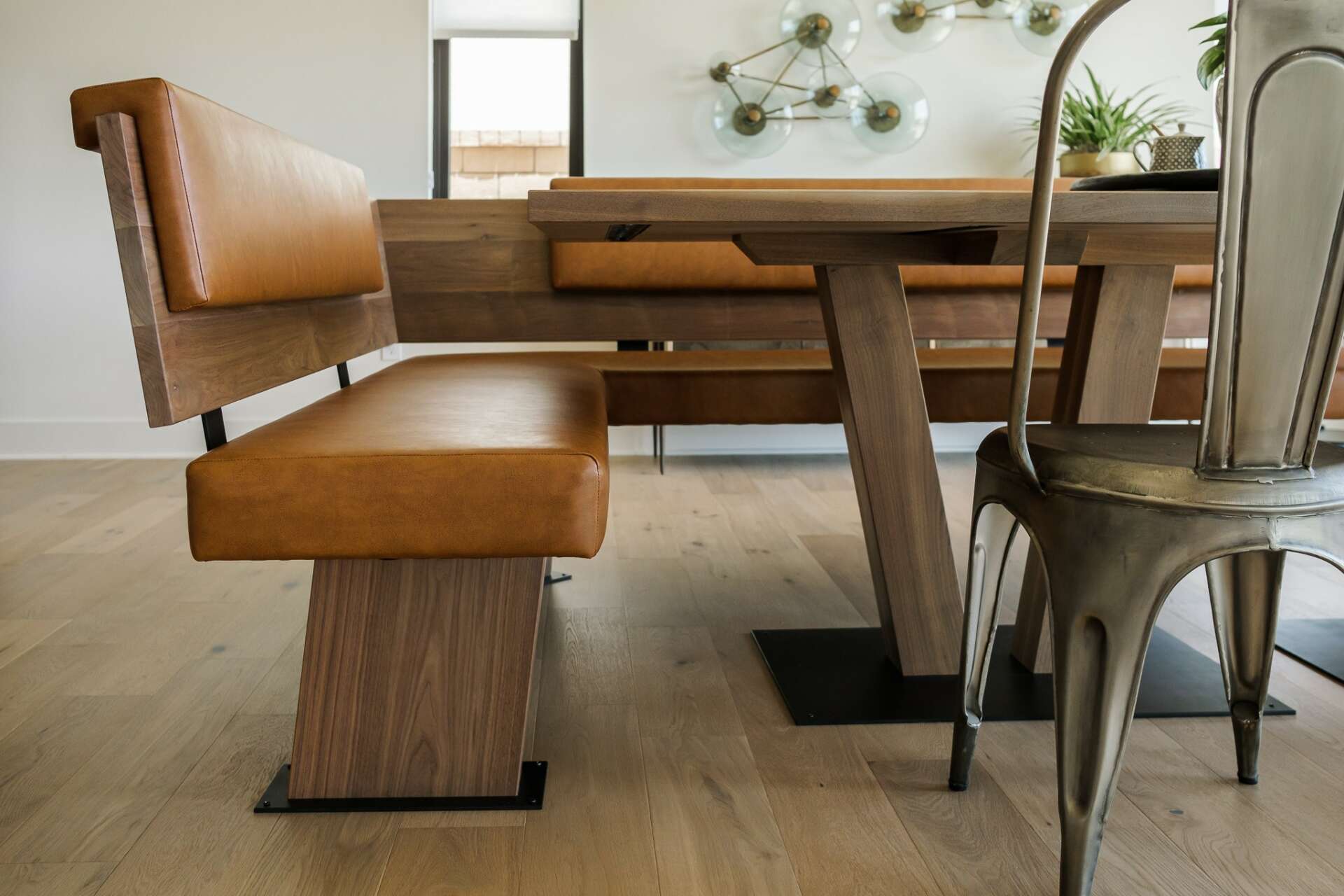
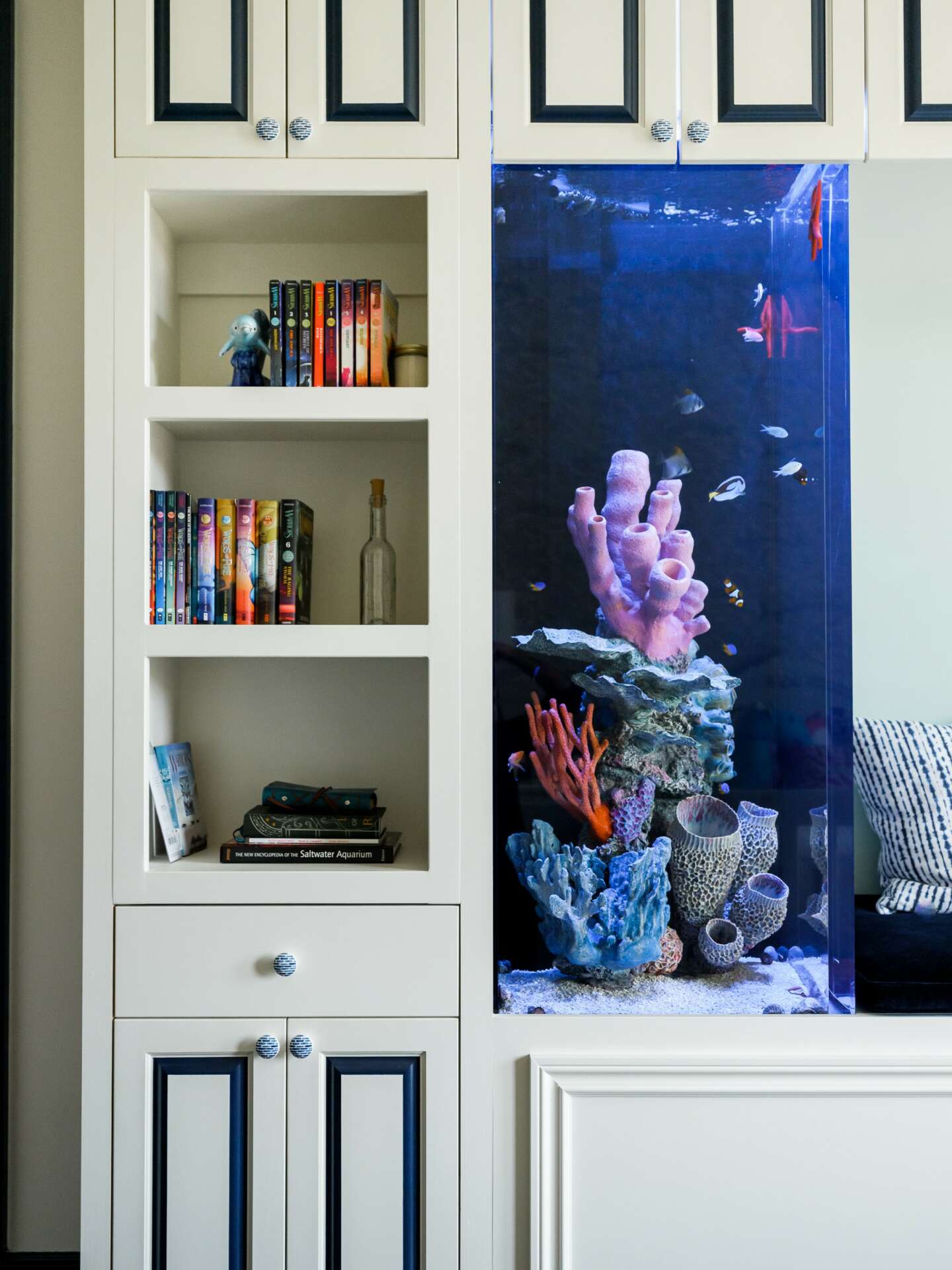
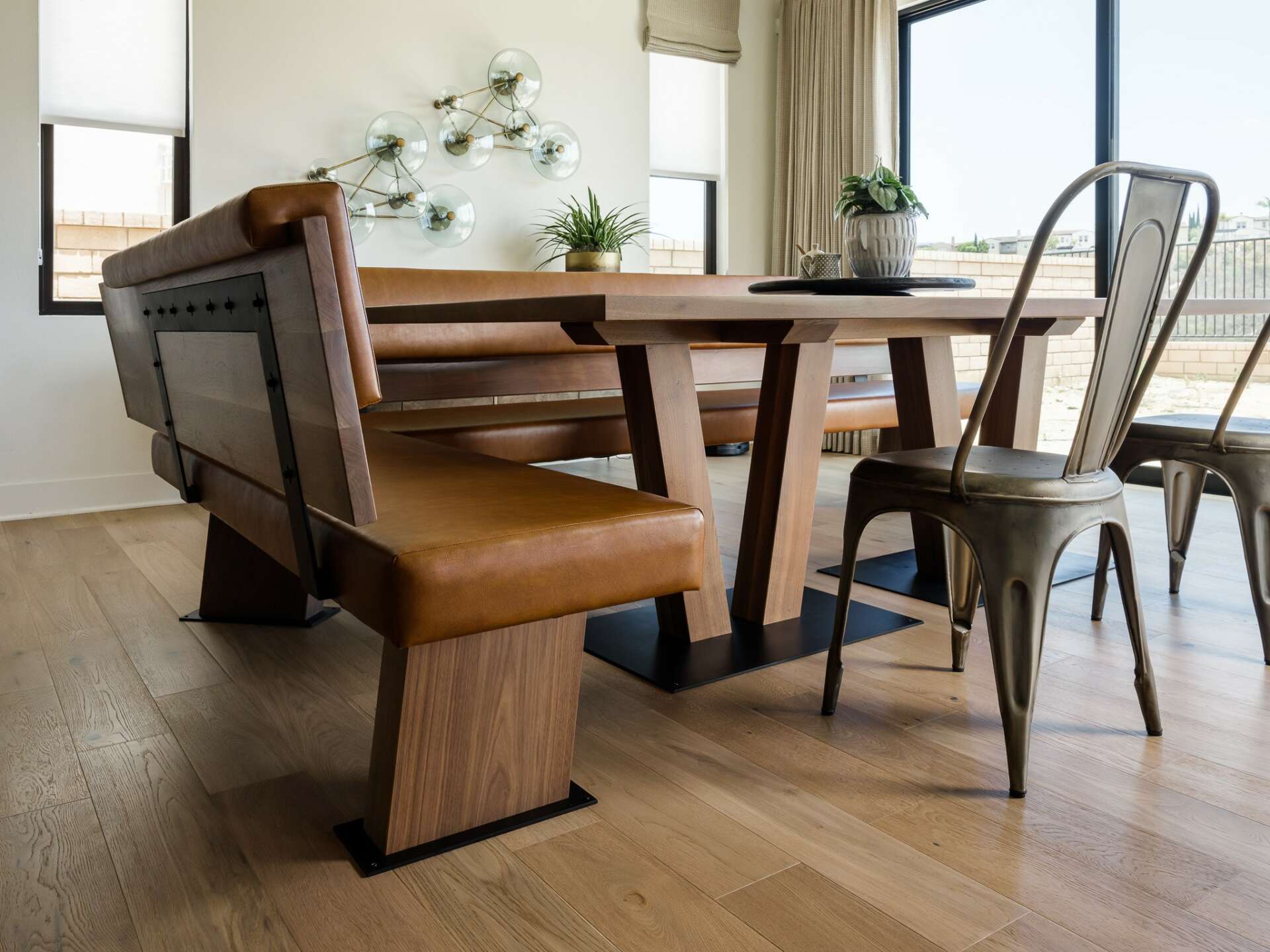
Because I started building furniture as a hobbyist, I have a freakish obsession with quality. When people build things for the joy of it, they are typically trying to make something as good as they can make it. They are not worried about building something as quickly as they can to squeeze some profit out. They are willing to take their time to get it right. I have tried my best to ignore all practical business instincts about time is money and just focus on making our pieces as good as we possibly know how. To be proud of what we do and create. That I think is the core of what I am most proud of at Open Door Furniture.
Is there a particular goal or mission driving your creative journey?
There are some obvious ones that come to mind, like making enough money to do what I love, put my kids through college, etc. But I building custom furniture is hard, really hard. And I think what keeps me coming back is the endless pursuit of perfection. I haven’t arrived and I don’t think I will ever stop learning. I don’t care who you are, when it comes to building, you can always do something better. That’s what keeps it fun. To keep growing and challenging myself. The growth at this point is slow because once you are good at something, you have to be satisfied…thrilled even by learning something very small. But I think that excitement over small learnings is what slowly makes someone an expert.
How did you put together the initial capital you needed to start your business?
We saved a lot when I worked in my last job before I started my business. So that was a big head start for me. I used some of those savings to buy equipment and some of them to help us pay our bills. Each year, I would figure out the bare minimum we needed to survive, pay my family that and then use the excess profits to make more equipment investments to minimize taking on debt. There have been several years in the process of starting out where we have mostly lived on savings which I am incredibly grateful to my wife for sticking with the vision as we trudged and trudge through some challenging times.
Contact Info:
- Website: Opendoorfurniture.com
- Instagram: @opendoorfurniture
Image Credits
Taylor Allen Photography