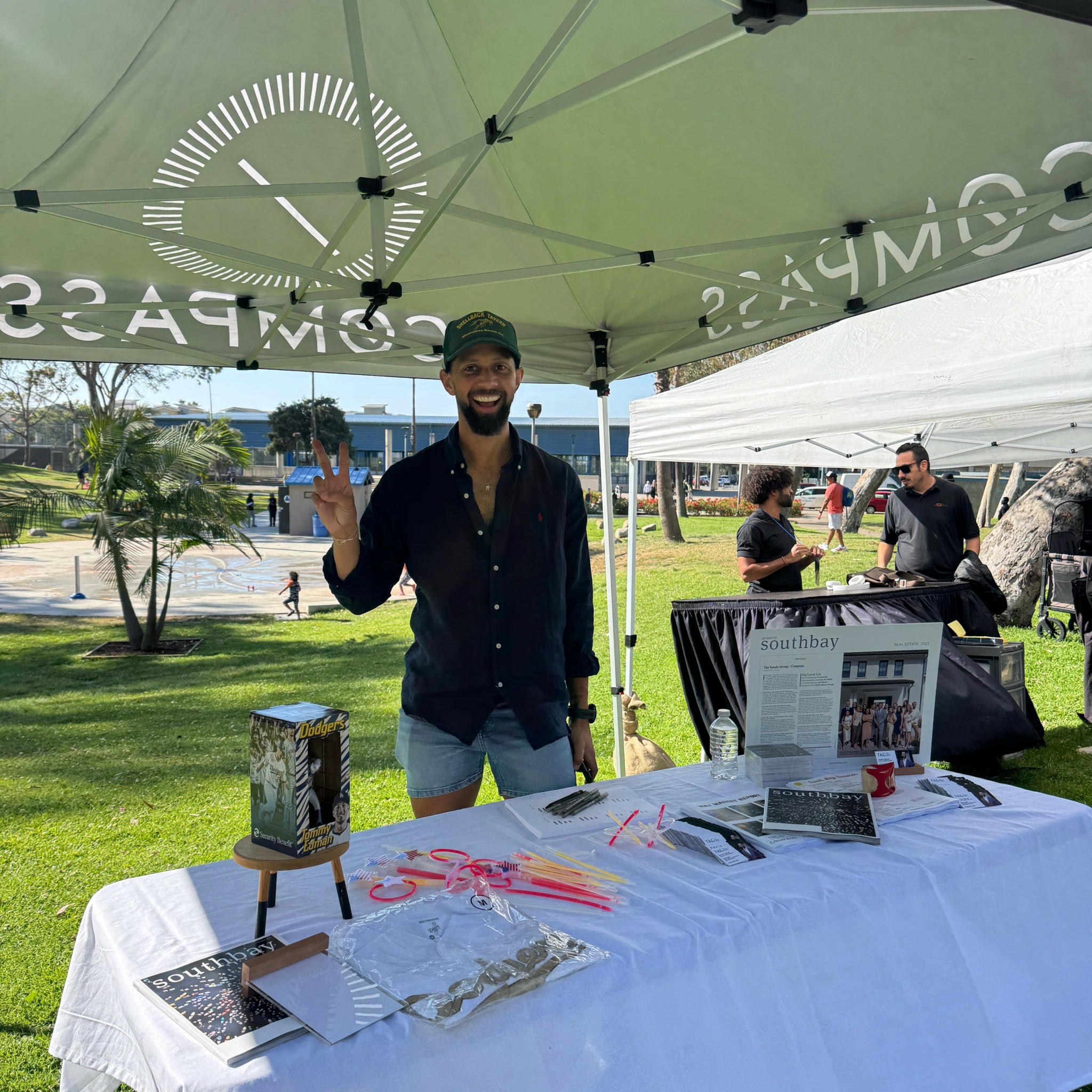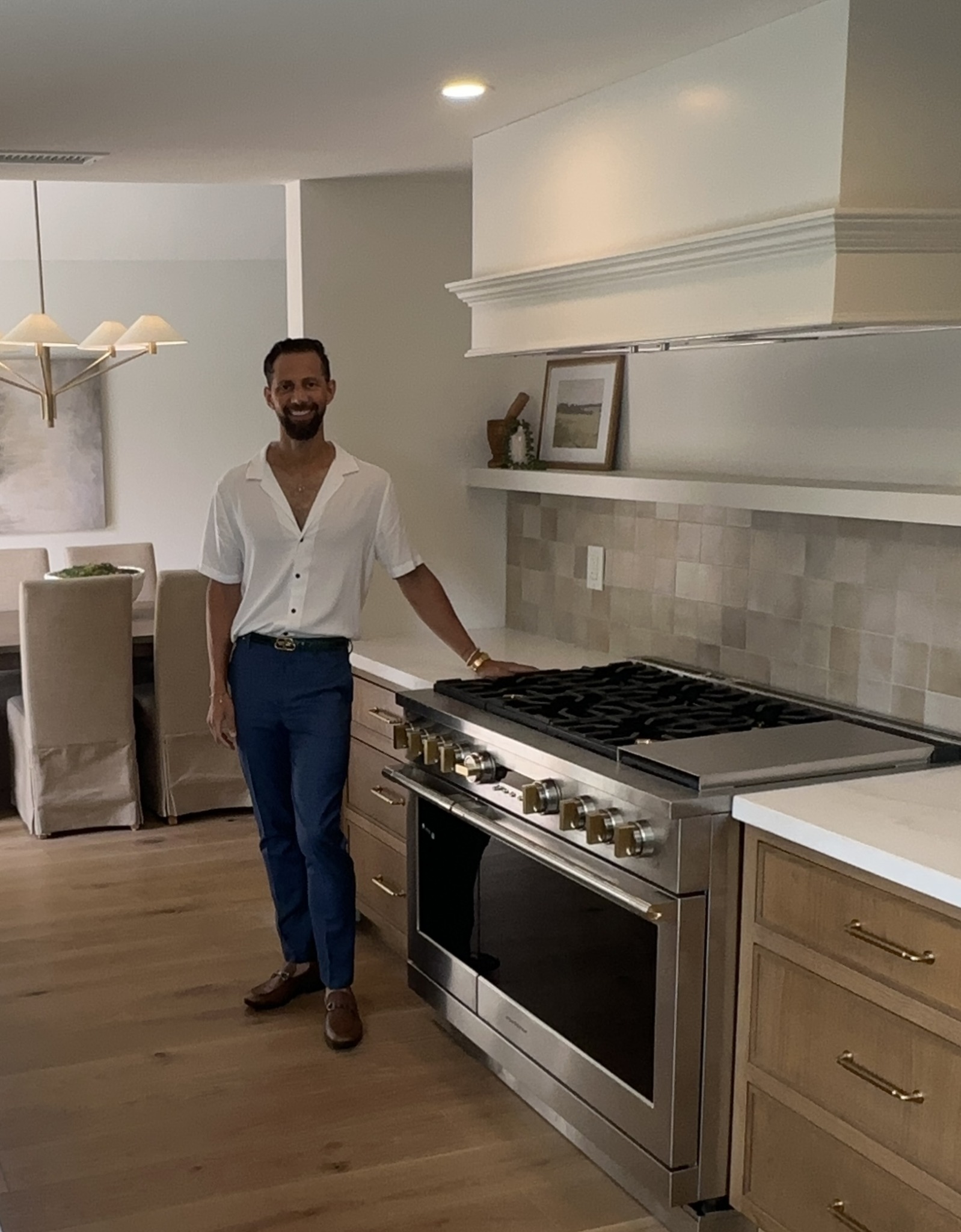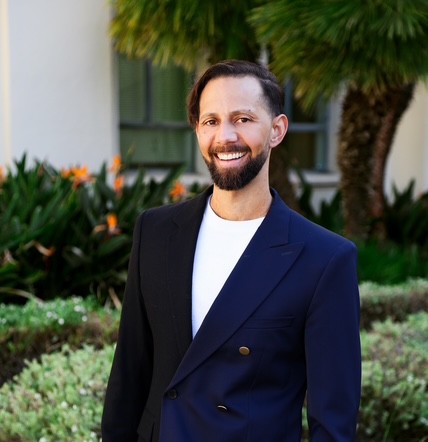

We’re excited to introduce you to the always interesting and insightful Andrew Boston. We hope you’ll enjoy our conversation with Andrew below.
Hi Andrew, thanks for joining us today. Do you take vacations? Why or why not?
I try to live by the motto: work to live, not live to work. As driven as I am by building a successful business, part of what fuels that drive is the reward of my next getaway. Being self-employed can often feel like you’re “on” 24/7 — constantly fielding emails, texts, and client needs. That’s exactly why I make intentional time for both short breaks and longer vacations. It helps me reset, recharge, and come back with fresh energy and perspective.
When the workload feels overwhelming or motivation dips, I’ll take a quick mental escape — scrolling through Pinterest, Instagram, TripAdvisor, or travel blogs — imagining myself dining at a Michelin-starred restaurant, sailing on a private boat, or dancing at a beach club somewhere far from my inbox. Even that quick mental break can be enough to shift gears and get back into a productive flow.
Travel is also a huge source of inspiration for my interior design work — from colors and textures to layout ideas and architectural details. I often come back from trips with new ideas that end up influencing client projects in unexpected ways.
And from a real estate and investment standpoint, I’m always curious about property trends in different markets. I’ll check out listings and pricing wherever I go, whether it’s a beach town or a bustling city — you never know where the next great opportunity or idea might pop up.
For longer, international trips, I do my best to truly disconnect — usually limiting email check-ins to once or twice a day. But even shorter trips, like a long weekend or a “working vacation,” can provide a change of scenery that sparks creativity and reminds me why I chose this lifestyle in the first place.
My advice to other entrepreneurs: You don’t need to disappear for two weeks to feel the benefits of time off. Start small. Step away for a day. Change your environment. Create space. Your business won’t fall apart — in fact, you might return with the clarity to take it even further.
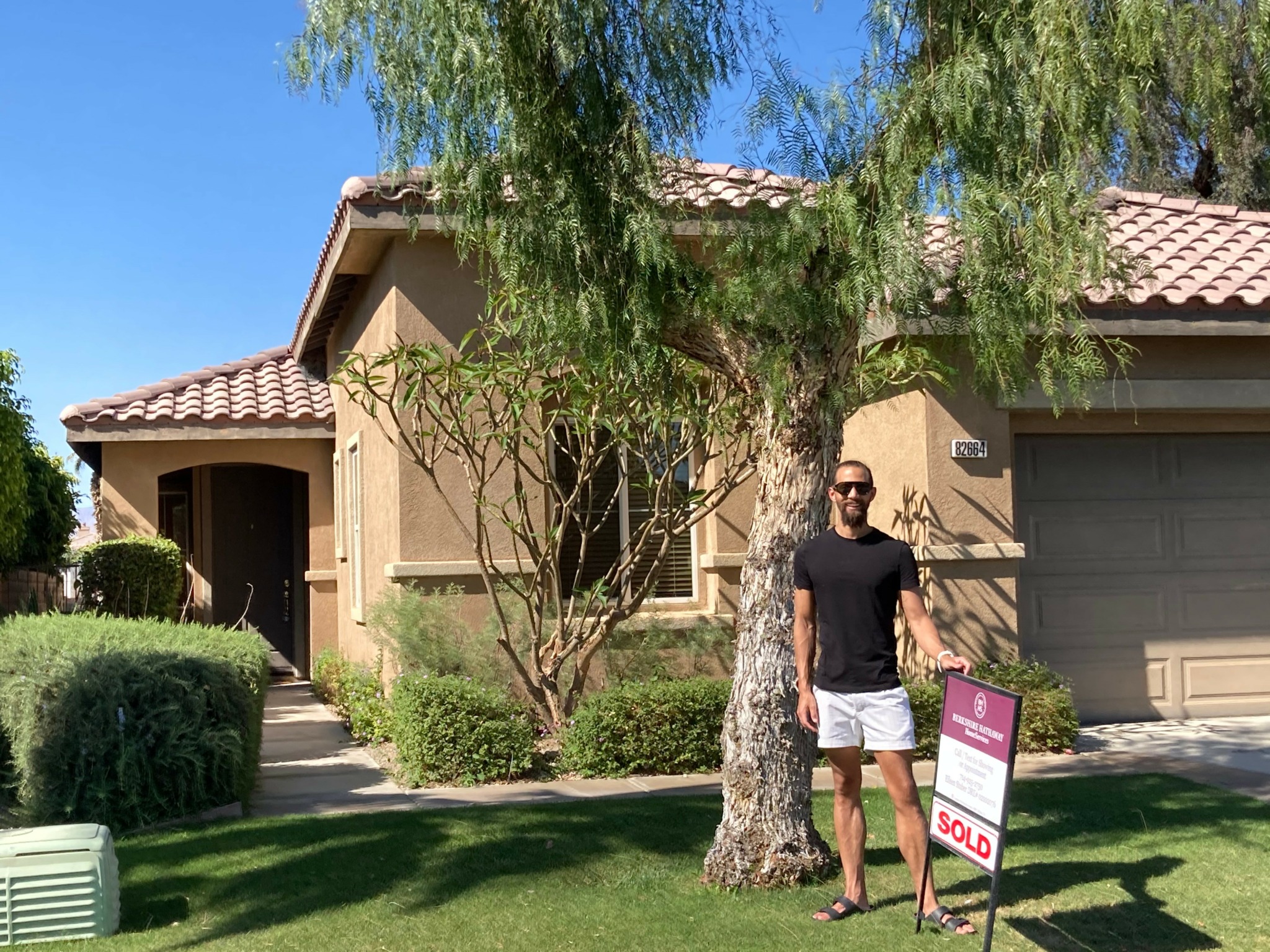
Andrew, before we move on to more of these sorts of questions, can you take some time to bring our readers up to speed on you and what you do?
I work at the intersection of real estate, interior design, and investment — three fields that, when combined thoughtfully, can create incredible value for both homeowners and investors. I’m a licensed realtor, a professional interior designer, and a real estate investor with hands-on experience in both short- and long-term rentals. I don’t just help clients buy and sell homes — I help them see potential, build equity, and create spaces that truly work for their lifestyle or investment goals.
What sets my work apart is how I seamlessly integrate these three disciplines to offer a holistic, strategic approach to every project. Whether you’re buying a fixer-upper, prepping your home for sale, or reimagining a space you’ve lived in for years, I bring a designer’s eye, an investor’s mindset, and a realtor’s market knowledge to the table.
For example, I help clients understand which renovations will give them the highest return on investment, down to the types of materials and finishes that can increase equity. I also advise buyers on which homes are worth renovating — and which ones might become money pits. My background in real estate investment gives me an edge when guiding clients through decisions around rental properties, whether they’re considering Airbnb or long-term tenants.
Design-wise, my projects range from small-scale living room refreshes to full gut renovations down to the studs. I love transforming spaces into something functional, beautiful, and aligned with the owner’s vision and financial goals.
What I’m most proud of is being able to help my clients see opportunity where others might not — and then turning that opportunity into reality. Whether it’s maximizing value on a sale, designing a dream home, or building wealth through smart real estate moves, I’m deeply invested in making sure my clients succeed.
At the end of the day, my brand is about smart design, strategic investment, and real-world real estate expertise — all working together to help people make better decisions and create spaces they love.
Have you ever had to pivot?
I often say it feels like I’ve already lived several different lives. My path has taken me from Art History to acting, insurance, travel writing, and luxury vacation planning, before I eventually landed in Silicon Beach at the Boston Consulting Group, working across different roles in their innovation and incubation hub in Manhattan Beach. My time there was incredibly rewarding—I grew both personally and professionally and built lifelong friendships. And then, COVID hit.
That was the first of what became a two-part pivot. I accepted a role with an Australia-based engineering consulting company, joining their operations team to help build out an innovation function similar to what I’d experienced at BCG. It felt like a chance to “get in on the ground floor” again and contribute to what I hoped would be a hyper-growth venture inside a larger consulting firm.
Two years later, the company drastically scaled back its innovation arm, and nearly my entire cohort—myself included—was laid off with less-than-ideal packages. Luckily, I had already started dipping into real estate investing and design while working my corporate job. So when the layoff came, I decided to go all in. I enrolled in interior design school, pursued my real estate license, and committed fully to building something of my own. That’s the path I’m on today, and looking back, I see each pivot as a stepping stone that led me to where I’m meant to be.

Any stories or insights that might help us understand how you’ve built such a strong reputation?
One of the biggest factors that helped me build my reputation in the market has been the strength of my network and the power of referrals. From the beginning, I’ve focused on building genuine relationships — not just transactional connections, but real, trust-based partnerships. That approach has paid off.
Most of my business growth has come through word of mouth. Happy clients become advocates. They refer me to others in their network, and because that introduction is built on trust, I start those new relationships with credibility already established. It’s not just about the volume of referrals — it’s the quality. People refer others when they’ve had a great experience and feel confident in your consistency, professionalism, and results.
I’ve also made it a priority to stay visible and engaged within my network — whether through attending industry events, collaborating on projects, or simply staying in touch. Over time, that kind of presence creates a reputation that speaks for itself. I’ve found that when you show up, do great work, and treat people well, your network naturally becomes your strongest marketing asset.
Contact Info:
- Instagram: @andrewboston_realtor
- Linkedin: https://www.linkedin.com/in/andrewrboston