

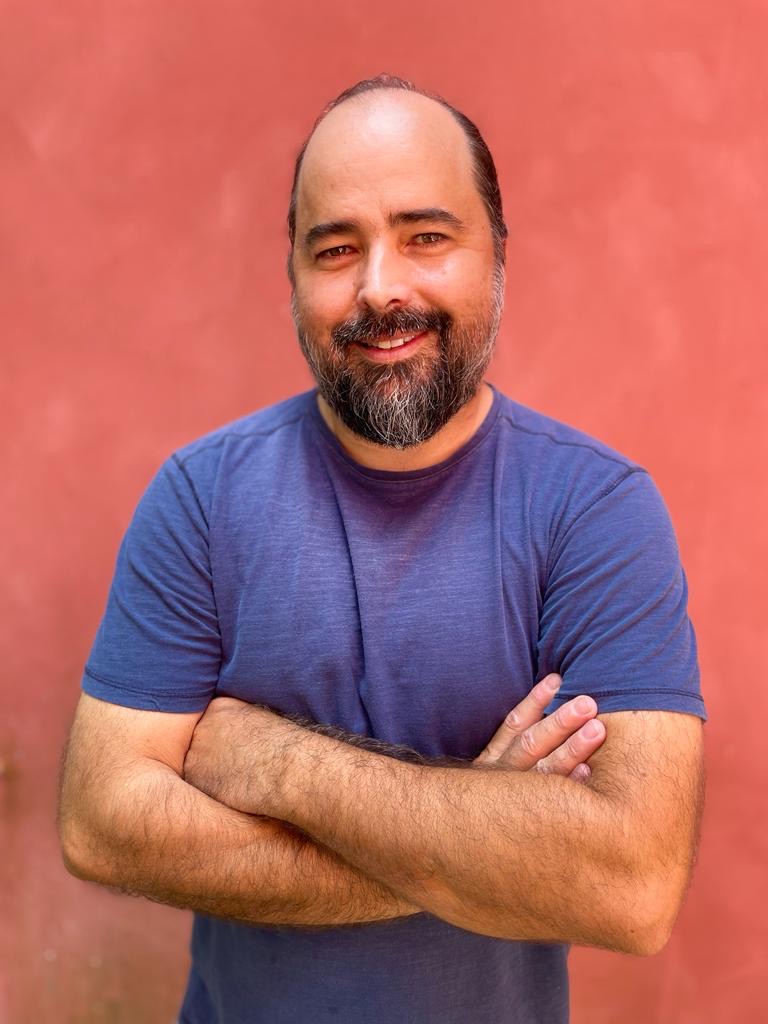

Alright – so today we’ve got the honor of introducing you to Andres Cabrera-garcia. We think you’ll enjoy our conversation, we’ve shared it below.
Andres, thanks for taking the time to share your stories with us today Coming up with the idea is so exciting, but then comes the hard part – executing. Too often the media ignores the execution part and goes from idea to success, skipping over the nitty, gritty details of executing in the early days. We think that’s a disservice both to the entrepreneurs who built something amazing as well as the public who isn’t getting a realistic picture of what it takes to succeed. So, we’d really appreciate if you could open up about your execution story – how did you go from idea to execution?
The journey from an idea to its execution is a meticulous process where the initial stages often take more time than the final act of creation. Around 70% of the final result comes from preliminary work—sketching, taking photos, making drawings, and studying how other artists have approached similar themes. This stage involves deep research and reflection, ensuring that every element is thoughtfully considered.
Once all these elements are gathered, the painting comes to life in the studio, entering a new phase where decisions are made—adapting the drawing to the canvas, creating the underpainting, and determining what to keep and where to go next.
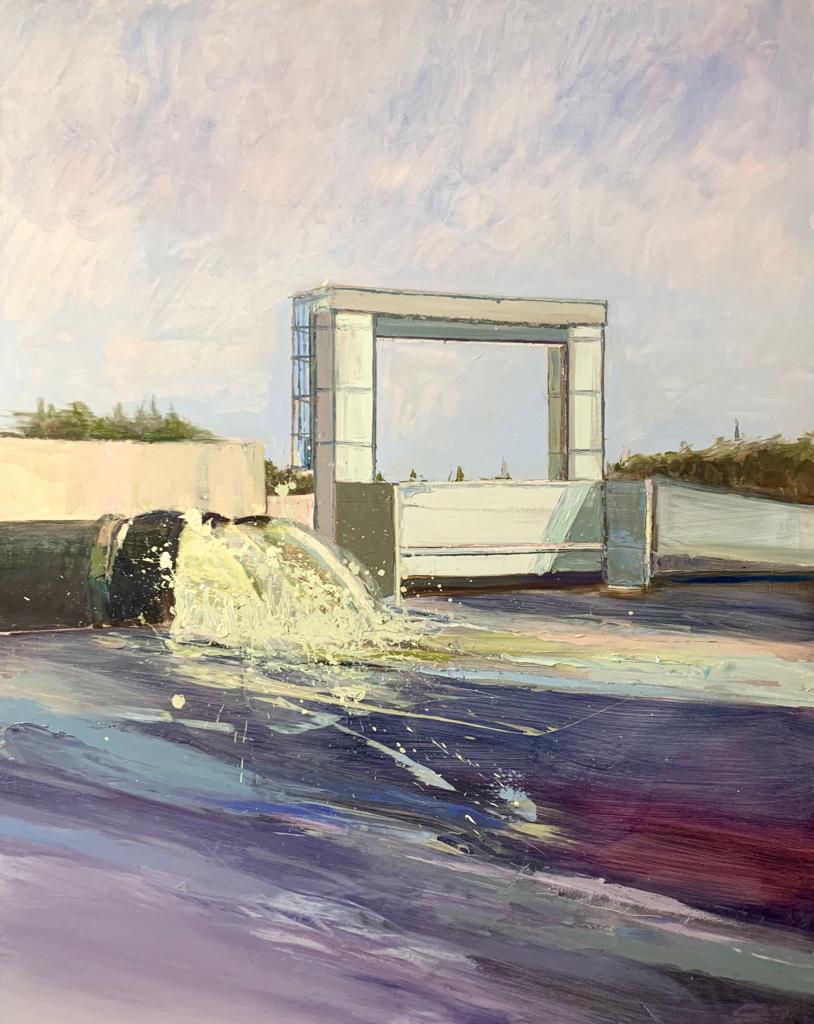
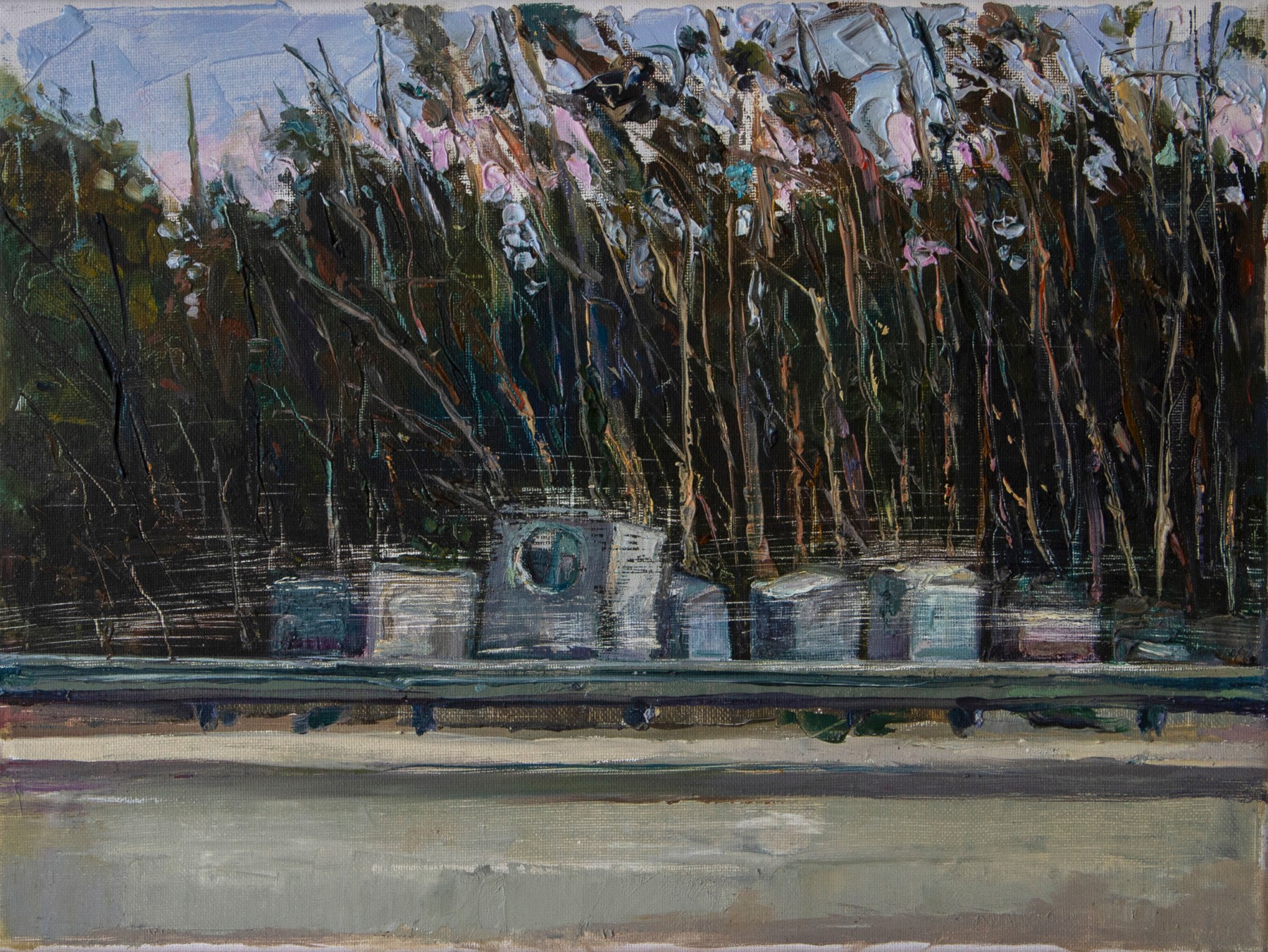
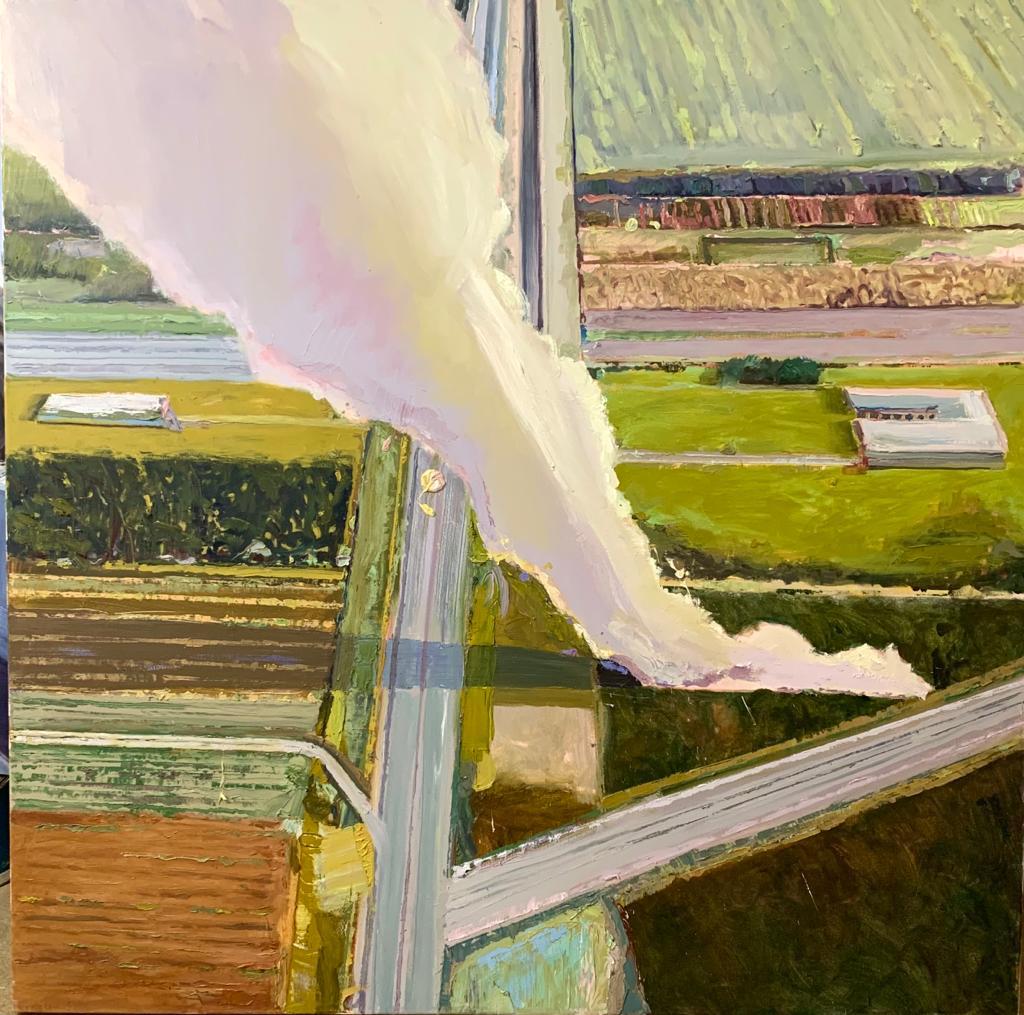
My work focuses on landscape painting, particularly depicting places under construction and exploring the relationship between nature, humans, and the processes affecting these sites. I walk through these areas, take photos, make small drawings, collect discarded materials, and mentally capture the shades, colors, and contrasts. Back in the studio, I compile all this information to create a final sketch and begin executing the painting.
This process balances careful planning with the spontaneous decisions that shape the final piece. While preparation lays a strong foundation, the work truly begins to breathe in the studio, with the canvas in front of me.
Awesome – so before we get into the rest of our questions, can you briefly introduce yourself to our readers.
Since I can remember, I loved to doodle and draw on any surface, and that passion led me to find a mentor who guided me in my early years. I began visiting the cultural center in my town, where I received informal instruction in painting and drawing. After several attempts at pursuing a professional career, I decided to study art because it was where I felt most fulfilled and could connect with like-minded people. Art gave me the ability to understand the world and envision a meaningful future.
Traveling and living in different places provided me with the tools to exhibit my work and connect with diverse groups, including the elderly and disabled, helping them express themselves and build community through painting.
My journey began in Cuba, where art became a refuge and a way to make sense of my surroundings. The vibrant culture and resilient people influenced my understanding of color, texture, and emotion. In the Canary Islands, Spain, the stark contrasts of volcanic landscapes and the interplay between land and sea shaped my approach to depicting nature’s transformations.
In Miami, Florida, a city in constant flux, I focused on landscapes under construction, exploring the relationship between nature, humans, and the processes shaping these sites. I walk through construction areas, taking photos, making small drawings, collecting discarded materials, and mentally capturing the shades, colors, and contrasts.
Back in the studio, I compile this information to create a final sketch and begin executing the painting. This process documents the changing landscapes and reflects the diverse influences of the places I’ve lived. Through this work, I blend my experiences in Cuba, the Canary Islands, and Miami into a narrative that speaks to both the personal and the universal.

What’s the most rewarding aspect of being a creative in your experience?
Art is a way of looking at life and existence beyond the conventional ideas we’re used to; it allows us to see everything from a different perspective. It’s a way of questioning who we are and where we’re going. For me, art is a visual language that taps into our subconscious imagination, offering a means to transcend boundaries and express life and existence to others in a unique way.
The most rewarding aspect of being an artist lies in this ability to explore and communicate the depths of human experience beyond words. Art provides a way to see the world with fresh eyes and to convey emotions and ideas that might otherwise remain unspoken. It allows me to connect deeply with both my inner self and others, using a visual language that resonates on a subconscious level.
Through art, I can ask fundamental questions about life and existence and share these explorations with others, offering them a new lens through which to view their own lives. This opportunity to create, to express the inexpressible, and to connect with others through a shared understanding of life’s complexities is what makes being an artist truly fulfilling.


What can society do to ensure an environment that’s helpful to artists and creatives?
To support a thriving community of creatives, society must recognize the profound impact art has on personal and collective growth. Art enriches our understanding of the world and enhances emotional and intellectual capacities. Society can do this by paying more attention to the ways art contributes to humanity’s betterment and supporting the creation of more educational, non-profit art spaces. These spaces should be accessible to a wide range of people, especially those who may not have been exposed to the arts before.
Establishing such spaces is crucial. By offering workshops, classes, and open studios at low or no cost, these centers can become hubs where people of all ages and backgrounds can explore their creative potential. For many, discovering the arts could be life-changing, providing a new way to understand themselves and the world around them.
Making art accessible to everyone, regardless of socio-economic status, is vital for a thriving creative community. Society should support initiatives that bring art to underserved communities through mobile programs, outreach projects, and free public exhibitions. Ensuring that art is woven into everyday life, not confined to elite spaces, will help more people realize its importance and potential.
Art should also be promoted as a means of personal development, helping individuals grow emotionally, intellectually, and socially. Programs integrating art into personal development, mental health, and educational curriculums can highlight its benefits and encourage broader engagement with creative practices.
Finally, cultivating a culture that values art in all its forms is essential. This includes celebrating not just established artists but also those beginning their creative journeys. Encouraging community participation through local festivals, exhibitions, and art walks can help build a more inclusive and supportive environment for creativity to thrive.
By recognizing the role art plays in improving lives and supporting the creation of accessible, educational art spaces, society can foster a thriving creative community. These efforts will allow more people to discover the transformative power of art and contribute to a more vibrant, creative society.
Contact Info:
- Website: https://www.andrescabreraart.com
- Instagram: @andrescabrerastudio
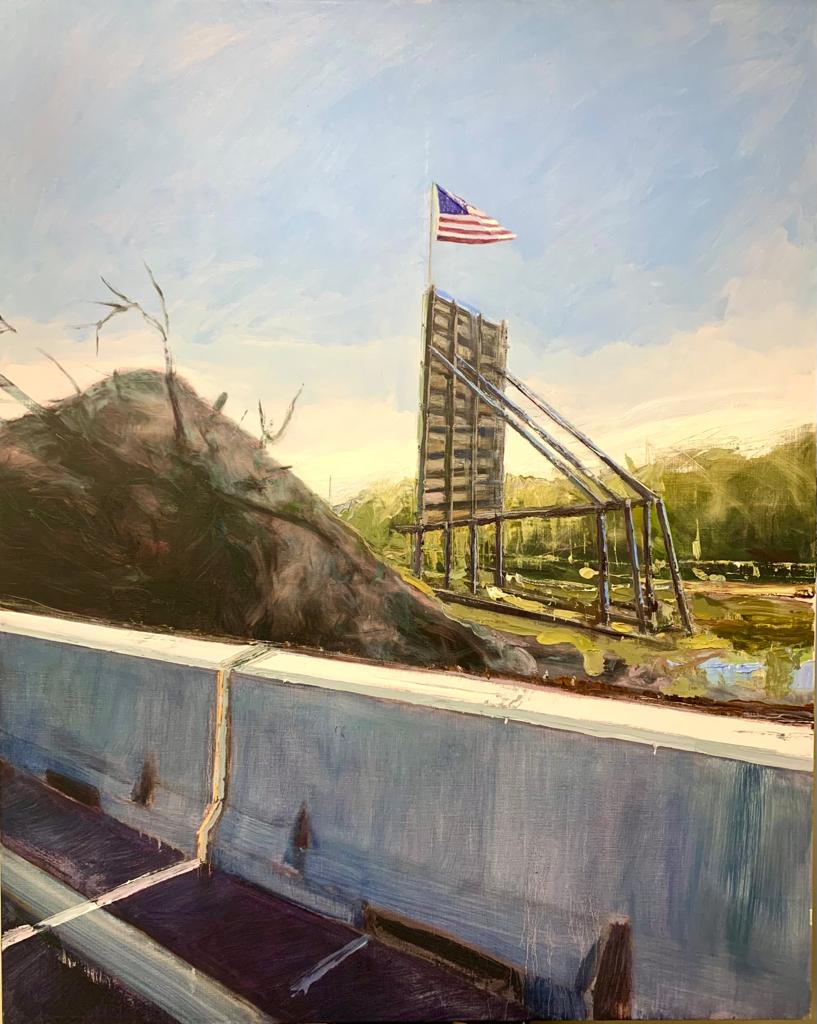
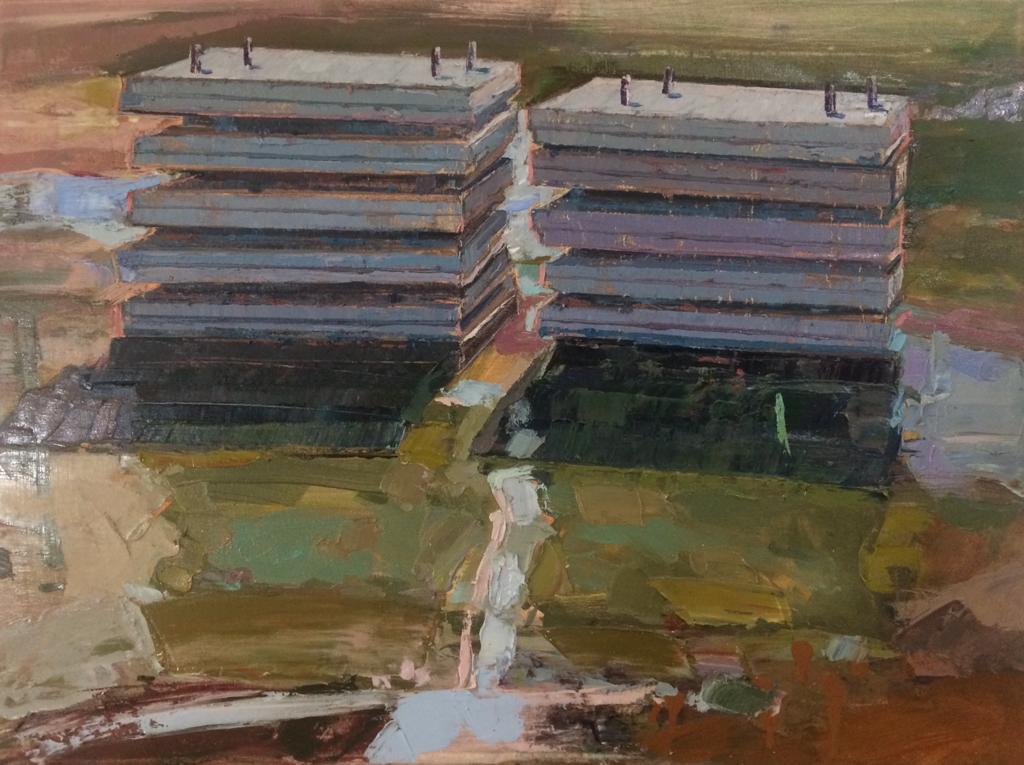
Image Credits
Images courtesy of Andres Cabrera-Garcia