


We’re excited to introduce you to the always interesting and insightful Andrea Santiago. We hope you’ll enjoy our conversation with Andrea below.
Alright, Andrea thanks for taking the time to share your stories and insights with us today. How did you learn to do what you do? Knowing what you know now, what could you have done to speed up your learning process? What skills do you think were most essential? What obstacles stood in the way of learning more?
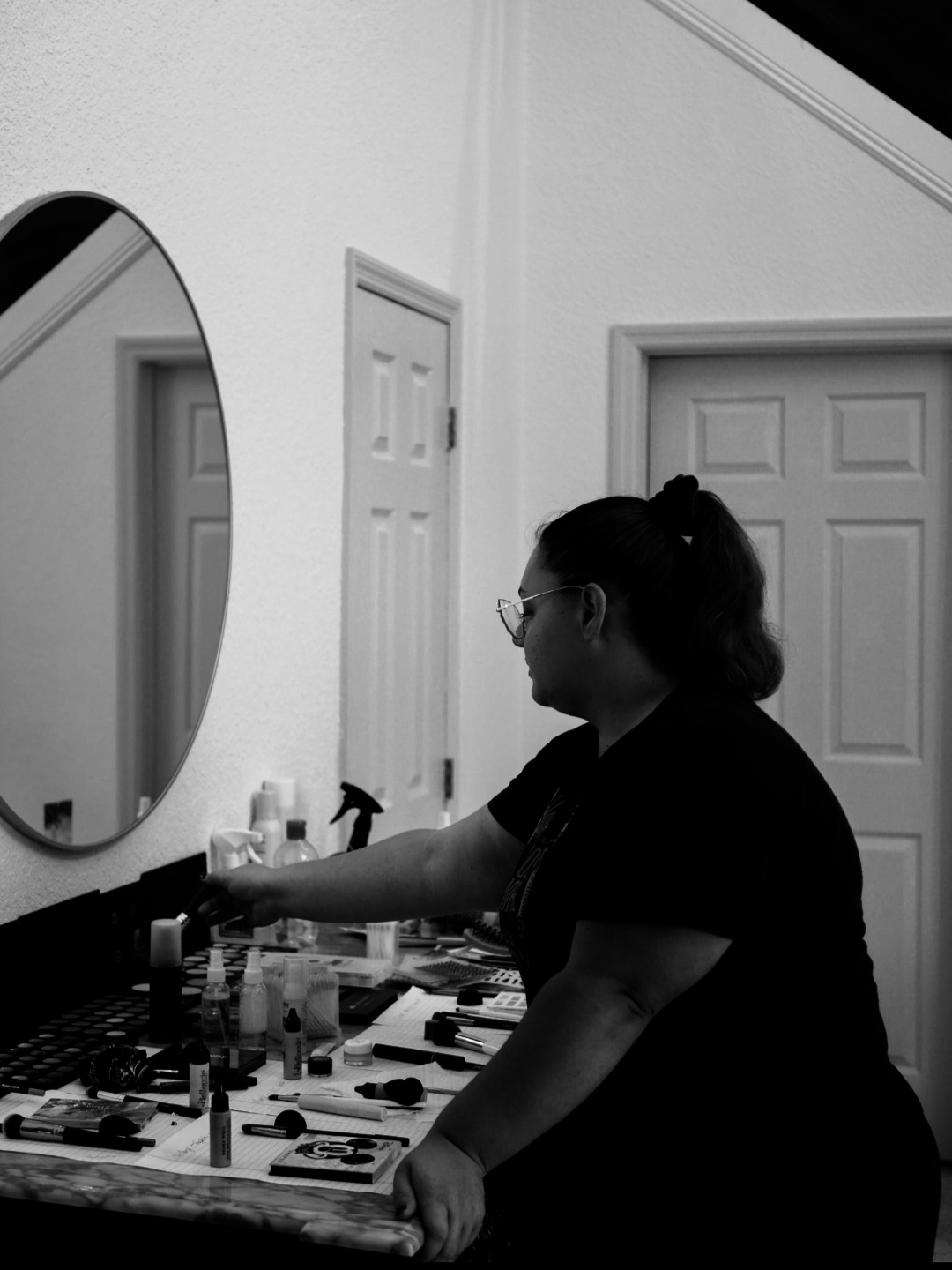
I learned to do what I do through years of intentional education, hands-on practice, and real-world experience. I’ve known since middle school that I wanted to pursue something in makeup artistry, so I began building my foundation early. Throughout middle and high school, I took theater every year, along with TV production and visual arts classes. Those courses helped me understand stage makeup, lighting, color theory, and how makeup translates on camera and in different environments.
After graduating high school, I attended cosmetology school to become a licensed cosmetologist. I wanted to make sure I not only had the creative skill but also the professional credibility and technical knowledge to support my craft. Over the past 11 years, continuous practice, working with different clients, and adapting to various settings have strengthened my artistry and confidence.
Knowing what I know now, I believe I could have sped up my learning process by seeking mentorship earlier and investing more in advanced education, especially in business and branding. While I focused heavily on mastering technique, I’ve learned that understanding marketing, client experience, and positioning yourself in the industry is just as important as the artistry itself.
The most essential skills in my journey have been adaptability, attention to detail, creativity, and strong communication. Makeup is not just about application—it’s about understanding a client’s vision, reading facial structure and skin types, and creating an experience that builds trust.
Some obstacles that stood in the way of learning more were limited access to industry mentors, financial constraints early on, and at times self-doubt. Like many artists, balancing creativity with business responsibilities was also a challenge. However, those obstacles pushed me to become more resourceful, disciplined, and determined to grow.
Overall, my journey has been shaped by passion, education, experience, and a commitment to always improving my craft.
Andrea, before we move on to more of these sorts of questions, can you take some time to bring our readers up to speed on you and what you do?
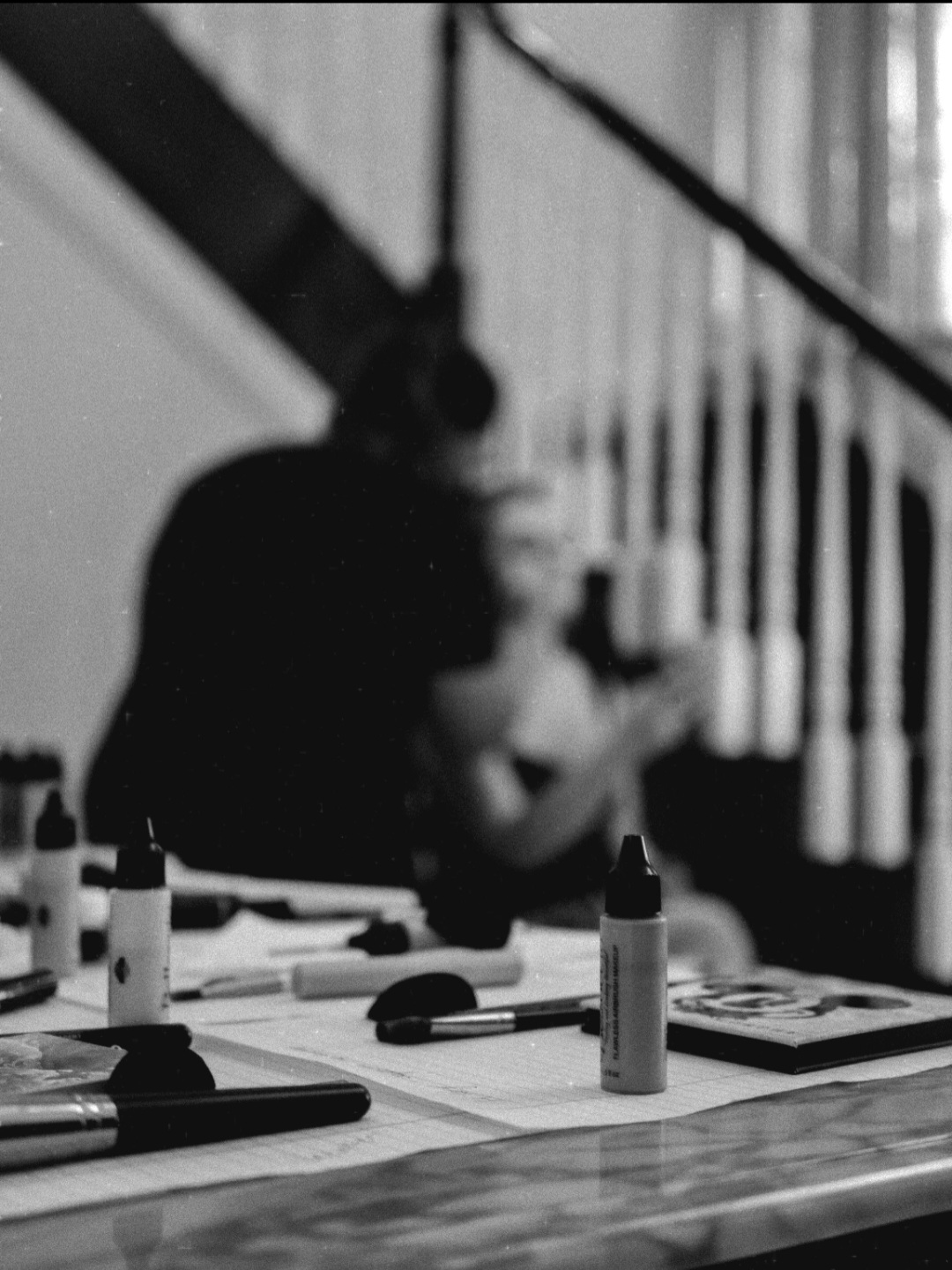
I’m a licensed cosmetologist and makeup artist with 11 years of experience. I was always fascinated by transformation — not just how someone looks, but how they feel when they see themselves differently. I provide professional makeup services for a variety of occasions, including bridal, special events, photoshoots, and camera-ready work. My goal is always to enhance, not mask. I specialize in creating looks that are polished, intentional, and customized to each client’s features, skin type, and personal style.
The problems I solve for my clients go beyond makeup application. Many clients come to me feeling unsure about what works for their face shape, skin tone, or event. Others struggle with confidence or want a look that feels elevated but still authentic. I help them feel prepared, confident, and seen. I create a calm, supportive environment where clients feel comfortable expressing what they want — even if they’re not sure how to describe it.
What sets me apart is my foundation in performance and production. Because of my background in theater and TV, I understand how makeup behaves under different lighting, on camera, and in high-pressure settings. I also bring over a decade of hands-on experience working with diverse faces, personalities, and occasions. I combine technical skill with emotional awareness — I know that sitting in the makeup chair can be a vulnerable experience, and I treat it with care.
What I’m most proud of is my longevity and growth. Eleven years in this industry takes consistency, adaptability, and passion. I’ve continued learning, refining, and evolving with trends while staying true to my artistry.
The main thing I want potential clients and supporters to know is that my brand is built on intention, professionalism, and empowerment. I don’t just want you to look good — I want you to feel confident, comfortable, and fully yourself. Makeup is a tool, but confidence is the real transformation.
And for me, that transformation never gets old.
For you, what’s the most rewarding aspect of being a creative?
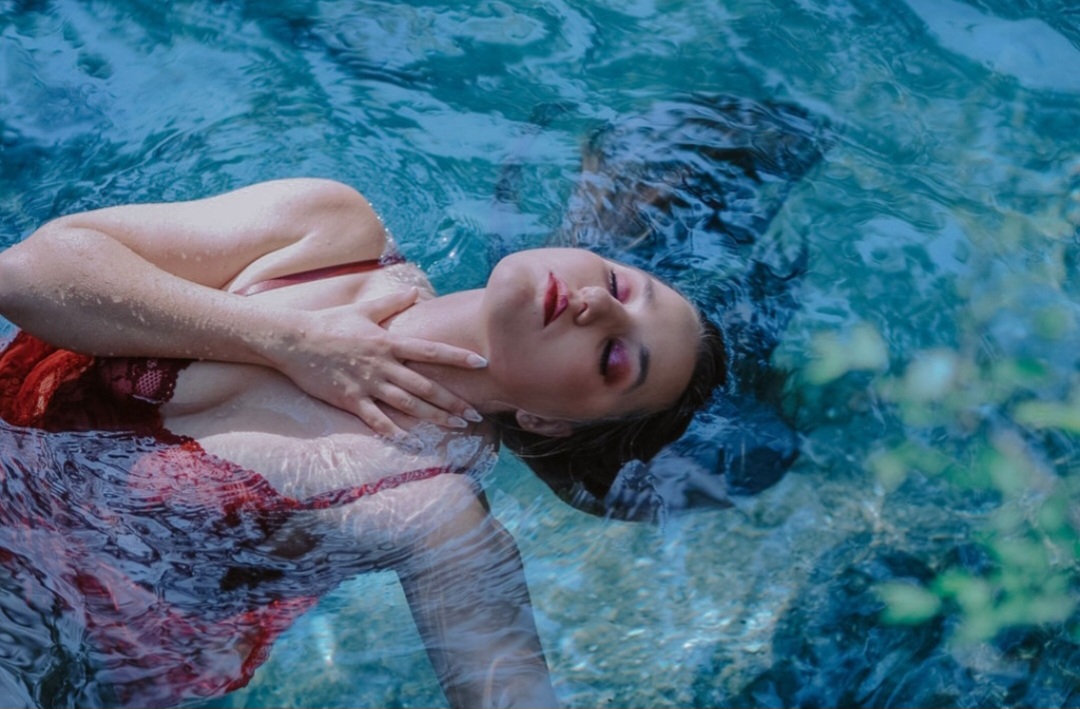
The most rewarding aspect of being an artist is having the opportunity to work in a creative field every single day. Being able to express myself through my craft, bring ideas to life, and constantly evolve creatively is something I never take for granted. It’s fulfilling to turn a vision into reality and see how artistry can transform not just someone’s appearance, but their confidence and energy as well. Creating beauty, telling stories through makeup, and continuously growing in my creativity makes the work deeply meaningful to me.
In your view, what can society to do to best support artists, creatives and a thriving creative ecosystem?
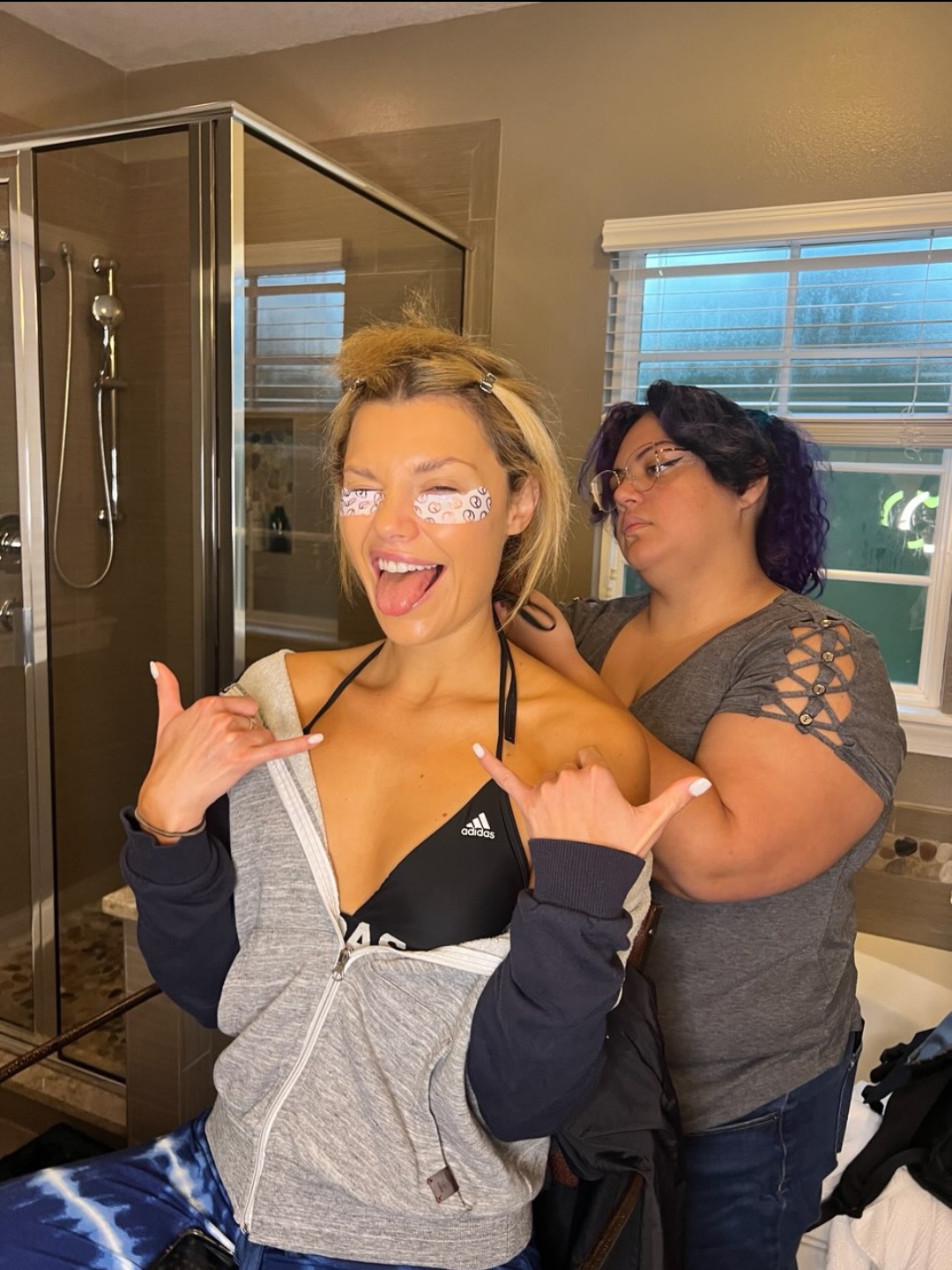
In my view, one of the most meaningful ways society can support artists and creatives is by creating more inclusive public spaces where we can gather, collaborate, and practice our craft. Artists thrive in community. We need environments where we can connect with like-minded individuals, exchange ideas, experiment freely, and grow without barriers.
These spaces don’t need to be extravagant — they just need to be intentional, accessible, and welcoming. Ideally, they would be free or low-cost community spaces funded through public investment, stocked with basic supplies or resources that allow creatives to work, learn, and build together.
When society invests in creatives, it invests in culture, innovation, and connection. A thriving creative ecosystem strengthens communities, inspires future generations, and makes art more accessible to everyone — not just those who can afford it.
Contact Info:
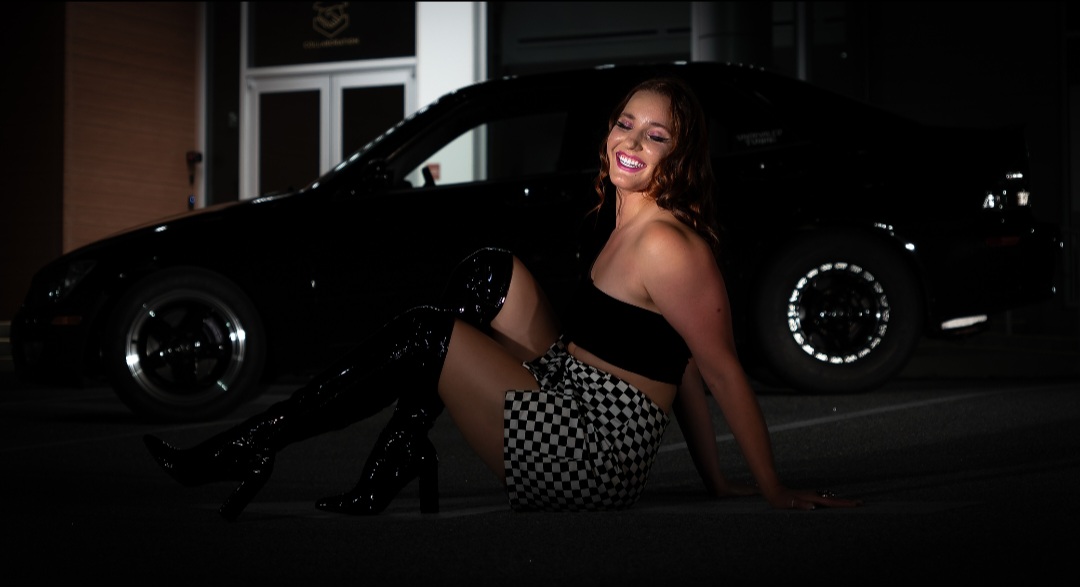
Image Credits
Tessa Williams