

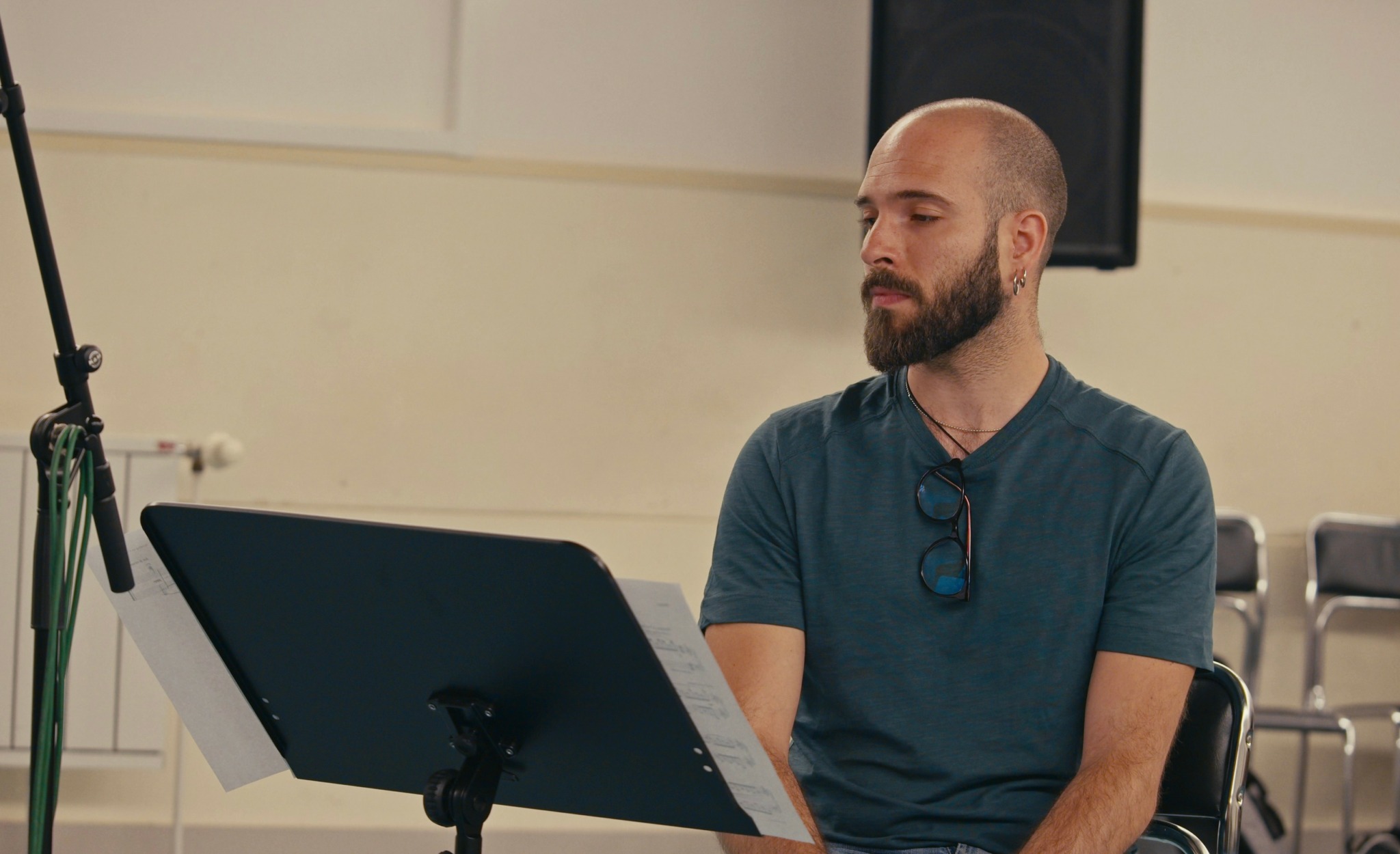

We recently connected with Andrea Roccasalvo and have shared our conversation below.
Hi Andrea, thanks for joining us today. How did you learn to do what you do? Knowing what you know now, what could you have done to speed up your learning process? What skills do you think were most essential? What obstacles stood in the way of learning more?
I learned by studying a lot, but everything started when I was very young, with a small toy piano my parents gave me. From that moment on, my curiosity for music and sounds never faded, it only grew stronger. For many years, I taught myself how to play the piano and compose music. I would spend entire days transcribing songs I loved by ear, then playing them on the piano or recreating them with early, rudimentary notation software.
Curiosity and passion, that inner drive to explore and understand, have always been essential to me. I do what I do today because I’ve always combined the joy of discovery with deep, structured learning.
At some point, I felt that playing the piano alone wasn’t enough. I wanted to go deeper into the world of music technology and audiovisual composition. That’s why I pursued a Bachelor’s degree in Electronic Music and Sound Design, and later a Master’s in Film Scoring.
Looking back, I don’t think I would change much to speed up my learning process. Every phase, even the slowest or most uncertain, taught me something valuable and helped shape who I am today. My studies have always been intense and rewarding, and I believe the time it took was necessary to develop both skill and sensitivity.
The most essential skills in my field, in my opinion, are a strong technical understanding of sound, a deep awareness of the relationship between music and image, and a heightened audiovisual sensitivity.
If I could go back, I’d remind myself that progress isn’t just about mastering tools or techniques, it’s about learning to listen deeply. Every sound, every silence, every collaboration teaches you something new, and that’s the kind of learning that never really ends.
As always, we appreciate you sharing your insights and we’ve got a few more questions for you, but before we get to all of that can you take a minute to introduce yourself and give our readers some of your back background and context?
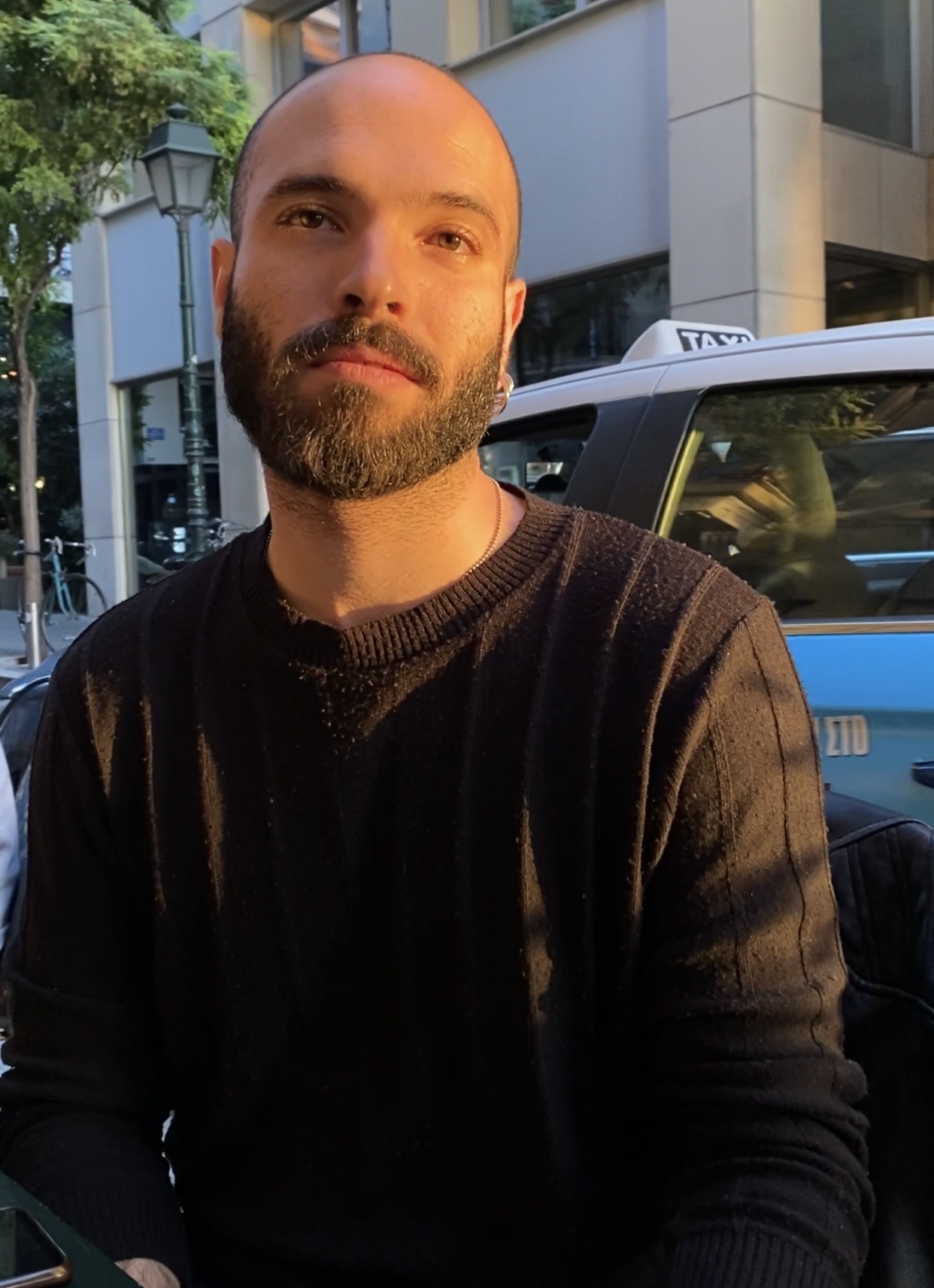
I’m Andrea Roccasalvo, a composer, orchestrator, and sound designer. I’ve always had a deep fascination with film music and with sound itself, how it can shape emotions, space, and storytelling. My journey began at a very young age, experimenting with instruments and software, and grew into a lifelong commitment to the study of sound and composition. I graduated in Electronic Music and Sound Design from the Conservatory of Frosinone, and later earned my Master’s degree in Film Scoring from the Conservatory of Rome.
I entered the professional world through collaborations, friendships, and the network I built over the years. In this field, relationships are very important; opportunities often come from the most unexpected encounters, whether it’s a chat over coffee or a conversation at a networking event.
My work ranges from music composition for media, to sound design and orchestration. I also teach privately, offering customized lessons and mentorships, often helping students prepare for conservatory entrance exams or final theses. Thanks to my academic and artistic background, I’ve developed a versatile approach that allows me to adapt to different creative and technical needs.
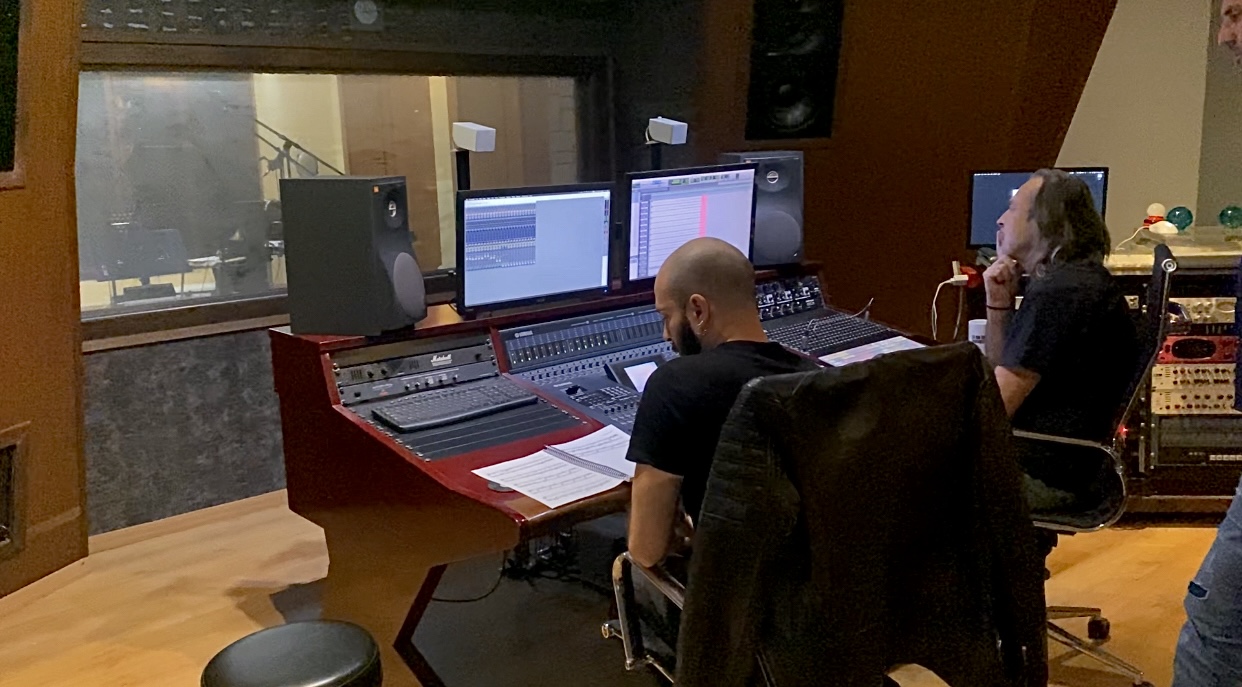
Lately, I’ve been focusing a lot on orchestration, something I truly enjoy. What I love most about it is helping another composer’s idea reach its full potential. Sometimes I receive only a sketch or a few notes describing the intended sound, and my role is to translate that vision into a fully realized orchestral texture. Often this process also involves virtual orchestration, where I handle the MIDI programming to make virtual instruments sound as realistic and expressive as possible.
I’m proud of the artistic journey I’ve built so far, but what makes me happiest is the trust and respect I’ve earned from the people I work with. To me, that’s the most meaningful recognition, knowing that others believe in my dedication, my ears, and my way of listening to their creative needs.
What do you find most rewarding about being a creative?
For me, there’s a purely personal joy in seeing an idea come to life, that moment when something that once existed only in my mind finally takes shape, perfectly crafted and complete. It’s deeply satisfying to see, hear, and feel what was once just an abstract thought.
But there’s also another, even more rewarding side to being a creative: the ability to move others, to evoke emotions and spark something genuine in people. When someone experiences my work and feels something real, whether it’s nostalgia, peace, tension, or wonder, I feel that I’ve achieved something meaningful.
Ultimately, I think that’s the most beautiful part of being an artist: turning imagination into emotion and sharing a part of yourself in a way that resonates with others. And beyond that, I believe it’s essential for artists and creatives to do what they do, because it’s the purest expression of who they are, a way of giving shape to their own essence.
Have any books or other resources had a big impact on you?
One book that has significantly influenced my professional and creative approach is Audio-Vision: Sound on Screen by Michel Chion. The book introduced me to the concept of “added value,” showing how sound can alter the perception and meaning of an image. While this is one of the most influential ideas I took from it, the book also offered a broader framework for understanding the relationship between audio and visual elements, helping me think critically about timing, texture, and the narrative impact of sound.
This perspective directly informs the way I work on every project. I consider how each sound contributes not only technically but also narratively, shaping spatial perception, rhythm, and the overall cohesion of a scene. Even in virtual orchestration, this approach guides my choices in instrumentation, dynamics, and articulation to ensure that the final result effectively communicates the intended idea.
In this sense, reading Audio-Vision was not just theoretical; it provided practical insights that improved the way I structure, plan, and execute projects, making my workflow more precise, intentional, and aligned with the creative and narrative goals of the work.
Contact Info:
- Instagram: https://www.instagram.com/roccasalvoandrea/
- Linkedin: https://www.linkedin.com/in/andrea-roccasalvo-aa6a1524b/
- Youtube: https://www.youtube.com/@andrearoccasalvo1
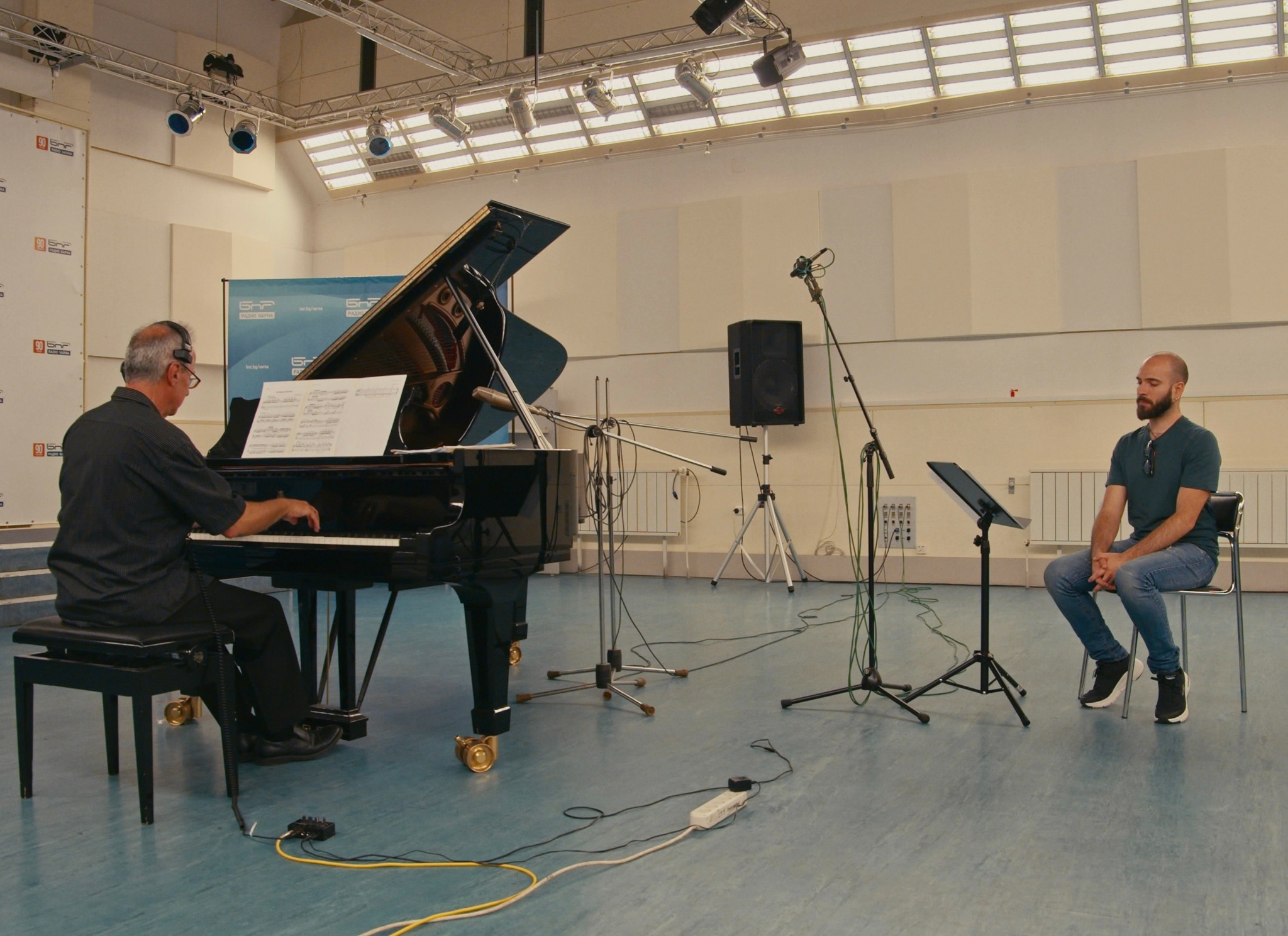
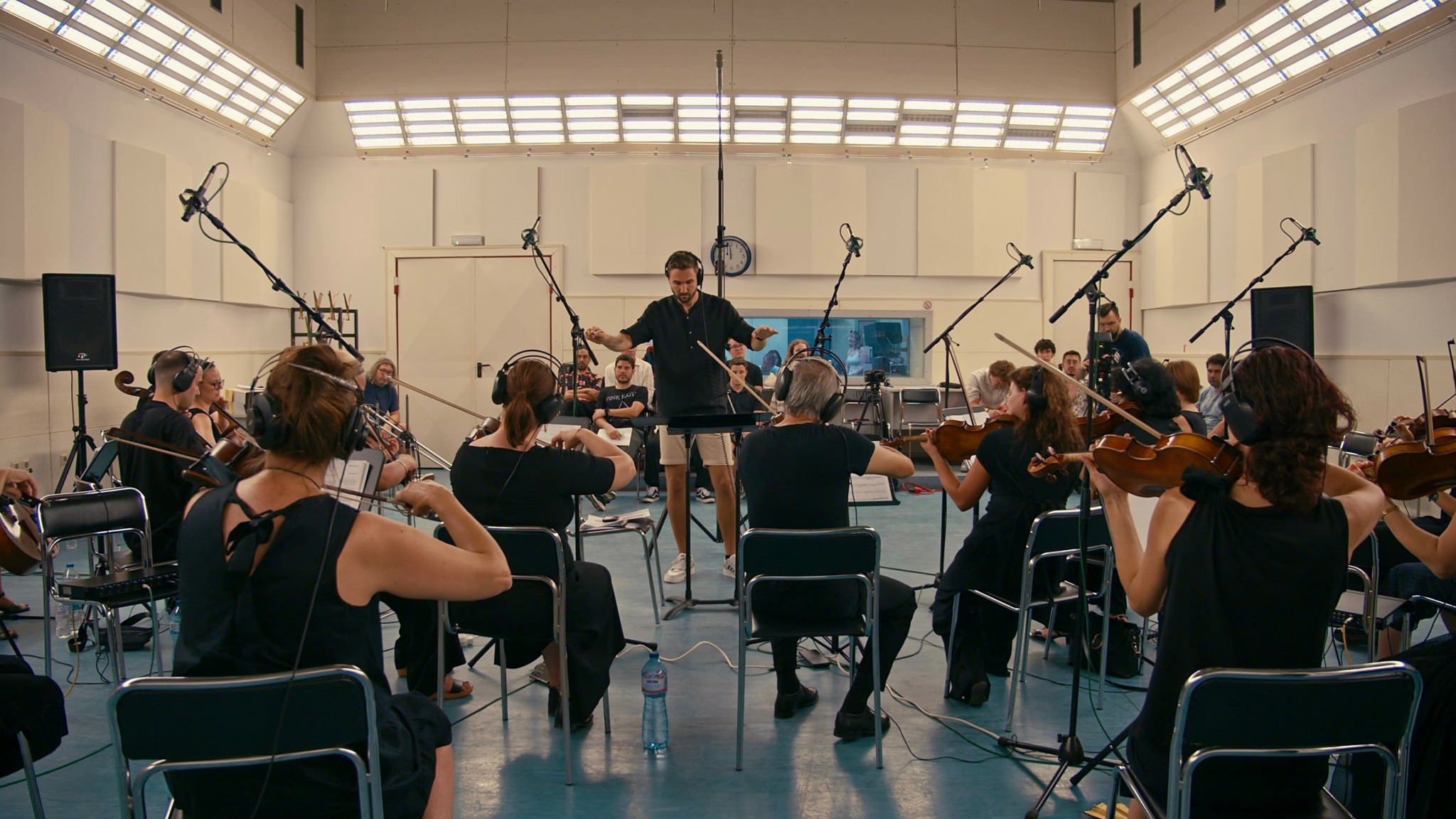
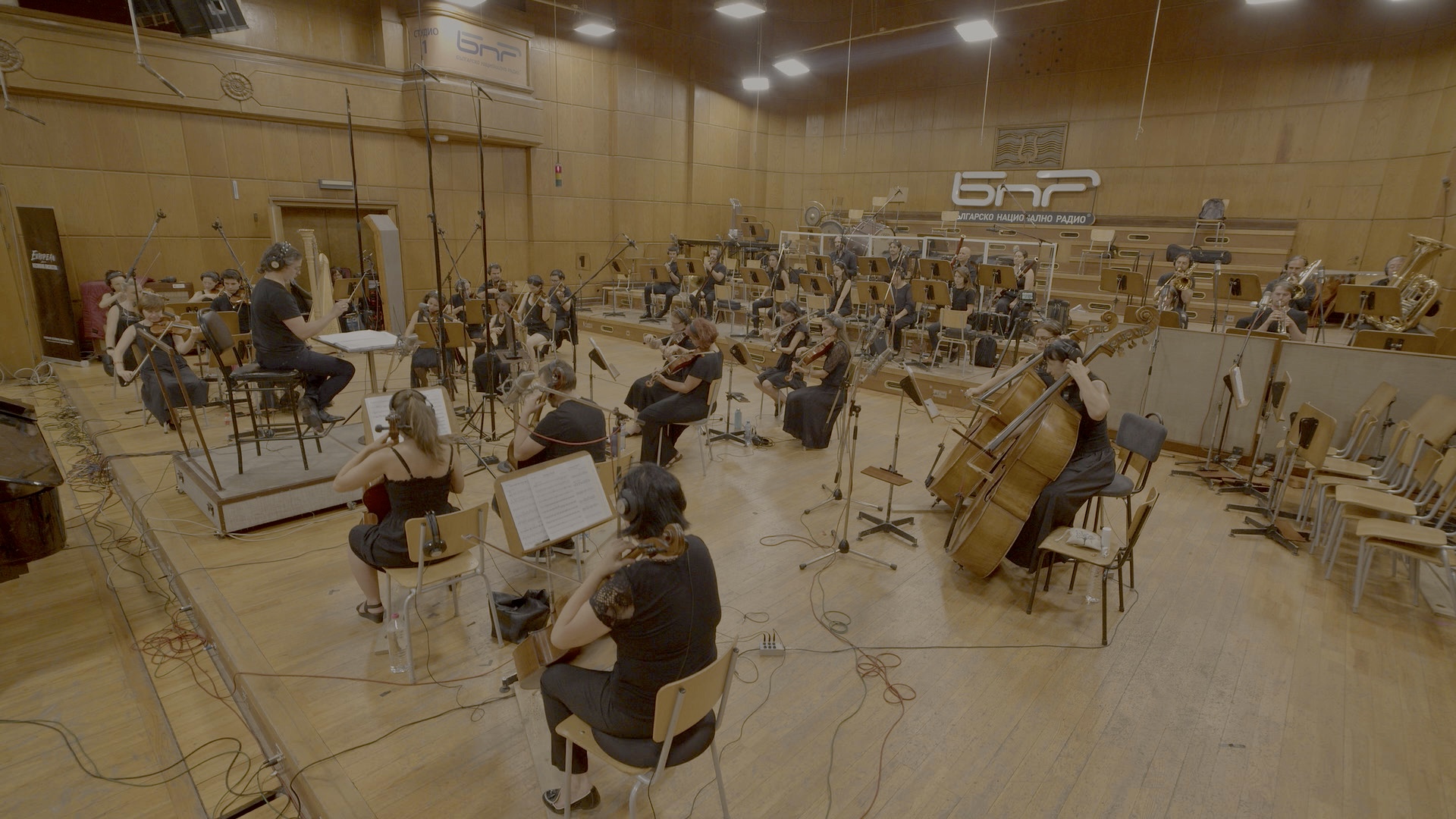
Image Credits
European Recording Orchestra