We recently connected with Andrea Olsen and have shared our conversation below.
Andrea, thanks for taking the time to share your stories with us today Coming up with the idea is so exciting, but then comes the hard part – executing. Too often the media ignores the execution part and goes from idea to success, skipping over the nitty, gritty details of executing in the early days. We think that’s a disservice both to the entrepreneurs who built something amazing as well as the public who isn’t getting a realistic picture of what it takes to succeed. So, we’d really appreciate if you could open up about your execution story – how did you go from idea to execution?
During COVID, one of my relatives became seriously ill and was hospitalized. They were given various therapies and medications that, unfortunately, their body couldn’t tolerate well due to unique genetic factors. As a result, they suffered not only from the virus but also from side effects of treatments that weren’t quite right for them. We went through numerous blood tests and sought answers but found ourselves at a standstill—despite so much data, no one could piece together a clear picture of their health.
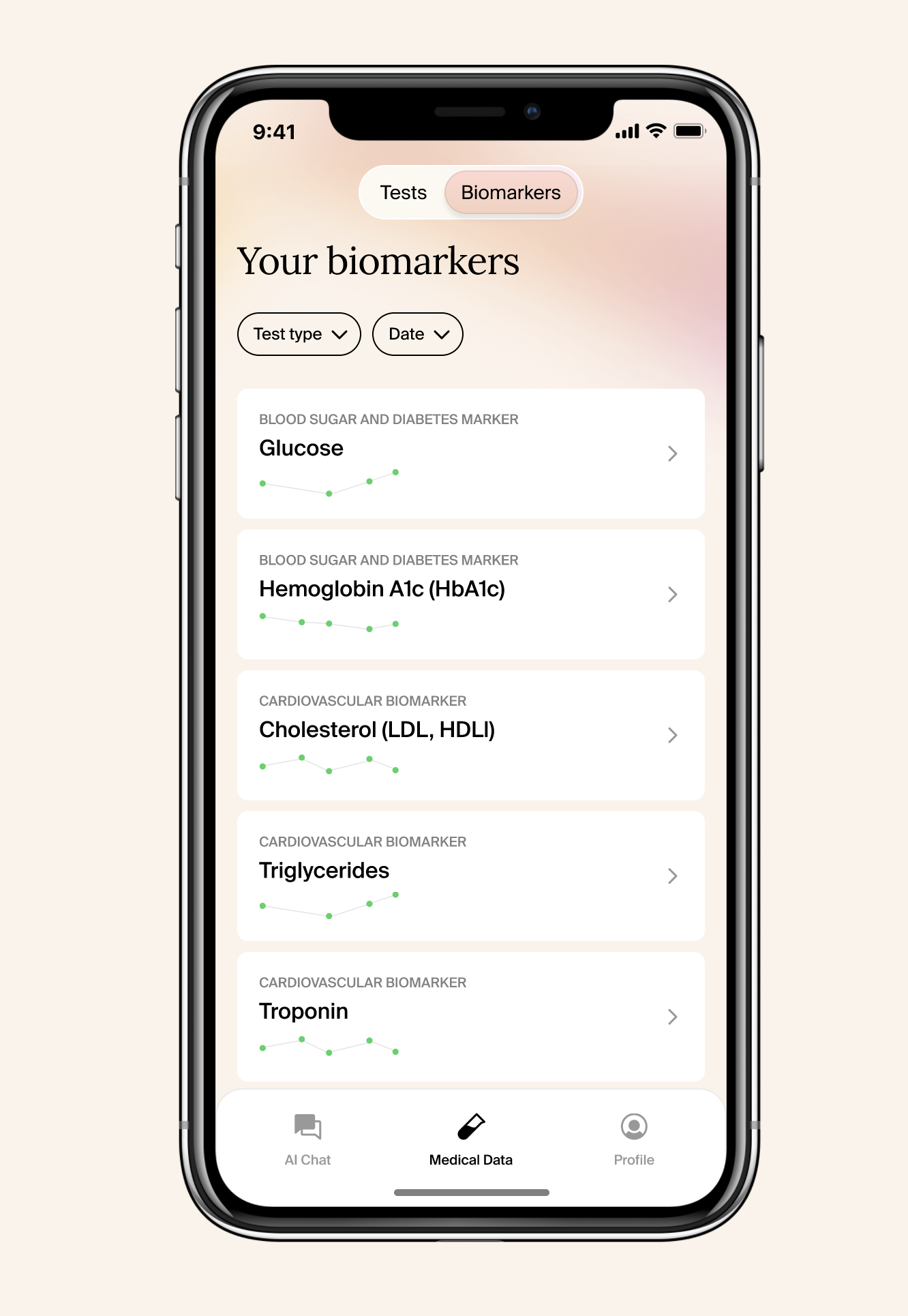
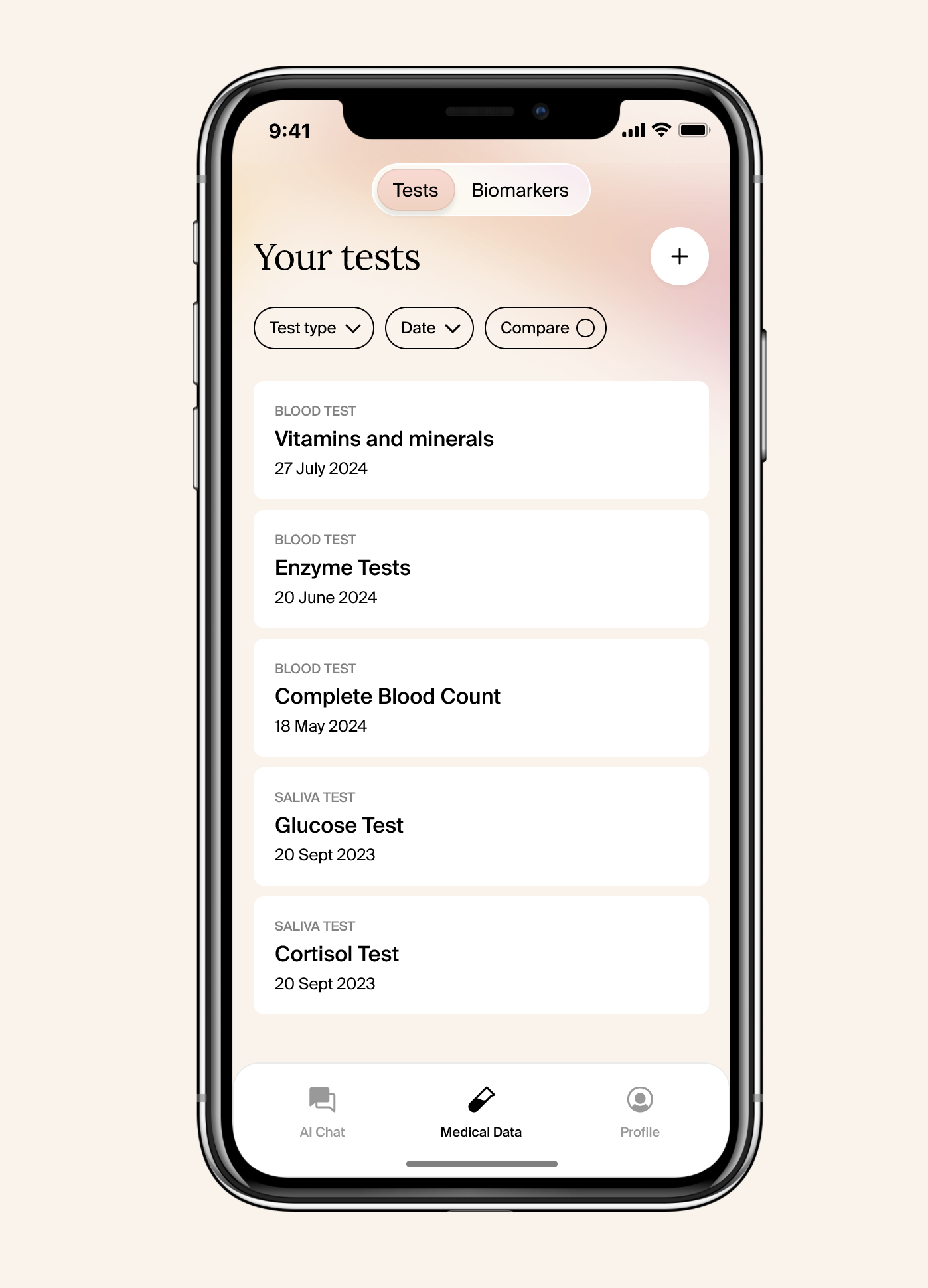
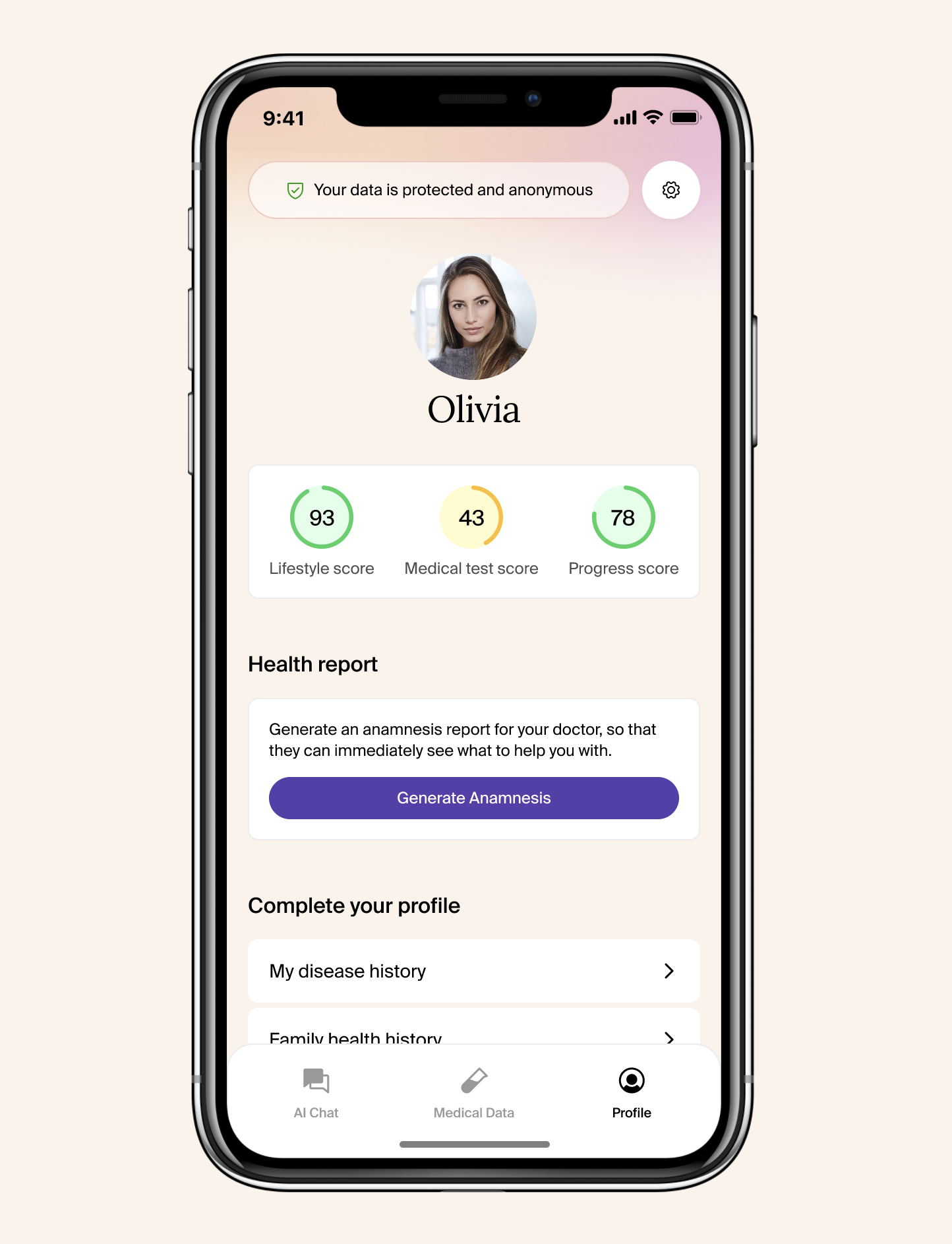
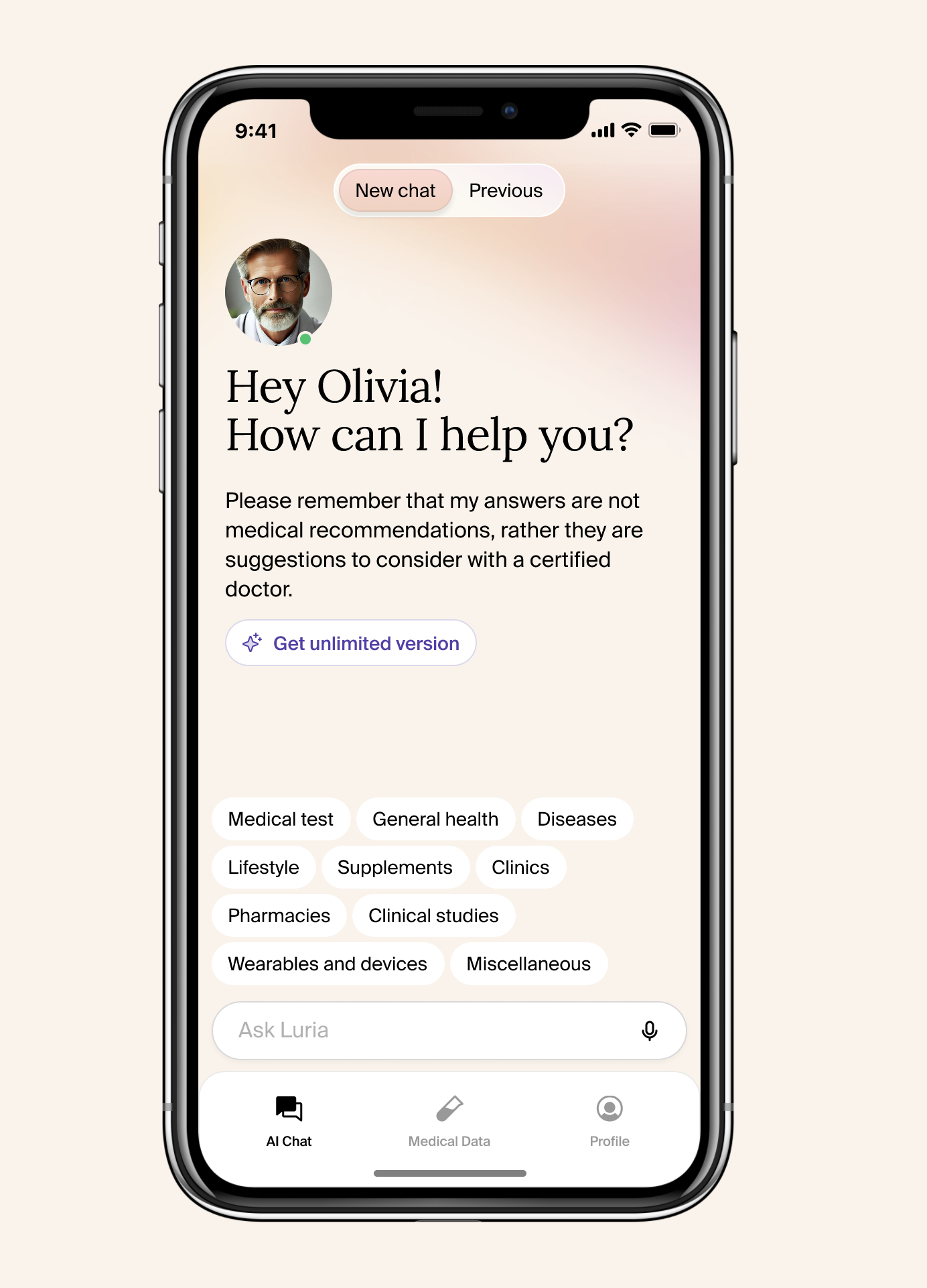
This experience sparked the idea for Luria Health (https://luria.health). We had a wealth of medical information about my relative, yet no way to interpret it fully or to find personalized, effective treatment options. When an opportunity arose at Caltech to bring this concept to life, I knew I had to pursue it. Bill Gross, a respected investor and pioneer in Pasadena, hosted a business plan competition, offering funding for innovative ideas. I entered, placed second, and secured the funding to begin building a solution.
Today, just three months later, we have a functioning prototype and over 1,000 individuals interested in using our product—even before its official launch. This journey has been both challenging and deeply meaningful, and I’m thrilled to be taking these first steps in transforming healthcare toward more personalized, data-driven approaches.

Awesome – so before we get into the rest of our questions, can you briefly introduce yourself to our readers.
My journey in biotech and AI began when I was just fourteen, balancing three roles alongside my studies. I worked in a lab studying fear-conditioned memory, contributed to AI-targeted drug discovery at Insilico Medicine, and collaborated with a personalized oncology treatment center at Atlas Biomed. By the time I finished high school, I had published four peer-reviewed papers, driven by a deep curiosity and commitment to advancing healthcare.
Since then, I’ve been actively involved in the longevity field, including speaking at the Aging Research and Drug Discovery conference in Copenhagen, where I had the privilege of sharing the stage with some of the field’s most respected researchers. Today, as a computational neuroscience student at Caltech, I’m applying what I’ve learned by building a medical AI start-up. My goal is to bridge the gap between theory and practical healthcare solutions, bringing data-driven, personalized medicine to life.
Have you ever had to pivot?
When I first entered the entrepreneurial world, I was overflowing with ideas—all connected to health, with an eye on the future. I’ve always believed in thinking a step ahead, and to me, hearing “that’s impossible!” is often a sign you’re onto something groundbreaking. Eager to get started, I joined a TechStars business-training event to pitch one of my ideas, convinced it was “the one.”
My enthusiasm, however, led me to overlook an essential step: fully researching the field and understanding the challenges involved. I quickly learned that while I had a bold vision, I wasn’t yet solving a real problem. Receiving feedback from people across different industries was invaluable; it helped me realize I had a beautiful solution without a clear purpose.
This experience guided me to pivot and focus on a far more pressing issue in healthcare: the gap in understanding medical test results. Whether it’s our annual bloodwork or routine check-ups, we often struggle to interpret what those numbers mean and whether we should be concerned. By refocusing, I began working on something not only futuristic but fundamentally useful—empowering people to understand their health in a straightforward way.
We often hear about learning lessons – but just as important is unlearning lessons. Have you ever had to unlearn a lesson?
The biggest lesson I learned was not to fear sharing my business idea. Early on, many of us hold back, worried someone might take it. But staying silent is a missed opportunity. Your greatest advantage lies in connecting with talented people who can join you or investors who believe in your vision. And the only way to reach them is by genuinely sparking interest in what you’re building—which means talking about it openly.
Sharing your idea helps you gauge people’s reactions, giving you direct feedback on its potential. If you can capture attention and curiosity, it’s a promising signal that people may want to buy your product when it’s ready.
Contact Info:
- Website: https://luria.health
- Instagram: https://www.instagram.com/luriahealth/
- Linkedin: https://www.linkedin.com/company/103680177/admin/dashboard/
- Twitter: https://x.com/LuriaHealth
- Youtube: https://www.youtube.com/@LuriaHealth?app=desktop