


We’re excited to introduce you to the always interesting and insightful Andrea Alvarez. We hope you’ll enjoy our conversation with Andrea below.
Hi Andrea, thanks for joining us today. Over the course of your career, have you seen or experienced your field completely flip-flop or change course on something?
I opened my practice in 2009 as a solo practitioner. At that time, it was common to focus on a particular theoretical orientation that aligned best with the therapist’s personal approach, for instance, Cognitive Behavioral Therapy (CBT). Additionally, seeing clients exclusively in-office was the standard model, with therapists often narrowing their focus to a specific specialty as they gained experience.
Over time, with the increase in available providers graduating from local universities and the continued growth of my profession—one that had only been around for about 30 years—it became clear that the landscape of mental health care was changing rapidly. Competition was on the rise, and it was evident that in order to keep my doors open and remain competitive, I would need to adapt.
The solution, I realized, was to continue my education and pursue a specialty that would set me apart. I chose to focus on Obsessive-Compulsive Disorder (OCD) and related disorders, an area I had always found fascinating and impactful. I committed myself to earning certifications and training in evidence-based treatments that were specifically designed to address these conditions.
This journey not only deepened my understanding of OCD but also expanded my ability to provide more effective and targeted care. I began to integrate proven techniques such as Cognitive Behavioral Therapy (CBT) with Exposure and Response Prevention (ERP) into my practice, which has been shown to be highly effective for treating OCD. By specializing, I could offer clients a more tailored and research-backed approach to their treatment, ensuring that they received the highest quality care available.
However, the most significant shift in the way I operated came with the onset of the COVID-19 pandemic in 2020. The global crisis forced us to rethink everything—how we interacted with clients, how we delivered care, and even how we defined the boundaries of therapy. With safety concerns limiting in-person sessions, teletherapy became not only necessary but the primary mode of treatment. This marked a drastic change in how therapy was approached, pushing us into the digital age in a way that would have seemed unlikely just a few years before.
Having to “read” people over video conferences, with limited information, was a significant challenge. The nuances of body language, facial expressions, and tone that are typically so important in understanding a client’s emotional state were harder to pick up on through a screen. Meeting a new client over the internet, rather than in person, wasn’t anything I had foreseen doing when I first started my practice.
Initially, I felt a sense of disconnect. The usual rapport I built with clients in the office—where I could feel the energy in the room and observe their body language—wasn’t as clear through a video feed. Even small things, like eye contact and nonverbal cues, were harder to interpret, which left me wondering whether I was truly connecting with my clients the way I had before.
But over time, I began to adapt. I learned to pay closer attention to the subtle changes in a client’s voice, posture, and even the small pauses during conversation. I also found that it was even more important to ask clarifying questions and check in with clients more frequently to ensure they felt heard and understood. I developed new ways to build rapport through technology, such as creating a more intentional and warm virtual environment, even if it was through a screen.
While the experience was challenging at first, it ultimately improved my ability to communicate with clients in ways I hadn’t expected. It taught me how to be more present in the conversation and more mindful of the limited but still meaningful cues I could pick up on through video.
Awesome – so before we get into the rest of our questions, can you briefly introduce yourself to our readers.
I am a Licensed Professional Counselor-Supervisor (and maintain a full caseload), Executive Director, business owner, Psych Nurse Practitioner preceptor, and volunteer on the Texas OCD Board. Additionally, I serve as a professional presenter in the mental health field. Needless to say, I wear many hats, and many of them, including that of a therapist, involve teaching and educating others in mental health.
One of my core passions is empowering others to understand how their minds work and how they can learn to work with their thoughts, rather than against them, as they strive to reach their goals. Whether it’s with clients, colleagues, or students, I take great pride in providing clarity on complex mental health concepts, so people can gain a better sense of self-awareness and control over their own well-being.
As a preceptor for Psych Nurse Practitioners, I take on a mentorship role, helping the next generation of mental health professionals understand the intricacies of diagnosing, treating, and supporting individuals with mental health disorders. Similarly, serving on the Texas OCD Board allows me to contribute to the larger conversation on mental health by advocating for better treatment resources, research, and support for those affected by OCD and related disorders.
While balancing all these roles can be demanding, it’s incredibly rewarding. The variety of hats I wear keeps me engaged in learning and growing professionally while also allowing me to positively impact others in meaningful ways. The educational component of my work—whether I’m helping clients understand their challenges or teaching aspiring professionals—reminds me daily why I entered this field in the first place: to help others lead healthier, more fulfilling lives.
There have been a few pivotal moments in my career that remain both my most proud and, at times, my scariest. Each of these moments has shaped me into the professional I am today.
One of the first major milestones was deciding to go full-time into private practice in 2009. It was a leap of faith, but it also marked the beginning of my journey to create something meaningful. In 2014, I took another big step by expanding and hiring therapists as independent contractors, transitioning from a solo practice to a collaborative group. That move was both exciting and daunting, but it allowed us to offer a wider range of services and grow as a team.
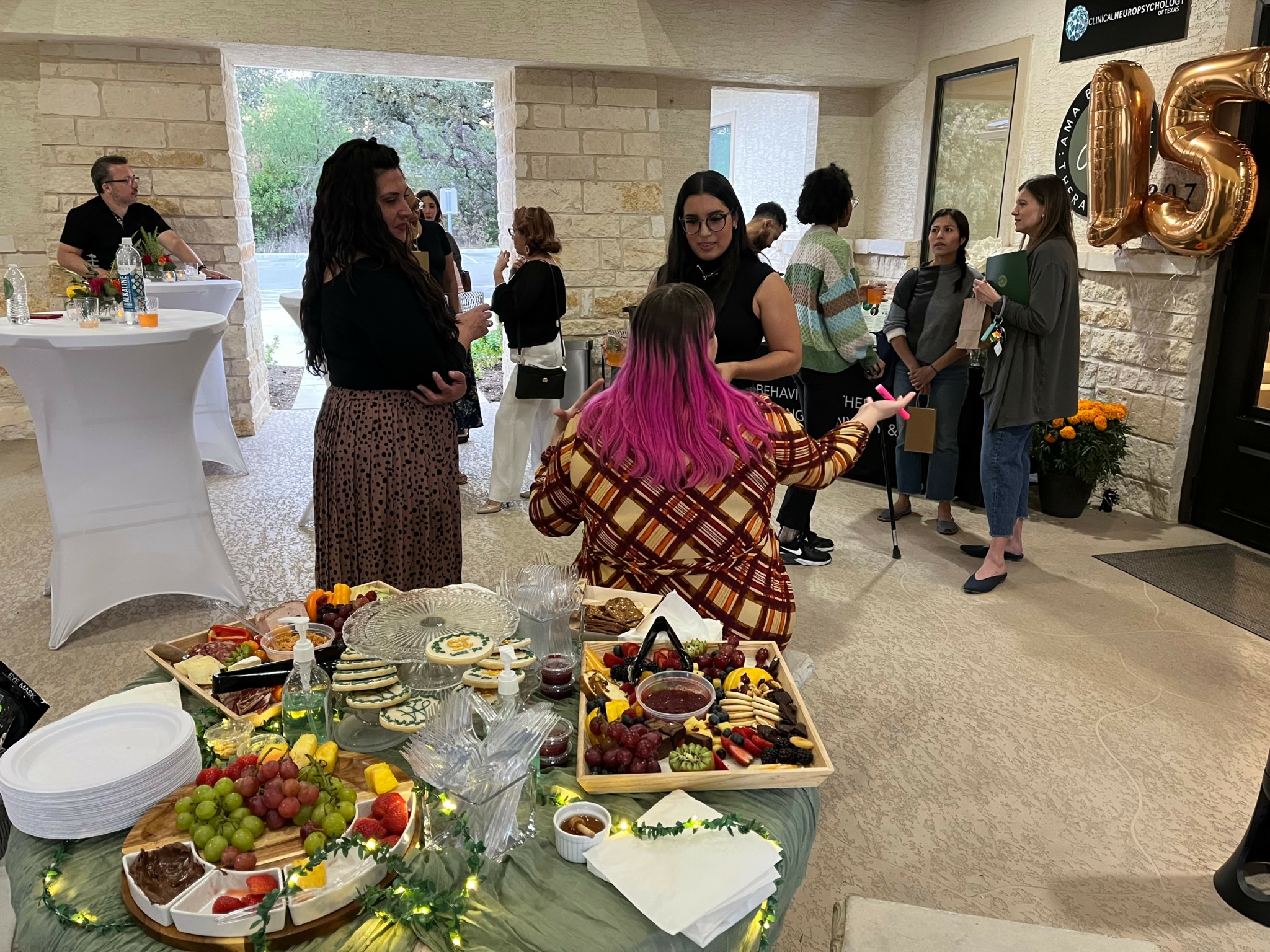
By 2020, the practice had grown from just 2-3 therapists to 7. I was seeing the fruits of my hard work, but also facing new challenges of managing a larger team. That growth continued in 2021 when I took the significant step of moving all the contractors to W2 employees with full benefits. That decision wasn’t just about business; it was about showing my commitment to my staff and ensuring they had the support they needed to thrive, both professionally and personally. The same year, I also purchased my office building and completed construction, making the practice feel even more grounded and established.
In 2024, I received the recognition of the University of Houston Alumni’s Cougar 100, placing 49th on their list, which measured growth over three years. It was a testament to the resilience of the practice and the people who helped make it possible.
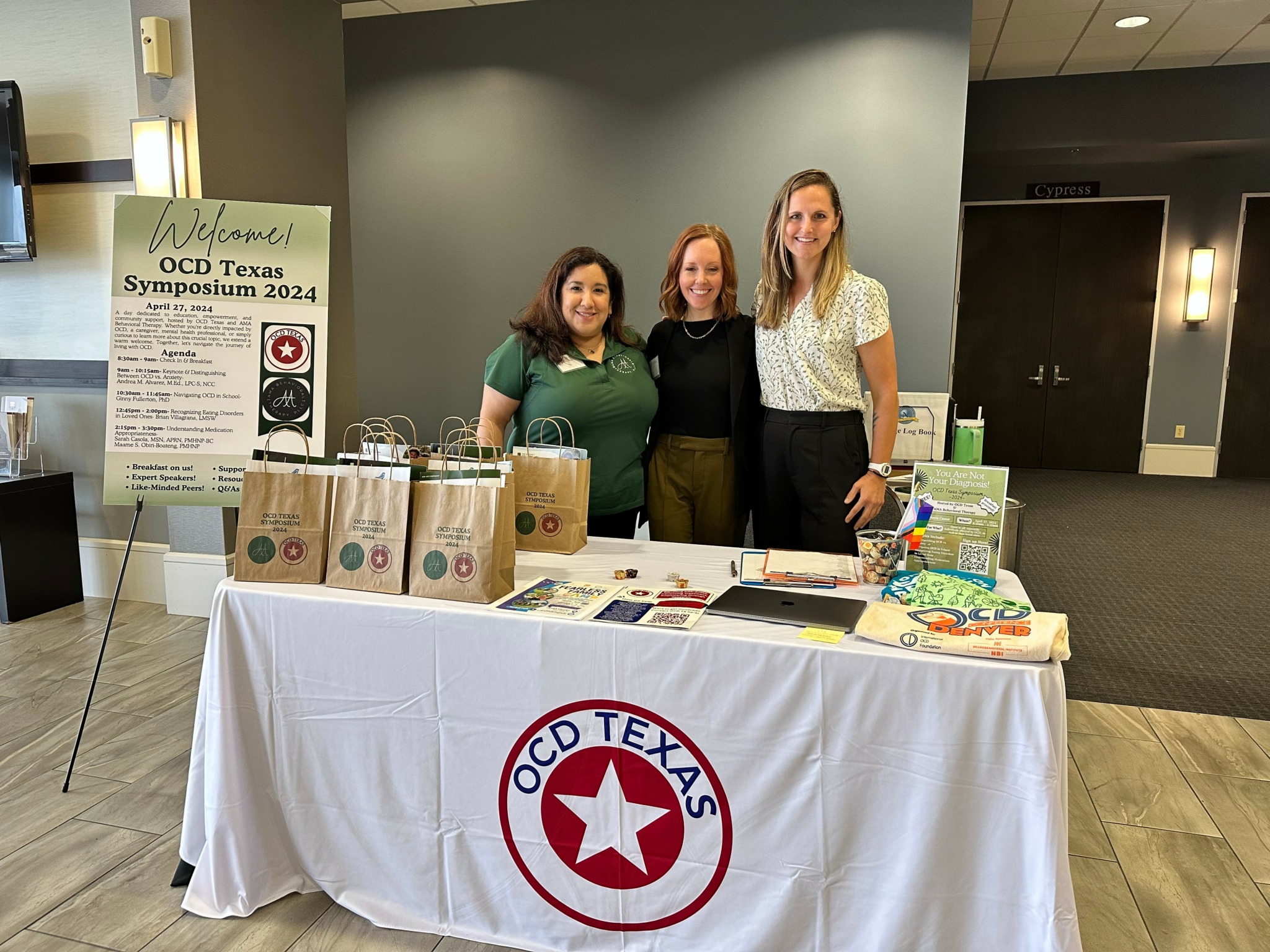
One of my proudest accomplishments came in 2023 and 2024, when I was able—thanks to the support of OCD Texas—to bring a Symposium on OCD to spread education and work toward ending the stigma surrounding this disorder. It’s been a deeply fulfilling endeavor, giving me the opportunity to make a broader impact.
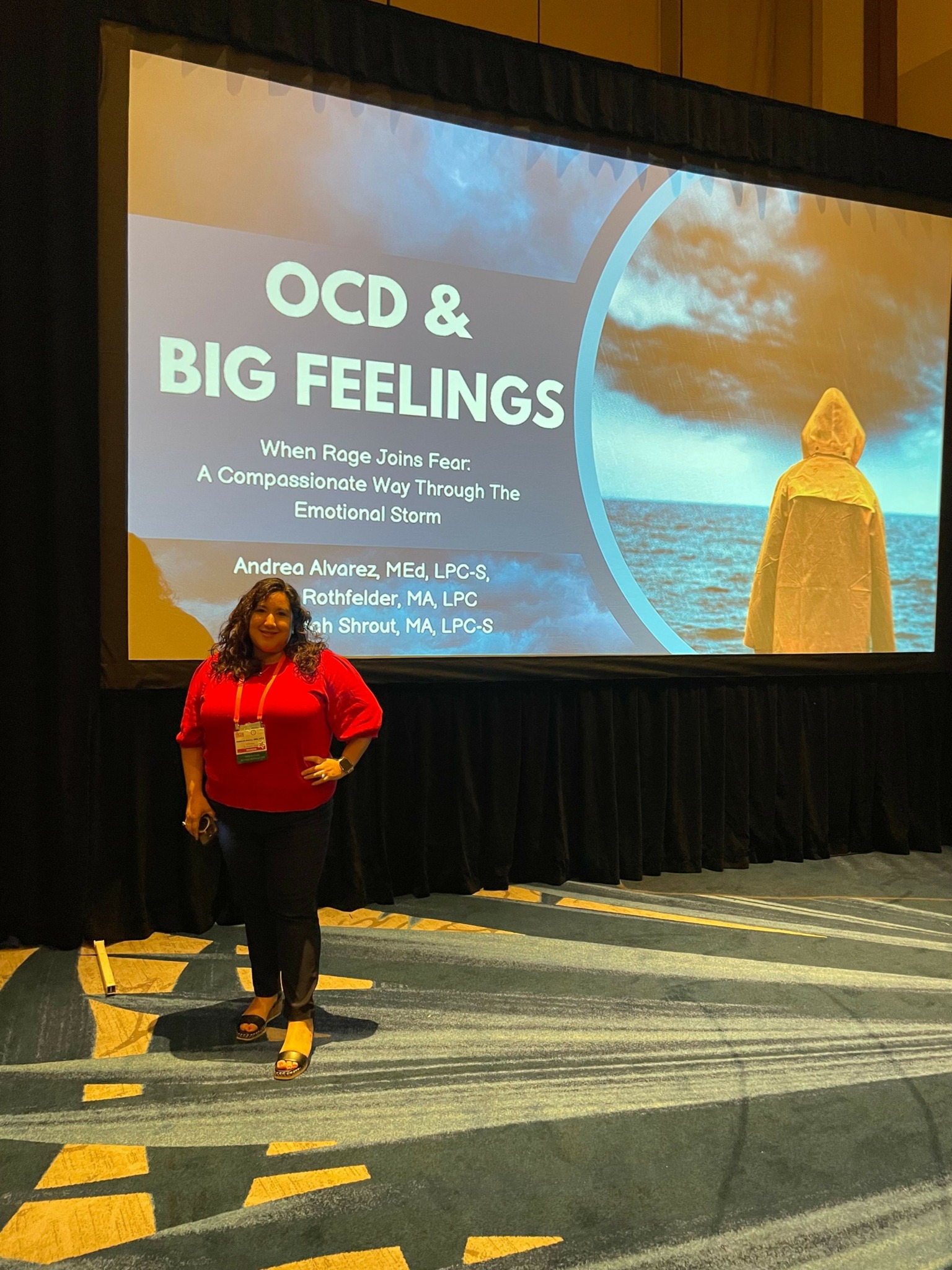
Lastly, being selected as a co-presenter at the 29th Annual OCD Conference by the International OCD Foundation was an immense honor. I had attended my first conference in 2017, and to be invited to present just a few years later was both humbling and a professional achievement I’ll never forget. It’s moments like these that remind me why I’m so passionate about my work and the field of mental health
We’d love to hear a story of resilience from your journey.
Then came 2023, the most challenging time I’ve faced as an employer. I lost nearly my entire staff, which was a devastating blow. The emotional toll was great, but I knew I had to rebuild. It wasn’t easy, but it was a transformative period for me as a leader. In the end, I leaned to every tool I I ever taught to my clients as a therapist. It took all my energy not to give up and finally, over time I was able to rebuild the team with new talent and renewed energy. This led to the staff I have today, one that I could not be more proud of.
Do you think you’d choose a different profession or specialty if you were starting now?
Even after being licensed for over 20 years, I am incredibly lucky to still love what I do. The therapeutic relationships I’ve had the honor and privilege to be a part of have been more fulfilling than I could have ever imagined while in school. Each client I work with continues to teach me something new about resilience, vulnerability, and the human experience. The ability to witness their growth and transformation is one of the most rewarding aspects of my career.
Another area I deeply enjoy is teaching through supervision for LPC-Associates. Watching these new professionals develop their own identities as therapists and grow into their full potential is a truly gratifying experience. It’s exciting to guide them through their early career stages and see how their unique strengths emerge. I take great pride in helping them navigate the complexities of the field, while also encouraging them to trust their instincts and find their own therapeutic style.
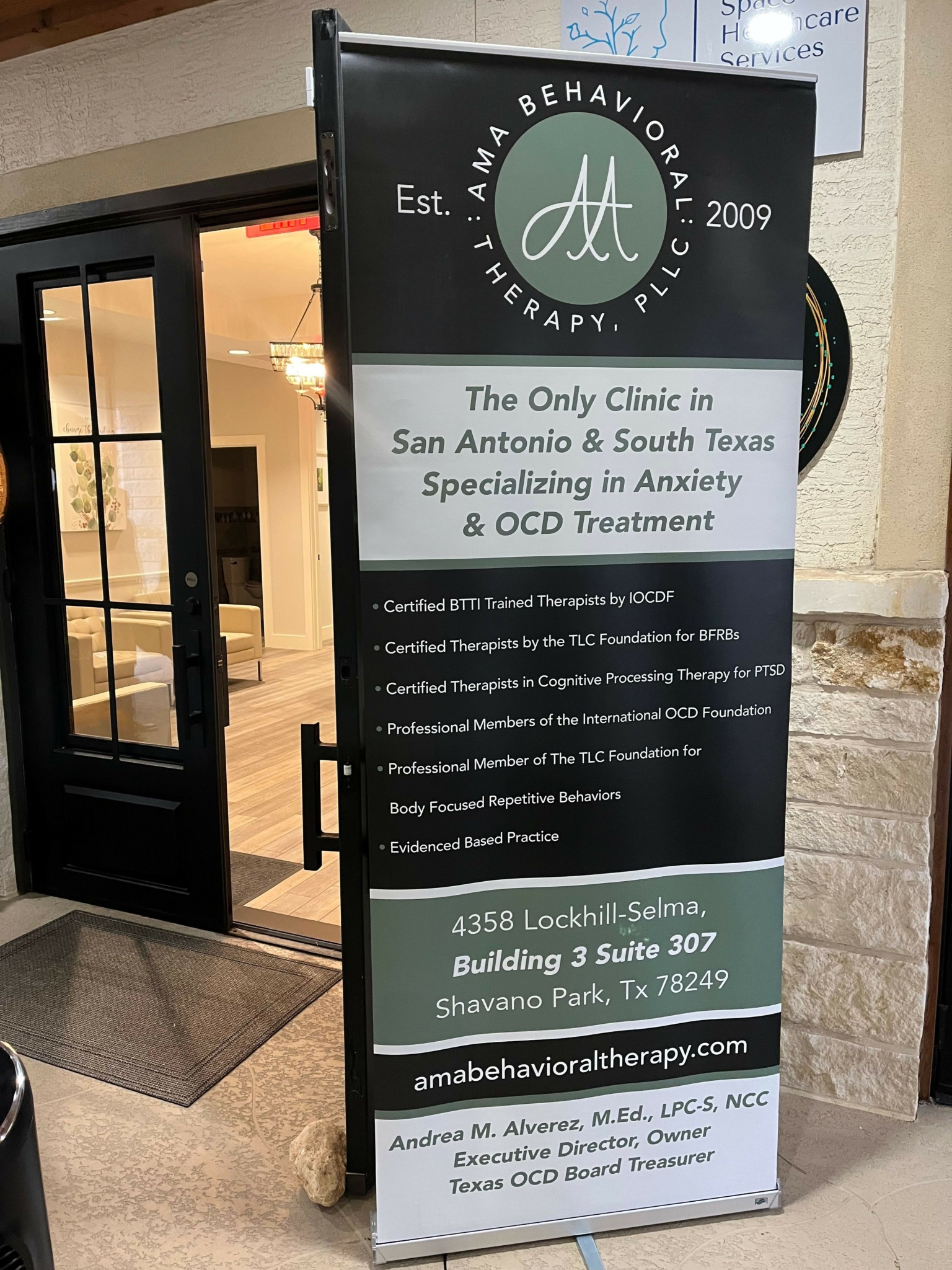
A concept that I first envisioned in 2017 was creating a specialty group dedicated to delivering evidence-based treatment for OCD and related disorders. I saw a real need for this in my hometown of San Antonio, where many individuals weren’t receiving the specific help they needed. Building this group has been a labor of love, and it’s been incredibly rewarding to see the impact we’ve had on the community. The passion my team has for delivering effective treatment is contagious, and it’s inspiring to be part of something that fills such a vital gap in care.
Beyond the daily work with clients and colleagues, being able to organize events like the OCD Symposium and OCD Walks has presented its own set of challenges, but it has also been incredibly worth it. These events provide a platform to raise awareness, educate the community, and most importantly, reduce the stigma surrounding OCD and related disorders. Seeing people come together to support one another, share their experiences, and learn from experts is a reminder of why I do this work. These moments reinforce the idea that we are all in this together, fighting for a better understanding of mental health and greater compassion for those who struggle.
Contact Info:
- Website: https://amabehavioraltherapy.com
- Instagram: ama_behavioral_therapy
- Linkedin: https://www.linkedin.com/in/andrea-alvarez-m-ed-lpc-s-ncc-8954b346
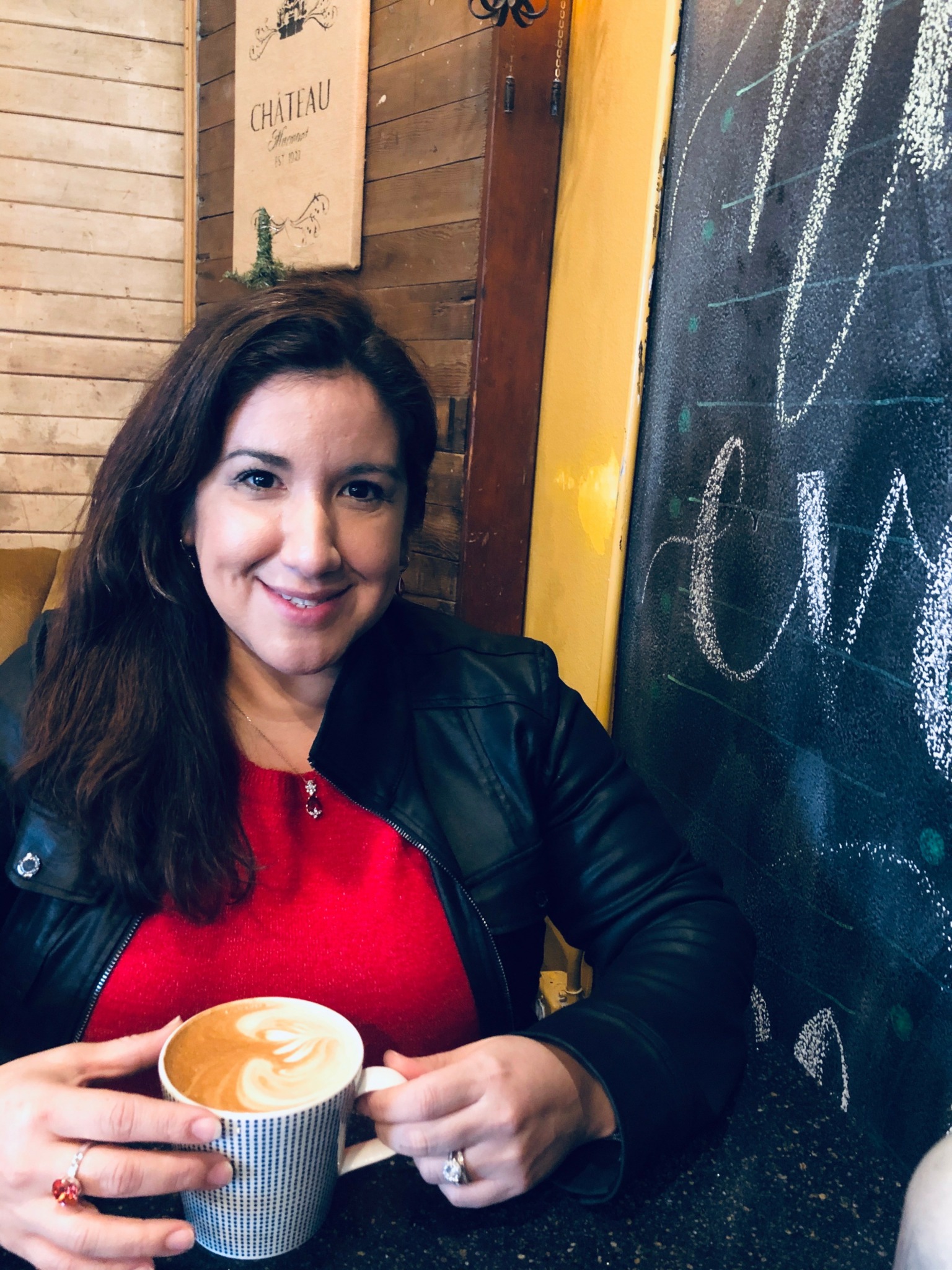
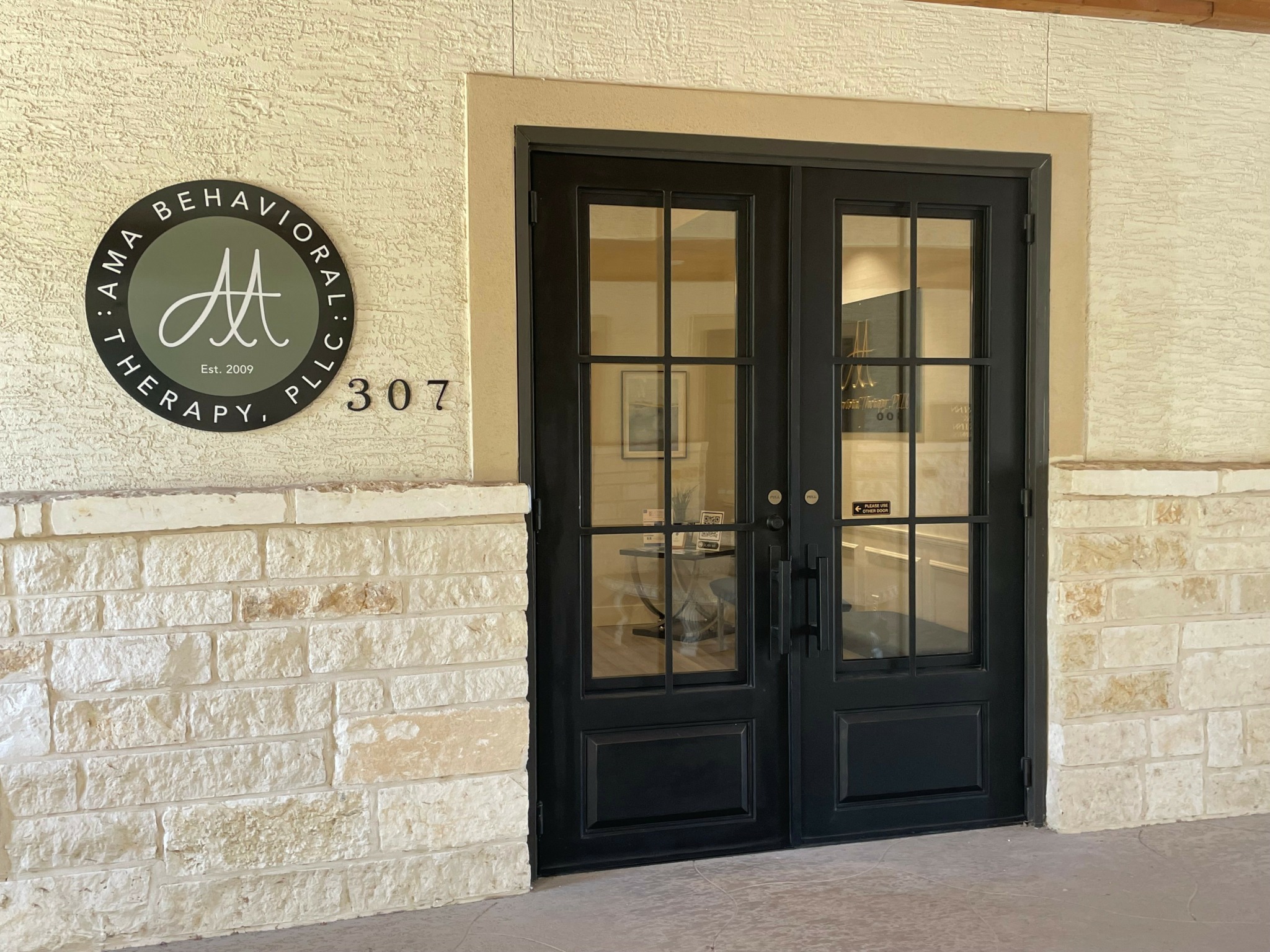
Image Credits
These are my personal photos