



We recently connected with Andie Marsh and have shared our conversation below.
Andie, appreciate you joining us today. To kick things off, we’d love to hear about things you or your brand do that diverge from the industry standard.
One of the reasons I felt I had to create my own business for soil health instead of finding a job in the existing industry is because of the stark contrast in philosophy and methodologies I value compared to conventional methods of agriculture and land management.
I’m certainly not alone in my approach to soil health, but at this point in history my peers and I are part of a movement that’s countercultural to the current mainstream standards.
I provide microscope assessments for a multi-generational farm growing staple crops like soy and corn and, like many farms in the last 70 years or so, previous generations became entirely dependent on products being sold to them by big chemical ag companies – pesticides, herbicides, fertilizers, GMO seed, intensive tilling machines, etc. These are incredibly costly inputs and many farmers inheriting these businesses are put in really tough positions emotionally and financially.
Andie, love having you share your insights with us. Before we ask you more questions, maybe you can take a moment to introduce yourself to our readers who might have missed our earlier conversations?
Sure! I am a microscopist, writer, and small business owner focused on soil health. I’m basically creating a career doing freelance microscope work and fostering an online community to support the cultural shift towards relationship-based land stewardship.
I’ve worked for a few start-up companies in sustainability and horticulture. My pivot into entrepreneurship myself started when I became a certified lab-technician through a program called Soil Food Web, created by one of the world’s foremost soil biologists, Dr. Elaine Ingham.
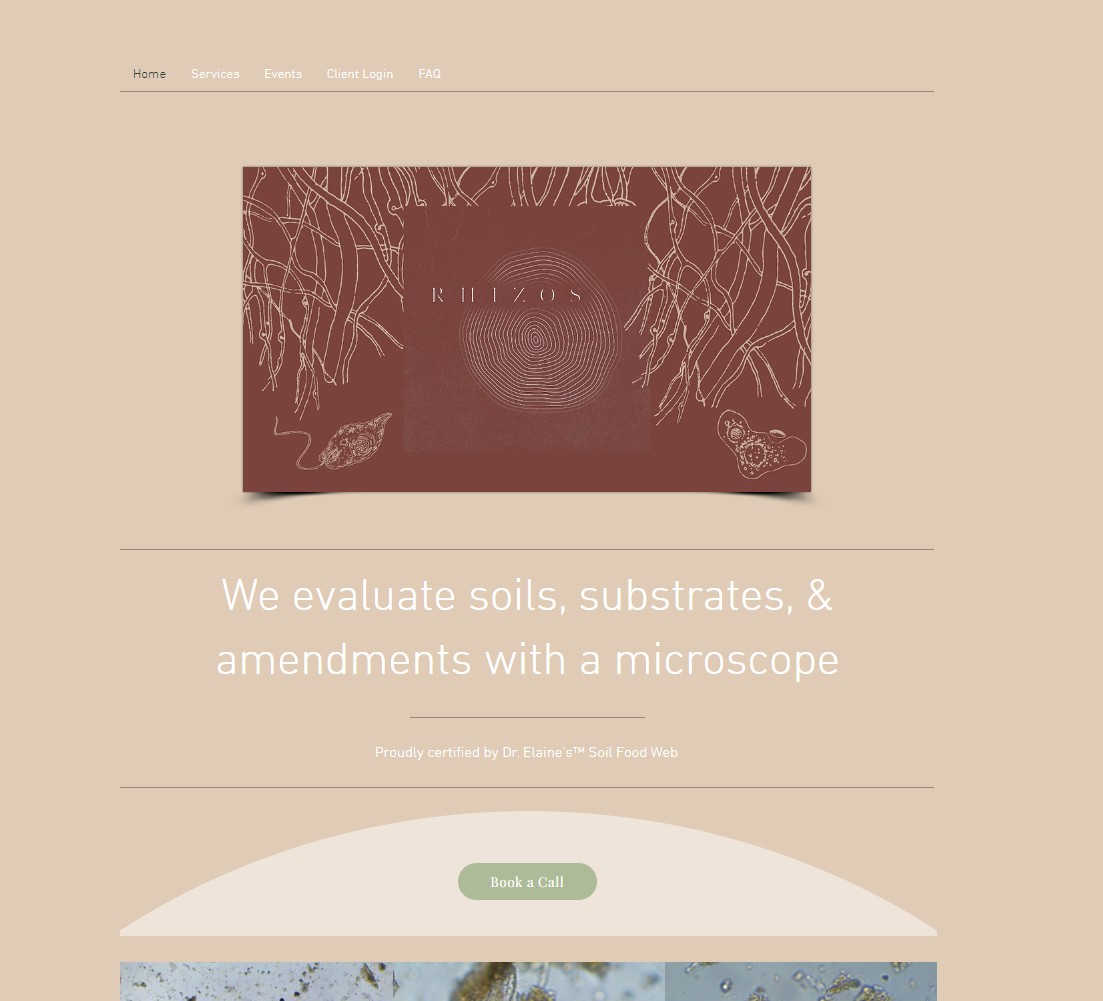
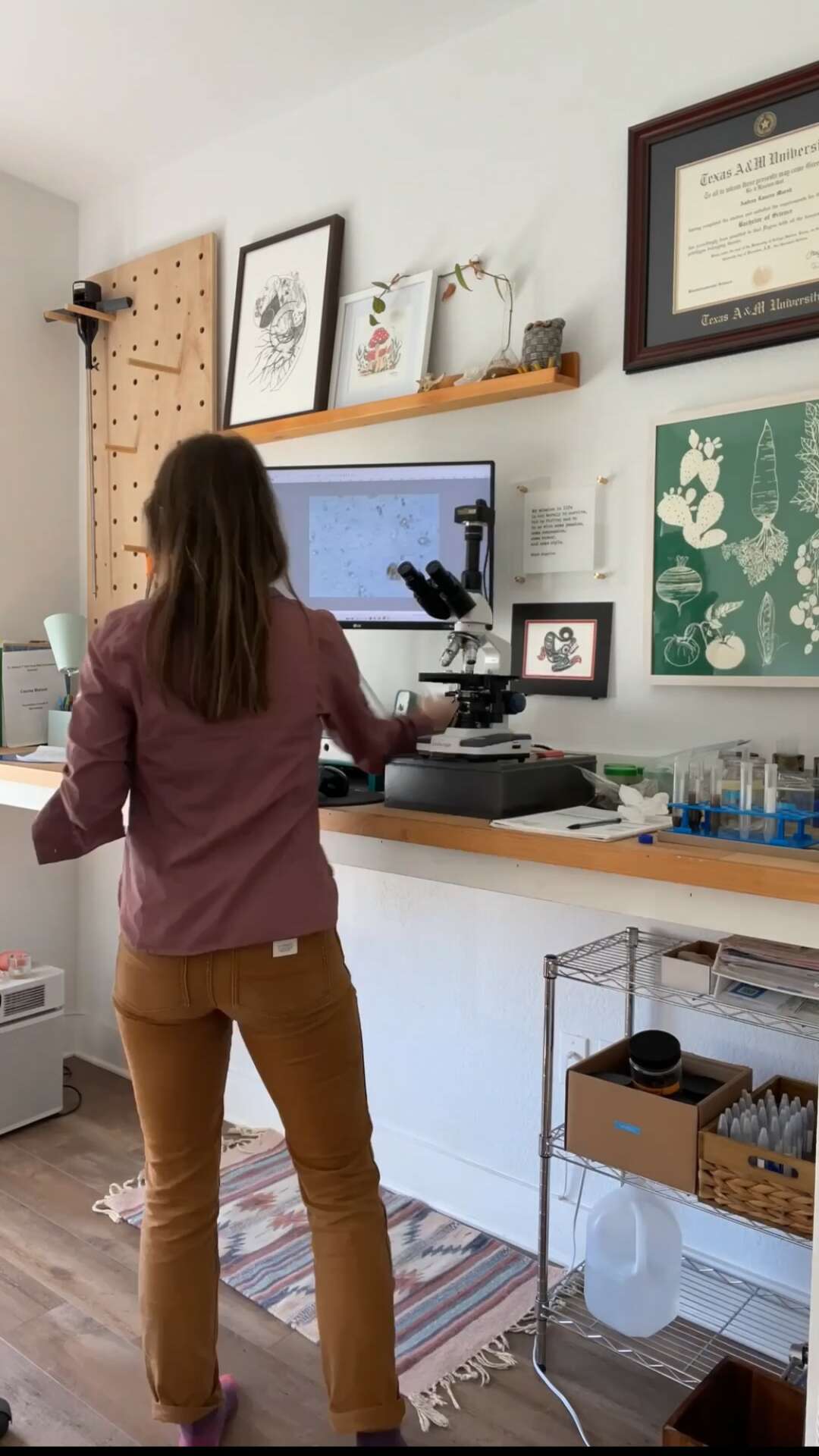
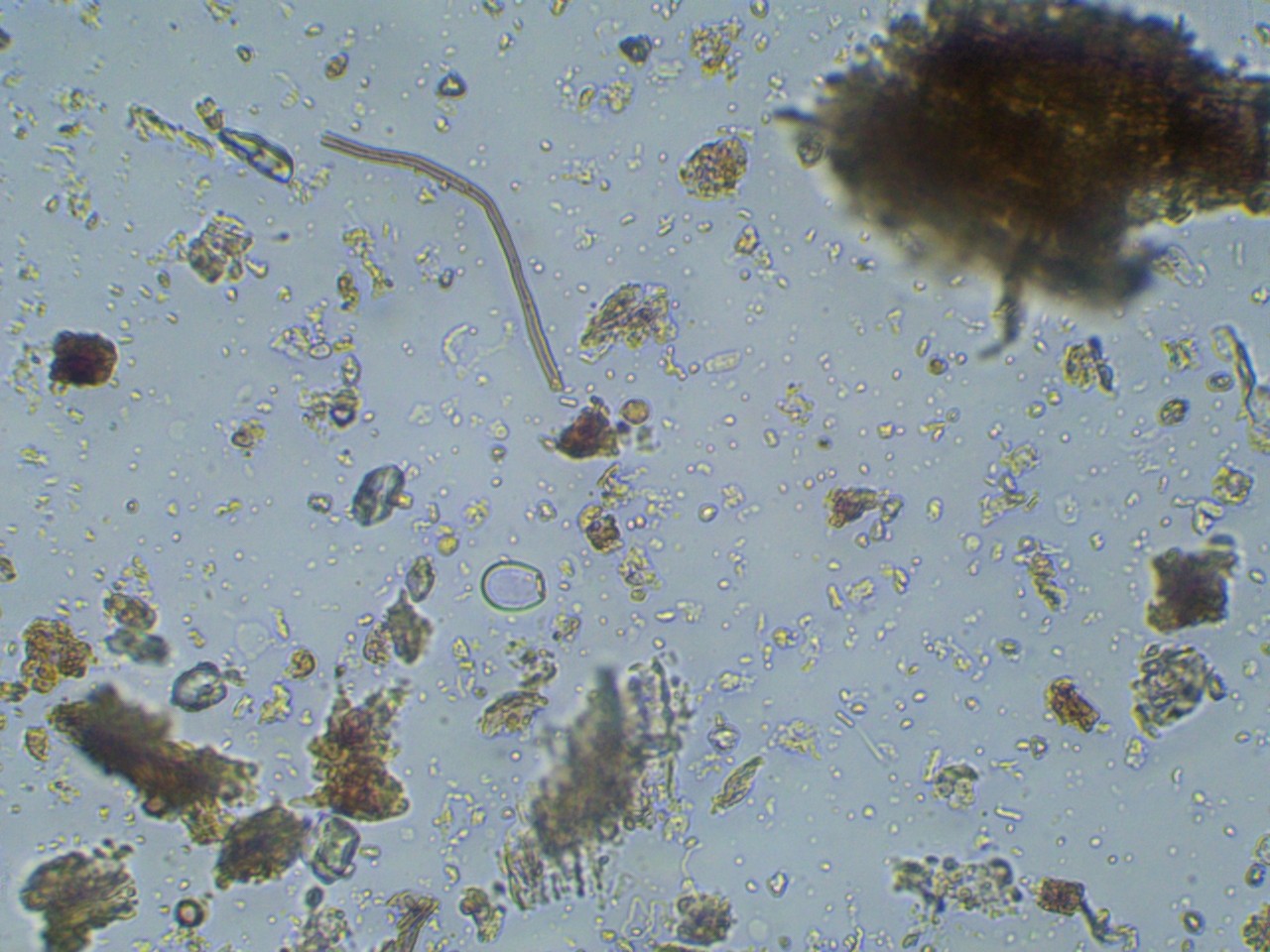
In Fall of 2021 I officially launched my business, Rhizos LLC where I provide microscope assessments to evaluate what is and is not living in a soil or compost – this insight informs land management decisions. My clients are mostly business-to-business and run a gamut from agriculture to turf management, ecological restoration to research.
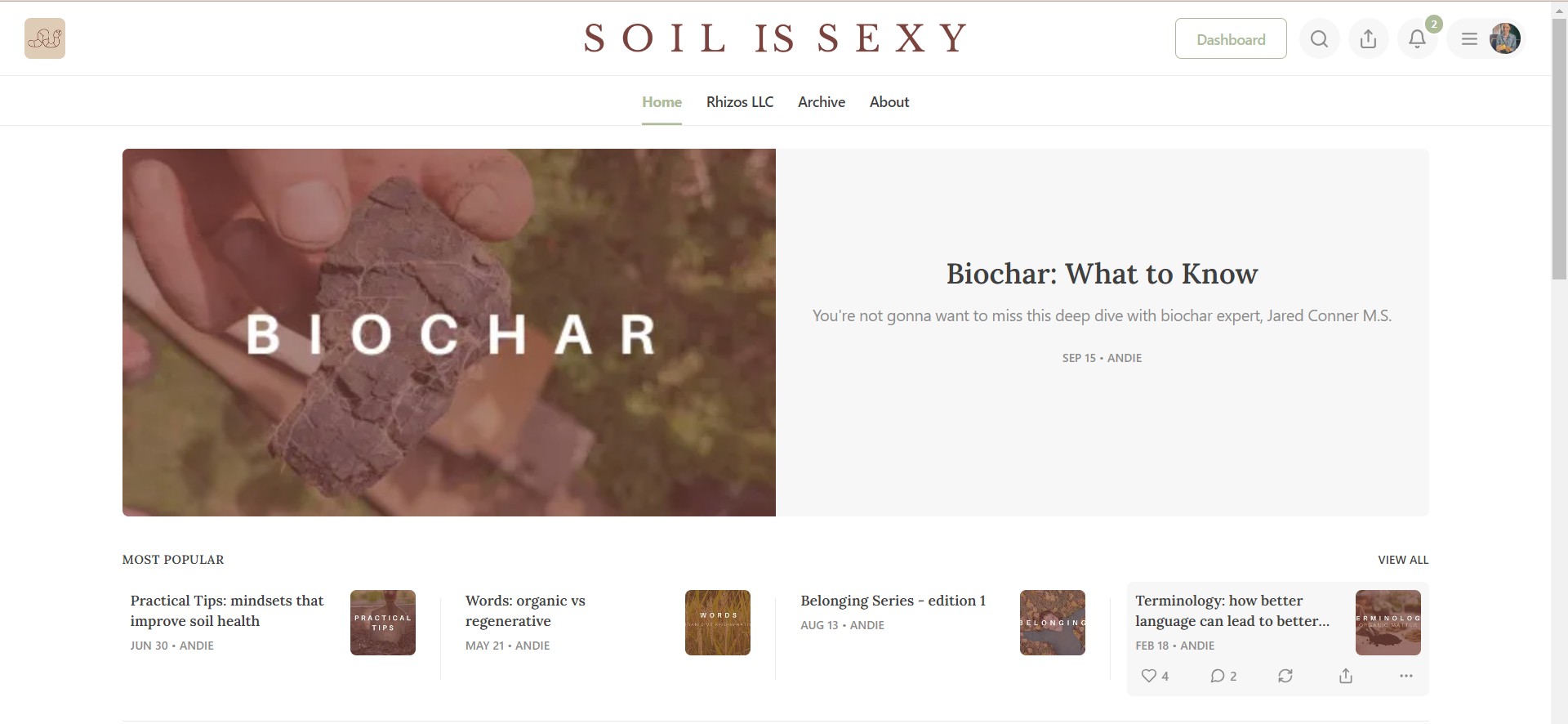
Additionally, I love to communicate on this topic so I do a lot of public speaking and write regularly on Substack at Soil is Sexy where I aim to build community and provide support to small farmers, gardeners, and suburbanites.
What’s a lesson you had to unlearn and what’s the backstory?
There are a few moments in my childhood where I had embarrassing moments in art class: my clunky clay sculptures would crumble, my drawings never looked like what I had in my mind’s eye… you know, small but formative moments. I started believing at a young age that I wasn’t creative.
In my adult life I’ve really challenged that belief and again, through small but transformative acts like designing my living spaces (on tight budgets) over the years, thrifting different looks for my wardrobe, assembling even a plate of food beautifully – I started acknowledging the creativity in my daily life which gave me the confidence for bigger creative projects like creating content, writing, and starting a business from scratch.
I’ve learned that we’re all creating all the time, it’s when we do so intentionally that we get to have fun with it.
Any advice for growing your clientele? What’s been most effective for you?
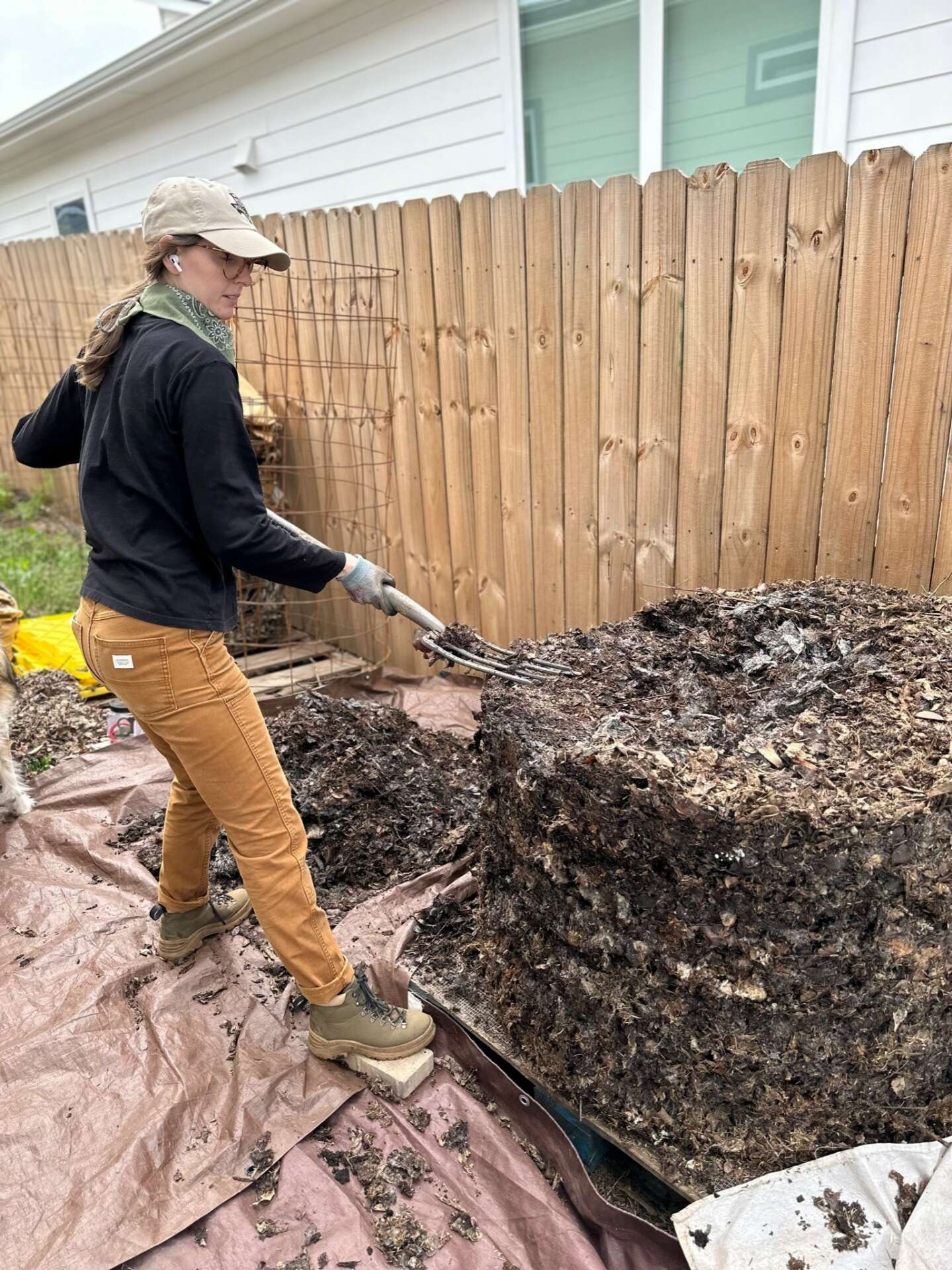
Early on, showing up consistently to spend time in my business even when the clientele wasn’t there (yet) was really important. If I had a slow month, I wouldn’t take time off, instead I would collect my own samples, evaluate them, and prepare reports to practice and iterate my workflow. I created my website as if I already had a lot of clients landing on my page and I really think this is why my first clients reached out because I made it clear that I was IN business, not waiting for business.
From there everything has been about providing excellent service, clear communication / setting expectations, and building genuine rapport with people. My book of business has grown through word of mouth, through relationships with existing clients or folks I meet at conferences.
Lastly, the hardest lesson so far has been figuring out how to grow the right clientele. I’ve had some experiences with clients that were difficult to work with for one reason or another. It’s not easy, but I expect this happens with every business and that I will experience it every now and then, so learning how to handle that with as much grace as possible is proving to be important because in my experience once I’ve parted ways with a challenging client it’s been followed by new, more aligned opportunities.

Contact Info:
- Website: https://www.rhizos.science/
- Instagram: @soilissexy
- Other: https://soilissexy.substack.com/
Image Credits
Kirsten Kaiser, Kaiser Creative Studios