

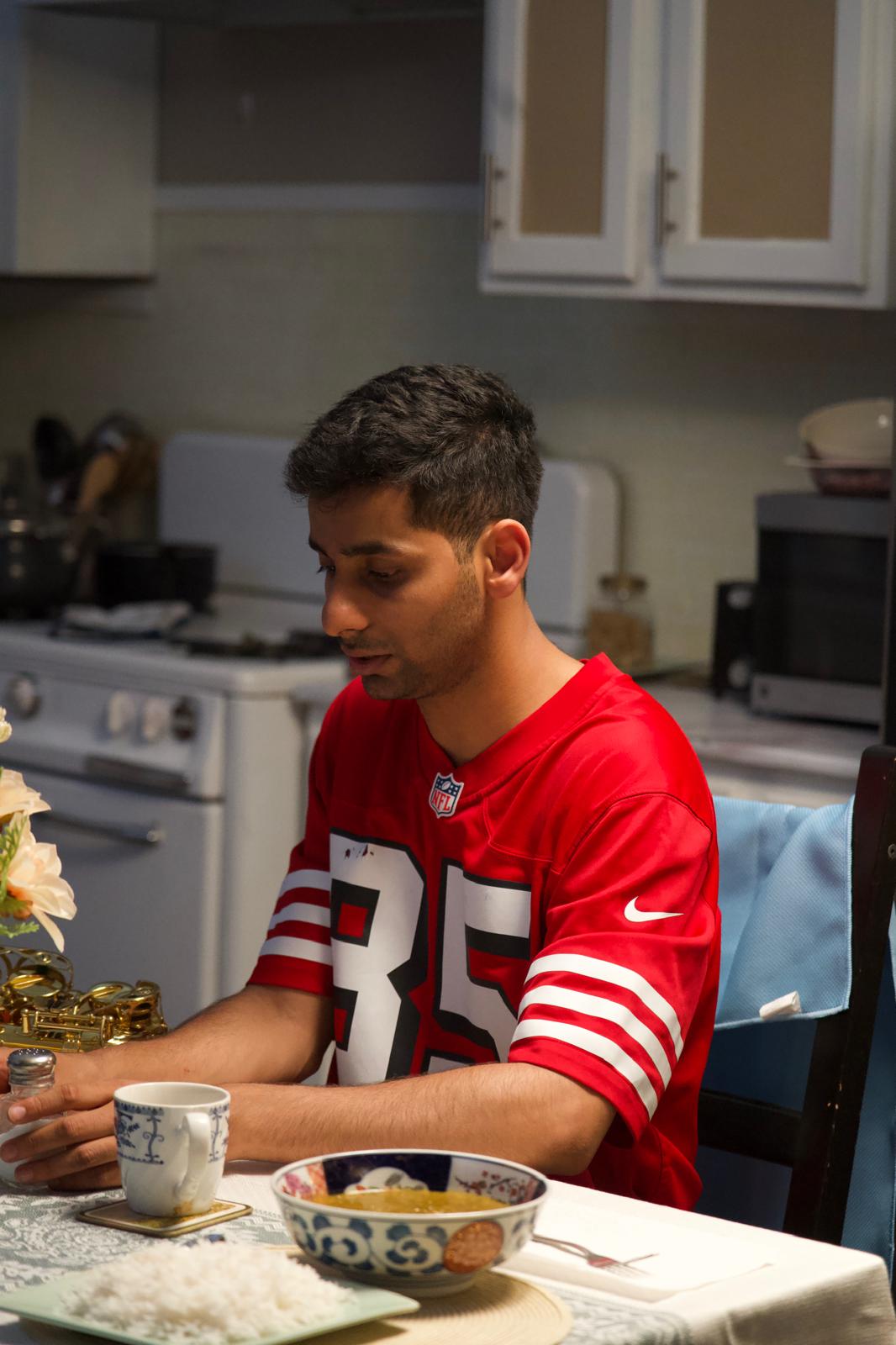

We were lucky to catch up with Anay Sanghvi recently and have shared our conversation below.
Alright, Anay thanks for taking the time to share your stories and insights with us today. Are you able to earn a full-time living from your creative work? If so, can you walk us through your journey and how you made it happen?
It definitely wasn’t like that from day one. I don’t come from a film family, so when I started out in India, I had no connections to lean on. I began with internships and AD work, long hours on set just to learn and prove myself. Often, I was the first in and the last out. Those early days taught me resilience and what it really means to be part of a crew.
Early milestones like Code M: Season 2 and Disney Channel’s Imagine That shaped my understanding of storytelling at scale. Code M showed me how every decision ripples across a production, while Disney taught me how to preserve the magic of a story while navigating production limits. Before moving to Los Angeles, I also collaborated with Netflix India and The Rabbit Hole on a Peaky Blinders campaign, a creative turning point that proved how bold, culturally relevant work could connect global brands with Indian audiences.
Moving to the U.S. for my master’s felt like pressing reset. The industry was familiar, but the culture, practices, and networks were entirely new. I had to relearn, rebuild, and prove myself again. It wasn’t easy, but consistency, passion, and belief in the process kept me going.
Opportunities gradually came. Working with Dhar Mann Studios, ReelShort and DramaBox honed efficiency and emotional precision, while my role as 2nd AD on a Lifetime movie with Scott Levine and Danny Roth reconnected me with the discipline of large-scale American productions.
Parallel to that, I’ve been writing, producing, and directing my own films: Jasmine Flowers, Pandaal, and most importantly, Empty Frames. That last one has been the most personal and transformative project, inspired by street musicians in Los Angeles who use music as freedom and expression. Making it demanded nuance and emotional honesty, but it reminded me why I became a filmmaker: to give voice to the unseen and unheard.
Today, I’m earning a full-time living from my creative work. My films are making rounds at festivals, some projects are releasing on major platforms, and I’m collaborating with bigger studios, all while continuing to tell stories that matter to me. It’s incredibly rewarding to see the impact of my work and know that the long nights and setbacks were worth it.
Looking ahead, I’m excited about upcoming short films and a feature I’m producing- projects that build on everything I’ve learned while pushing me into new stories, formats, and collaborations. The journey hasn’t been fast, but every step has made it meaningful, and I wouldn’t trade the process for anything.
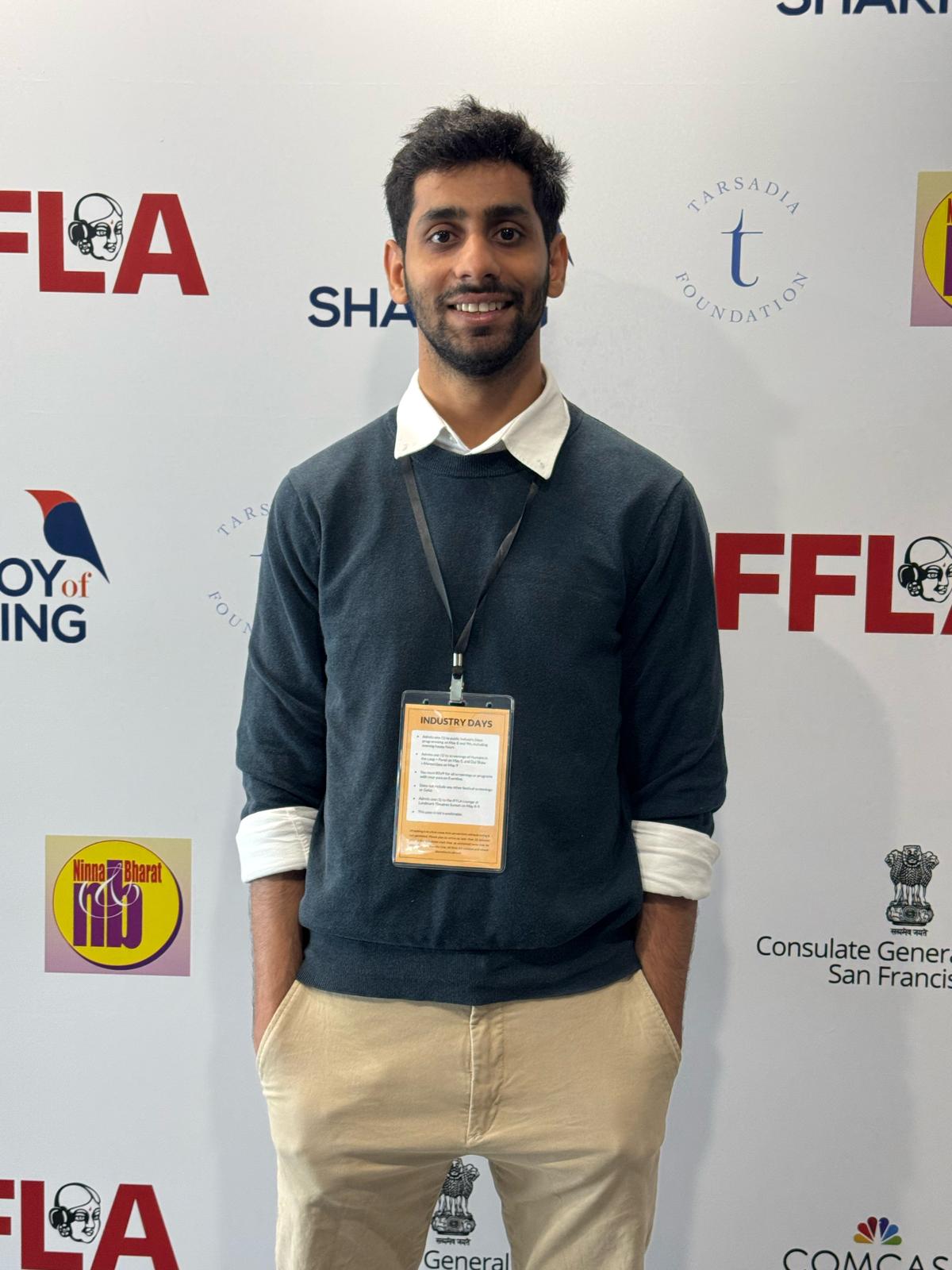
Anay, before we move on to more of these sorts of questions, can you take some time to bring our readers up to speed on you and what you do?
I’m Anay Sanghvi, a filmmaker and creative producer based in Los Angeles. I specialize in writing, directing, and producing films and visual storytelling projects that explore human emotion, untold perspectives, and authentic experiences. I didn’t come from a film family—my journey began in India with internships and assistant directing work, long hours on set learning the craft from the ground up. Early milestones like Code M: Season 2 and Disney Channel’s Imagine That taught me how storytelling and scale intersect, while working with Netflix India and The Rabbit Hole on a Peaky Blinders campaign showed me how bold, culturally relevant ideas can connect global and local audiences.
After moving to the U.S., I rebuilt my network and skills, working with Dhar Mann Studios, DramaBox, and recently as a 2nd AD on a Lifetime movie. Alongside this, I’ve written, produced, and directed personal projects like Jasmine Flowers, Pandaal, and Empty Frames. Empty Frames—inspired by street musicians in Los Angeles—explores freedom, resilience, and expression, and demanded nuance and emotional honesty, reminding me why I became a filmmaker: to give voice to the unseen and unheard.
What sets my work apart is the combination of creative vision, production discipline, and authenticity. I aim to create stories that resonate, inspire, and linger beyond the screen. Today, I make a full-time living from my work—films in festivals, projects releasing on major platforms, and collaborations with studios—and I’m excited about upcoming short films and a feature that continue to push the boundaries of storytelling and creative impact.
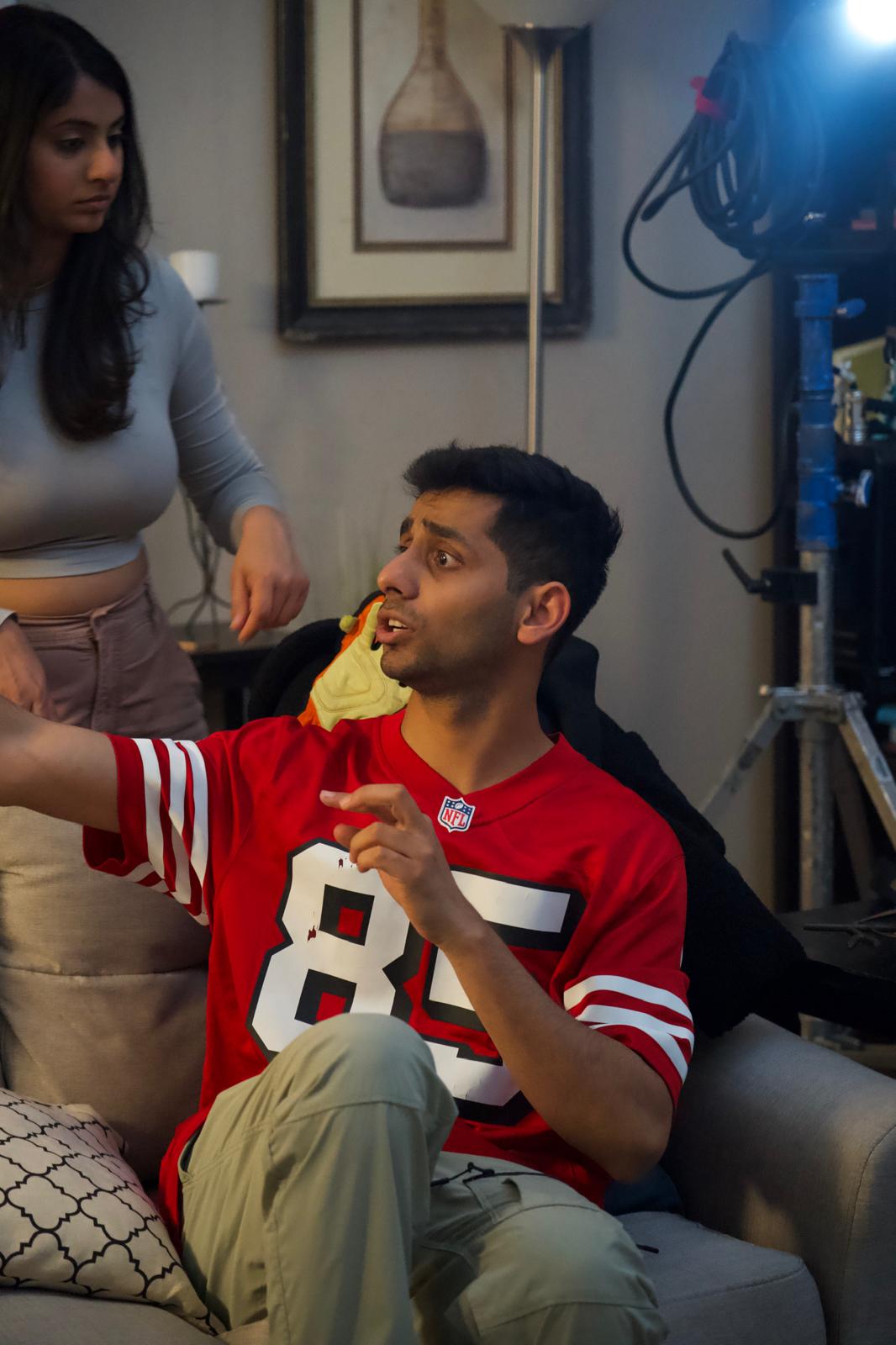
Do you think there is something that non-creatives might struggle to understand about your journey as a creative? Maybe you can shed some light?
From the outside, working in entertainment looks glamorous and effortless—people see sets, premieres, and buzz, and assume it’s all fun. And yes, it is fun, but it also involves intense focus, serious discipline, and extremely challenging practices. I absolutely love what I do and wouldn’t choose anything else, but it’s not a job that’s light or easy just because it’s in entertainment.
There’s planning, long hours, problem-solving, and constant running around to make sure every detail of the worlds we’re building works perfectly. No one is confined to a job description—everyone ends up doing everything. Being “creative” doesn’t just mean writing or making something happen; you constantly balance imagination with practicality, molding ideas to fit budgets, logistics, and production realities, which can sometimes limit creative freedom.
But that’s also what makes it so rewarding. Seeing an idea come to life, knowing you’ve navigated all the moving parts to create something meaningful, is unparalleled. Creativity in entertainment is demanding, yes—but it’s joyful, inspiring, and endlessly fulfilling.
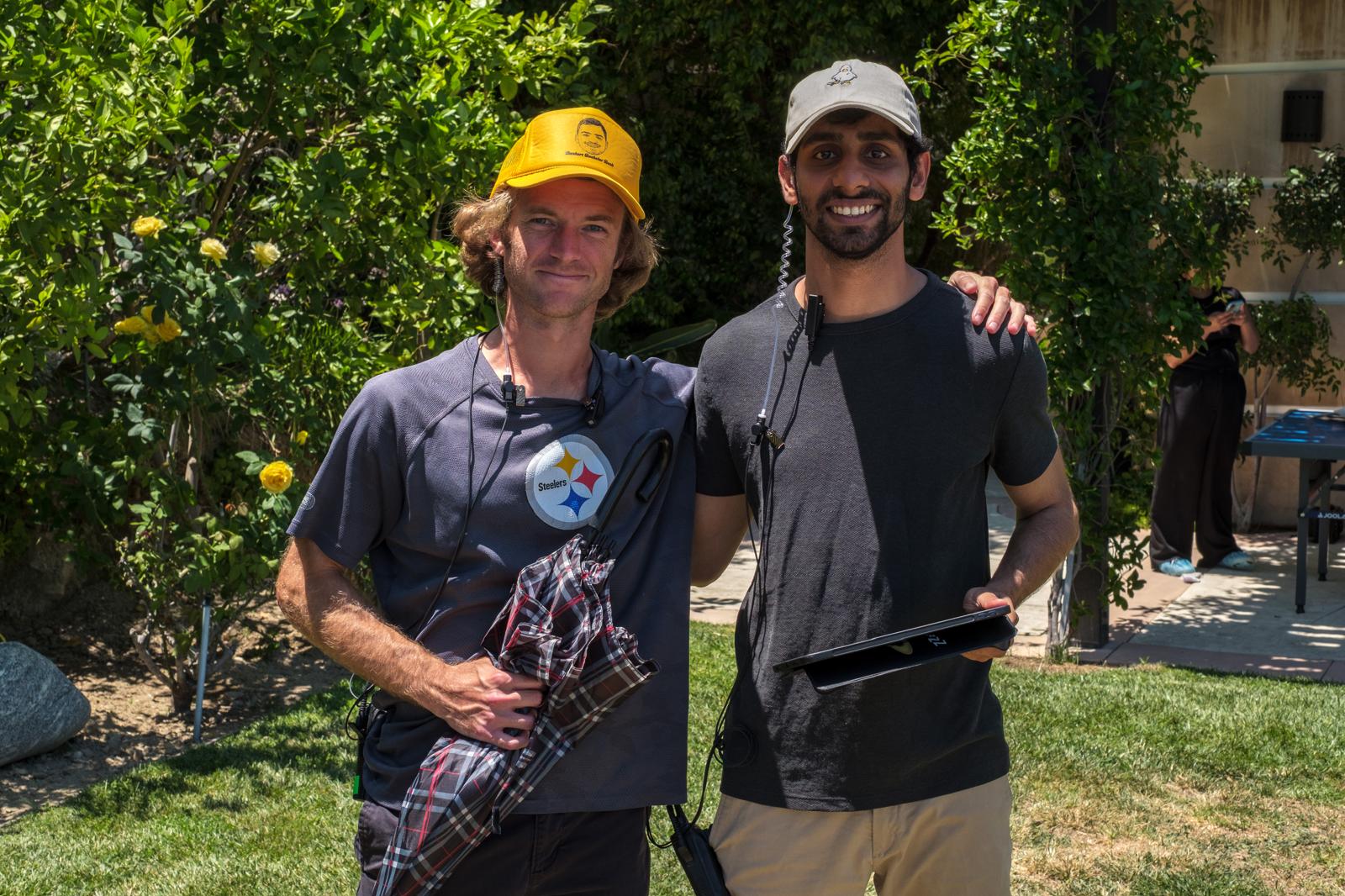
In your view, what can society to do to best support artists, creatives and a thriving creative ecosystem?
I think society can best support artists and creatives by valuing both their work and the effort behind it. Creativity isn’t just talent—it’s long hours, problem-solving, risk-taking, and persistence, often requiring immense emotional strength. Being in this industry can be exhilarating, but it’s also demanding, and recognition of that reality goes a long way.
Support doesn’t always have to cost money or take significant time. Simply spreading a friend’s work, showing up for their projects, or championing local artists can have a huge impact. Being there for your friends in the industry matters as much as formal support—it reminds creatives that their work is seen, valued, and part of a larger community.
Education and community infrastructure also play a key role—arts programs in schools, mentorship, and collaborative spaces allow creatives to grow, experiment, and take risks. When society recognizes and invests in creativity, it allows artists to push boundaries and tell stories that inspire, challenge, and connect people across cultures.
Ultimately, supporting creatives isn’t just about helping individuals—it’s about nurturing the ideas, stories, and emotional labor that keep culture vibrant. A thriving creative ecosystem benefits everyone, making our communities richer, more empathetic, and more connected through the work of those who dare to create.
Contact Info:
- Instagram: https://www.instagram.com/abey.anay/
- Linkedin: https://www.linkedin.com/in/anaysanghvi
Image Credits
No image credits