

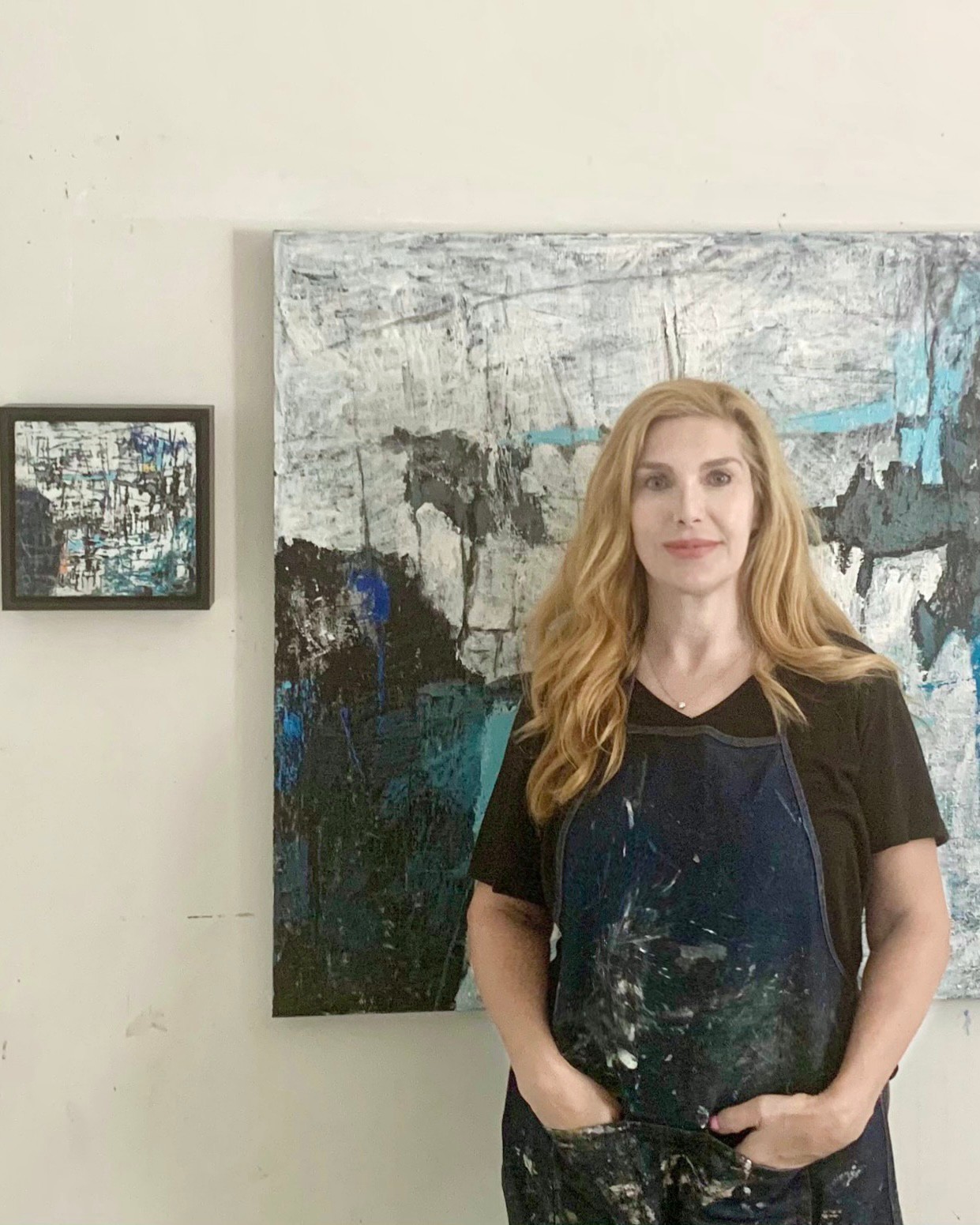

We caught up with the brilliant and insightful Anastessia Bettas a few weeks ago and have shared our conversation below.
Anastessia, appreciate you joining us today. Can you open up about a risk you’ve taken – what it was like taking that risk, why you took the risk and how it turned out?
I reached a phase in my life where I decided to take a life changing risk and leave a successful corporate career to pursue a lifelong ambition of becoming a professional artist. I always imagined I would be an artist. I was the kid at school with the “best artist” label. I won the visual art award upon graduation from high school but embarked on a corporate career path after graduating from McGill University and the University of Toronto. I worked in the marketing and dotcom industry which I loved but felt something was missing and I realized that I needed to regain a creative outlet outside of work. I decided it was time to revisit my dream of becoming an artist. I started taking art courses to build a portfolio and then applied to art school which I attended part-time and I graduated in 2012. My dream started becoming a reality when I began to exhibit my work as an art student and after graduation, my work was juried into art fairs, and exhibitions in commercial and public galleries. I’m currently represented by two commercial galleries – Petroff Gallery in Toronto and Galerie St. Laurent + Hill in Ottawa. My paintings are in private collections around the world and I’ve shown my work in over sixty exhibitions.
Anastessia, before we move on to more of these sorts of questions, can you take some time to bring our readers up to speed on you and what you do?
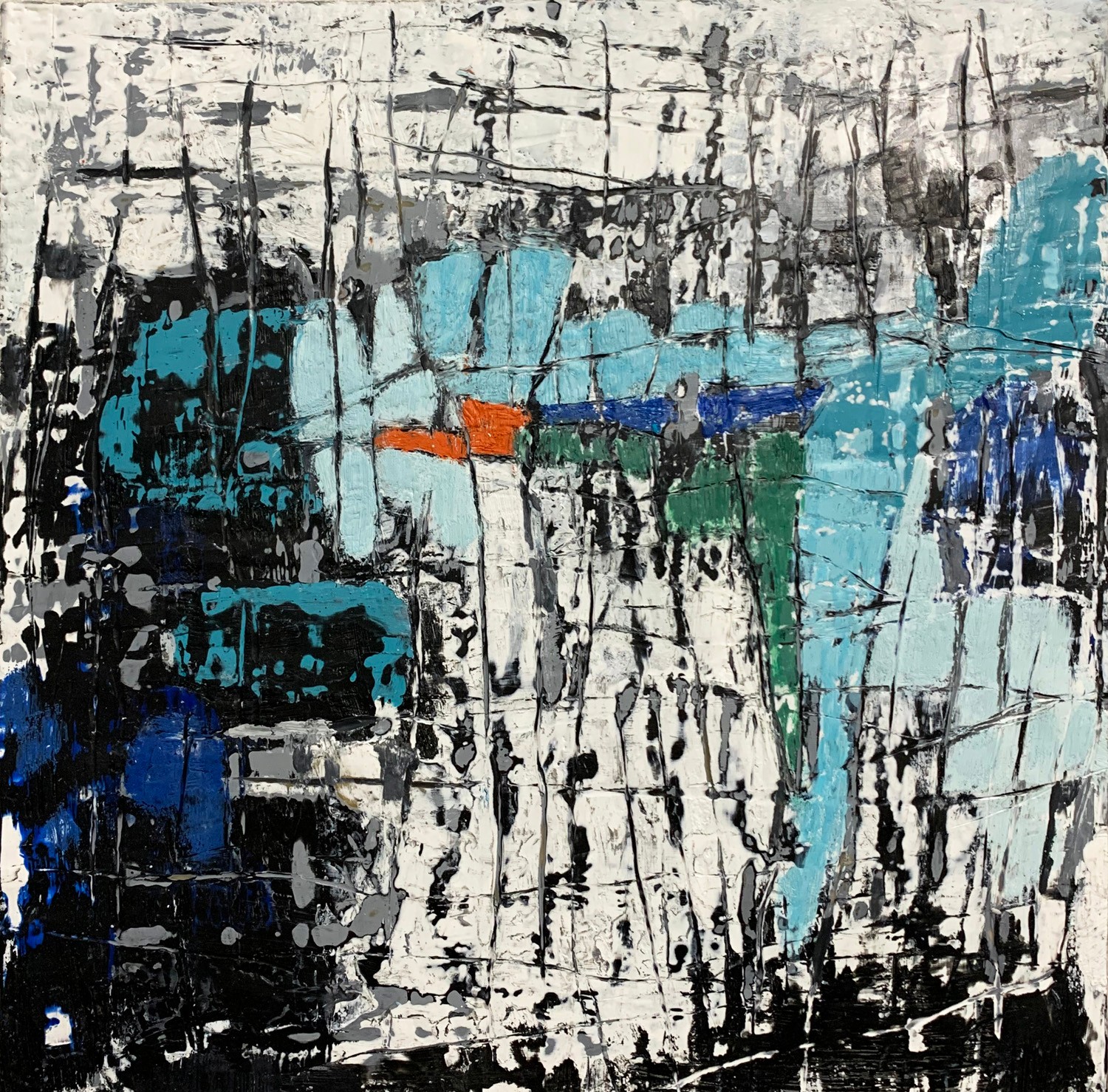
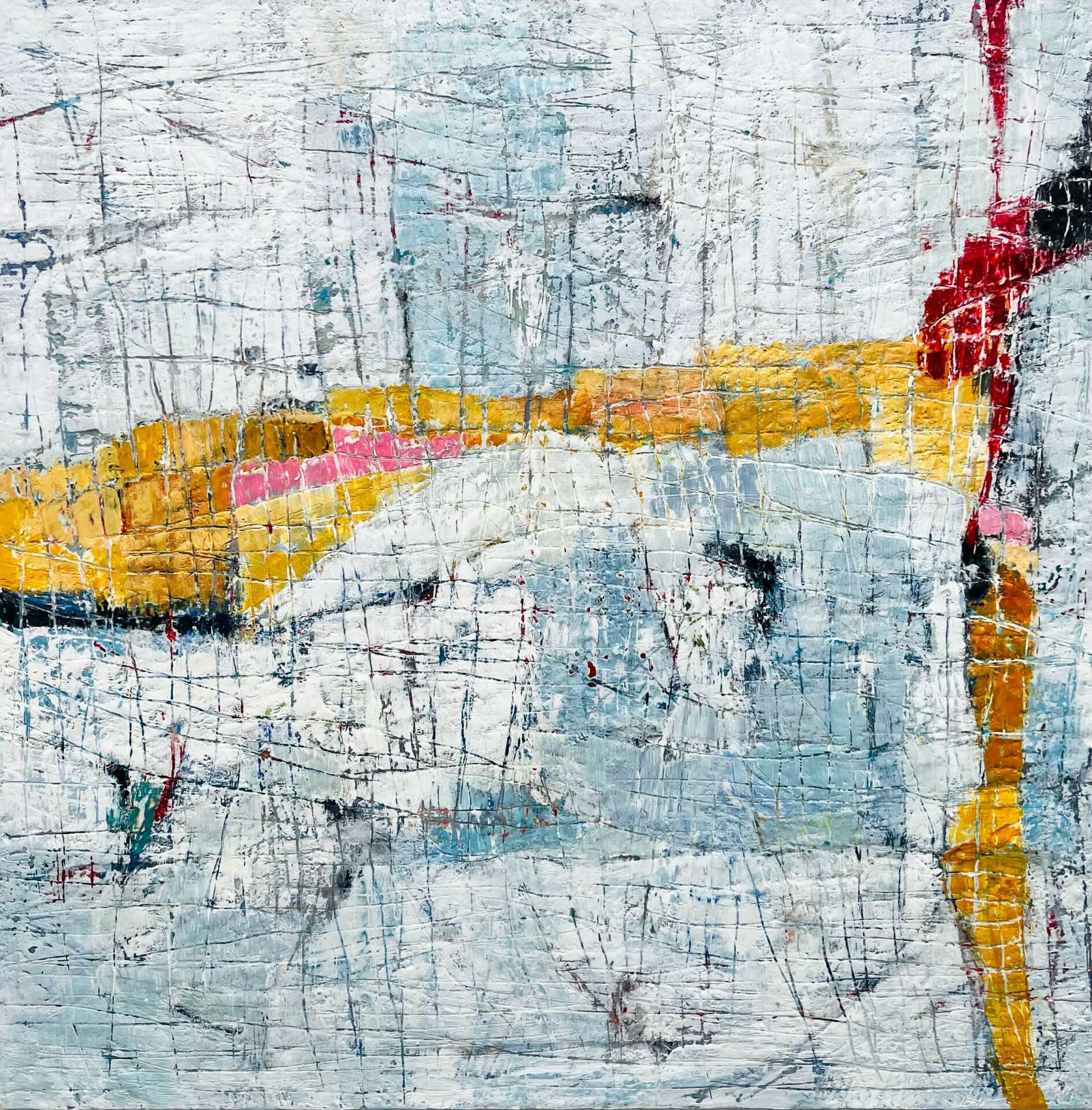
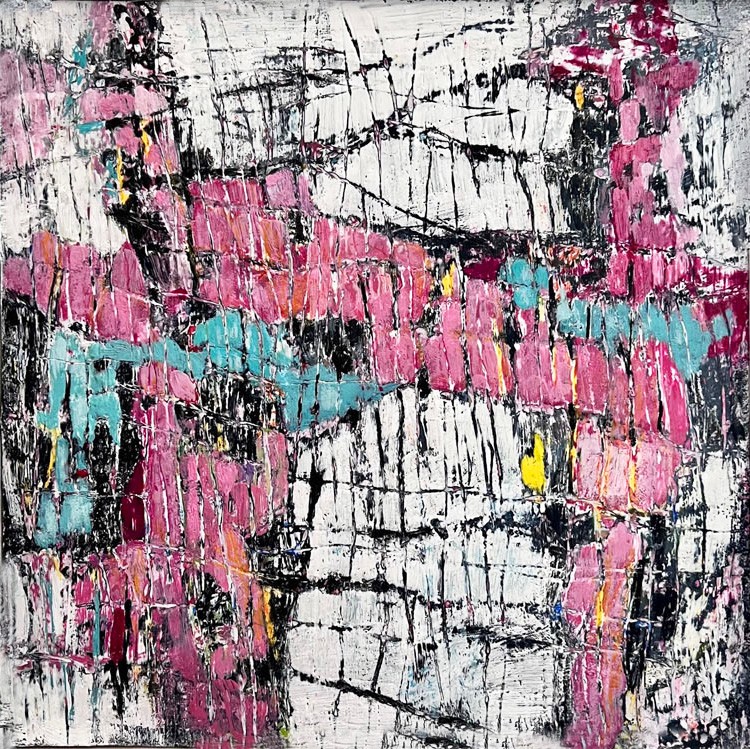
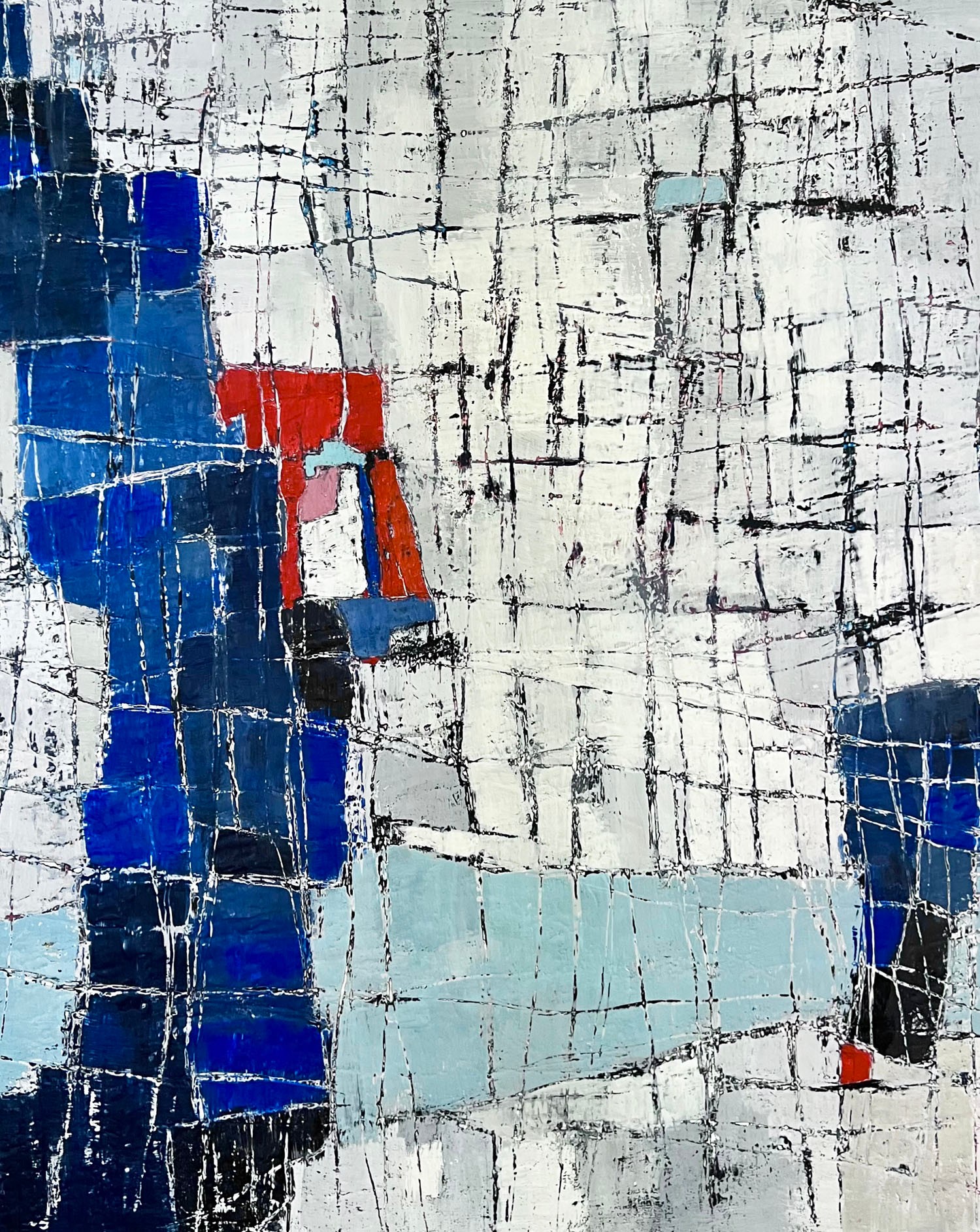
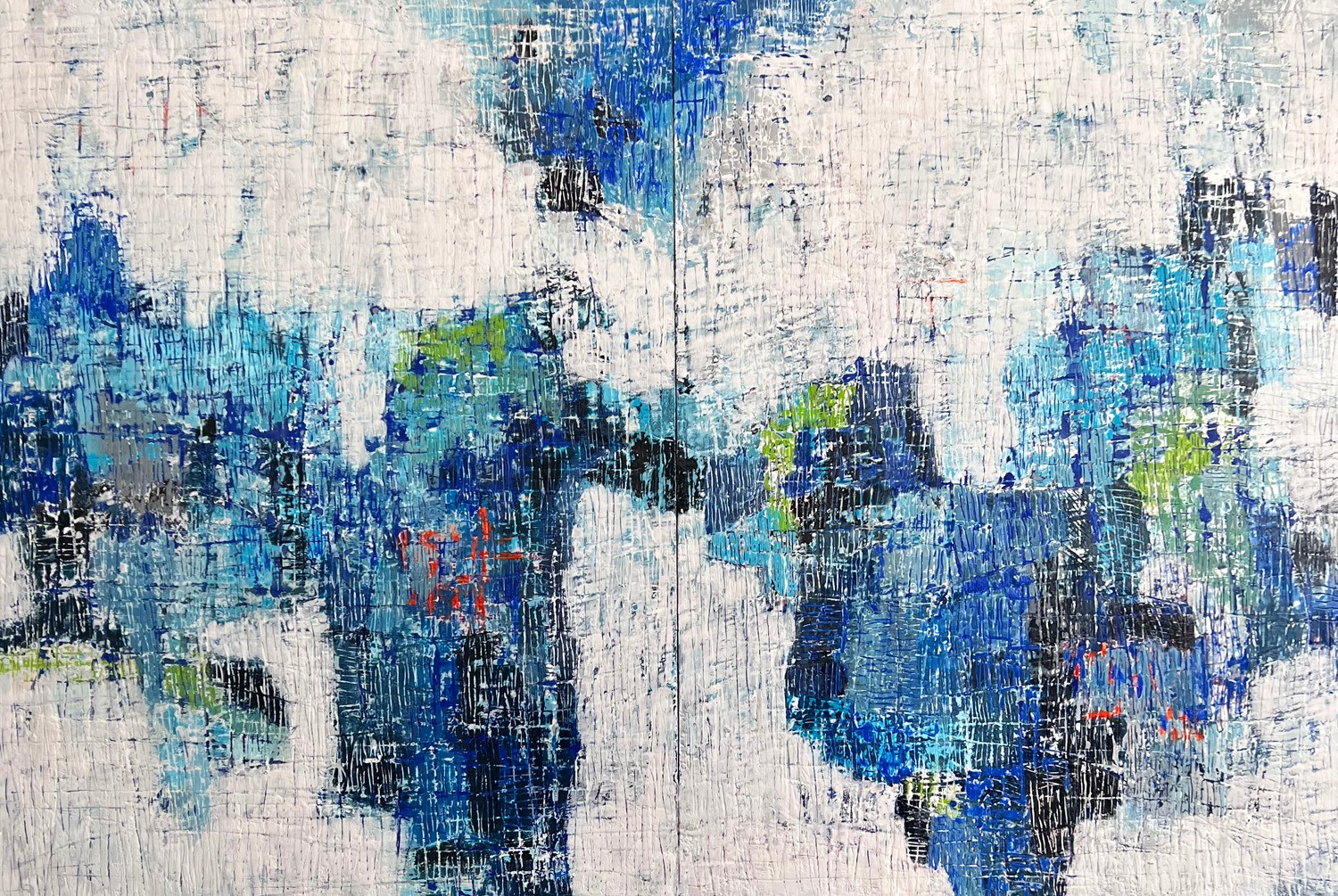
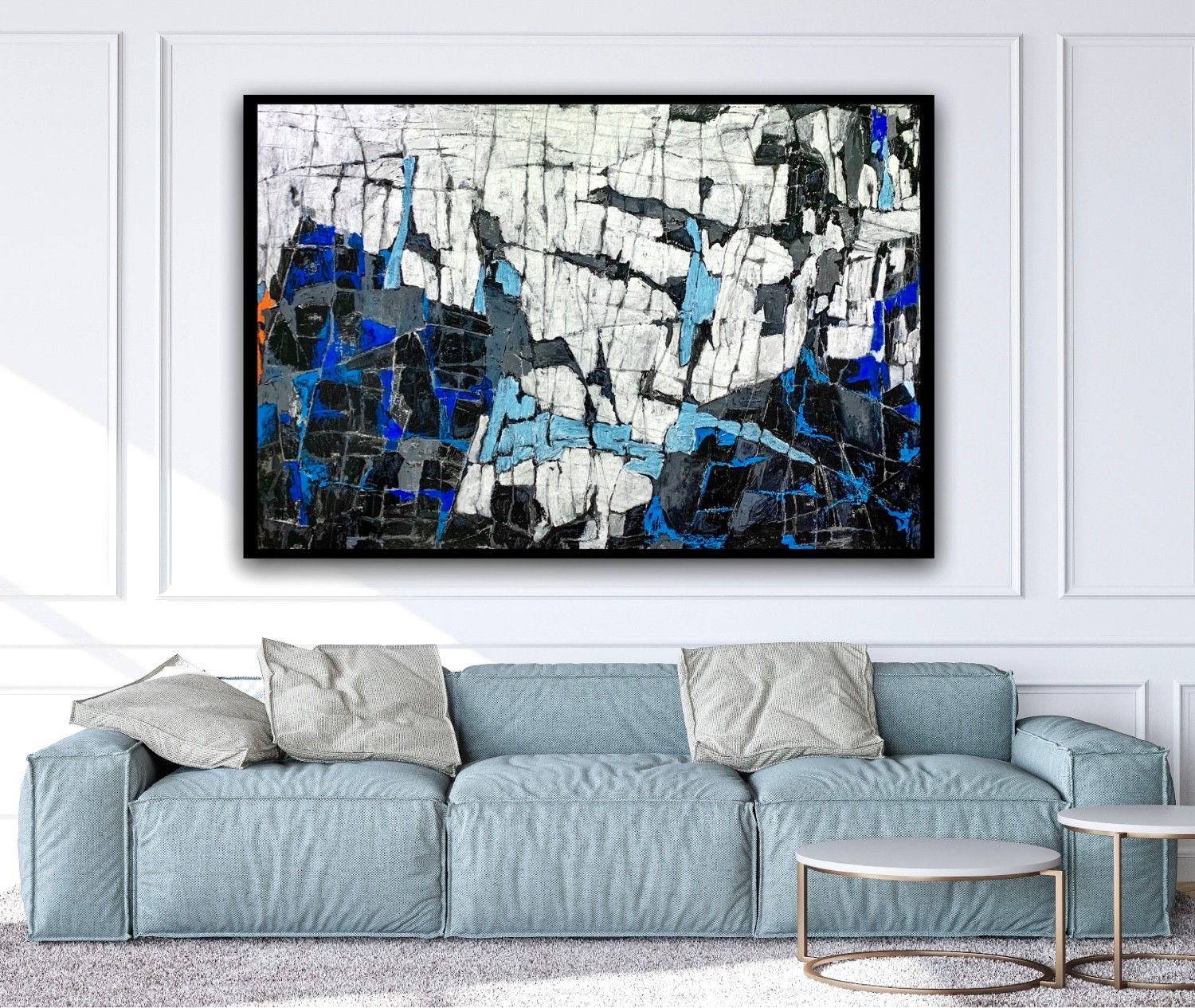
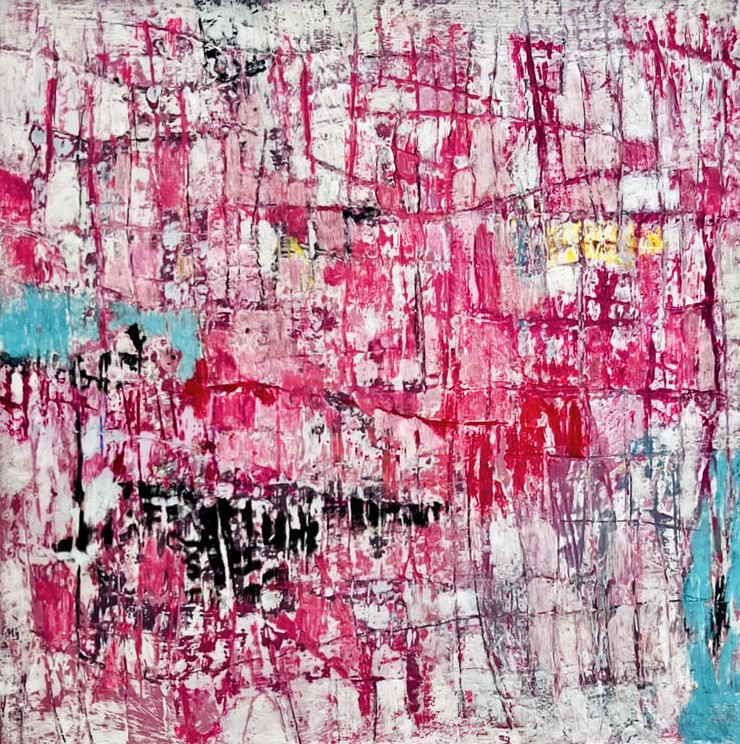
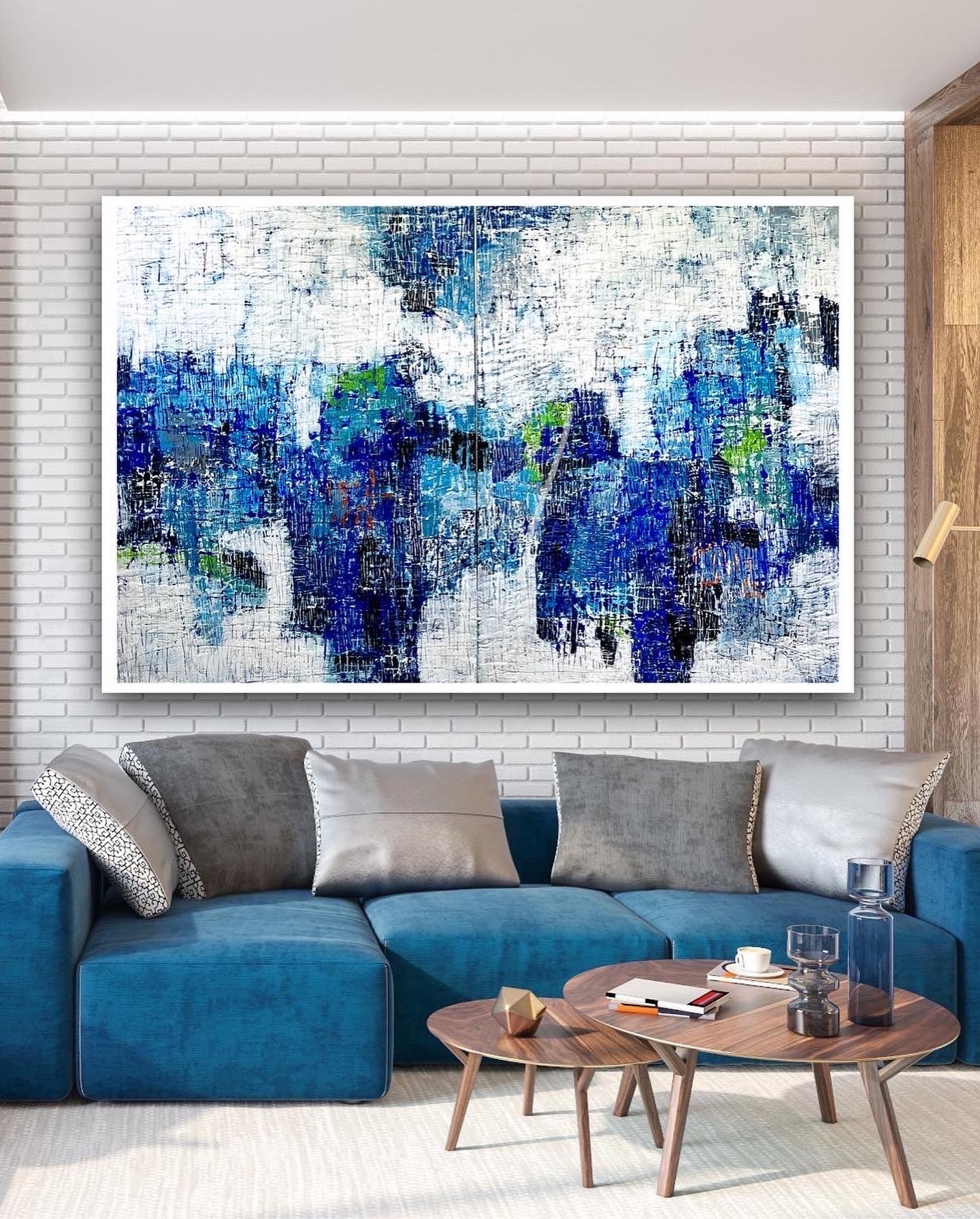
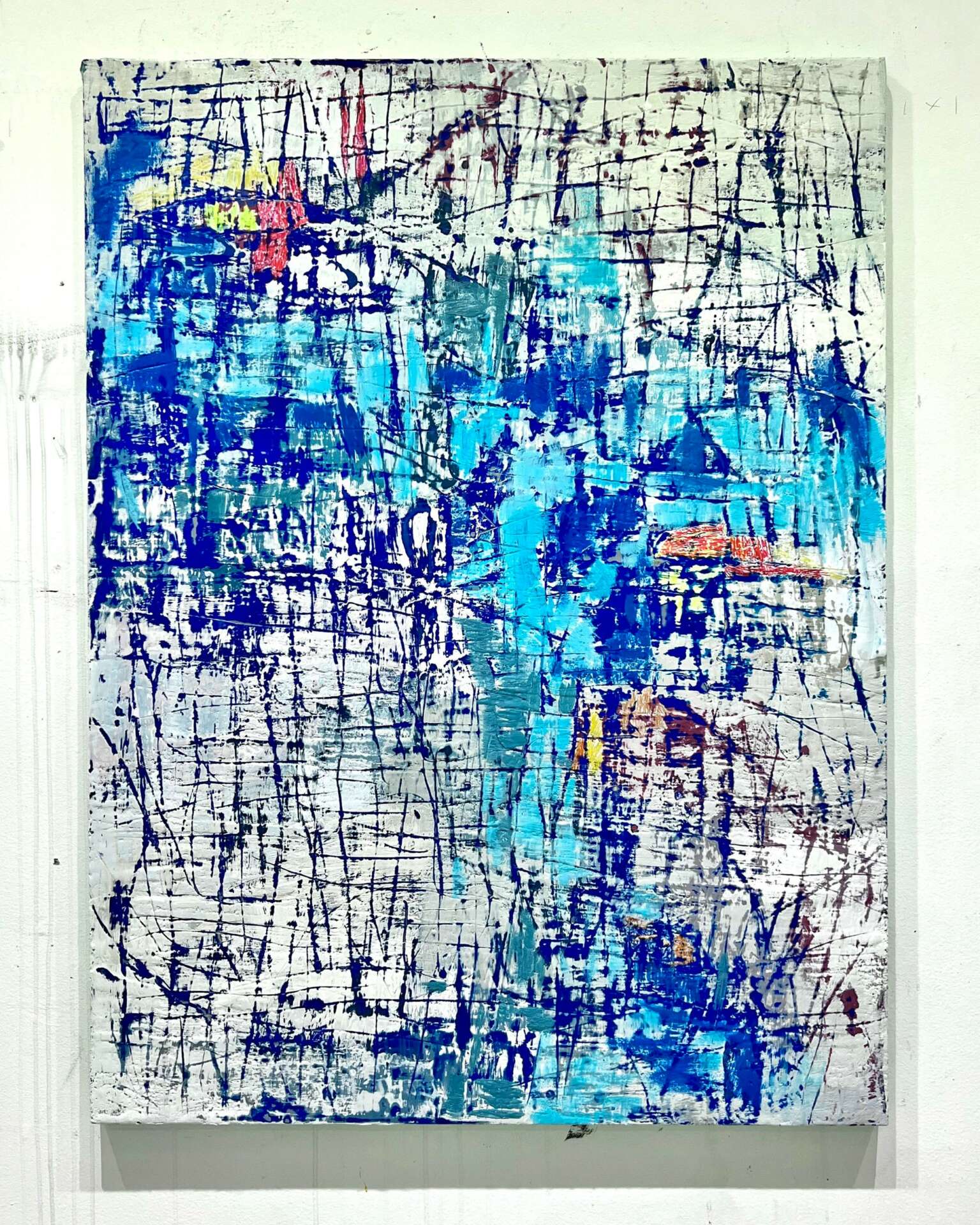
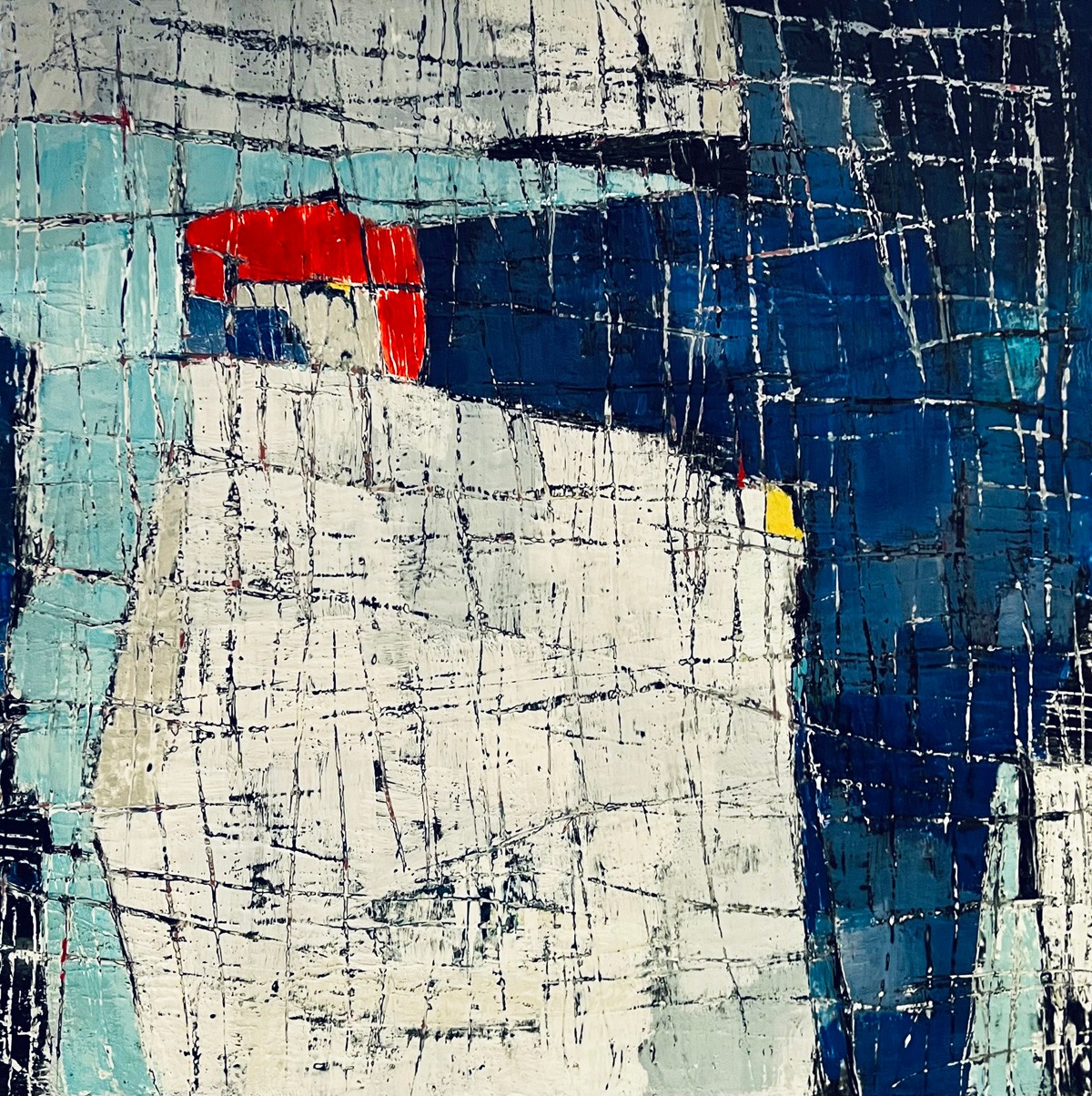
I create abstract landscape paintings which are inspired by topography and aerial views– natural and manmade environments. I use cartography style imagery and grids to evoke images of maps, satellite views and architectural structures. My intention is to encourage an emotional narrative and captivate the viewer by evoking references to both nature and the built environment with form, space and materials. I want to create in my work, a meditative connection between the viewer and a journey through imaginary territories. I’ve been using a grid motif in my work for about ten years now and it has become my signature. My earlier works depicted grids all over the panel and now I tend to use more negative space. My newest works are inspired by abstract aerial views of waterways, coastlines and bridges which imply journeys and migration from urban to rural settings.
I create sketches, and then make small paintings to experiment with composition and a color palette; from there I create larger paintings (the average size I work with is 40″x48″). I use multiple layers of paint, scraping back, repainting and use incised lines until the desired patterns are achieved. Adding and subtracting paint not only creates depth and visual interest but also alludes to surface decay in nature and manmade formations. My paintings are created with either acrylic based mixed media or encaustic paint. I’ve been using encaustic paint for many years because this ancient medium offers unique textural and luminous possibilities and allows an artist to carve into the works like a sculpture. My artistic influences include Agnes Martin, Joan Mitchell and Jean-Paul Riopelle. Martin for her spiritually based, serene grid paintings; Mitchell and Riopelle for their highly gestural, emotionally charged landscapes. Encaustic paint masters Jasper Johns and Brice Marden inspired me to use this luminous medium.
What do you find most rewarding about being a creative?
There are many rewarding aspects of being an artist. It is a solitary profession for the most part so you have to be motivated; have to trust your inner voice, your thought process, and have passion and also patience to build your art and your audience. You need excellent problem solving skills which for me is similar to working in a creative, corporate setting; the skills are definitely transferable. As a self-employed creative, you are your own boss and can create, design and implement your thoughts and ideas into a tangible item such as a painting. You have the freedom to create what you desire and hopefully see it bring happiness to someone else. Earlier this year, one of my large encaustic paintings, “Blue Marble III,” was purchased by the production company owned by actor Adam Sandler for placement in his upcoming movie. Having someone, an art patron, purchase your work – your creation – is an honor and an amazing accomplishment.
Are there any resources you wish you knew about earlier in your creative journey?
I wish I knew more about art collectives, networking and being a small business owner. Being an artist, you are an entrepreneur and starting a business along with building a studio practice and that can daunting. I would recommend finding a mentor or consultant to help navigate the business side of the your art journey.
The rise of social media changed the way artists could present and promotion themselves and we learned to use social media sites on our own not in art school. I’m hoping that art schools now dedicate some time to teaching students about the business side of a creative vocation.
Contact Info:
- Website: www.anastessiabettas.com
- Instagram: @anastessia_bettas_artist
- Facebook: @AnastessiaBettasArtist
- Twitter: @AnastessiaB
- Other: https://www.petroffgallery.com/collections/anastessia-bettas?sort_by=created-descending http://www.galeriestlaurentplushill.com/album/bettas-anastessia.html?p=1
Image Credits
Anastessia Bettas