



We were lucky to catch up with Anais Babajanian recently and have shared our conversation below.
Alright, Anais thanks for taking the time to share your stories and insights with us today. If you could go back in time do you wish you had started sooner or later?
I started my coaching practice a year and a half after I sold my previous business (an insurance agency), and looking back, I wish I would have had the foresight to at least have begun my coach training while I was still running my agency. However, I know that even if I had thought of the idea, I didn’t have the bandwidth or the perspective to develop a true coaching mindset.
When I sold my agency, I was also going through a huge shift in my personal life. Within a month, I had sold my business, sold my house, and uprooted my entire life and moved from Houston to Los Angeles. I was navigating both career and life transitions, and it was the period of time where I felt the most unbalanced. It took me the better part of a year to ground myself, develop a new routine, and most importantly – create the mental and emotional space I needed to even consider taking this leap.
Change is scary, and starting a business is possibly one of the riskiest decisions you can make. I know now that if I had started sooner, that I probably would have given up because the thought of doing anything other than working in insurance hadn’t even crossed my mind. I needed the break and the time and freedom to let go of my old habits and thought patterns and embrace my curiosity so that I could really give my coaching business a chance.

Great, appreciate you sharing that with us. Before we ask you to share more of your insights, can you take a moment to introduce yourself and how you got to where you are today to our readers.
I work with business owners and leaders who have hit a growth ceiling because they’re constantly stepping in to manage teams or fix mistakes. I help them get unstuck and move forward by cultivating effective delegation skills, streamlining processes, and implementing clear communication frameworks that create accountability.
Having been a business owner myself, I know firsthand how challenging it is to scale sustainably while ensuring things run smoothly on a day-to-day basis. I became a coach to teach other small business owners how to bridge the gap between themselves and their teams and escape the same cycle of isolation and overwhelm that I was caught in for five years.
Through coaching, I learned how to shift my perspective to expand my horizon of opportunities, and I want to show business owners how to do the same so they can become the version of themselves that their business needs to succeed.
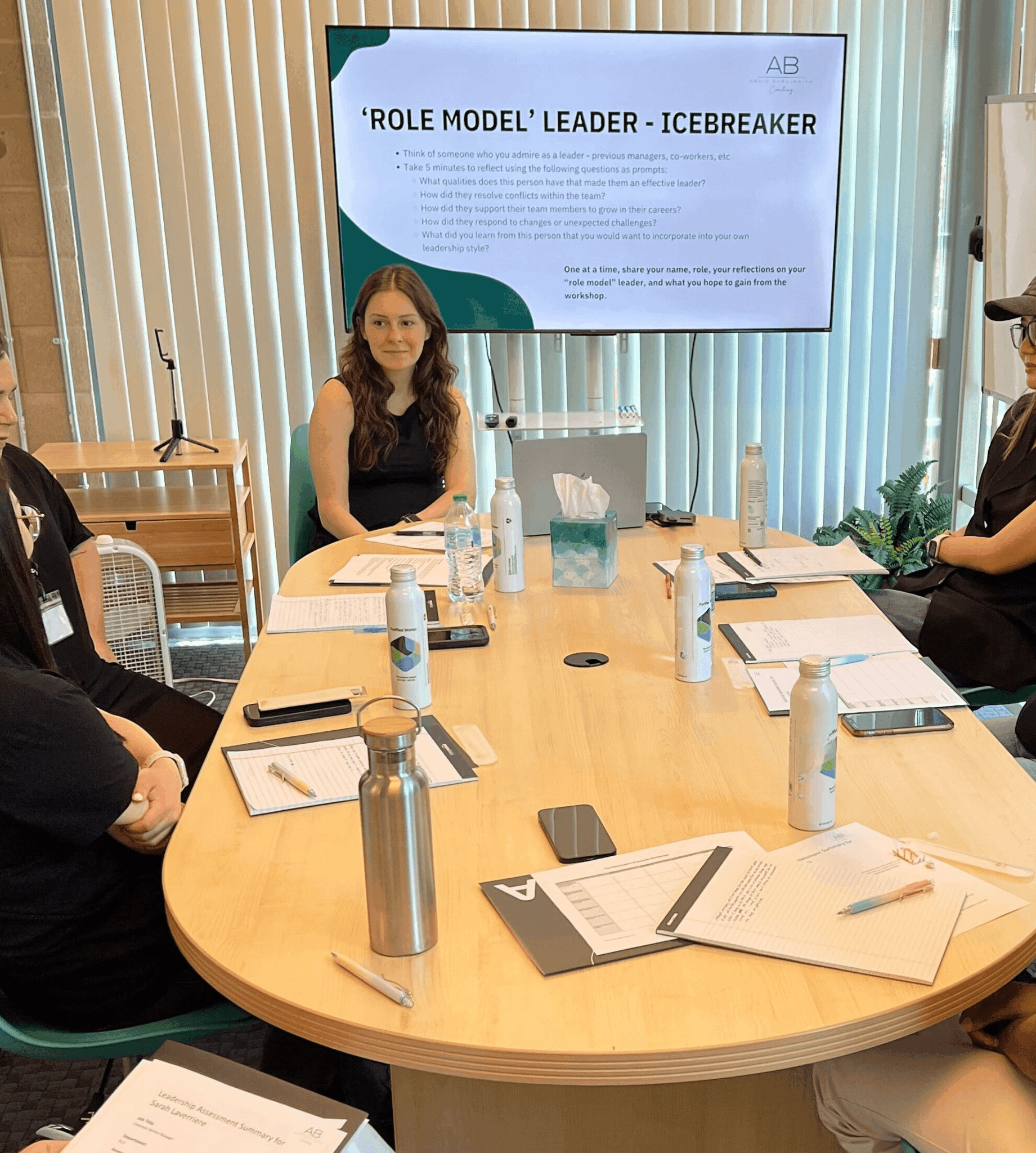
I work with service-based small business owners and business leaders with teams of up to 150 employees. In addition to 1:1 coaching, I also offer done-for-you business documentation solutions (custom SOP manuals and training guides) as well as leadership workshops for new managers. I work with clients virtually worldwide as well as locally in-person (within the greater Los Angeles area).
My ultimate goal is to give business owners the tools to stop working ‘in’ their business and start working ‘on’ it—transforming their company from merely surviving to truly thriving.
We often hear about learning lessons – but just as important is unlearning lessons. Have you ever had to unlearn a lesson?
A key lesson that I had to unlearn in order to enable the success of my coaching practice was the idea that there had to be a return on investment (ROI) for every interaction I initiated. Coming from the insurance & financial services industry, almost everything is transactional, so if I was going to spend time on business development, there had to be a clear, quantifiable end goal that I was to reach as a result of my efforts.
When I first began my coaching practice, this mindset was still very much ingrained in how I showed up. I looked at every networking event, outreach strategy, or marketing initiative from the lens of “What am I going to get out of this?” Unfortunately, I couldn’t ever give myself a clear answer, which ultimately resulted in ‘analysis paralysis.’ I allowed the lack of certainty to hinder me from putting myself out there, which made for a rather slow start in building out my practice.
Once I made the shift from being transaction-focused to relationship-focused, everything shifted. I allowed myself to embrace the uncertainty and utilize it as an opportunity to lean into my curiosity. Now, my intention is to purely to learn from others and expand my network and horizons. The ‘return’ on my efforts is the connections I make and the trust that I build, which ultimately lead to long-term, fruitful coaching partnerships.

How do you keep your team’s morale high?
My best piece of advice for managing a team is to create systems, processes, and communication frameworks that enable them to work autonomously so that you DON’T have to manage them.
High morale isn’t just the result of creating a positive work environment and culture – it’s also largely dependent on providing employees with the resources, guidance, and clarity that they need to perform their roles with confidence.
First, you must define the roles that you’re hiring for and the expectations associated with them. Be very clear about what tasks and goals each function is responsible for and where and how they can find support if they get stuck. Employees WANT to feel empowered to work independently and take initiative, but they’re unable to do so if there’s no structure for them to lean on.
The other piece is defining what YOUR role is going to be in the business and what you’re going to commit to delegating (translation: how you’re going to stay out of your employees’ way). More often than not, employees become disengaged because of a lack of consistency in how their employer shows up, not because they’re inherently lazy or suddenly stop caring about their job.
Ultimately, the key to managing a team successfully is to build an operational foundation that allows you to be a leader and enables your employees to manage themselves.
Contact Info:
- Website: https://anais.coach
- Instagram: https://instagram.com/anaisbabajanian
- Linkedin: https://www.linkedin.com/in/anais-babajanian-cpa/

Image Credits
Viby Creative