

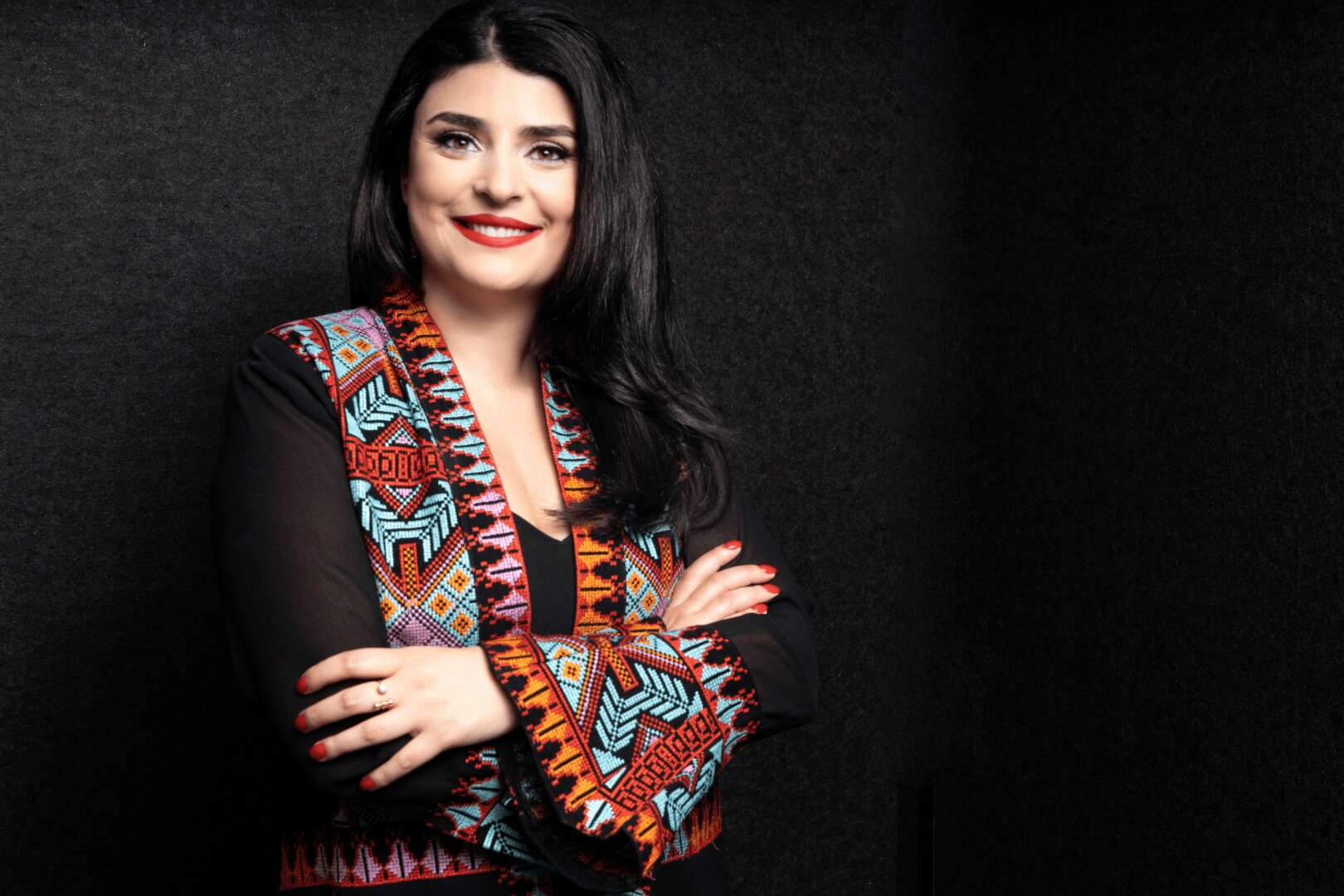

We caught up with the brilliant and insightful Ana Megrelishvili a few weeks ago and have shared our conversation below.
Ana, thanks for joining us, excited to have you contributing your stories and insights. Can you talk to us about serving the underserved.
Our organization, the Christian Professionals Network Worldwide Foundation (CPNWF), serves an underserved community through a holistic approach aimed at addressing relational poverty and homelessness. Our mission is deeply aligned with recent legal developments, such as the Supreme Court’s decision on homelessness, which emphasizes the importance of providing solutions rather than criminalizing those without homes.
Addressing an Underserved Community:
One of the most underserved communities we work with comprises individuals experiencing homelessness. This group often faces extreme isolation, lack of support systems, and limited access to basic necessities and resources. Their challenges are compounded by societal stigma and legal barriers, making it incredibly difficult to break free from the cycle of poverty and homelessness.
Why It Matters:
Homelessness is not just a lack of physical shelter; it’s also a manifestation of deep relationshional poverty. People experiencing homelessness often suffer from a lack of meaningful connections and support networks, which are crucial for emotional well-being and practical assistance. The recent Supreme Court decision highlights the urgency of addressing homelessness through supportive, rather than punitive, measures.
How CPNWF Serves This Community
Faith-Driven Mentorship Programs:
Our Faith-Driven Mentorship programs are designed to provide both emotional support and practical guidance to those in need. Her is an example of how our mentorship program works: Imagine John, a man who had been homeless for several years paired with a mentor named David. Through weekly meetings, David provided John with not only spiritual guidance but also helped him navigate the complexities of accessing social services and employment opportunities. Over time, John was able to secure stable housing and a job, but most importantly, he gained a sense of belonging and support.
Creating a Nurturing Community:
CPNWF addresses the root causes of homelessness by building nurturing communities through faith-based support groups. These groups offer a safe space for individuals to share their struggles, receive encouragement, and develop meaningful relationships.
Conclusion
By addressing the emotional and practical needs of the homeless, we help them rebuild their lives and foster a sense of community and belonging. Our efforts underscore the importance of serving the underserved and highlight how a faith-driven approach can create lasting, positive change.

Ana, love having you share your insights with us. Before we ask you more questions, maybe you can take a moment to introduce yourself to our readers who might have missed our earlier conversations?
My story begins in Moscow, Russia. When I was seven, my father lost his job and turned to alcohol, leaving my mother, who was financially dependent on him, to fend for us. Hunger became a constant companion. At eight, I collected bottles to buy bread and even stole food from classmates.
At nine, I was hospitalized with tuberculosis due to malnutrition. For the first time, I felt safe, away from the chaos at home. Our struggles worsened when we moved outside Moscow. We lived in a cramped apartment with my aunt’s family, facing eviction threats due to my father’s debts. My grandmother saved us by selling her jewelry for plane tickets, preventing us from becoming homeless.
At 20, I came to the US on a scholarship. I climbed the corporate ladder, acquiring wealth but feeling something was missing. Four years ago, I had a profound spiritual experience, leading me to feed the hungry in Atlanta. This encounter sparked my mission to help others.
This trauma of constant hunger haunted me into adulthood, making me stock my pantry excessively. Did you know that in the US, 34 million people, including 9 million children, live in food-insecure households?
Homelessness often stems from relational poverty—a lack of supportive relationships. Imagine a family living paycheck to paycheck, devastated by an unexpected crisis. Without support, they end up homeless. If not for my grandmother, my family would have been homeless too.
At Christian Professionals Network Worldwide, we combat relational poverty through faith and community. Our program pairs mentors with shelter residents, fostering positive relationships and encouraging church attendance. Graduates join our networking community, enhancing their career opportunities. We measure success by reducing homeless recidivism and increasing participants’ income levels.
We’ve begun our work in Atlanta and plan to expand nationwide. Join us in turning this vision into reality.
Life is unpredictable and challenging, but it is also filled with opportunities for transformation. Each hardship I faced was a stepping stone toward a life of purpose and service. Our greatest strength lies in lifting each other up. Imagine a world where no one feels alone, where fear of scarcity is replaced by community support. At CPNW, we believe in the power of faith and community to transform lives.

Let’s talk about resilience next – do you have a story you can share with us?
My journey began in Russia and Georgia in Eastern Europe, within a tumultuous and dysfunctional family. At the age of 8, my own father shattered my childhood innocence, and the abuse continued until I was 13.
For many years, I carried the heavy burden of shame and inadequacy. I felt damaged, and to compensate, I became a hyper-achiever. Productivity became my refuge. I never allowed myself to rest; even when watching TV, I had to be cooking, cleaning, or ironing. I avoided music, opting instead for audiobooks or podcasts during any downtime. This relentless pace led to severe burnout, and I’d fall seriously ill at least once a year, the only time I permitted myself to relax and watch a movie. I equated my worth with achievements, pushing myself forward in my career but at the cost of exhaustion, isolation, and a lack of genuine friendships. Only recently did I realize that this behavior was a trauma response—a coping mechanism for survivors.
I want to share another deeply personal story to illustrate how profoundly my childhood trauma influenced my life. For most of my life, I was adamant about not wanting to be a mother. My reasons seemed logical: “I don’t want to change my lifestyle. I am fulfilled as I am.” I never considered that these thoughts might be trauma-driven. Less than three years ago, during a pivotal therapy session, I experienced a breakthrough. It was as if a switch had been flipped, and suddenly, I longed for motherhood. I realized that my true fear was passing on my father’s genes and the possibility of my child enduring what I had gone through. Trauma almost stole the chance for me to experience something as beautiful as motherhood.
I share this not because I believe every woman must become a mother, but because I care deeply that every survivor makes life decisions free from the grip of trauma. Whether or not motherhood is in God’s plan for me, I am proud that trauma no longer dictates my choices.
Three years ago I publicly declared for the first time that I was a survivor of child sexual abuse. Before that moment, I had kept this secret for over 20 years. Invited to Saprea gala where survivors of child sexual abuse were honored, I was so moved by the speakers and their stories that I felt ready to step out of the shadows. I posted a photo on social media, proudly stating: “I am a survivor of child sexual abuse, and I thrive as an adult.”
That evening solidified my path as an advocate for the mission to eradicate child sexual abuse through prevention and healing.
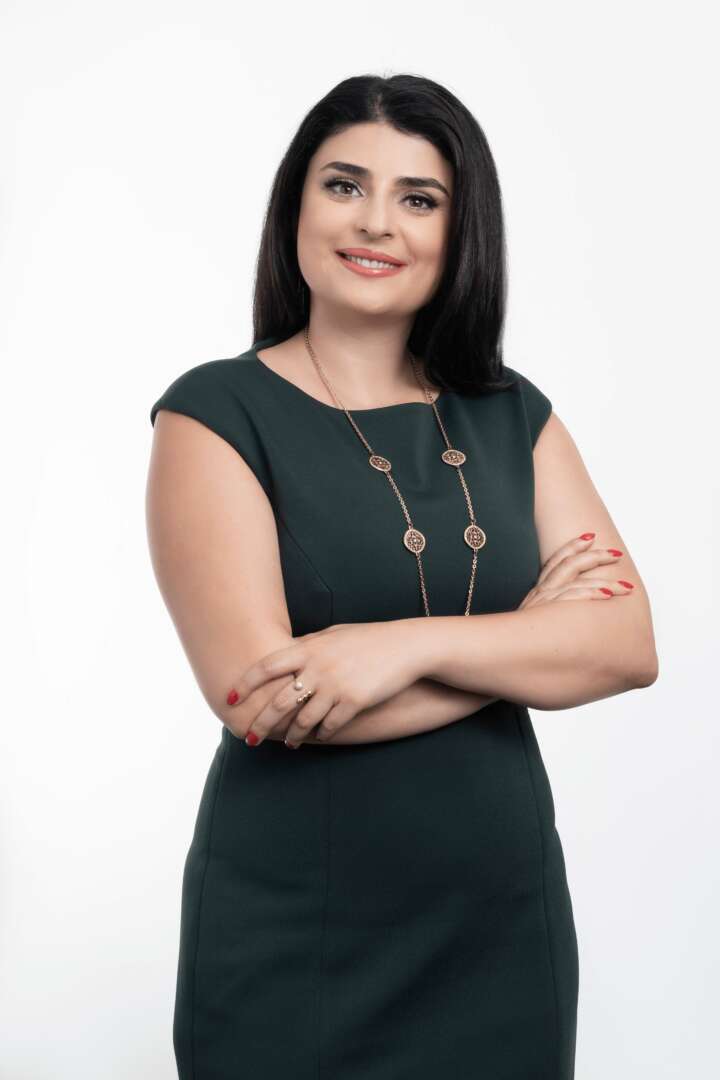
A year later, I wrote a book, “Finding Courage to Change,” detailing my healing journey. This inspired me to share my story more widely, to help other survivors feel less alone.
Since then, countless people have reached out to me, saying, “Me too.” This is not the ‘Me Too’ anyone wants to hear, but I am there to listen, to assure them they’re not alone, and to help ease the shame many feel. I emphasize the importance of separating trauma responses from identity. Our trauma does not define us.
I once saw healing as a destination, a final stop. Now, I view it as a journey, marked by gratitude for how far I’ve come. My painful experiences now serve as a source of strength, inspiring others and proving that change is possible.

What’s worked well for you in terms of a source for new clients?
The best source of new clients for me has undoubtedly been referrals and word of mouth. When members of my networking organization are satisfied with the services I provide, they naturally recommend me to their friends, family, and colleagues. This personal endorsement carries significant weight and credibility, often resulting in high-quality leads. Additionally, word of mouth helps build a strong reputation in the community, fostering trust and confidence in potential clients. By consistently delivering exceptional service, I’ve been able to create a network of advocates who actively contribute to the growth of my client base through their positive recommendations.
Contact Info:
- Website: https://www.cpnworldwide.com
- Instagram: https://www.instagram.com/cpn.worldwide/
- Linkedin: https://www.linkedin.com/in/anamegrelishvili/
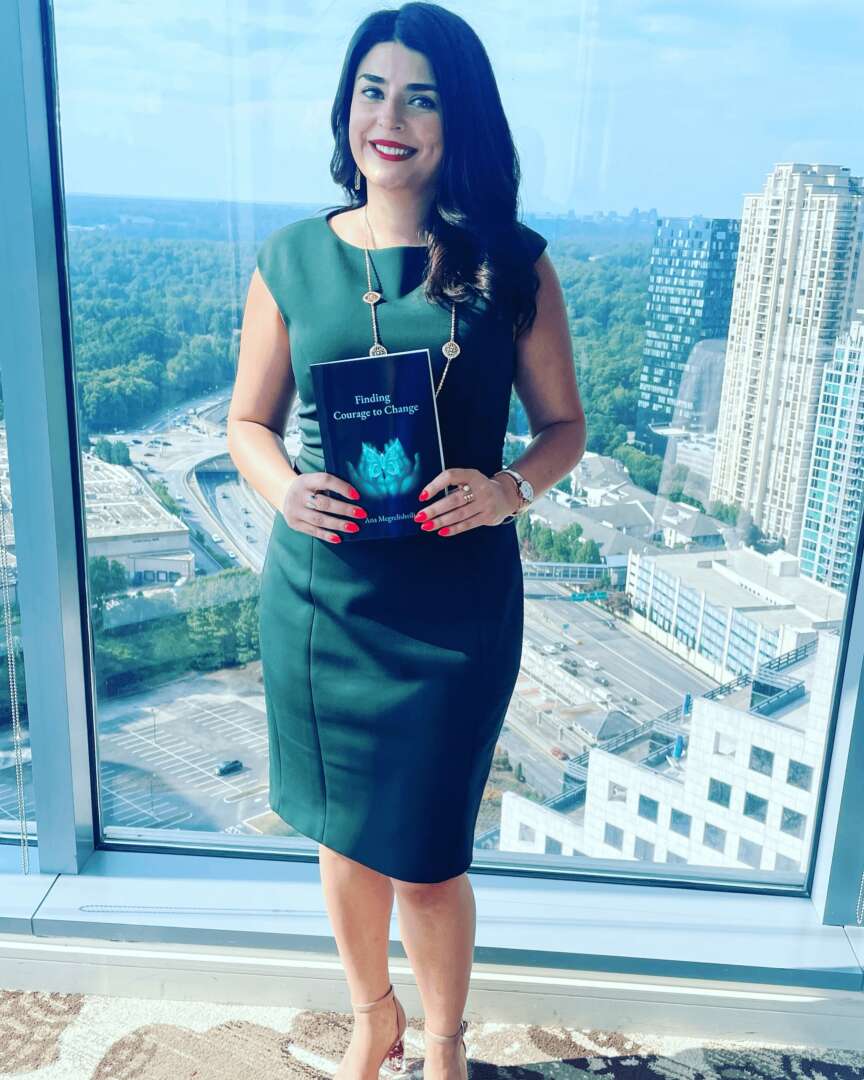
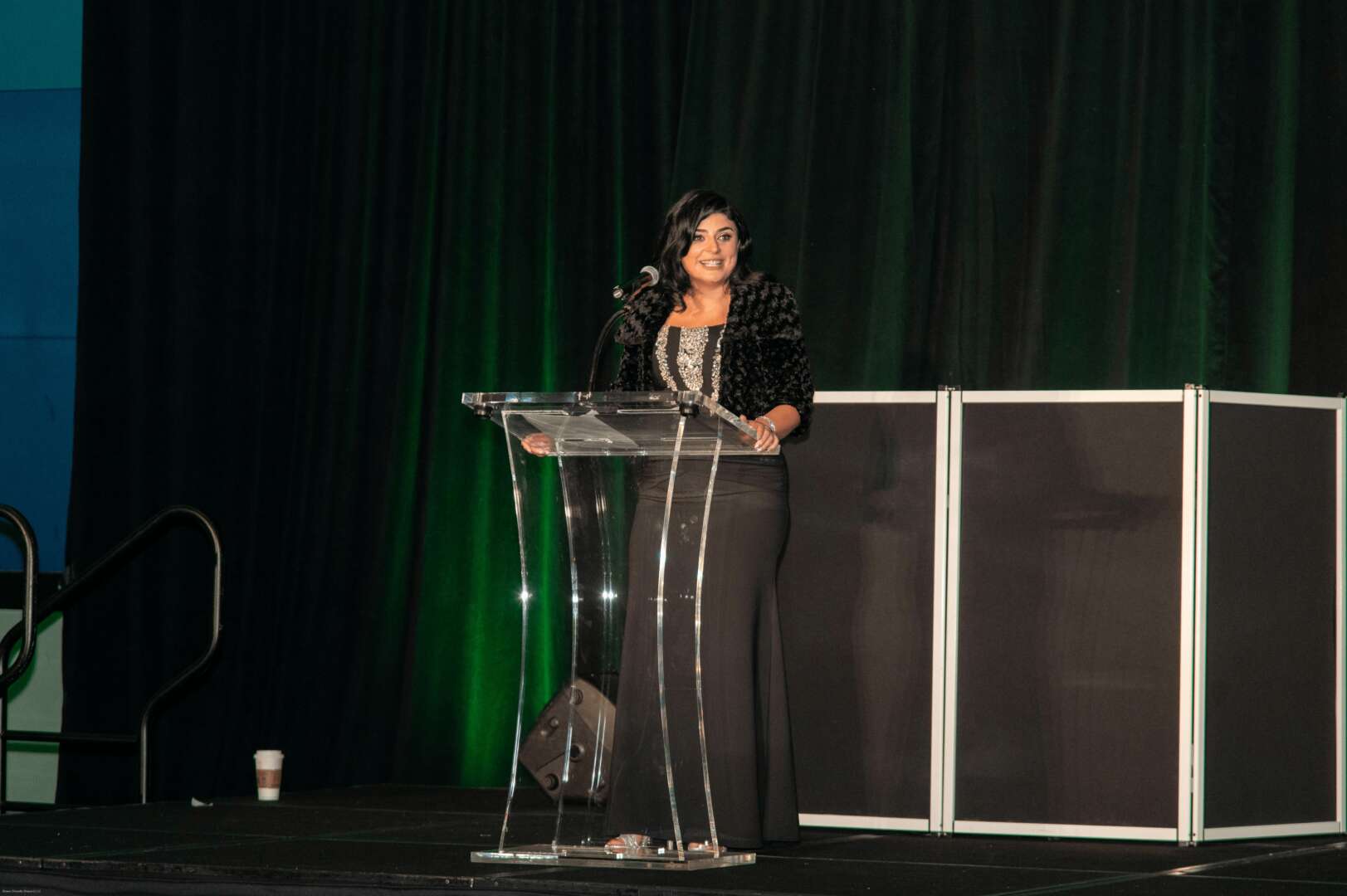
Image Credits
Brian Christian
Shawn Shepard