

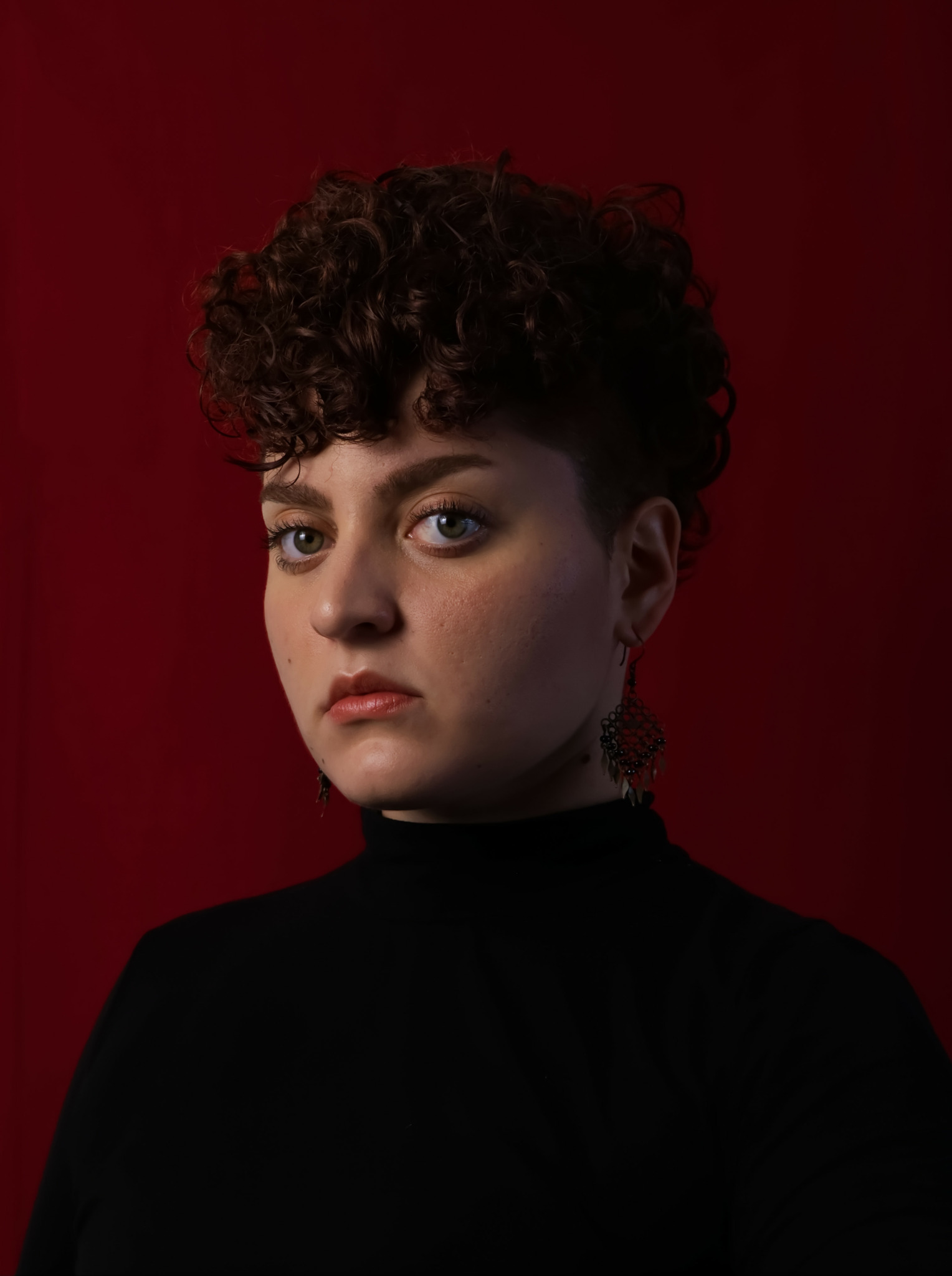

We recently connected with Ana Diaz-Pennimpede and have shared our conversation below.
Ana, appreciate you joining us today. Are you happy as a creative professional? Do you sometimes wonder what it would be like to work for someone else?
This is an interesting question because when we really unpack what it means to be happy as an artist or creative, the answer stops being simple. As a creative, I believe there is both a responsibility and a right to express. When that expression doesn’t happen, a kind of emptiness appears and that’s often when the idea of having a “regular job” comes into the picture.
For me, creativity is not separate from life. It has been present since the first moment we took a breath and began inhabiting a body. It’s a tool for survival. Without it, we wouldn’t be here. And yet, the system insists on framing the “artist” as someone living outside of what is sustainable, when in reality creativity runs through everything we are and everything we do.
The last time I seriously thought about having a “regular job” came from that familiar place where the system tells us we need stability understood as automatism: work that doesn’t require emotional investment, that relies on repetitive tools, where you don’t have to think too much. I find myself falling into that mental box from time to time.
But I can’t stay there. My brain is wired to get bored when nothing is happening, and that boredom turns off something essential in me. During the periods when I’ve had so-called “regular jobs,” I’ve always found myself searching for ways to grow, to push further, to ask questions. And it’s in those moments that challenges appear, challenges that only become visible when I’m open to the experience.
That’s when I realized there is no real separation between creativity and what we call a “regular job.” That division is artificial. I come from a place where that boundary simply doesn’t exist. In Venezuela, we use a word that explains this perfectly: **RESOLVER**. Isn’t just about completing a task—it means finding a solution creatively, often from a place of urgency and scarcity.
Across the territories of Abya Yala, you constantly see people inventing ways to solve problems that, in other contexts, might not make sense. But that’s because not everyone has had to reach that critical point where creativity becomes the only way to survive. That’s where RESOLVER is born.
Throughout my career, I’ve used creativity to reclaim my way of seeing the world, to observe the same object over and over until it loses its original meaning, to avoid being confined to a single style, to allow myself to explore. Today, I find that space mainly through audiovisual language, where memory, the present, and the body coexist. It makes me feel like I belong nowhere and everywhere at the same time.
So, am I happier as a creative or an artist? The answer isn’t yes or no. I’m not just happy, or just tired, or just excited or overwhelmed, I’m all of those things at once. Being creative is like breathing. It’s not a constant emotional choice; it’s a vital necessity.
One of the projects that moves me the most right now is an archival documentary centered on the life of my grandmother, an Venezuelan woman who was displaced from the countryside to the city and worked her entire life as a domestic worker. Through her story, I explore how creativity becomes a tool for survival within deeply unequal social structures.
That project and my practice as a whole, questions both the myth of the “regular job” and the myth of the “artist.” Because in the end, creativity is not a luxury or a separate identity; it’s a way of resisting, of existing, and of staying alive.
As always, we appreciate you sharing your insights and we’ve got a few more questions for you, but before we get to all of that can you take a minute to introduce yourself and give our readers some of your back background and context?
I am a Venezuelan creative (they/them). My work grows from a need to understand myself and the world around me, shaped by anticolonial and feminist principles. I began performing theater and pantomime on the streets of Caracas at a young age, slowly understanding my non-binary identity through the characters I embodied. Performance became a way to survive, to express myself, and to exist fully as I am.
Moving to the U.S. was a cultural shock that deeply unsettled me for several years. In that process, I found a new path by translating physical expression into audiovisual work. When it became difficult to speak or move freely in this new environment, I turned to moving images as a way to tell stories, release what I was carrying, and explore symbolic and spiritual narratives.
Since then, I have focused on narrative and surreal short films that reflect my life, my ancestors, and the communities I belong to. I work with abstraction and symbolism to invite viewers into other ways of seeing and feeling. My documentary and narrative practice centers on creating work for and from communities that need to continue being visibilized, always grounded in respect, consent, and responsibility.
I am not interested in content that reinforces unrealistic ideals or homogeneous privilege.
What matters most to me is that my work resonates with people who are constantly fighting to be seen. I hope my work allows audiences to feel recognized, connected, and less alone through stories that are honest, emotional, and transformative.
Have any books or other resources had a big impact on you?
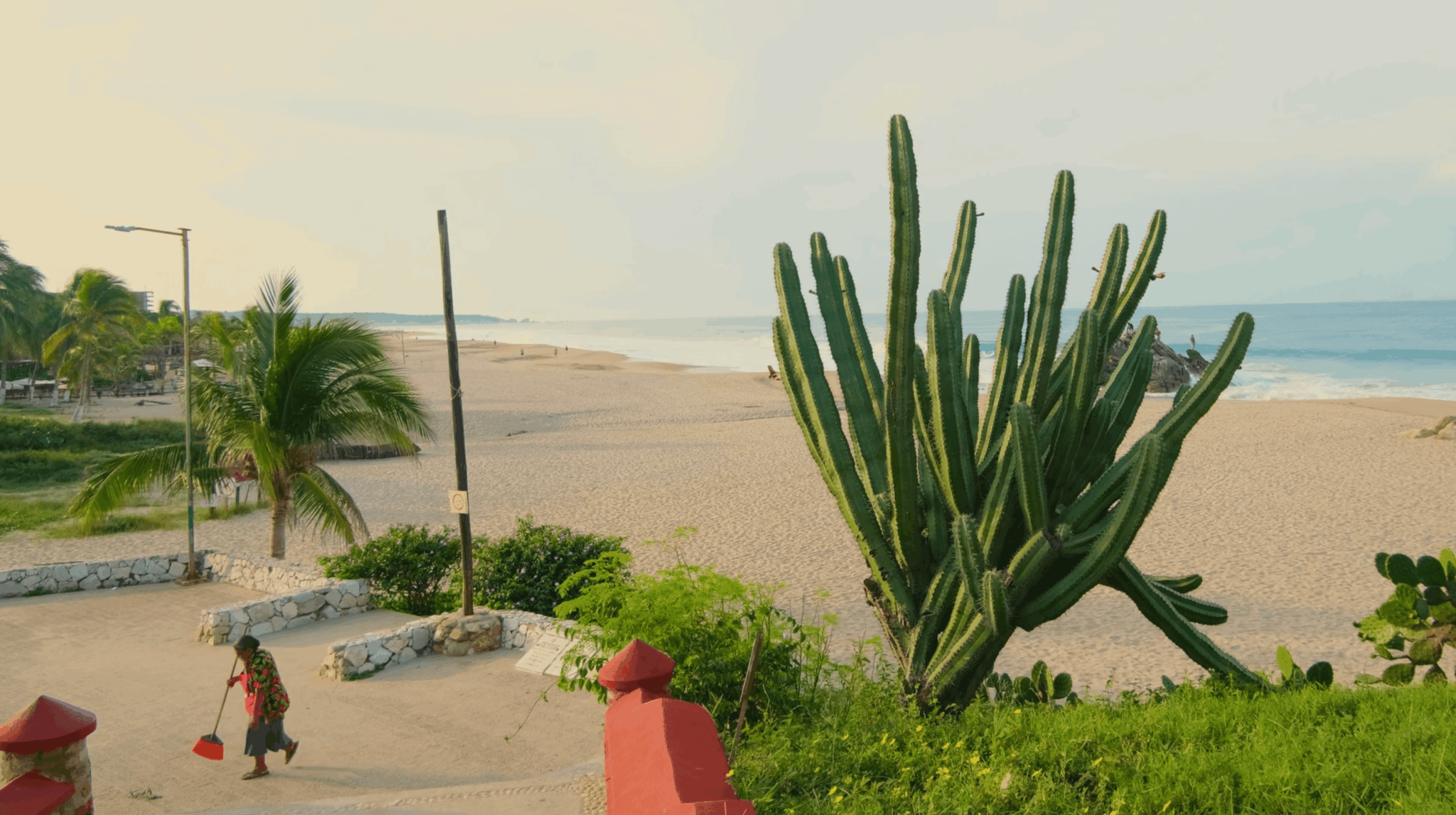
I am a very visual person, with an auditory way of understanding the world. Sound helps me connect with sensations that don’t always need words. Film is both my medium and my love language, Narratives films, experimental films, short films, documentaries… are how I process emotions, memory, and experience.
To understand narrative contexts that have been historically marginalized in cinema, I return to films that have deeply moved me, not only for their themes but for the care, creativity, and depth in how their stories are told. Some of the films that have stayed with me the most are:
– Song Without a Name*, directed by Melina León
– Dahomey*, directed by Mati Diop
– La Noire de…*, directed by Ousmane Sembène
– Crossing*, directed by Levan Akin
– Nudo Mixteco*, directed by Ángeles Cruz
These films, among many others, have shaped my path and the way I understand storytelling. I had the privilege of meeting Ángeles Cruz, Mexican director, writer, and actress, whose work deeply changed how I see written narratives in film. The natural way she works, combined with the raw tenderness of her writing, showed me a different relationship to storytelling: grounded, intimate, and honest. A true gift.
Learning and unlearning are both critical parts of growth – can you share a story of a time when you had to unlearn a lesson?
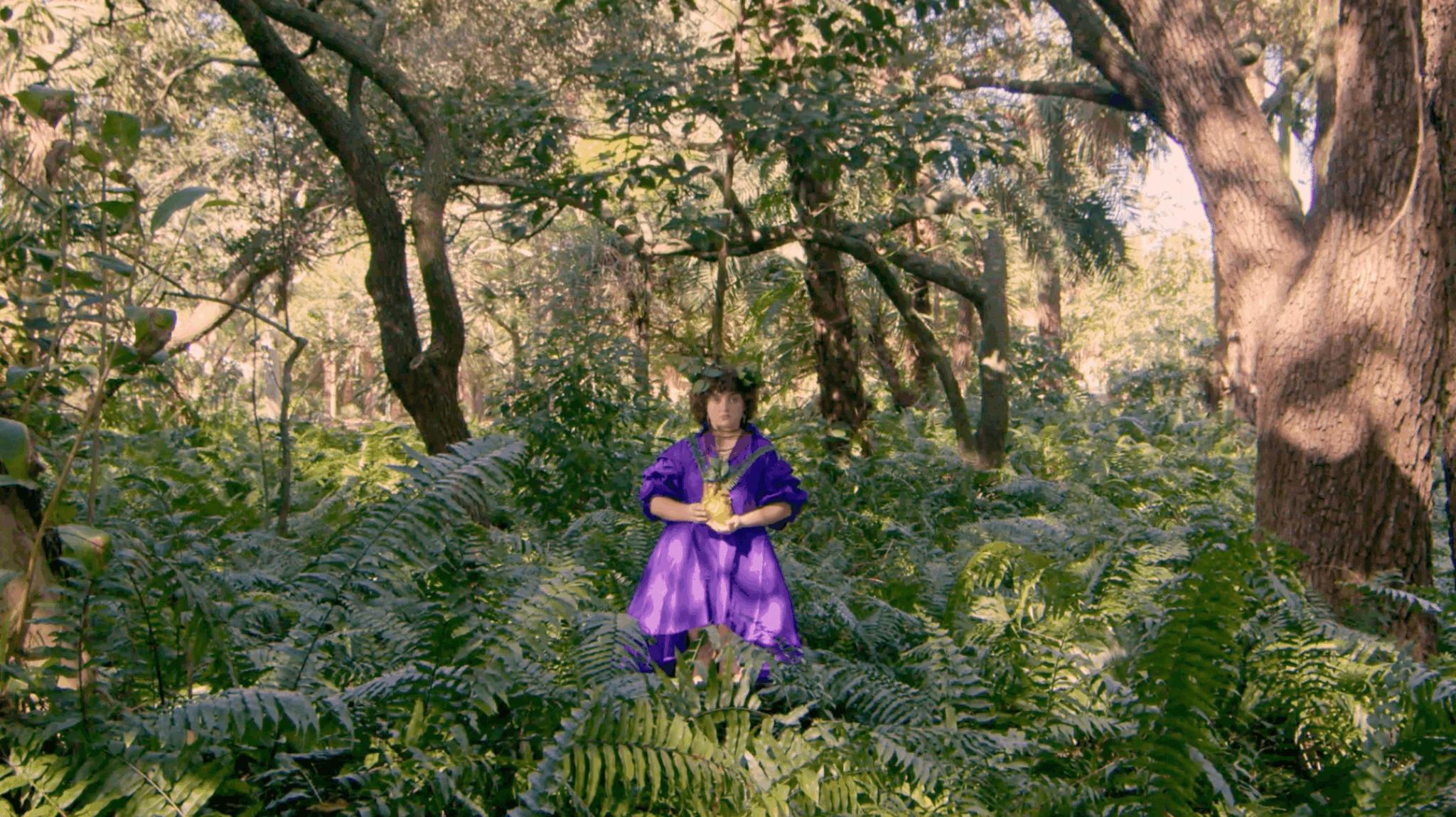
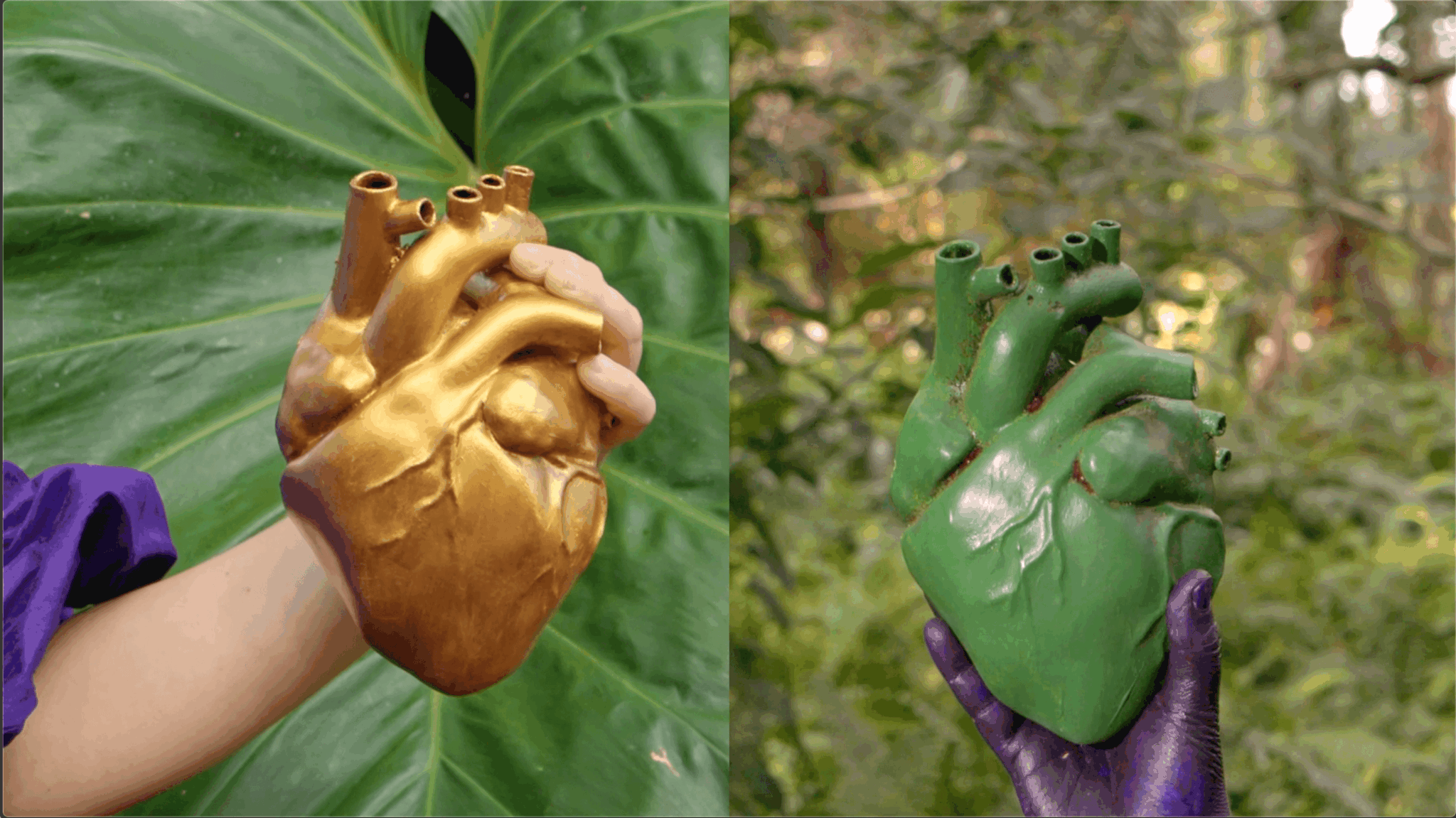
I have had to unlearn the need to fit myself into a box. Time and again, I catch myself trying to stick to a particular style, form, situation, or very specific point of view, not realizing that doing so only limits my creative and personal process. I am still learning that unlearning is essential to relearning: to shift perspective, to see the everyday with fresh eyes each time.
This lesson became clearer when I heard director Ángeles Cruz talk about her writing process in cinema. She shared how her vision remains in constant movement, never imposing a single way of seeing or telling a story, and that resonated deeply with me.
Right now, as I work with archives to tell my grandmother’s story, this learning is a constant challenge. I practice putting myself in her shoes, trying to understand the world through her eyes, her sensations, her emotions, her fears, leaving my own beliefs and frameworks behind. That process has taken me to internal places I didn’t know existed.
Unlearning is also necessary for my anticolonial approach. As Latinx people, we often carry phrases, sayings, and colonial mental structures without noticing them, and these same patterns show up when we create, write, or develop projects. Recognizing and questioning them is part of the work.
I still sometimes find myself stuck in the same ideas, but now I understand that space not as a failure, but as part of an ongoing process of learning and transformation.
Contact Info:
- Website: https://anadiazpennimpede.framer.website/
- Instagram: @anadiazpennimpede
- Linkedin: www.linkedin.com/in/ ana-diaz-pennimpede-65999a166
- Youtube: https://www.youtube.com/@archivoscreativos
- Other: https://www.girlsinfilm.net/director/ana-diaz-pennimpede
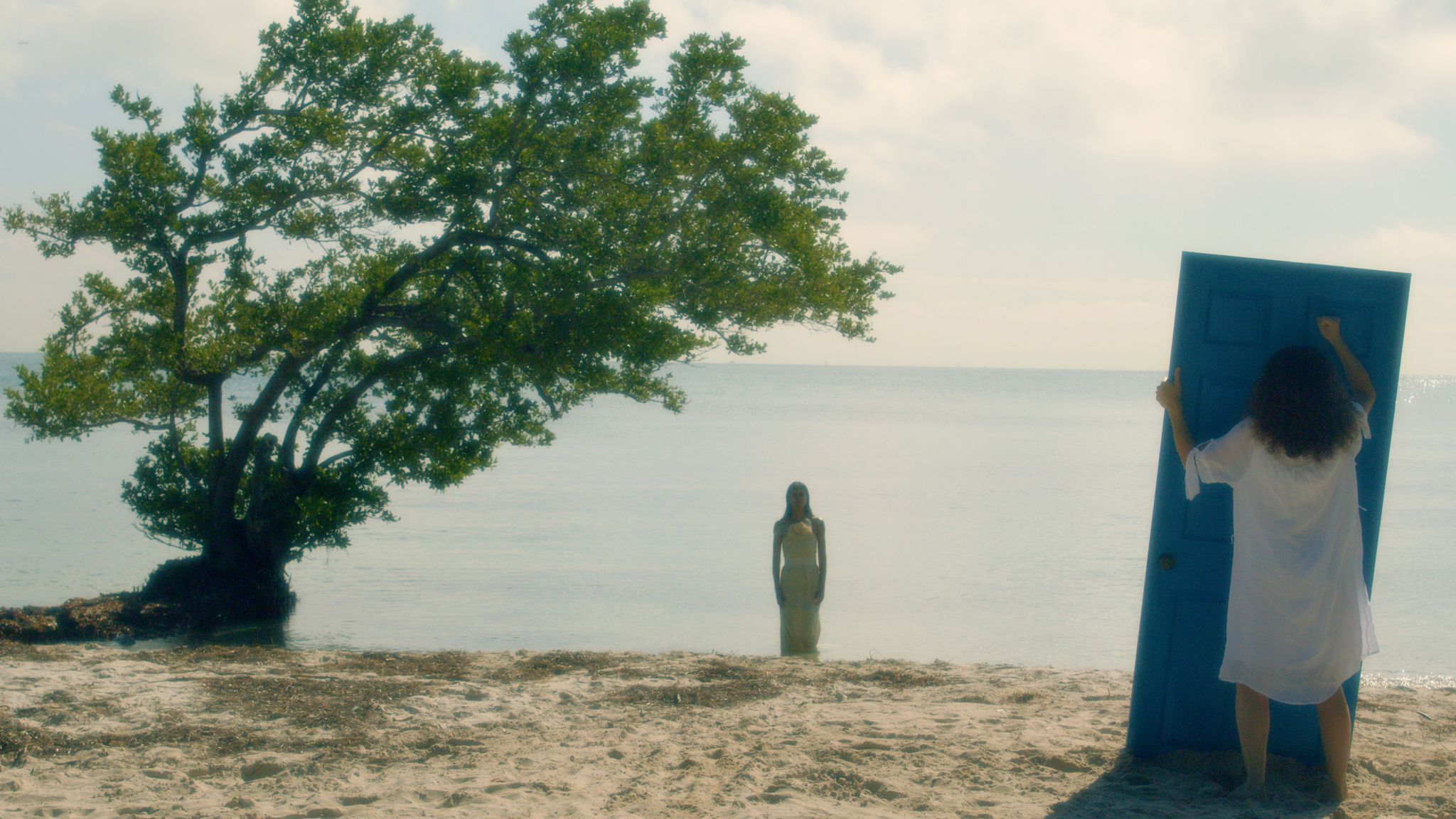
Image Credits
Manuel Del Puerto
Claudia Sanchez Silva
Alexia Garcia
Dayanna Piñero
Jessica Mesa