



We’re excited to introduce you to the always interesting and insightful An Chen. We hope you’ll enjoy our conversation with An below.
Alright, An thanks for taking the time to share your stories and insights with us today. What’s been the most meaningful project you’ve worked on?
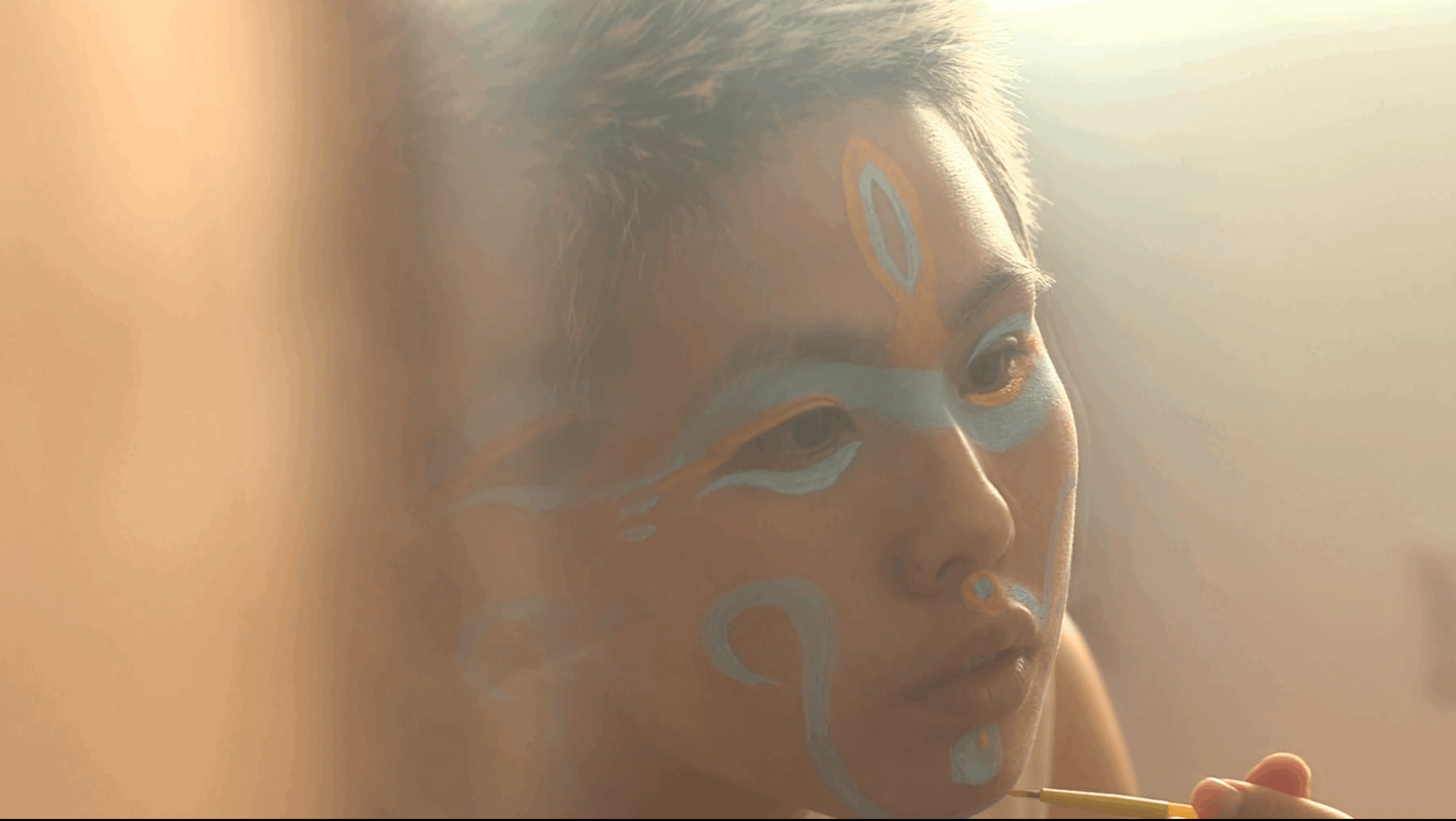
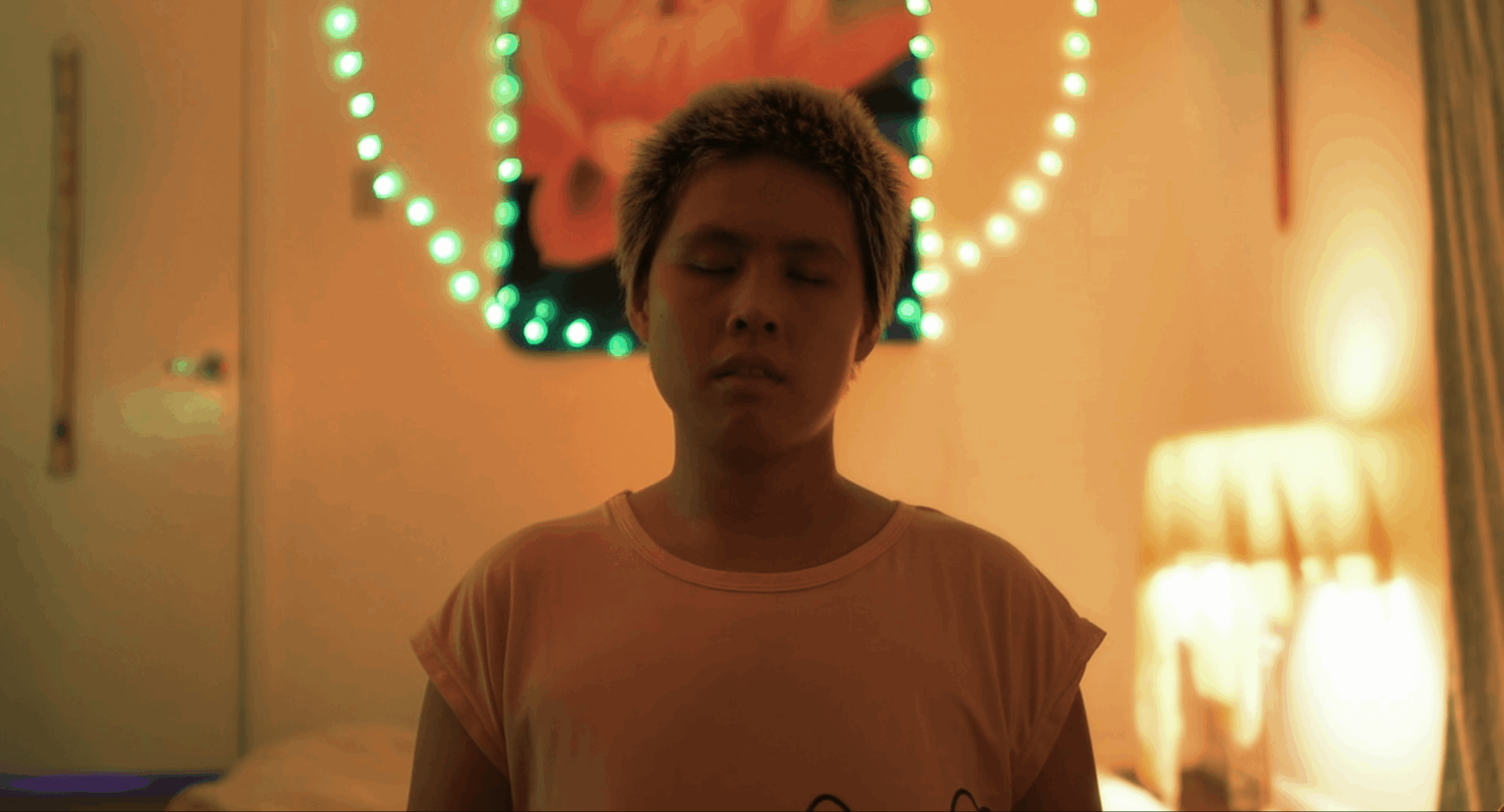
The most meaningful project I have worked on is probably my first feature film, “NaedeaN,” which I am currently in the process of submitting to film festivals. The film started in 2016 when I started filming video diaries to try and deal with a lot of emotional stress and disregulation. I did know it at the time, but this documentation of my emotional fluxes were the beginning of a journey towards my self, towards self understanding and connection, that would ultimately culminate in the film.
It was not until I ended a long-term relationship in 2020, amidst the pandemic, that I realized I wanted to use the video diary footage I had been making since 2016 into a documentary about myself. I was at the point of recognizing that I was codependent in relationships and in need of solitude. The film became a space for me to explore who I was outside of the context of any other person’s demands or expectations. Who was I alone? What would emerge from within me?
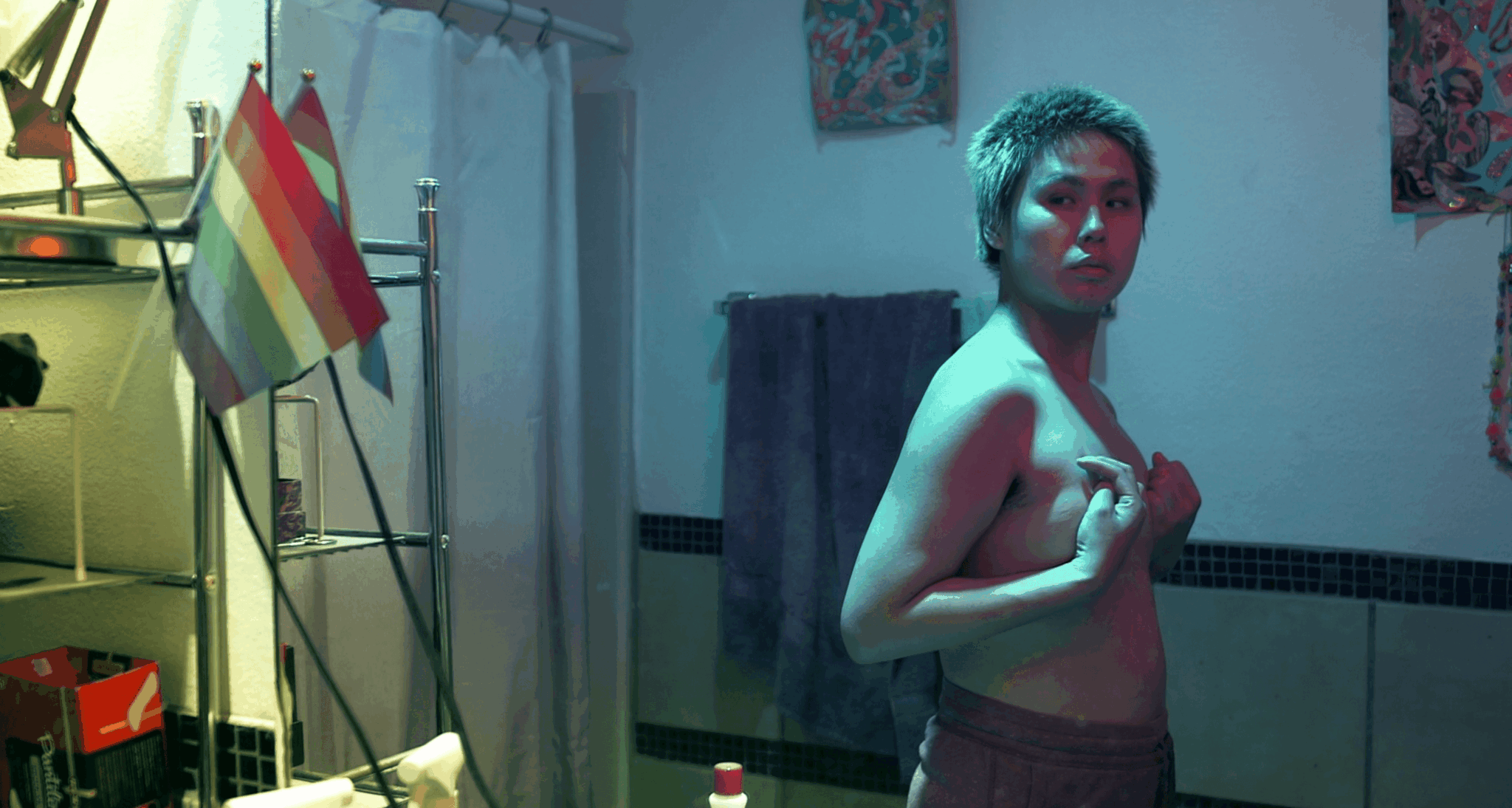
Over the next two years, I completed filming and documenting many moments of self reflection, questioning and exploration of my non-binary gender identity. This included me coming out as non-binary to my parents on camera, which was a huge challenge emotionally. It forced me to face my fear of showing my true self to my family, and was probably the greatest challenge in making the film. That’s also what makes this project so special and meaningful to me. It was a project that guided and pushed my growth as a human being. The process of making it showed me that I can face my greatest fears with sincerity and vulnerability and come out not only alive, but more in tune with my self because I faced my fear.
An, before we move on to more of these sorts of questions, can you take some time to bring our readers up to speed on you and what you do?
I think I was fated to be a filmmaker. Not because I knew it from a young age or know the most about it, but because it feels like the only medium I can express certain crucial truths about my self in.
I was a visual artist first, ever since I was a child. However, a bond with a high school English teacher led me to study English Literature and Philosophy in college. Coming out of this, I tried working as a news reporter for one year and realized I hated the news cycle. I wanted to meditate more deeply on something. Coincidentally, I spent that year feeling very lonely and depressed because I was living in a town where I knew no one, and I ended up watching a lot of Criterion Channel films that I borrowed from the library. I think this led me to choose film as my next medium. I ended up working on documentaries in New York because that’s what my journalism experience was relevant to.
Following a move back to Austin, TX (where I was born and raised), I ended up applying the the MFA Film Production program at UT, which where I really got my education in filmmaking, both doc and narrative.
I think what sets me apart as a filmmaker is the level of intimacy and raw expression that I put in my films. I am practically naked in my feature, and I think I share more than many filmmakers feel comfortable doing on a personal, emotional level. This is not something that ever frightened me, because I have only ever desired to come closer to a true and direct expression of my self and how I feel, who I am. I am not afraid to be radically vulnerable and have hard conversations on and off camera. I think that allows me to reflect myself through my films in a very direct way.
Is there something you think non-creatives will struggle to understand about your journey as a creative?
Being and artist is not exactly a choice. I think it is a need. And I think it is a need that we all share on some level. Culture has a need for art to reflect and digest culture, to critique culture and offer it something other than what is already sanctioned. If someone chooses the poverty and lack of respect that tends to come with being an artist, trust that it is because they have a need to process their life through self-expression. I think it is ultimately tied to an emotional need. Where some people might work through that emotional need by having children or excelling a job, or investing greatly in a hobby; artists have found a specific medium that allow them to express something that cannot be expressed any other way.
How can we best help foster a strong, supportive environment for artists and creatives?
I think society could support artists better by creating equity in terms of affordable housing, healthcare, access to healthy food, etc. Artists tend to be more on the margins of society. If society can care for all people on the margins, then artists will naturally benefit. Furthermore, we can place more value on art as a society. Paying artists for their labor, funding public art, emphasizing art education in schools and other community settings (like nursing homes, recreational centers, libraries) are all ways of helping value art more greatly.
Contact Info:
- Instagram: https://www.instagram.com/fragrantpeace/

Image Credits
All images are taken from the films of An Chen.