



We were lucky to catch up with Amy Tung Barrysmith recently and have shared our conversation below.
Hi Amy, thanks for joining us today. We’d love to hear about when you first realized that you wanted to pursue a creative path professionally.
I had grown up playing classical piano and knew from a very young age that I wanted to be a musician. My goals as a child was to be a conductor and composer and to have a room in my home that housed every instrument I could find so I could have jam sessions at any given time. I didn’t end up doing exactly that, but I am close.
In High school I got slightly sidetracked when I discovered theater and ended up getting a Bachelor of Arts in Theater. I considered trying to double major or minor in music, but the theater programs were so intense, they actually didn’t allow you to minor or double major in anything. I worked with some small theater companies for a little bit, while still playing classical piano on the side when I had the time. I lost a lot of my acting ambition after going through the grind in LA and wading through the quagmire there. I realized it wasn’t where I wanted to be and I rediscovered music through bands. I learned how to play guitar and bass at that time and really found a love for it. Once I got there, I realized I needed to find a job that would allow me keep pursuing music and that’s when I decided to start teaching music and opening a music school. I figured, the only way I could do this feasibly as a future is if I was my own boss. Plus, I tried working in corporate offices and it was always so depressing. I actually ended up with a lot of physical ailments from working these places and as soon as I left those jobs, it all went away. I realized at that point that for my own mental and physical health, I needed to stay working within music.
Great, appreciate you sharing that with us. Before we ask you to share more of your insights, can you take a moment to introduce yourself and how you got to where you are today to our readers.
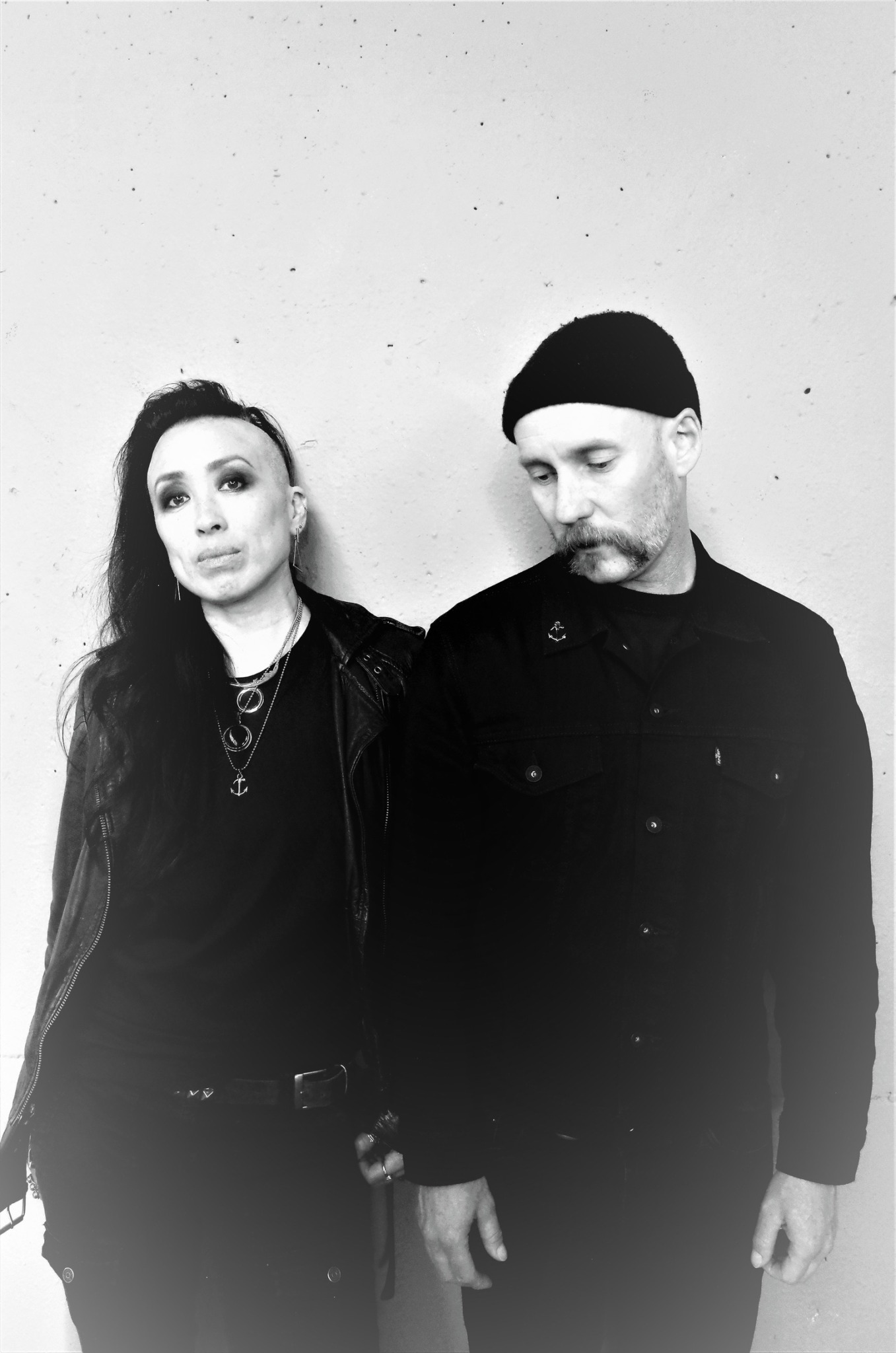
So, I am a multi-instrumentalist and play in several bands. For the most part, I play bass and sing, but I am a classically trained pianist. I studied briefly at Musicians Institute in Hollywood, CA focusing on jazz piano to break away from all of my classical training. It was very eye opening and extremely fun.
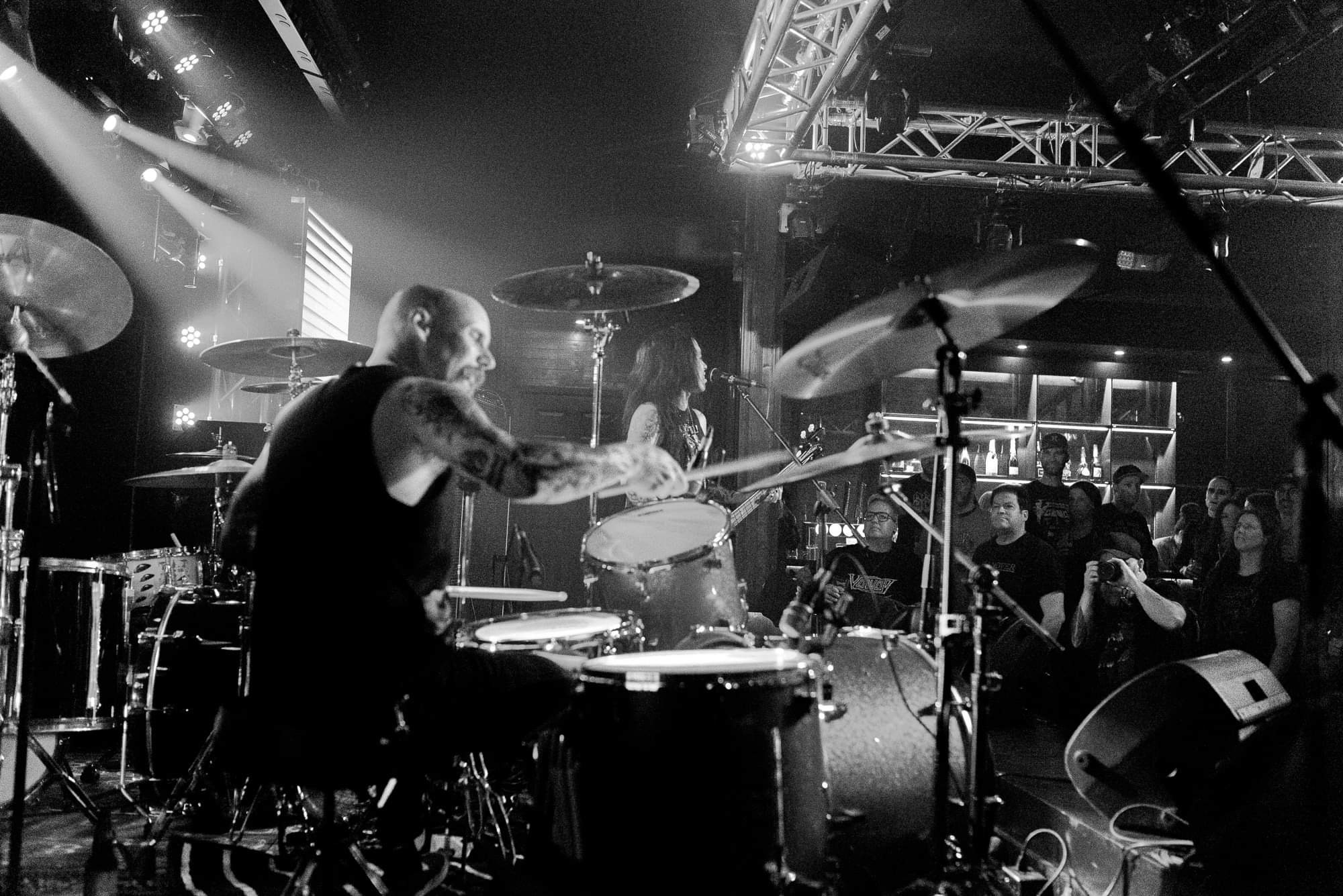
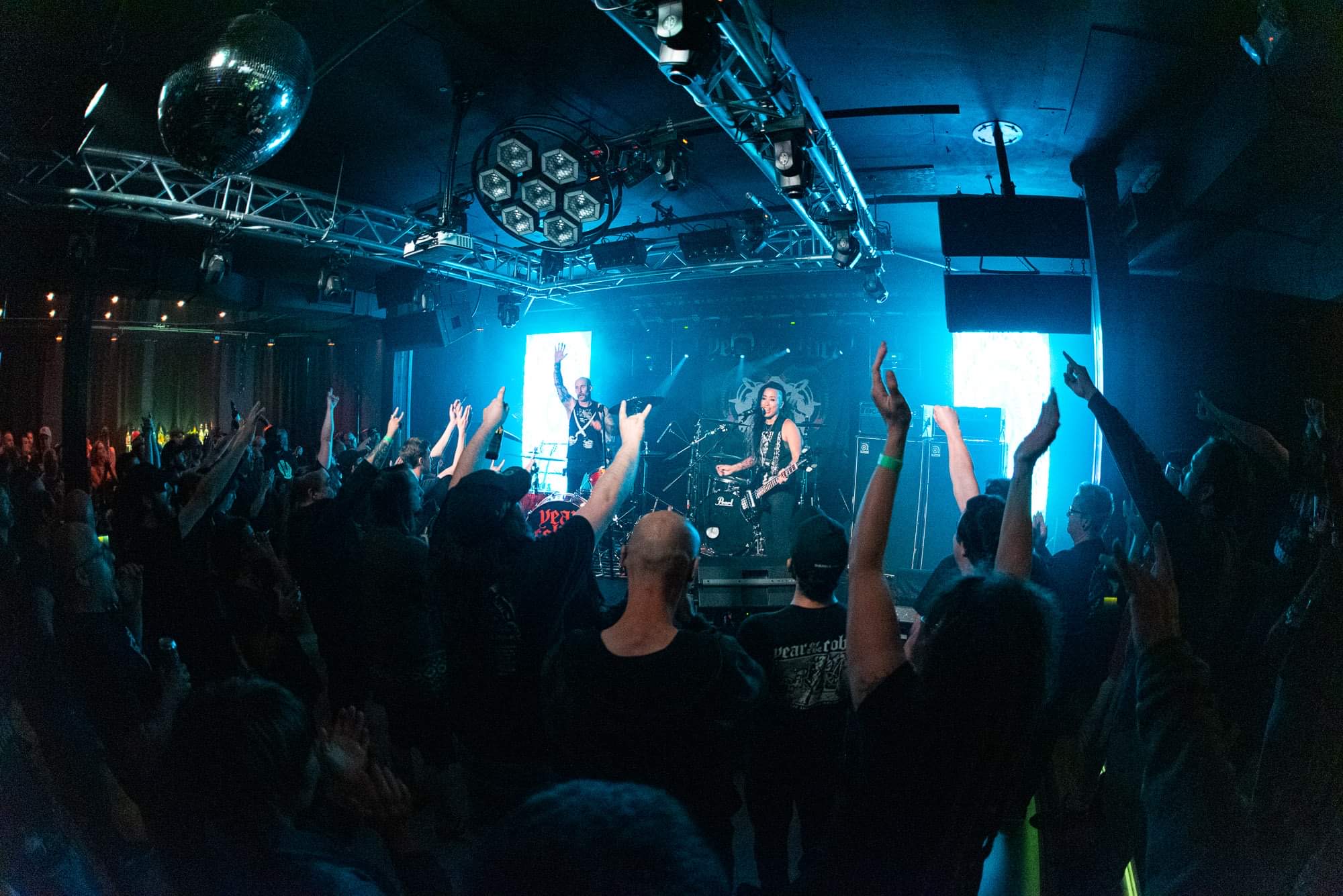
My main band is called Year of the Cobra, which is a two piece drum and bass duo that I play with my husband, Jon Barrysmith. He’s the drummer. We’ve been playing together for almost ten years now (we started in 2015) and have released two EPs and one LP. Our second full length will be released in 2025. This is the first project for me where I am the lead singer. I have always just been back up, so there was quite a learning curve for me to get comfortable doing that.
Recently I was tapped to play bass and sing in a project called Slower. It is a super group of sorts. The guitar player, Bob Balch, plays guitar for a big stoner band called Fu Manchu, and the drummer, Esben Willems, plays in a very well known band called Monolord. They live in San Diego and Sweden, respectively, so recording music with them was very interesting. The initial idea was to play Slayer songs slowed down. We recorded and released our first LP in January of 2024. This LP also had three other guest players that sang and played bass. For our second LP, Rage and Ruin (released 11/2024), it was just the three of us. We also moved slightly away from the initial idea and wrote four original songs together and only covered two Slayer songs.
This project has been very interesting to do. Because we all live so far way from each other, the recording and writing process is not like any I have ever done before. I am recording my vocals and bass tracks by myself, which isn’t necessarily new, because I do that when I demo songs and have released a few songs that I have recorded alone, but to actually do it on this level added on a lot more pressure. Also, it was, at times, lonely recording like this. There were times I really wished I had a second opinion to bounce ideas off of.
The writing process was actually quite smooth. All of these easy to use recording apps like GarageBand or Logic make it so simple. We would just pass these projects back and forth with our edits. It was really a fun process receiving a project back and waiting to hear what the other person has done to it.
I really learned a lot from this project. It really made me a better singer, bass player and writer, I believe. Plus, being creative with such talented musicians made it easy and very fulfilling.
I have recently played bass with a Belgium band called Amenra. I have known about the band for sometime. Year of the Cobra has played with them several times in Europe and in the US. They asked me to fill in on bass for their east coast tour recently and it was an amazing experience. The difference with this band is that they really create a full artistic experience for the audience, from the moment before we step on stage, to the moment after we finish playing and leave. It reminded me a lot of my days in theater and I really appreciated their attention to the fine detail that’s involved with this type of performance. I also saw the results when audience members would come up crying and hugging me and thanking me for being there. It was an extremely fulfilling experience. I have a deep and profound respect for that band.
What can society do to ensure an environment that’s helpful to artists and creatives?
I think one of the best ways society can support artists, creatives and a thriving creative ecosystem is just to go out to shows, to buy music, to buy merch, and to support small, local venues. There is a stark contrast between touring Europe and the US. You can see how not just society, but government supports artists as soon as you step foot in Europe. Venues feed you, regardless of how big your band is, and not just snacks, but with trays of fresh fruits and vegetables, fresh breads, either a home made dinner, or they take you out to a local place, they house you and at times they feed you breakfast as well, while patrons arrive on time and stay til the end of the show. Europe also has a thriving music festival community as well that expands all of Europe and is always well attended.
Touring in the US is the complete opposite. Venues generally will give you two drink tickets (offering limited options only) and most times do not provide food, compensation for food or any housing for touring bands. In addition, visa’s for visiting bands is so expensive, that most bands won’t come because they can’t afford it.
If we could offer more options, if we could be more welcoming to artists, if we could get people to attend shows, or get venues to be more hospitable to bands whether they are local or not, that would definitely be a great start. If we could get local and federal government support for the arts in schools that would be a great way to start ground up as well.
What’s the most rewarding aspect of being a creative in your experience?
The most rewarding aspect of being an artist is when you see how your art has had an impact on those around you. The goal is always to move people emotionally, to give them an outlet to feel what you feel, or to express those feelings because they don’t have an artistic way to express it. When audience members have come up to me, or have emailed me saying how my music has helped them through a particularly difficult time is always something that makes me feel like I am doing exactly what I should be doing. I recently played on this tour where audience members would routinely come to me crying and thanking me for playing. It was overwhelming and so fulfilling.
Contact Info:
- Instagram: https://www.instagram.com/yearofthecobra/?hl=en
- Facebook: https://www.facebook.com/yearofthecobraband/
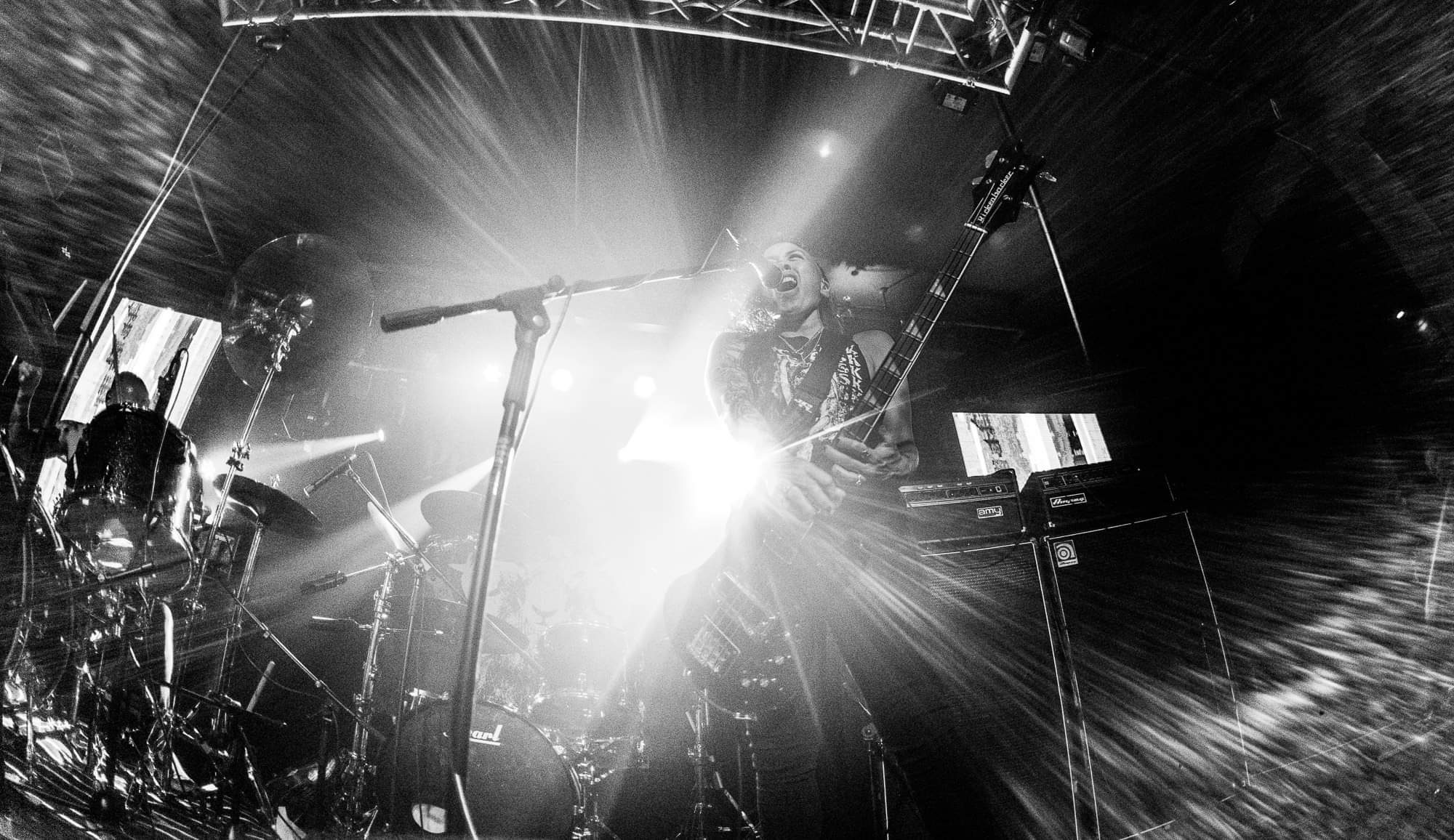
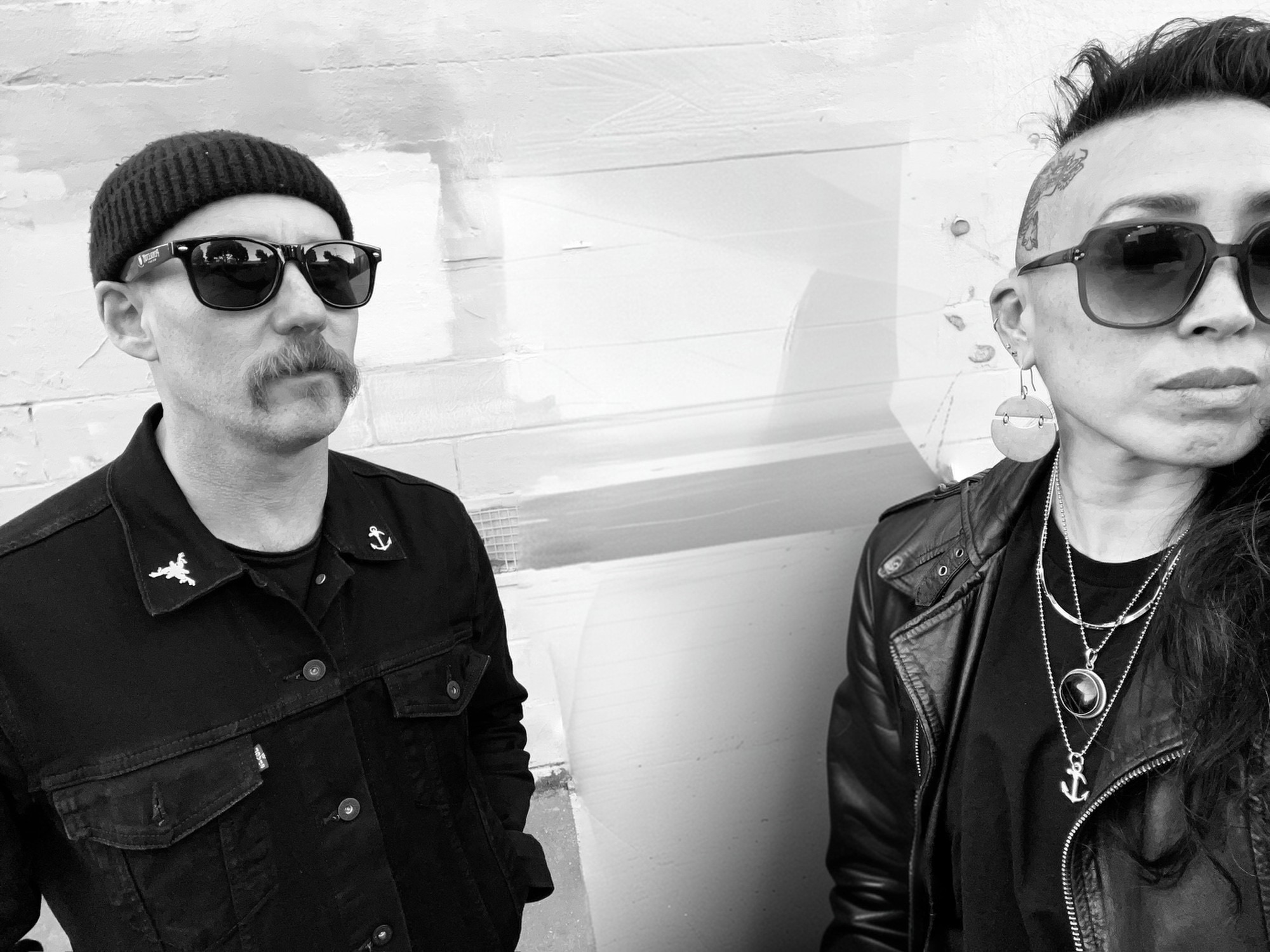
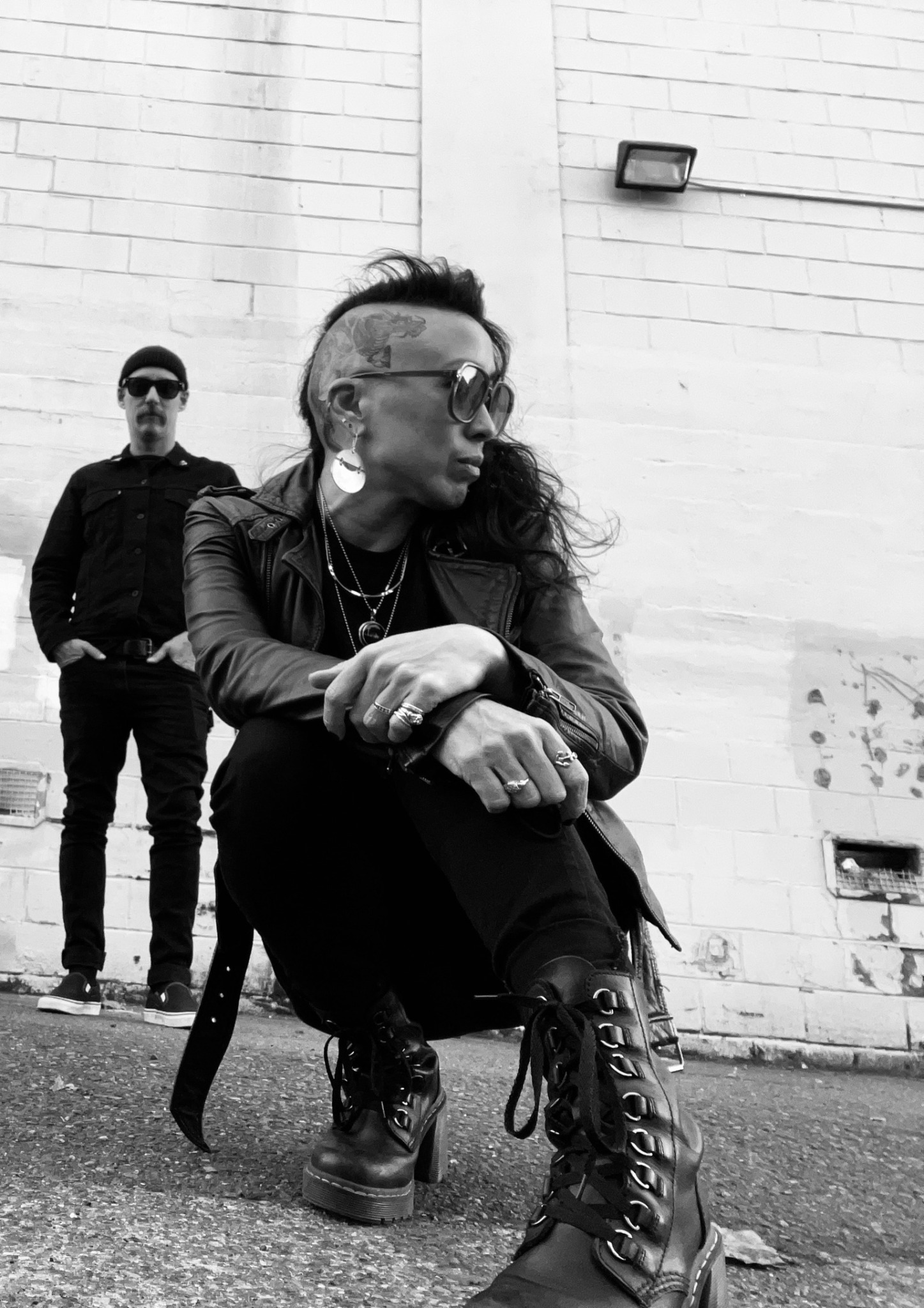
Image Credits
JF Savoie
Marc Santo