



Alright – so today we’ve got the honor of introducing you to Amy Roether. We think you’ll enjoy our conversation, we’ve shared it below.
Amy , appreciate you joining us today. Learning the craft is often a unique journey from every creative – we’d love to hear about your journey and if knowing what you know now, you would have done anything differently to speed up the learning process.
I’ve learned, and continue to learn, to design homes by learning all of the ways to not design them. As silly as that sounds, there is a lot of trial and error in design. I’d argue even more so in Architecture due to it’s intimate relationship to a wide variety of building systems. On top of learning through error, it also requires a good amount of patience and vulnerability. You need patience because a house is not designed in an day and often takes a lot of what I call “ugly phases” to get to the final product. You need vulnerability because as personal as design can be, at the end of day it is never about the designer. I work with a great group of people and I enjoy the collaborative nature of this industry. I truly believe a project is only as good as the team.
I think this can be a limiting factor to a lot of designers. Taking critic and feedback isn’t always easy, but it is always critical. We often use the phrase “multiple eyes” when looking at a project as a team. It’s easy to become blind to a project you have looked at for months on end. Fresh eyes always seem to catch the areas you’re blind to and more.
In terms of learning what I know now and how I could have learned quicker? I think back to what a professor once told me: “put pen to paper”. The easiest way to learn is to draw it out. It helps highlight what isn’t quite worked through. From there, a project can only grow. I went from dropping a tree in front of areas “not quite there” to really learning to push through those challenges. You can’t hide ugly design once it’s built. Take the time to work through those areas early on and you’ll have a better overall project.
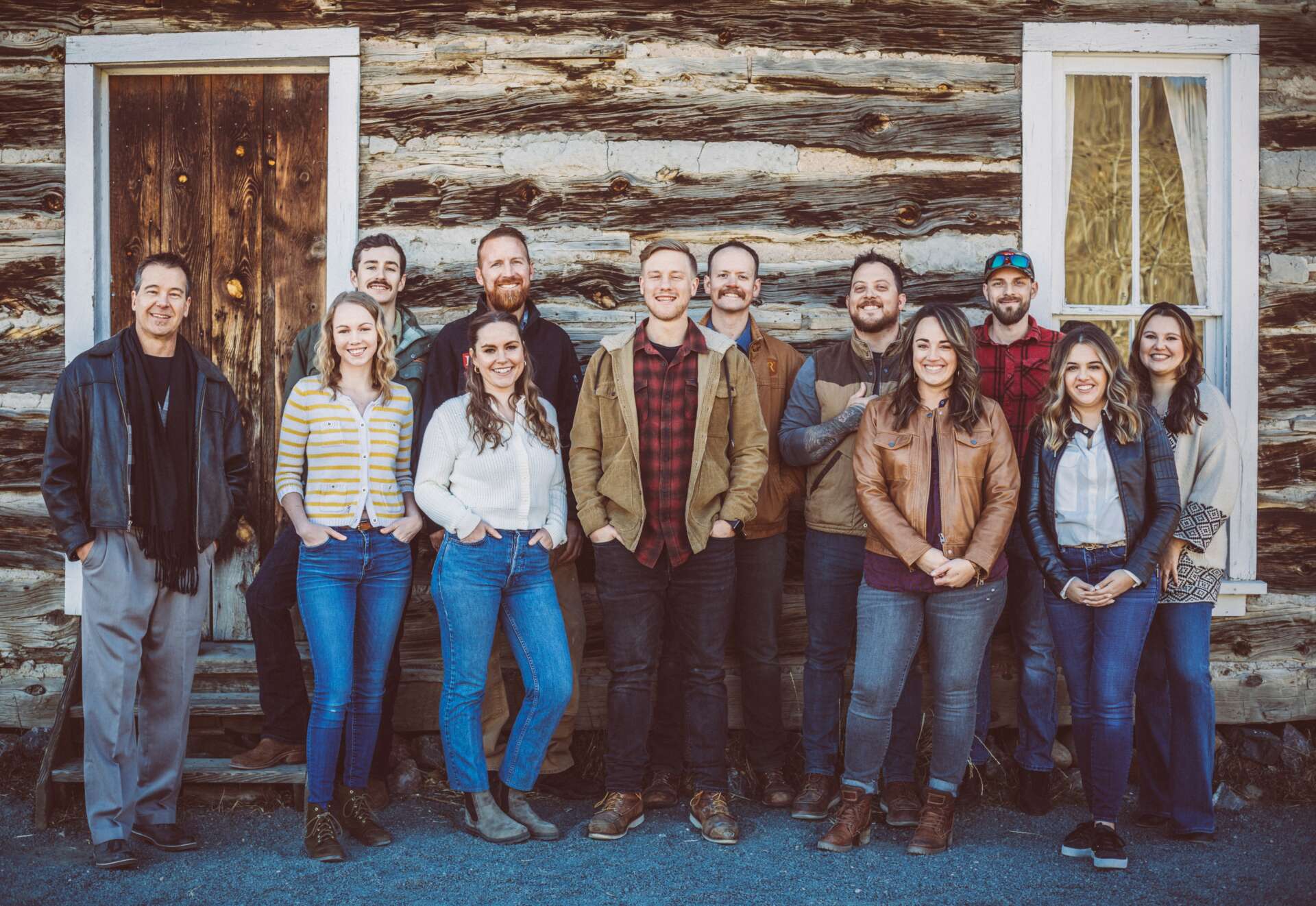
Amy , before we move on to more of these sorts of questions, can you take some time to bring our readers up to speed on you and what you do?
I was born in a small town outside of Kansas City, Kansas. I enjoyed my roots, but decided to venture out west or as close as my car would take me. Shortly after I graduated with a Masters in Architecture from Kansas State University, I moved out to Denver and landed a position at Revolve Design Build. I quickly became close with the team and became inspired by the care they had for the people they work with. In a lot of ways, it reminded me of home. Everyone I work with has a passion for what they do and takes pride in their work. At the time, the design team was small and somewhat new to the Design Build industry. However, this didn’t effect the confidence we had in our ability to take on full custom new builds. Being that we were small, it tested my ability to absorb information, trust my team, and gain confidence in my ideas. Without the support of my boss and coworkers, I would not be the designer I am today. My drive to do my best work is encouraged by the growth of everyone around me. In the past 3 or 4 years, we’ve nearly tripled in size and our projects have grown in complexity. I’m really proud of the strides we’ve made.
What’s the most rewarding aspect of being a creative in your experience?
The most rewarding aspect of my job is seeing just how much of an impact we can have on our clients day to day lives. Designing spaces with intention and shaping them in a way that fits their specific needs challenges me in all of the best ways. Everyone is different and no project is ever the same. With over half of our lives spent in our homes, it only makes sense that we spend the time to design them in a way that will better that experience.
Any advice for managing a team?
During my interview for the position at Revolve, my boss asked me a series of questions; Have you taken the enneagram test? How do you picture your personality, strengths, or flaws integrating into a team? But the question that I found most intriguing (mainly because I love metaphors) is whether if I saw myself as a Framer or a Finisher. He later went on to explain that in this industry, similar to others, there are people who think big picture and those who strive in the details. Similar to how you would frame a house, there are those who build the framework. They don’t necessarily worry about the design elements or details, but instead study the blueprints and make sure that the foundation level is built precisely. The finishers will then continue what was started. This would include drywall, crown molding, windows, stairs, tile, etc. It took me a minute to think about this, but it definitely made me wonder what category I saw myself in. I don’t think one person is necessarily void of one or the other, but it showed me that they understand the importance of a team. You don’t have to be the best at everything as long as you understand what you offer and what areas to ask for help. The key to high morale is a clear understanding (from everyone) on what they offer and how that fits into the group.
Contact Info:
- Website: https://revolvedb.com/
Image Credits
Christopher Dowell