

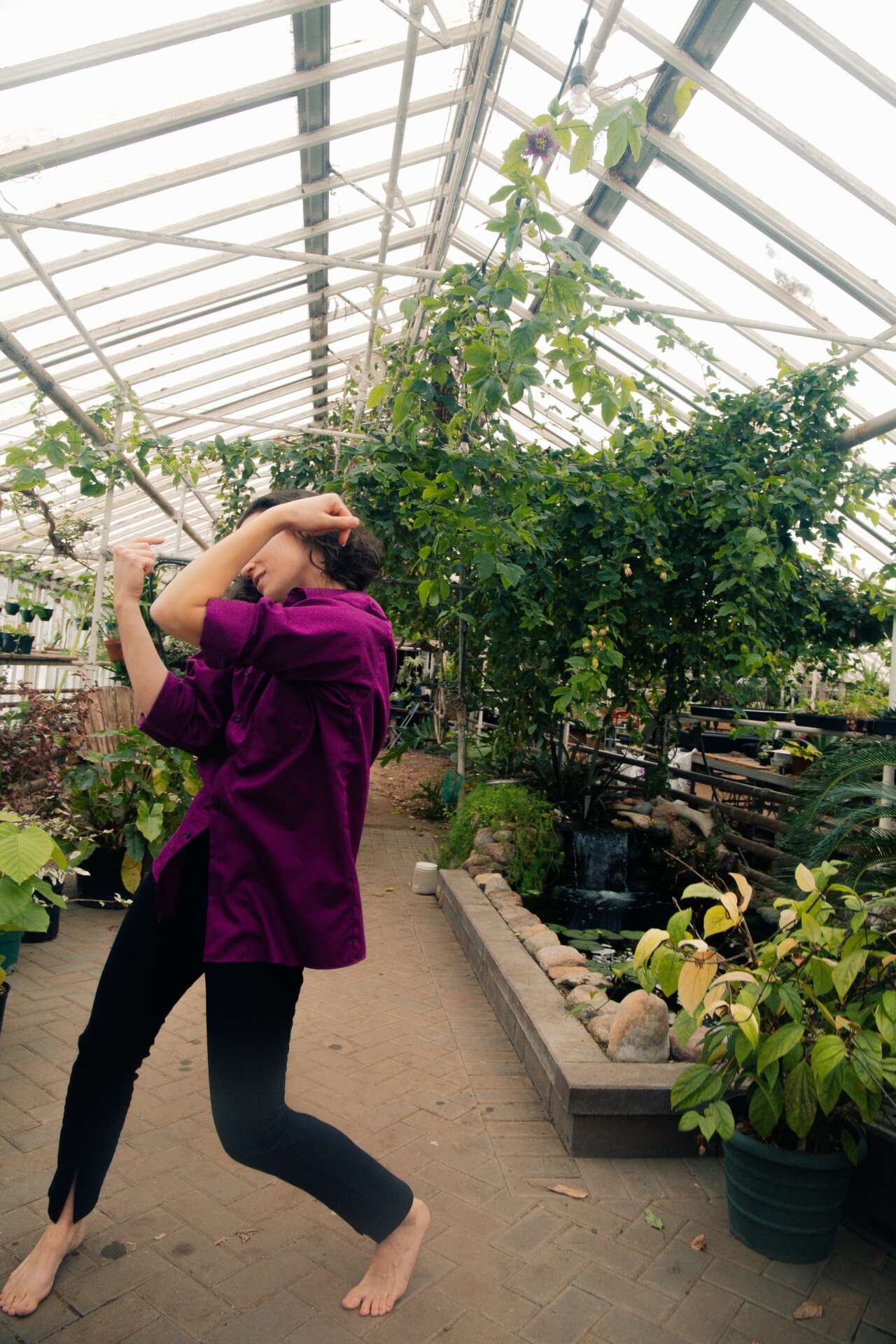

We were lucky to catch up with Amy Cadwallader recently and have shared our conversation below.
Amy, appreciate you joining us today. We’d love to hear about a project that you’ve worked on that’s meant a lot to you.
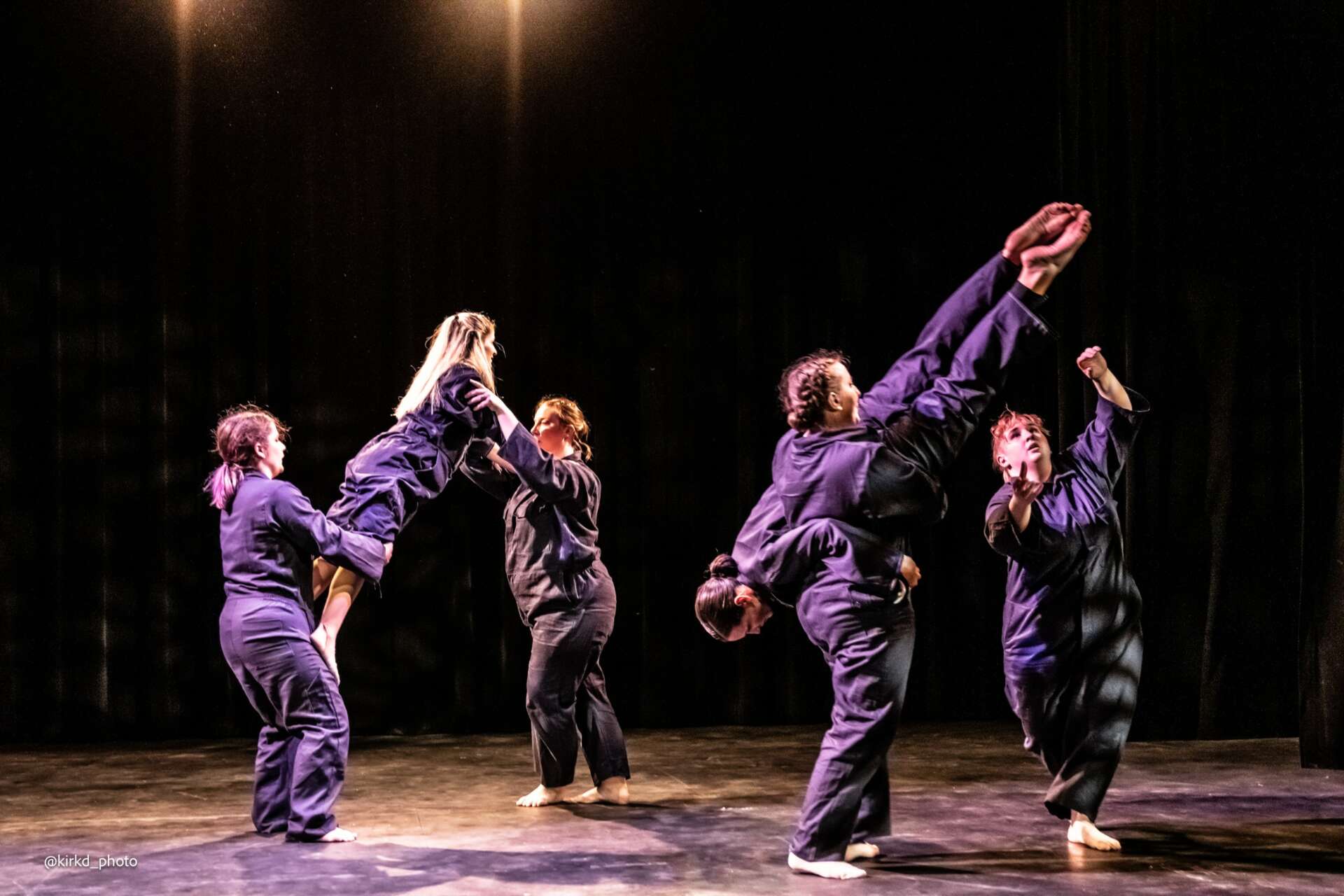
We recently performed THRIVE: an evening of modern dance at Marygrove College in Detroit. Marygrove is a beautiful, old theater which really came to life with the lighting designer’s work. Our performance, THRIVE, included choreography that was only created by Dance Uprising, including several pieces I choreographed and several that were created by dancers within the company.
We built all of our choreography around the theme “humankind’s greatest achievements.” I was surprised to see that our creative process led us to a common arc of existence with a struggle, fighting against the struggle, and emerging from the other side. I bring attention to political and social topics through my choreography, but I usually try to keep the pieces lighter and entertaining. Hence the name THRIVE: It’s all about the emergence from the struggle and the improved version of our lives that we experience after something like that.
Performing THRIVE in a theater was an amazing experience for us because it was our first time as a company to perform an entire evening in a professional space like that. The challenges we experienced during the pandemic led to us canceling several shows and having a huge break in rehearsals. When we were able to return, our schedule was pretty spotty because it was before vaccines were available. We all isolated before and after family visits, holidays, etc. In addition to that, I have two small children, so when they were able to go back to school, I still had to be very careful with our exposure to large groups. When vaccines became available for all adults and kids, my world opened up. And with that, I was able to fully dive back into rehearsals with Dance Uprising and work toward awesome goals.
The audience was incredible — we had cheering during exciting lifts, awesome feedback following the show, and continued positive feedback in the weeks after the show. I feel amazing to have brought this work to an audience and to have such a warm reception.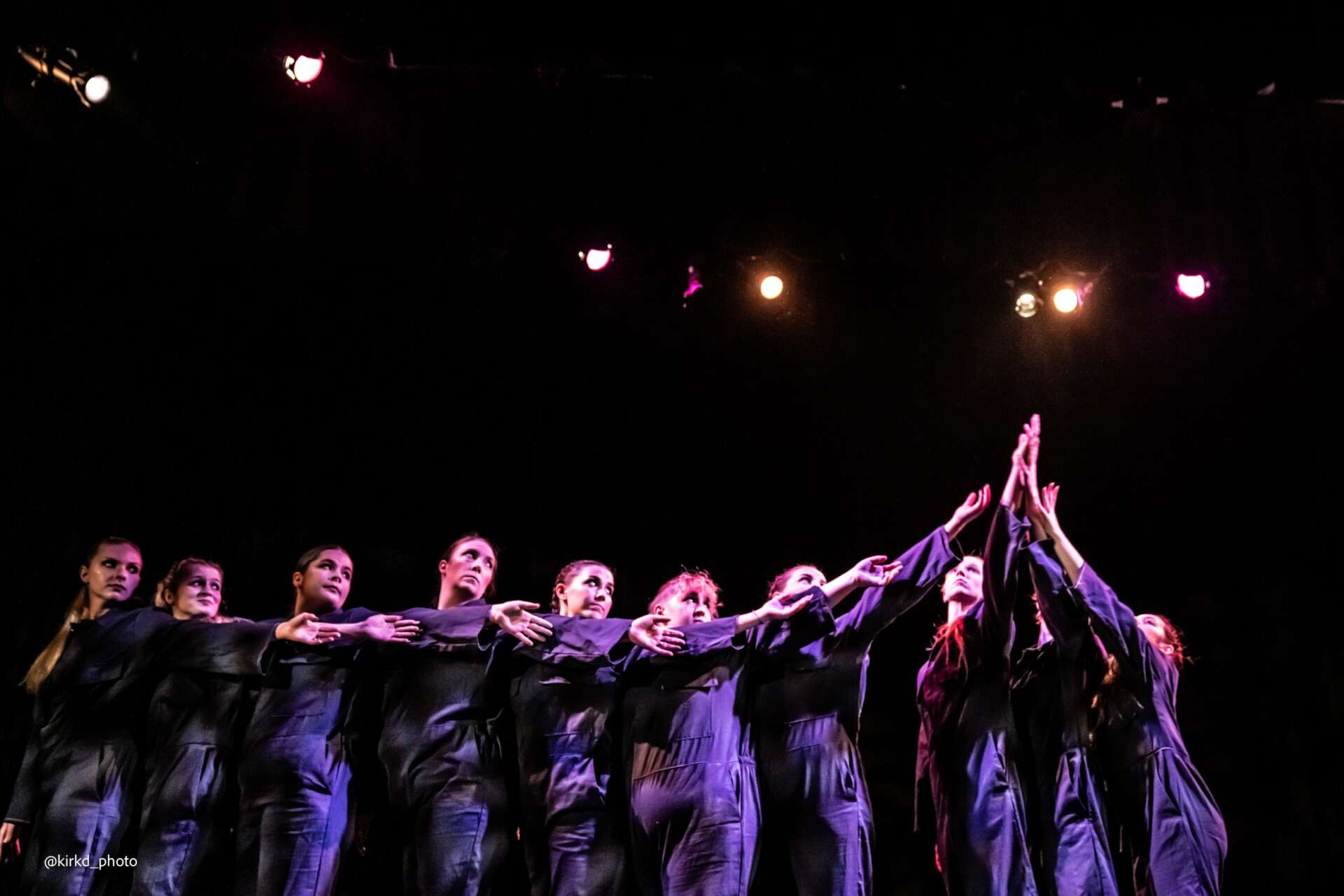
Awesome – so before we get into the rest of our questions, can you briefly introduce yourself to our readers.
Dance Uprising is the place where I can work with talented dancers to create dance pieces for performance around the topics that may avoided in polite company. It’s my way of getting around the “we don’t talk about politics at family gatherings” way of living life. During my upbringing, I thought that staying away from politics in polite company was the proper thing to do. But in adulthood, I have realized that politics is more than just rooting for your favorite spokesperson — it actually affects people’s lives.
I love that quote from Banksy, “Art should comfort the disturbed and disturb the comfortable.” If political art makes you uncomfortable, you probably need to look at your privilege and see who you’re taking for granted. If you find comfort in political art, awesome! you discover that you aren’t alone in the disturbance you experience. When we create dances about our own lived experience, we find others who share those experiences, we bring attention to ideas that will get people to the polls to vote and make a difference.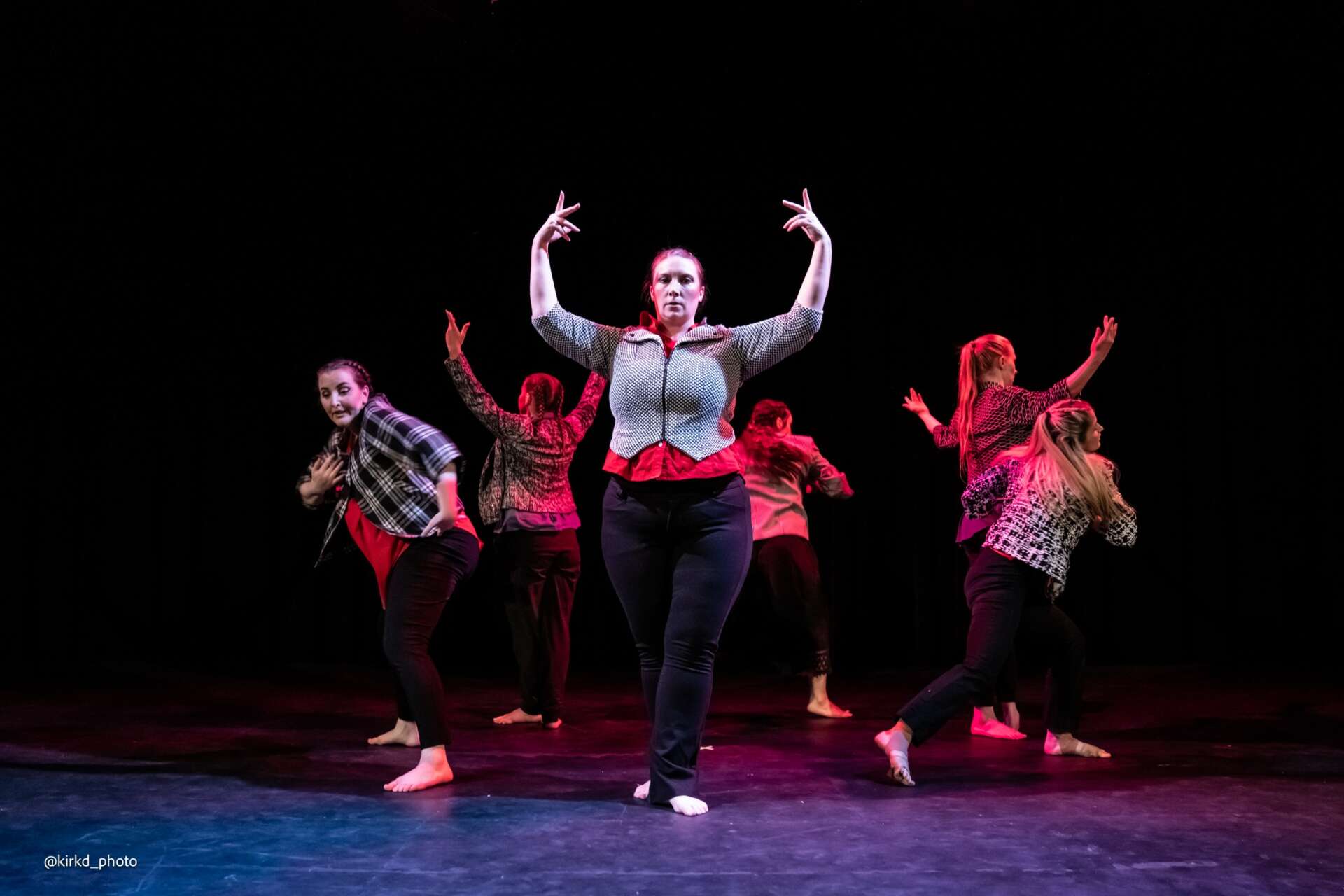
In your view, what can society to do to best support artists, creatives and a thriving creative ecosystem?
Fund artists! Buy art! Go to the show! I don’t know if people realize how difficult it is to get funding as an artist, but it can be a huge challenge. There aren’t very many dance specific grants, and for many of them you have to have a nonprofit organization to be eligible. This leaves us in a position of requiring sponsorships, building partnerships, and constantly running fundraisers.
My dream would be to have thriving arts organizations at the state level, who could easily fund independent artists who want to join their network. For a small, local dance company, an operating budget of $10,000-$20,000 a year could be incredibly impactful.
With the world we currently live in, I encourage everyone to share on social media, buy tickets and attend shows, invite their friends and make it a whole evening, etc. Get involved!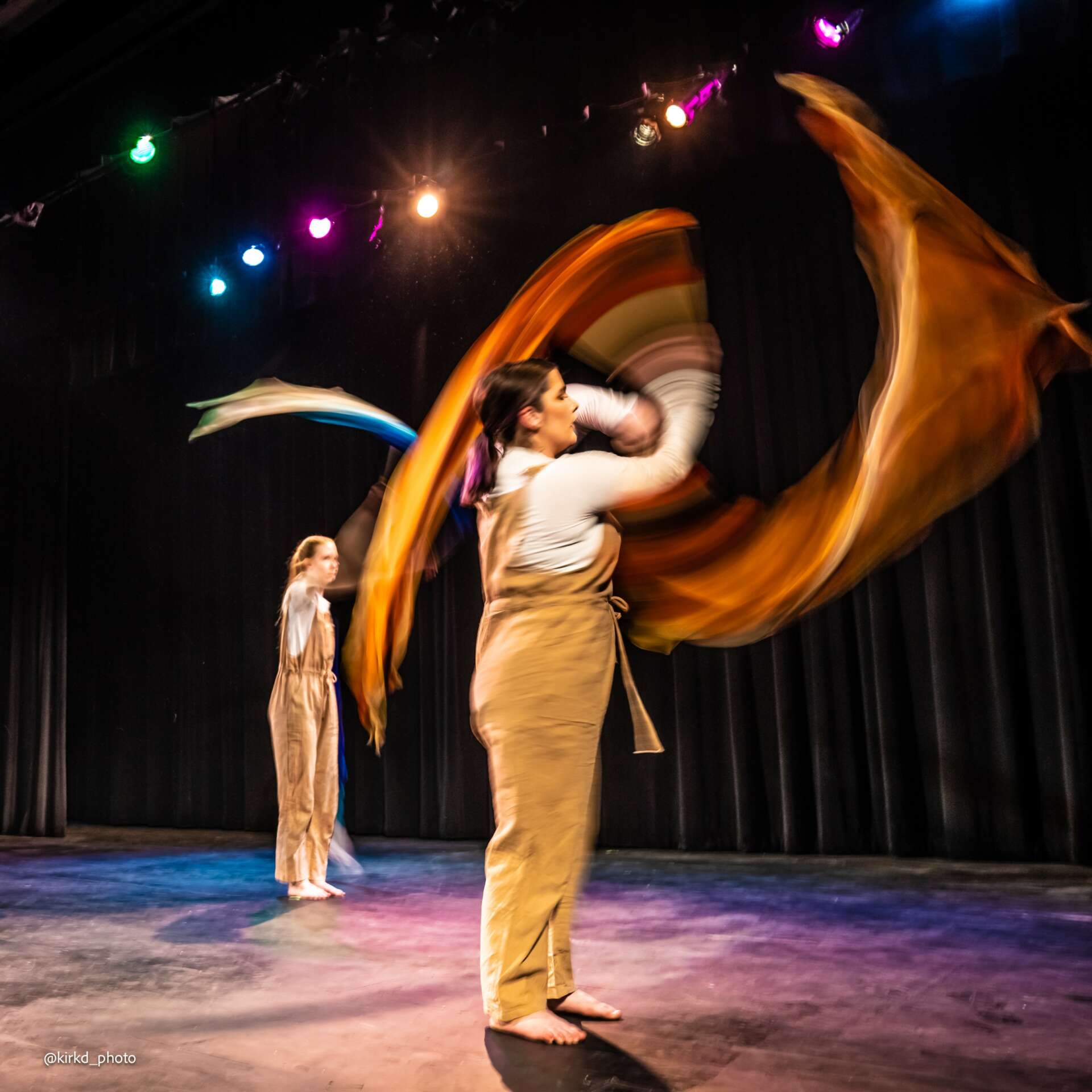
Is there something you think non-creatives will struggle to understand about your journey as a creative?
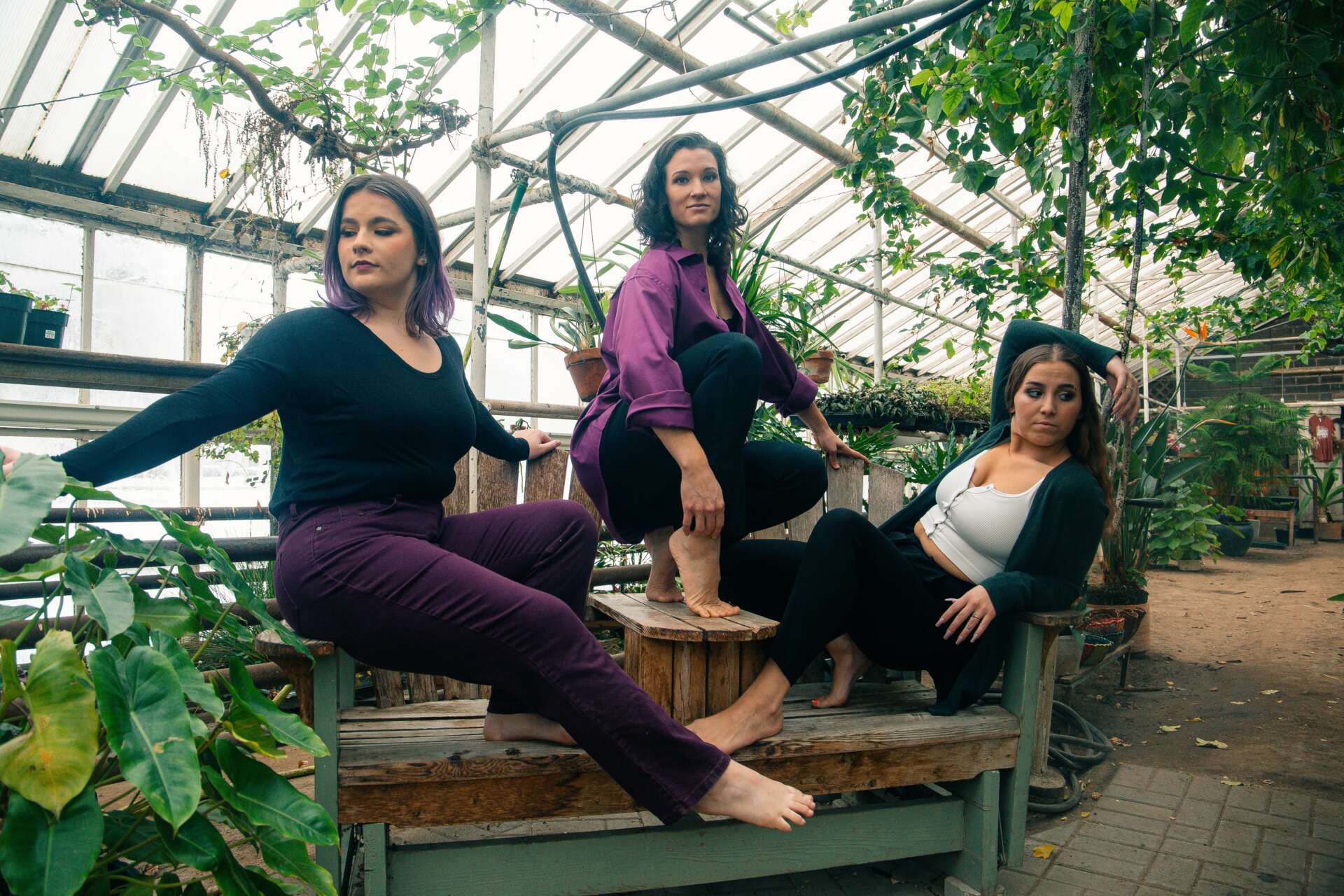
I encounter a lot of people who don’t really know what it means when I say that I direct a dance company. Their experience is informed by what they see children do: attend classes at a studio and perform in competitions and recitals. However, as artistic director of a dance company, the dancers I work with are not my students. They are professional dance artists who I contract to create work together. I pay them, not the other way around. Additionally, our performances are not dance recitals. They are dance concerts, performances, shows, showings, and events.
It might feel like a small way to distinguish how we talk about dance and dancers, but it is huge for our field. When we view dancers as the professionals they are, we can show that we value their work and have respect for them when conversations about dance performances come up.
I am happy to have conversations about the differences between recreational and professional dance. Our discussions can help us dancers feel more understood and help the layperson learn more about what we do. 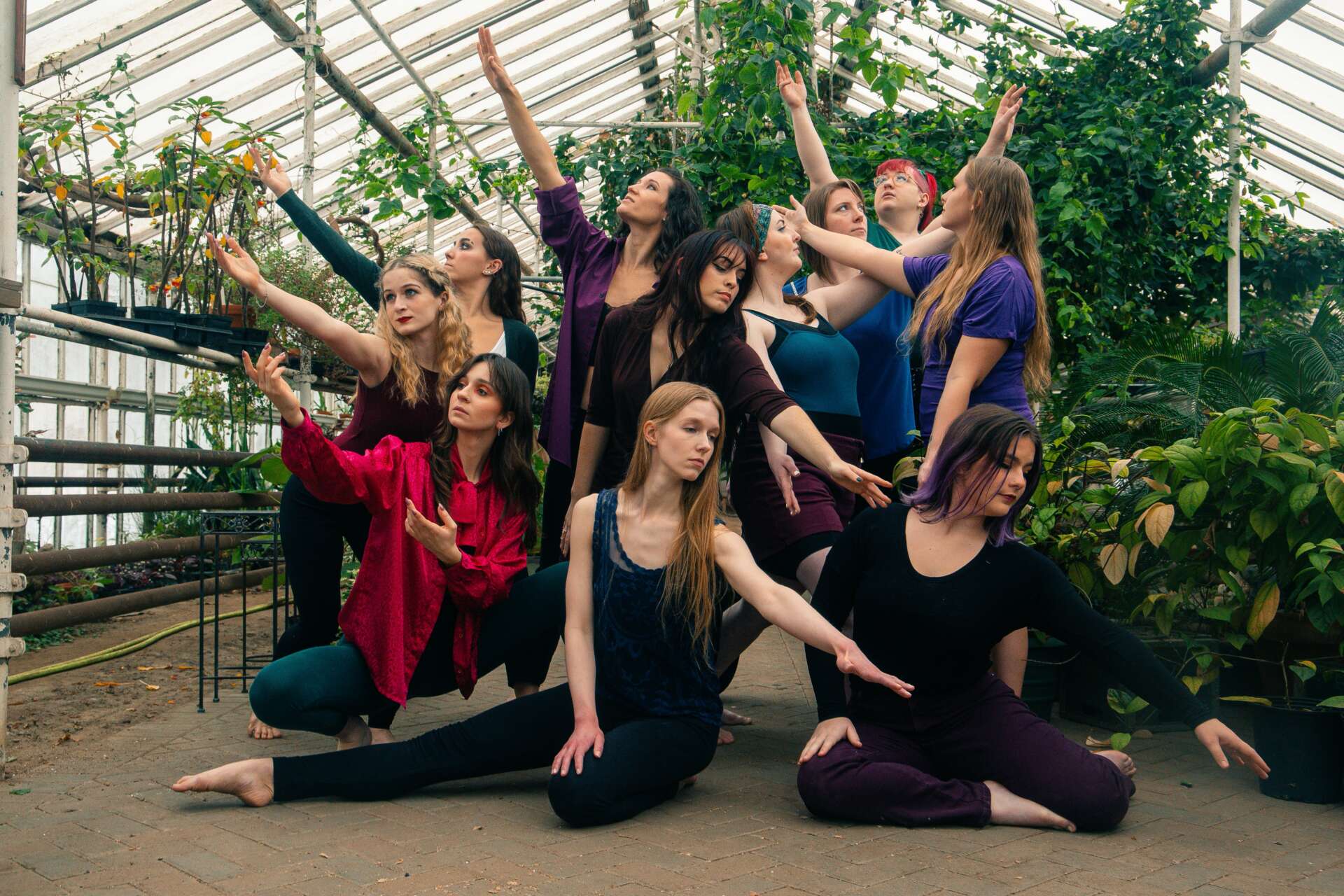
Contact Info:
- Website: www.danceuprising.com
- Instagram: @DanceUprising
- Facebook: facebook.com/danceuprisingannarbor
Image Credits
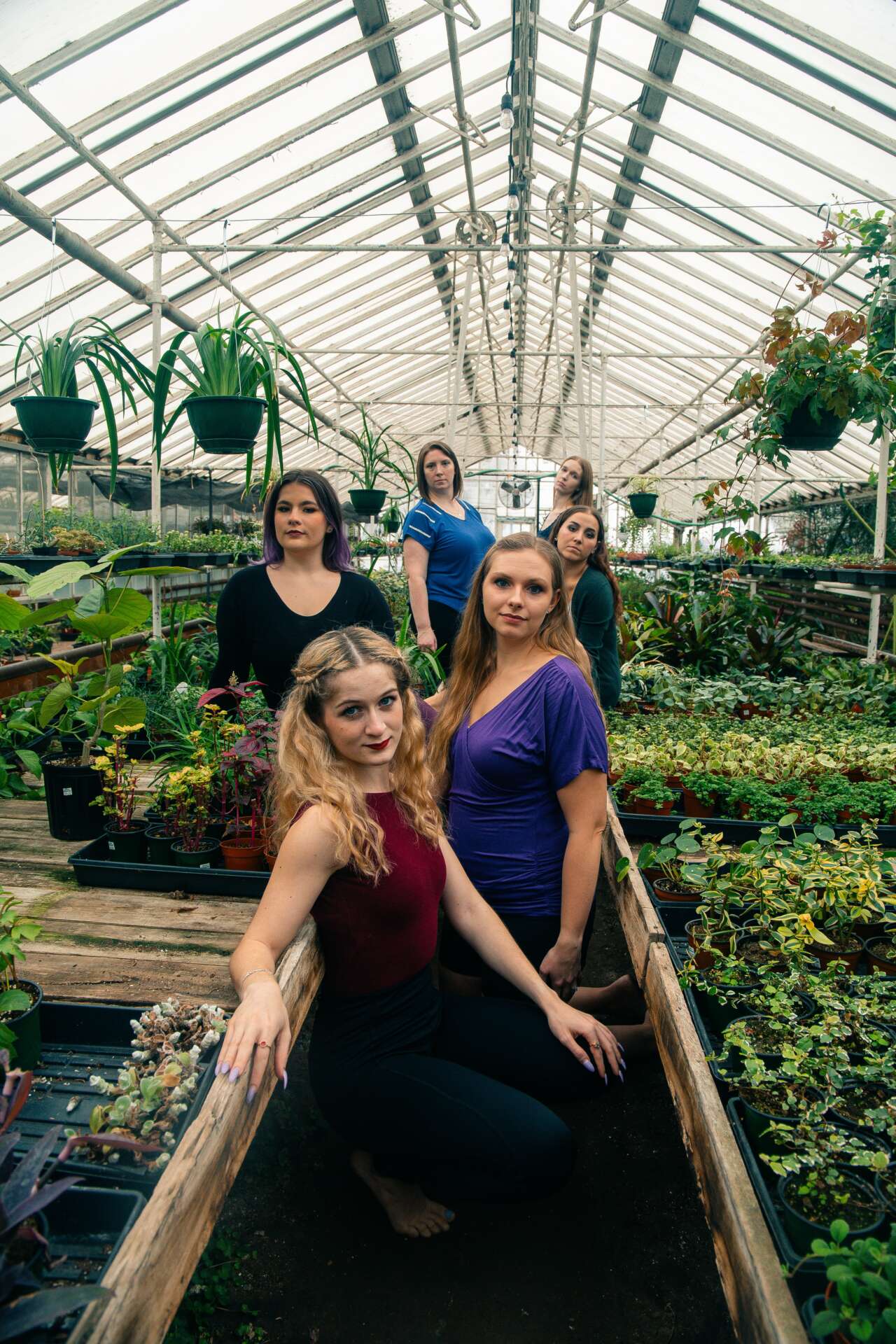
Kirk Donaldson: performance photos Nicole Lockhart: greenhouse photos