

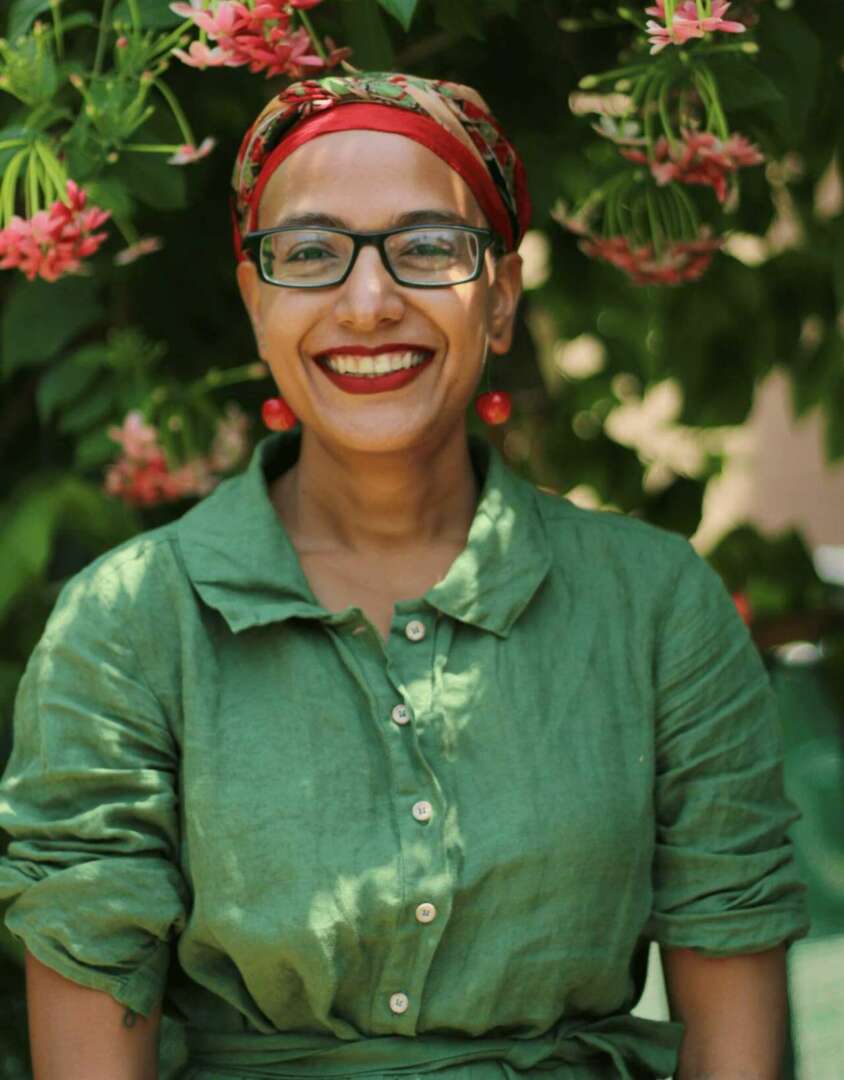

Alright – so today we’ve got the honor of introducing you to Amita Basu. We think you’ll enjoy our conversation, we’ve shared it below.
Amita, looking forward to hearing all of your stories today. How did you learn to do what you do? Knowing what you know now, what could you have done to speed up your learning process? What skills do you think were most essential? What obstacles stood in the way of learning more?
I’ve learned to write primarily from studying stories, mostly in the form of novels and films, and more recently short stories. I’ve always been an avid reader, but some years ago I realised I’ve forgotten much of what I’ve read. So then I began making excerpts, taking notes, and, most usefully, making time to reflect on everything I read. I evaluate whether I liked something, whether a story engaged and rewarded me, and then I dive into aspects like structure, depth of characterisation, and originality of insight. Doing this explicit analysis — as well as reading more mindfully, trying to be present, so that more of the story and its mechanics can seep into me — have helped me get more out of what I read, and thus to improve my own craft as a writer.
The major mistakes I made in my learning path were (a) to focus exclusively on the long form for the first three decades of my life, and (b) to write in isolation. A few years ago I switched to writing shortform — and actually submitting pieces to magazines; I also began developing a network of fellow writers. Joining a critique group and finding one-to-one critique partners have been the two most helpful tools in my progress.
Writing fiction requires many skills. The only gifts I naturally had were for language and mood. Everything else I’ve had to learn through extensive practice. I still struggle with structure and succinctness. I tend to favour linear narratives. In some cases, a nonlinear narrative is demanded by the content of the story; but, often, experimental narrative structures are gratuitous, or exist only to dress up a weak story. So I’m wary, but I’m also aware that a clever narrative structure can also help to make a good story great.
I’m extremely introverted and neurotic, but I write about people, so that’s been a handicap. On the other hand, I’m very persevering, and I also absorb whatever style I’m currently reading; these traits have been helpful in my journey as a writer. I’ve been trying to be more openminded in what I read. Book recommendations from three critique partners, who have become close friends, has helped me enormously in this regard.
Awesome – so before we get into the rest of our questions, can you briefly introduce yourself to our readers.
I write mostly literary realist fiction. I’ve been writing ever since I could hold a crayon. I can’t remember a time in my life without books. Before I knew my name, I knew I wanted to be involved in making books.
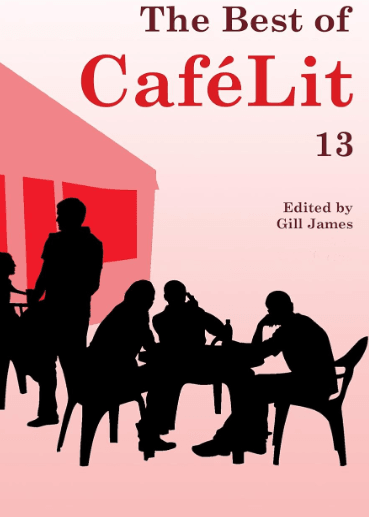
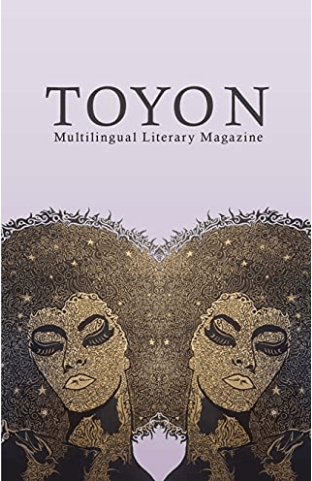
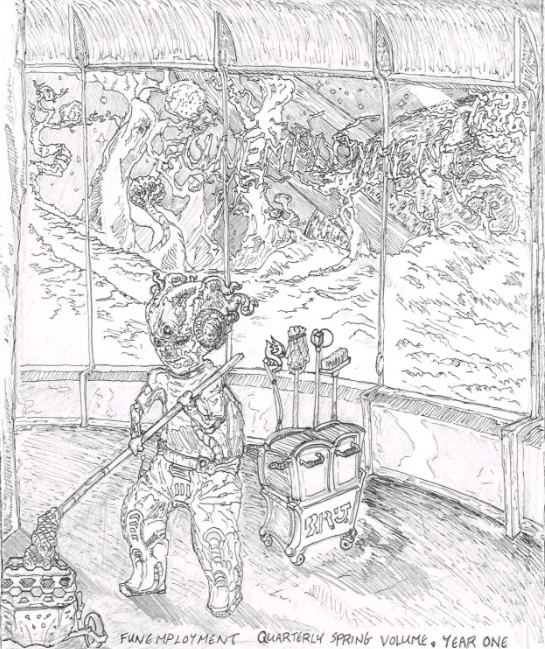
After spending my teens and 20s drafting several half-finished novels, I began writing short fiction. In the last few years, I’ve published stories — erverything from microfction to novellas — in about seventy literarr magazines and anthologies. I’ve become fond of the short form and am reluctant to undertake the risks and commitments of the long form, even though the agents I approached with my collection have told me the longform sells better. But a few of my unfinished novels continue to haunt me, so I think it’s largely a matetr of time before I buckle down and return to work on one of them. My portfolio of published works is at https://amitabasu.com/portfolio
I work in sustainable behaviour. I’m a research fellow at Transitions Research: https://transitionsresearch.org/about/
Are there any resources you wish you knew about earlier in your creative journey?
Critique groups and critique partners. Just going out and meeting other writers. For actionable feedback on my writing, for book recommendations, and for a social circle of peers — meeting other writers has been the most rewarding as well as practically useful part of my writing journey. As an introvert and misanthrope, I’m surprised to find myself saying this.
What do you think is the goal or mission that drives your creative journey?
Fiction plays a large role in shaping our perceptions, attitudes, and values. Great fiction helps us to see the world more closely, to deepen our empathies, and to widen our worldviews. Writing is often hard and the rewards of publishing are paltry. I frequently lose faith in myself. The one thing that keeps bringing me back to writing is the hope that, through my writing, I can deepen my own understanding of reality, the scope of my own empathies, the soundness of my own hope for the future — and, maybe, somebody else’s.
Contact Info:
- Website: https://amitabasu.com/
- Instagram: https://www.instagram.com/amita_the_basu/
- Facebook: https://www.facebook.com/amita.basu.167/
- Linkedin: https://www.linkedin.com/in/amita-basu-474b7b187/
- Twitter: https://x.com/Amita_the_Basu
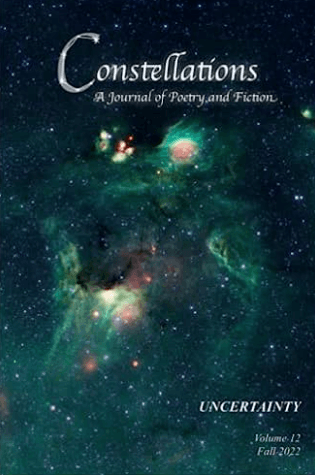
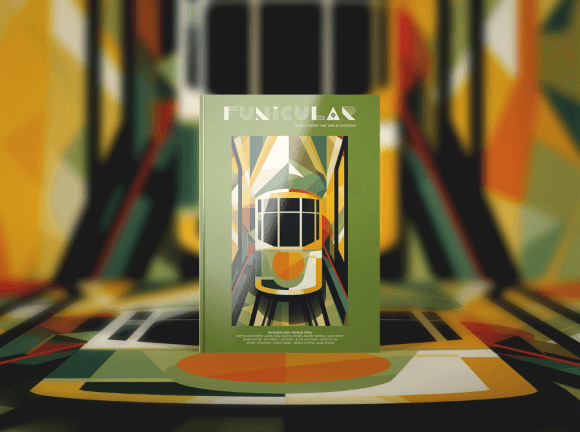
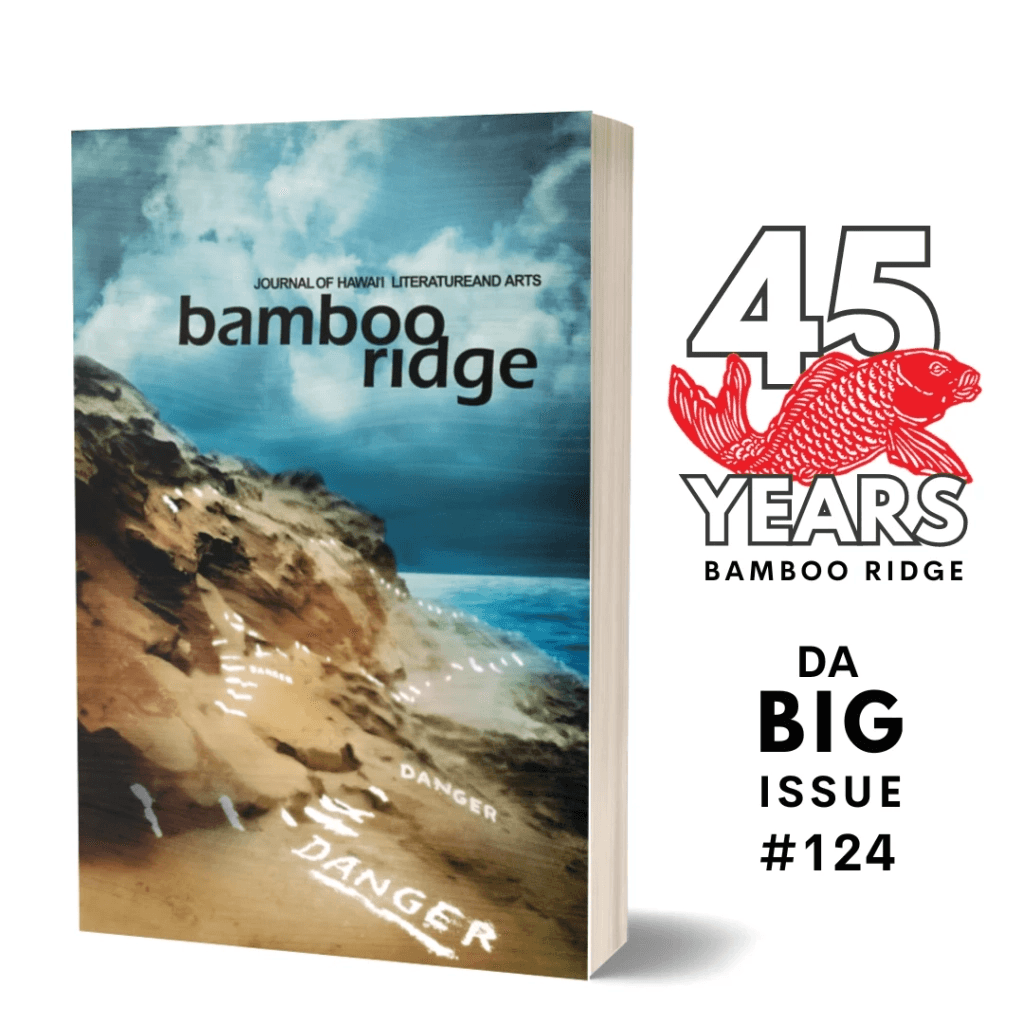
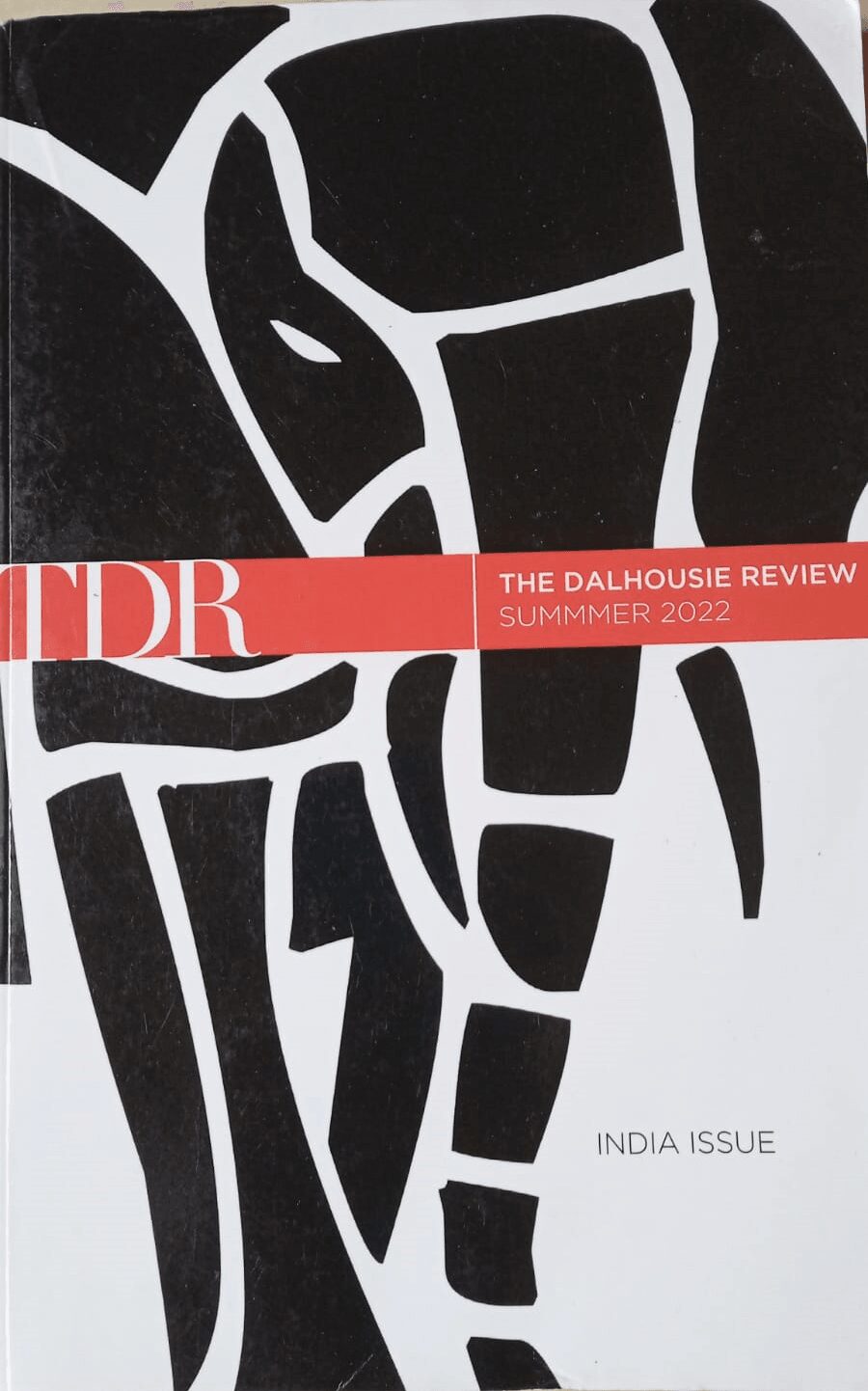
Image Credits
Cafe Lit; Constellations; Toyon; Funemployment Press; Funicular; Bamboo Ridge; The Dalhousie Review