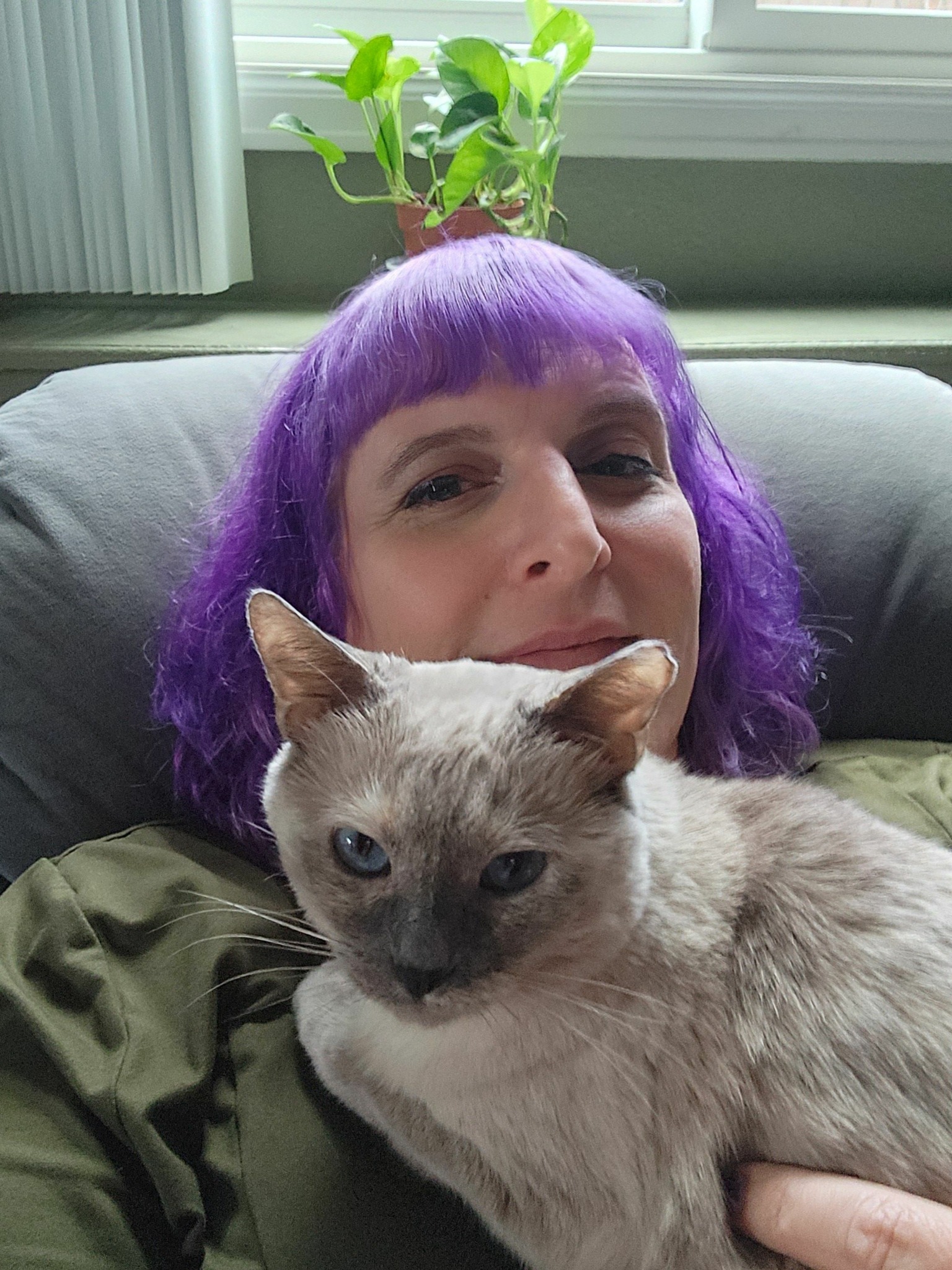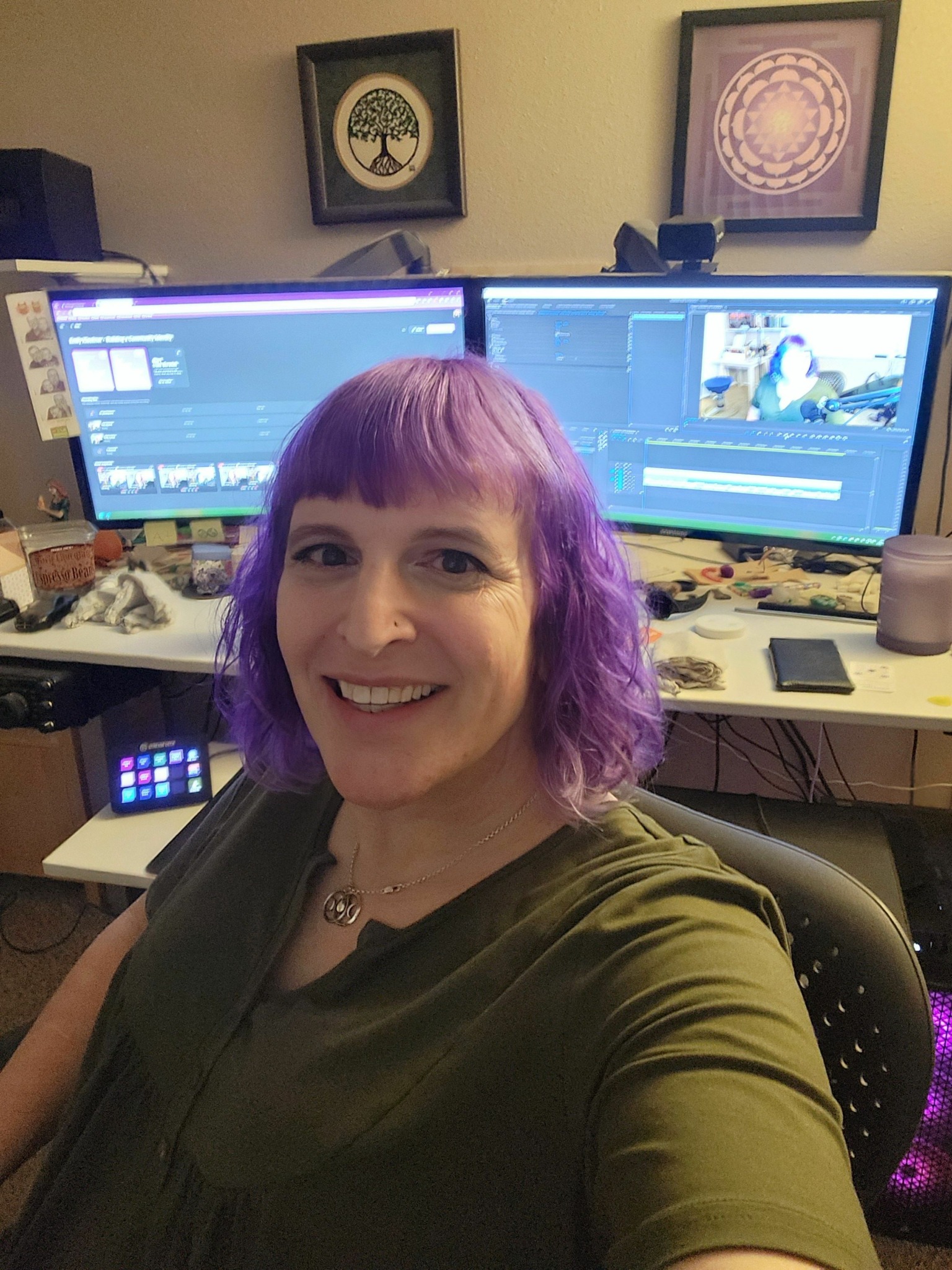

Alright – so today we’ve got the honor of introducing you to Amethysta Herrick. We think you’ll enjoy our conversation, we’ve shared it below.
Amethysta, thanks for joining us, excited to have you contributing your stories and insights. One of our favorite things to hear about is stories around the nicest thing someone has done for someone else – what’s the nicest thing someone has ever done for you?
Mental health has never been my strong suit. All my life, depression plagued me, and I heard several distinct voices in my head. I never thought anything of it – certainly everybody hears voices that tell them what to do…right?
In graduate school, I began dissociating badly enough I had friends who would forgive my poor behavior if I couldn’t remember it. On several occasions, when asked if I had a good weekend, I could honestly answer I didn’t know.
But despite eyewitness reports, psychologists and psychiatrists struggled to believe I experienced the symptoms I described. People who experience what I claimed don’t make it to graduate school, let alone complete it.
As a result, I continued to deteriorate until my partner and I moved in together as she attended graduate school in Upstate New York. One night – during a particularly tumultuous episode – I turned a butcher knife on myself and my partner called the cops on me.
Writing it now, it sounds silly to consider being picked up by the cops the kindest thing anyone ever did for me. It seemed to take another person’s fear for my well-being (and hers) before the medical industry noticed me. But having been noticed, I finally received mental health care.
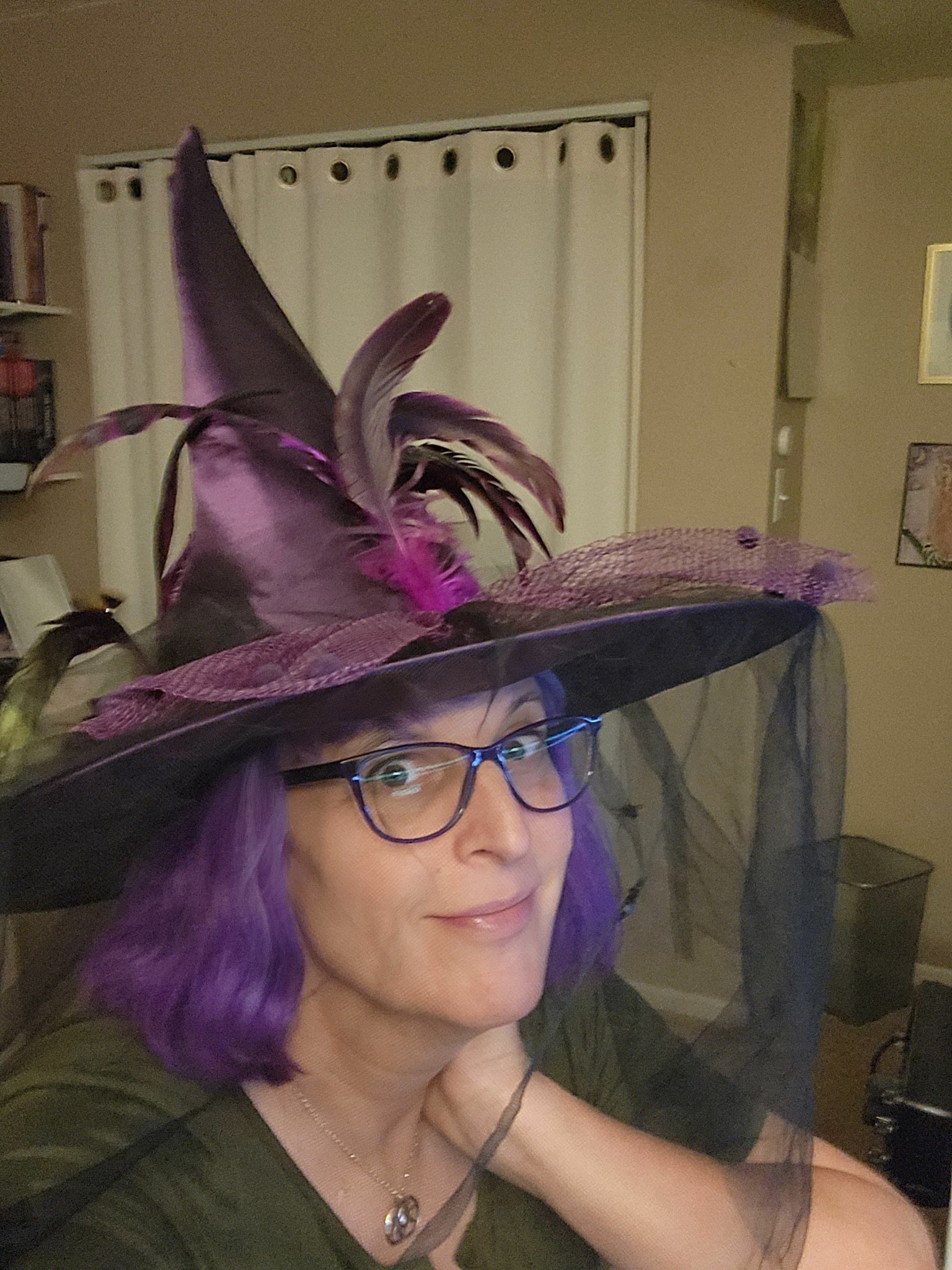
As always, we appreciate you sharing your insights and we’ve got a few more questions for you, but before we get to all of that can you take a minute to introduce yourself and give our readers some of your back background and context?
The voices in my head I mentioned above were symptoms of chronic gender dysphoria manifesting as psychotic episodes. It may seem difficult to believe gender dysphoria could cause psychotic symptoms, but mental health statistics for the transgender community are startlingly grim.
No modality of psychotherapy alleviates the pain of gender dysphoria indefinitely. No psychotropic drug effectively addresses daily dysfunction from gender dysphoria. But one change shows significant improvement in the lives and mental health of greater than 95% in the transgender community: transitioning gender.
Because I struggled badly with mental health, I understand how the transgender community requires adequate gender-affirming care. Today, I am a content creator and gender coach – helping people accept themselves, then plan and execute a change in their gender presentation.
My content includes written articles about the origin and nature of identity and gender, podcasts with experts on developing and expressing ourselves, and filming educational videos about the science of gender. When clients are ready, we schedule one-on-one meetings to determine goals and set forth a plan to achieve them.
My background is science and technology, but nothing has been more rewarding in my career than seeing the eyes of a transgender person light up as they take their first steps toward a future of authenticity after a lifetime of feeling wrong.
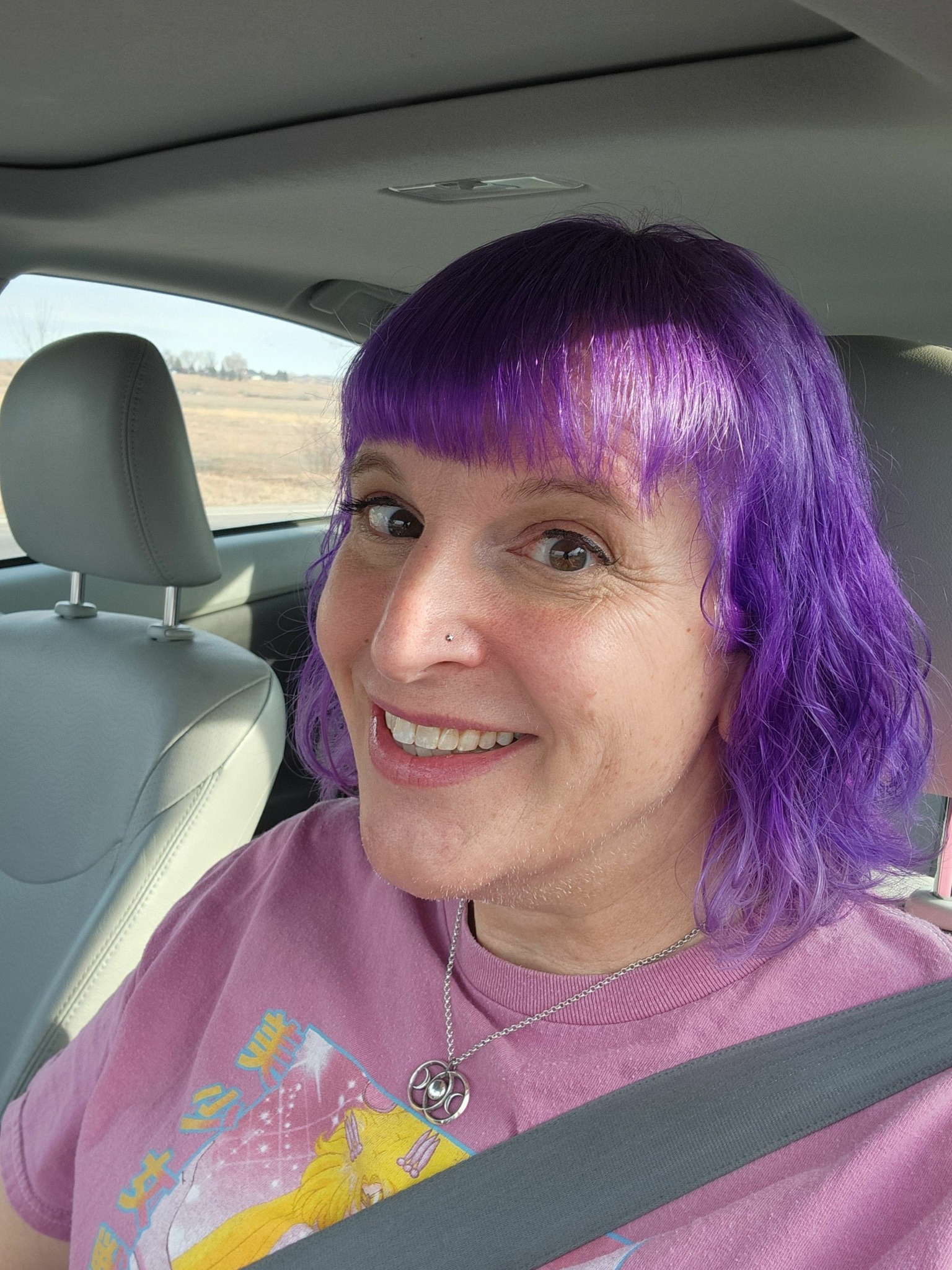
Any stories or insights that might help us understand how you’ve built such a strong reputation?
I am a transgender woman myself, and I documented my struggles during transition – both social and medical – first to remind me of where I had been. My transition story has been public almost from the first estrogen patch, and I have never tried to be more than I am.
But I found my story resonated with many transgender women, and I quickly realized my issues were not those of the transgender community, but of the greater human community. I am always willing to answer an honest question – one of my trademarks is being that one transgender woman who will listen to a question and answer without getting angry.
In short, authenticity built my reputation. I have no point to prove, no concern about ignorance, no disdain for those who disagree. I know I speak about humanity, and I will tell almost any story in order to illustrate the commonality we all share.
What’s a lesson you had to unlearn and what’s the backstory?
A very common feature of the transgender community is an entrenched sense of transphobia. Whether due to envy or hate and discrimination conditioned into us by our social environment, we typically view other transgender people very critically.
When I finally began gender transition, I realized my own entrenched transphobia, which has proved a difficult problem to solve! As a gender coach, I must work with my community, and I’ve put much effort into learning to meet people where they are, not where I hope they’d be.
Contact Info:
- Website: https://amethysta.io
- Instagram: https://www.instagram.com/amethystaherrick/
- Facebook: https://www.facebook.com/amethystaherrickphd
- Linkedin: https://www.linkedin.com/in/amethysta/
- Youtube: https://www.youtube.com/@amethystaherrick
- Other: https://genderidentitytoday.com