

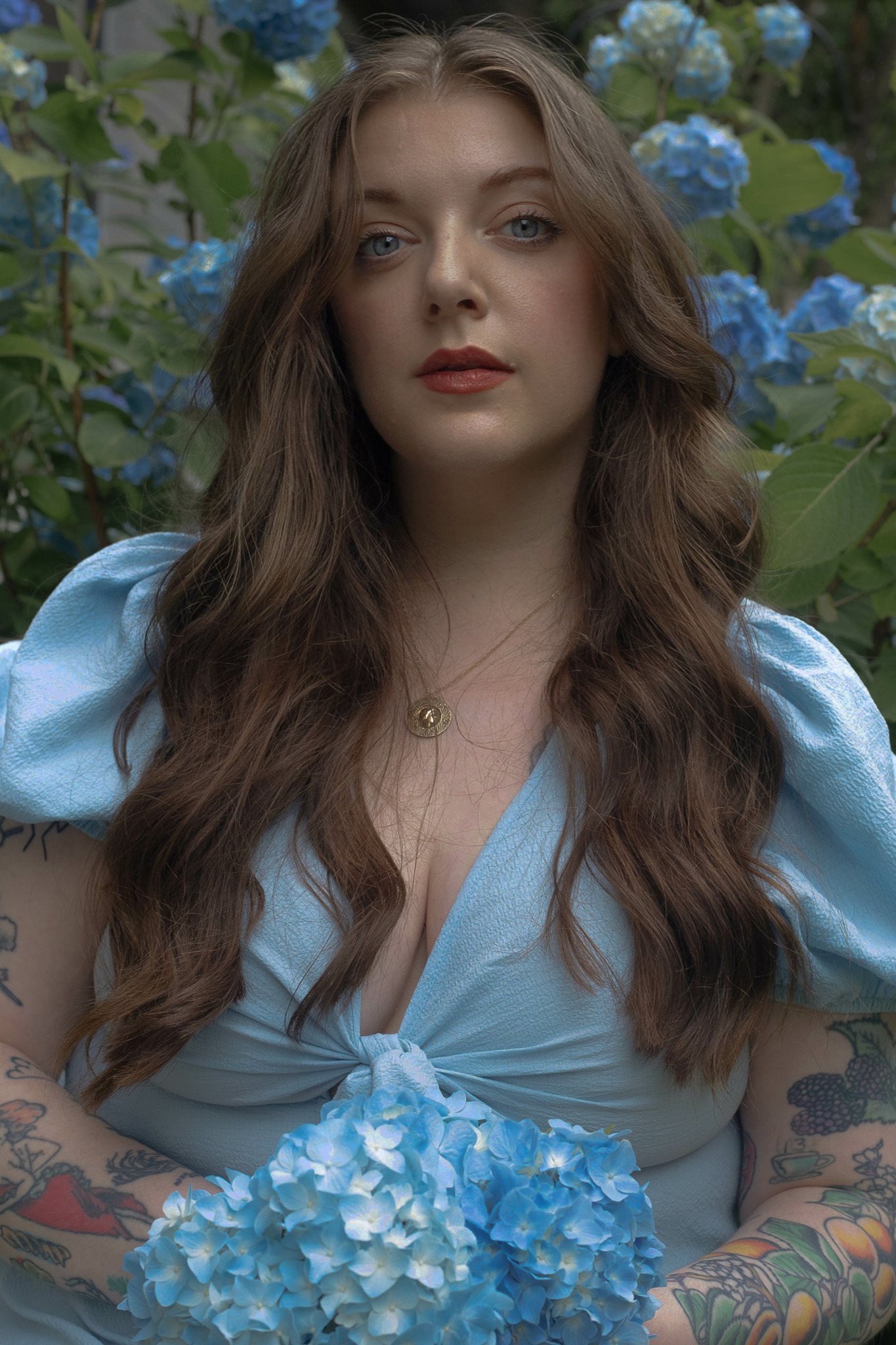

We’re excited to introduce you to the always interesting and insightful Amber Lane Roberts. We hope you’ll enjoy our conversation with Amber Lane below.
Amber Lane, thanks for taking the time to share your stories with us today We’d love to hear the story of how you went from this being just an idea to making it into something real.
I didn’t start with a plan — I just had an idea I couldn’t let go of. I’ve been taking photos for most of my life — back in the days of extra rolls of film in your pocket. I started shooting for fun around 2009, just following what felt good creatively. But it wasn’t until 2017 that I really took a chance on myself. I let go of the safety jobs and went full-time with boudoir.
At the time, there was nothing like it around here. I didn’t know anyone else offering sessions like this in my area, and I definitely didn’t have a studio or a big budget. I started in the back bedroom of my rental house, using what I had. I asked a few people I trusted if they’d let me photograph them. I tested light through different windows, thrifted props, and slowly started building a portfolio.
From there, I got a basic website up, set up social media, and started piecing together the behind-the-scenes parts of running a business — figuring out pricing, learning how to onboard clients, refining my editing, all of it. It was a slow build, but it felt right.
From the start, I knew I didn’t want a plug-and-play experience where every session looked the same. I talk with my clients before they ever come in — over the phone or through email — and I really get to know them. I ask what they do in their free time, what they daydream about, how they want to feel in their images — soft, powerful, seductive — and I make sure that’s what gets reflected back to them.
Boudoir is such a mental game. People think they’re coming in for “pretty pictures,” but what they leave with is so much more. It’s “Here’s the version of you the world sees — and now you see her, too.” I’ve worked with hundreds of clients since 2017, and no two sessions have ever been the same. That’s the point.
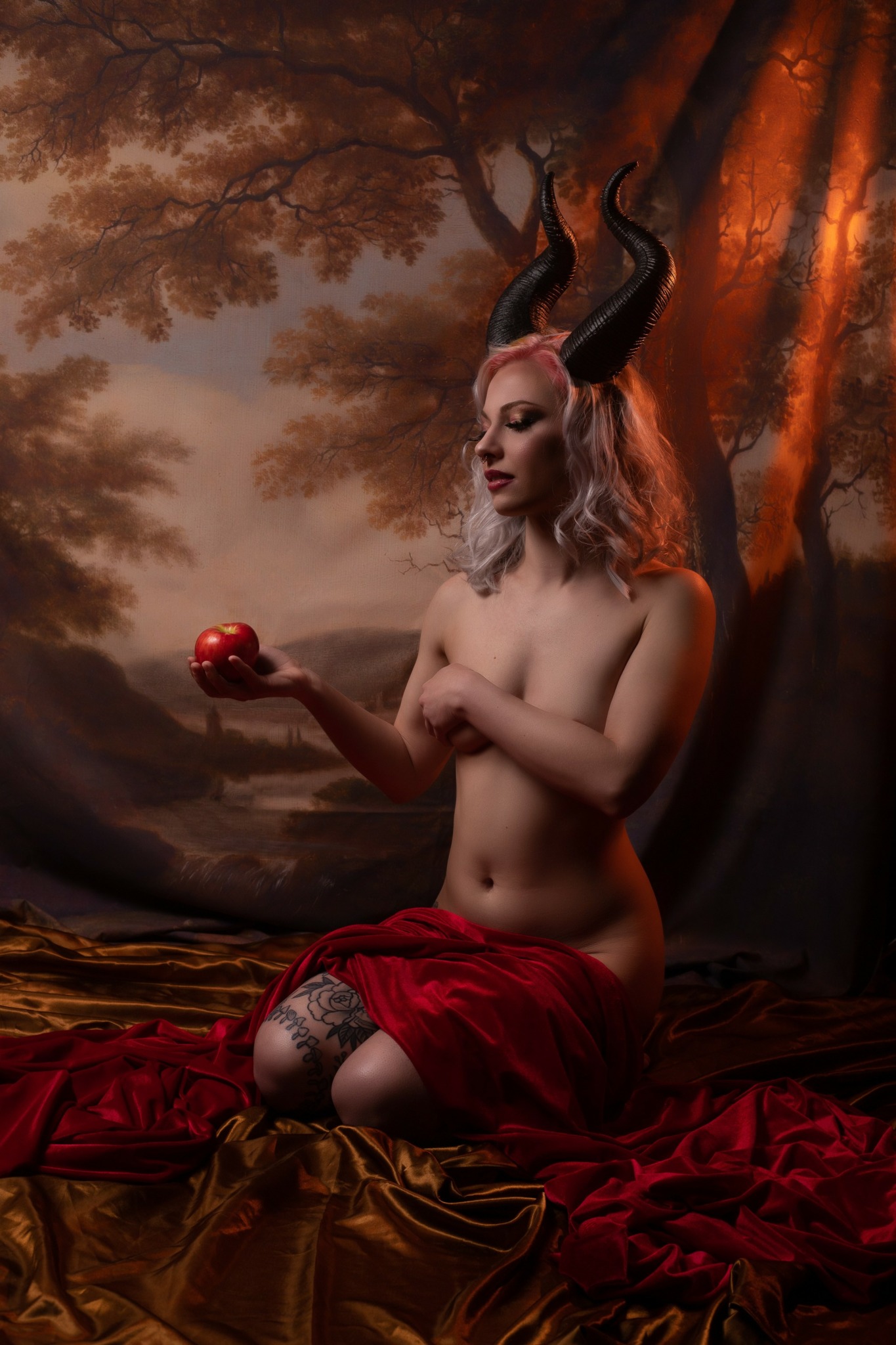
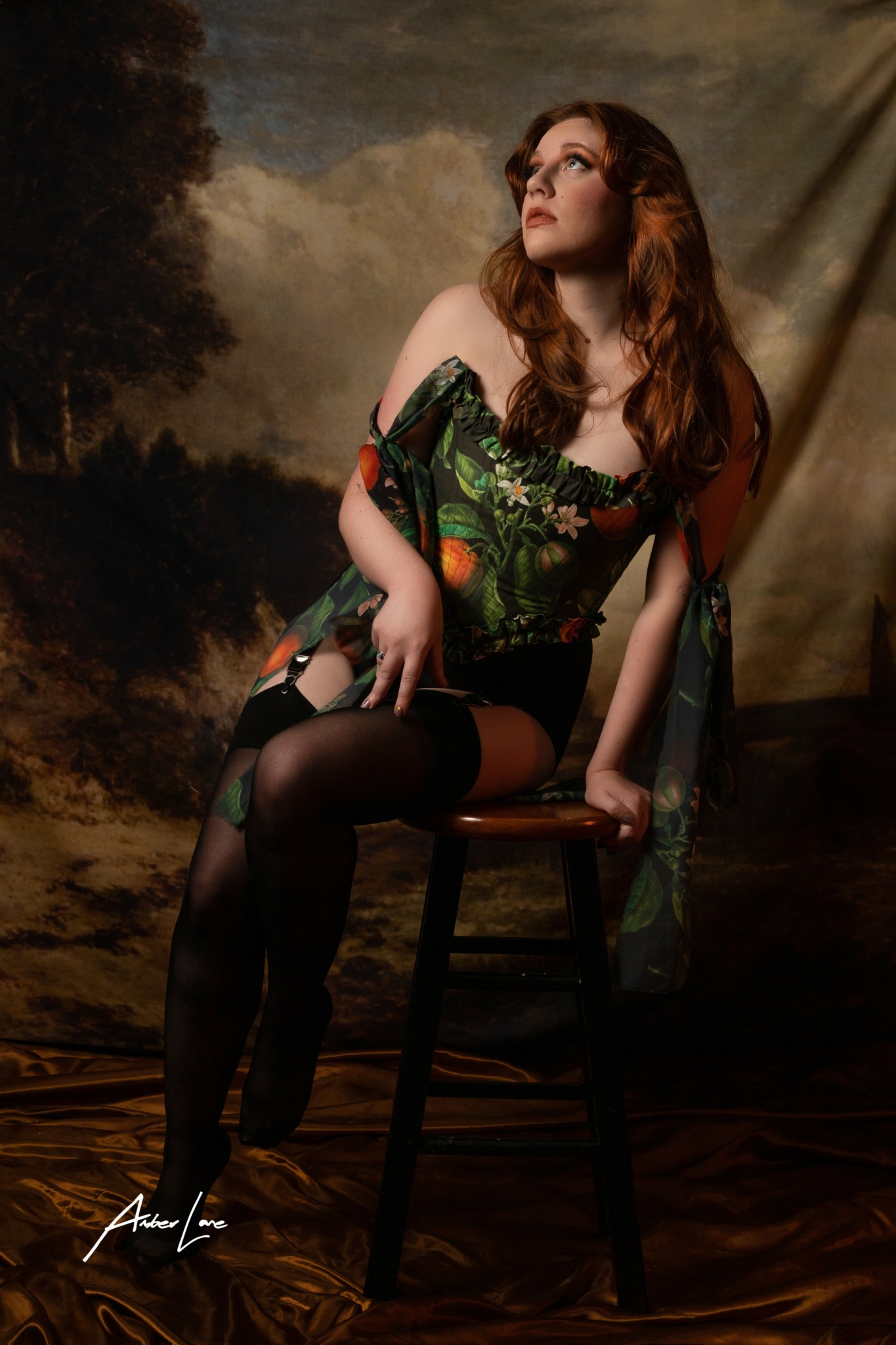
I take a lot of inspiration from art, especially old master paintings: the use of light, softness, stillness, story. Once I get a vision in my head, I’ll work at it until I get it just right, then do everything I can to help more people see themselves as that kind of art.
Since I started, I’ve grown through several spaces. Starting in that back bedroom to a tiny downtown nook, then to a beautiful loft, and now to my 1931 Tudor Revival home, which is by far my favorite and most inspiring space yet. It’s versatile, filled with light, and it finally feels like the work and the space are in sync.
Starting this business wasn’t one big leap — it was a hundred little steps, all rooted in the same thing: helping people feel seen, comfortable, and powerful in their own skin.
Awesome – so before we get into the rest of our questions, can you briefly introduce yourself to our readers.
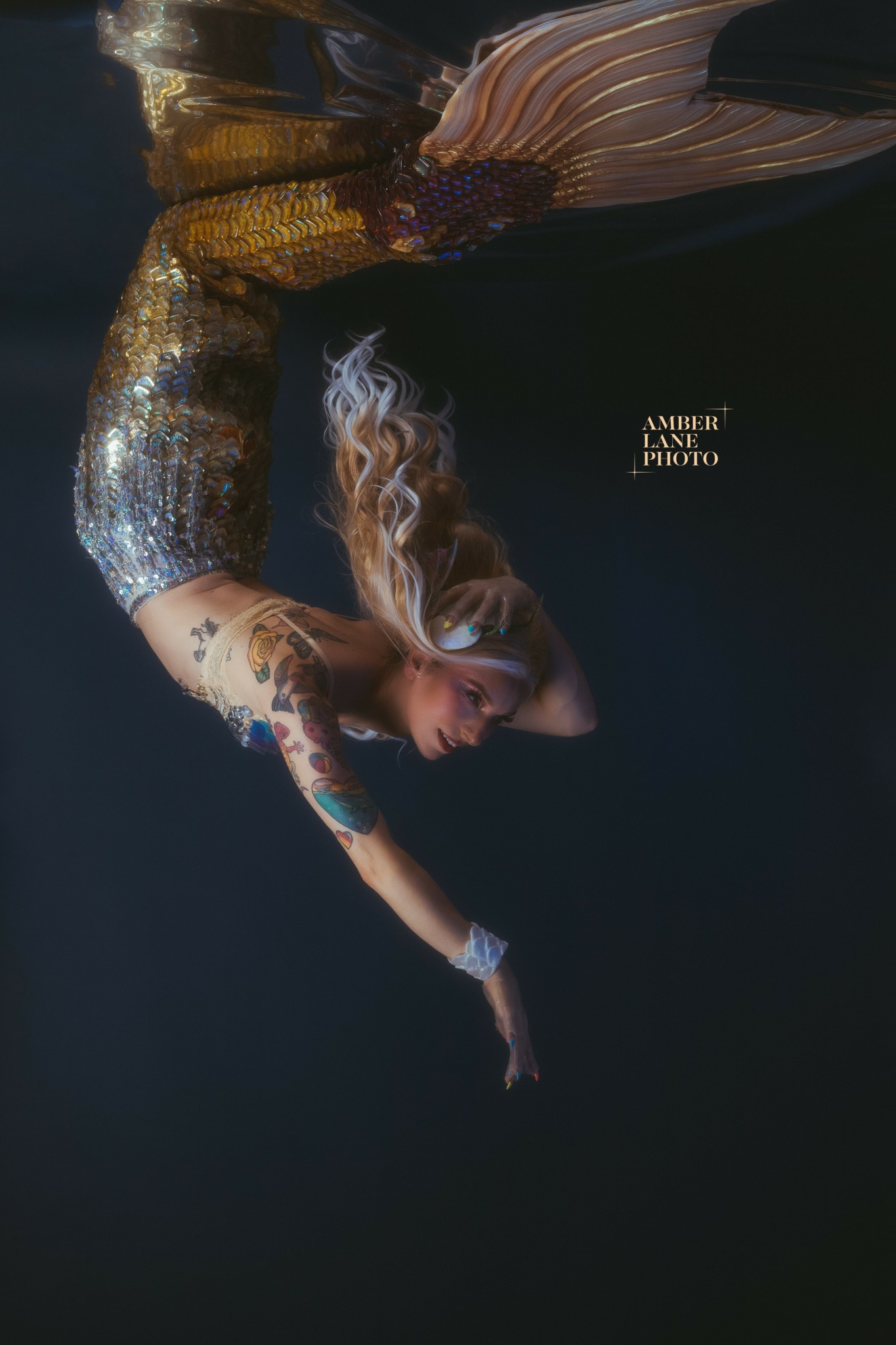
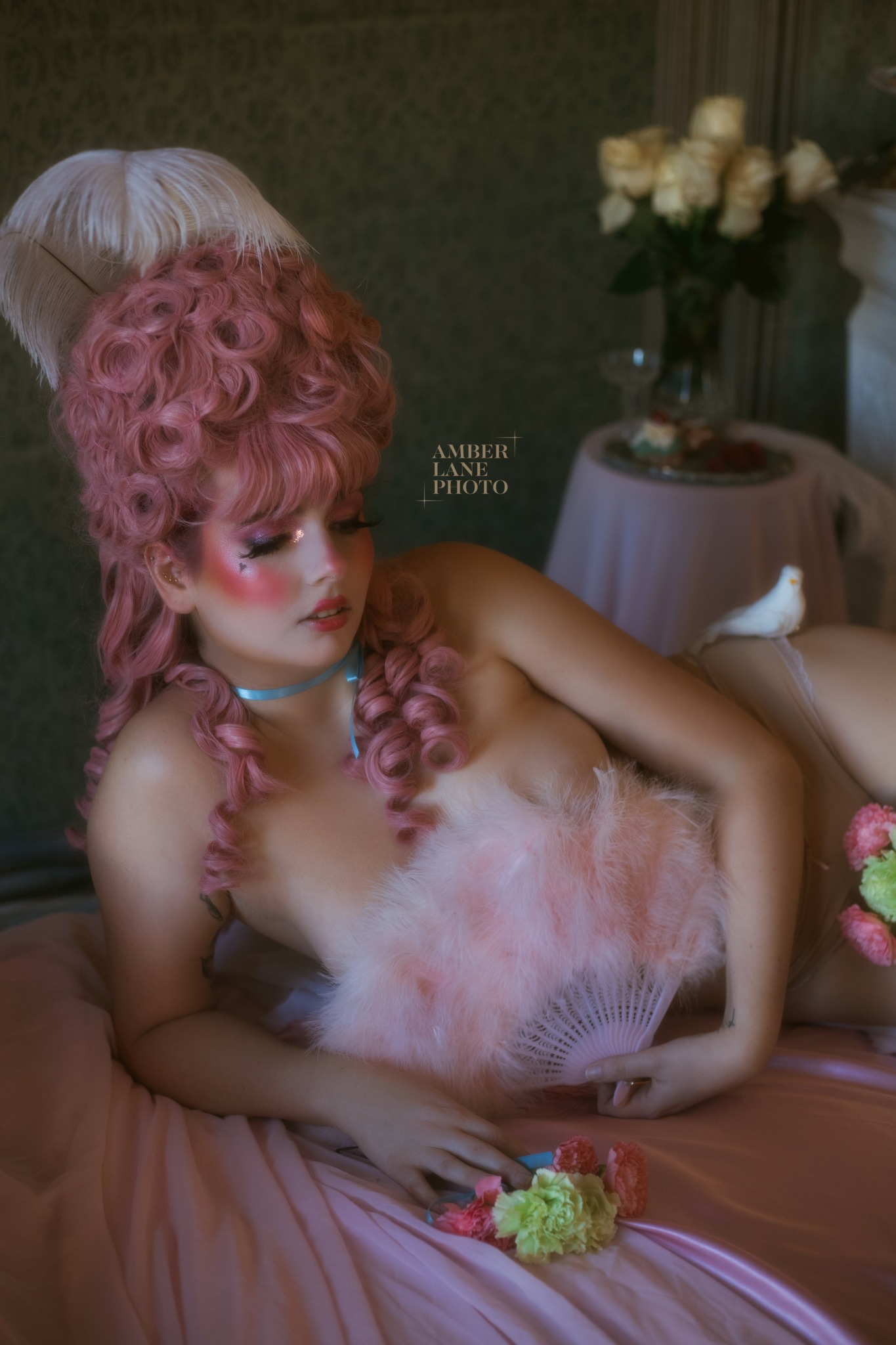
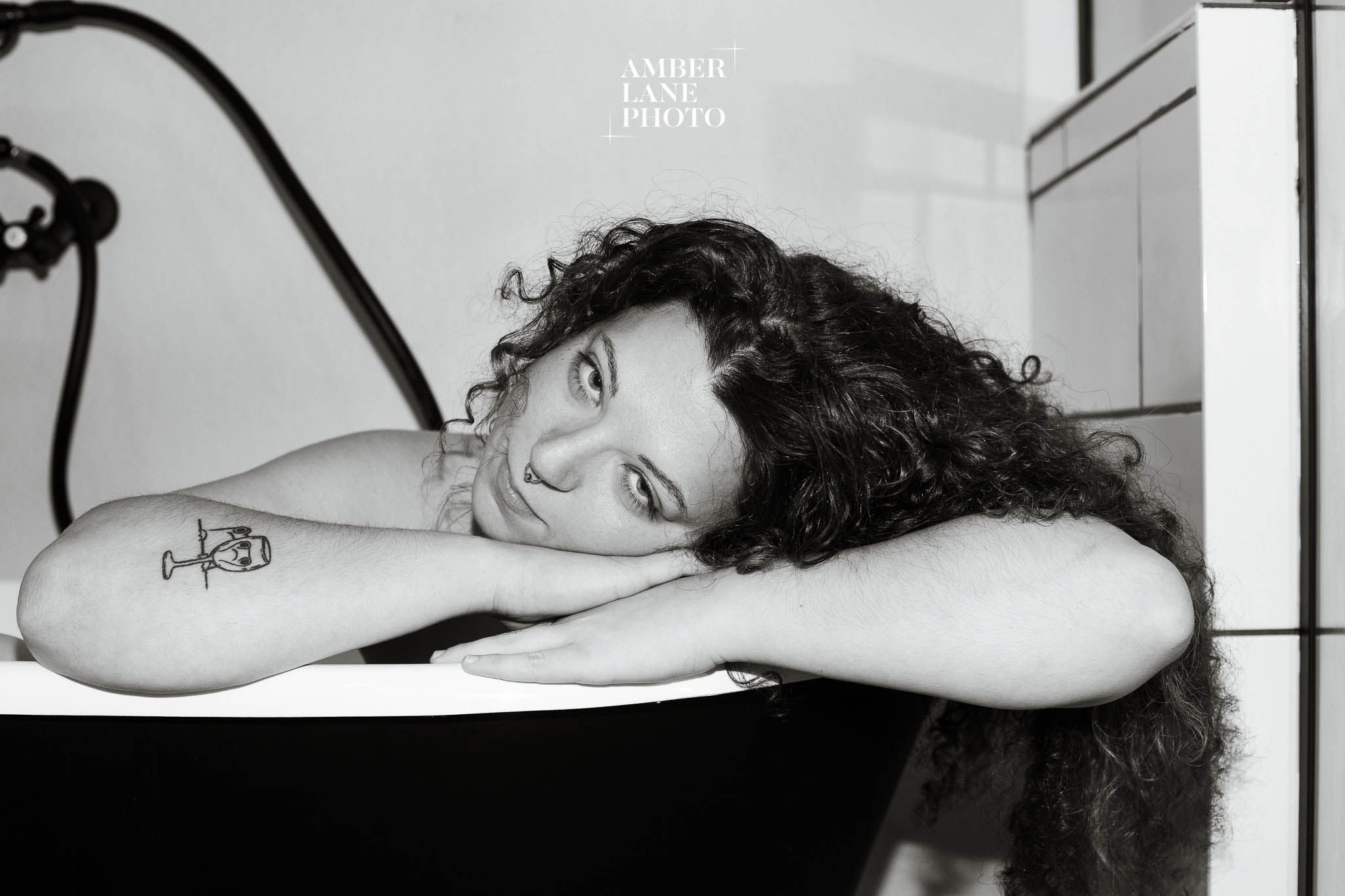
I’m Amber, and my work centers around helping people feel seen. I’m a photographer, but more specifically, I guide people through intimate portrait sessions that reflect back something deeper than a pretty image — I want you to see yourself with clarity, softness, power, or whatever truth you’ve maybe forgotten how to recognize in yourself.
Most of my sessions are one-on-one and deeply personal, often in my natural light studio inside a 1931 Tudor Revival home. I work primarily with women, and I offer full portrait experiences — from boudoir to branding to quiet lifestyle imagery — that are designed around you, not a pre-set mold. My work is rooted in listening first. I don’t approach people with a formula — I approach them with curiosity.
What I offer isn’t just a shoot — it’s a collaboration. It’s part conversation, part intuition, part art direction. I help clients step into a version of themselves they might not fully recognize yet but have always carried inside. That process looks different for everyone, which is why no two sessions I shoot are ever the same.
I think what sets my work apart is that I care just as much about how someone feels in the room as how they look in the frame. I don’t believe in pressure or performative confidence. I believe in creating a space where people are allowed to ease into it. The most meaningful feedback I get is when people tell me they felt comfortable — like they could breathe and just be.
I’m most proud of the relationships I’ve built through this work. Some of my clients come back again and again, not because they need new headshots or more content, but because they want to reconnect with themselves in a new season. That feels like the biggest compliment.
If someone’s just discovering me or my work, I’d want them to know that they don’t have to “be ready” — they just have to be open. I’ll take care of the rest.
Is there something you think non-creatives will struggle to understand about your journey as a creative? Maybe you can provide some insight – you never know who might benefit from the enlightenment.
Honestly? A lot of people don’t realize just how much emotional labor goes into creative work — especially the kind I do.
I’m a photographer, but my job isn’t just taking photos. It’s holding space. It’s guiding people through a vulnerable experience, reading the room constantly, adjusting tone and energy to meet them where they are. It’s listening between the lines to figure out what they’re actually asking for when they say, “I just want to feel pretty.”
There’s so much invisible prep involved. You don’t just show up and point a camera. You show up ready — emotionally, mentally, creatively. And when your art is tied to your livelihood, there’s this added layer of pressure that’s hard to explain. You’re constantly straddling the line between art and commerce, intuition and structure. You have to protect the magic, but also package it. That’s a weird space to live in every day.
And most of us don’t clock out. Even when we’re “off,” our minds are running with ideas, edits, client concerns, or just trying to keep the creative well from drying up. It’s a deeply personal kind of work — and I don’t think people always understand the toll that can take, or the intentional rest it requires to sustain it long-term.
Any stories or insights that might help us understand how you’ve built such a strong reputation?
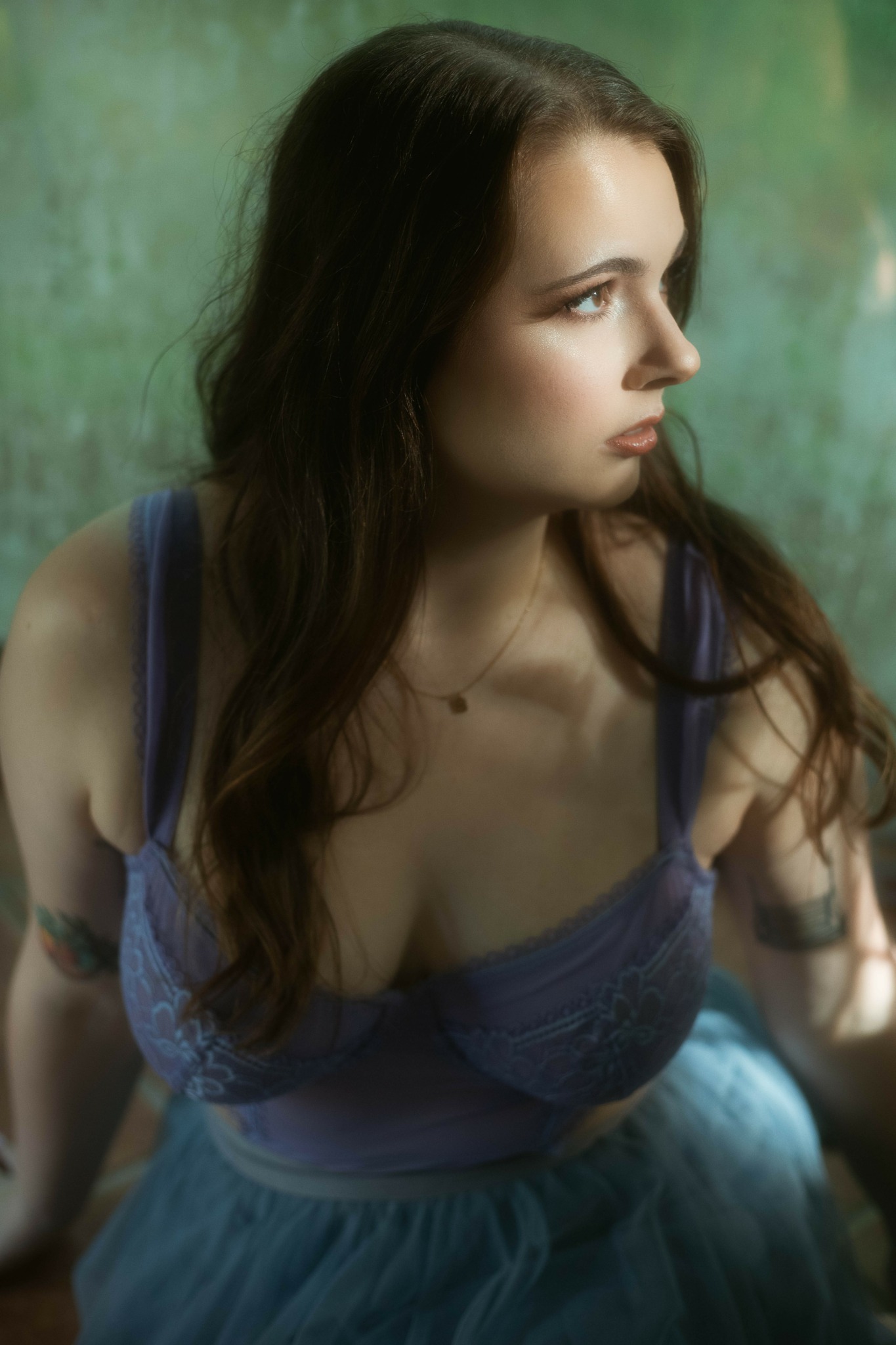
I think it’s the fact that I treat people like people — not bookings, not content, not numbers. I don’t offer some one-size-fits-all package where you show up, pose a few ways, and leave with the same gallery everyone else got. I care about who someone is, how they want to feel, and how I can help them see themselves in a way that feels true.
Clients can tell when you’re paying attention. They can feel when something was created for them instead of just done to them. I listen, I remember details, I take my time. And I think people really respond to that, especially in a world that’s so rushed and surface-level.
I also don’t rely on trends. My work has shifted and grown over the years, but it’s always stayed rooted in emotion, softness, and a little timelessness. I’d rather create images that feel like someone’s favorite self, not just whatever is popular that month.
A lot of my growth has come from word of mouth and returning clients — people referring me because they felt safe and seen in a way that surprised them. That kind of reputation is slow to build, but really hard to shake — and that’s exactly how I like it.
Contact Info:
- Website: https://www.amberlane.us
- Instagram: @AmberLanePortrait
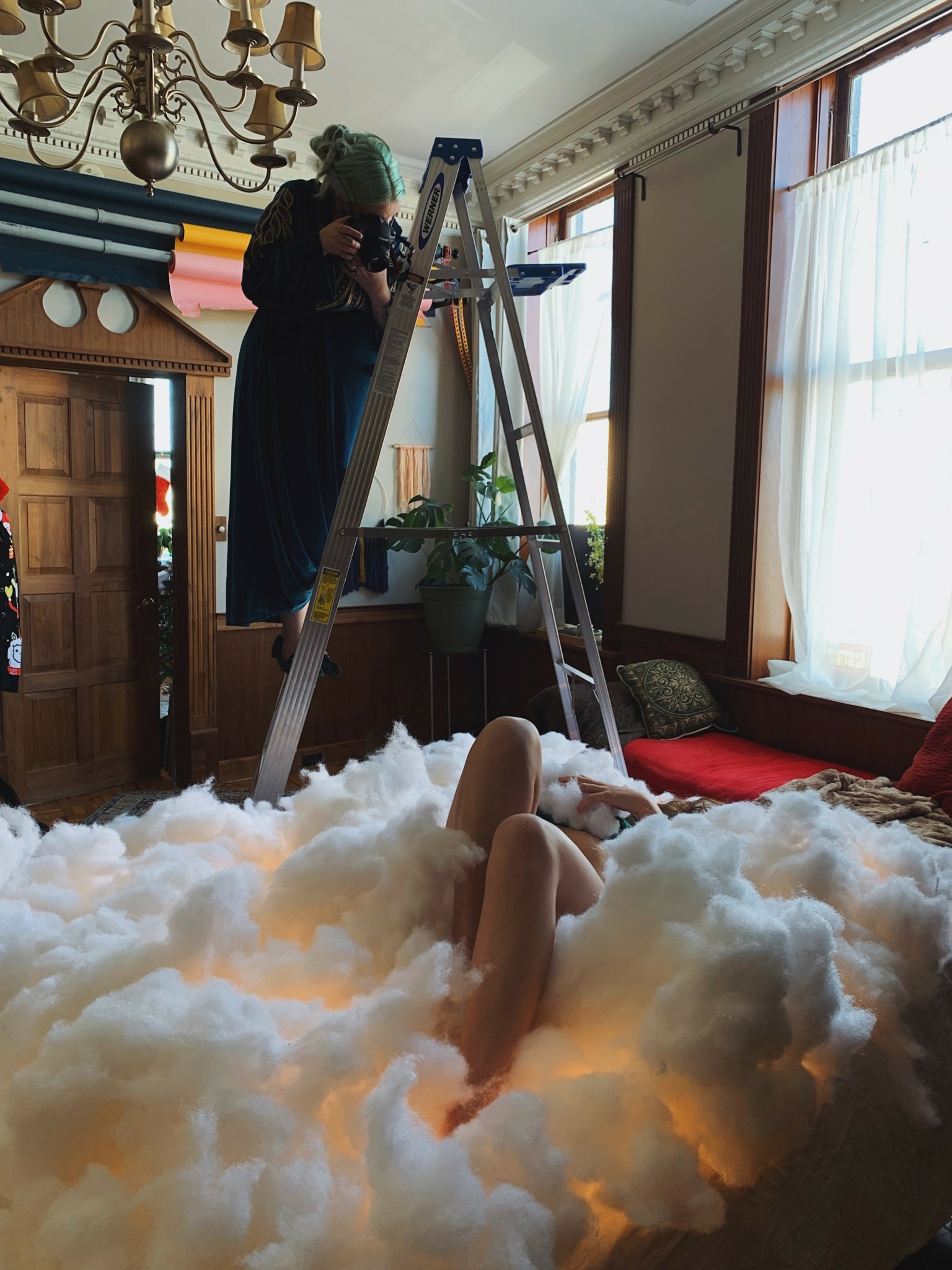
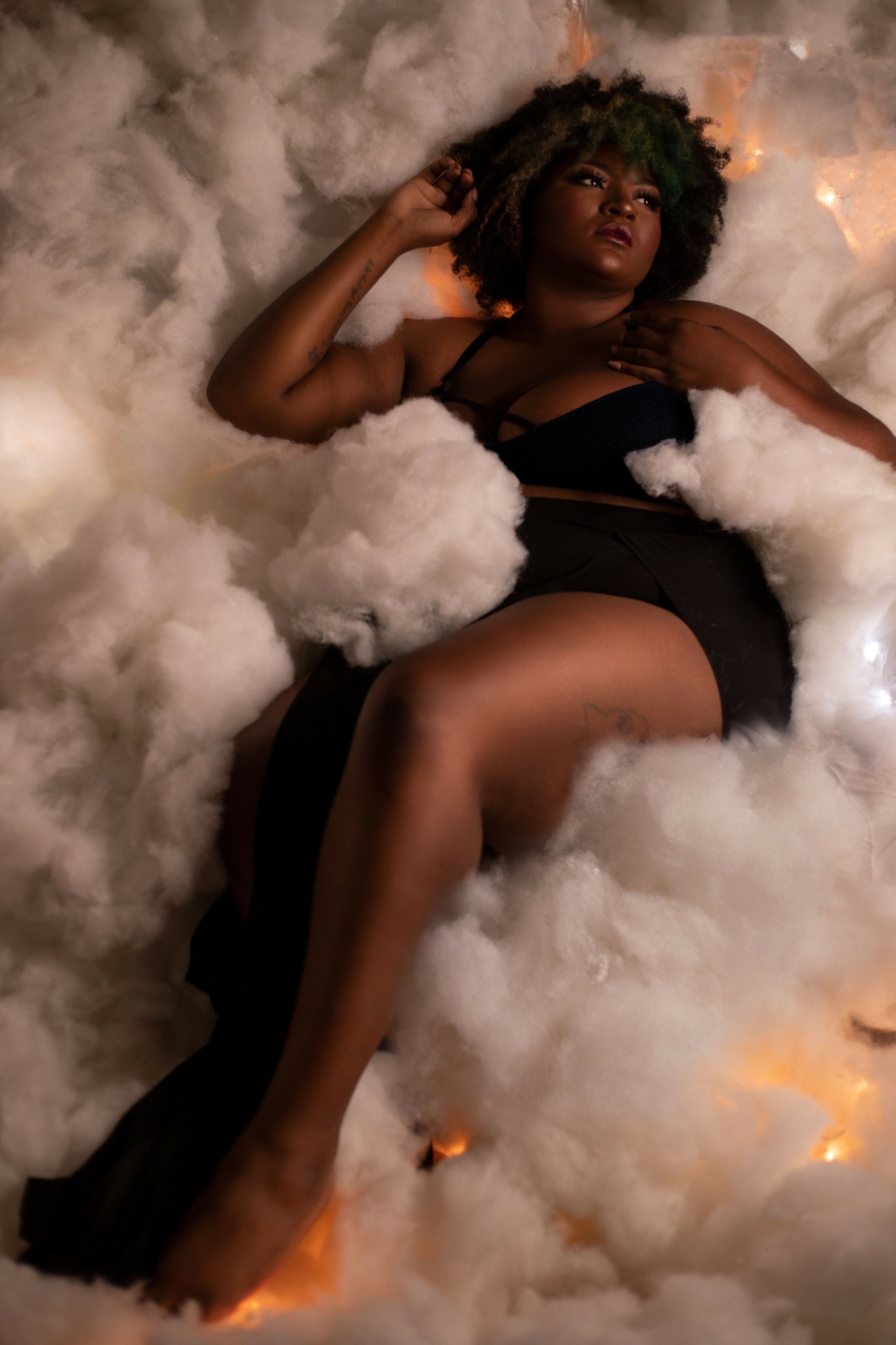
Image Credits
Amber Lane Roberts