


We were lucky to catch up with Amber Fowler recently and have shared our conversation below.
Amber, thanks for taking the time to share your stories with us today What was it like going from idea to execution? Can you share some of the backstory and some of the major steps or milestones?
How did you actually start? In 2007, The Fowler Family Fund was borne from our desire to provide charitable giving to a variety of 501c3 nonprofit organizations in the Pacific Northwest that focused upon animal welfare, financial literacy, self-sufficiency, lgbtqia+ communities, and sustainability. They reflect our 5 Pillars of Giving.
What was the process of going from idea to execution (walk us through some of the main steps that allowed you to launch your business).
As a self-funded family giving platform that is not a 501c3 (IRS recognized public charity), we spent significant time determining where to best use our family financial assets. These financial assets come from a mix of investments, stocks, and savings interests with annual financial proceeds from each then allocated to charitable entities. Although we provide financial support, our relationships with the nonprofits includes volunteering time, providing in-kind donations for silent and live auctions as well as raffles, and of course estate (legacy) giving. We intentionally seek out and cultivate relationships with organizations that we believe fit our 5 Pillars of Giving.
Tell it to us as a story: you had the idea, then what happened?
I was inspired to launch The Fowler Family Fund after my service as the Administrator to the Spirit Mountain Community Fund from 1996 to 2000, and my work with then-Tribal Chair Kathryn Harrison. The Spirit Mountain Community Fund is the philanthropic arm of the Confederated Tribes of Grand Ronde Community of Oregon. Since 1997, the Tribe donates six percent of casino revenue to registered 501c3 nonprofit organizations in northwest Oregon, as well as government agencies in Lane, Polk, Tillamook and Yamhill Counties, and to the nine federally recognized Tribes of Oregon, through the Spirit Mountain Community Fund. To date, they have given 3,427 grants totaling more than $101 million dollars to underserved communities in Oregon, while being reflective of the Tribe’s culture and values.
I had the opportunity to reconnect with Kathryn in March 2019 shortly before her passing to thank her for being the inspiration that led to the creation of The Fowler Family Fund. She was a remarkable woman and an incredible leader. She left an indelible mark on my heart.
What was the next day, hour, month or year like?
Twice annually, in the early Spring and Fall, I review The Fowler Family Fund financial sources and determine where we can make the biggest impact within our 5 Pillars of Giving. I then compare it to recent financial and/or in-kind gifts to past recipients. We work to ensure that that recipients understand that our giving resources are not automatically guaranteed during each of our funding cycles. We also ask the recipients to share with us any details or story how our giving resources may have helped them meet their organizational mission. It’s important that we mutually deepen the relationship over time, which will allow The Fowler Family Fund to include them in our legacy giving following my eventual passing. Unfortunately, there have been times an organization has not communicated with us except to make financial requests and we’ve had to explain we don’t participate in “checkbook philanthropy” aka writing a check simply for a tax deduction at the end of the year. We want to have impactful community relationships.
What did you have to figure out, look into, setup, etc. in order to move beyond the idea phase and actually launch?
Unlike establishing a 501c3 public charity, creating a family fund for giving is relatively simple: it’s having the desire to provide volunteer, in-kind, financial, and legacy giving to charity’s that align with one’s personal interests or core values.
Volunteering with a charity provides the opportunity to see an organization in action and learn about its leadership and culture. Almost every charity holds fundraisers and they are regularly seeking items for silent and live auctions as well as raffles that may include gift cards, wine for a wine wall, foodie baskets, as well as overnight stays along the Oregon coast or ski lodge weekend getaways. Of course, financial funding is always a means to help a charity with a special project like helping fund a vehicle for animal welfare organization. If you can’t give financially, you may also consider, for example, donating a vehicle that can be sold at auction to raise funds for the charity. We did that in 2015 for Homeward Pet Adoption Center in Woodinville, WA and the $3+K proceeds were directed to their general operating fund. Something new that we are doing in 2025 is selling a variety of much-loved items on Poshmark as part of our overall family downsizing of a very big life! 100% of the funds generated from the Poshmark sales are donated to animal welfare. With nearly 100K Followers, and having attained Poshmark Ambassador status, to date, we have had 181 sales earning nearly $3K. We are thrilled because not only do items get “rehomed” sustainability is one of our Five Pillars of Giving and seeing clothing and small household items being given a second life is fulfilling on many levels. We believe in the 5 R’s: reduce, reuse, recycle, repurpose and reimagine!
Finally, legacy giving is always important and takes a little more planning as part of meeting your end of life wishes. For me, my estate, once settled will see my assets liquidated and dispersed to a wide variety of charities so they may continue helping others. This after life as it were giving also eliminates the sticky situation of the inevitable family frustrations with how assets are shared. If funds can help a charity acquire safety reflector vests for volunteers who are walking dogs, or help members of the community learn more about financial literacy through online education for example, this is where legacy giving can make a big impact.
I’ve always said that small giving, leads to big change. A heart for service and willingness to share is all anyone needs as financial resources will come in time.
Amber, before we move on to more of these sorts of questions, can you take some time to bring our readers up to speed on you and what you do?
A native Oregonian and social entrepreneur, I hold a Masters Degree in Public Administration from the Mark O. Hatfield School of Government at Portland State University and was one of five alumni honored by Portland State University in February 2011 as the Distinguished Alumni Service Award recipient for uncommon and outstanding service to others and the community.
I have enjoyed a successful and diverse career providing executive leadership to for-profit businesses like Nike Golf and the Portland Trail Blazers however it was my work at The Spirit Mountain Community Fund that truly served as the launching pad into the nonprofit sector. I love that I have been able to volunteer, fundraise, and advocate for a variety of nonprofit organizations, and I draw inspiration from fellow Pacific Northwest philanthropists MacKenzie Scott and Melinda French Gates.
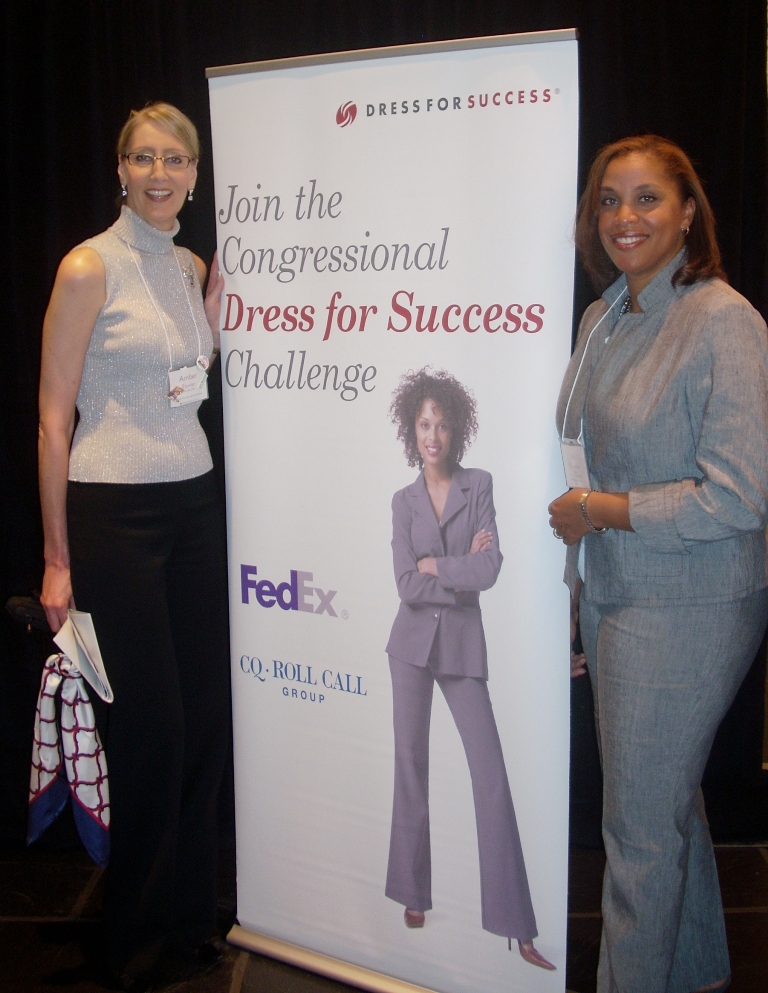
My passion for helping others has led to meeting some incredible people too! Financial literacy is one of our 5 Pillars of Giving and with a mindset of continuous personal growth and education, I had the opportunity in Colorado to meet James Grant, founder of Grant’s Interest Rate Observer an independent investment that helps consumers identify actionable financial market insights. In New York City, Joi Gordon then-CEO of Dress for Success Worldwide presented me the Rookie of the Year award for my efforts as a new Executive Director with Dress for Success a program that helps people achieve self-sufficiency.
Most recently, Portland based John Gourley & Zoe Manville from the band Portugal. The Man introduced me to not one but two terrific organizations: Victory Academy which is Oregon’s only dedicated year-round private school, serving children, teens, and young adults affected by Autism; and Frances Changed My Life which advocates for change, discovery, and treatment of DHDDS a one in a billion genetic disease, and other rare, neurodegenerative diseases. Sadly, 70% of rare diseases are diagnosed in children and more than 90% of rare disease are without FDA approved treatment. Kids with DHDDS and other rare, neurodegenerative diseases experience the symptoms of mental and physical decline that are usually associated with symptoms like Alzheimer’s and Parkinson’s. Their debilitating effects include confusion, seizures, uncontrollable movements, and even dimension in very young kids
With no children of my own, but having been Auntie Amber to the children of my very best girlfriends, helping identify opportunities to increase funding and raise awareness through Frances Changed My Life is especially important to me.
Let’s talk about resilience next – do you have a story you can share with us?
Someone I admire and respect in the giving community openly criticized my small giving platform in front of a small gathering of individuals at a charity event stating that the financial giving we provide through The Fowler Family Fund is insignificant in terms of dollar amount. Rather than let the comment slide, I reminded the person that our giving goes beyond financial funding and comes from our 3 tenets: Serve Greatly. Love Deeply. Live Purposefully. Employing an economy of words rooted in our DNA allowed me to exit the conversation with my dignity.
Are there any books, videos, essays or other resources that have significantly impacted your management and entrepreneurial thinking and philosophy?
While a student working on my Associate of Arts degree, I attended a philosophy class where the instructor assigned Man’s Search for Meaning by Viktor Frankl as part of the course reading.
Without giving too much away, everyone should read this important book that chronicles Frankl’s experiences as a prisoner in Nazi concentration camps during World War II and describes his psychotherapeutic method, which involves identifying a purpose to a person’s life through one of three ways: the completion of tasks, caring for another person, or finding meaning by facing suffering with dignity. Those that survived were able to connect with a purpose in life.
Contact Info:
- Website: www.thefowlerfamilyfund.com
- Instagram: https://www.instagram.com/thefowlerfamilyfund/
- Other: Blue Sky: fowlerfamilyfund.bsky.social Poshmark: https://poshmark.com/closet/fowlerfamilypnw
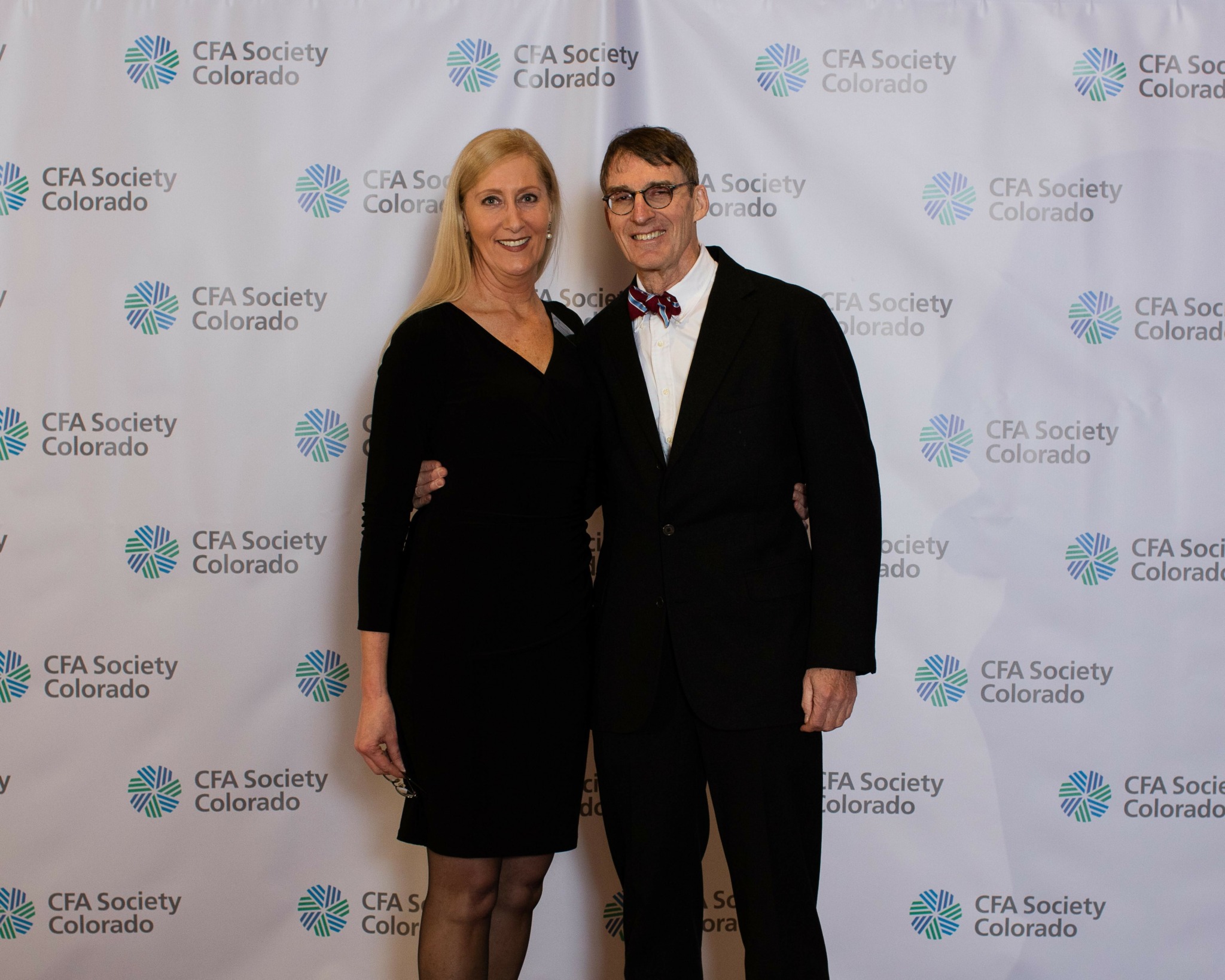
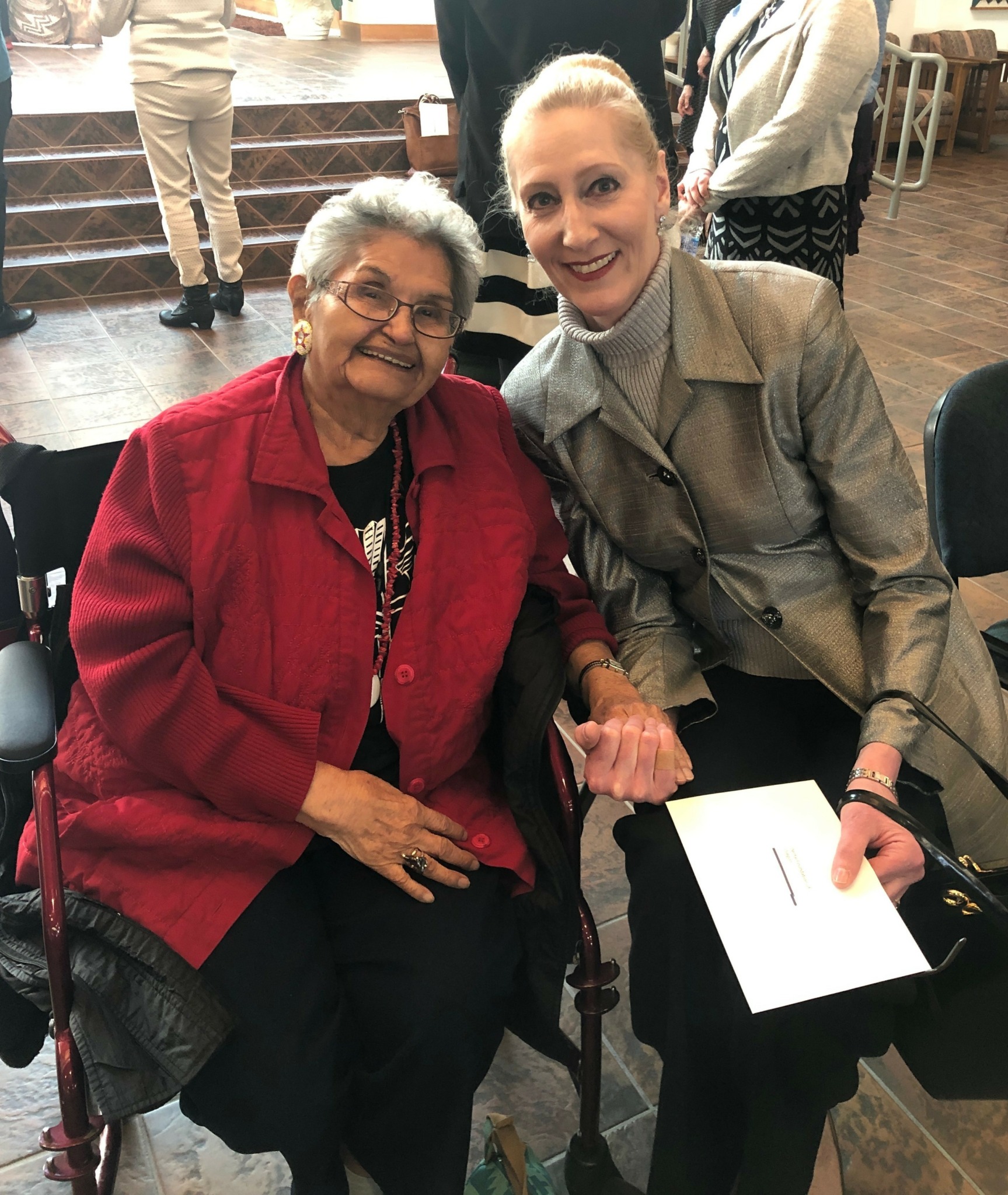

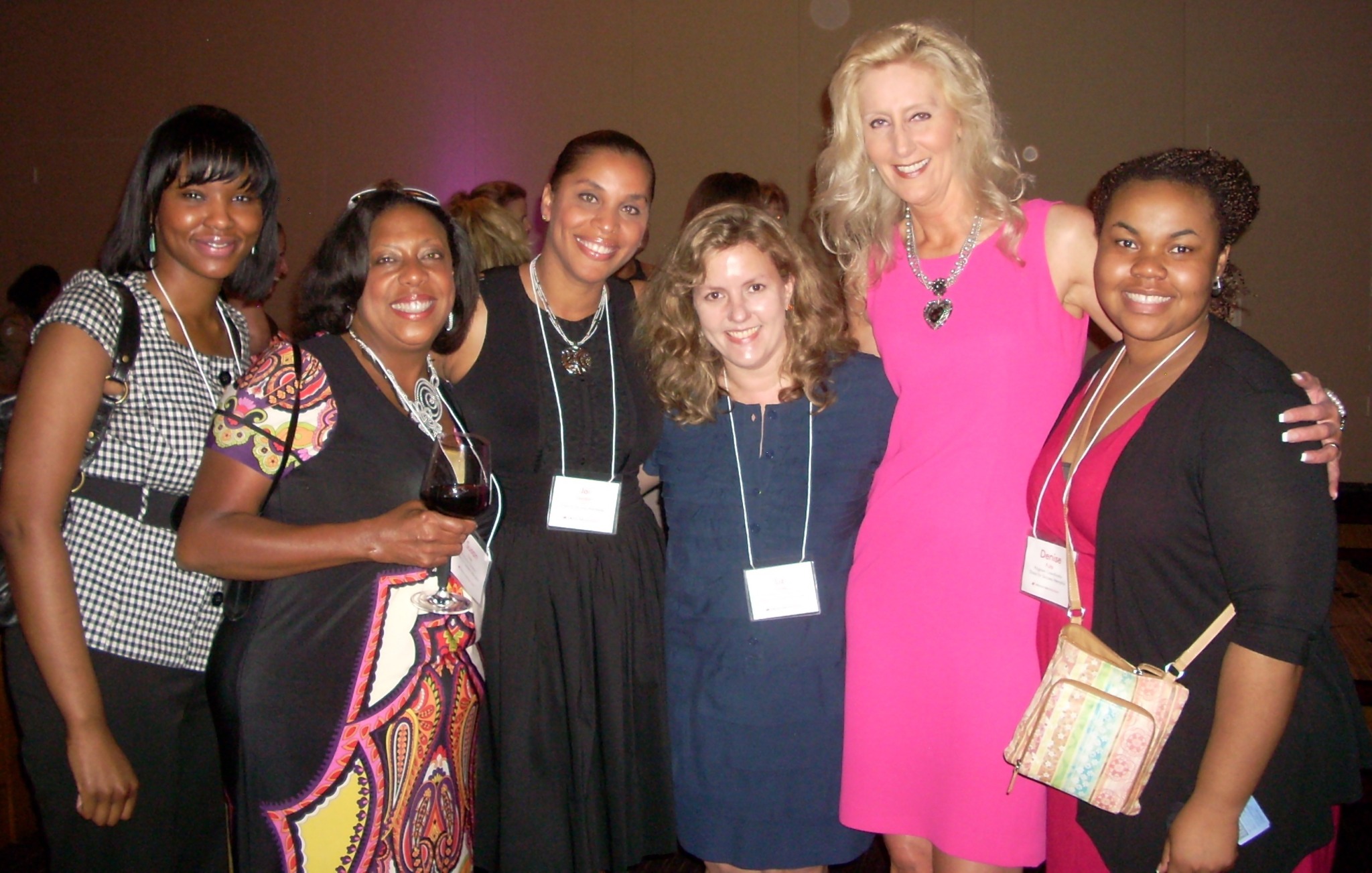
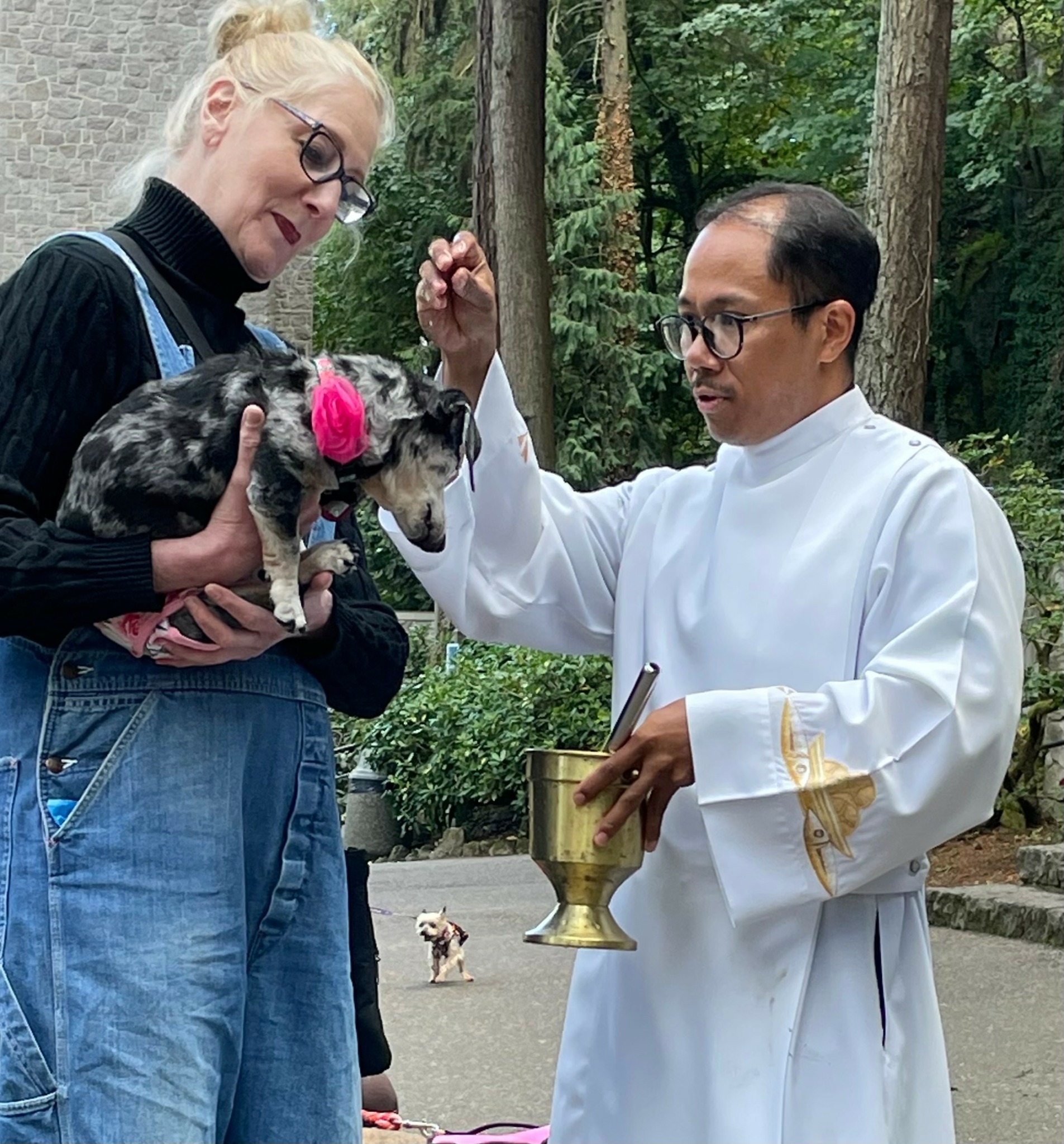
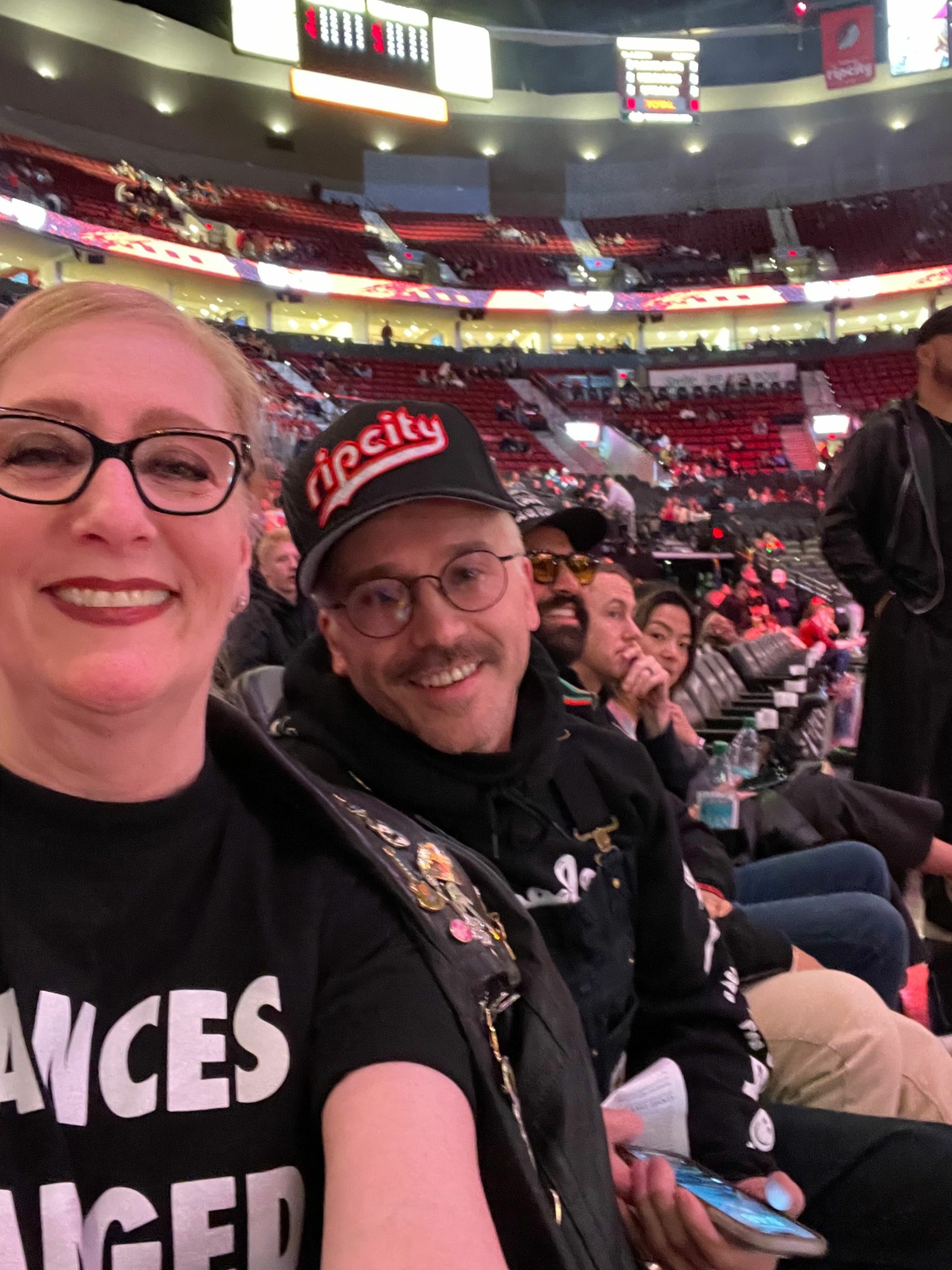
Image Credits
Cooper and Flap Jack (dog photo): Lori Ackerman Photography