
Alright – so today we’ve got the honor of introducing you to Amaris J. Gagnon. We think you’ll enjoy our conversation, we’ve shared it below.
Amaris J., thanks for taking the time to share your stories with us today We’d love to hear about when you first realized that you wanted to pursue a creative path professionally.
I’m not sure there was ever an “aha” moment. This passion for storytelling was always inside me. I just never had the courage to explore it until I was older. Before I was a writer, I studied acting. Before I wanted to be an actor, I was a singer. I started performing when I was in fourth grade, acting in plays locally, and singing for school events. Writing came years later. I started with short stories when I was thirteen years old. They were terrible and poorly written, but they were science fiction and horror tales that would later birth the stories I would write in my twenties. I was in college, in my junior year at LMU and I wrote a dystopian One-Act play produced by the theater department for their 2015 New Work Festival. I remember being excited to see my work come to life. It was an ambitious piece where the characters lived in a world where they had to wear masks. I sat in the audience and thought that I could do this for the rest of my life. I could write and I would never work a day. Years later, I would officially give up acting and focus full-time on becoming the best screenwriter I could be without going to graduate school.
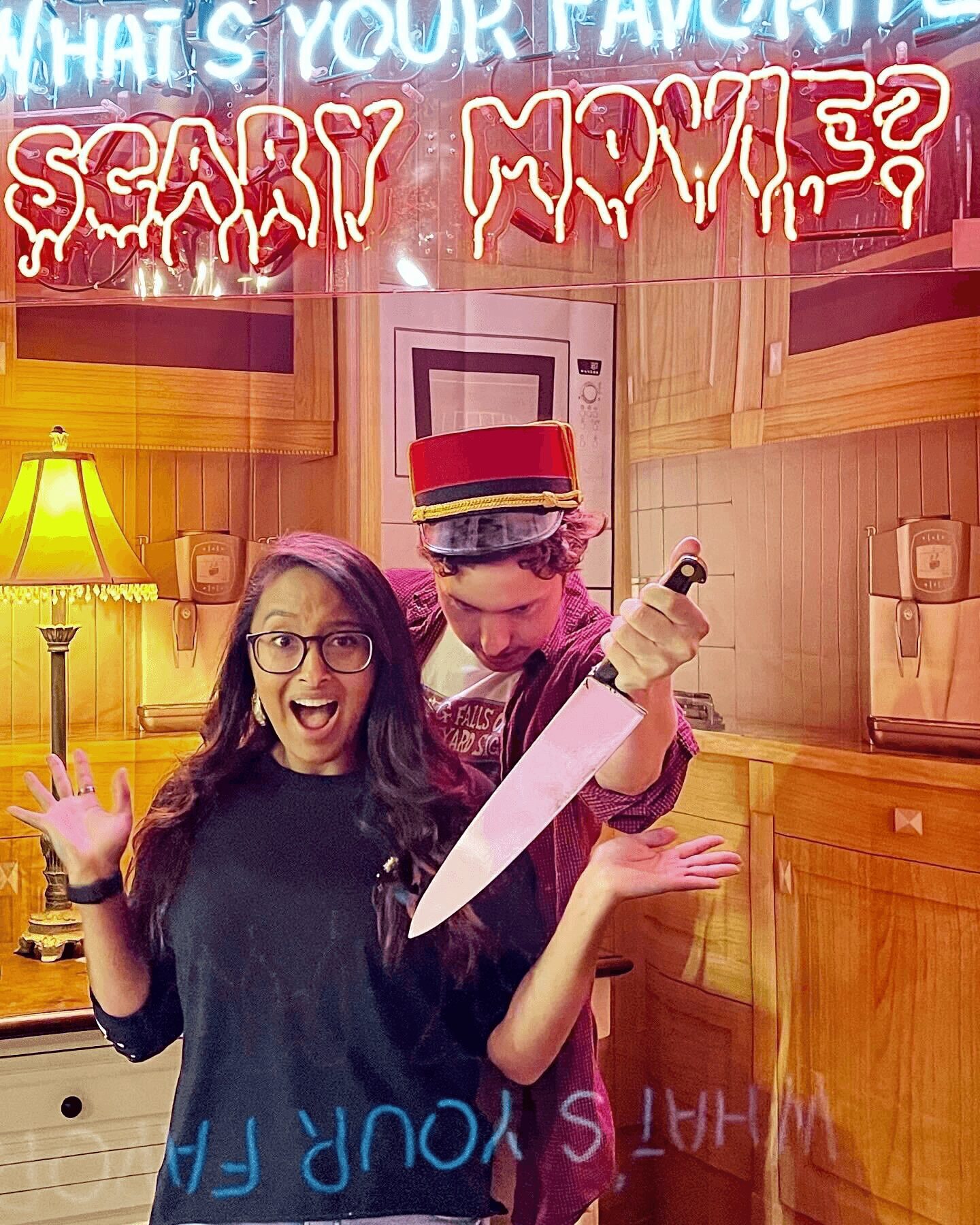
Awesome – so before we get into the rest of our questions, can you briefly introduce yourself to our readers.
I’m from a small town called Agawam, Massachusetts. I came to LA when I was 20 years old to finish college. When I decided I wanted to be a writer, I needed to pay bills and keep the rent paid as I wrote on nights and weekends. I did whatever I could to get into production. I worked for free as a PA at first and then gradually got jobs working for $125/day rates on commercials, features, and random projects. It was poverty wages, but I needed the experience to build up my resume. During this time around 2017, I was living in Burbank and scraping by. I barely knew how to write a pilot or a feature, so I wrote shorts instead. These shorts would get me noticed by a company called “Crypt TV.” They let me pitch my short digital series to them. I was rejected, but it was a glimpse into what it was like creating a pitch deck. I’ve gotten better at it since then. The rejections from fellowships, contests, and jobs kept coming and I had to keep my head up. I eventually had to focus on paying bills and started a short career working in reality TV. In some of those roles such as Office Manager (Real Housewives of Dallas), Post Coordinator (Advertising/Promos, The Ellen Show, and Production Coordinator (World of Dance), I learned how to put a production together from the ground up. Eventually, I would place in small contests, and eventually became a Finalist twice and a Semi-Finalist for The Disney Writer’s Program three years in a row. For the past four years, I’ve been assisting a director on a feature film at Netflix Animation. I can’t tell you how many dreams I fulfilled living out here, but everything comes with a price. I directed two original short plays, which launched me into getting back into playwriting, but I didn’t make money from it. It showed me how difficult it was to get a rehearsal space and actors who didn’t mind working for free. Having fully funded projects is the goal for the future.
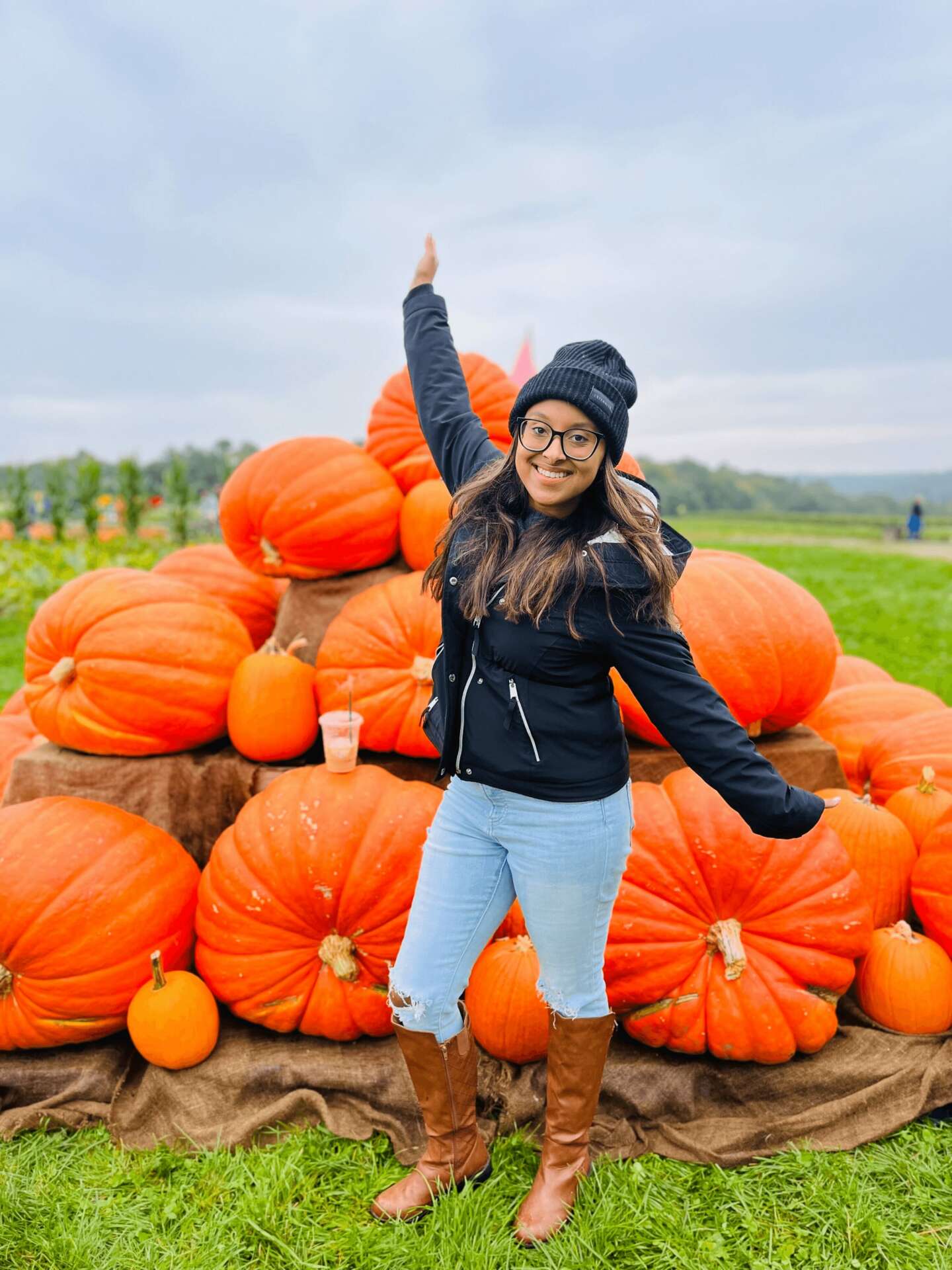
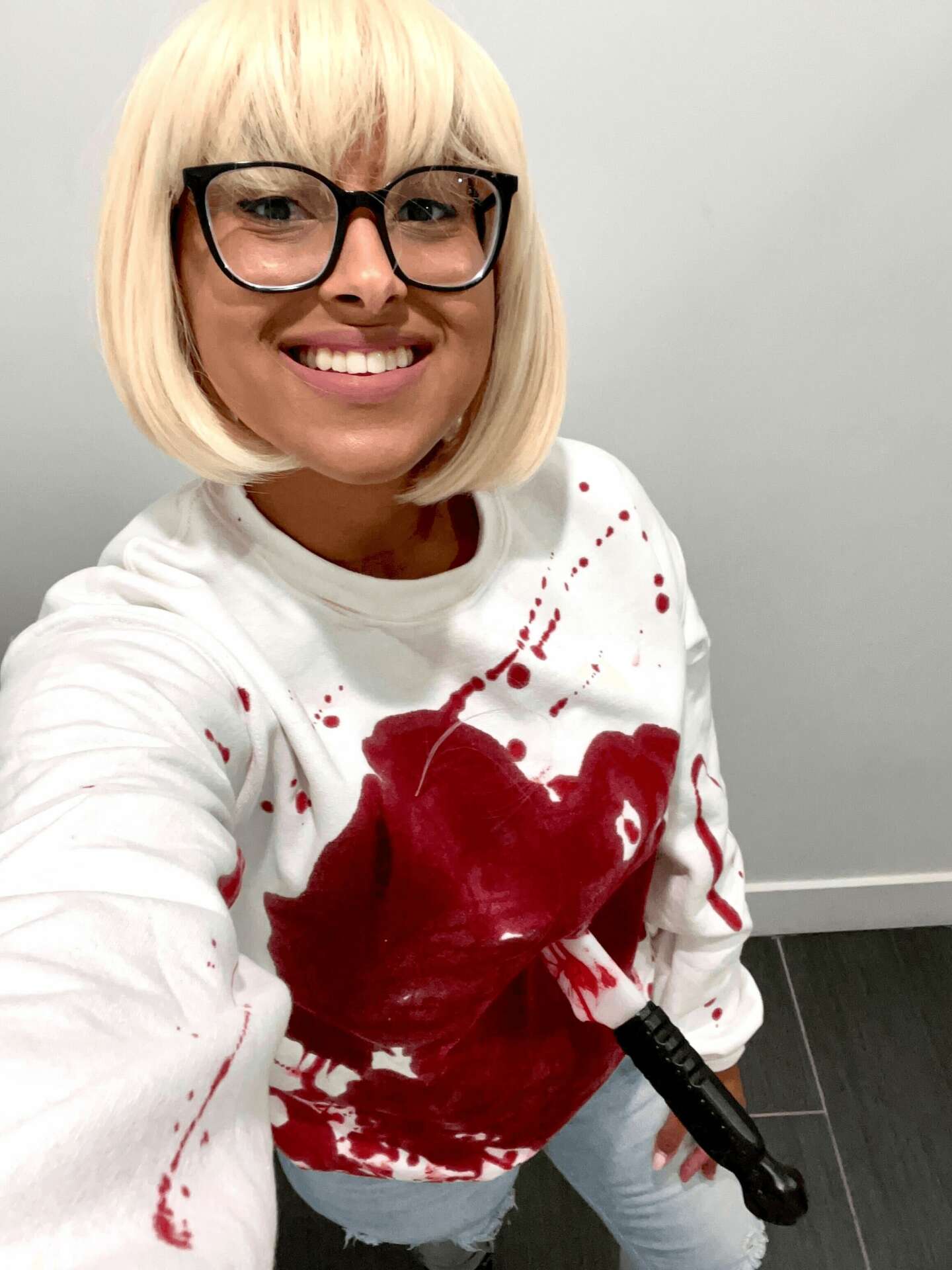
Is there something you think non-creatives will struggle to understand about your journey as a creative? Maybe you can provide some insight – you never know who might benefit from the enlightenment.
I think many people don’t understand our jobs. People tell me all the time that I should get out of California. If I’m not making enough money, then why not pick a different career? They don’t understand that writing is not a hobby or just a job. It’s a passion. It’s how I speak without talking, and how I work through trauma and pain. It’s how I connect to the world around me and understand the human experience. Writing and storytelling are something I will continue to do even if I never make it as a professional. I love it so much. I never want to stop. Even when the days are dark. Writing is that little bit of light that keeps me on the path. I think so many people never figure out what they want to do. What makes the arts so special is that I have something that leads me and that wakes me up every morning. Not everyone has that. So, when you find that one thing that makes you want to do this little thing called life, you should hold onto it with everything you have. It takes courage to follow your dreams. It’s very easy to fail at what you never wanted, so you might as well pursue the thing that keeps you alive.
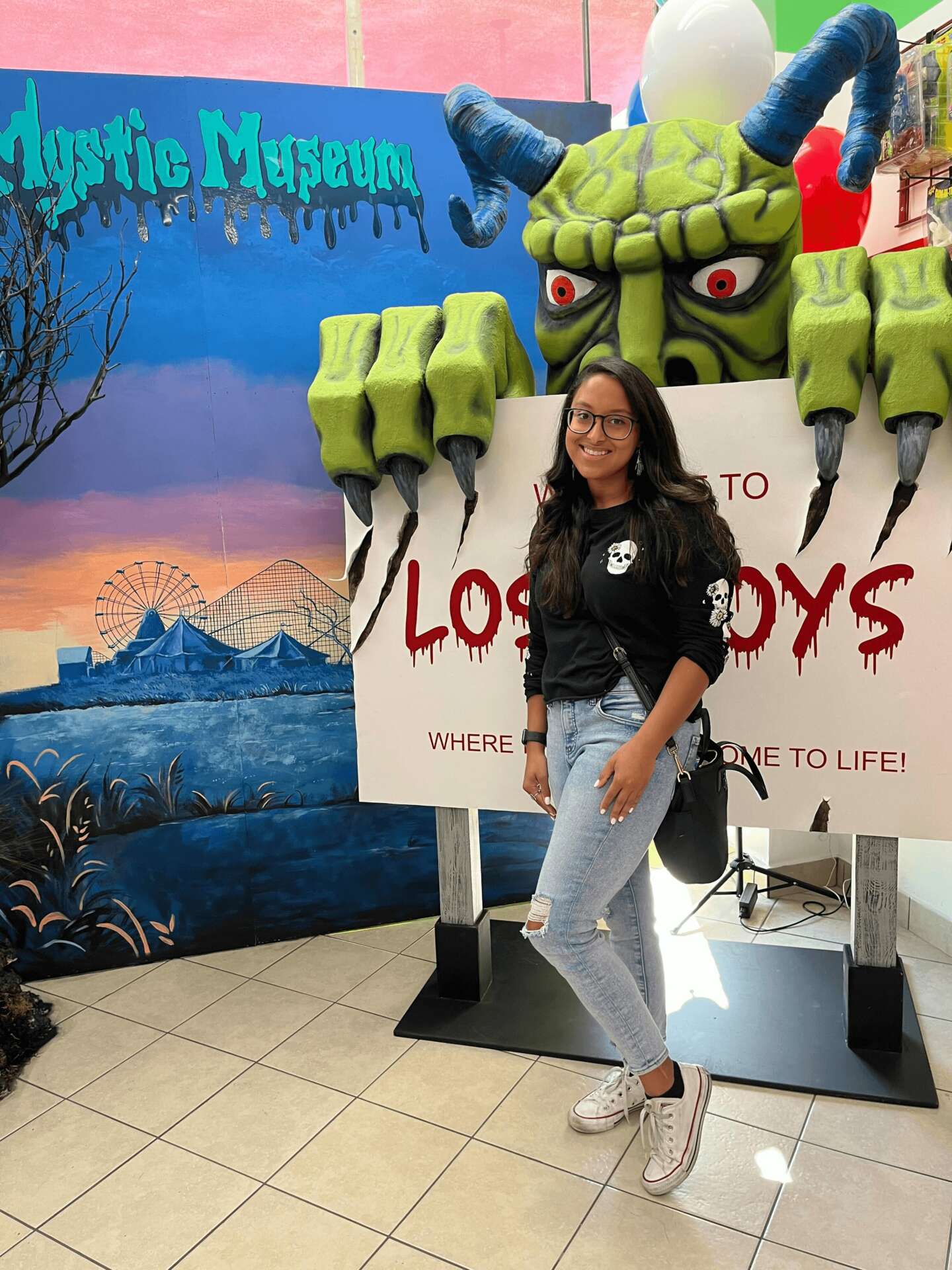
Can you tell us about a time you’ve had to pivot?
When I graduated college, I was living in Downtown LA, in a roach-infested apartment with two roommates. I was barely paying rent, and I was so broke, I could barely afford the three-dollar tilapia from Ralphs on Vermont Ave. I was trying to be an actor and I was auditioning two to three times a week for minor roles. If I was lucky, it was for a commercial, but I didn’t book those often. I knew in my heart when August came around that I had to change something about my life. I didn’t have the money to pay my rent and I moved out of LA, leaving my roommates with the shortage. I was so ashamed of my life. It was around this time that I switched to screenwriting and pursued office work to never be in that situation again. It was tough. It was depressing to give up acting to work in a cubicle. Sometimes, when the office is quiet and I’m by myself, I remember the 22-year-old girl who believed in the impossible. Now, I look at the bags under my eyes and smile, because yes, I grew up, but I grew. That’s still something to be proud of. Not everyone grows for the better out here. After a decade of being out in LA and working in the industry, the biggest pivot and lesson I had to learn is that you must also be MORE than your work. If your entire identity is your art, then those rejections become not just personal, but knives to your soul. Around 29, I picked up hobbies like learning guitar, piano, running, ghost hunting, and dance. I prioritized traveling the country, seeing friends, and writing a few times a week. At some point, you still have to live. You cannot forget to live.
Contact Info:
- Instagram: AmarisJGagnon
- Facebook: https://www.facebook.com/amaris.gagnon/
- Linkedin: https://www.linkedin.com/in/amaris-j-gagnon-a22b4672/