



We caught up with the brilliant and insightful Amanda Hanson a few weeks ago and have shared our conversation below.
Amanda, thanks for taking the time to share your stories with us today Do you think folks should manage their own social media or hire a professional? What do you do?
I absolutely manage my own social media. More often than not, my business is one woman deep and over the years I’ve flirted with outsourcing various aspects to lighten my load. Entrepreneurs are often their own administrative assistants, janitors, accountants, IT, and marketing staff. I’m always looking for ways to allow me to have more time for income generating work or personal time, but for a business like mine, social media is one of the last things I’d give up. I am my business. The relationship I cultivate while a client is actively training with me is continued through social media. Business social media allows for that connection to continue on a professional platform and stay close to the dogs and their people without crossing the line into being connected on personal pages; protecting your clients privacy and your own. The majority of clients reach out on Instagram and Facebook rather than on my website, business phone, or email. Having professional, active social media accounts ensures people aren’t looking for me on my personal pages I rarely check or don’t want to make public. I can respond genuinely, recognizing names and faces from years past and recall a funny story or hear a client’s latest accomplishment. I can also introduce myself to new customers checking me out with the one on one attention that has earned me loyal customers over the years. No matter how well a marketing intern or social company understands my company and its culture, they cannot memorize who is who or answer a training question with enough knowledge to show the company’s credibility while still leaving a reason for the client to hire me. Personalized communication and customer service are dying arts. One of the main reasons people patronize a small business over a big company is because they want to speak to a human who has the knowledge and authority to help them. I would not recommend passing that off to a person who company who doesn’t know your business and know your customers as well as you do.
That being said, hiring a coach to help you with your writing, photography, and tech skills would an absolutely wonderful investment if you need help in those areas. I am lucky to have a background in art and creative writing so I’ve got a knack for it and enjoy sharing what my business is up to. I’ve taught myself to use the tools available on the business platforms such as auto-responses and scheduled posts to help maximize my time and limit the time spent on social media outside of my business hours. I’ve also taken note of what posts generate lots of new business or discussion and make sure to post those at a time when I can handle the volume and wont miss leads or questions.
And one of the most important things about curating your own social media is using flattering images of your clients and work. Those will be shared and liked organically and there’s no need to pay to boost a post if your clients are boosting it for you. It is easy to find industry related stock photos or generic images online that make for pretty pictures but those aren’t half as exciting as a client who is thrilled you gave them their 15 minutes of fame. Seeing real, happy clients interact with you gives your business credibility and a personal touch that seems to get lost when a small business tries to run their social media like its a big company.
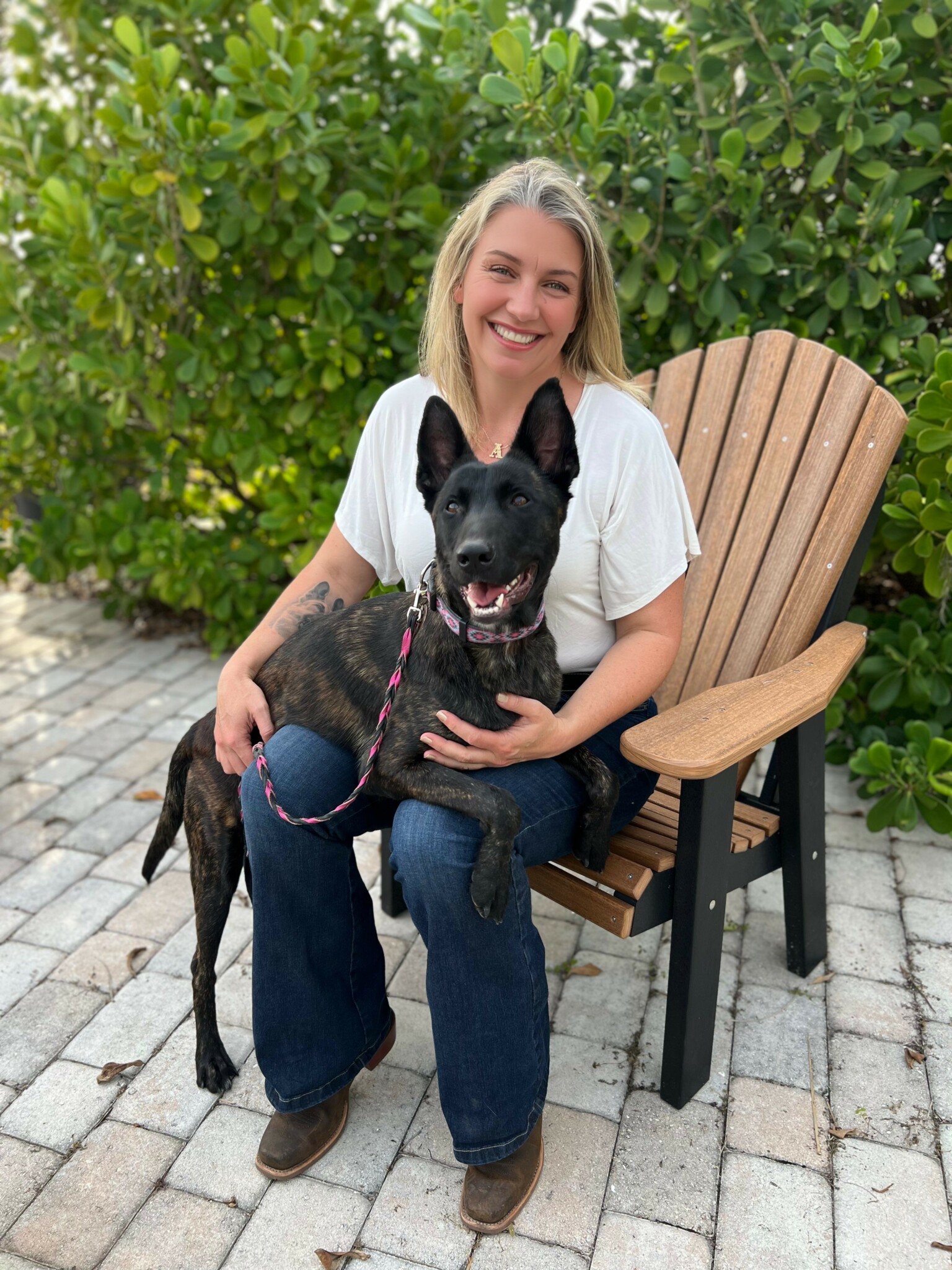
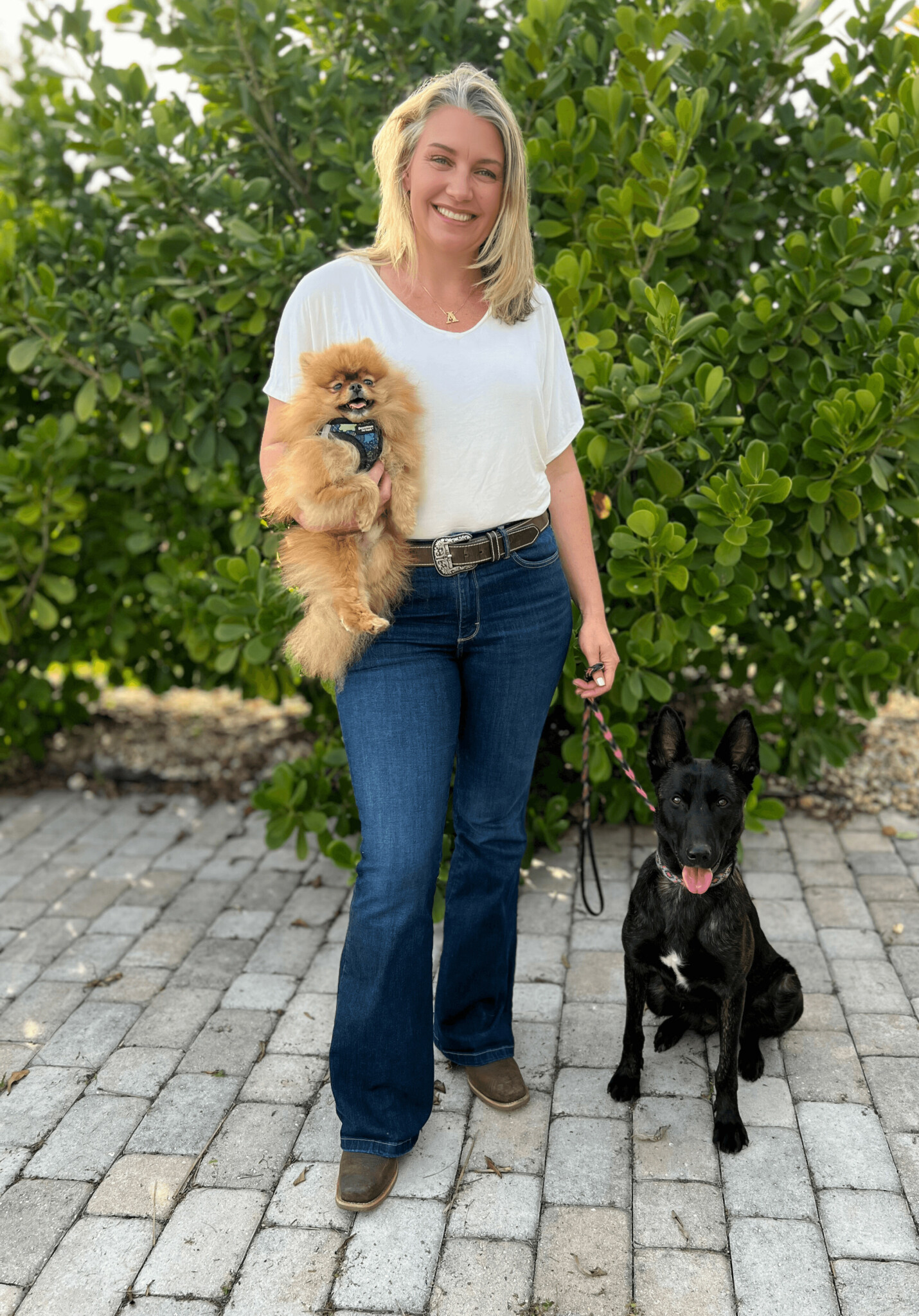
As always, we appreciate you sharing your insights and we’ve got a few more questions for you, but before we get to all of that can you take a minute to introduce yourself and give our readers some of your back background and context?
I’m one of the lucky ones who got to turn their hobby and passion into a successful business. I grew up spending as much time with animals as I could and when I was old enough, I started volunteering at animal shelters. I took a combination of self taught knowledge and new skills learned in dog sports to help homeless dogs find homes. The rescues started referring my clients here and there to help adopted dogs once they were home. In my final year of college, I was offered a training position at a local kennel and planned on doing it short term to save up for my final round of courses. That fall, I was in a car accident and couldn’t continue with my other career plans but had already built a strong client base and was able to continue to train dogs as I completed physical therapy and several accident related surgeries. Within a year I was able to transition to working for myself, gaining more flexibility and autonomy in schedule.
I made a name for myself helping in really difficult cases where dog owners were at their wit’s end with problem behaviors. I took on challenging cases that were dismissed from group classes, threatened with eviction, or at risk of being returned to the shelter or breeder. Relieved clients often greeted me by saying “Amanda to the Rescue!” as I showed up with a plan to help them, so my business name was born. As an independent trainer, I was able to offer clients flexibility and creativity that isn’t always available to trainers working at a bigger company or franchise with a limited, one size fits all solution. I had clients who kept me on for years and others who just needed one lesson and guidance on how to use their equipment properly. My willingness to take on the big problem dogs and problems too small to be worth the time of more established trainers helped build my reputation. I learned quickly that word of mouth and referrals are just as likely to come from a one time client as they were from my more lucrative accounts. As my business evolved, I have tried to keep that same mentality. I often talk people out of expensive training packages with me and invite them to the farm for an equipment evaluation or one of my single issue camps. If they need a service I don’t offer, I refer them to one of several trusted colleagues I trust to help them and often get referrals in return.
When asked what I’m most proud of in my business is my ability to connect with human clients and their animals, and advocate equally for both. I often see animal industry professionals who were attracted to work with animals because they dislike human interaction. While there are many care taking and behind the scenes positions for people wired that way, a trainer really must understand the human psychology and relationship to truly help the dog in front of them. I also see some trainers capitalize on the humans needs and expectations while having very little regard to the dog’s physical and emotional well being as long as the results are delivered. Keeping the two in balance and finding a mutually respectful path for my clients and their dogs to walk together has been critical to my success.
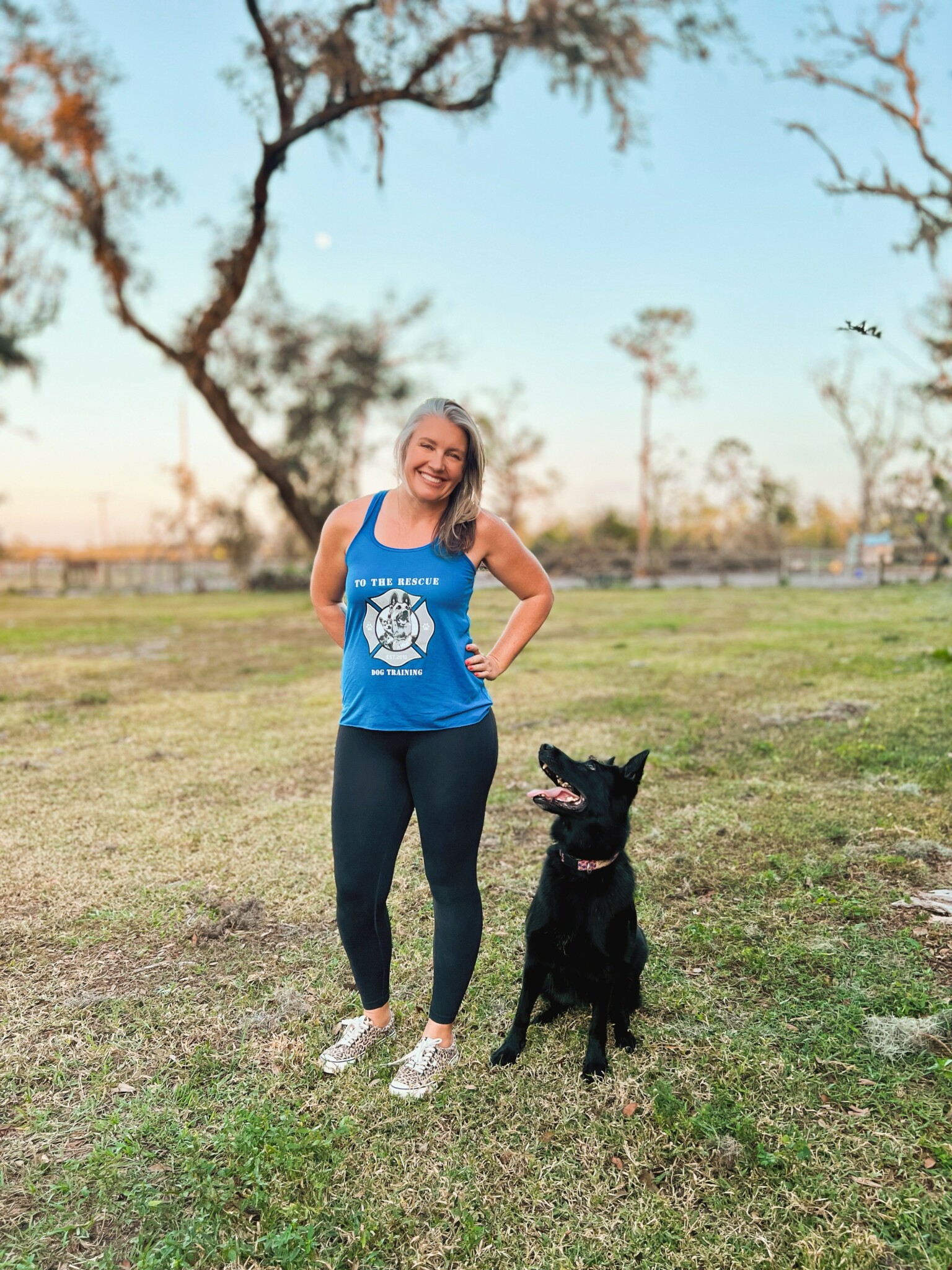

Can you talk to us about how you funded your business?
The best advice I can give for starting a business is to start as small as possible. Investing in expensive commercial space, large inventory, asking for investors, and even fancy marketing can put a lot of stress on a starting business and quickly tip the cash flow in the wrong direction. When I started I had a small box of basic business cards printed with my personal cell number, traveled to clients homes and asked them to have training treats available to supplement my limited supply of high value treats. Each lesson made me enough money to make sure I had gas and dog treats for the next client, and the city charged $10 for a business license to provide in home teaching services. Admittedly, I did not have insurance yet but I did require clients fill out a liability waiver and release to offer me some protection. Insurance is not required for my industry but given the risk, it is a worthwhile investment. Skipping over legal requirements for your industry can backfire and finding an established mentor who will insure you as a subcontractor may be a viable solution for small businesses where entry level expenses are prohibitive. As my business grew, I evolved my paperwork and screening process, got a second personal phone line, registered as an LLC, opened a separate business account, built a basic website, and invested in a liability policy. All of this came ahead of getting fancy equipment, a commercial space, or hiring a staff. As I got more successful, I added equipment and extras with money I had already saved and a plan to have it pay for itself in a timely manner so I could still have money in my operations account. Not spending money I didn’t have applied to client payments also. I was and still am mindful of deposits and training packages that were paid for ahead of time and always kept enough money in my accounts to return the money if a client was unhappy or I had an emergency and had to cancel. Running my business this way has allowed my to expand and shrink my footprint so I’ve never had a bigger business than I can afford to run. I maintain the company vehicle to give it longevity and also save up more money to replace it when it inevitably needs to retire from service. This limits surprise expenses and going into debt in order to keep business running smoothly or being forced to close a thriving/surviving business due to one unexpected expense. It can be tempting to give yourself more take home pay or splurge on something for yourself or business when things are going well but I always make sure I have a reserve of funds or low interest credit available in case of an emergency. I also chose to live in an affordable area where the laws allow me to run my business from home, so my business actively contributes to my equity and lifestyle on a ranch. If I have to close down temporarily or permanently, I still have tangible assets to show for my work and not just a rented personal space, no income, and a broken commercial lease.

What’s been the best source of new clients for you?
Volunteerism has historically been my best source of clients. Using my skills to give back to the community and demonstrating my abilities, by donating services to a dog rescue or volunteering to teach puppy class at my local dog club, lets people see my work showcased and the word of mouth referrals for paid business always follows. Being generous also can lead to people or organizations asking for more and more of your time for free, so setting clear boundaries about what you can give and sticking to them will protect your time and the relationships you’ve fostered in the community.
Besides volunteering, each happy client is an amazing resource for other new clients. Making sure you’ve met their expectations and following up with them keeps you relevant to them and therefore relevant in their communities. And extending this same friendly professionalism to people you encounter around your clients can pay off, also. A smile and wave at the neighbor when you are visiting a client can be a new lead, especially if your client confirms that they are happy and would trust referring someone else. Having a business card handy and giving just enough free advice to sound credible while I am out working a client or personal dog often leads to new social media followers and clients down the road without being salesy or pushy. I often hear from clients who felt heavy pressure to sign up for a program and regretted the money they spent, so I always want my clients to feel informed and eager to sign up with me in the beginning, and like it was money well spent in the end.
Contact Info:
- Website: https://www.totherescuedogtrainingllc.com
- Instagram: @totherescuedogtrainingllc
- Facebook: https://www.facebook.com/totherescuedogtrainingllc


Image Credits
Amanda Hanson
Ivy Roberts
Kiera Andrews
Sabrina Richardson