

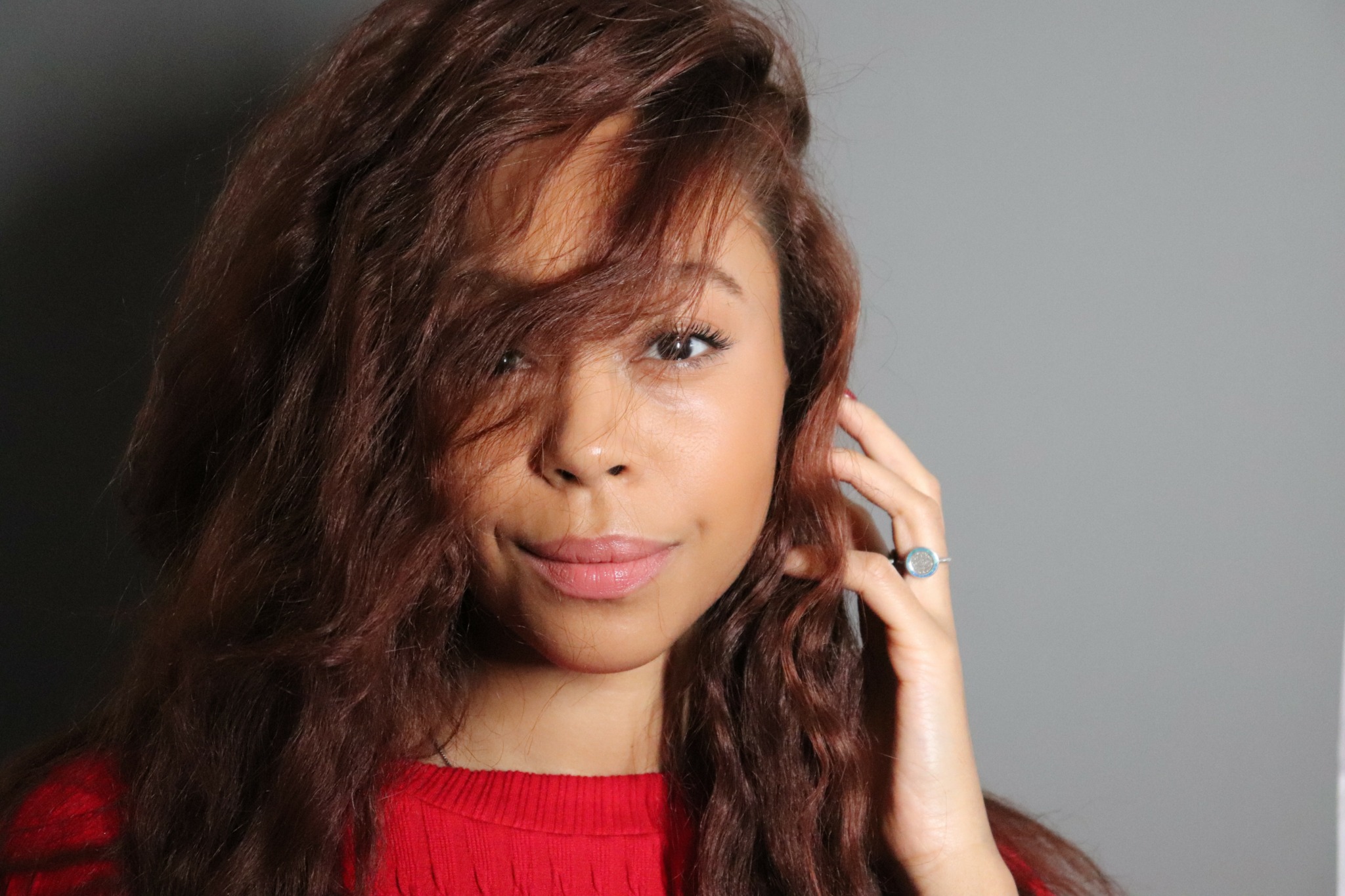

Alright – so today we’ve got the honor of introducing you to Amanda DeBraux. We think you’ll enjoy our conversation, we’ve shared it below.
Amanda , thanks for taking the time to share your stories with us today We’d love to hear about when you first realized that you wanted to pursue a creative path professionally.
Absolutely! I wish I could say I knew I wanted to pursue a creative path since I was five—but that wasn’t my story at all. Growing up, I yearned to be creative, but I really struggled with self-expression. I was terrified of being seen, of being made fun of. I didn’t like how I looked or sounded, and for a long time, I didn’t really like me.
Middle school didn’t help—while I wasn’t severely bullied, I was teased just enough for it to chip away at my self-esteem. So I learned to pretend. I put on masks to survive, to fit in. And I carried that with me well into adulthood without even realizing it.
It wasn’t until 2016, after the unexpected passing of my brother, that everything cracked open. That moment—devastating as it was—became a catalyst. It forced me to look at my life and ask myself: Who am I really? And am I actually living?
By that time, I had already dipped my toe into the acting world. My first real taste was stepping onto the set of The Good Wife as a background actor—and something lit up in me. But I was still working a 9-5, still following the “safe” path I was told to take.
After my brother’s passing, I realized I didn’t want to keep pretending. I wanted to live fully and creatively. That’s when I finally gave myself permission to say yes—to my artistry, to my voice, to my truth.
Since then, I’ve pursued my creativity wholeheartedly—through acting, modeling, life coaching, and creating meaningful content. Has it been easy? Not at all. But it’s been worth it. I could’ve stayed in my 9-5, but I would’ve always wondered what might’ve happened if I gave myself a real chance.
Now, I get to explore both worlds on my own terms. As I always say: “Everything we do in life is purposeful, not purposeless.” Today, I’m still uncovering new layers of my creativity and having fun with it—while staying grounded in the mission of living fully, loving deeply, and helping others do the same. I live to be unapologetically me.
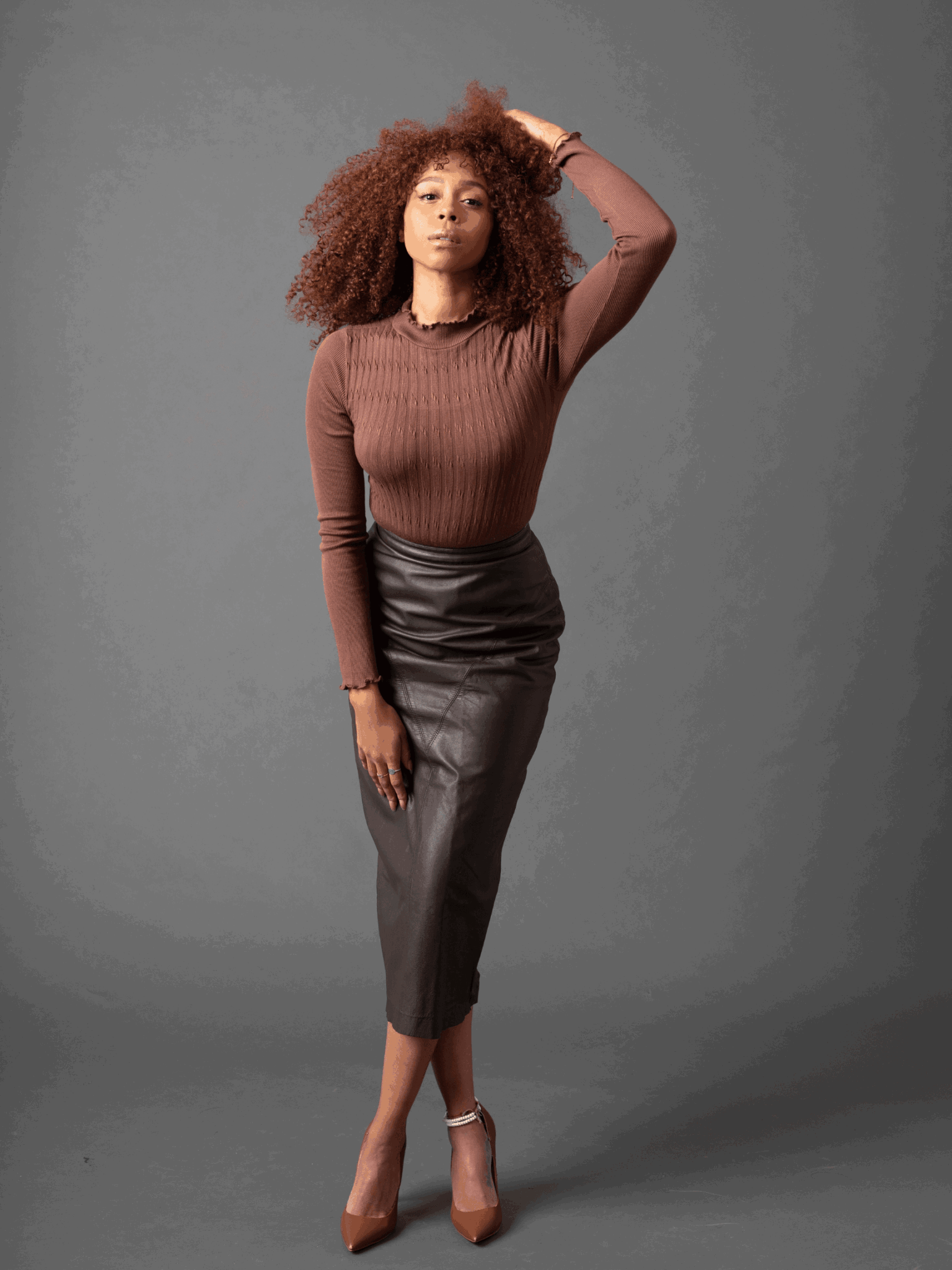
Awesome – so before we get into the rest of our questions, can you briefly introduce yourself to our readers.
I believe my previous answer shared the roots of my creative journey, but my path as a life coach began a bit later—during the stillness and uncertainty of the COVID-19 pandemic. Like many others, I found myself longing for connection, clarity, and emotional release. So I started doing what felt natural: sending voice notes to friends, joining virtual book clubs, taking online acting classes, performing in Zoom readings, and enjoying quiet moments in the park with my dogs. It was during those moments of solitude and reflection that I began to ask deeper questions about life, purpose, healing, and authenticity.
As I leaned into those questions, something shifted. My spiritual connection deepened. I felt more rooted in my truth than ever before. I began to share pieces of my journey—my thoughts, lessons, doubts, and insights—on Instagram. To my surprise, people resonated with it. They reached out. They felt seen. And it made me realize how much we all crave honest, vulnerable spaces to simply be and grow.
That’s when a friend suggested I explore becoming a life coach. I had brushed up against the idea back in 2017, but I never imagined I’d be the one offering it. But as I always say—do what you know. And what I knew at that moment was transformation, resilience, and self-reclamation. So I went for it. I enrolled in a certification program, completed it, and became a certified life coach by January 2022.
Not long after, I started going live on Instagram with my dear friend Janel. We spoke about everything—mindset, career pivots, healing from past wounds, rediscovering your inner self. It felt electric and so aligned. It was the continuation of the journey I had started in 2016, and I knew in my heart that this is what I was meant to do. I wanted others to feel what it felt like to finally be fully themselves—to stop performing for the world and start living for themselves.
That’s what inspired the Mindset Artistry Podcast and my 1:1 coaching work with creatives, artists, and corporate professionals. I support people in navigating the chaos and complexity of life while staying rooted in their creativity, self-worth, and power. Whether it’s balancing a 9-5 while dreaming of something more, learning how to speak up for themselves in work and relationships, or taking that leap toward a new career path—my mission is to help people feel grounded, brave, and whole.
Today, I offer a variety of products and courses through my platform, ShesALifeCoach.com. These include:
Discovering & Nurturing Self-Love Practice
The Mindful Artist: Creative Toolkit to Freedom
The Actor/Performer Digital Template to track auditions, bookings, and craft a business-minded career
Purging Negative Thoughts Practice
Discovering Self-Acceptance Starter Kit
5 Essentials to Combating Daily Stress
Morning Mastery
Path to Empowerment & Career Planning for Creatives
I also offer personalized 1:1 coaching sessions and packages ranging from One-Session Intensives to 6-Month Transformational Programs. Whether you need support with self-worth, confidence, career strategy, branding, audition preparation, website building, or just learning to breathe again—I’ve created a space where people can truly heal and thrive.
Subscribers to my weekly and monthly newsletter receive grounded advice, shared experiences, and free tools to help them stay inspired. And for newcomers, I offer 20% off their first purchase with a special welcome code.
What I’m most proud of is the safe space I’ve created for people to come as they are. Life can feel chaotic and unsafe, but I believe in providing an anchor. A soft place to land. A place to get real, go deep, and reclaim the parts of ourselves we’ve been taught to hide. We don’t have to be slaves to our circumstances, past traumas, or fears. We have the right—and the power—to heal, grow, and live our truth fully.
So, whether you’re an actor trying to break free of self-doubt, a corporate creative craving more freedom, or a human simply trying to find their way—I see you. I hear you. I support you.
That’s what I do. And I’m just getting started.
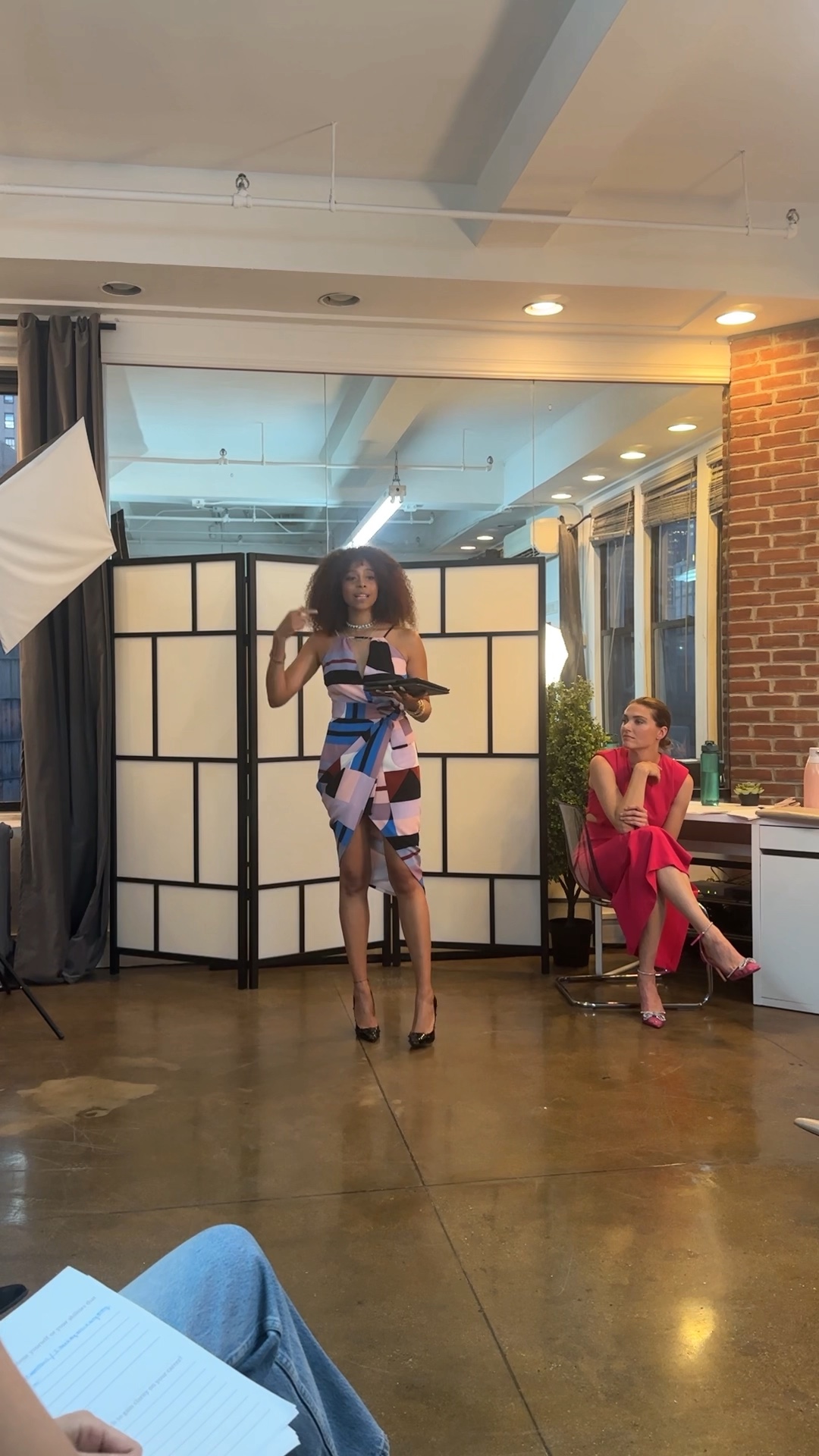
How can we best help foster a strong, supportive environment for artists and creatives?
In my view, society can do so much more to support artists, creatives, and a thriving creative ecosystem—especially when it comes to our school systems and corporate environments. I went to public school, and while I wasn’t fully immersed in the arts at the time, looking back I truly wish creativity had been more actively encouraged and treated as an essential part of learning.
Growing up, I often felt like I was “bad at learning” because I didn’t absorb information the same way others did. Subjects like history or science didn’t come easily to me, but I was particularly good with math in high school. on the other hand, I wasn’t a fast learner, and I didn’t feel safe or supported enough to ask for help. Instead, I stayed silent. What I didn’t know at the time was that I just needed different tools—different ways to retain and process information. But the school system was very one-size-fits-all, and that made me feel less than. It made me feel like something was wrong with me.
What I wish I had, and what I hope more students can have today, is access to creative ways of learning. Creativity isn’t just about art—it’s about discovery, curiosity, movement, expression, and connection. If education had included more opportunities for us to breathe through our anxiety, to process information through artistic outlets, or to explore mental health in real, human ways, I believe so many of us would have felt more confident, more engaged, and more capable.
It’s important to note that I love teachers. I truly admire their resilience and dedication. But I also recognize that they’re often underpaid, overworked, and unsupported in systems that don’t always work for them either. So when I talk about systemic change, I mean building a school culture that supports everyone—educators and students alike—by weaving creativity and emotional wellbeing into the very foundation of how we teach and how we learn. That could mean more funding for arts programs, making creative subjects mandatory and not just electives, or offering classes in painting, scriptwriting, composing music, movement, mindfulness, and beyond.
That lack of creative support extended into my time in the corporate world, too. I spent years working in very structured, traditional environments where being creative felt… taboo. Like it was something you had to hide or apologize for. And that made me feel unseen and unsupported. I developed anxiety because I felt like I was constantly shrinking myself to fit into a mold that didn’t match who I truly was.
Toward the end of my corporate career, mental health started being mentioned more openly in meetings and through HR channels, which was a step in the right direction. But it still felt like there was this unspoken stigma, like you had to be “struggling” to need help. For a long time, I believed something was wrong with me because no one else seemed to need the support I craved. But eventually, I started talking to colleagues more openly, and I realized—so many people were feeling the same way. I just didn’t know it because we were all keeping it to ourselves.
That moment of connection changed everything. I felt seen. I felt heard. I felt safe for the first time in a long time. But I also realized that not everyone has the capacity—or the knowledge—to support someone else, especially if they haven’t done that inner work themselves. Which is why I now advocate so strongly for mental health support in the workplace—not just as a checkbox in a presentation, but as a real, ongoing practice led by trained professionals.
Whether it’s in schools or offices, we have to normalize creativity and emotional wellbeing as essential—not optional. Because when people feel seen, heard, and supported in their full selves, that’s when innovation flourishes. That’s when people feel safe to take risks, to dream big, and to express themselves boldly.
This is what I strive to incorporate in my own work now—as a coach, creative, and advocate. I help people reconnect to their creativity, rewrite the stories they’ve been told about who they are and what they’re allowed to do, and build lives that feel fulfilling and expansive. I believe everyone deserves access to that—and society has a responsibility to make it possible.
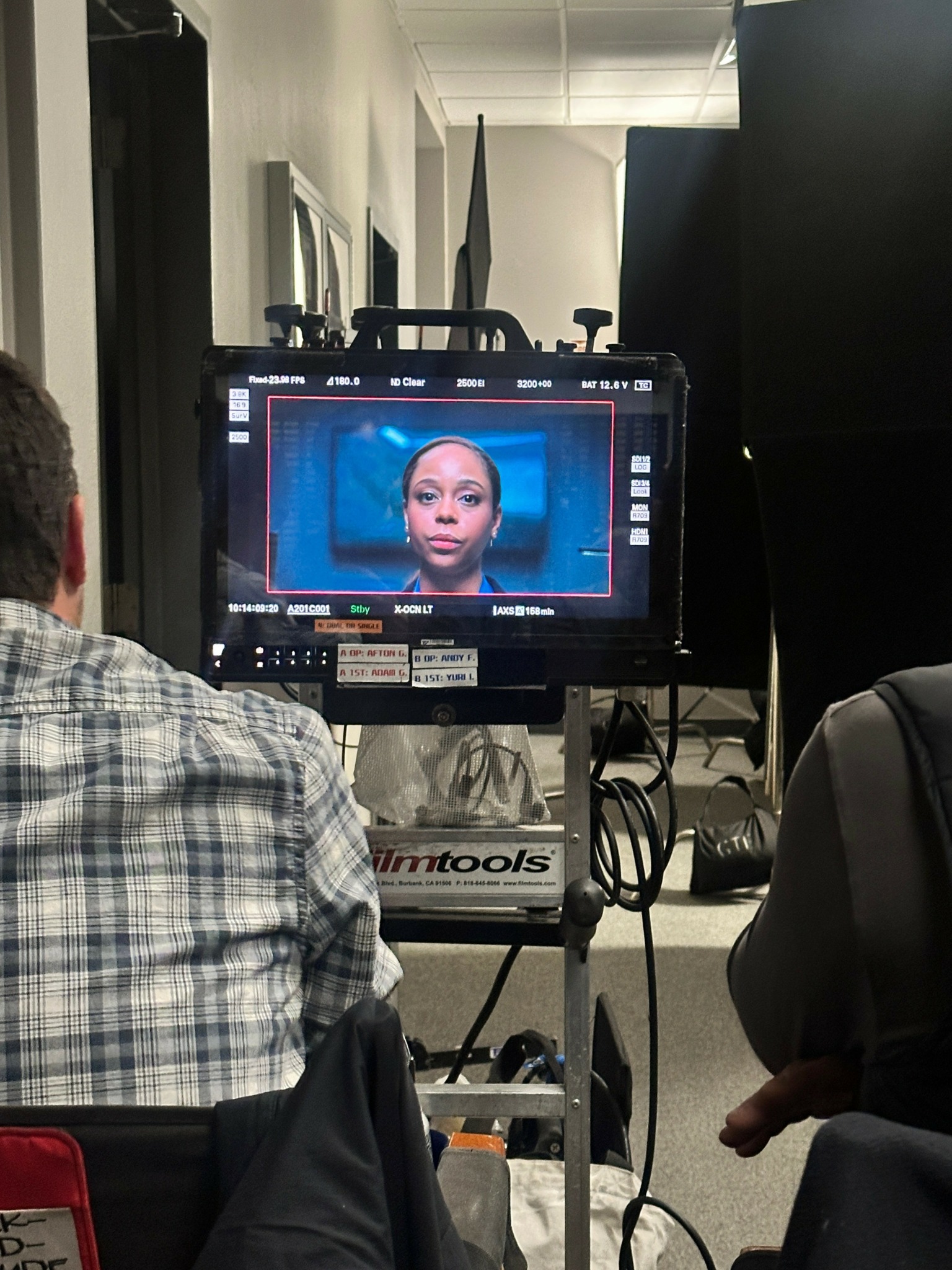
Let’s talk about resilience next – do you have a story you can share with us?
One of the greatest acts of resilience in my journey has been choosing to pursue my creative truth—my path—not the one laid out for me by society, my upbringing, or even the expectations of those I love.
It took an enormous amount of courage to say yes to my creativity, to declare that being an actor, storyteller, and artist wasn’t just a hobby or a side dream—it was my purpose. Saying yes to that calling meant saying no to the traditional routes that felt safer, more familiar, or more “acceptable.” It meant risking comfort for authenticity.
Growing up, I was surrounded by messages that told me creativity wasn’t a “real” path—that it was unstable, uncertain, and nearly impossible. I saw so many people give up on their dreams because that fear of uncertainty was louder than their passion. And I get it. When you’ve been told your dream is “unrealistic,” or “too hard,” or “too unstable,” for long enough—you start to believe it. You start to shrink. To sabotage. To silence yourself before the world even gets the chance. And I did that, for a while. I let the voices get loud. I questioned my path. I almost gave in.
But something in me refused to go numb.
My biggest flex—my deepest act of resilience—was saying yes to myself anyway. Yes to becoming an actor. Yes to being a storyteller. Yes to building a life rooted in creativity and truth. It was terrifying. I didn’t have a blueprint or a backup plan. What I had was a calling, and I knew I’d regret not answering it.
Choosing my own path wasn’t just a career decision—it was a soul decision. I didn’t want to live the same story my parents lived, nor did I want to be defined by my past or by society’s expectations of who I should be. I wanted to live a life that felt honest, brave, and mine. That meant unlearning generational fears, breaking cycles of silence, and facing every doubt head-on.
I kept believing. In the vision. In my voice. In the possibility that there was room for someone like me to thrive—not despite my past, but because of how deeply I was willing to feel, heal, and create from it.
Resilience, to me, is not about never falling. It’s about rising again and again with more clarity, more courage, and more compassion. It’s choosing yourself every day in a world that keeps trying to shape you into someone smaller. And I’m proud to say—I chose me. I chose my purpose. And I continue to help others do the same.
Because this is what I know for sure: we don’t have to repeat the patterns we were handed. We get to rewrite the story. And mine? It’s still unfolding—and it’s beautiful, bold, and real. So, I’ll continue to own my own voice—so others rise into theirs.
Contact Info:
- Website: www.ShesALifeCoach.com & www.AmandaDeBraux.com & www.MindsetArtistryPodcast.com
- Instagram: @AmandaDeBraux & @ShesALifeCoach
- Facebook: @AmandaDeBraux
- Youtube: https://www.youtube.com/@mindsetartistry
- Other: https://substack.com/@shesalifecoach
Image Credits
Brown outfit by Logan Hicks
Every other photo by me.