

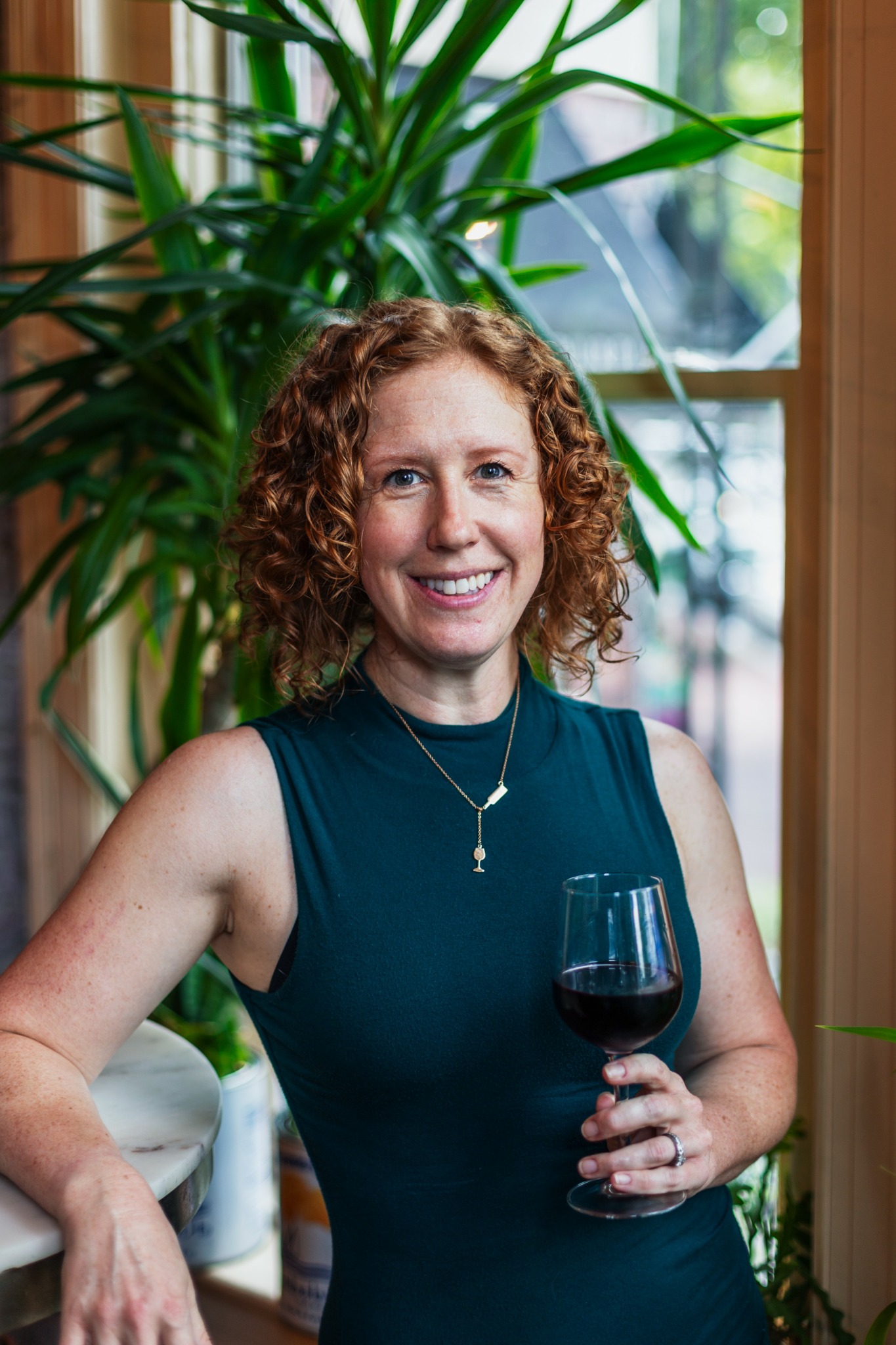

We recently connected with Alyssa Wolf and have shared our conversation below.
Alyssa, thanks for joining us, excited to have you contributing your stories and insights. What were some of the most unexpected problems you’ve faced in your business and how did you resolve those issues?
As an importer of wine and spirits, the tariffs the administration has placed on imports have been a massive “unexpected” problem. While it was widely anticipated that trade policy could shift following the election, the scope, timing, and roll out of these tariffs have introduced a level of uncertainty that has been difficult for small businesses to navigate.
Last year I placed orders with my suppliers not knowing what the tariff rate would be. At that time a general 10% tariff was placed on all imports. Because international shipping timelines can vary widely, and delays are common, I faced uncertainty about when my goods would clear customs and at what rate they would ultimately be taxed. Fortunately, my shipments cleared just days before higher tariff rates took effect. As a result, I paid 10% on my South African imports, which are now subject to a 30% tariff, and 10% on my Portuguese imports, which are now taxed at 15%.
The administration claims that foreign governments pay these tariffs. They do not. Importers do. In 2025 approximately $7,000 was deducted from my business checking account by US Customs and Border Protection less than 30 days after customs clearance. These tariffs are listed on my invoice as “taxes.”
I was able to offset some of that cost through modest price increases. However, tariffs of 15% and 30% represent a far more significant financial strain. Even if price adjustments are possible—and even if customers are willing to absorb those increases—the importer must pay the tariff upfront. For a small business, where cash flow is already a constant balancing act, this creates substantial pressure.
Due to this uncertainty, I made conservative decisions last year. I chose not to import certain higher-end wines and postponed launching new products. These were growth opportunities that I felt compelled to defer in order to protect the stability of the business.
My goal is not simply to survive, but to grow responsibly in 2026 and beyond. I want to create jobs, introduce American consumers to exceptional wineries and distilleries, and continue supporting both my distributor partners and international suppliers. Expanding thoughtfully—bringing new, distinctive products to market—benefits retailers, restaurants, and consumers alike.
I have recently placed new orders with producers in South Africa and Portugal. Based on current tariff rates, I anticipate paying approximately $20,000 in import duties on those shipments. Without price adjustments, those additional costs would reduce revenue to a level below the cost of goods sold. However, adjusting prices to cover these added expenses carries meaningful financial risk. The market may not sustain higher price points without impacting sales volume. Even if customers are willing to absorb some increase, there is no certainty that demand will remain consistent at elevated prices.
There is ongoing legal uncertainty surrounding these tariffs, and a potential ruling may provide clarity. However, small businesses cannot indefinitely delay operations while awaiting policy decisions. Inventory must be ordered months in advance to ensure distributors and, in turn, retail and restaurant customers, have consistent access to product.
What does it feel like? It feels like the administration is out to get just about everyone who isn’t like them. Who isn’t a billionaire. Who isn’t a white Christian man. And in the meantime they lie about it to the American people and they crush small businesses.
As always, we appreciate you sharing your insights and we’ve got a few more questions for you, but before we get to all of that can you take a minute to introduce yourself and give our readers some of your back background and context?
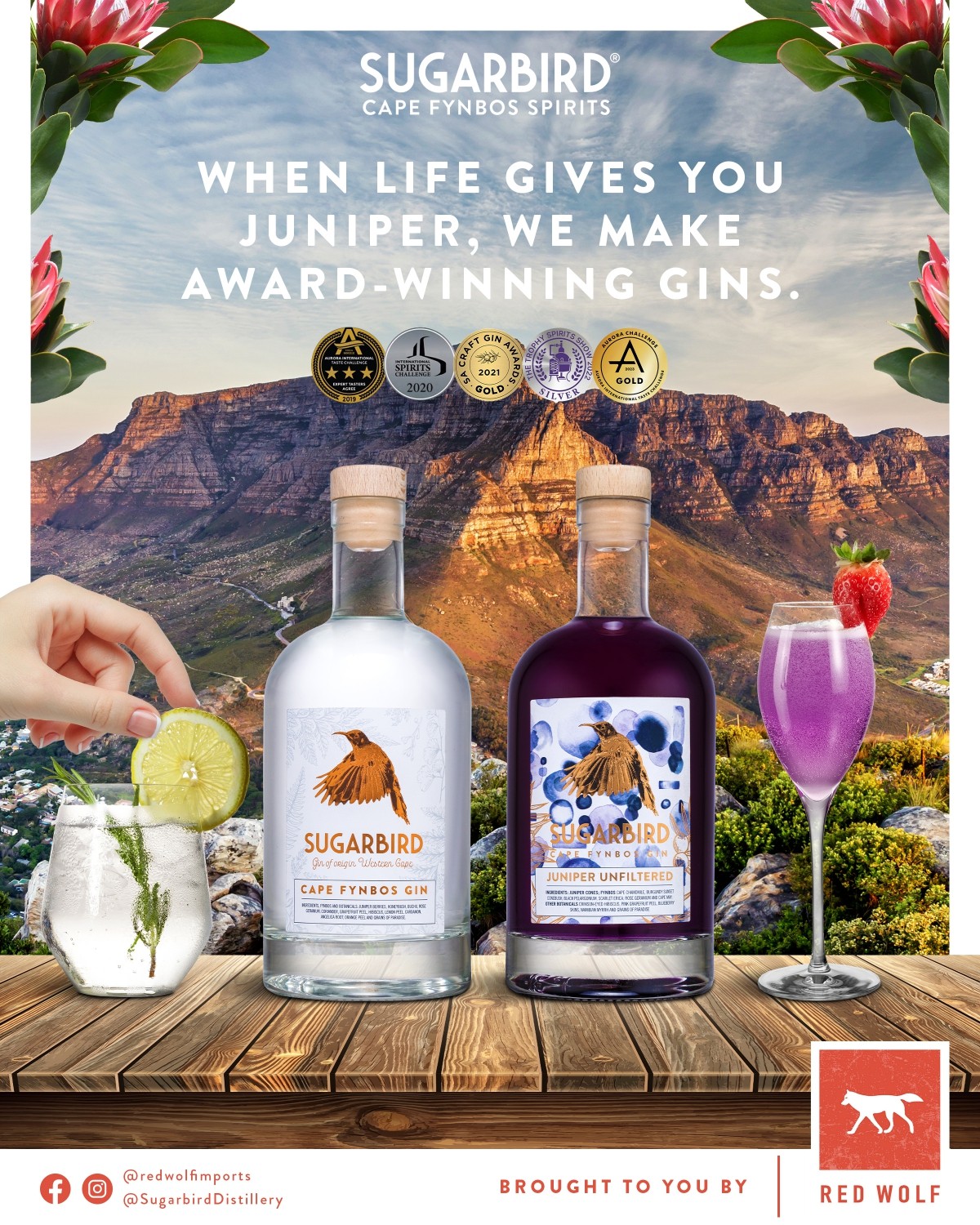
We believe every bottle tells a story worth sharing. We bring those stories to life by connecting our suppliers with wine and spirits lovers throughout the United States.
Red Wolf Imports was started by Alyssa and Ian Wolf in 2015 during a trip to South Africa. The two realized that the wines sitting on US retail shelves weren’t necessarily representative of what was going on in the South African wine industry. They realized this was likely true of other regions as well. US wine drinkers were missing out on hidden gems while big brand value wine and high end premium bottles (out of most people’s price points) dominated the shelves.
We carry wines and spirits from lesser known regions that are built on tradition, but not limited by its constraints. Regions that honor their history, but are willing to innovate and change along with the global market.
Our wineries and distillers both honor tradition and embrace innovation, and we champion their stories through trusted distribution partners in our markets.
As an independent importer of goods from lesser known places (those often overlooked by the mainstream companies) our goal is to share those stories with you.

What do you think helped you build your reputation within your market?
A few things have contributed to our reputation in the market.
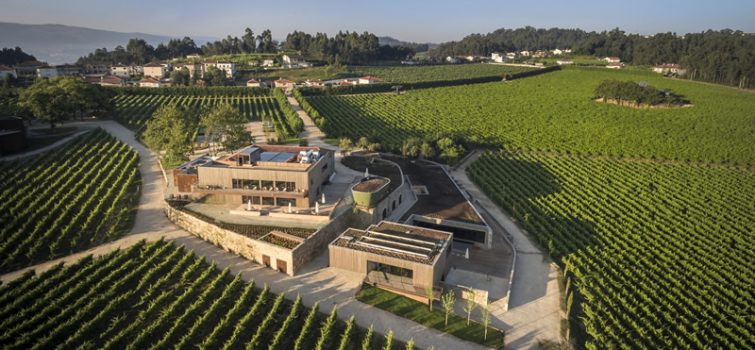
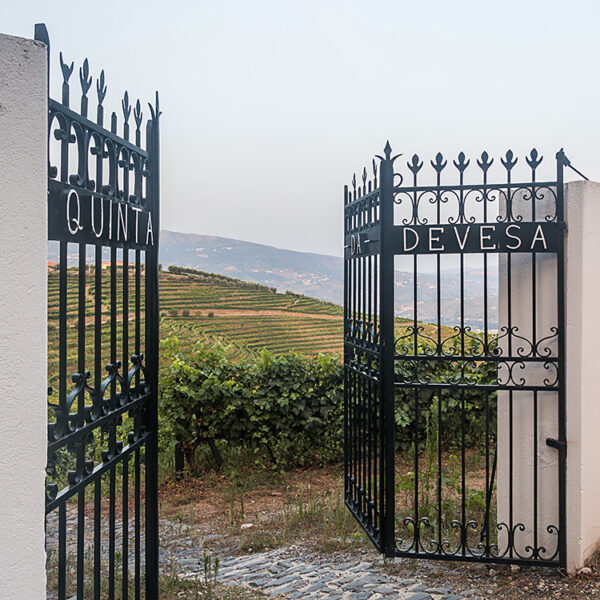
First and foremost, we represent an exceptional portfolio. We are privileged to partner with outstanding producers in South Africa and Portugal.
Second, we have positioned ourselves not simply as an importer, but as true representatives of these wineries and distilleries in the United States. We have spent time on the ground with our producers—building relationships, sharing meals, working alongside them, and gaining a deep understanding of their craft and culture. Wine is not just a technical product defined by a spec sheet; it is an agricultural expression, a moment in time, and a story shaped by people and place. That perspective informs how we present and sell every bottle.
Finally, our approach to business is grounded honestly and accountability. Those values guide our partnerships with suppliers, distributors, and customers alike.

Let’s talk about resilience next – do you have a story you can share with us?
Yes — and I’ll share a story that still makes me laugh.
In 2016, I took my first Red Wolf sourcing trip to South Africa. I was excited, slightly intimidated, and very aware that I was stepping well outside my comfort zone. After a full day of winery meetings, we stopped in town for coffee. That’s when I had my first true introduction to the South African summer wind.
I opened the car door and was immediately greeted by a large restaurant patio umbrella hurtling down the street directly toward me. There was no time to react. It knocked me flat, broke my sunglasses, skirt overhead, left me with a black eye, and likely a small fracture in my right hand.
That evening didn’t offer much recovery time. Our rental had no air conditioning, so we slept with the windows open — which, as it turns out, doubled as an open invitation to the local mosquito population. I woke up the next morning covered in red welts.
And yet, we still had winery meetings scheduled.
So I showed up: black eye, swollen hand, mosquito bites on full display — shaking hands only with my left. It wasn’t glamorous, but it was memorable.
That trip taught me something important. This business requires resilience, adaptability, and a willingness to show up — even when circumstances are less than ideal.
Contact Info:
- Website: https://www.redwolfimports.com
- Instagram: @redwolfimports
- Facebook: Red Wolf Imports
- Linkedin: https://www.linkedin.com/in/alyssa-wolf-b90a84b2/
- Other: tik tok @redwolfimports
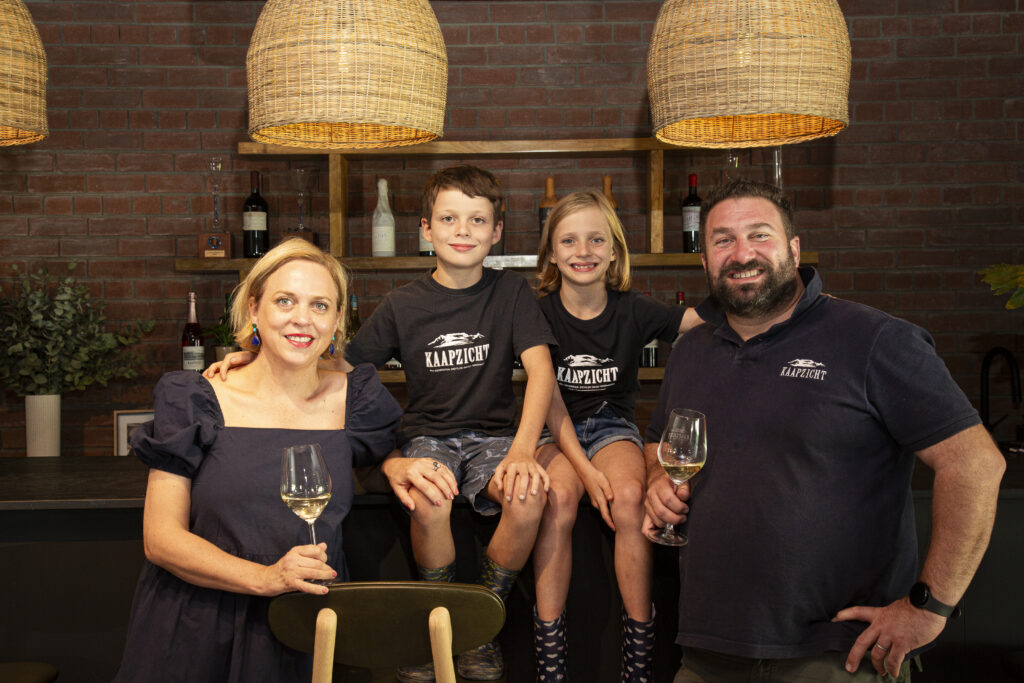
Image Credits
Sugarbird, Villiera, Kaapzicht, Quinta da Lixa