We’re excited to introduce you to the always interesting and insightful Alvin Lin. We hope you’ll enjoy our conversation with Alvin below.
Alvin, thanks for joining us, excited to have you contributing your stories and insights. We’d love to hear the backstory behind a risk you’ve taken – whether big or small, walk us through what it was like and how it ultimately turned out.
One of the most significant risks I’ve taken was deciding to pursue a career in graphic design. Growing up, I always had a passion for art and storytelling, but the idea of pursuing a creative field felt uncertain and unconventional, especially coming from a family that valued stability and practicality. Choosing to study design at ArtCenter College of Design was a leap into the unknown—I was committing to a field that required not only artistic talent but also resilience, problem-solving, and a deep understanding of human connection.
The backstory is rooted in my childhood. I always found joy in creating things—whether it was drawing, experimenting with photography, or making collages—but I wasn’t sure how to channel that into a career. When I discovered graphic design, I realized it was the perfect bridge between creativity and functionality, allowing me to solve real-world problems while telling compelling stories.
Taking the risk meant moving away from my comfort zone, investing in my education, and dedicating countless hours to refining my craft. The decision was daunting, but it paid off in ways I never imagined. I’ve had the opportunity to work on incredible projects at school, including a rebrand for the Los Angeles LGBT Center and conceptual packaging designs for SingleThread, both of which allowed me to combine my design skills with my passion for inclusivity and storytelling.
It wasn’t an easy journey, but the reward has been a career that feels meaningful and authentic to who I am. This risk taught me the value of following my instincts and trusting that passion and hard work can lead to incredible opportunities.
Awesome – so before we get into the rest of our questions, can you briefly introduce yourself to our readers.
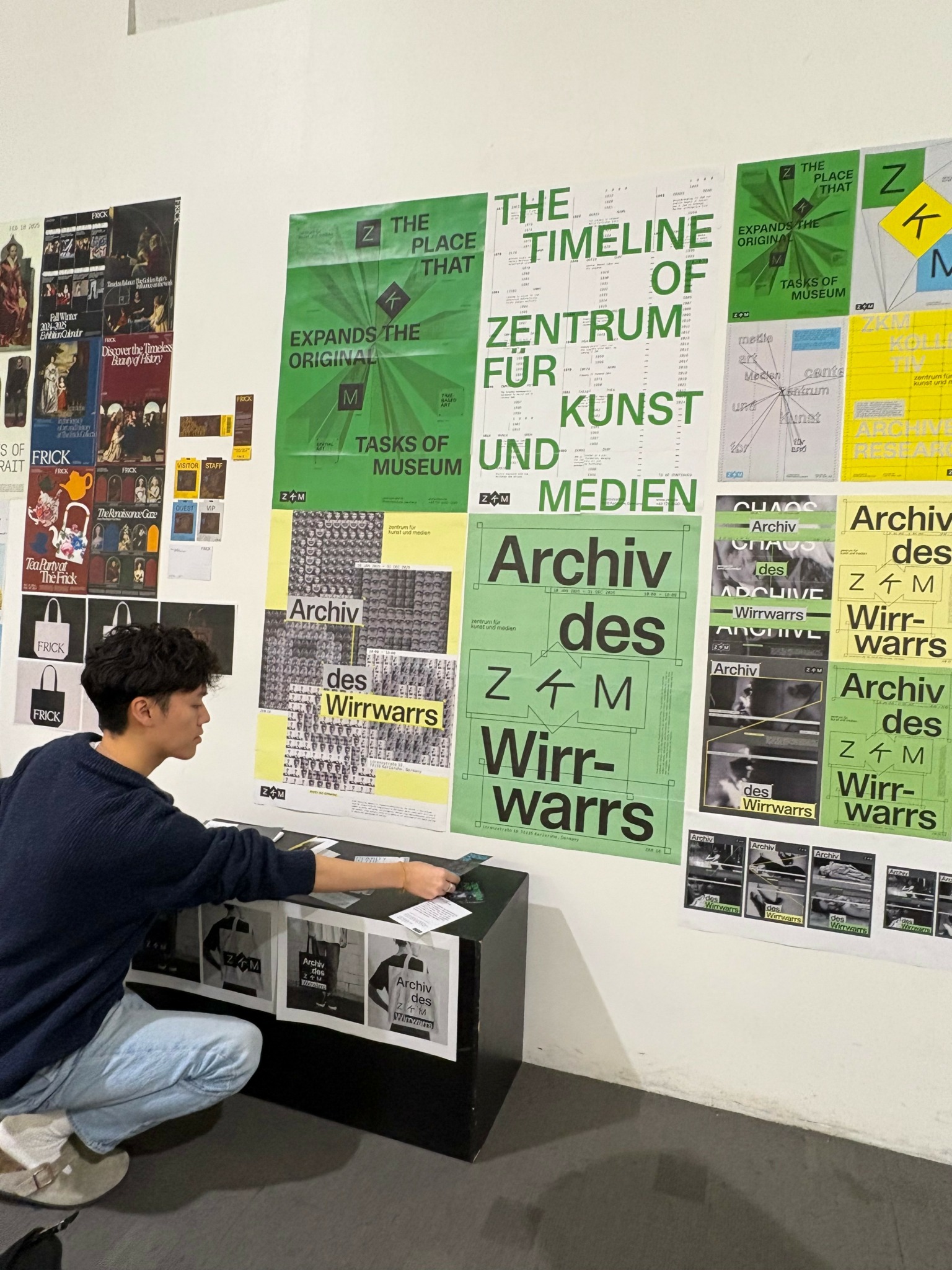
I am a graphic designer specializing in visual storytelling, currently completing my degree at ArtCenter College of Design. My professional focus centers on creating design solutions that emphasize diversity, inclusivity, and sustainability. My approach to design prioritizes understanding client narratives and translating them into compelling visual communications.
My entry into design stemmed from a fundamental interest in the intersection of culture, technology, and artistic expression. I have developed expertise in branding, packaging design, and typographic exploration, with a particular emphasis on process-driven design methodologies.
Can you share a story from your journey that illustrates your resilience?
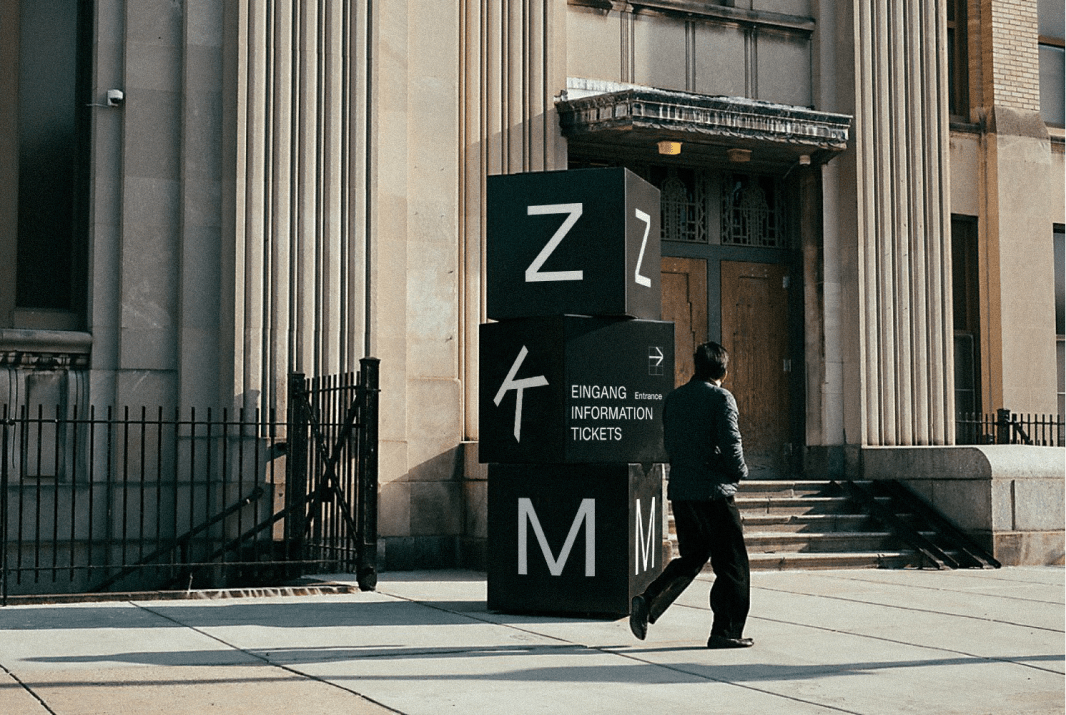
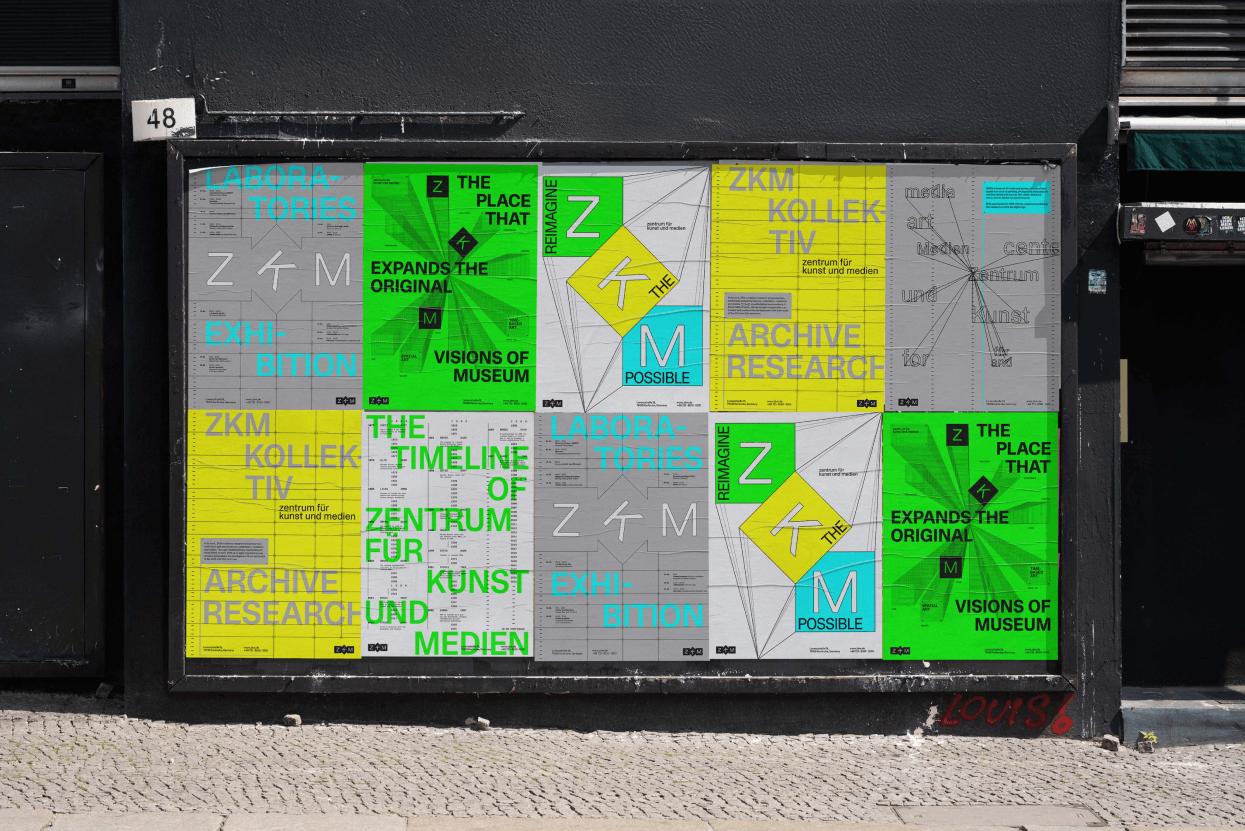
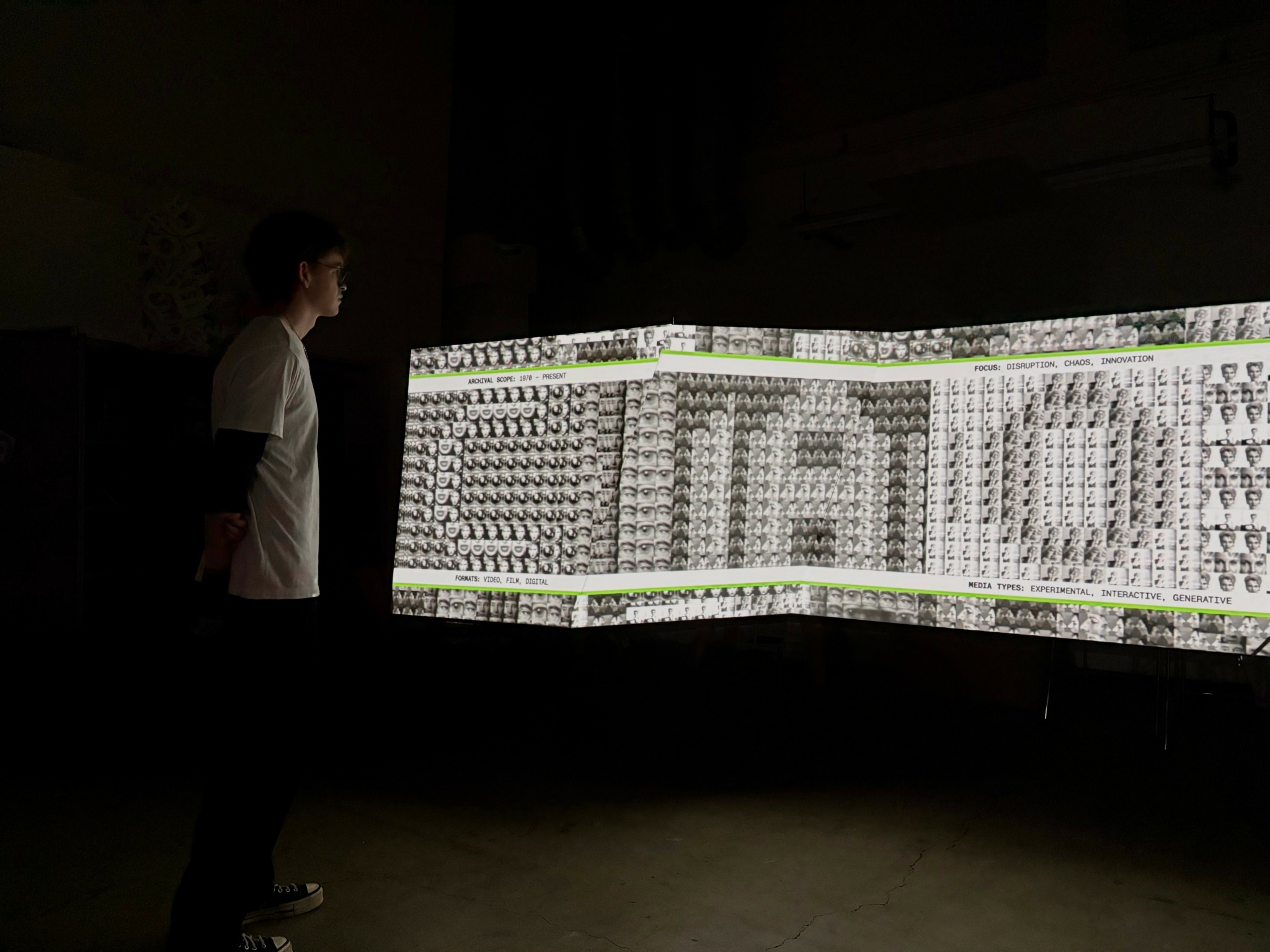
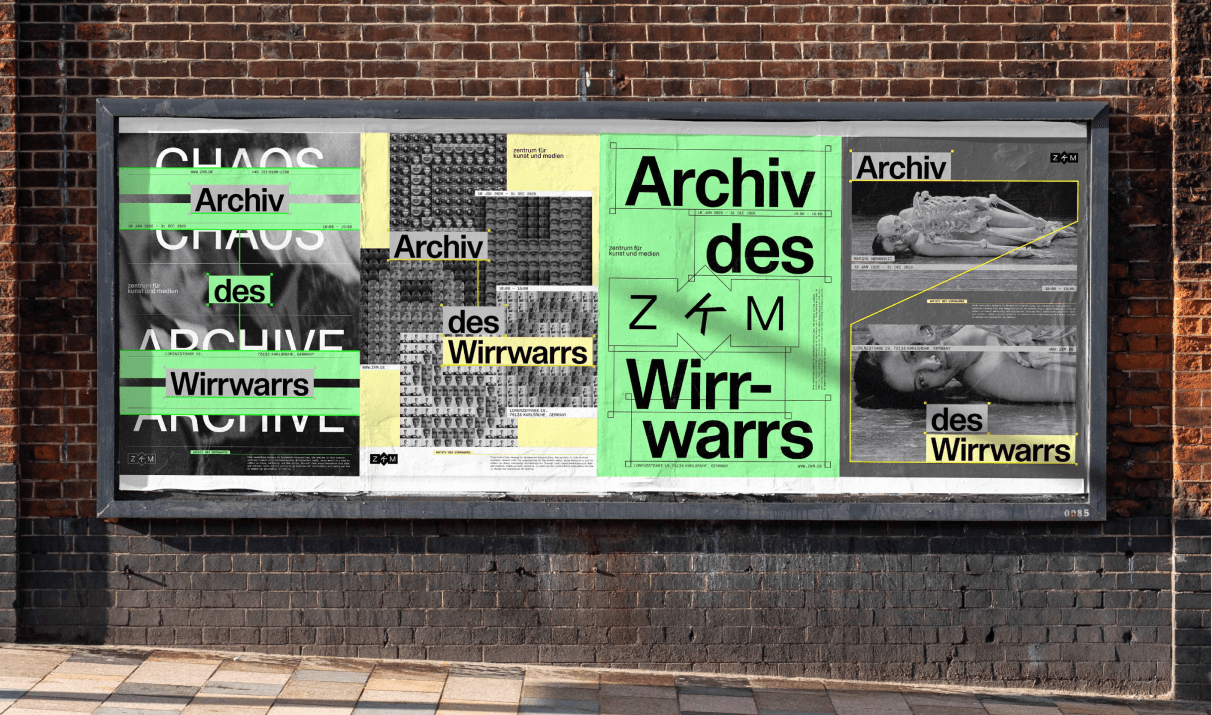
One of the most challenging yet rewarding experiences in my journey was designing an interactive installation for the Archiv des Wirrwarrs (Chaos Archive), part of my rebrand project for ZKM, a German media art museum. The installation was rooted in pushing creative boundaries, using coding tools like p5.js and ml5.js to create a dynamic and interactive experience. Visitors could engage with the archive in real-time, navigating chaotic yet meaningful visual expressions and uncovering deeper layers of the artwork.
As a designer, I’m naturally drawn to visual storytelling and imaginative concepts, but coding was a completely new and daunting realm for me. I’ve always struggled with logic-based problem-solving, so venturing into programming felt like stepping into unfamiliar and intimidating territory. However, I was determined to bring this idea to life because I believed in the potential of merging technology with art to create something truly immersive.
I spent countless hours teaching myself how to code, scouring online tutorials, and experimenting with small scripts to understand the basics. Along the way, I sought guidance from professors and peers at school, who generously offered their expertise and encouragement. There were moments of frustration when nothing seemed to work—debugging errors or trying to get the interaction flow right—but I reminded myself that growth often comes through struggle.
The final installation was a testament to resilience. Visitors could interact with the chaotic archive by using gestures to navigate a canvas and explore artist information. The system deconstructed artwork images into dynamic, distorted type, reflecting the unpredictability of chaos while celebrating its creative potential. Seeing people engage with the installation, making their own discoveries and interpretations, was an incredibly fulfilling moment for me.
This project taught me that stepping outside my comfort zone and embracing challenges can lead to profound personal and creative growth. It also reinforced my belief in the power of collaboration, learning, and persistence to overcome obstacles and achieve something meaningful.
For you, what’s the most rewarding aspect of being a creative?
The most rewarding part of being a creative is seeing the impact of my work on people’s lives. Whether it’s a brand that feels more connected to its audience, packaging that delights and informs, or a typeface that tells a story, knowing that my designs create moments of connection and understanding is incredibly fulfilling.
I also love the process of collaboration. Working with diverse teams and clients teaches me new perspectives and pushes me to think beyond my own experiences. It’s a constant reminder that design is not just about self-expression—it’s about creating something that resonates with others.
Ultimately, what I find most rewarding is the ability to merge art, storytelling, and problem-solving into work that feels purposeful. Every project is an opportunity to explore, connect, and make a positive impact, and that’s what keeps me inspired every day.
Contact Info:
- Website: https://alvinlindesign.com/
- Linkedin: https://www.linkedin.com/in/alvin-lin-design/