
We were lucky to catch up with Alvaro Riccardo VALENTE recently and have shared our conversation below.
Alvaro Riccardo, thanks for taking the time to share your stories with us today Can you talk to us about a project that’s meant a lot to you?
Night Comes On is the project I keep coming back to when people ask me this question.
It was 2016. I was still finding my footing as an independent producer. The film is about a teenage girl who gets out of juvenile detention and decides to go on a journey to track down her father, the man who killed her mother. And through her journey she reconnects with her sister and realize what really matters in life. A beautiful story but on paper not an easy sell.
What gave it an extra layer of meaning was that I already knew the director. I had produced her first short film “Skin”, which also made it to Sundance. So when she came to me with this feature, there was real history there, trust built in the trenches. Watching a director grow from a short to a debut feature, and choosing to take that journey with her, is something special. But it also means you feel every obstacle twice as hard. Financing a micro-budget film with that kind of subject matter is brutal, you’re making hundreds of calls, hearing no constantly, holding the whole thing together through sheer belief in the story.
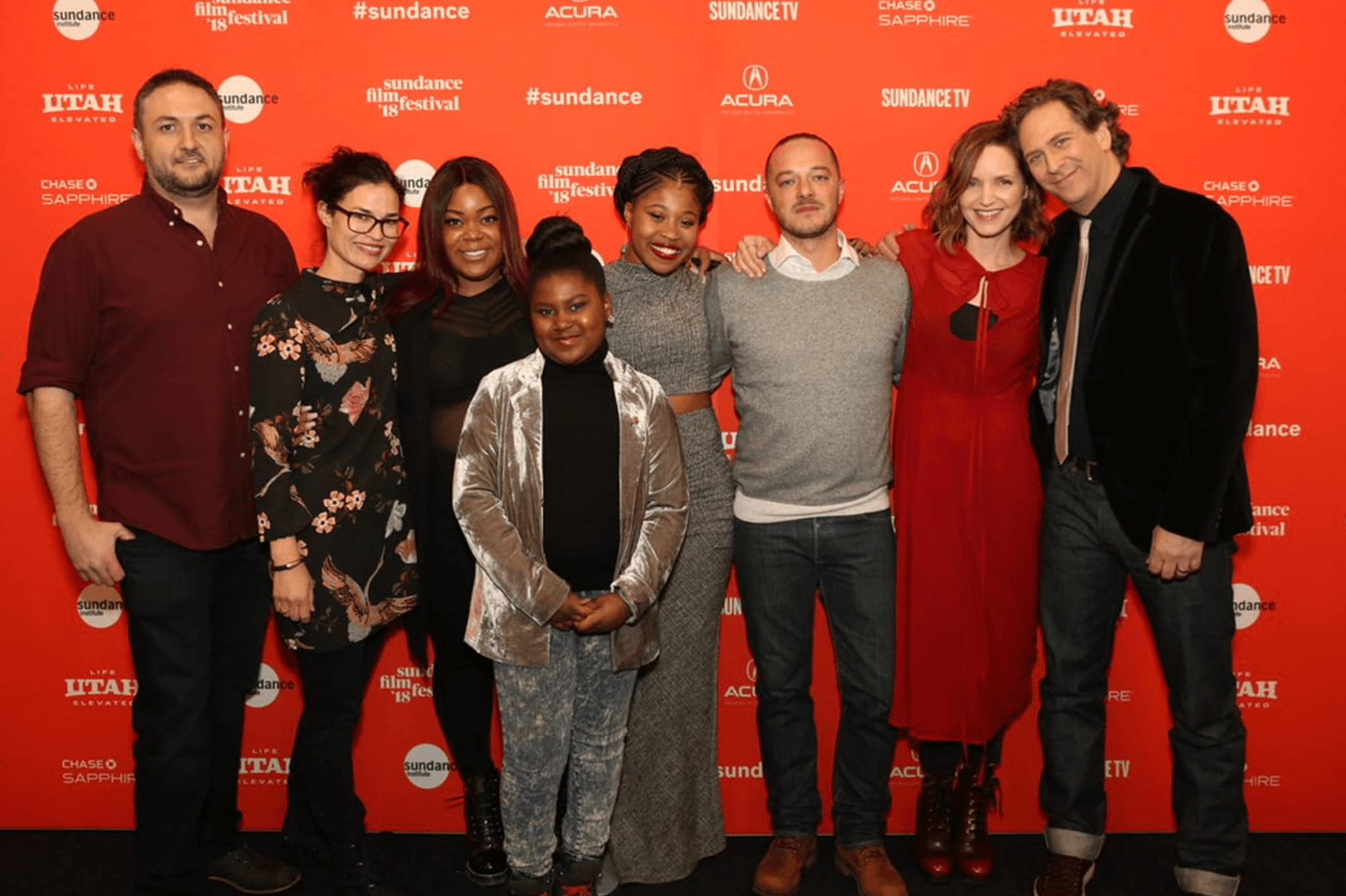
What made it meaningful wasn’t the Sundance premiere, though getting into the Next section in 2018 and winning an award, was a moment I’ll never forget. It was everything before that. The director had a clear, uncompromising vision, and my job was to protect that vision while keeping the production alive within a real tight budget. The subject matter demanded we earn the trust of the communities we were depicting. That’s a lot of weight to carry simultaneously.
What I learned on that film, especially about the producer-director relationship, about what it really means to advocate for a story, shaped everything I’ve done since. The skills you build when resources are scarce become your superpower when the stakes get higher.
And the film mattered to people. That’s ultimately what it’s about. You can have a great festival run, but when someone comes up to you and says how much that story touched them, that’s the thing you’re chasing.
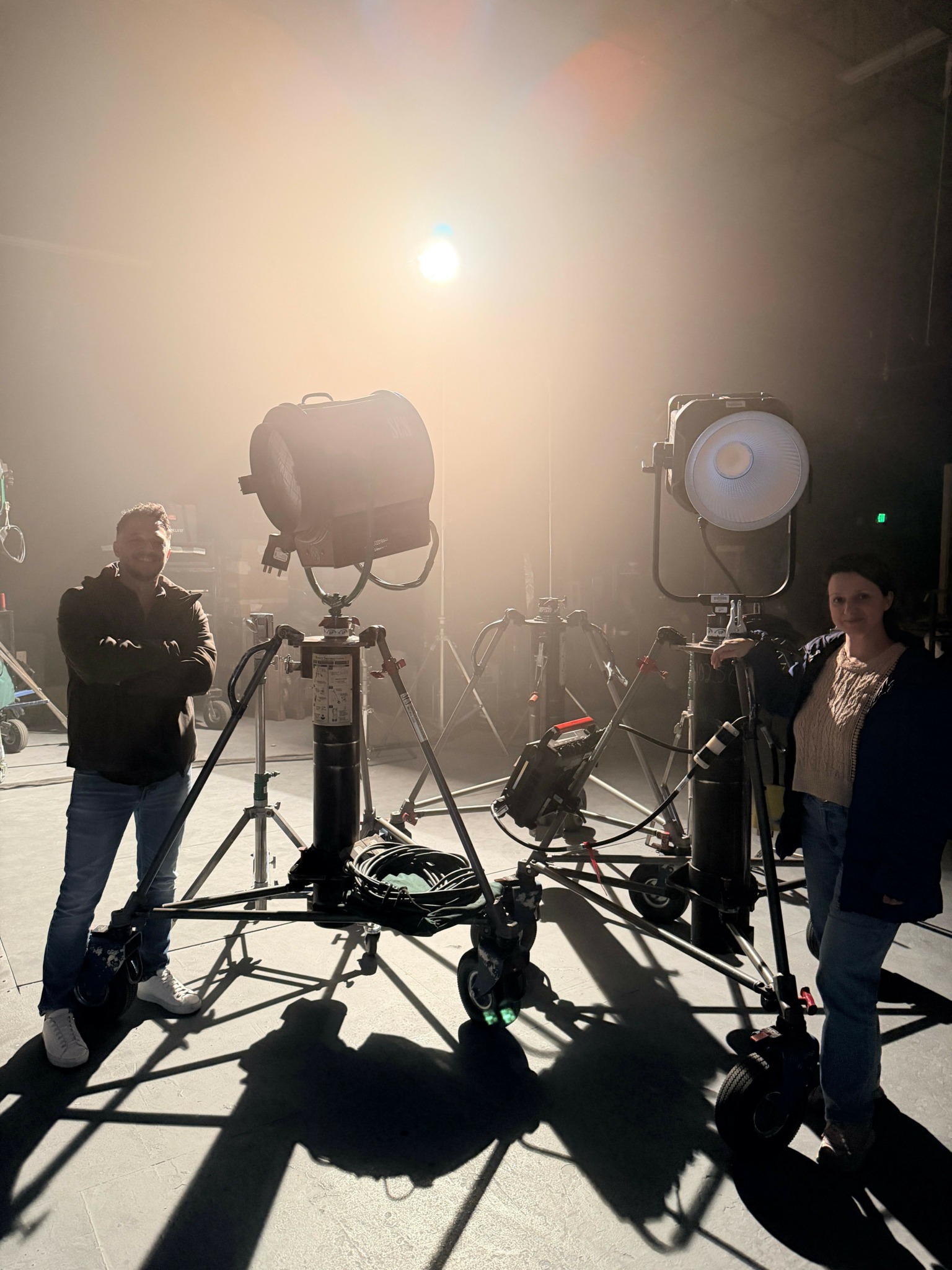
Alvaro Riccardo, before we move on to more of these sorts of questions, can you take some time to bring our readers up to speed on you and what you do?
I’m a film producer based in Los Angeles, originally from Italy and Belgium, raised between Brussels, Rome and Milan, which probably explains why I ended up making films across three continents.
I came to this industry the long way around. I studied economics and management in fine arts and show business in Italy, then took a sharp turn into filmmaking, first at the New York Film Academy in Los Angeles, then at Columbia University in the city of NY where I got my MFA in Creative Producing. Columbia was where things clicked. Not just the craft, but the business of it: how to develop a project, how to find the money, how to assemble a team and hold a production together when everything is trying to fall apart. I also trained as an exchange student at La Fémis in Paris as part of the Atelier Ludwigsburg program for young European producers, which deepened my understanding of the international co-production world.
What I do, in plain terms, is make films happen. I work as a producer, line producer, and supervising producer, depending on what the project needs. Sometimes I’m with a film from the very first idea, helping a director shape a story and find financing. Other times I come in to run the physical production, manage the budget, and make sure a director’s vision actually lands on screen rather than evaporating under the pressure of a shoot. I’ve done both, often on the same project.
Over the years I’ve worked across various budgets, documentaries, and TV. On the smaller budgets films like Night Comes On, Across the Sea and Tu Me Manques have screened at Sundance, Slamdance, Rome Film Festival, and hundreds of festivals worldwide. On bigger projects I’ve been executive producer and line producer on films like Breaking with John Boyega, Mafia Mamma with Toni Collette and Monica Bellucci, On Swift Horses with Jacob Elordi and Daisy Edgar Jones, and The Persian Version, which went to Sony Classics, Promises with Jean Reno and Pierfrancesco Favino. I also executive produced the documentary Bonnie, with an incredible ensemble of interviews from Benicio del Toro to Michael Mann. The range is intentional, I think the best producers are fluent in both worlds.
What sets me apart, I think, is that combination of European sensibility and American industry experience. I understand how to work with auteur directors who have an uncompromising vision, and I also know how to navigate a studio system. I speak the language of both. I’ve also produced in the US, Italy, France, Bolivia, Hawaii, Istanbul, which means I’ve learned to find creative solutions far from home, with limited resources and high expectations.
What I’m most proud of isn’t any single credit. It’s the relationships. The directors I’ve worked with more than once. The crews who come back. The fact that films I believed in early , when no one else did, found their audience. That’s the job. You’re a believer before anyone else has to be, and when it works, there’s nothing quite like it.
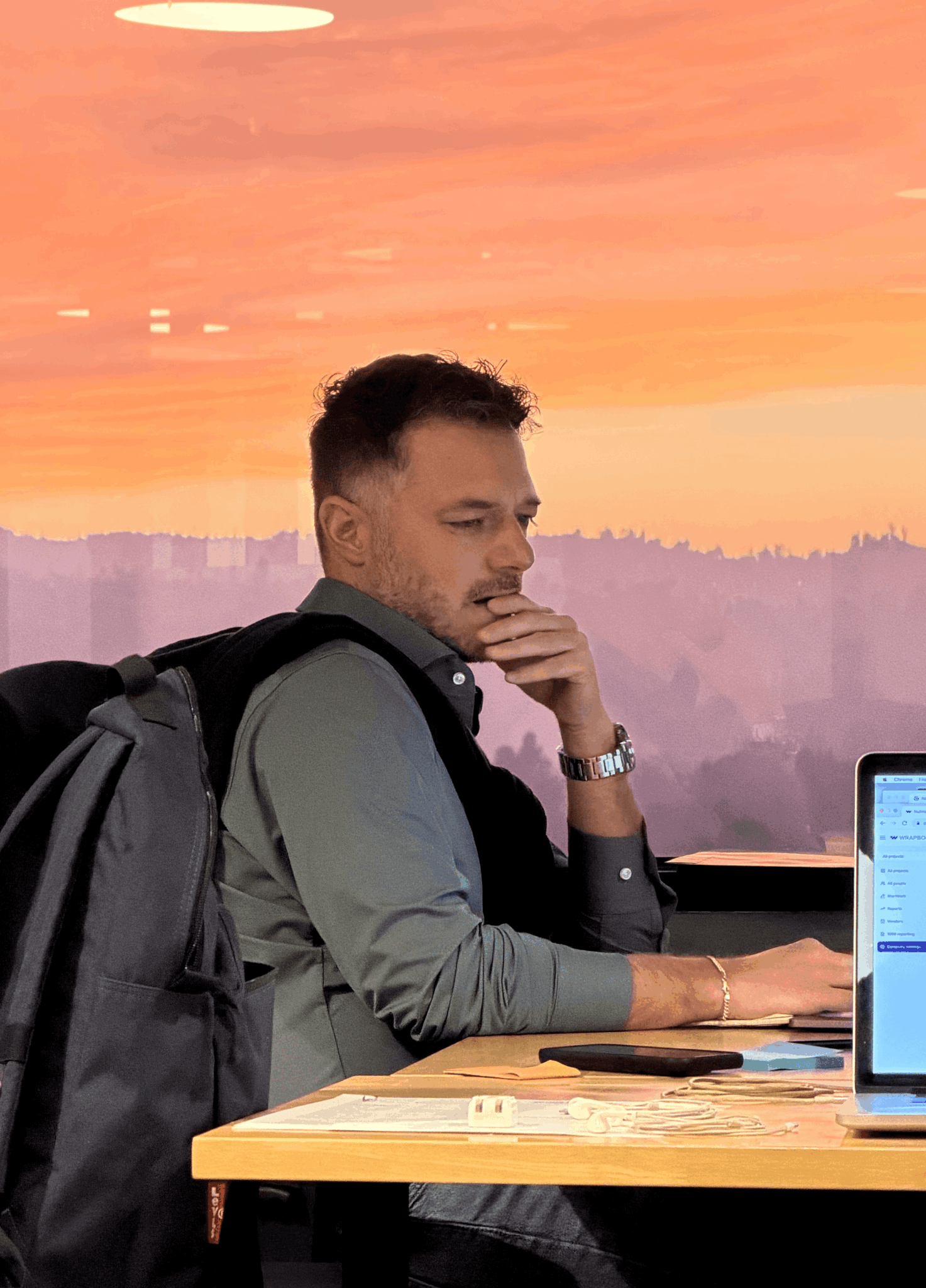
We’d love to hear a story of resilience from your journey.
.You’ve been developing a project for months, sometimes years. You believe in it completely. And then the money falls through, not because the project isn’t good, but because the timing is wrong, or the market shifted, or someone just changed their mind.
That happened to us more than once on Night Comes On. We were working with a micro-budget, a first-time feature director, and subject matter that didn’t scream commercial for financiers. Every time we thought we had it locked, something would shift. But the director my other producing partner and I had already made a short film together, we knew each other’s instincts, we trusted each other, and that trust became the thing that kept the project alive when the external support wasn’t there.
Resilience in this industry isn’t about being tough. It’s about knowing the difference between a project worth fighting for and one you’re holding onto out of ego. Night Comes On was worth fighting for. We got it made. It went to Sundance, won an award, and screened at hundreds of festivals around the world.
But honestly, the real test of resilience for me wasn’t that film, it was building a career between two worlds, European and American, without a roadmap. You don’t always know if you’re making the right call. You just keep going, stay honest about what you’re good at, and try to work with people who bring out the best in you. That’s the only strategy I’ve found that actually works.
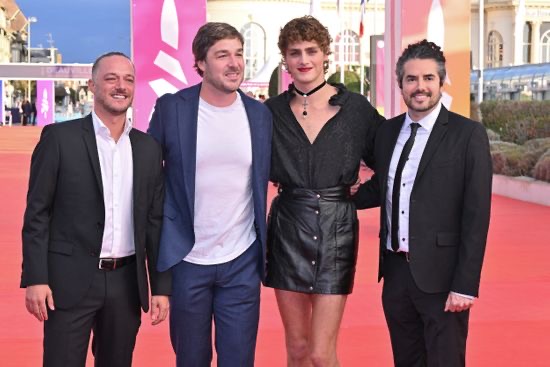
Learning and unlearning are both critical parts of growth – can you share a story of a time when you had to unlearn a lesson?
Early in my career I thought the job was to say yes. Yes to every project that came my way, yes to every request on set, yes to every compromise that kept the peace. I thought that’s what being a good producer meant, being the person who makes everything work, no matter what. I also thought everything was a matter of life and death. I tended to take it all with way too much drama, forgetting that at the end of the day I was in the business of entertaining people.
It took me a few years and a few difficult productions to understand that saying yes to everything is actually a way of saying no to the things that matter. When you’re spread across too many projects, you can’t truly advocate for any of them. When you agree to every compromise, you stop being a creative partner and become just a logistics manager. The thing I had to unlearn was the idea that my value came from being indispensable to everyone. The real value, as a producer, as a collaborator, came from being selective and choosing the right projects. Choosing the right directors. Protecting what matters and letting go of what doesn’t.
It sounds simple. It isn’t. Especially when you’re starting out and every opportunity feels like the one you can’t afford to miss. But the producers I admire most are the ones who know what they stand for, and that clarity comes from being willing to say no. And ultimately is that success that builds your career.
Contact Info:
- Instagram: @alvarorvalente
- Linkedin: https://www.linkedin.com/in/alvarovalente
- Other: IMDB
https://www.imdb.com/name/nm4399130