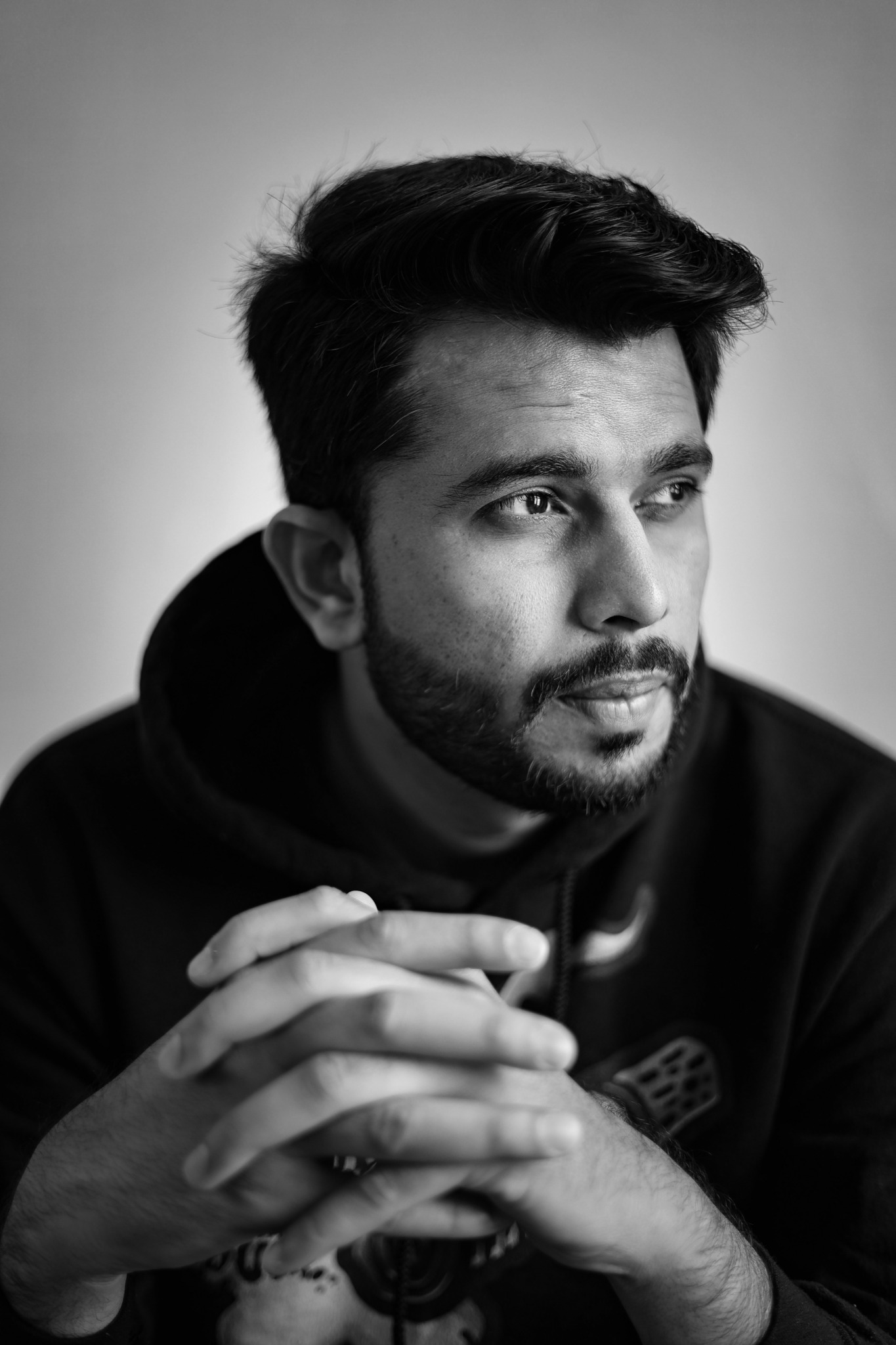

We’re excited to introduce you to the always interesting and insightful Alpesh Parekh. We hope you’ll enjoy our conversation with Alpesh below.
Alpesh, appreciate you joining us today. I’m sure there have been days where the challenges of being an artist or creative force you to think about what it would be like to just have a regular job. When’s the last time you felt that way? Did you have any insights from the experience?
Sometimes I picture myself as a concept artist sitting at a huge desk buried under sketches creatures, worlds, atmospheres, and half-shaped ideas pulled from a thousand different minds. It’s thrilling, but definitely chaotic.
Every now and then, right in the middle of painting someone’s dream city or designing armor for a character, a small thought drifts through.
What if I had a normal job?
For a moment, I imagine a quiet office, tidy folders, predictable days no dragons, no starships, no dramatic story arcs. It almost feels peaceful.
But then another wild prompt drops in, another world waiting to be built, and I remember that the chaos is the whole point. If I were made for routine, I wouldn’t be the concept-artist type in the first place.
If I could choose anything, I’d still pick the messy sketches, the smell of oil paint, and a table overflowing with charcoal sketches fresh ideas. That’s where everything makes sense constant creation, constant change. That’s what creativity is.
As always, we appreciate you sharing your insights and we’ve got a few more questions for you, but before we get to all of that can you take a minute to introduce yourself and give our readers some of your back background and context?
I’ve been drawing for as long as I can remember. As a child, I lived half in the real world and half in my own imaginary ones places inspired by storybooks, cartoons series such as Mikey mouse and Tom & Jerry, and the strange little characters I used to sketch on every scrap of paper I could find. My family noticed that creativity was more than just a hobby for me; it was something I couldn’t stop doing. Their encouragement, especially as I grew older, played a huge role in pushing me to pursue art seriously and eventually complete my master’s degree from the Academy of Art University, USA. That experience opened my world even more and shaped the way I now approach design, storytelling, and worldbuilding.
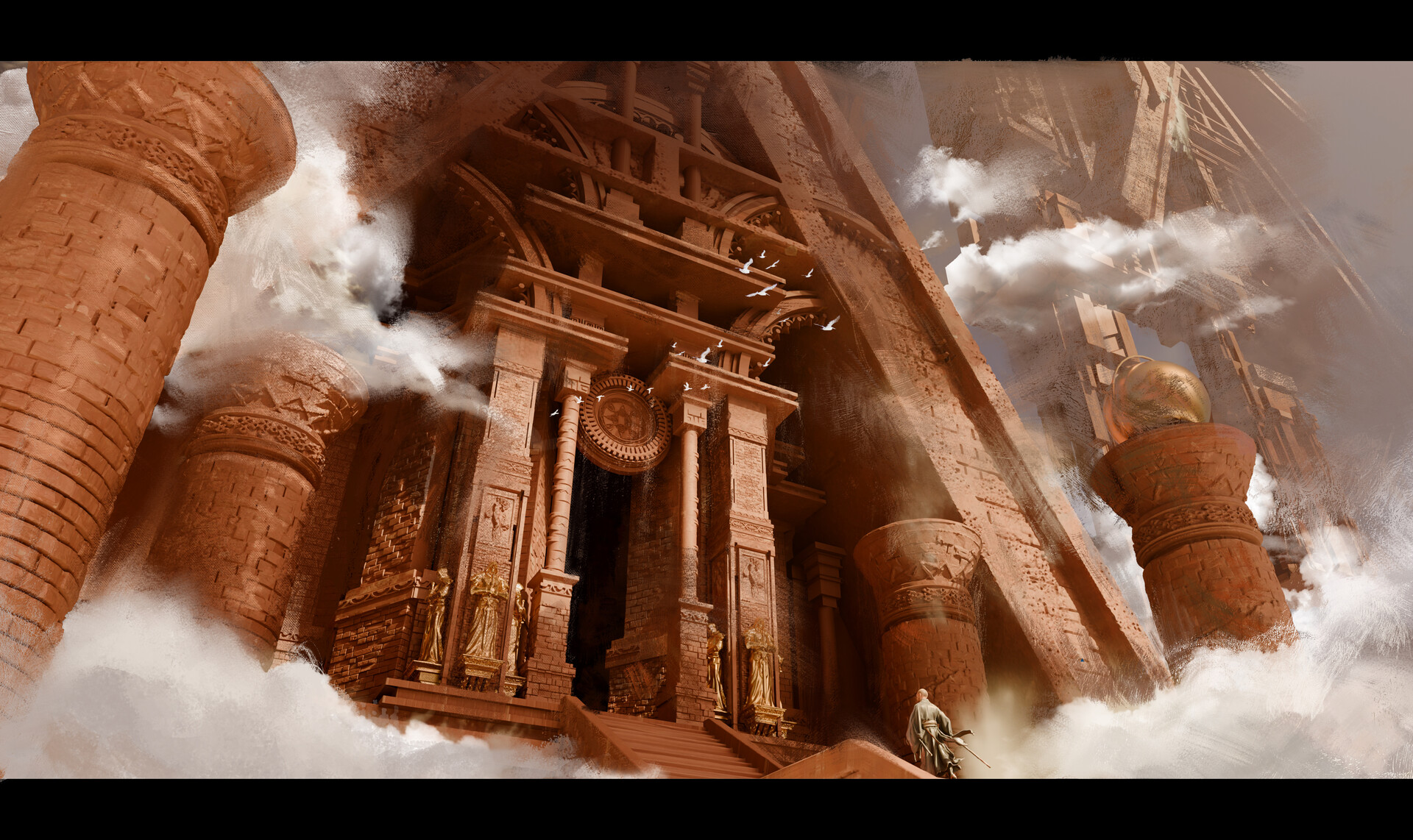
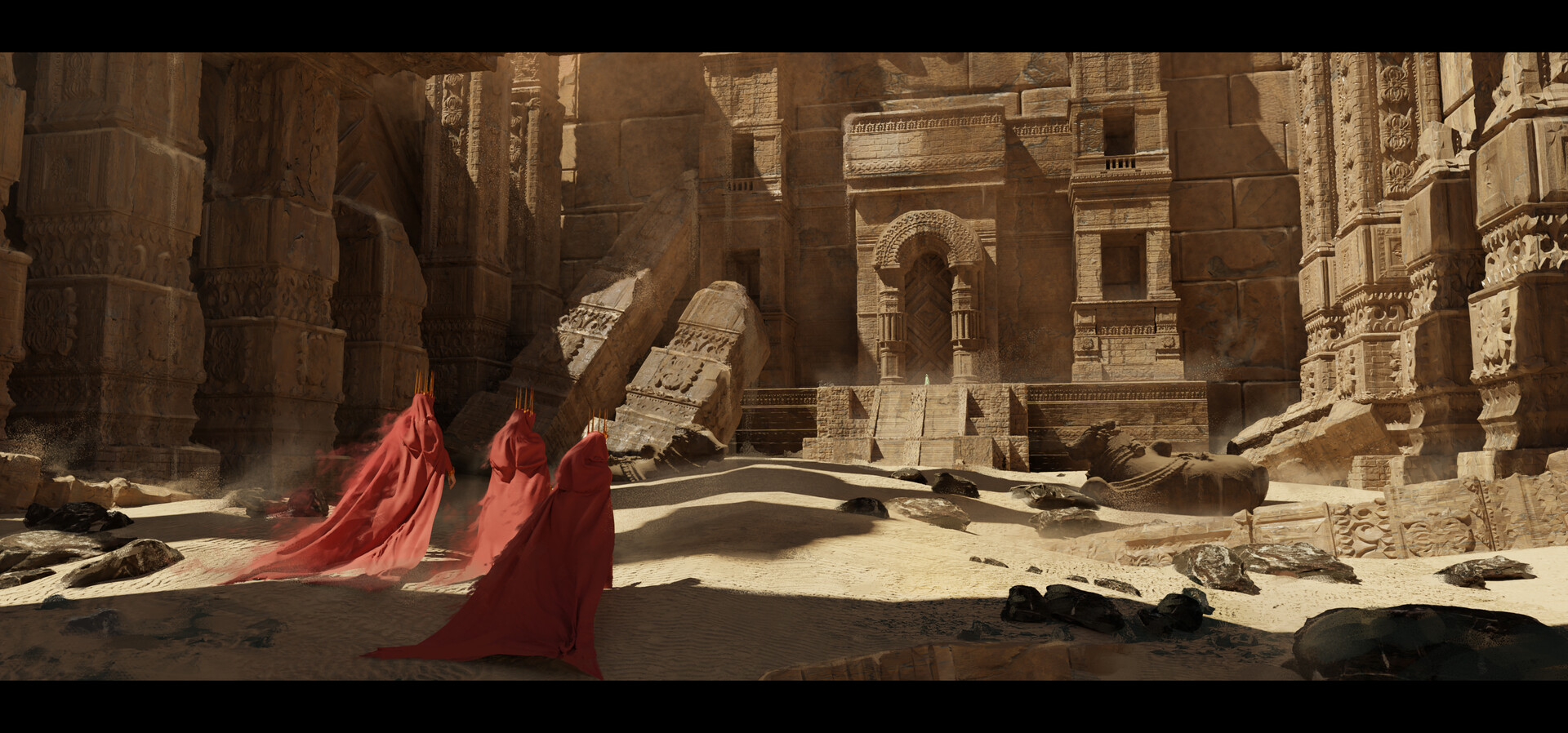
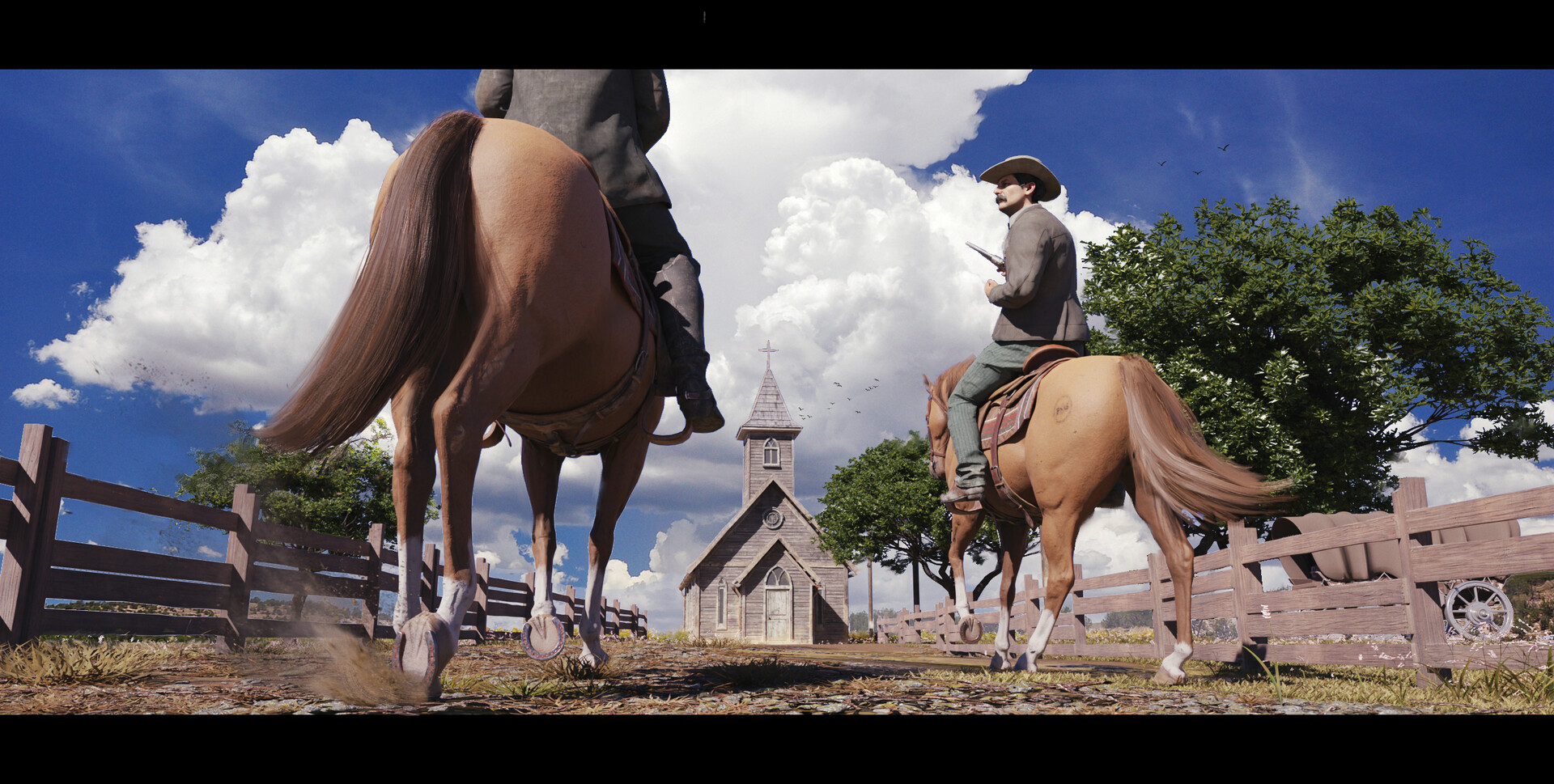
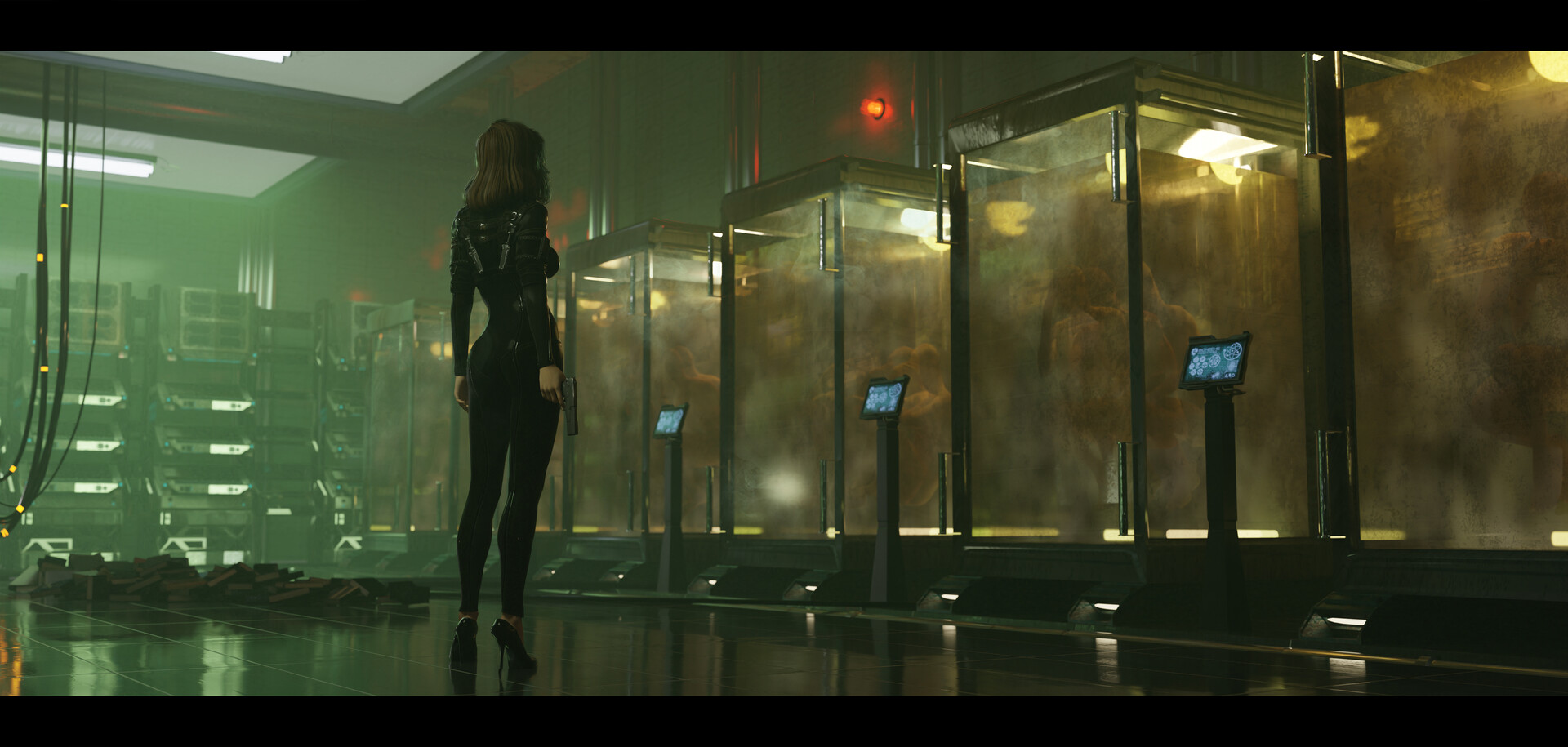
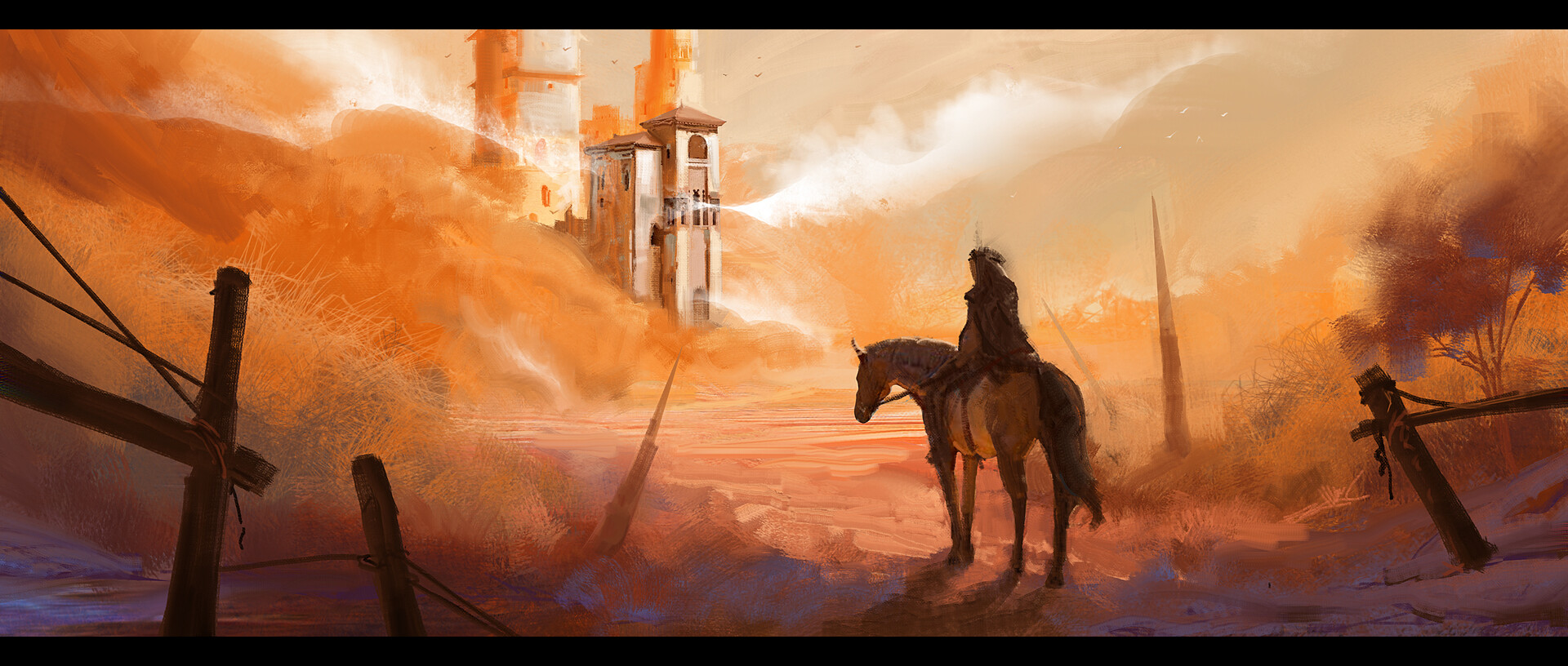
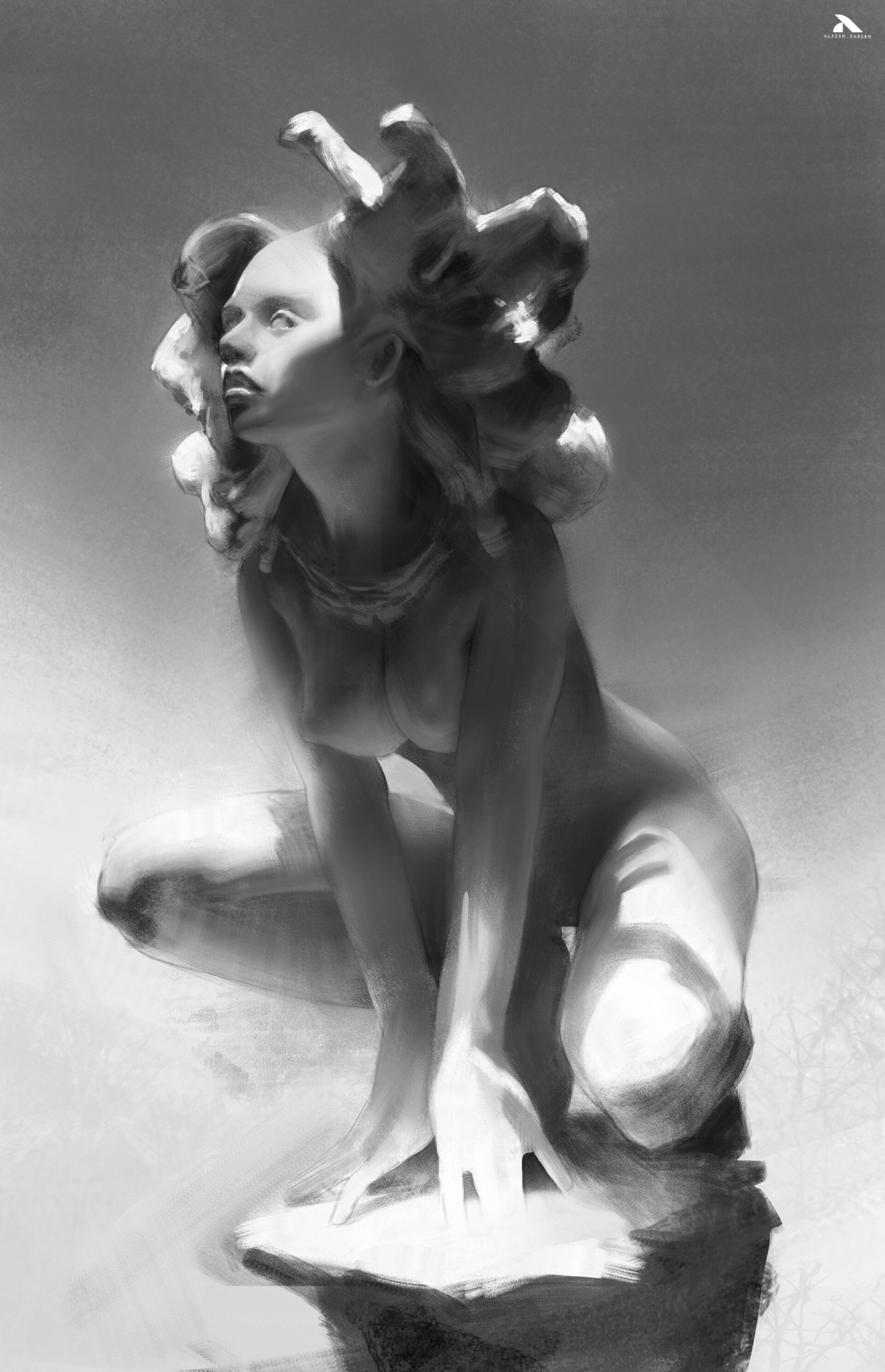
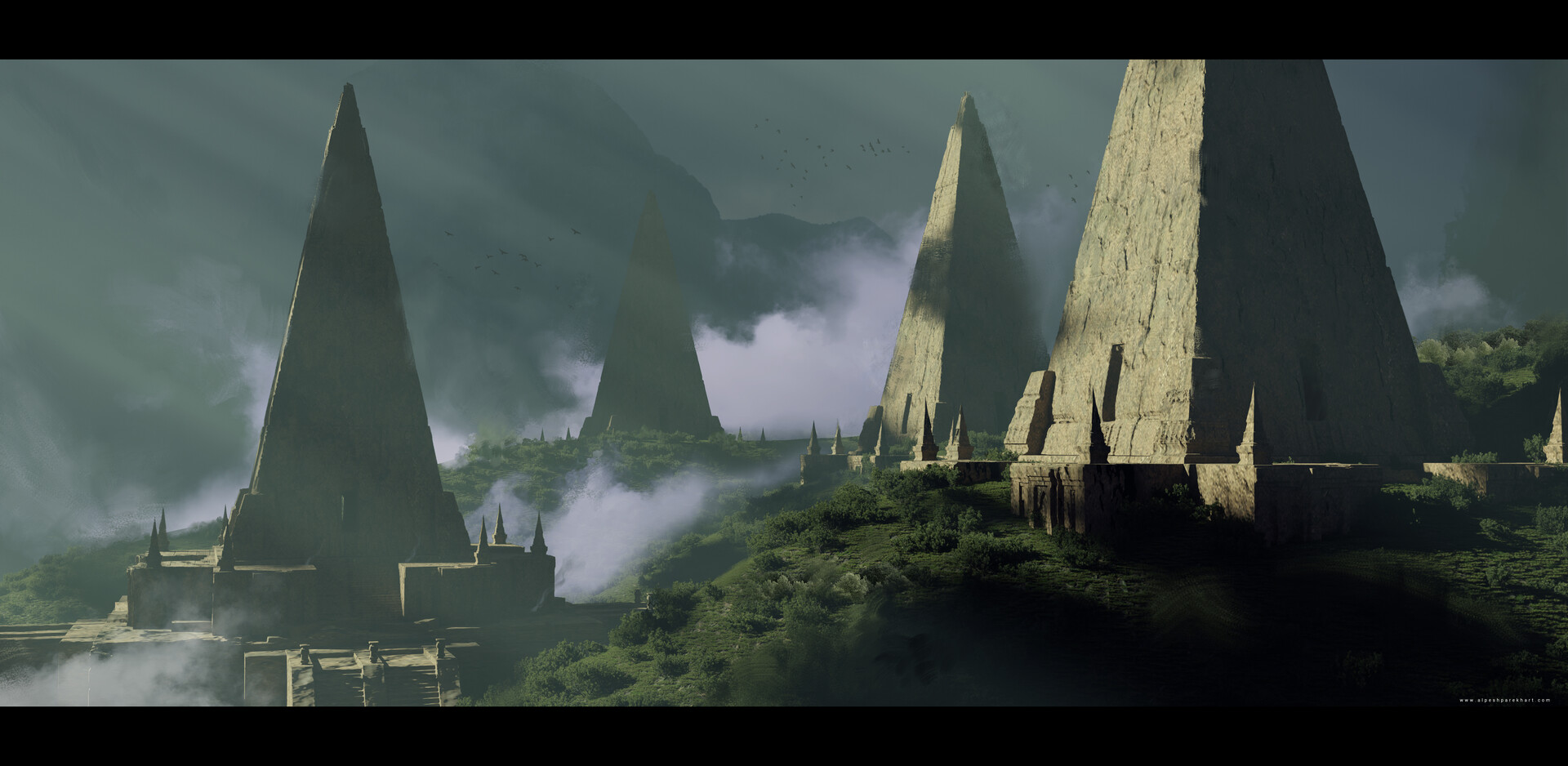
Today, I work primarily as a concept artist for video games and mobile games, creating environments, characters, creatures, props, and visual moods that help bring entire worlds to life. My job is to take a client’s idea sometimes just a single sentence and visualize it in a way that feels real, compelling, and emotionally connected to the game’s story and mechanics. I provide 2D or 3D concept art, mood boards, keyframes, visual direction, and early stage design and sketches that developers and studios use to guide their production pipelines.
The main problem I solve for clients is clarity. Game ideas are often big, abstract, or still evolving. I help turn those early, messy concepts into concrete visuals the entire team can align around. Whether it’s capturing the personality of a hero, establishing the atmosphere of a fantasy city, or designing creatures that feel fresh and believable, I help studios build a visual identity that supports both gameplay and narrative.
What sets me apart is my combination of imagination, discipline, and storytelling. I still carry that childhood sense of wonder, but now it’s supported by years of training, technical skill, and experience working across different styles of games. I love creating stylised designs that feel alive not just visually appealing, but meaningful, expressive, and connected to a world’s logic. I pay attention to the small details, the emotions, and the purpose behind each design.
I’m most proud of staying true to that inner creative spark I had as a kid while growing into a professional who can deliver high quality, production ready work. And I’m grateful to be doing what I love every day: building worlds, shaping characters, and helping teams turn ideas into fully realized experiences.
For anyone discovering my work for the first time, I want them to know this:
I create art with intention, passion, and imagination. Every design I make has a story behind it, and my goal is always to help my clients tell theirs.
Is there something you think non-creatives will struggle to understand about your journey as a creative? Maybe you can provide some insight – you never know who might benefit from the enlightenment.
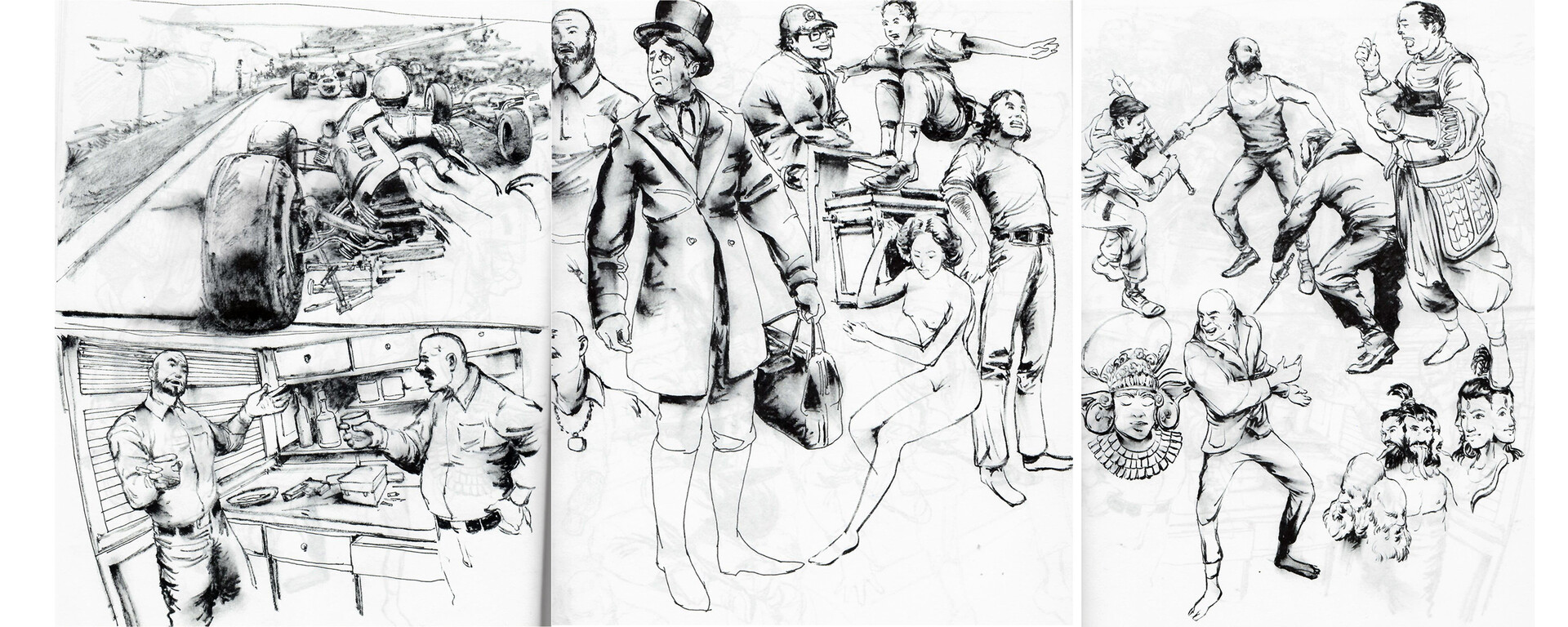
One thing people who aren’t in creative fields often don’t realize is just how unpredictable the creative journey is. As a concept artist, my work is far from a straight line it’s full of experiments, mistakes, revisions, and ideas that never make it past the sketch stage. Most people only ever see the final artwork, not the struggle behind it: the imagining, the rebuilding, and all the discarded versions that led to that one polished piece.
For many creatives, including me, the process is deeply personal. Ideas come from memories, emotions, childhood imagination, and years of practice but they don’t always show up when you want them to. There’s a lot of pressure to create something “amazing,” even on days when your mind feels completely empty. That doesn’t mean the passion is gone; it just means creativity has its own pace.
There’s also a lot of vulnerability in this work. Every concept design is a small glimpse into how I see the world, and sharing that especially in a professional setting can be both exciting and intimidating. You have to learn to separate your sense of self from feedback, and that’s a skill that develops over time.
Creativity isn’t magic. It’s a blend of discipline, curiosity, patience, and courage. Some days everything flows effortlessly; other days you’re rebuilding everything from zero. And that’s completely normal.
The journey becomes easier when you accept that inconsistency is part of the process. When you treat creativity like a living thing something that grows, shifts, and sometimes needs rest the pressure softens, and the work becomes more honest.
We often hear about learning lessons – but just as important is unlearning lessons. Have you ever had to unlearn a lesson?
A big lesson I had to unlearn was the idea that “every piece of art has to be perfect.” When I first started, especially as a concept artist, I treated every sketch like it needed to be a masterpiece. The pressure slowed me down and made me afraid to experiment. Over time and through a lot of trial, error, and feedback. I realized that concept art is about exploring ideas, not polishing everything to perfection, it suposed have greate critique to learn to solve the problem in crative art. Once I let go of that mindset, my creativity opened up, and my work became faster, freer, and much more genuine.
Contact Info:
- Website: www.alpeshparekh.com
- Instagram: https://www.instagram.com/alpeshparekh_art
- Facebook: https://www.facebook.com/alpesh.parekh0
- Linkedin: https://www.linkedin.com/in/alpeshparekh
- Youtube: https://www.youtube.com/AlpeshParekh