

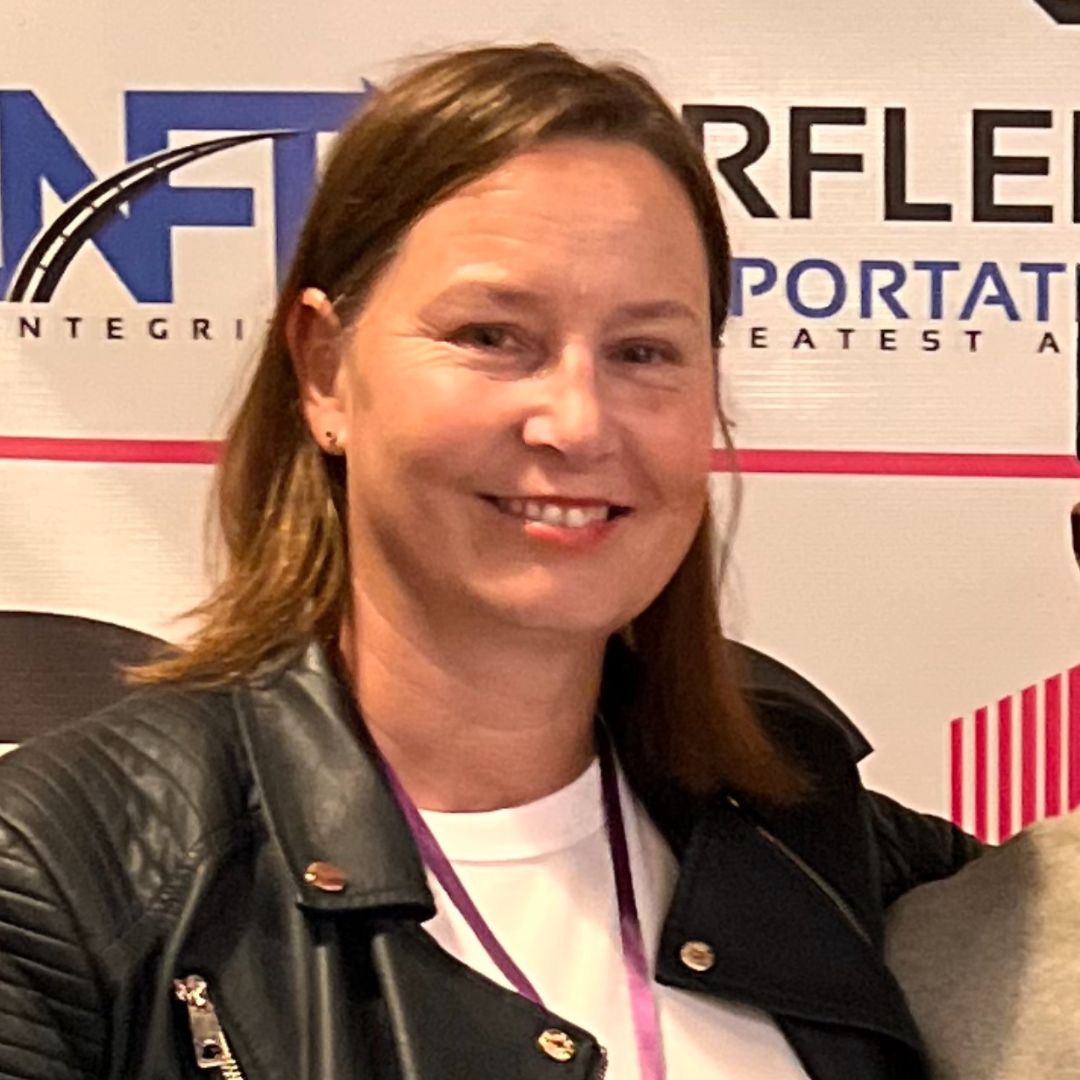

We were lucky to catch up with Ally May recently and have shared our conversation below.
Hi Ally, thanks for joining us today. Can you talk to us about how you learned to do what you do?
I went to film school, but I’ve learned everything I know about directing and filmmaking by doing it. I’m committed to being the best director I can learn to be. For that reason, I practiced every chance I get. I make short films as often as possible and learn immensely on each one. When directing, the two most important skills are communication of your ideas and creative vision, and the confidence to believe in them. I don’t think there are any short cuts in learning that. Experience is how to be a great filmmaker. There’s just so much to know at a deep, core level, that trying to hurry through the process of actually learning would have made me an inferior filmmaker than I am today. If I didn’t have the obstacle of funding, I would make a short film every month.
Ally, before we move on to more of these sorts of questions, can you take some time to bring our readers up to speed on you and what you do?
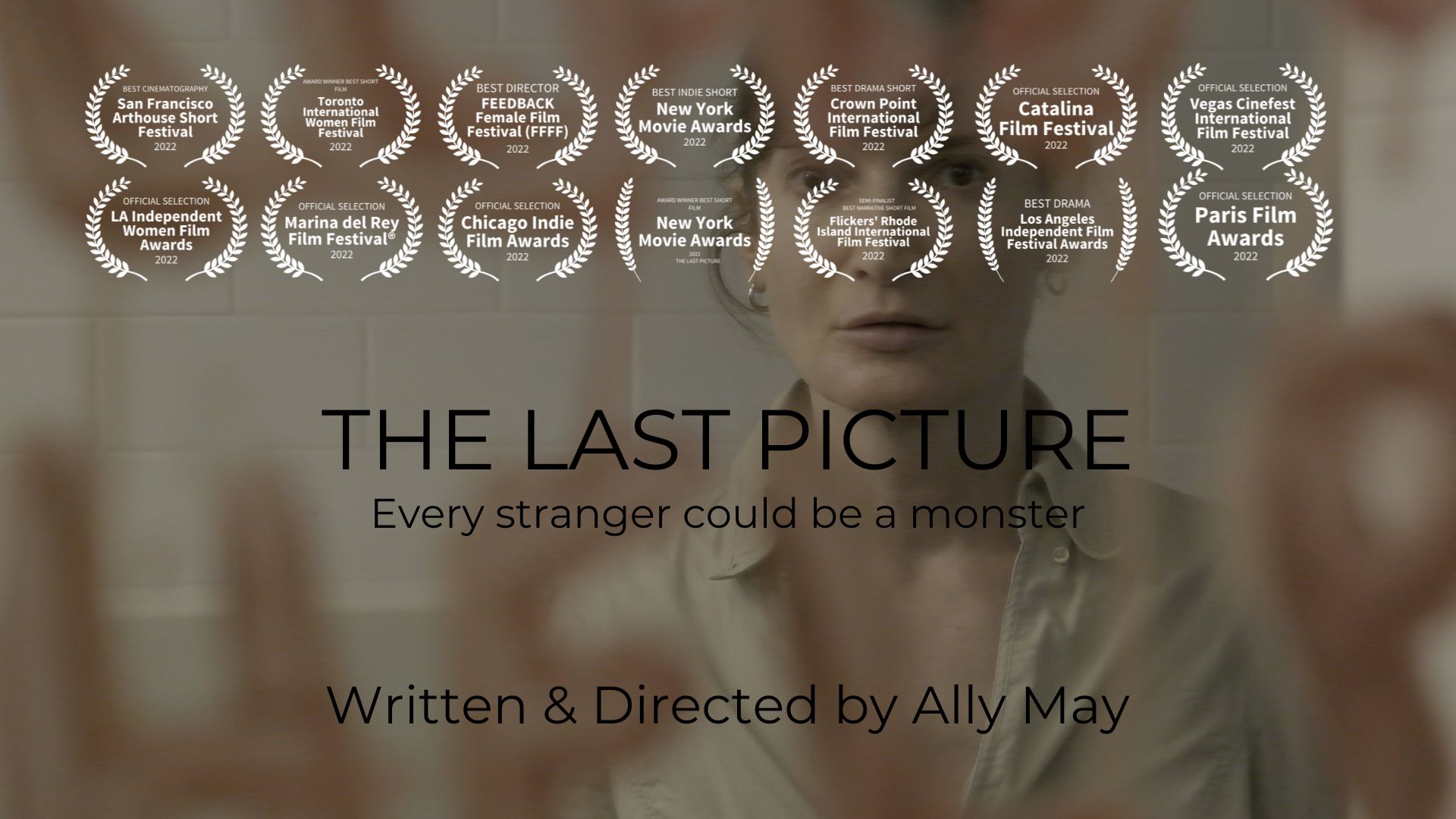
I am an award-winning writer and director and my emotionally charged, female-centered stories explore trauma, intuition, and transformation. My films have screened at top festivals including HollyShorts, Catalina, San Francisco International, and Santa Barbara. I’ve earned accolades as Best Director at the California Indie Festival, Toronto Indie Shorts, and Female Film Festival and the San Diego Shorts Festival.
I began my creative journey as a writer, earning a B.A. in American Literature with a focus on Cinema. Writing remained my primary pursuit until 2017, when a chiropractic adjustment triggered a stroke that temporarily took away my ability to write. Though I eventually regained this ability, I continue to navigate language-related challenges, particularly with grammar and spelling. After months of despair, I enrolled at San Francisco Film School, where I directed her first short film—and discovered a profound passion for directing that redefined my path.
In Addition to SF Film School, I have trained at the UCLA Writing Program, the Academy of Film Writing, Sundance Directing Collab Program, Joan Scheckel’s Filmmaking Labs, and the Visual Accelerator with Anka Malatynska.
My work explores emotionally haunted characters—often women grappling with trauma, intuition and transformation. My visual storytelling blends narrative and experimental forms, with a signature tone that is atmospheric, intimate, and psychologically rich and tension fueled.
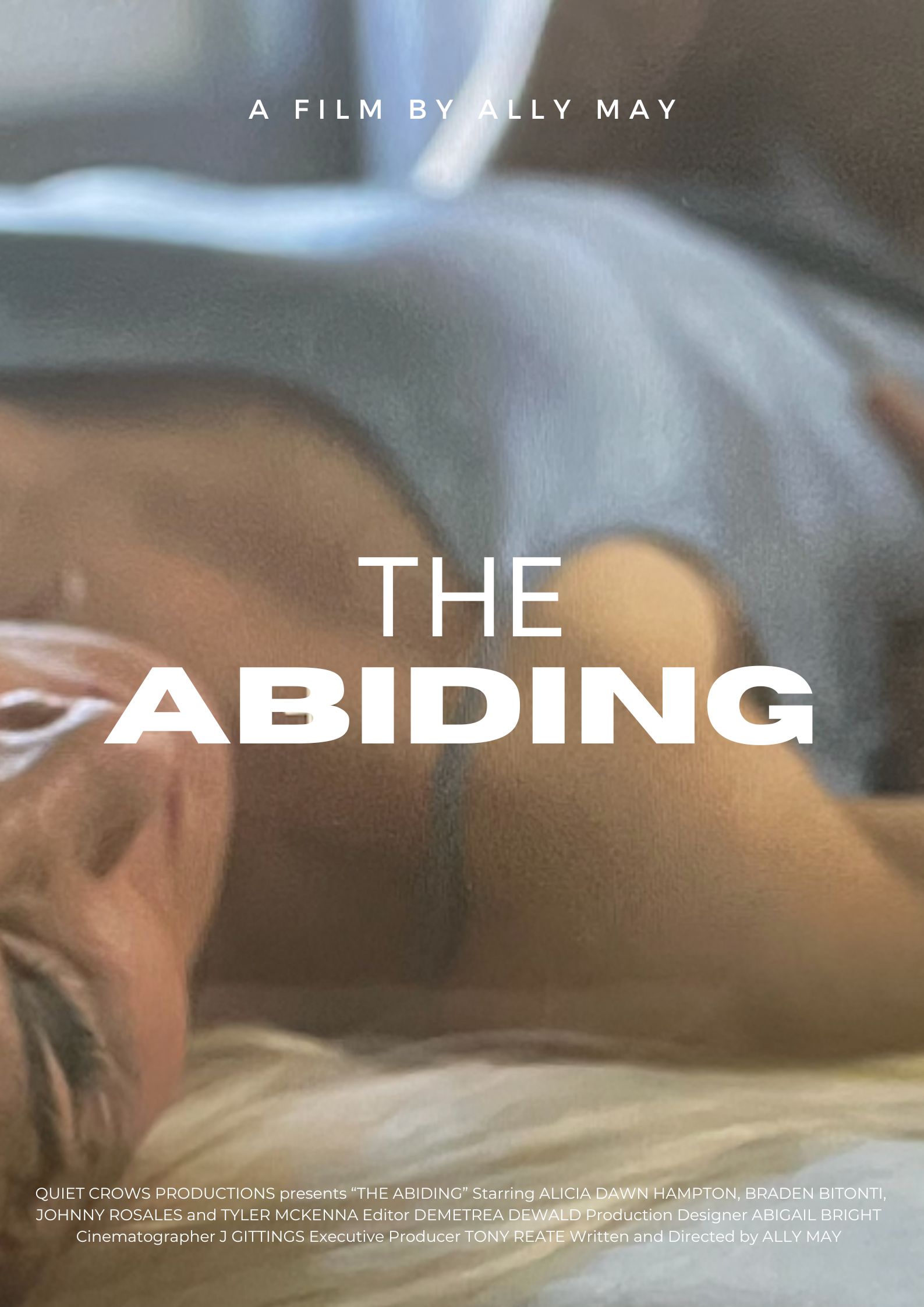
My recent short film The Abiding exemplifies this style and continues to play on the festival circuit.
I am currently in development on three original feature films:
Gray Waves, a haunting psychological drama about regret and identity.
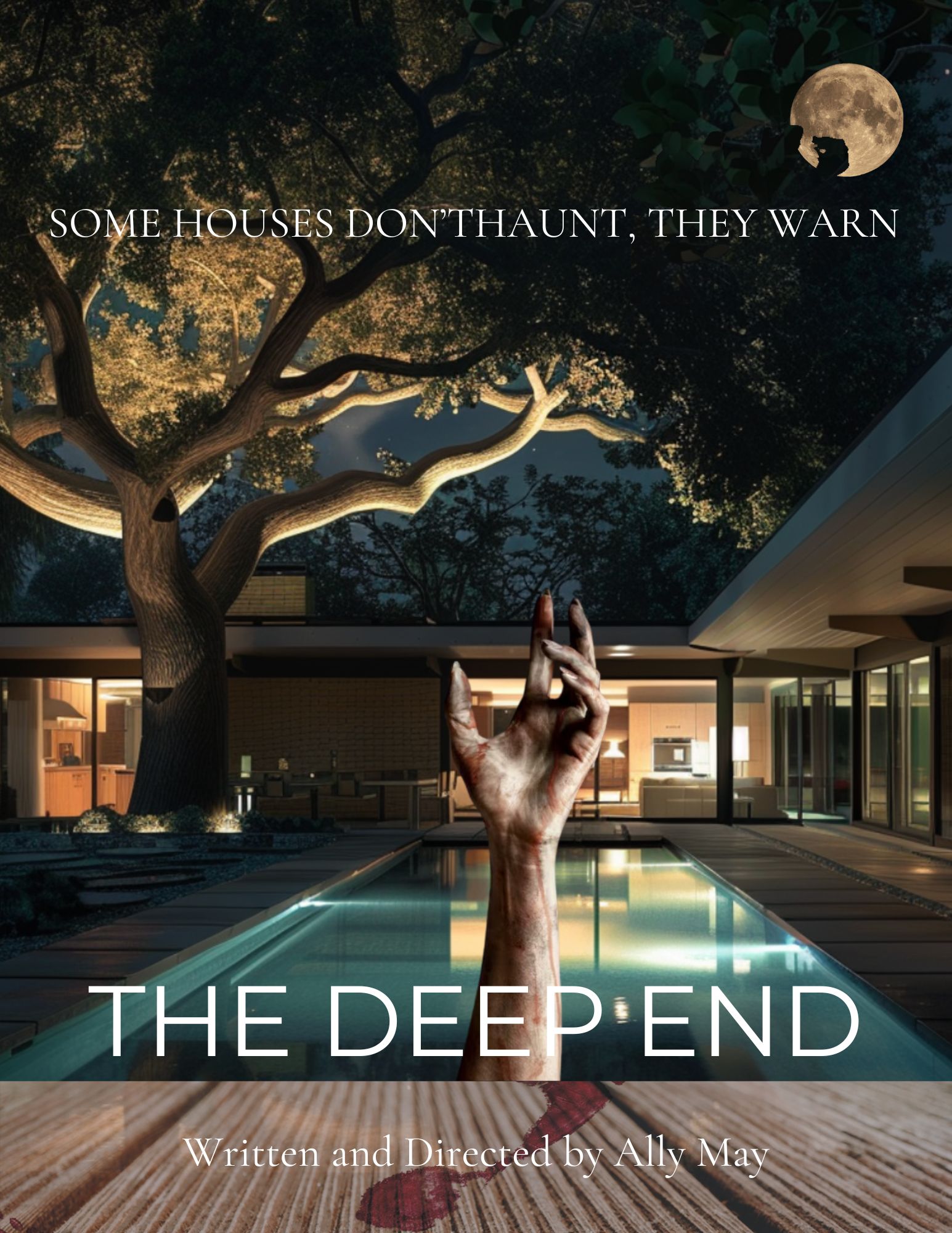
The Deep End, a supernatural psychological thriller about a clairvoyant woman who ignores her intuition and moves in with a killer.
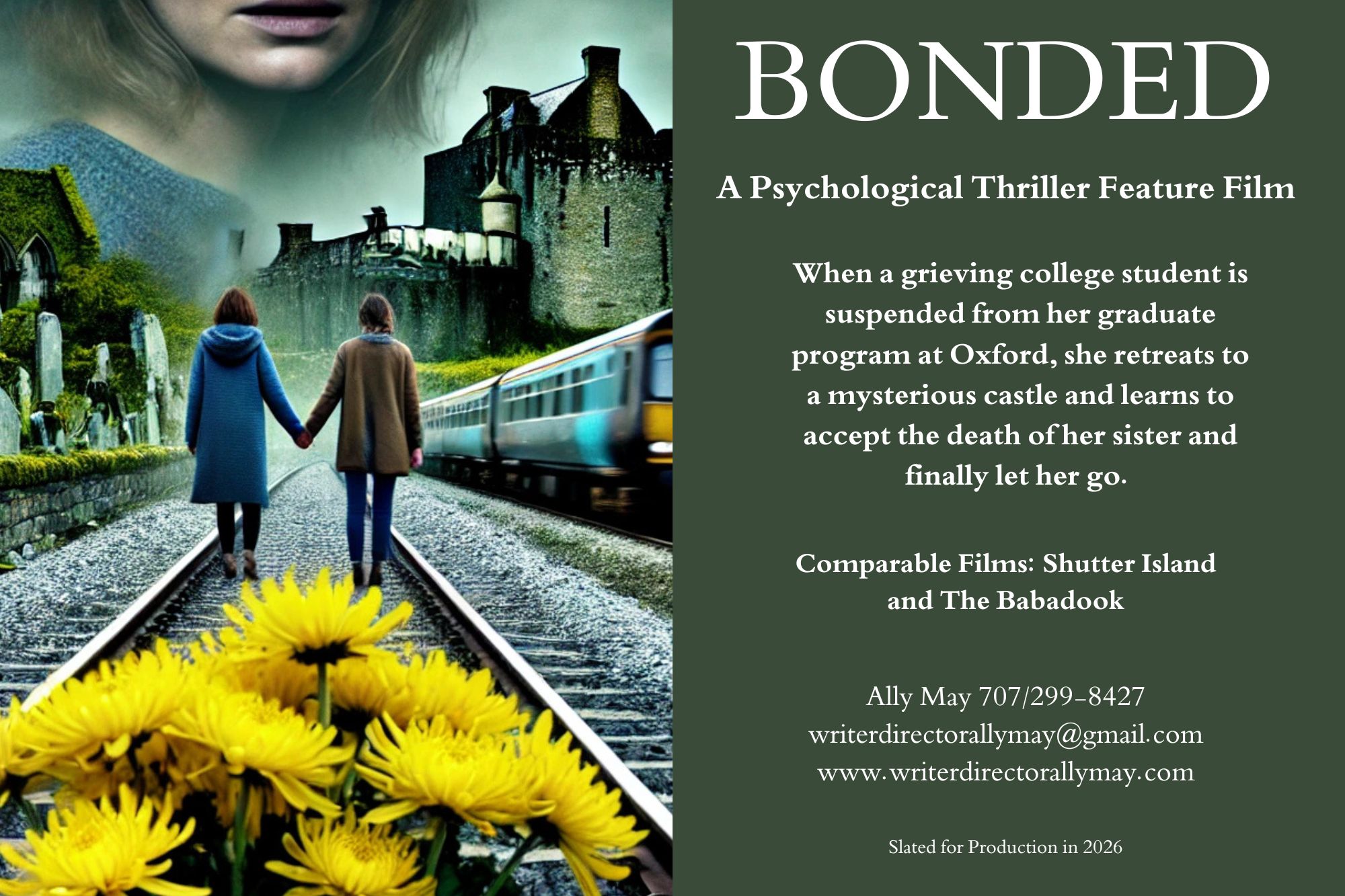
Bonded, a haunting story of sisterhood and survivor’s guilt set in the ruins of a cult.
I am a fierce advocate for women behind the camera and in all film departments and I’m committed to hiring all-women crews when possible and ensuring every project I direct includes women department heads.
Can you share a story from your journey that illustrates your resilience?
A few years ago, a freak chiropractic adjustment triggered a stroke that almost killed me and left me unable to write. As someone who had always identified as a writer since childhood, I was devastated—I felt like the core of who I was had been erased. For months, I spiraled into grief and depression. Then one day, out of sheer desperation, I enrolled in film school. I figured if I couldn’t write with words, maybe I could tell stories with images. That decision changed everything. I directed my first short film and felt something ignite in me—like I had finally stepped into the role I was always meant to play.
I still struggle with writing sometimes—grammar, spelling, finding words—but I never struggle with seeing the image that I want in the frame. Directing has given me a new way to express myself, to lead, to shape stories. That stroke took something from me, but it also gave me a new path, the path I feel like I was always meant to be on. It forced me to become braver, more adaptable, and more open to what’s possible—even when life knocks the wind out of you.
Is there something you think non-creatives will struggle to understand about your journey as a creative?
What I think non-creatives may never fully grasp is that creating isn’t a hobby —it’s survival. There have been so many times when I desperately wanted to quit. When I prayed for the desire to leave me. When the rejection felt too brutal, the sacrifices too great, the uncertainty too exhausting. I’ve had those nights lying awake wondering if I’m just wasting my time, my life even —trying to accept that maybe this path just isn’t for me.
But the truth is, every time I’ve tried to walk away from filmmaking, which is my art, something inside me starts to feel like it’s dying. It’s like trying to cut off a limb. I can’t not do it. The stories, the images, the characters—they don’t go away. They haunt me. And there’s this ache, this sense that if I don’t try—if I don’t at least try—then I’m betraying some part of myself that’s sacred and truly wasting my life
So even when I want to quit, I keep going. Not out of optimism, necessarily, but out of necessity. Because the alternative—silence, numbness, detachment—feels far worse. That’s the part that’s hard to explain. For many of us, this is not a career. It’s a calling. And walking away from it would feel like walking away from the one part of ourselves that matters.
Contact Info:
- Website: http://www.writerdirectorallymay.com
- Instagram: https://www.instagram.com/allymay
- Facebook: https://www.facebook.com/writerdirectorallymay
- Linkedin: https://www.linkedin.com/in/writer-directorallymay
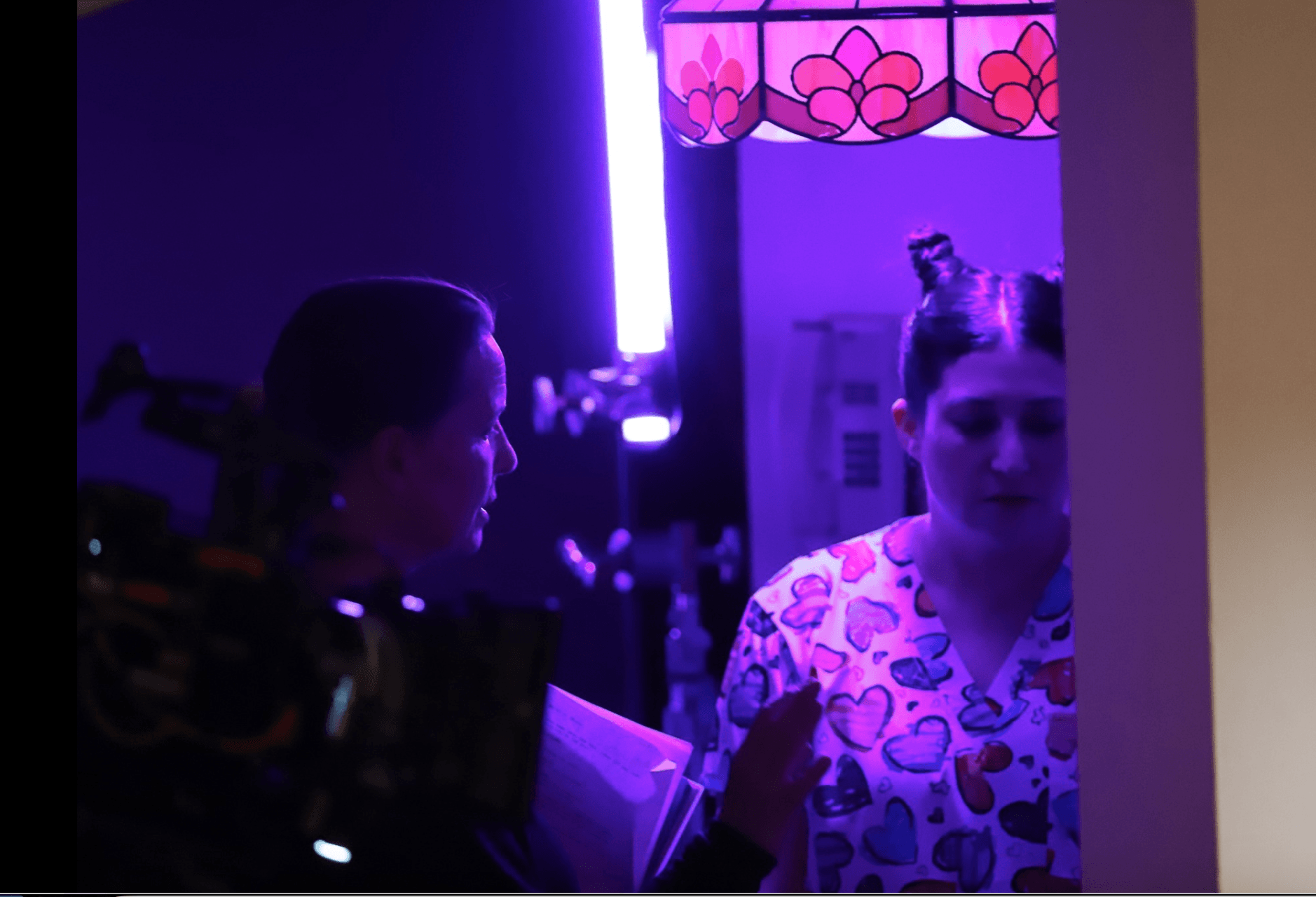
Image Credits
Mike Rice
Jenn Page
Brandon Hamilton