

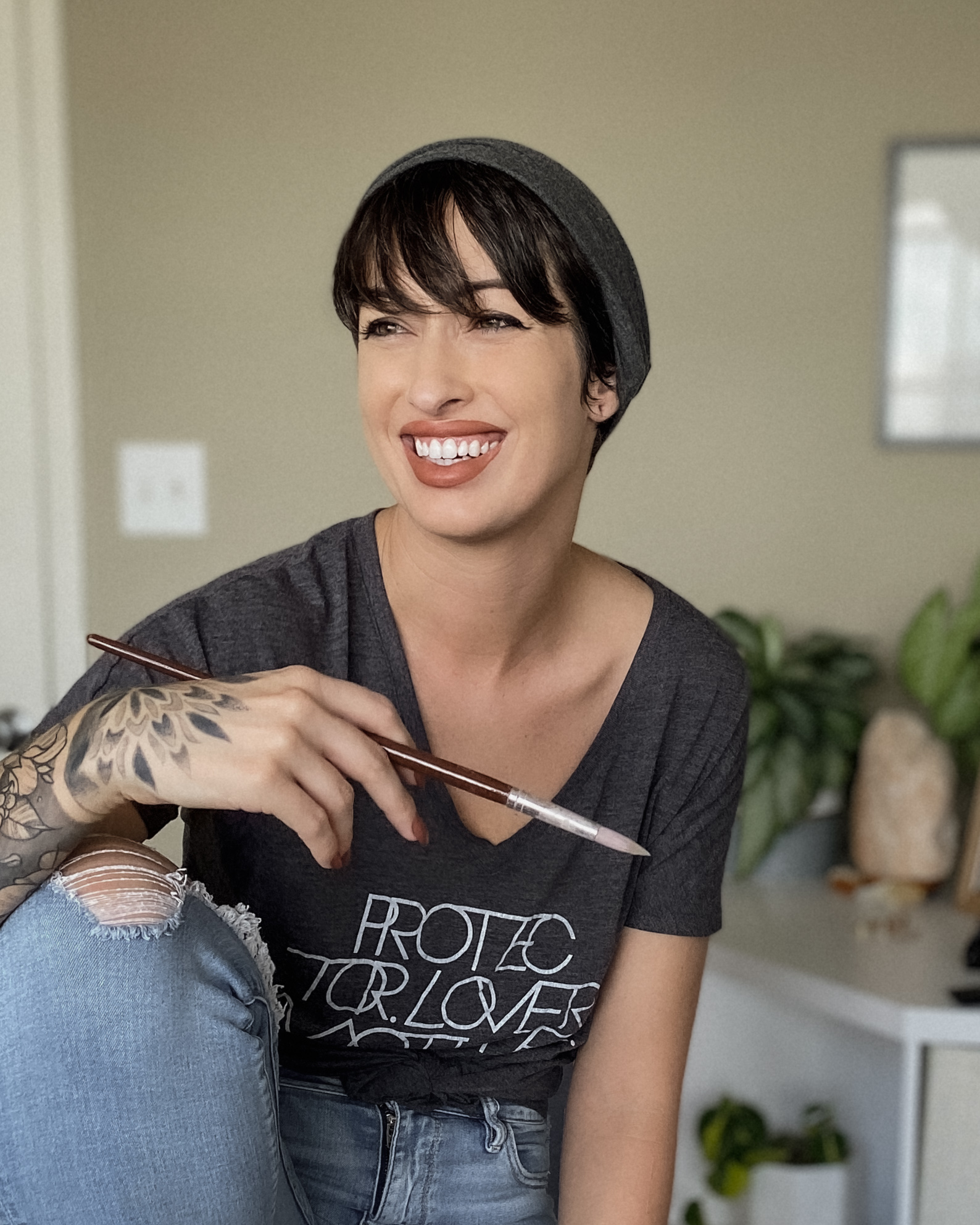

We caught up with the brilliant and insightful Ally Cantrell a few weeks ago and have shared our conversation below.
Ally, thanks for taking the time to share your stories with us today Earning a full time living from one’s creative career can be incredibly difficult. Have you been able to do so and if so, can you share some of the key parts of your journey and any important advice or lessons that might help creatives who haven’t been able to yet?
I’ve got an unconventional twist to my story about earning a full-time living as an artist, and I think it holds a lesson worth sharing. Yes, I have made a full-time living from my art. But I chose to step away from it, returning to part-time work on purpose.
Most of my adult life, I balanced being an artist with what people like to call “real” jobs. In 2017, I finally went all in, then launched my own business – BunnyPigs – in early 2018. I specialized in custom pet portraits. The thing took off like wildfire. That year, I made more money than I ever had in any office gig.
That success didn’t come from luck. It came from:
• Niching down hard. It let me laser-focus my marketing and messaging instead of throwing money at endless trial and error.
• Finding my own spin on a crowded field. There are thousands of pet portrait artists. I carved out a style that mixed realism with exaggerated, almost caricature-like details.
But the very thing that built my success also broke me. By 2021, I hit the wall. Hard. Sales collapsed because I simply couldn’t keep going. Burnout isn’t just being tired – it’s being hollowed out. Drawing dogs all day might sound cute, but when that’s all you do, it stops feeling like art and starts feeling like a cage.
My biggest mistake? Relying on one single income stream. I learned this the painful way. Later, I joined a program called Artist Inc through Mid-America Arts Alliance. They teach you to build multiple income pillars. Even if they’re all creative, you need options – so when one slows, the others hold you up.
After crashing out, I quit art entirely for about a year and shifted into tech sales. I found real success there, too – I’m now Head of Sales for a legal tech startup. That break was a gift I didn’t know I needed. It gave me space to breathe. To find my way back to art on my own terms. I explored oil portraits of people, then fell in love with abstract minimalism.
I know I’ll go full time again eventually – this time with better strategy and healthier boundaries. But here’s what I want other artists to hear: It’s OK to have another job. It’s OK to decide you don’t want art to be your sole income. That doesn’t make you any less of an artist. In fact, sometimes stepping away is the only way to keep the fire alive.
Great, appreciate you sharing that with us. Before we ask you to share more of your insights, can you take a moment to introduce yourself and how you got to where you are today to our readers.
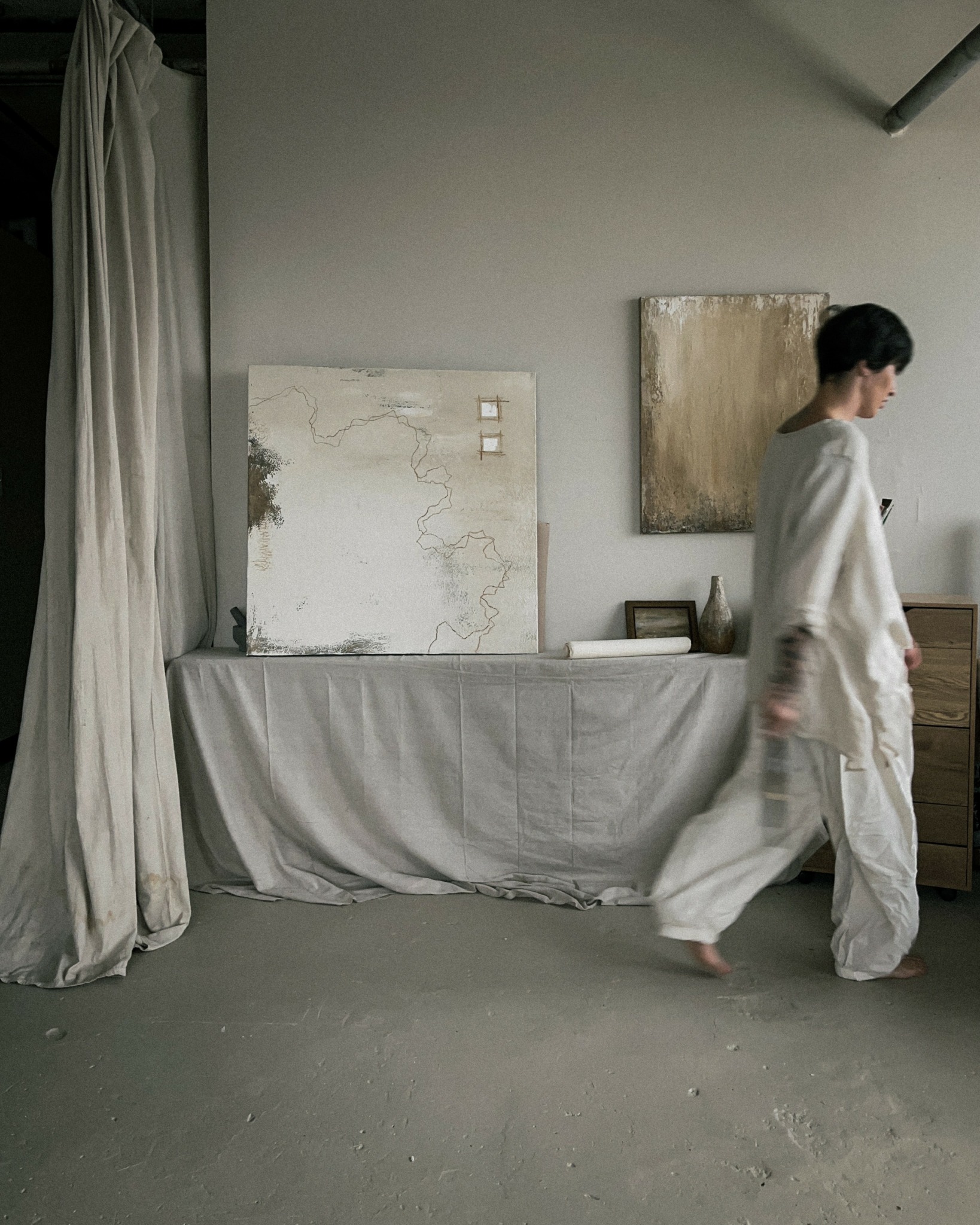
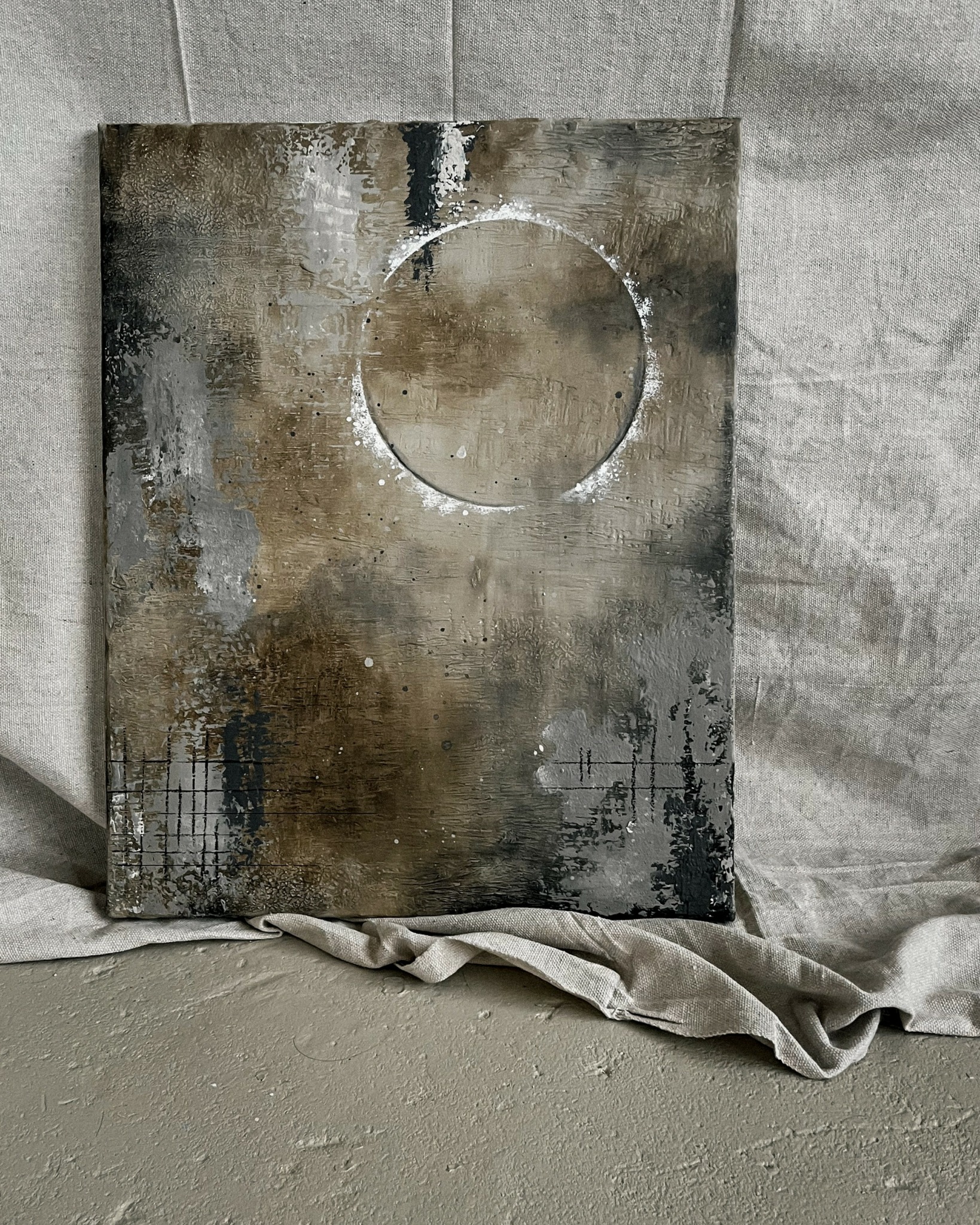
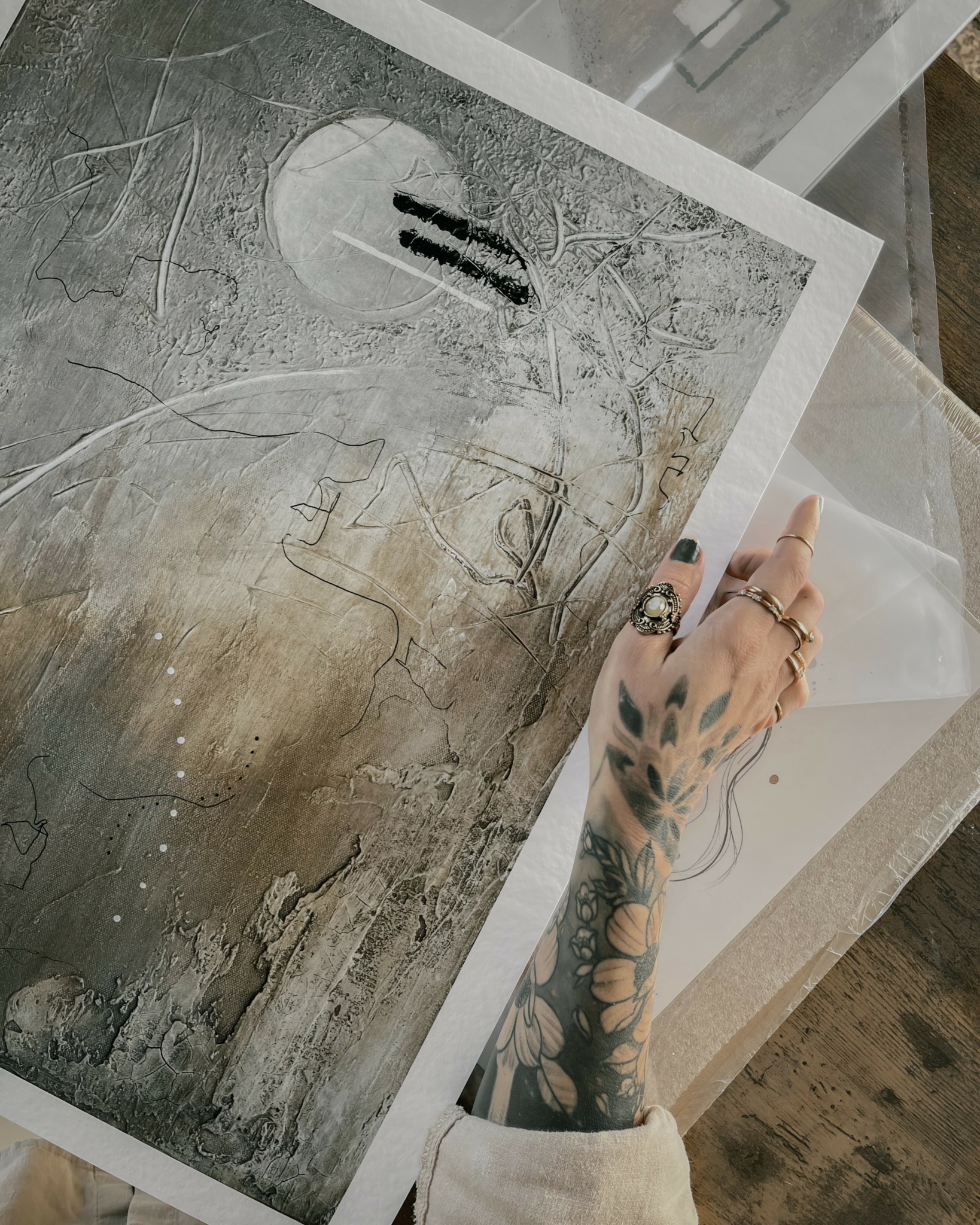
Although I still dip into the pet portrait world now and then, my real passion lives at the intersection of minimalism and time itself. My work is rooted in the belief that beauty emerges from imperfection and impermanence – ideas shaped by wabi-sabi philosophy and my own messy, unpredictable life.
I came to art as a way to find stillness. Working high-pressure sales jobs while raising a young daughter. It’s a lot. Creating gave me a space to breathe. What started as a coping mechanism grew into a body of work focused on textured, abstract pieces that feel both ancient and modern. I’m drawn to muted, earthy tones, layering them to build tactile surfaces that invite you to lean in and really see.
A big influence on this has been moving into an old loft in downtown Little Rock – a creaking, aging warehouse that’s full of imperfect details. The walls carry stories. Cracks and weathered beams remind me that decay can be beautiful. That sense of lived-in honesty seeps into everything I make.
What sets my work apart is its focus on quiet. I want each piece to feel like a visual pause – a reminder to slow down, to sit with the essential. Clients and collectors often tell me my art helps make their spaces feel soulful, authentic, warm. Not just decorated, but lived in.
I’m proudest of the way my work resonates with people looking for more than something pretty on the wall. They want art that holds a story, that grows with them over time. My mission is to create pieces that feel like artifacts of a life well-lived: layered, imperfect, deeply human.
If there’s one thing I hope people know about me and my work, it’s that I believe art can soften the world. It can remind us that the rough edges matter. That the quiet moments count just as much as the loud ones.
How can we best help foster a strong, supportive environment for artists and creatives?
If there’s one thing I think society could do to truly support artists and a thriving creative ecosystem, it’s to drop the idea that creative work is “easy” or “just for fun.” It’s rewarding work, sure. But that doesn’t mean it’s simple.
People love to romanticize the outcome. They see the beautiful oil painting on the wall, but not the years of trial and error behind it. They see the 30-second commercial, but not the 30 hours spent refining every frame. I used to hear all the time how “fun” it must be to work full time as a pet portrait artist – no one saw the grind, the burnout, the marketing dollars gambled and lost, the hours spent making something just right.
One of the most powerful ways to support artists is to really see them. Ask questions. Get curious. Talk to your friend who’s a photographer about how many hours they hike for that one perfect shot. Ask the designer about the revisions that never get paid for. Ask the painter about the costs of materials, shows, advertising.
When people start to understand the work behind the art, respect follows. And with respect comes fairer pay, better opportunities, more sustainable careers.
Supporting creatives starts with listening. With valuing the time, skill, and vulnerability it takes to make something real. If we can build that understanding, we can build an ecosystem where artists don’t just survive – but actually thrive.
We often hear about learning lessons – but just as important is unlearning lessons. Have you ever had to unlearn a lesson?
One of the biggest lessons I had to unlearn was what success is supposed to look like for an artist. For the longest time, I thought going full time was the ultimate badge of legitimacy. When I did it – made good money, got the recognition – I thought I’d “made it.”
But it nearly broke me. I learned the hard way that I’m someone who needs variety. That pouring everything into one creative lane burned me out, left me hollow. I crave new challenges, new experiences. That single endeavor wasn’t enough to keep me fulfilled.
It taught me that success isn’t one-size-fits-all. What feels like freedom to one artist might feel like a cage to another. I had to let go of other people’s definitions and ask myself: What do I actually want? What feels sustainable? What lights me up instead of draining me?
I think that’s something every creative should do – regularly. Check in with yourself. Be honest about what you need. Learn your patterns. Your values. Your limits. Success isn’t something you earn once and then carry forever. It’s something you keep redefining as you grow.
No one else can do that work for you. You get to choose. And there’s real power in that.
Contact Info:
- Website: https://www.allycantrell.com/
- Instagram: @ally_bobble
- Facebook: https://facebook.com/allycantrellart
- Linkedin: https://www.linkedin.com/in/allycantrell30/

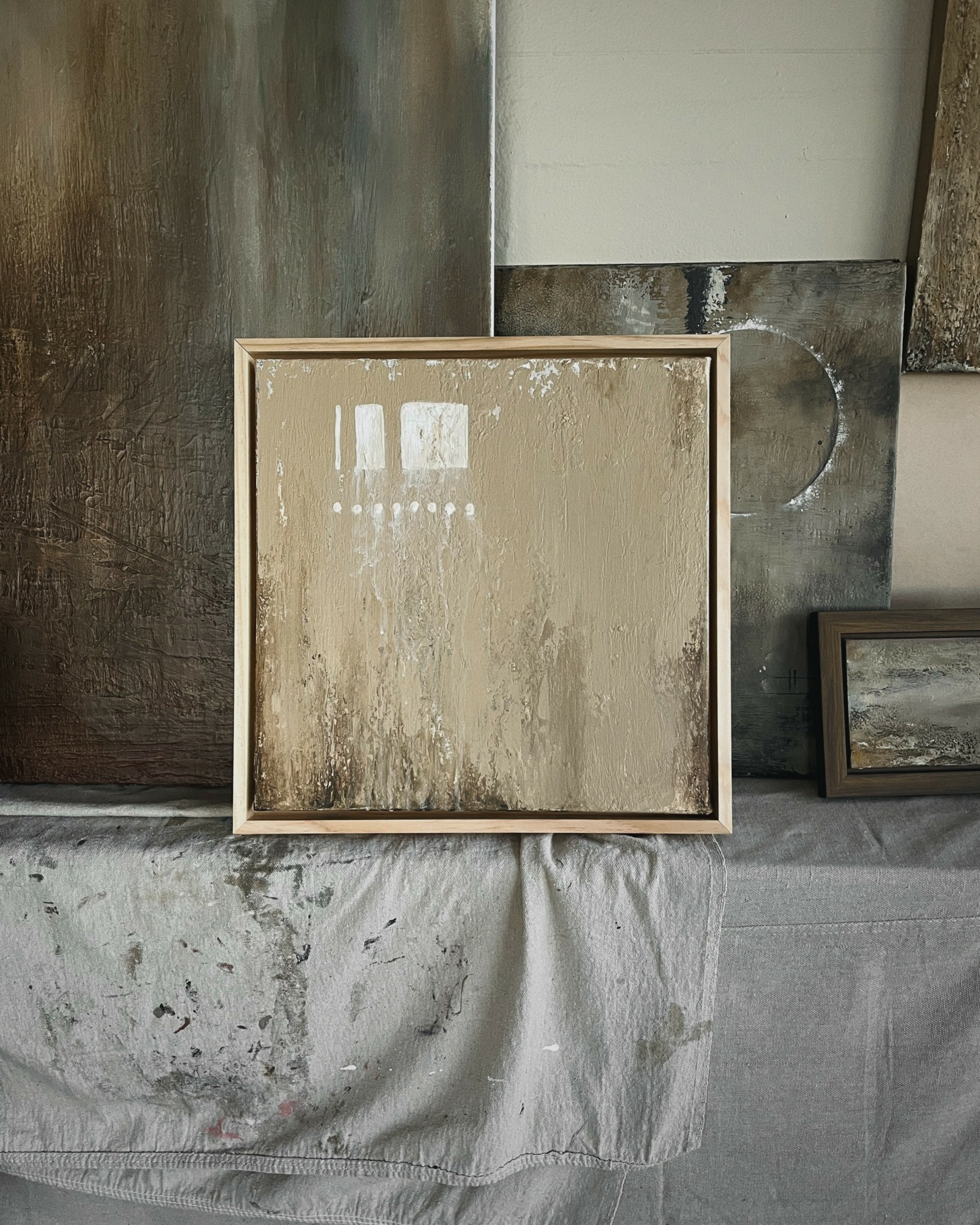
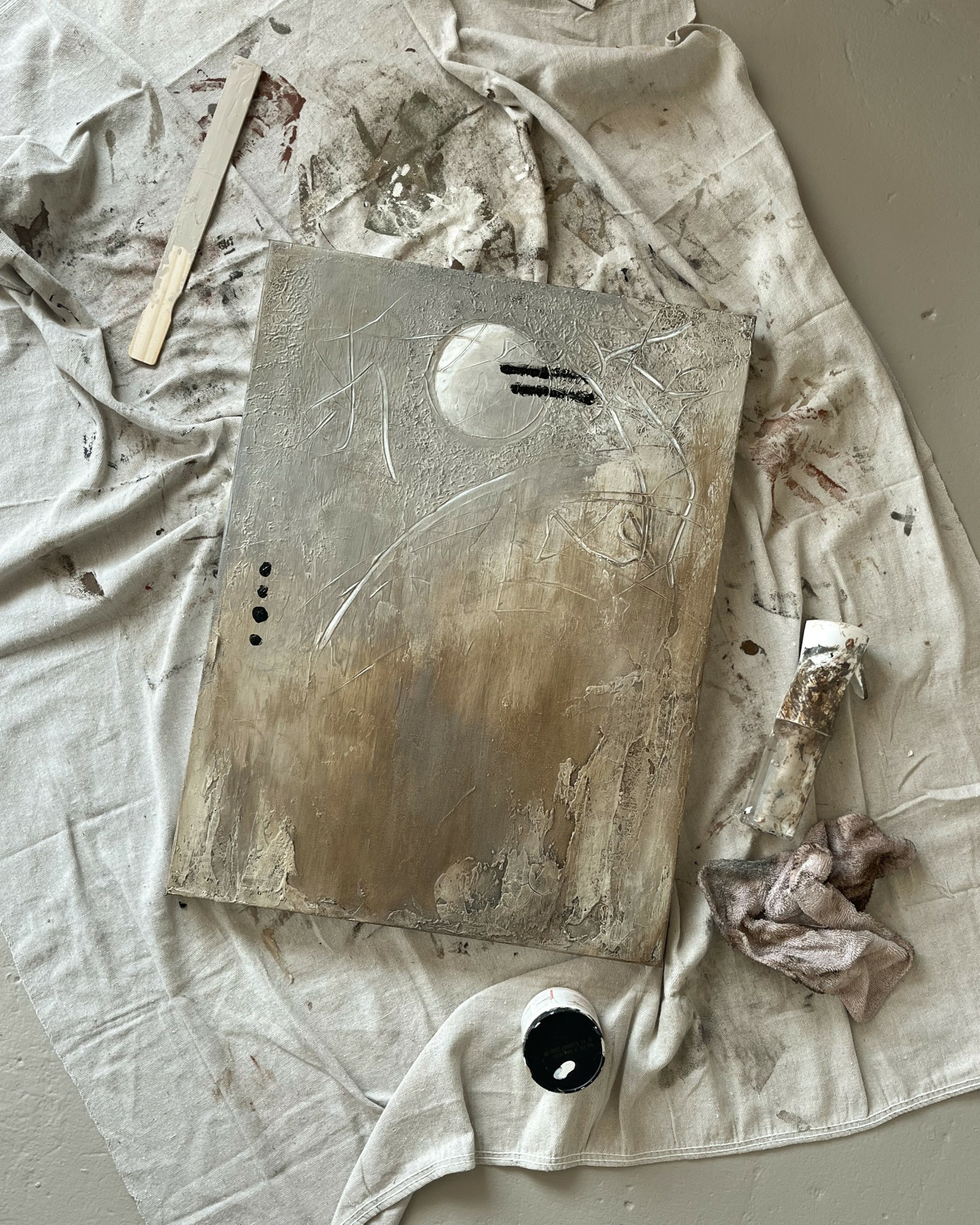
Image Credits
NA (all images by me)