



We recently connected with Allison Meins, PsyD and have shared our conversation below.
Allison, looking forward to hearing all of your stories today. Can you share an anecdote or story from your schooling/training that you feel illustrates what the overall experience was like?
In order to become a psychologist, I attended 4 years of undergraduate studies at UC Santa Barbara (including one year abroad in Granada, Spain), and 4 years of graduate studies at the California School of Professional Psychology at Alliant International University in San Francisco.
As a first generation college-student, I enjoy chatting with folks who are considering becoming psychologists, in hopes of passing on nuggets of wisdom about tools I wish I could have utilized more in my studies and how taking risks can lead to increased opportunities. Learning to talk to professors, ask questions, ask for help, and keeping an open mind about opportunities that present themselves have been really helpful for building confidence in the work I do and for having a support network of professionals as I started my career.
I’d like to highlight an opportunity that I was given while I was living and studying abroad. It was a defining moment that I’m convinced ultimately led to my acceptance into graduate school. I took a course on the study of consciousness while at the University of Granada that required all students to complete a research study and write a research article. Seeing as I was an exchange student, I was rightfully overwhelmed by this idea. My American university did not require me to conduct my own research projects with participants at the undergraduate level and I knew I had a limited number of connections among the majority Spanish-resident students. So, I approached the graduate student, Juan Manuel, who was leading the discussion for the course with my concerns and he offered me an opportunity to conduct a series of interviews and research experiments for a project he was working on for his graduate studies. With his support, I was able to complete an engaging research project on the brain’s neuroplasticity, or ability to change and build new connections, in response to shifting our behaviors. The project we worked on focused on exploring how using one’s right or left hand for a challenging task contributed to changing the ways in which we subconsciously correlate judgement toward “left” and “right” sides of space. The working relationship I developed with Juan Manuel led to increased curiosity and interest in the ways in which language and our daily actions impact the way we think about and perceive things and people around us. It also led to doors that opened for me to work with other researchers on their psychological studies, including translating an article from Spanish to English for publication and working as a research lab assistant at UCSB during my final year of undergrad. Sometimes being in the right place, at the right time, and not being afraid to ask for help can lead to increased opportunities. While I was always grateful for the experiences I had in research during my undergrad, I remember realizing just how impactful these experiences were when I attended my interview for grad school. It became clear at that time that I had gained invaluable opportunities to learn about the scientific research process and connect with other professionals in the field.
The undergraduate level of studying psychology mostly focused on broad concepts and general introduction into the field of psychology. The beauty of graduate school was that I got to dive deeper into the branches of the field that I liked the most – for some folks that could be conducting scientific research, but for me it was engaging in the clinical work. At the graduate level of learning to be a clinical psychologist, I attended courses on assessment and diagnosis and various theoretical frameworks for evidence-based practices of therapy. In addition to the coursework, my program required participating in practicum experiences where we had opportunities to interact with patients under the supervision of a licensed psychologist and participating in our own therapy, so that we know what it is like to be on the receiving end of the work we do. All three of these experiences provided a firm foundation for the skills involved in providing therapy. I’m perhaps most grateful for the supervision I received during my pre-doctoral and post-doctoral training experiences because my supervisor encouraged the skills I now find to be the most valuable in the work I do.
The skills I think are most essential to the work I have the pleasure of doing daily, include empathy, creativity, spirituality, personal self-care, and assertive communication skills. One of the best pieces of feedback that I consistently receive from my patients is that I am “direct”. I’ve often been told by my patients that they enjoy that I listen to them with care and empathy, provide validation and reassurance when needed, and challenge them to make the changes they want to see in their life by providing them with tools from Cognitive Behavioral Therapy, Dialectical Behavior Therapy, and Acceptance and Commitment Therapy. The three theories of therapy that I have mentioned focus on providing patients with tools for improving their communication patterns, setting effective boundaries, practicing mindfulness, shifting one’s negative thoughts into more positive or neutral thoughts, managing and expressing their emotions, and identifying their values and actions they can take to live by their values in their daily lives. I find that I can only effectively express these tools by being direct and transparent in my communication with patients. The creativity, or fun part of therapy for me, comes in when I get to tailor these skills to each individual I work with, often using references to pop culture or music that connect with my patient. Life has many repetitions of themes and symbols, so I love calling upon art (books, film, TV shows, music, spirituality) to reflect back some of the themes that my patients discuss in sessions. Finally, I believe that it is incredibly important for therapists to have solid self-care practices in order to show up and be present for their patients everyday. The work we do is deeply emotional and difficult at times, so having a solid sense of who we are as people outside of our role as a therapist is a good anchor for maintaining perspective and boundaries between the emotion that is ours versus the emotion of another.
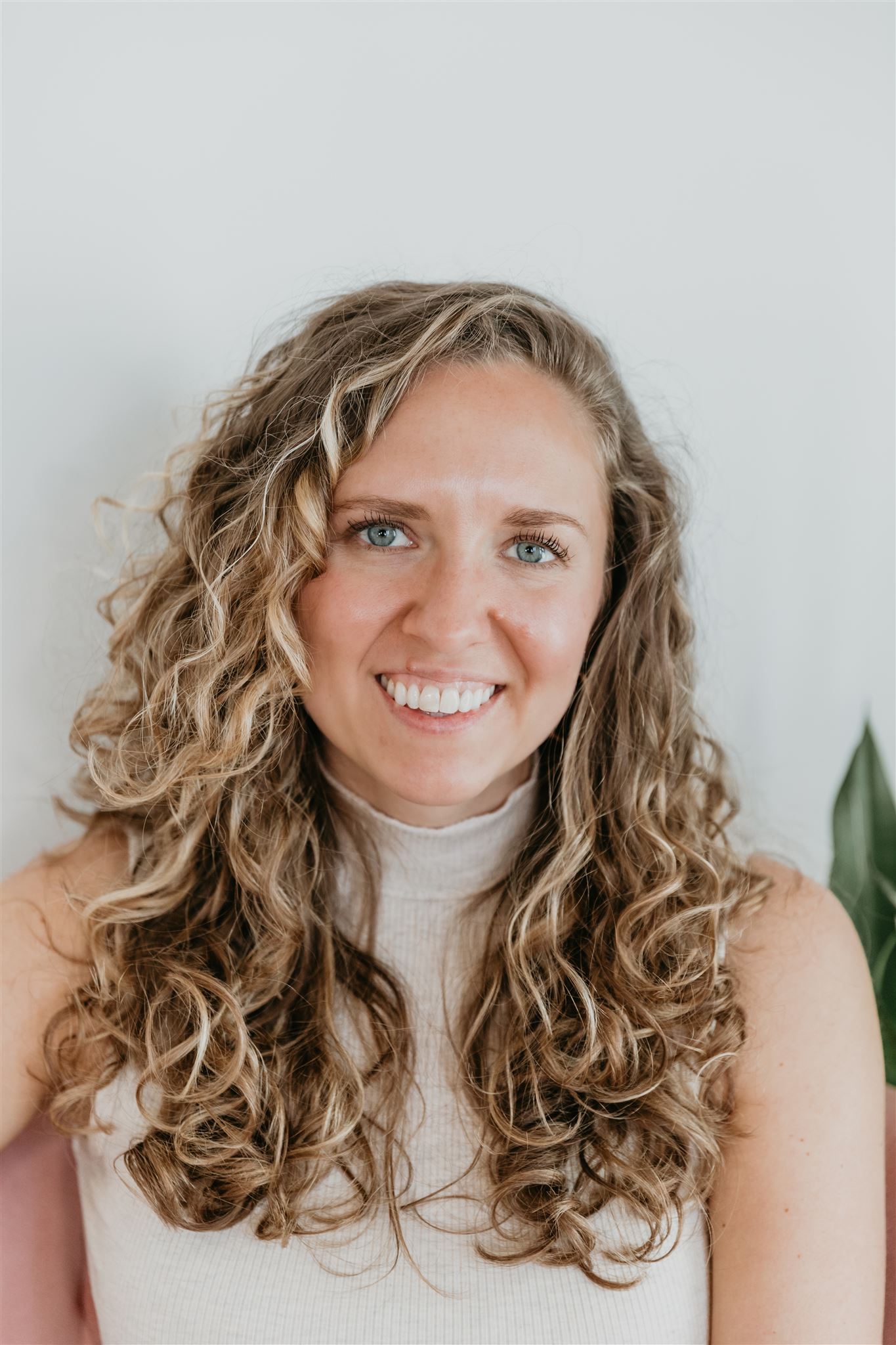
Allison, before we move on to more of these sorts of questions, can you take some time to bring our readers up to speed on you and what you do?
My name is Dr. Allison Meins, though I often go by Dr. Allie. I’m a licensed clinical psychologist in California, with a fully virtual private therapy practice, which means that I can work with anyone who resides within the California state border. I’m passionate about witnessing and supporting others as they wrestle with life’s tough questions and decisions. I specialize in working with adults and teens as they navigate anxiety, perfectionism, self-worth, relationship and communication issues, grief and loss, and transitions during various life stages (such as navigating early adulthood, figuring out one’s priorities and life-balance in one’s thirties, managing mid-life crisis, taking care of oneself through divorce, or accepting change that comes with aging). My goal is to support, encourage, and challenge my patients to live the life they want to lead and improve their relationships with others, starting with themselves. I believe that everyone is capable of finding purpose and enjoyment in daily life activities and learning to rest and play, without guilt. Life doesn’t have to be as hard as we sometimes make it, so my goal is to help others transform their suffering and live a life rooted in their values. I’m most proud of the working relationships I build with my patients and the honesty involved in our communication.
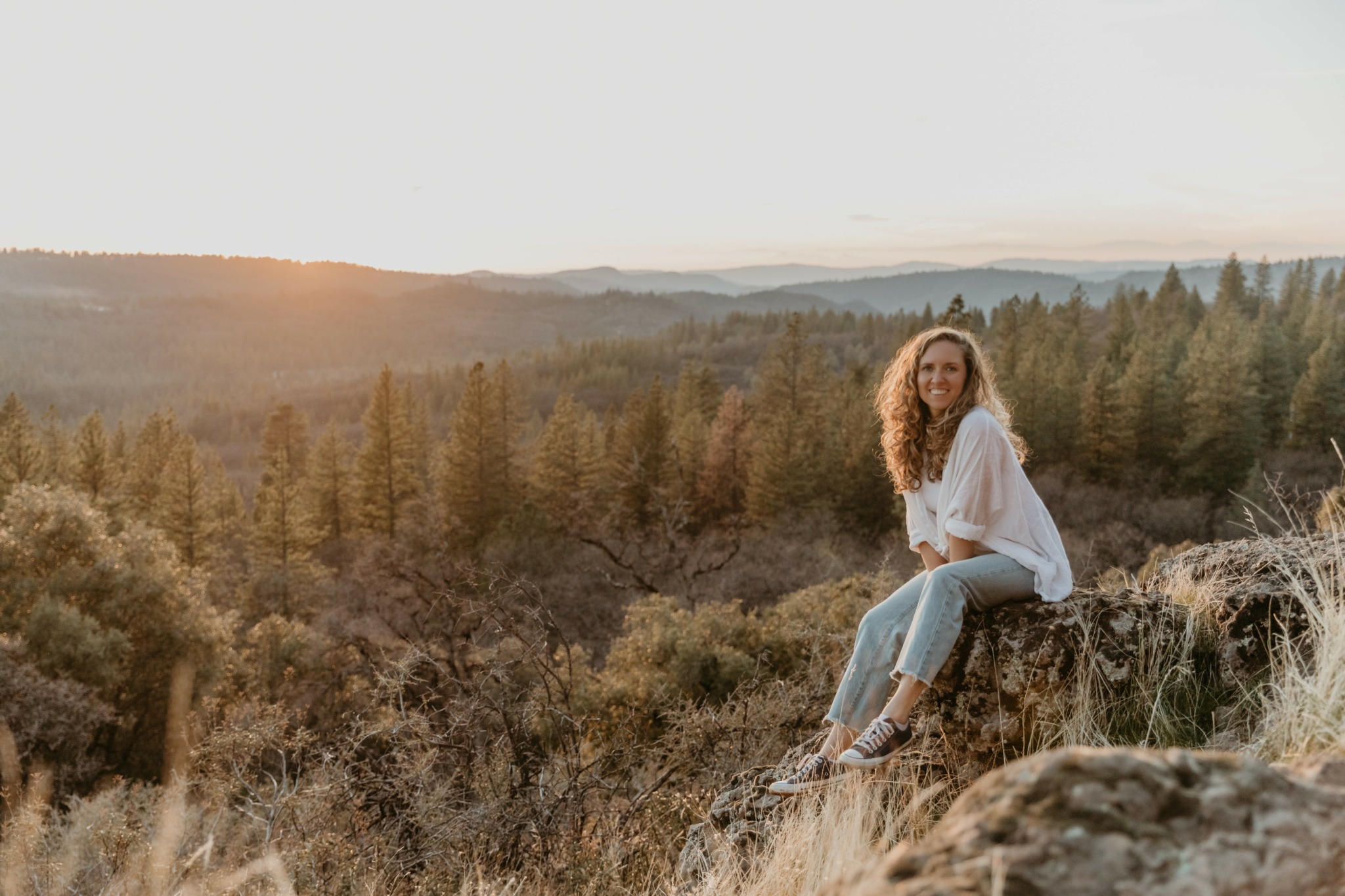
At the end of the day, I’m a fellow traveling human who can be real with folks about life’s many uncertainties and beauties. I thrive when I’m able to be outside in nature. I enjoy spending time with my loved ones while hiking or skiing in the mountains, breathing in the salty-air of the ocean, catching a beautiful sunrise or sunset, listening to live music, and searching for wildflowers that bring pops of color to the changing seasons.

If you could go back, would you choose the same profession, specialty, etc.?
Absolutely! I often joke that in another life I might choose to be a geologist, simply because learning about the earth is another passion of mine; however, the truth is that I feel like the luckiest person on the planet to be a psychologist. It’s incredibly rewarding to engage with people daily; build compassionate working relationships with patients; learn about their values, life experiences, hopes, dreams, sorrows, and relationships; and support folks as they work diligently on creating a meaningful and fulfilling life for themselves. I’ve never been one for small talk, so having the opportunity to dive right into the deeper conversations with people feels natural and important. I’ll never take for granted the wonderful work I get to do and the wonderful people with whom I get to do it. There are many small and large moments of improvement, change, or insight that I get to witness and celebrate with my clients, and that will never get any less exciting. I joke that I do not have magical powers, but I often feel like I get to witness and feel the magic of people making positive changes in their lives – it’s the raddest thing!
Are there any books, videos, essays or other resources that have significantly impacted your management and entrepreneurial thinking and philosophy?
Perhaps these books are more focused on my philosophy about psychology, but inevitably, I think they are descriptive of the approaches I take in my work and also how I lead my practice. I find it effective for me, as both a psychologist and practice owner, to lead with transparency, organization, mindfulness, compassion, directness, solid research, and connection. Books I commonly find myself recommending to patients, family, friends, and anyone who will listen, which I believe speak to the values I mentioned above, include:
1) The Wisdom of Insecurity by Alan Watts
2) No Mud, No Lotus by Thich Nhat Hanh
3) Daring Greatly by Brene Brown
4) The Anxious Generation by Jonathan Haidt
Contact Info:
- Website: https://www.drallisonmeins.com/
- Instagram: https://www.instagram.com/dr.allisonmeins.psychology/


Image Credits
Alyssa Keys Photography